


Primary sourceDocument17 April 1895
Treaty of Shimonoseki
17 April 1895
The 1895 treaty ending the First Sino-Japanese War, signed under the Qing government during Cixi's regency, which exposed the failure of China's reform efforts.
This treaty's harsh terms exposed the failure of reforms carried out under Cixi's regency, triggering a later reform crisis.
Free Humy account · No credit card · 120,912 sources to read
About this source
What it is
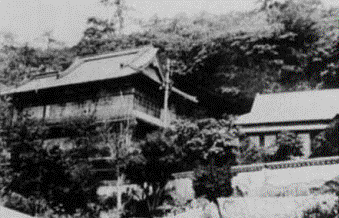
Signed on 17 April 1895 at the Shunpanrō hall in Shimonoseki, Japan, this treaty ended the First Sino-Japanese War. It was signed by Count Itō Hirobumi and Viscount Mutsu Munemitsu for Japan, and Li Hongzhang and his son Li Jingfang for the Qing dynasty.
Why it matters
The treaty forced China to recognize Korea's independence, cede Taiwan and other territory, and pay a huge indemnity. It exposed the failure of the 'Self-Strengthening' modernization efforts carried out under the regency of Empress Dowager Cixi, and the humiliation helped trigger the reform crisis of 1898. It shows how military defeat could shake the authority of China's rulers.
Look closer
- Why would this treaty's terms be seen as humiliating for China?
- What does the treaty reveal about the balance of power between China and Japan at the time?
- How might a defeat like this affect the authority of the people running the government?
This document is part of the curated material that grounds the AI version of Empress Dowager Cixi, Emperor Meiji, Itō Hirobumi and Guangxu Emperor on Humy.ai — when students ask about related events, the AI can quote it and cite it.
More Empress Dowager Cixi sources
Browse all 90 →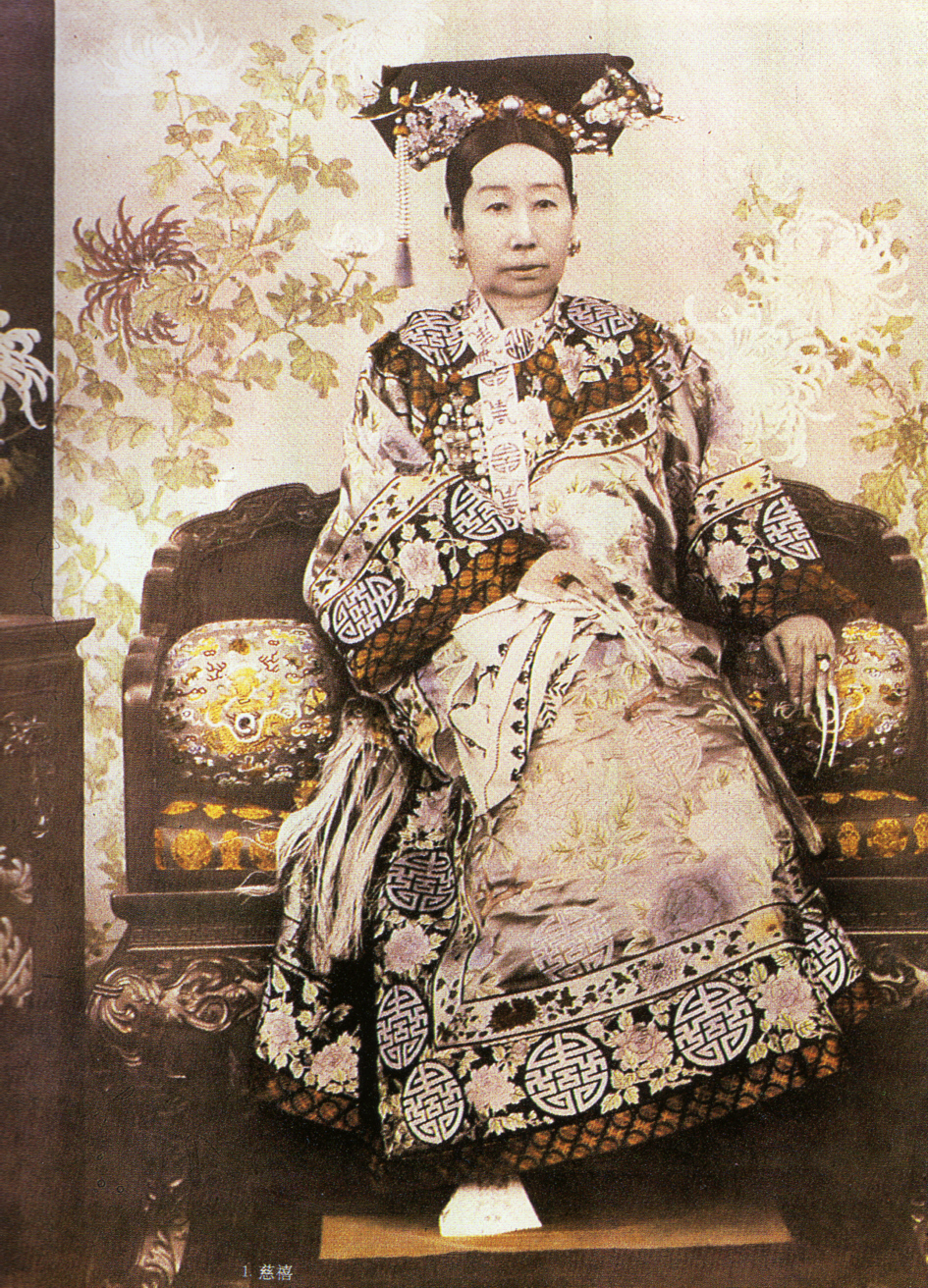 Photograph
Primary source
Empress Dowager Cixi
Yu Xunling · c. 1903-04
 Painting
Primary source
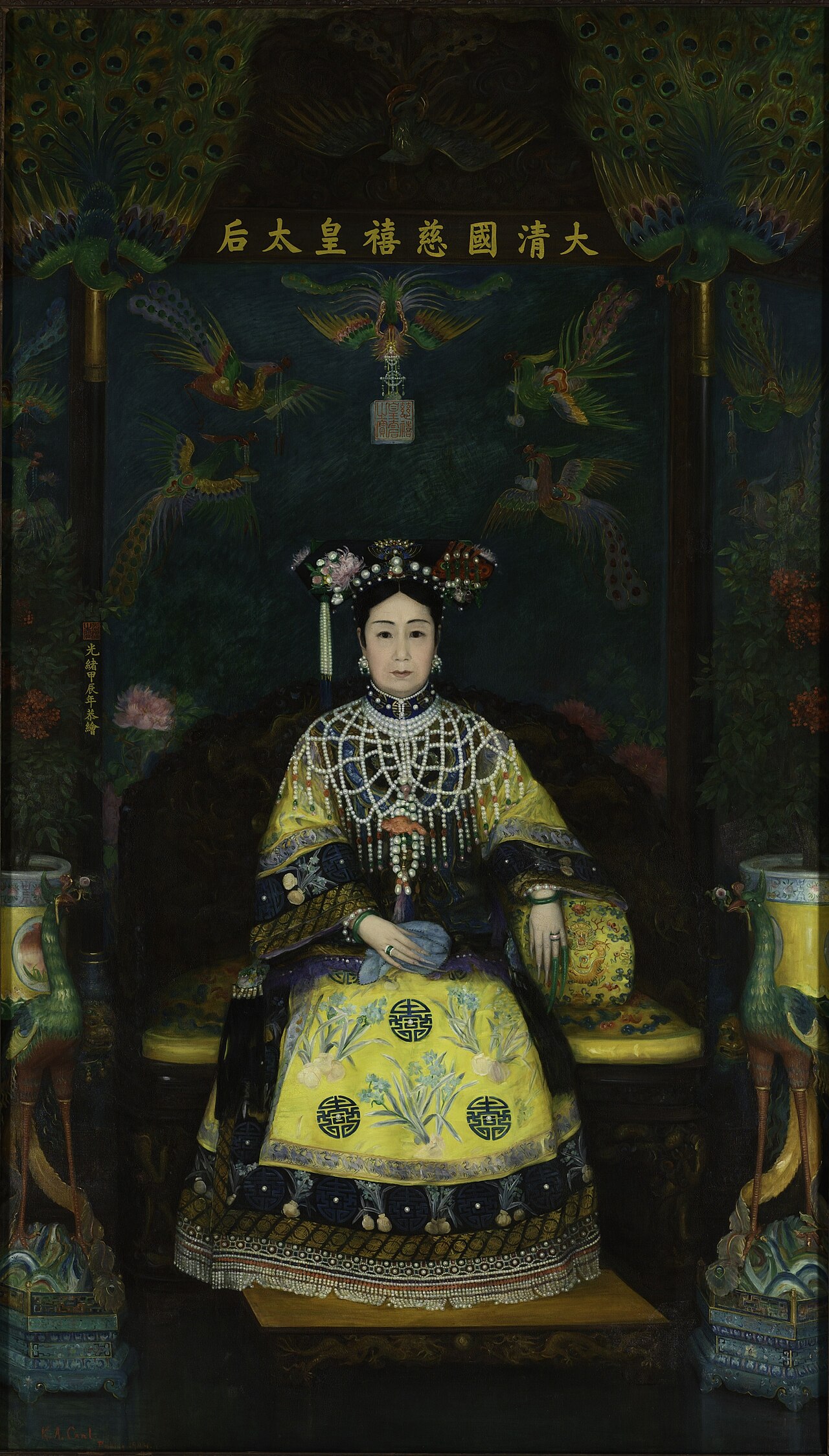
The Empress Dowager, Tze Hsi, of China
Katharine Augusta Carl · 1903
Primary source
Imperial Decree of Declaration of War Against Foreign Powers
Guangxu Emperor · 21 June 1900
 Document
Primary source
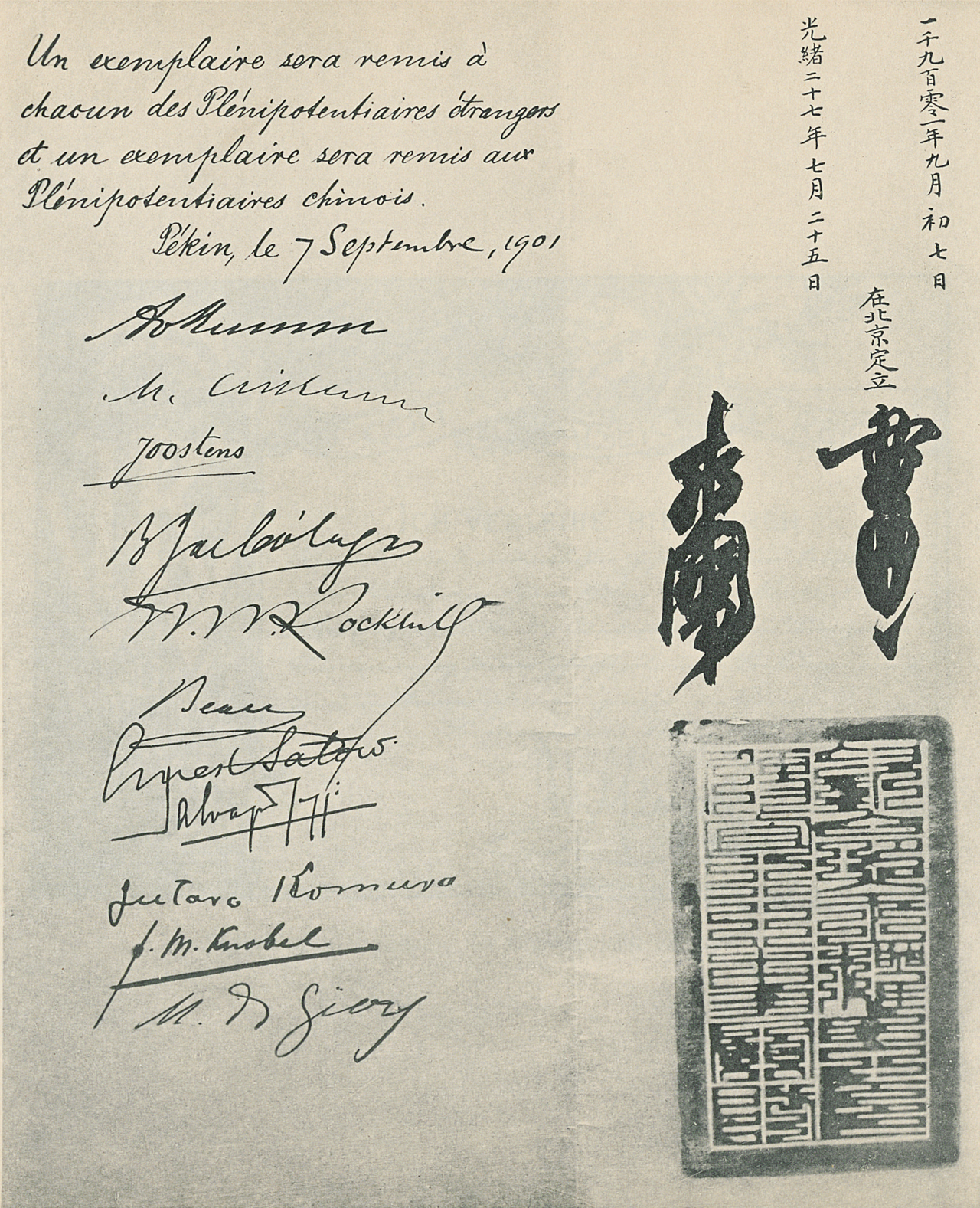
Boxer Protocol
7 September 1901
Free account
Read every Empress Dowager Cixi source
Sign up free →
Ready when you are
Start chatting with Empress Dowager Cixi now.
20 messages free · No credit card · Available in 50+ languages.