


Primary sourceDocument19 September 1468
Treaty of the Bulls of Guisando
19 September 1468
The 1468 agreement between Isabella and her half-brother Henry IV that recognized her as heir to the throne of Castile.
This treaty recognized Isabella as heir to Castile, the legal basis for her later claim to the crown.
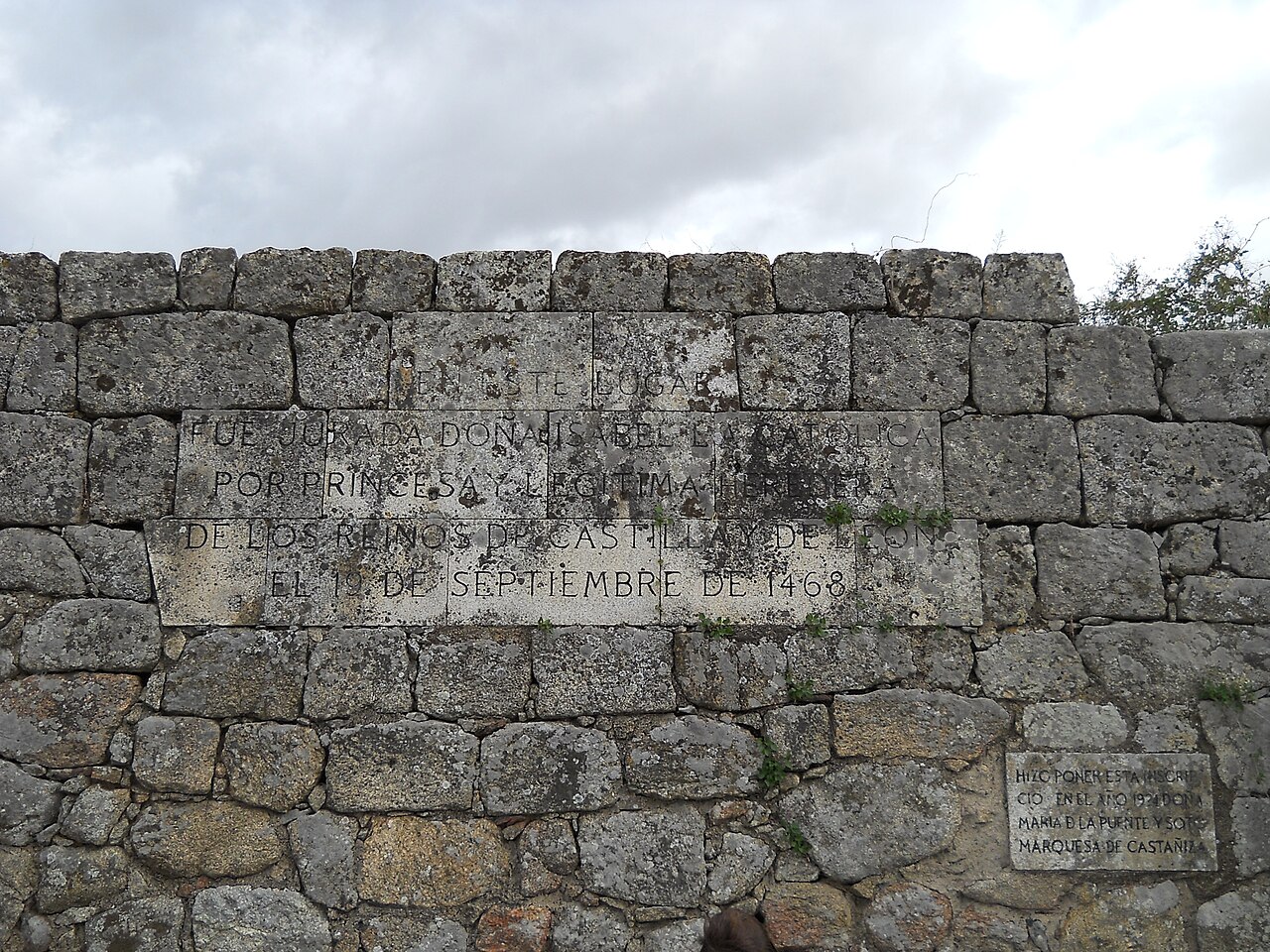
About this source
What it is
This treaty was agreed on 19 September 1468 at the Bulls of Guisando near Ávila, between King Henry IV of Castile and his half-sister Isabella. It followed years of civil war in Castile over the succession.
Why it matters
The treaty granted Isabella the title of Princess of Asturias, making her heiress presumptive to Castile, and removed Henry's daughter Joanna from the succession. This treaty became the legal foundation of Isabella's later claim to the throne, though Henry withdrew his support after Isabella married Ferdinand without his consent, leading eventually to renewed war. The modern plaque commemorating the site shows how this moment is remembered in Spain today.
Look closer
- Why might Henry IV have later gone back on this agreement?
- What does the treaty's unraveling tell us about the fragility of political promises between rival claimants?
- Why do you think this site was later marked with a commemorative plaque?
This document is part of the curated material that grounds the AI version of Queen Isabella I on Humy.ai — when students ask about related events, the AI can quote it and cite it.
More Queen Isabella I sources
Meet the AI Queen Isabella I →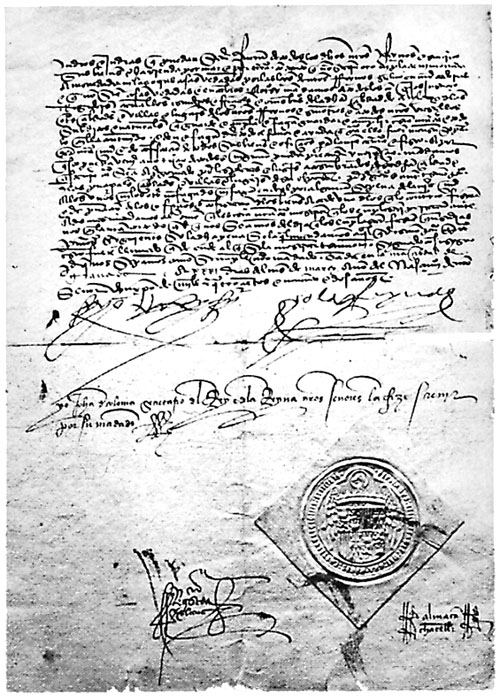 Document
Primary source
Alhambra Decree
Isabella I of Castile and Ferdinand II of Aragon · 31 March 1492
 Document
Primary source
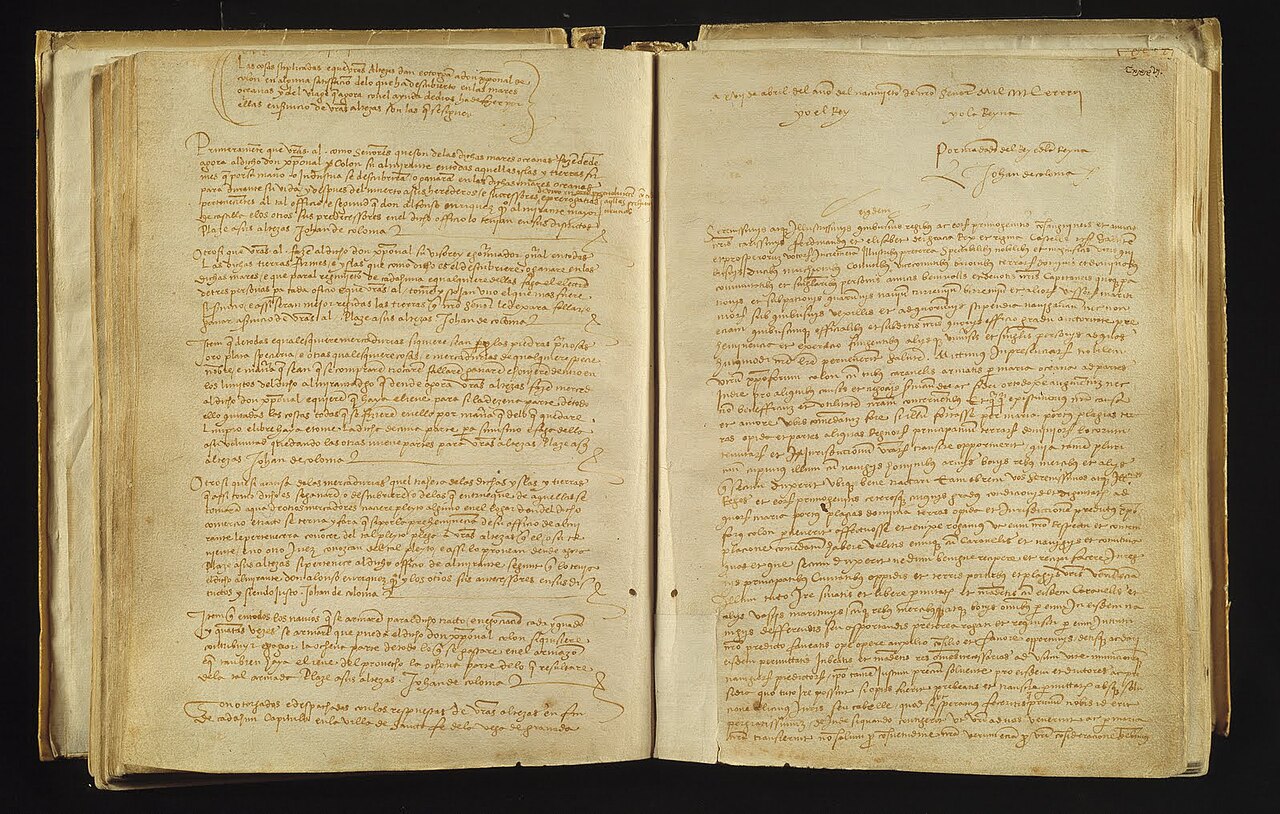
Capitulations of Santa Fe
Catholic Monarchs · 17 April 1492
 Document
Primary source
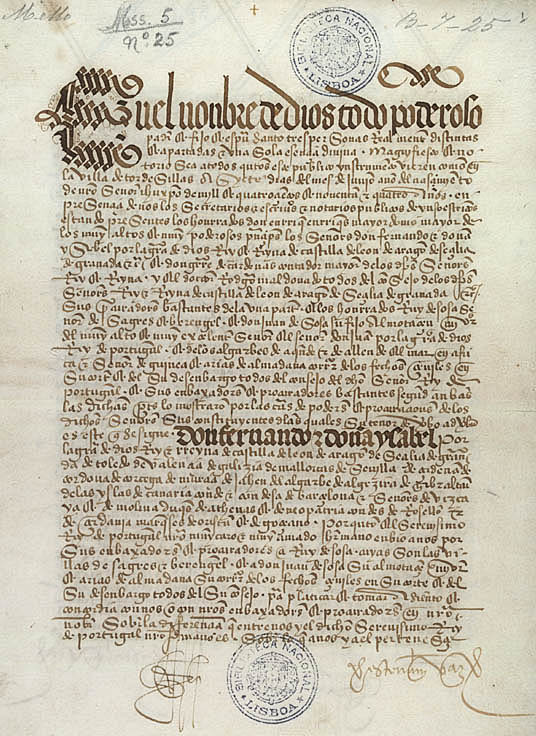
Treaty of Tordesillas
7 June 1494
Primary source
Testament of Isabella I of Castile
Isabella I of Castile · 12 October 1504
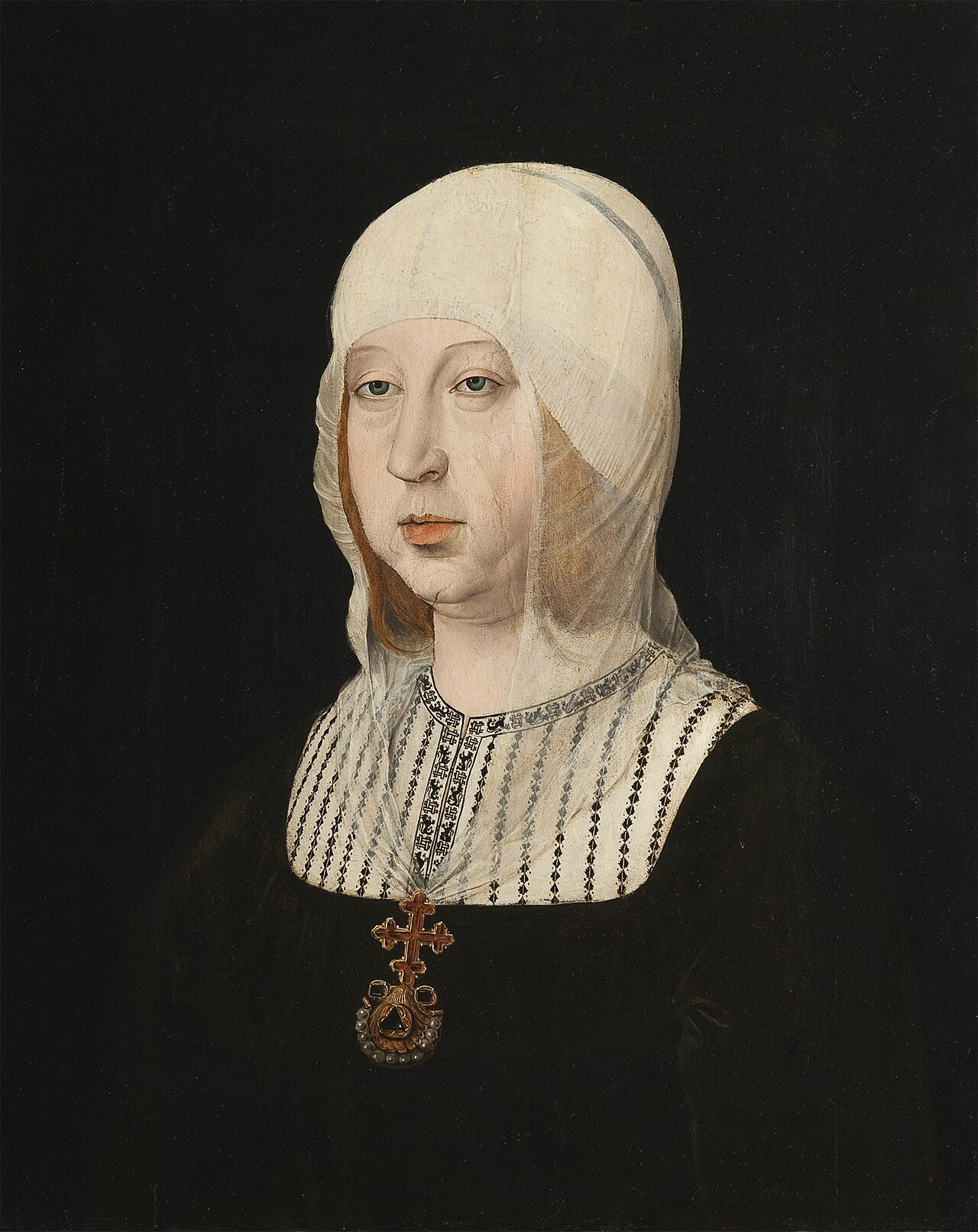 Painting
Primary source
Portrait of Isabella the Catholic
Juan de Flandes · c. 1500
Ready when you are
Start chatting with Queen Isabella I now.
20 messages free · No credit card · Available in 50+ languages.