


Primary sourceDocument16 May 1795
Treaty of The Hague
16 May 1795
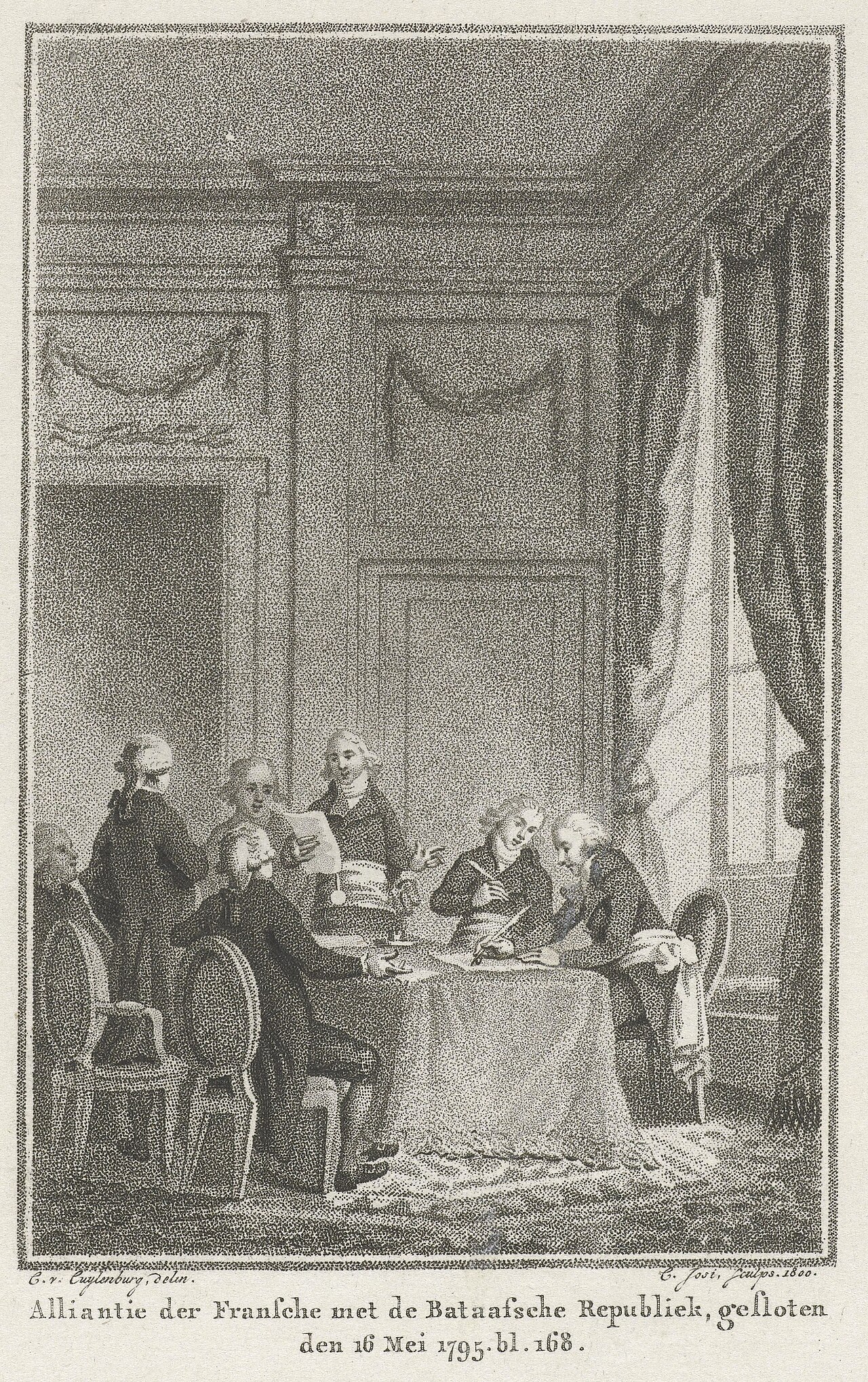
The 1795 peace treaty between France and the Batavian Republic, which Sieyès negotiated and signed on a diplomatic mission.
Sieyès negotiated and signed this treaty during his diplomatic mission, showing his role as a statesman abroad.
About this source
What it is
This is the Treaty of The Hague, signed on 16 May 1795 between representatives of the French First Republic and the Batavian Republic. Sieyès took part in negotiating and signing it during a diplomatic mission.
Why it matters
The treaty ended the war between France and the Dutch Republic and turned the Batavian Republic into a French ally, forcing it to cede territory, pay a large indemnity, and support French forces. It shows Sieyès acting not only as a political theorist but as a practical diplomat shaping France's relations with its neighbours during the Revolutionary wars.
Look closer
- What does the engraving's formal setting suggest about how treaties were meant to look important?
- Why might France have demanded money and territory as conditions of alliance?
- What does this document reveal about Sieyès's roles beyond revolutionary theory?
This document is part of the curated material that grounds the AI version of Emmanuel Joseph Sieyès on Humy.ai — when students ask about related events, the AI can quote it and cite it.
More Emmanuel Joseph Sieyès sources
Meet the AI Emmanuel Joseph Sieyès →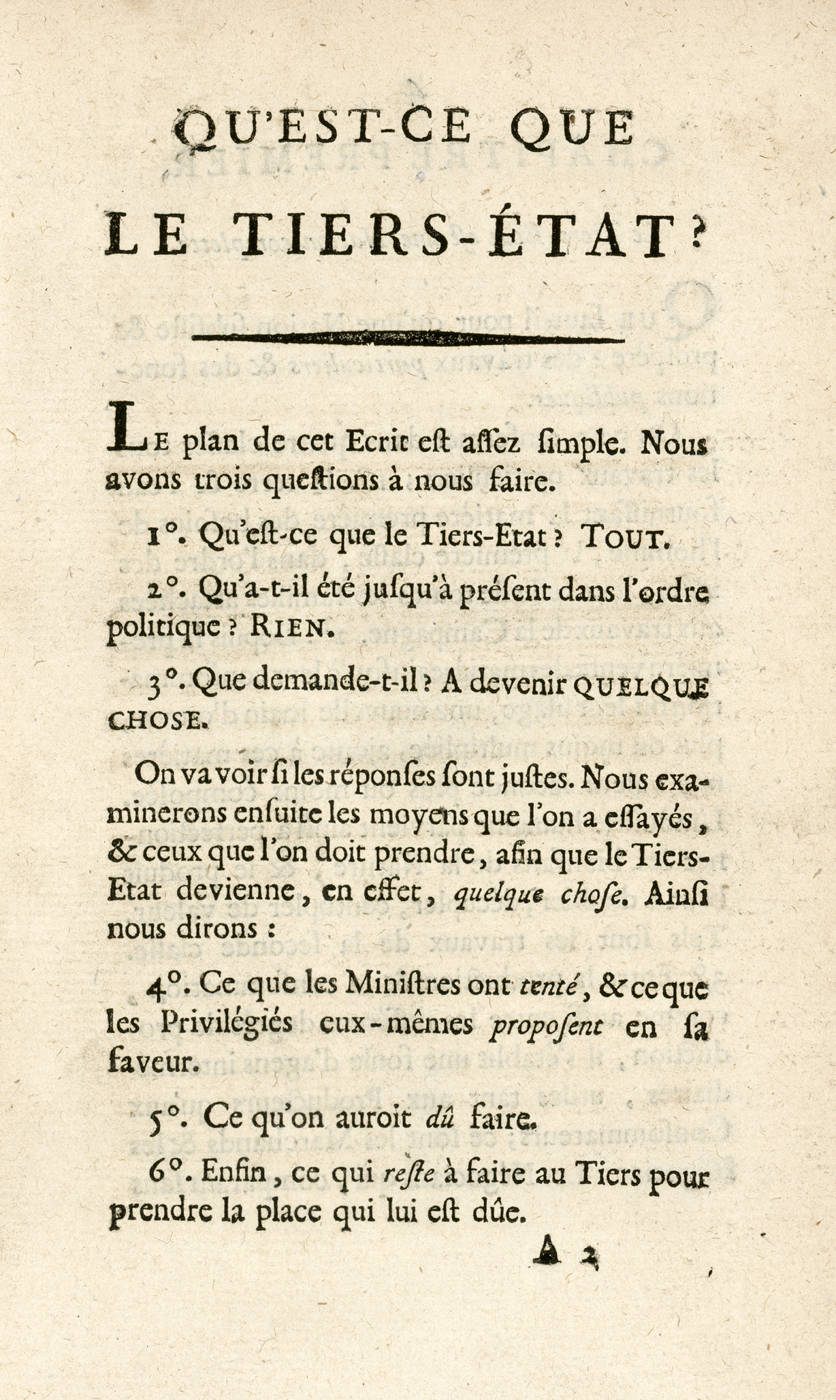 Book
Primary source
What Is the Third Estate?
Emmanuel Joseph Sieyès · January 1789
 Document
Primary source
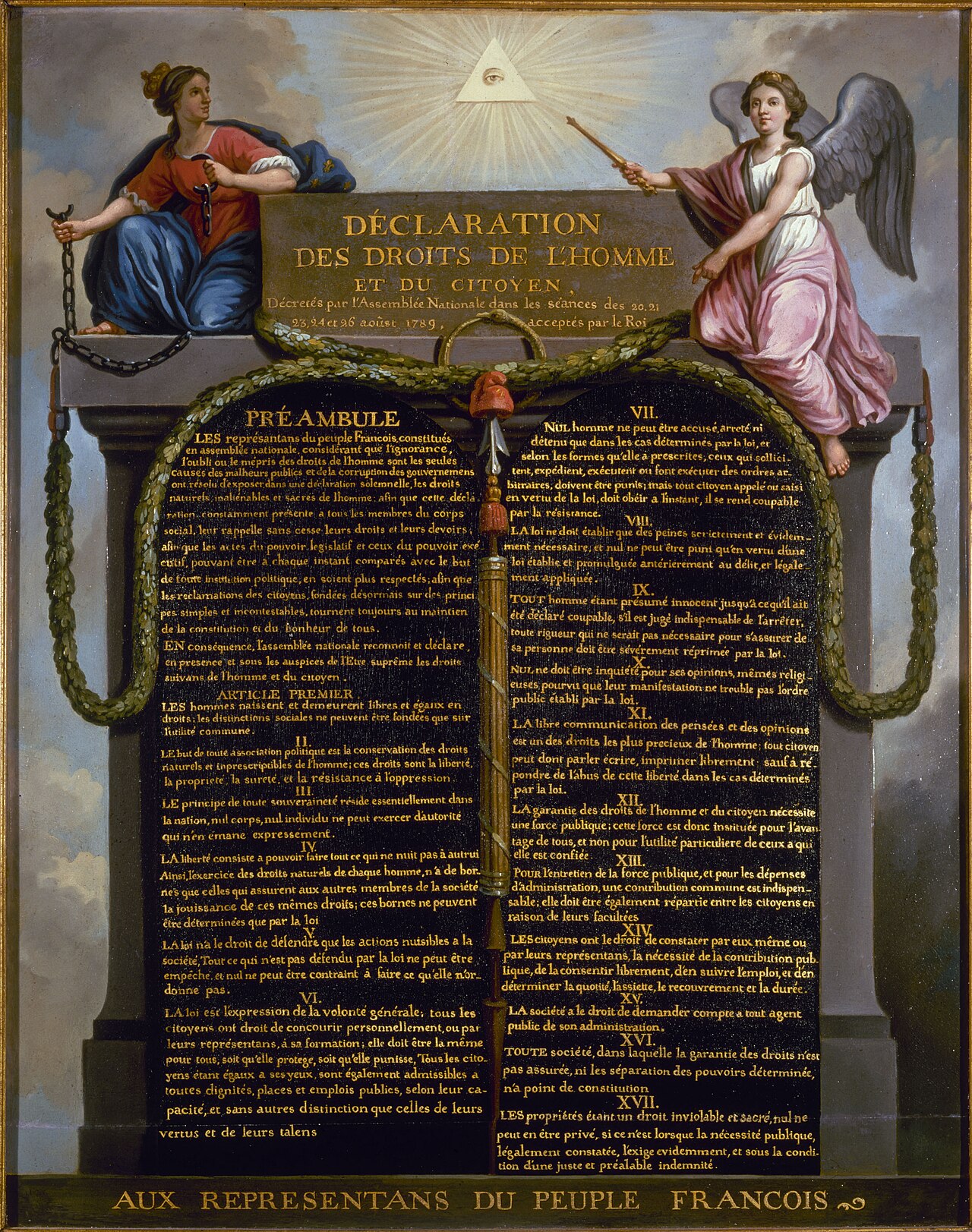
Declaration of the Rights of Man and of the Citizen
National Constituent Assembly · 1789
Primary source
Memoirs of Napoleon Bonaparte, Volume 1
Louis Antoine Fauvelet de Bourrienne
 Book
Primary source
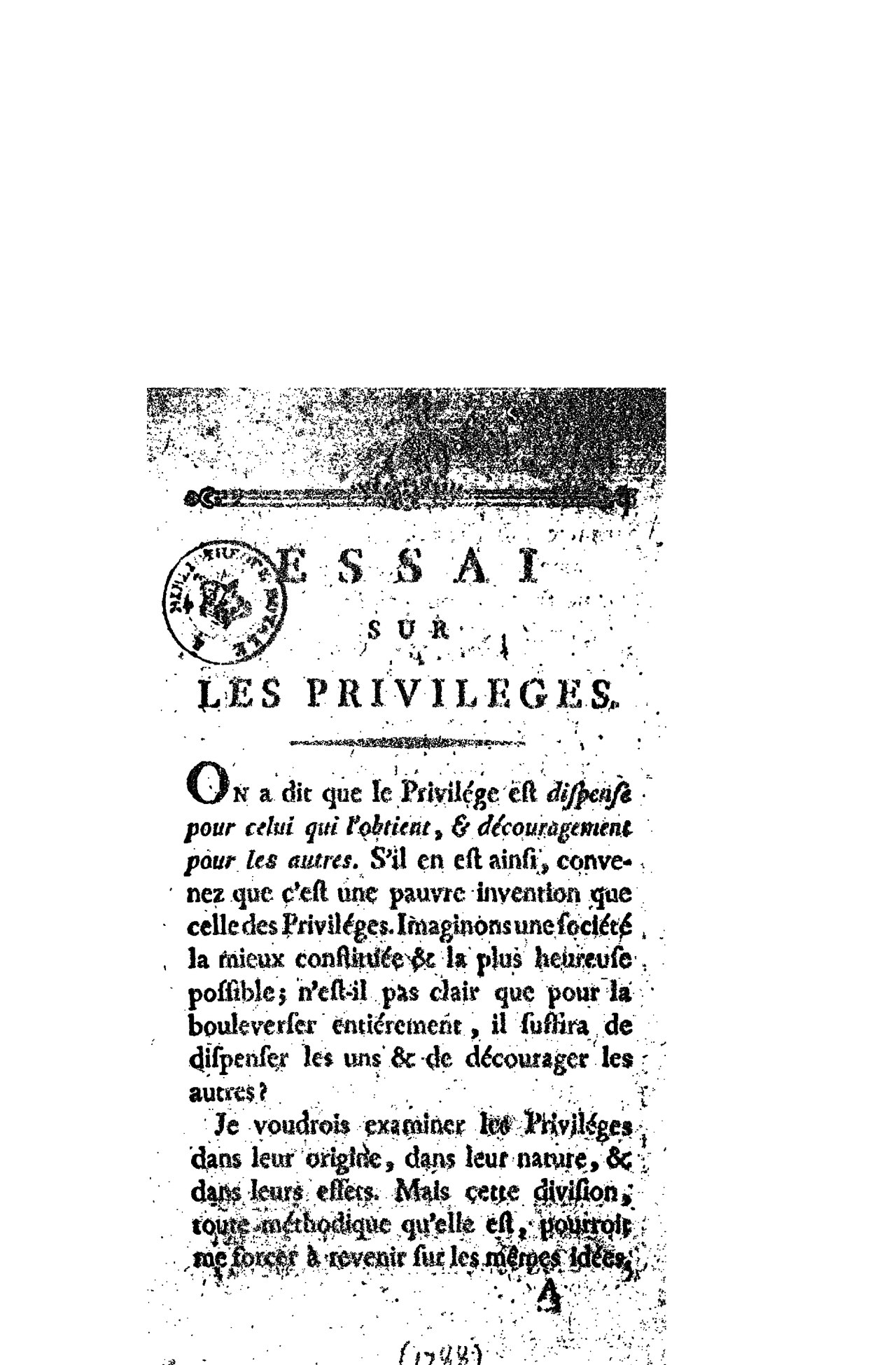
Essai sur les privilèges
Emmanuel Joseph Sieyès · 1788
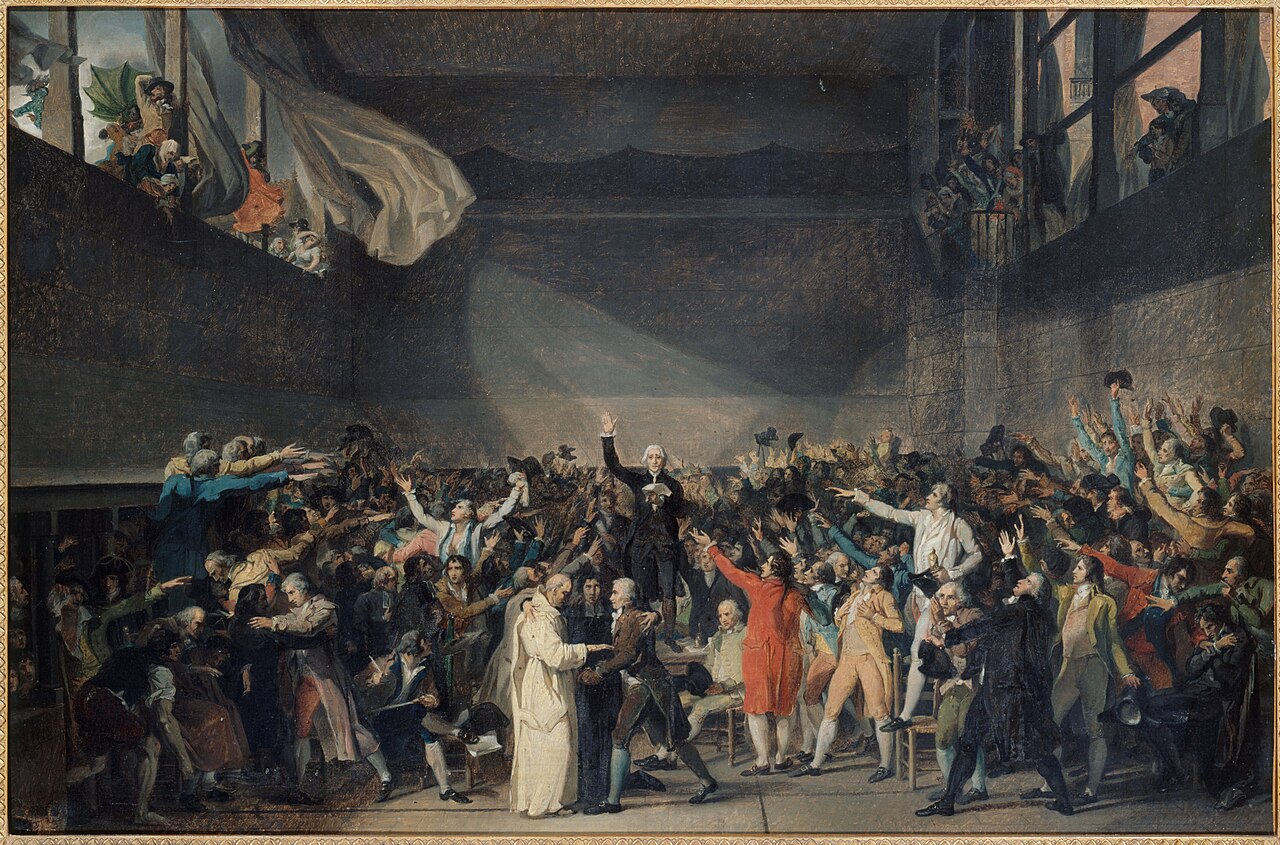 Painting
Secondary source
Tennis Court Oath
Jacques-Louis David · 1791
Ready when you are
Start chatting with Emmanuel Joseph Sieyès now.
20 messages free · No credit card · Available in 50+ languages.