


Primary sourceDocument4 June 1920
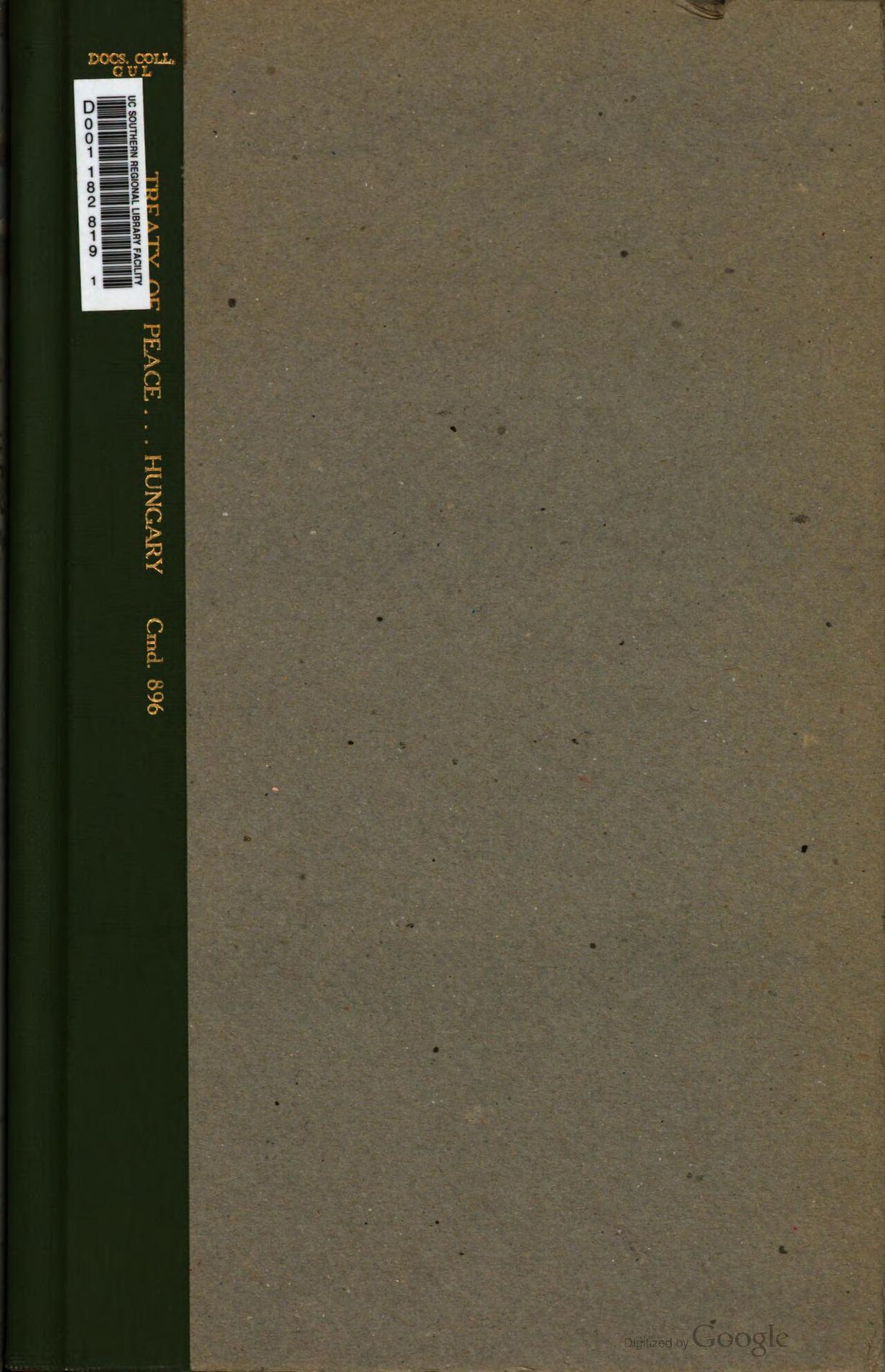
Treaty of Trianon
4 June 1920
The 1920 peace treaty between the Allies and Hungary, signed at the Grand Trianon near Versailles, that set Hungary's new borders after the war Kun's regime had fought to resist.
The treaty set the territorial losses that Kun's nationalist-revolutionary war of 1919 had aimed to prevent.
About this source
What it is
This is the Treaty of Trianon, a peace settlement signed at the Grand Trianon at Versailles on 4 June 1920. It was prepared at the Paris Peace Conference and formally ended World War I between most of the Allies and the Kingdom of Hungary. The copy shown here is a printed British edition published by His Majesty's Stationery Office, presented to Parliament as Treaty Series No. 10 (1920).
Why it matters
The treaty fixed the territorial losses that had fuelled the nationalist-revolutionary war of 1919, in which Béla Kun led the Hungarian Soviet Republic. Hungary lost about 72 percent of its pre-war territory, and about 3.3 million Hungarians came to live in neighbouring states. The treaty was dictated by the Allies rather than negotiated, and Hungarian delegates signed under protest. Its consequences caused lasting resentment in Hungary.
Look closer
- Why did the Allies refuse plebiscites for the new borders, and how did Hungarian diplomats read the Millerand letter?
- Who gained from the treaty, and whose voices are missing from a document written by the victors?
- How does a printed British government copy change the way students might read a document about Hungary?
This document is part of the curated material that grounds the AI version of Béla Kun on Humy.ai — when students ask about related events, the AI can quote it and cite it.
More Béla Kun sources
Meet the AI Béla Kun →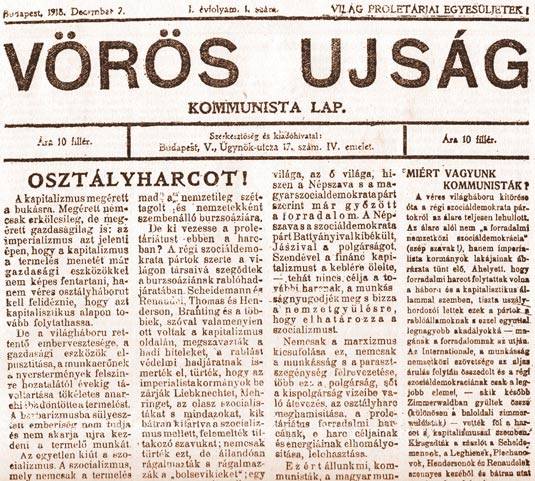 Newspaper article
Primary source
Vörös Újság: First Editorial
Béla Kun · 7 December 1918
 Photograph
Primary source
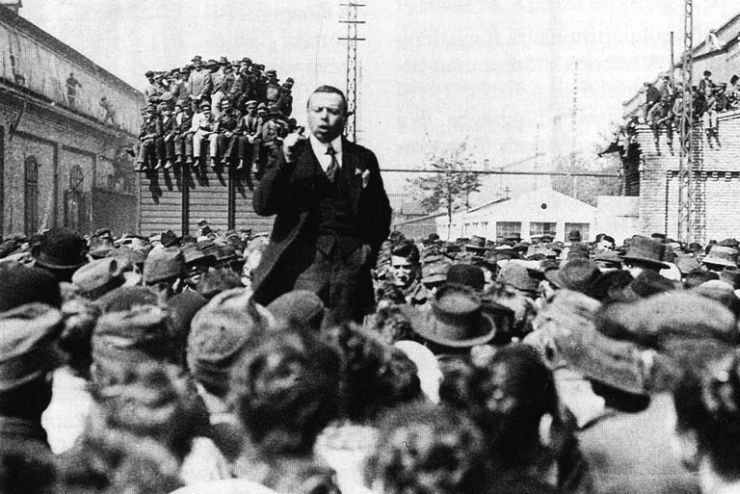
Béla Kun, Leader of the 1919 Hungarian Revolution
1919
 Photograph
Primary source
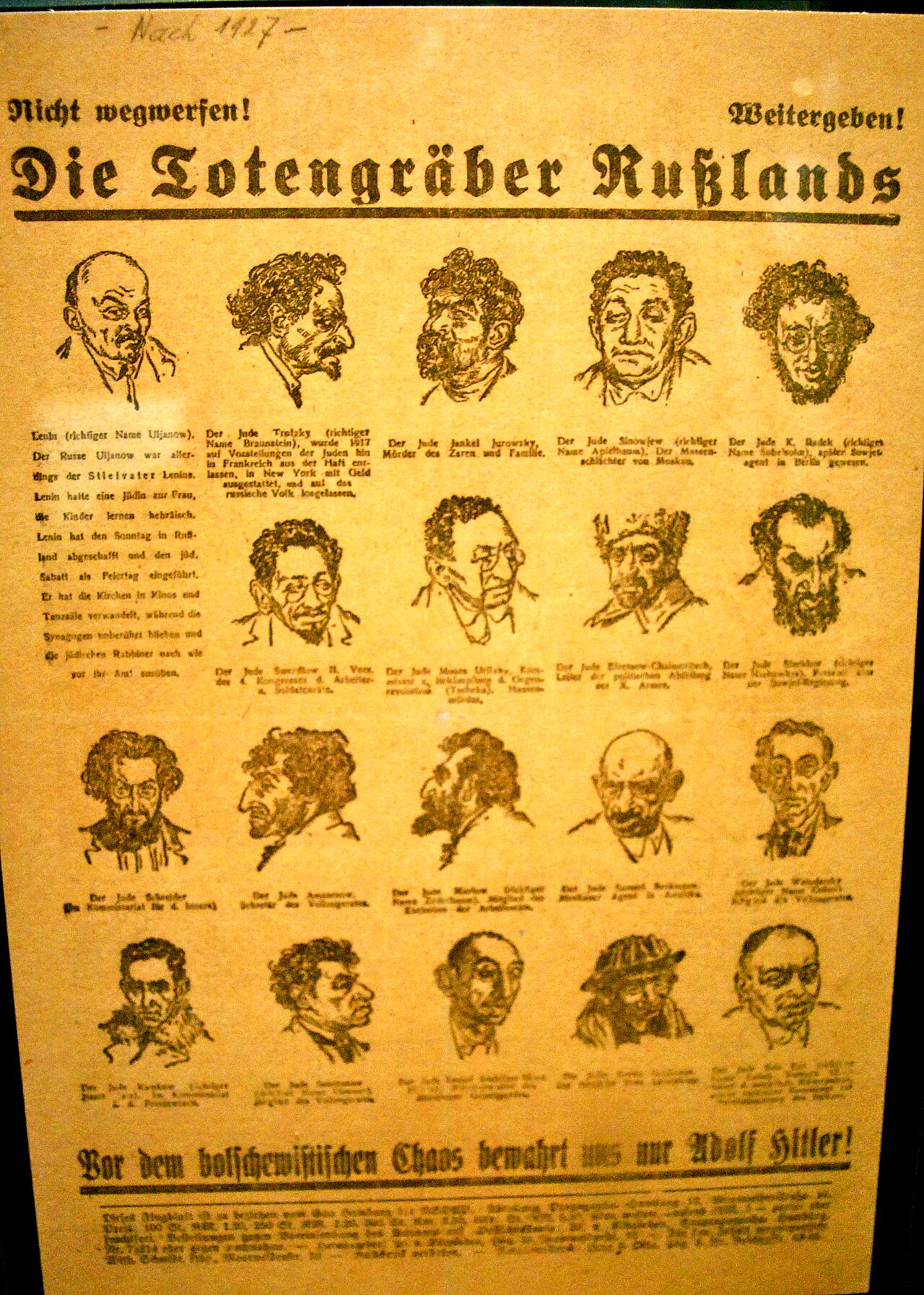
Die Totengräber Russlands
March 1937
 Photograph
Primary source
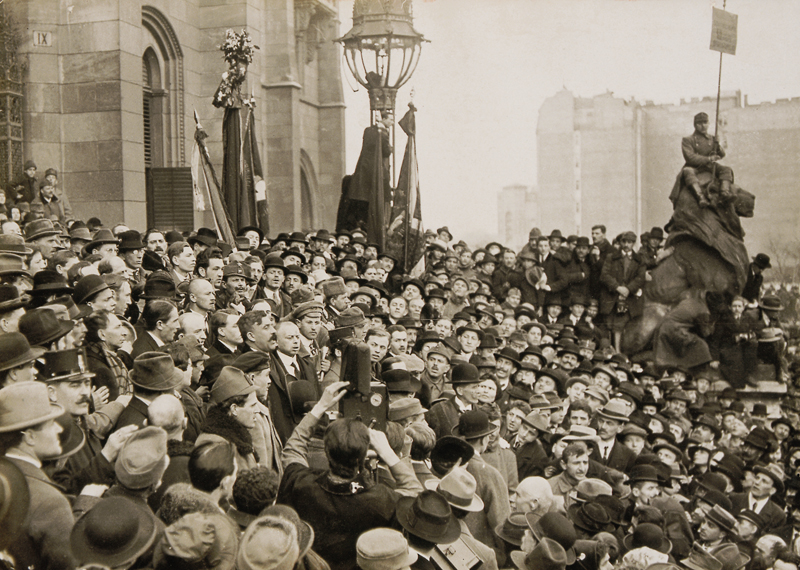
Sándor Garbai and Béla Kun, Leaders of the Hungarian Soviet Republic
1919
 Artifact
Secondary source
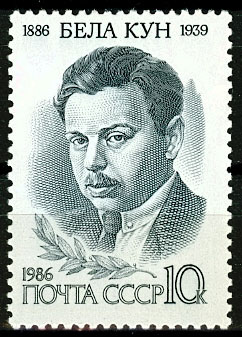
Soviet postage stamp honouring Béla Kun (1986)
1986
Ready when you are
Start chatting with Béla Kun now.
20 messages free · No credit card · Available in 50+ languages.