


Secondary sourcePaintingcirca 1880
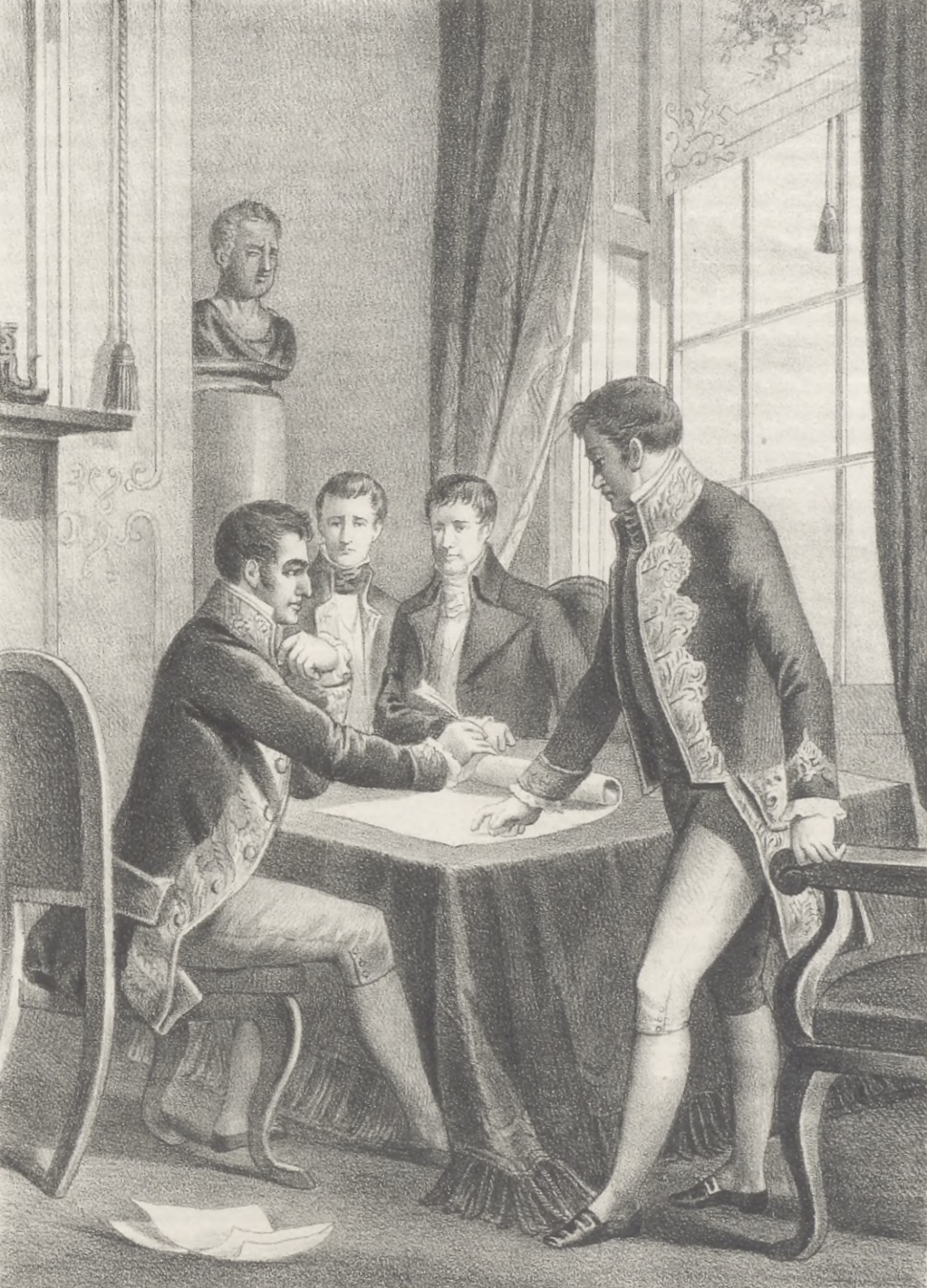
Treaty of Valençay, 1813
Josep Serra i Porsón · circa 1880
A later painting by Josep Serra i Porsón of the 1813 Treaty of Valençay, which released Ferdinand from French captivity.
Shows the 1813 treaty that freed Ferdinand from French captivity, a key event in his life.
About this source
What it is
This is a painting by Josep Serra i Porsón, created around 1880, showing the 1813 Treaty of Valençay. The image shown is a black and white lithograph-style reproduction of a 19th-century interior. A seated man in an embroidered coat signs or reads a document on a draped table, while three standing men watch. One stands at right with his hand on a chair. A bust sits on a pedestal at left, and tall curtained windows are behind them.
Why it matters
The treaty released Ferdinand from French captivity, a major turning point for him. Because the painting was made many decades later, it shows how the moment was imagined in the 19th century. It connects Ferdinand to the men shown around the document.
Look closer
- Which figure seems to be the centre of attention, and how does the painter show this?
- Why might a later painter choose to show a treaty signing as a quiet interior scene?
- What does the painting leave out about the negotiations and the conditions of the agreement?
This painting is part of the curated material that grounds the AI version of Ferdinand VII on Humy.ai — when students ask about related events, the AI can quote it and cite it.
More Ferdinand VII sources
Browse all 94 →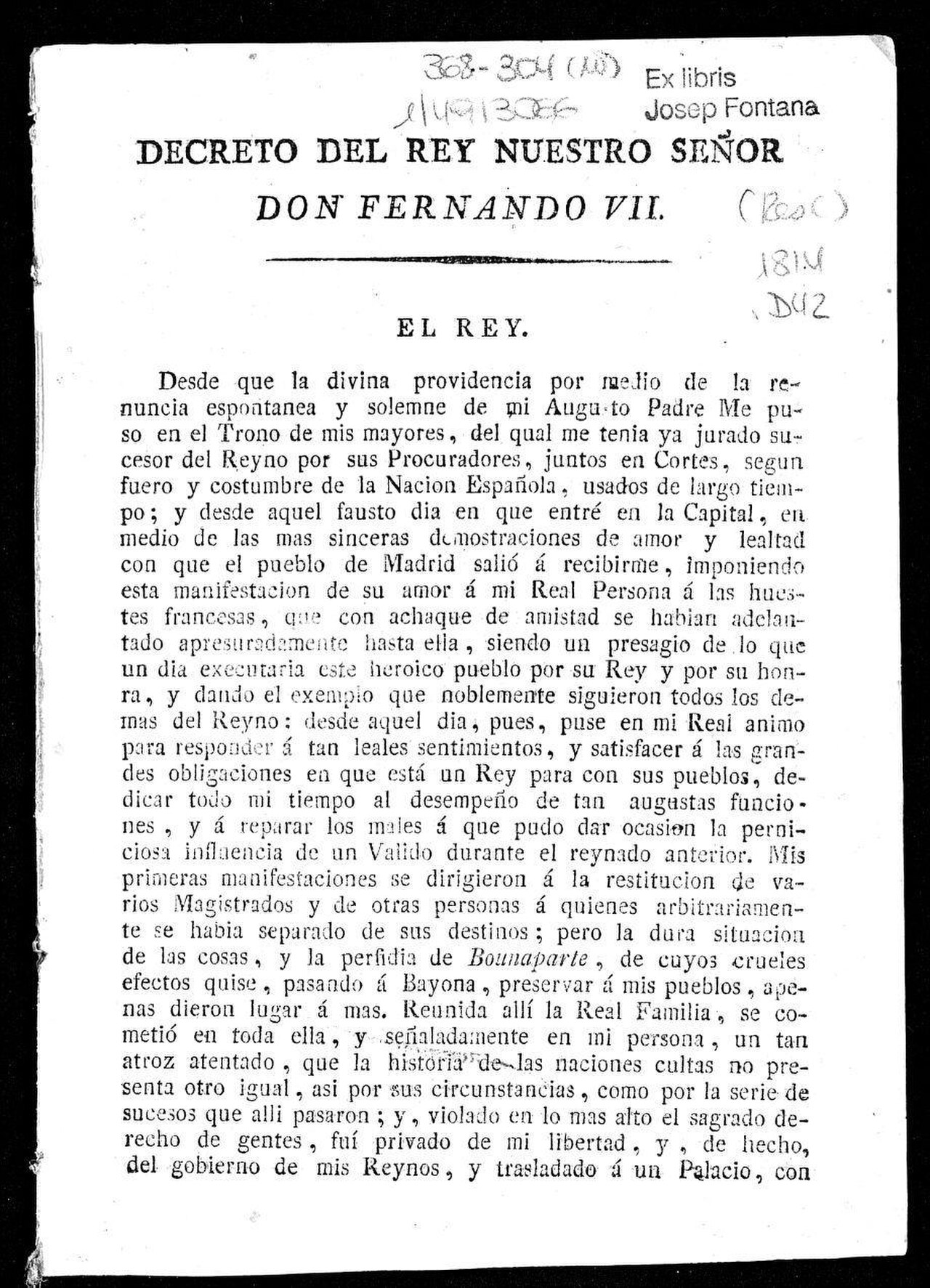 Document
Primary source
Decree Abolishing the Constitution of 1812
Ferdinand VII of Spain · 4 May 1814
Primary source
Pragmatic Sanction of 1830
Ferdinand VII of Spain · 29 March 1830
 Painting
Primary source
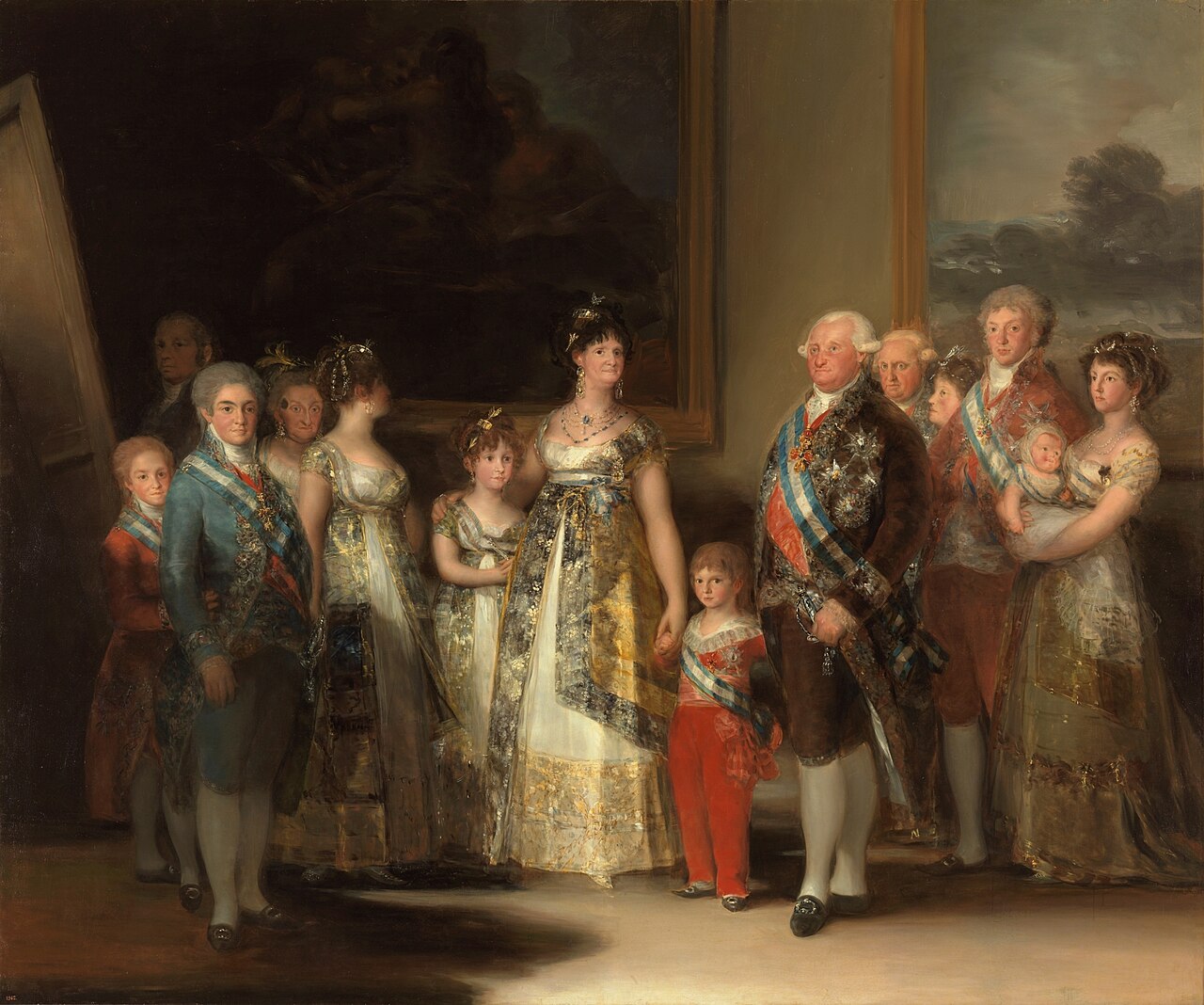
Charles IV of Spain and His Family
Francisco Goya · 1800-1801
 Painting
Primary source
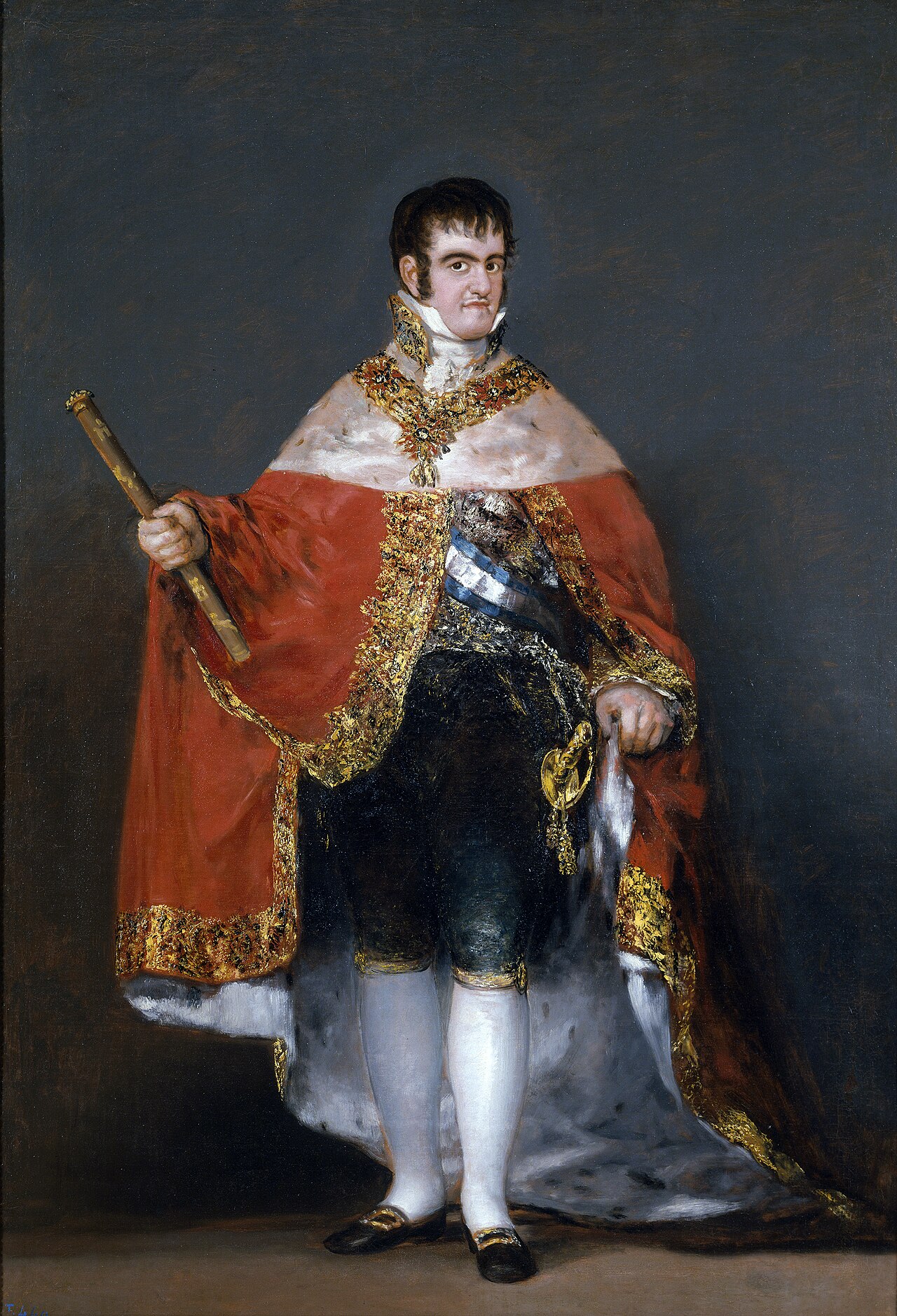
Ferdinand VII in Court Dress
Francisco Goya · 1814-1815

Free account
Read every Ferdinand VII source
Sign up free →
Ready when you are
Start chatting with Ferdinand VII now.
20 messages free · No credit card · Available in 50+ languages.