


Primary sourceDocument1654
Treaty of Westminster
1654
The 1654 peace treaty ending the First Anglo-Dutch War, De Witt's first major diplomatic achievement as Grand Pensionary.
This treaty, ending the First Anglo-Dutch War, was De Witt's first major diplomatic achievement as Grand Pensionary.
About this source
What it is
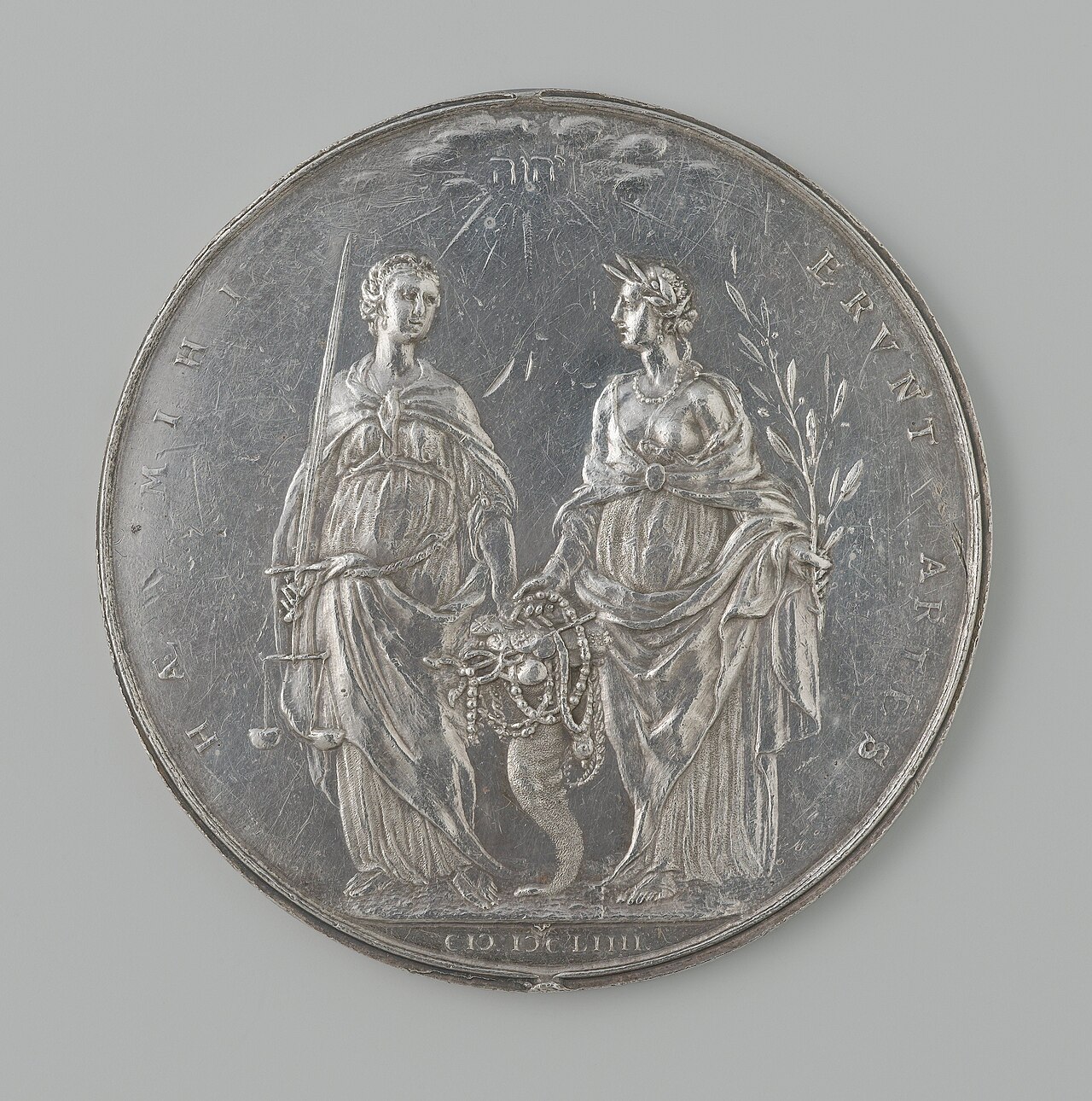
This 1654 treaty, signed between the Lord Protector of England and the States General of the United Netherlands, ended the First Anglo-Dutch War. It included a secret clause requiring the States of Holland to pass the Act of Seclusion. A silver commemorative medal was struck in Amsterdam to mark the peace.
Why it matters
This treaty was Johan de Witt's first major diplomatic achievement as Grand Pensionary, and its secret clause played an important role in Dutch internal politics during the period when the Republic had no stadtholder. It shows how international peace-making and domestic political maneuvering were tightly linked in De Witt's era.
Look closer
- Why might a secret clause be included in a public peace treaty?
- What does the commemorative medal suggest about how this peace was presented to the public?
- How does this treaty connect international diplomacy to internal Dutch politics?
This document is part of the curated material that grounds the AI version of Johan de Witt on Humy.ai — when students ask about related events, the AI can quote it and cite it.
More Johan de Witt sources
Browse all 70 → Painting
Primary source
Portrait of Johan de Witt (Jan de Baen, 1669)
Jan de Baen · 1669
 Painting
Primary source
Portrait of Johan de Witt (Hanneman)
Adriaen Hanneman · c. 1652
 Book
Primary source
Tractatus Theologico-Politicus
Benedictus de Spinoza · 1670
 Document
Primary source
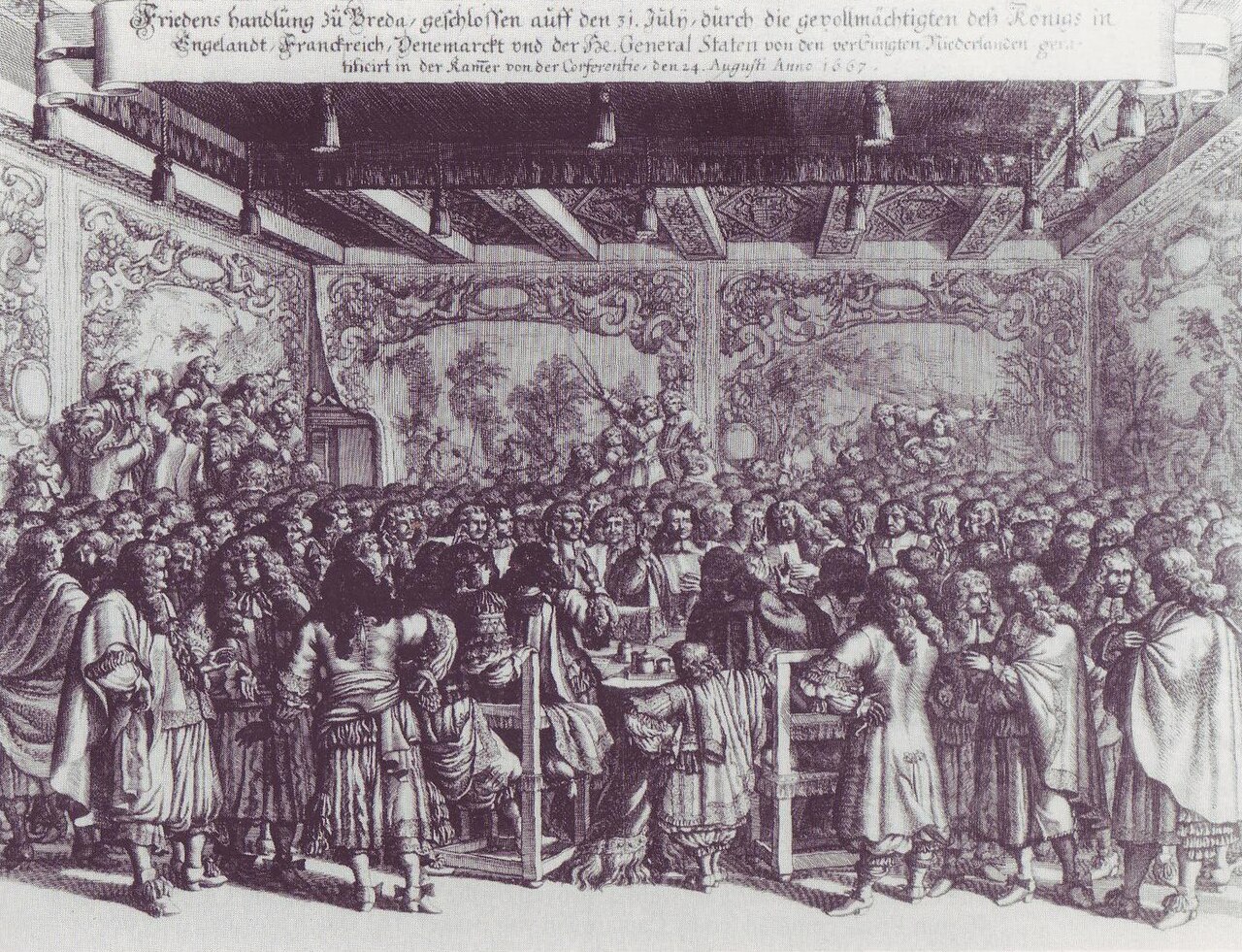
Treaty of Breda
31 July 1667
Free account
Read every Johan de Witt source
Sign up free →
Ready when you are
Start chatting with Johan de Witt now.
20 messages free · No credit card · Available in 50+ languages.