


Primary sourceBook1670
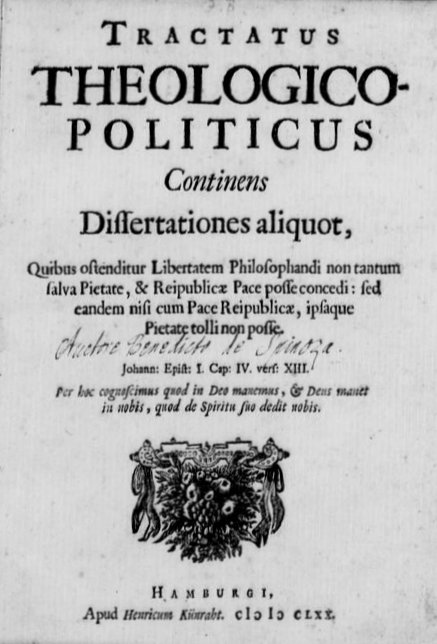
Tractatus Theologico-Politicus
Benedictus de Spinoza · 1670
Spinoza's 1670 book challenging the divine authorship of scripture and defending freedom of thought, published anonymously under a false imprint.
Spinoza wrote this anonymously published treatise, a bold defense of freedom of thought against religious authority.
About this source
What it is
The Tractatus Theologico-Politicus is a Latin work of philosophy written by Benedictus de Spinoza and published anonymously in 1670. To protect the author and publisher, the title page falsely named Hamburg as the place of publication.
Why it matters
Spinoza interrupted work on his Ethics to write this book after growing religious intolerance in the Dutch Republic, including the death of his friend Adriaan Koerbagh after imprisonment for similarly controversial writings. The book argues that scripture is not divinely dictated and that the state, not religious leaders, should guarantee freedom of thought. It became one of the most influential and controversial texts of its era, shaping later ideas about secularism and democracy.
Look closer
- Why do you think Spinoza published this book anonymously and under a false city of printing?
- What does the fake imprint tell you about the risks of publishing controversial ideas in the 1600s?
- How might readers at the time have reacted to a book questioning the divine origin of the Bible?
This book is part of the curated material that grounds the AI version of Baruch Spinoza on Humy.ai — when students ask about related events, the AI can quote it and cite it.
More Baruch Spinoza sources
Meet the AI Baruch Spinoza →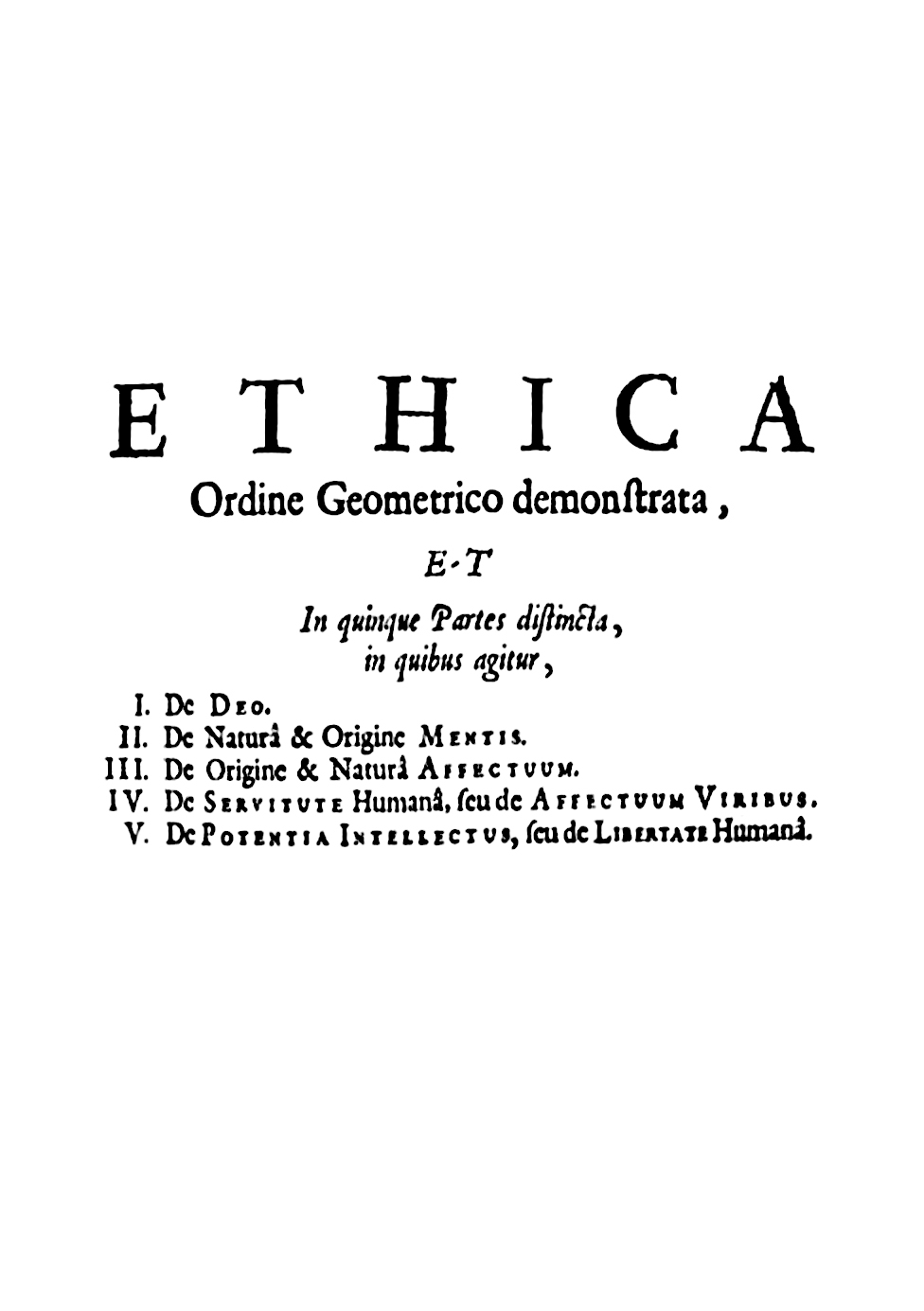 Book
Primary source
Ethics
Benedictus de Spinoza · 1677 (written 1661-1675)
 Painting
Primary source
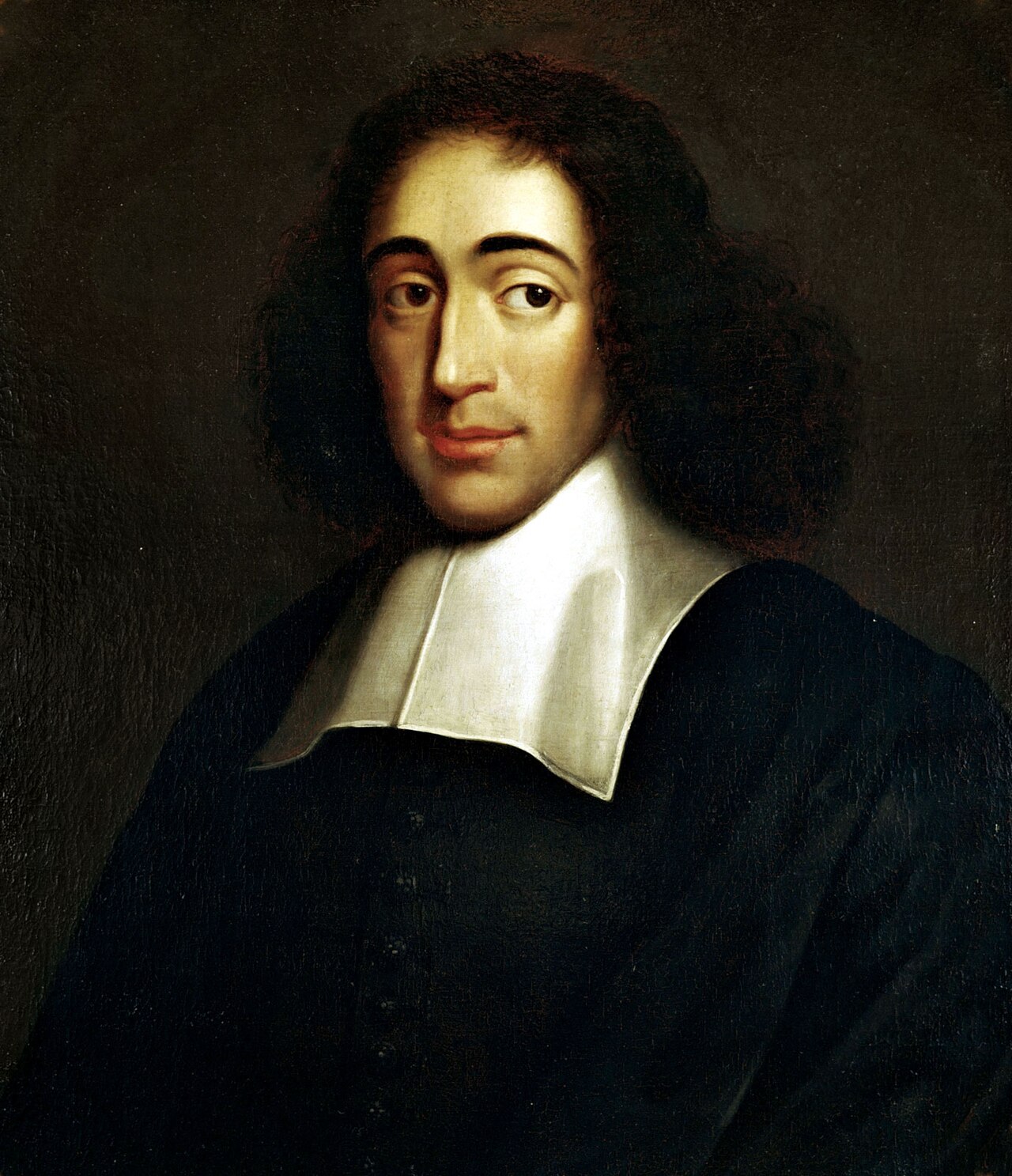
Portrait of Benedictus de Spinoza
Unknown · c. 1665
 Book
Primary source
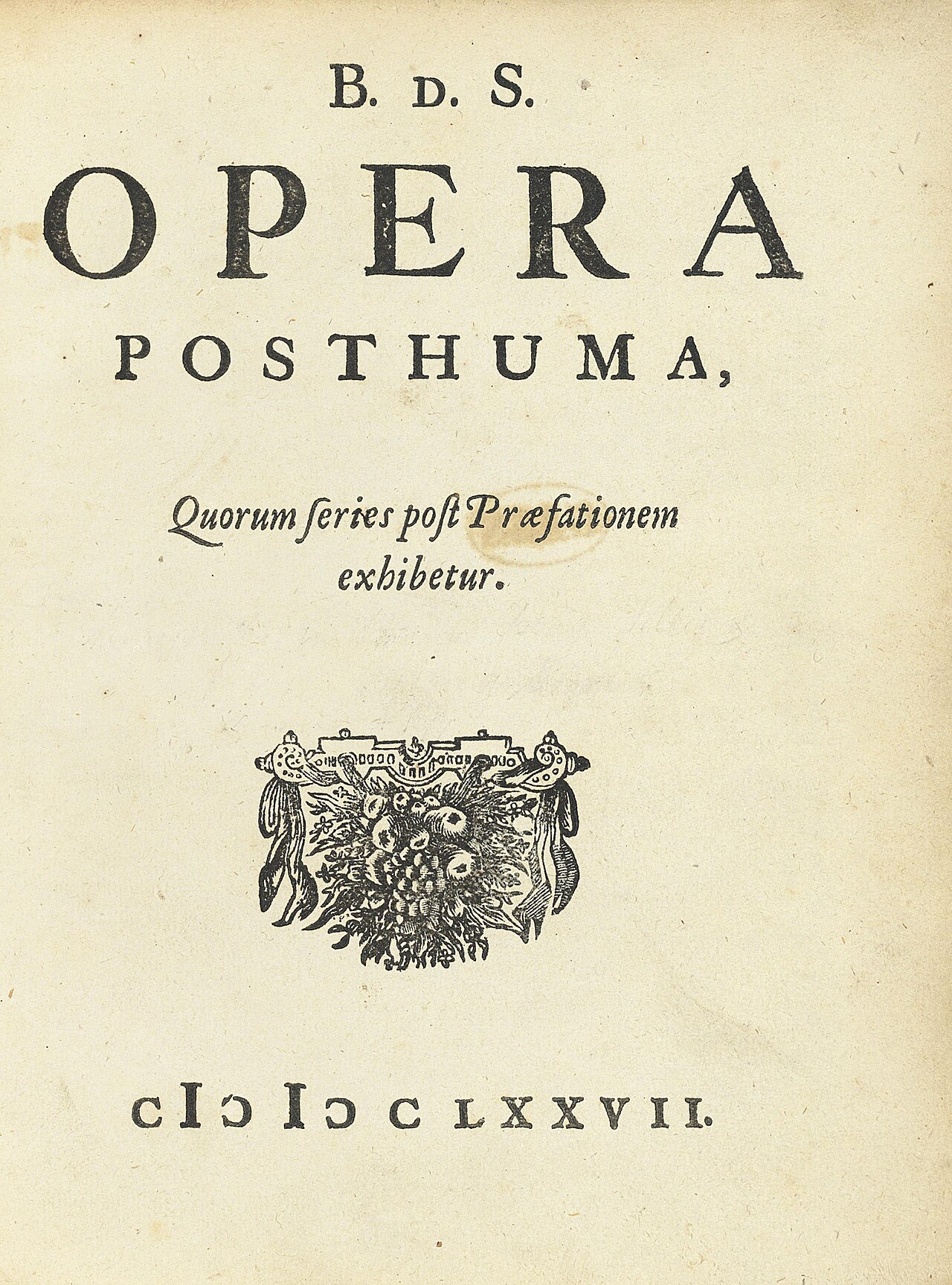
Opera Posthuma
Benedictus de Spinoza · 1677
 Letter
Primary source
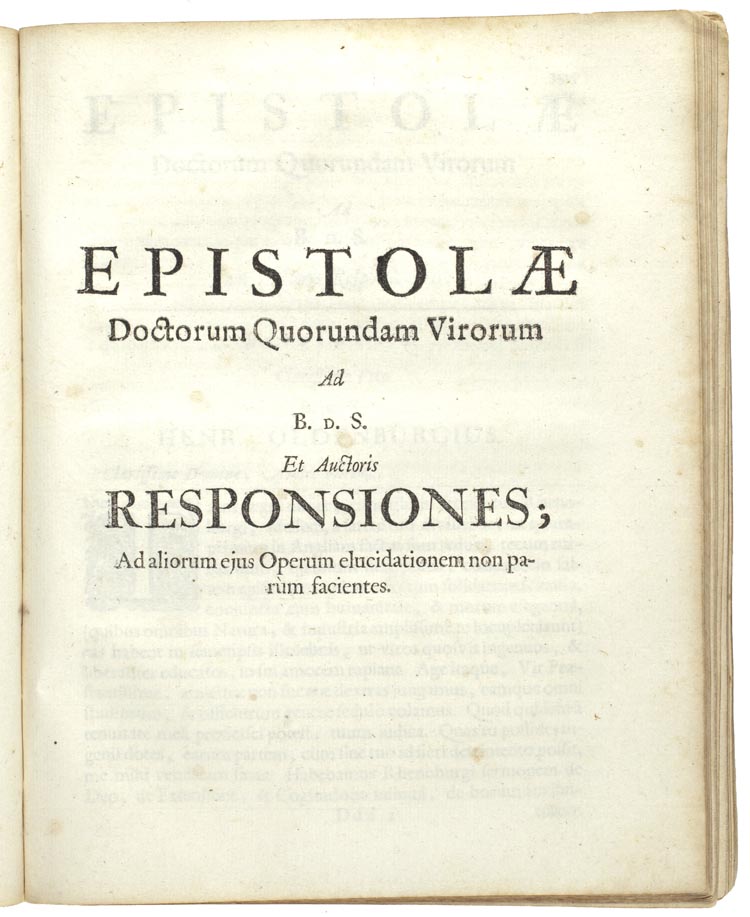
Epistolae, Correspondence of Benedict de Spinoza
Benedictus de Spinoza · 1661-1676, published 1677
 Document
Primary source
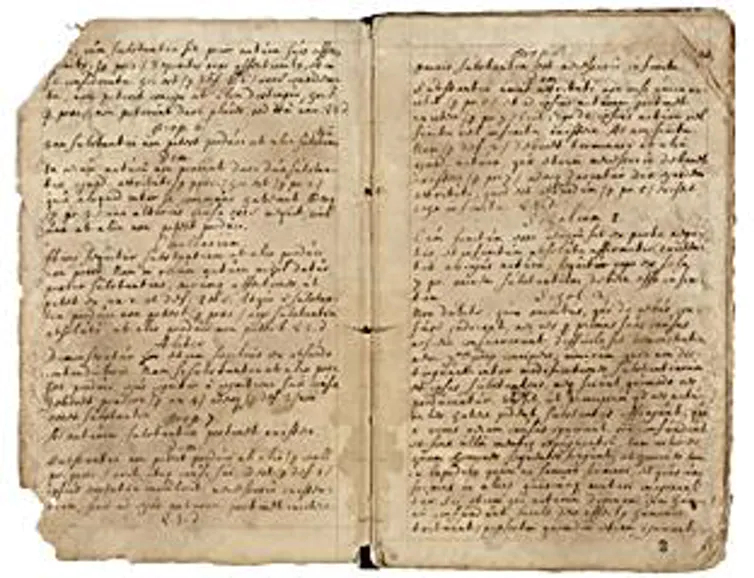
Vatican Manuscript of Spinoza's Ethics
Pieter van Gent (copyist), after Benedictus de Spinoza · c. 1675
Ready when you are
Start chatting with Baruch Spinoza now.
20 messages free · No credit card · Available in 50+ languages.