


Primary sourcePaintingc. 1665
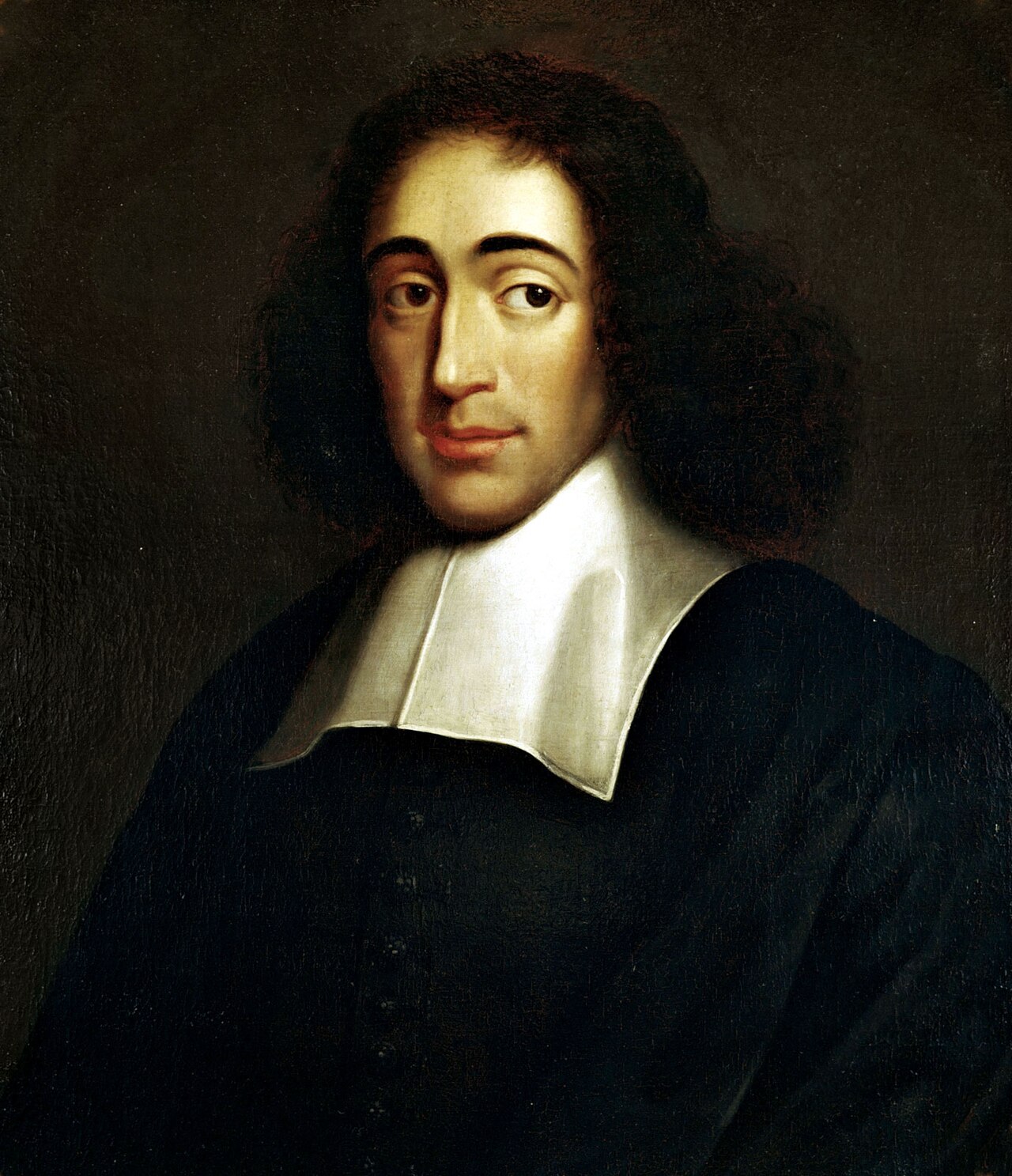
Portrait of Benedictus de Spinoza
Unknown · c. 1665
An anonymous oil painting of about 1665, widely considered the likeness closest to the living philosopher.
This portrait, painted during Spinoza's lifetime, is considered the likeness closest to how he actually looked.
About this source
What it is
This oil portrait, painted by an unknown artist around 1665, shows a man with long dark curly hair wearing a dark coat and a large white collar. It is held by the Herzog August Library and is widely regarded as the image closest to Spinoza's actual appearance.
Why it matters
Because no confirmed self-portrait or life portrait with a secure attribution survives, this painting has become the standard image used to represent Spinoza in books, articles and classrooms. It shows how later generations have come to picture a thinker who left behind few personal images.
Look closer
- What does the calm, direct gaze of the sitter suggest about how the artist wanted him to be seen?
- Why might historians still question whether this portrait truly shows Spinoza, since the artist is unknown?
- What is missing from a painted portrait that a photograph might capture?
This painting is part of the curated material that grounds the AI version of Baruch Spinoza on Humy.ai — when students ask about related events, the AI can quote it and cite it.
More Baruch Spinoza sources
Meet the AI Baruch Spinoza →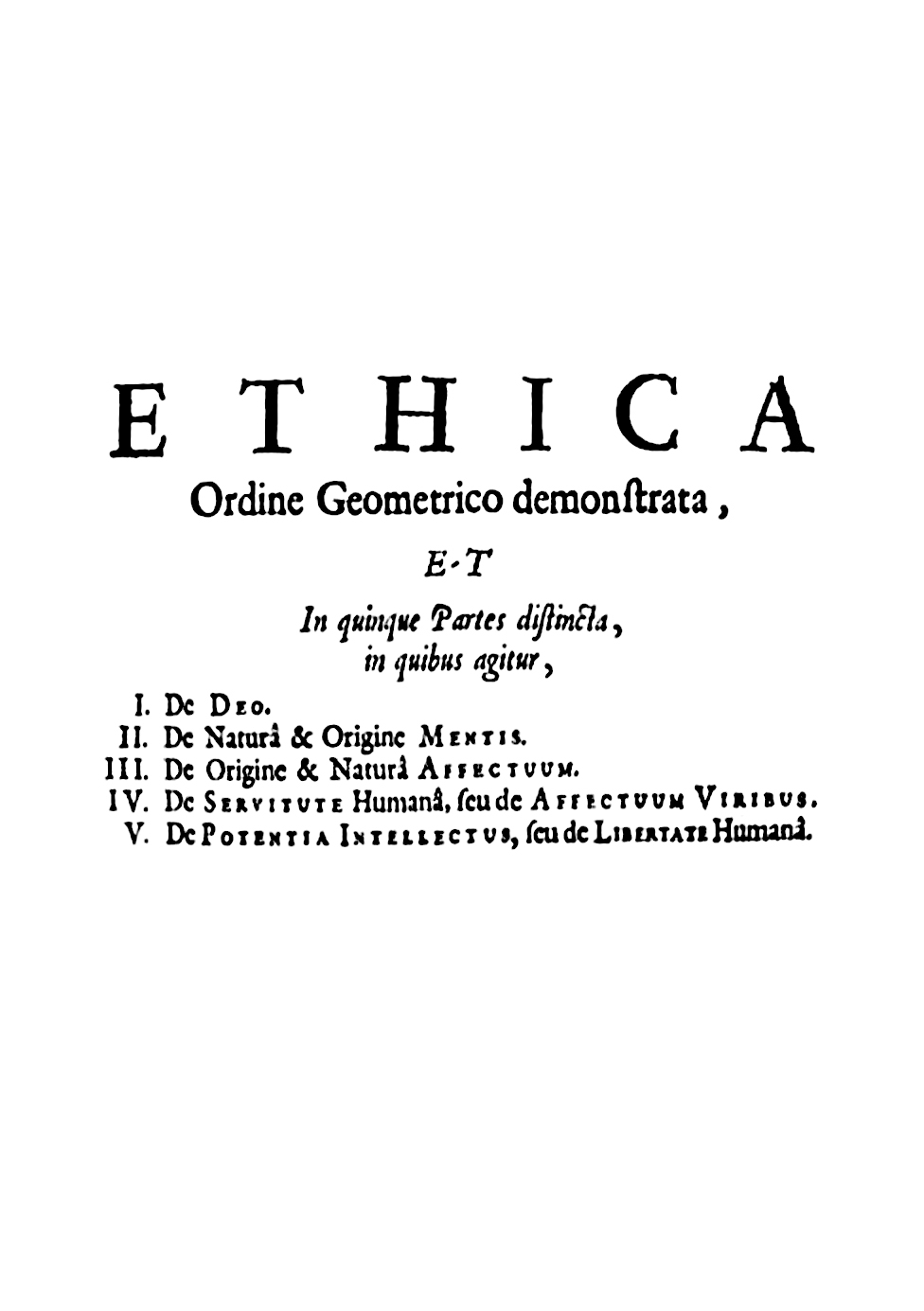 Book
Primary source
Ethics
Benedictus de Spinoza · 1677 (written 1661-1675)
 Book
Primary source
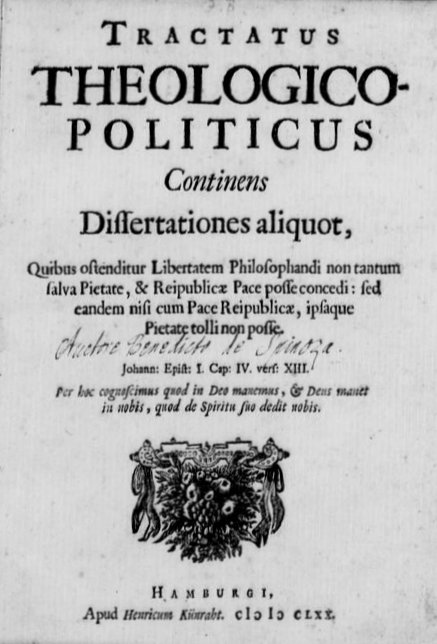
Tractatus Theologico-Politicus
Benedictus de Spinoza · 1670
 Book
Primary source
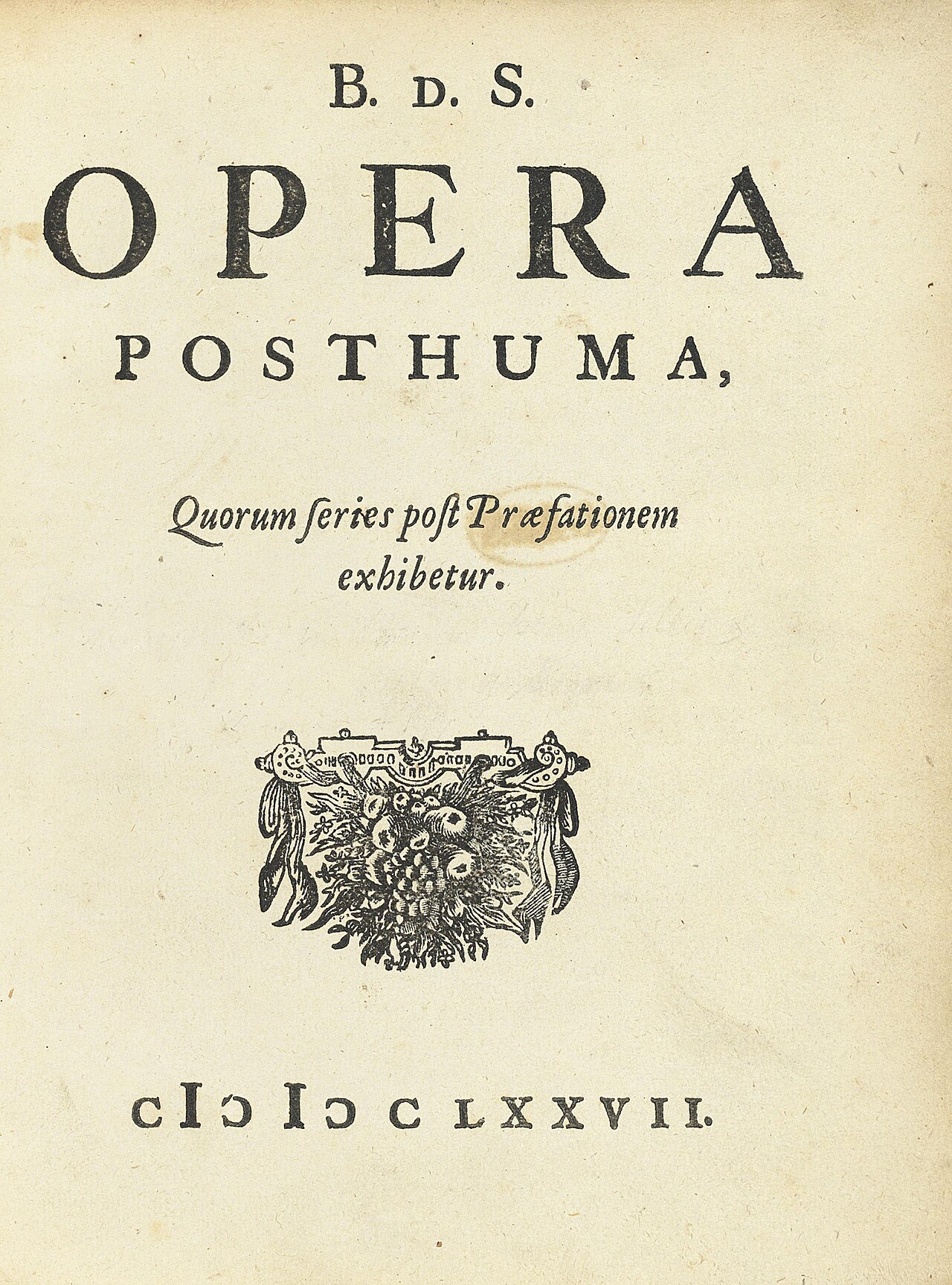
Opera Posthuma
Benedictus de Spinoza · 1677
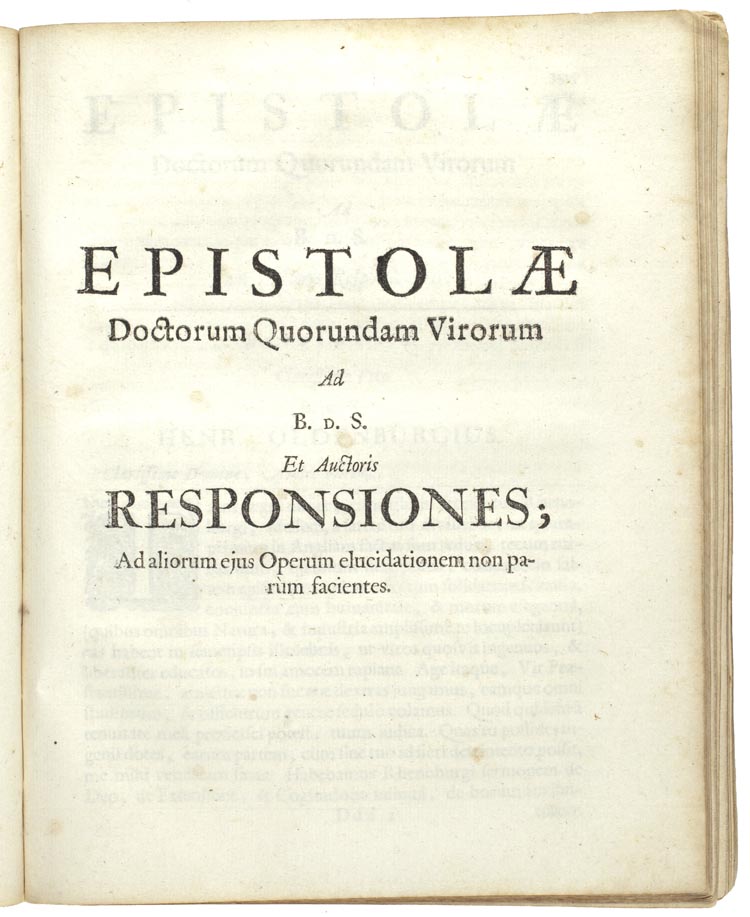 Letter
Primary source
Epistolae, Correspondence of Benedict de Spinoza
Benedictus de Spinoza · 1661-1676, published 1677
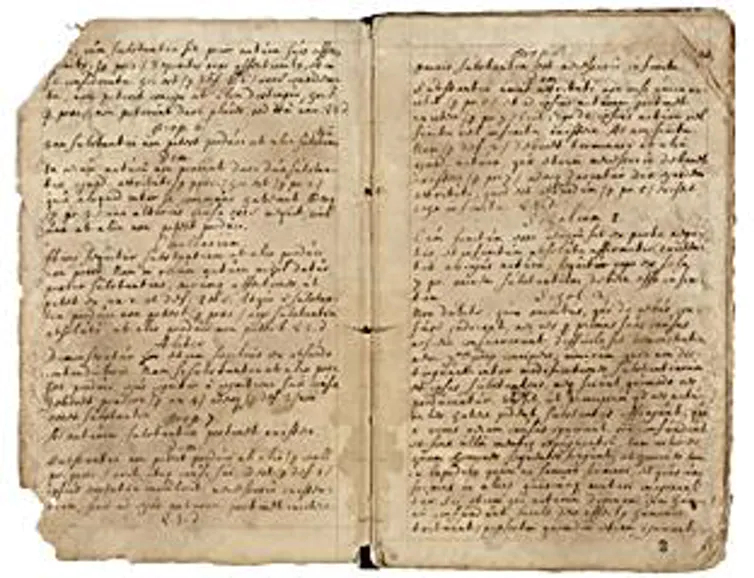 Document
Primary source
Vatican Manuscript of Spinoza's Ethics
Pieter van Gent (copyist), after Benedictus de Spinoza · c. 1675
Ready when you are
Start chatting with Baruch Spinoza now.
20 messages free · No credit card · Available in 50+ languages.