



Dr. Michael Calvert
Assistant Superintendent, South Allegheny School District, Pennsylvania
Been using Humy in his district since 2024
“We enjoyed the program last year and used it frequently.”
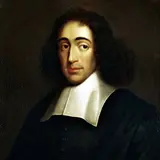
AI Historical Figure
Dutch philosopher known for his rationalist approach and pantheistic views.
Chat with Baruch Spinoza via text or voice — in 42 languages, drawing on a curated biography and 96 historical sources. Available 24/7.

Baruch Spinoza
Online · responds in seconds
Hello — I'm Baruch Spinoza. Dutch philosopher known for his rationalist approach and pantheistic views. What would you like to ask me?
20 messages free · No credit card · Powered by Humy.ai
Live preview · Switch between 42 languages above · Send a message to continue in the app
Multilingual
Ask Baruch Spinoza questions in any language below, and the rest of Humy's app speaks it too. Pick yours to open the chat in that language.
Also in German (Austria), German (Switzerland), English (UK), English (Australia), English (Canada).
96 sources · 45 books · 16 paintings · 12 documents · 8 letters · 7 artifacts · 4 sculptures · 3 newspaper articles · 1 photograph
Baruch Spinoza doesn’t improvise from thin air. The AI is grounded in 96 curated historical sources students can inspect. Open any of them to see what informs the conversation.
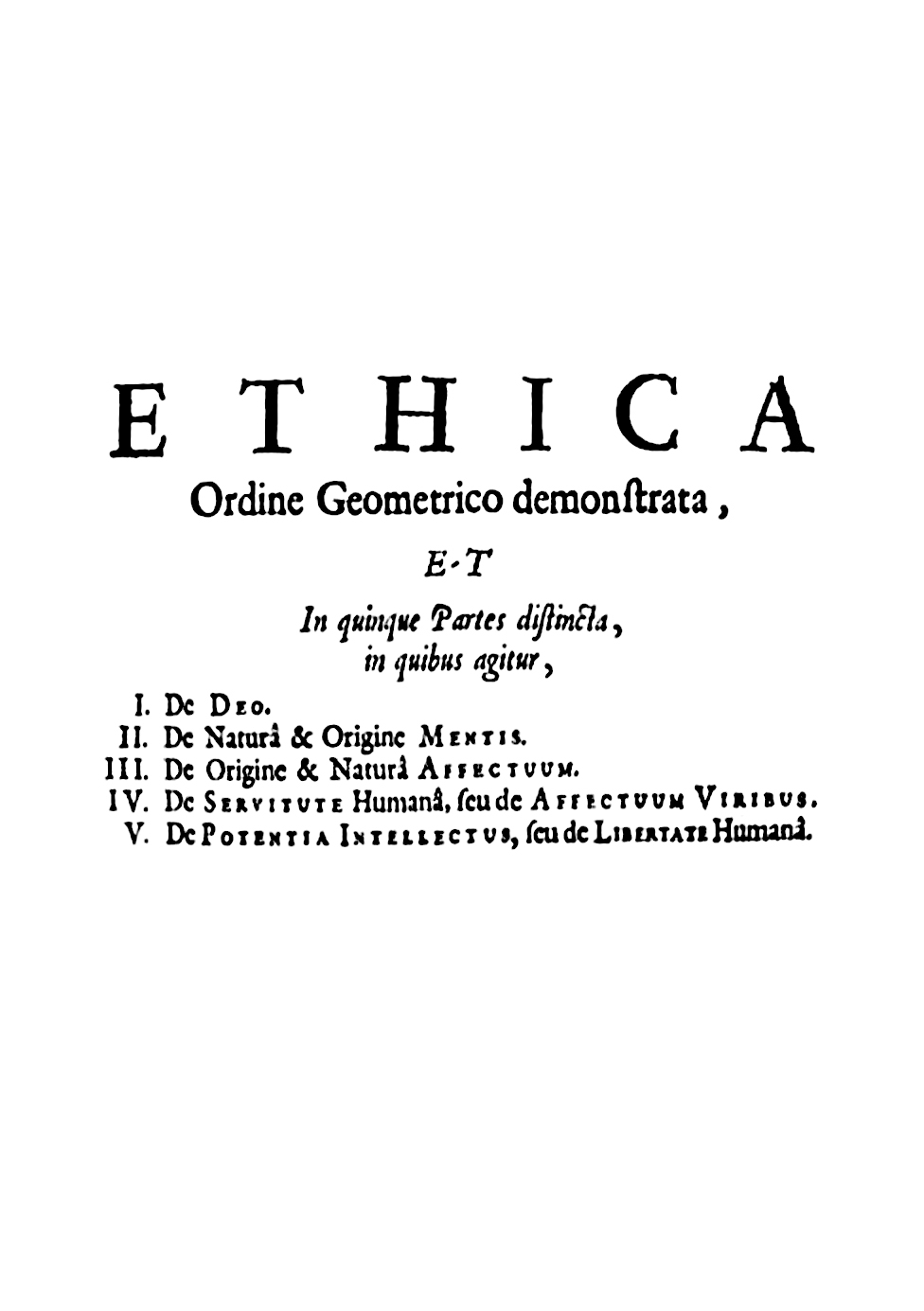 Book
Primary source
Benedictus de Spinoza · 1677 (written 1661-1675)
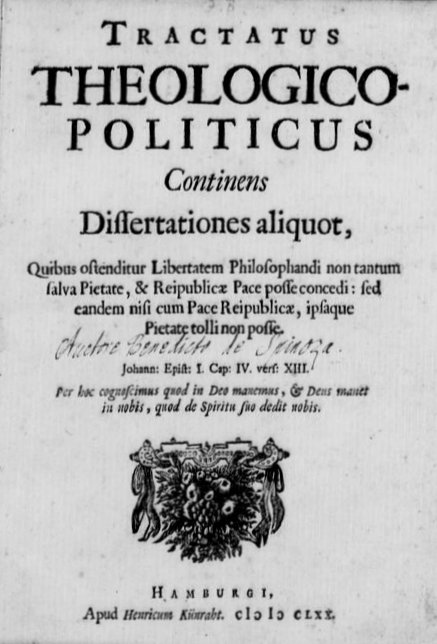 Book
Primary source
Benedictus de Spinoza · 1670
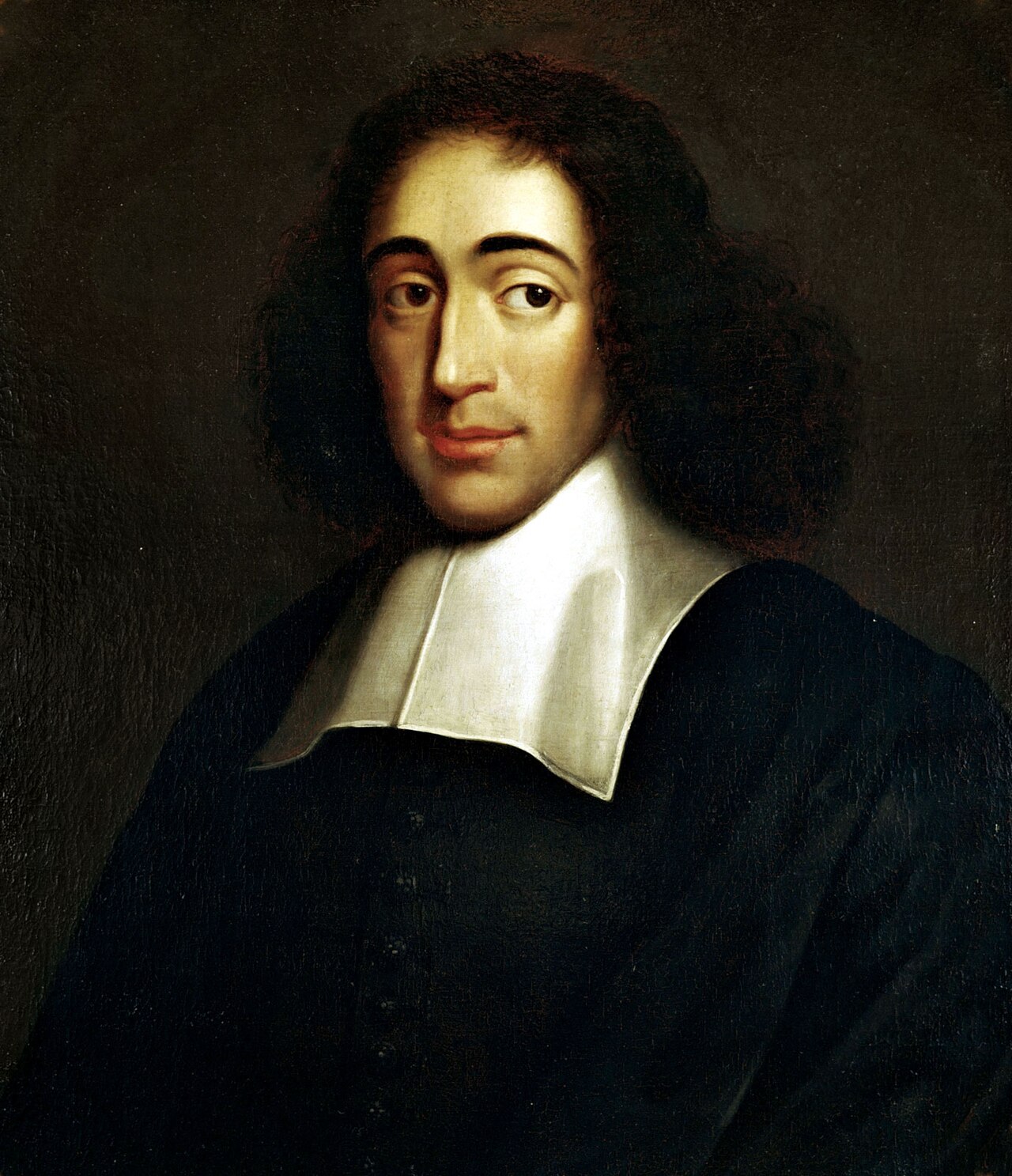 Painting
Primary source
Unknown · c. 1665
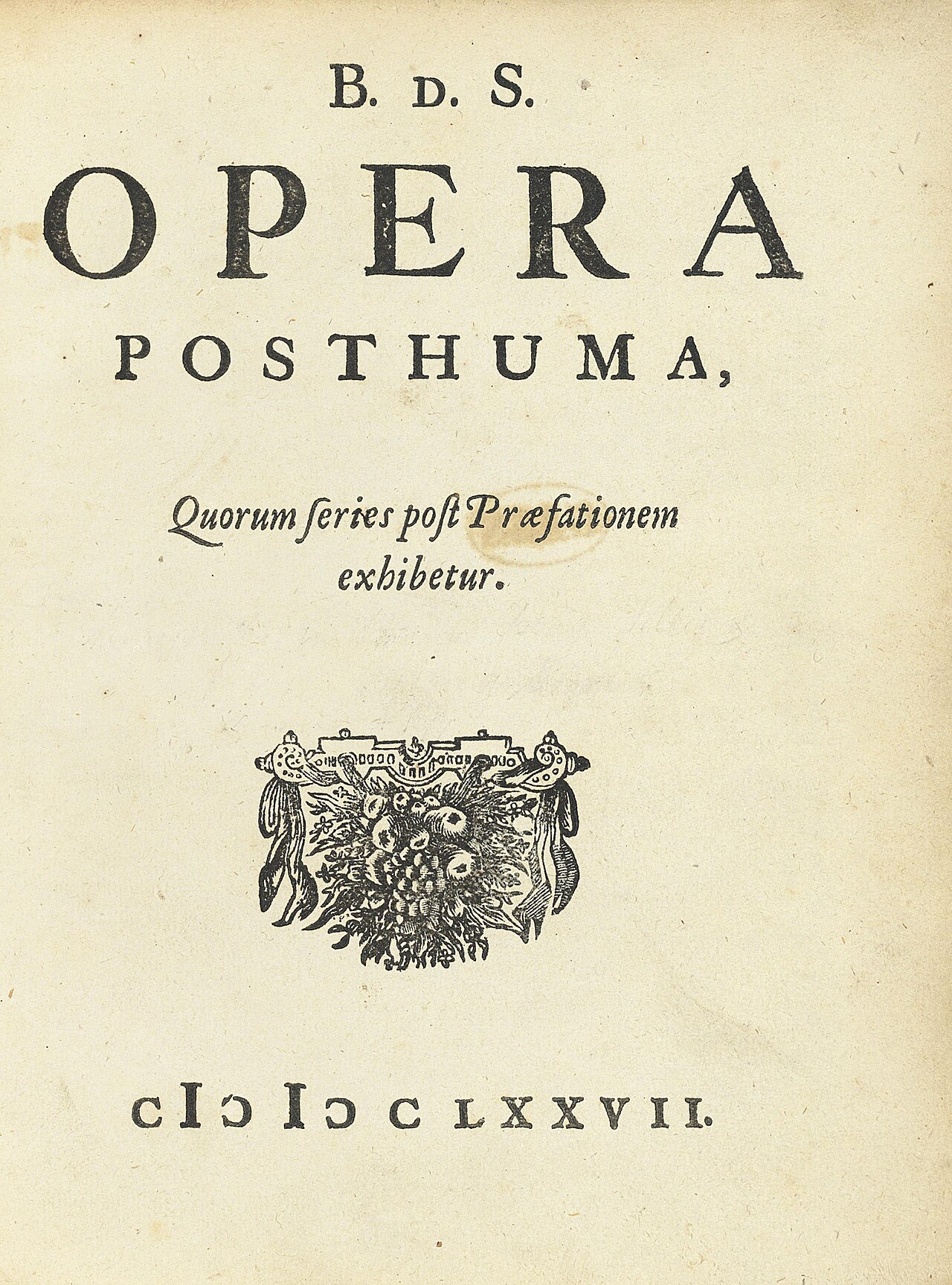 Book
Primary source
Benedictus de Spinoza · 1677
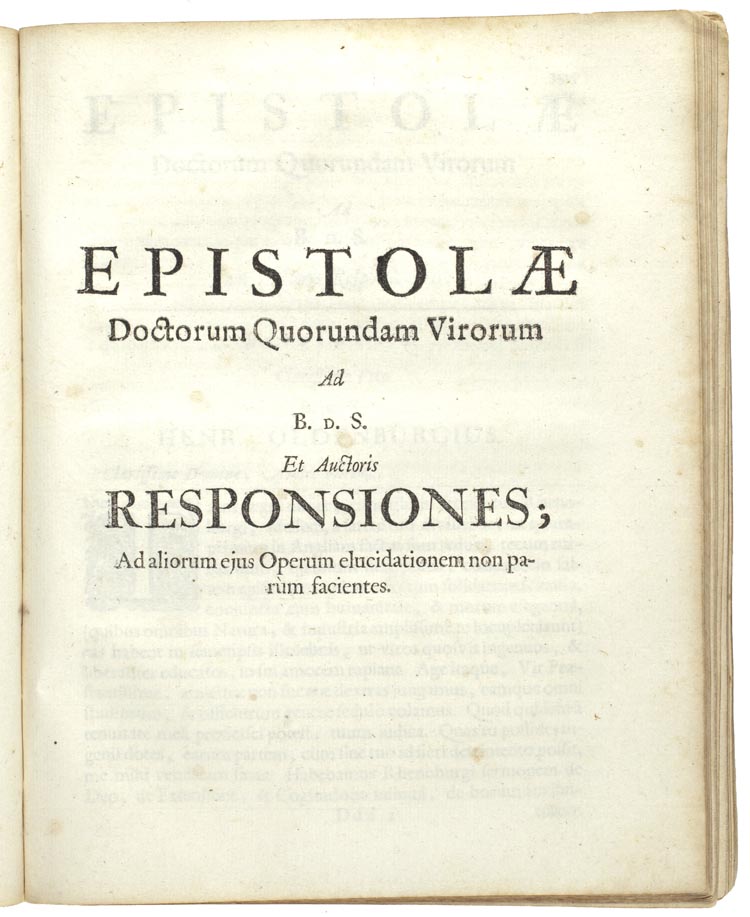 Letter
Primary source
Benedictus de Spinoza · 1661-1676, published 1677
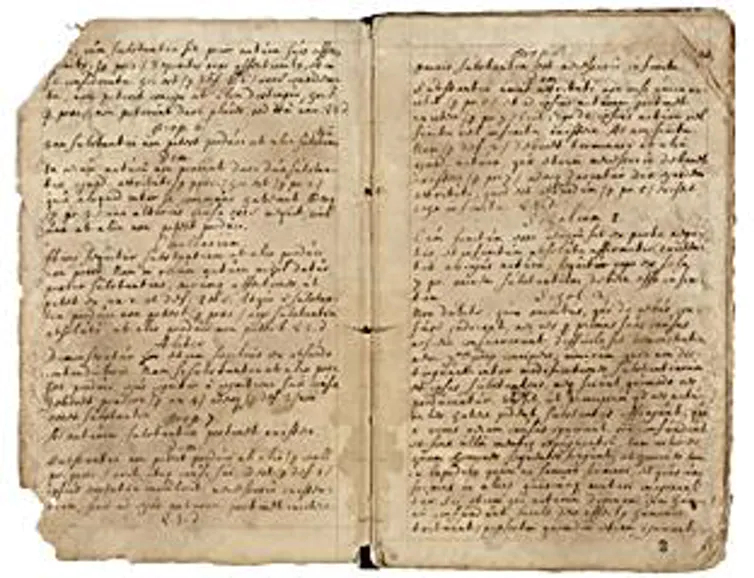 Document
Primary source
Pieter van Gent (copyist), after Benedictus de Spinoza · c. 1675
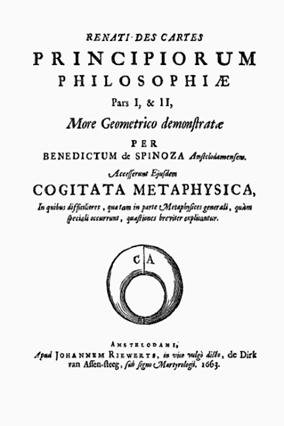 Book
Primary source
Benedictus de Spinoza · 1663
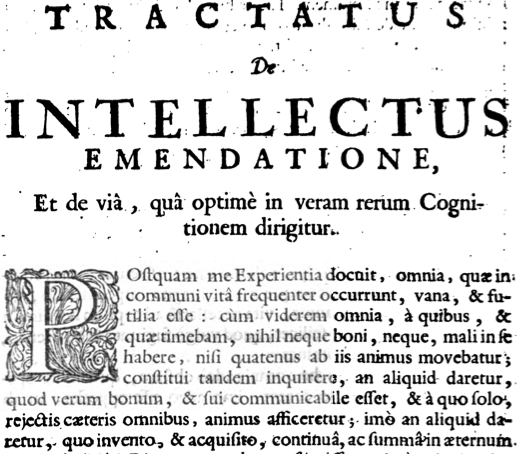 Book
Primary source
Benedictus de Spinoza · 1677 (written earlier, published posthumously)
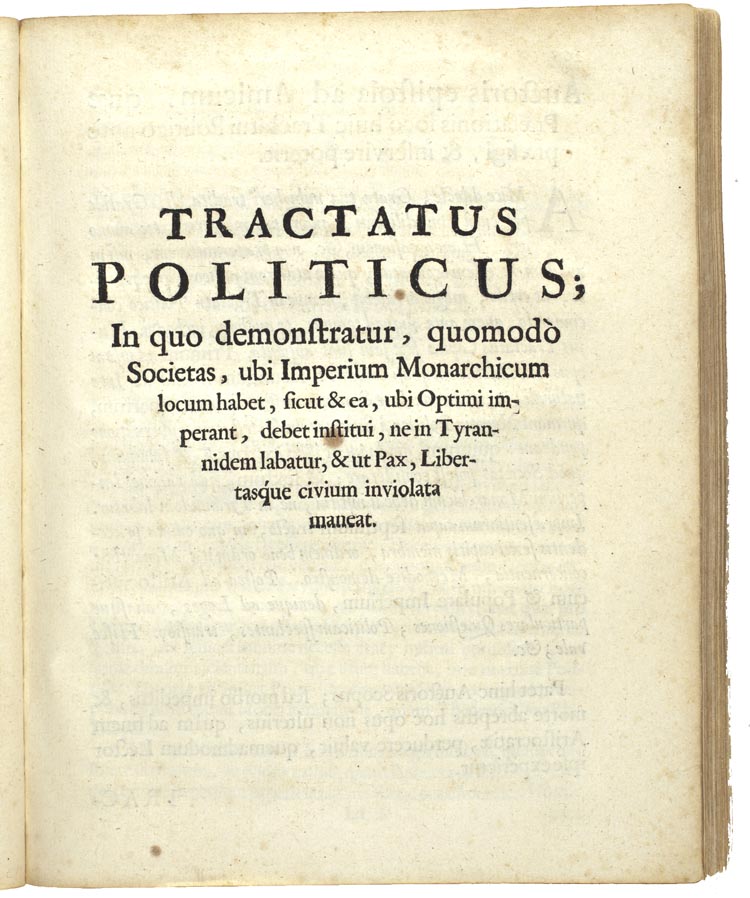 Book
Primary source
Benedictus de Spinoza · 1675-1677 (published 1677)
 Book
Primary source
Benedictus de Spinoza · 1677
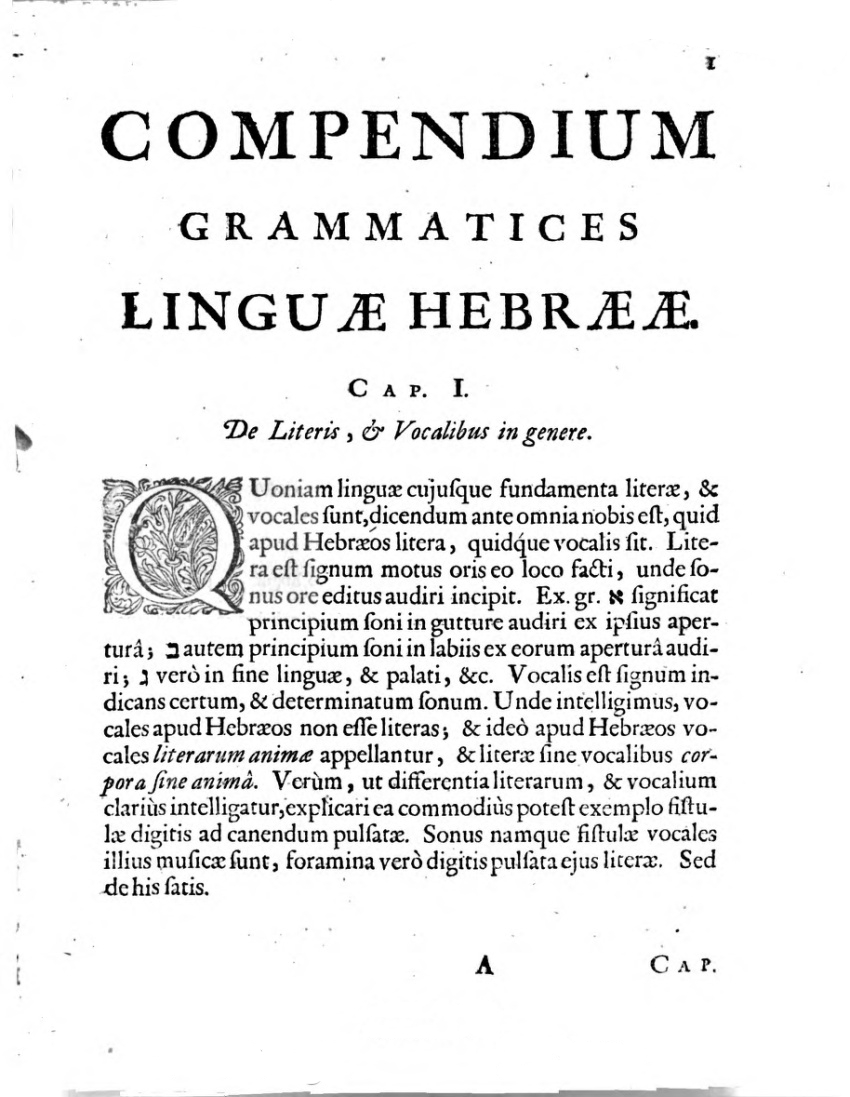 Book
Primary source
Benedictus de Spinoza · before 1677 (published 1677)
 Letter
Primary source
Benedictus de Spinoza · 14 December 1664
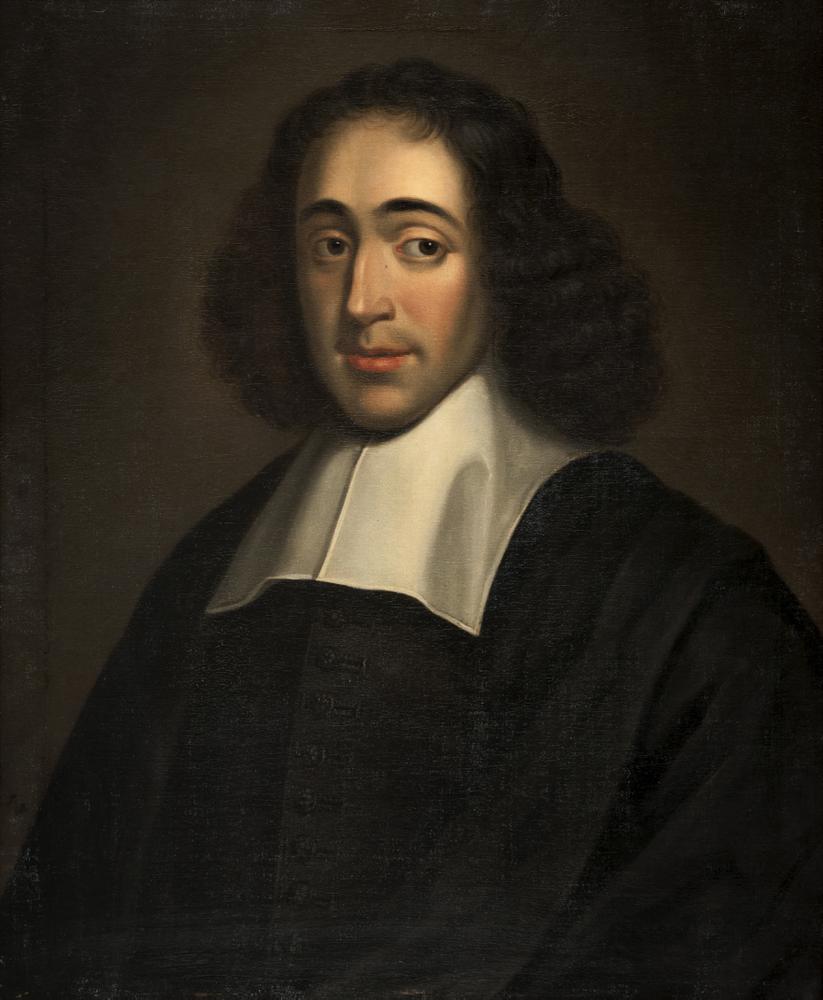 Painting
Primary source
Unknown (anonymous painter) · 1665
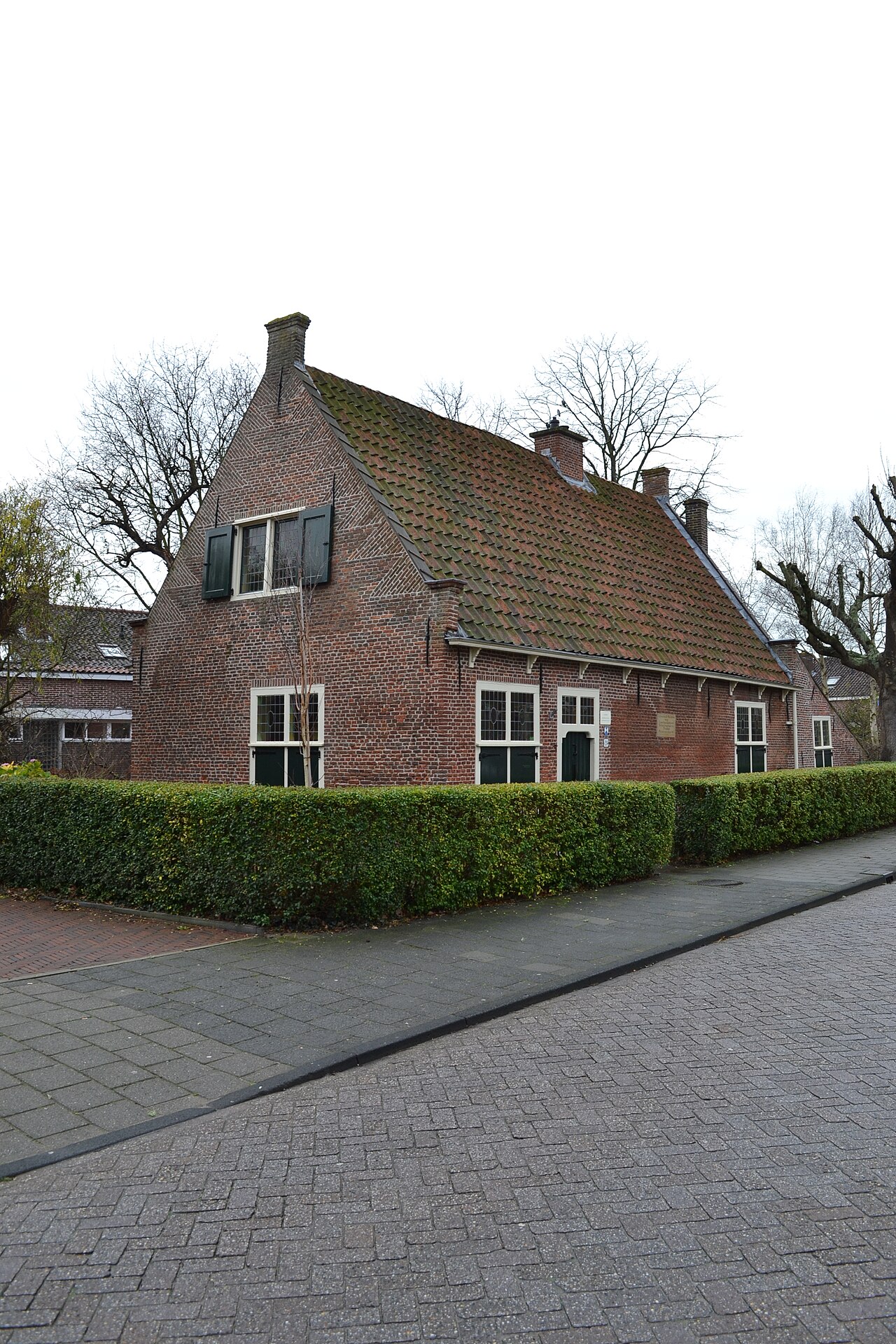 Artifact
Primary source
17th century
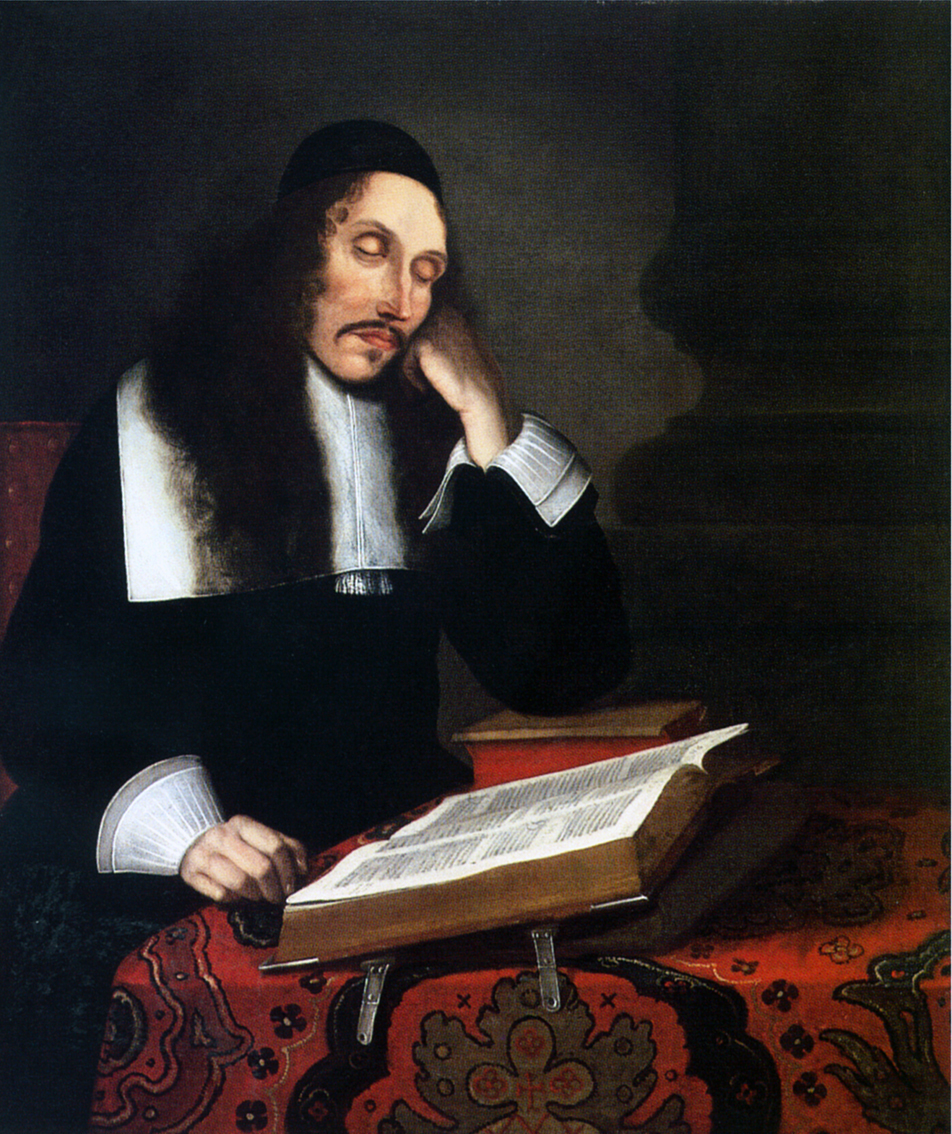 Painting
Primary source
Franz Wulfhagen · c. 1664
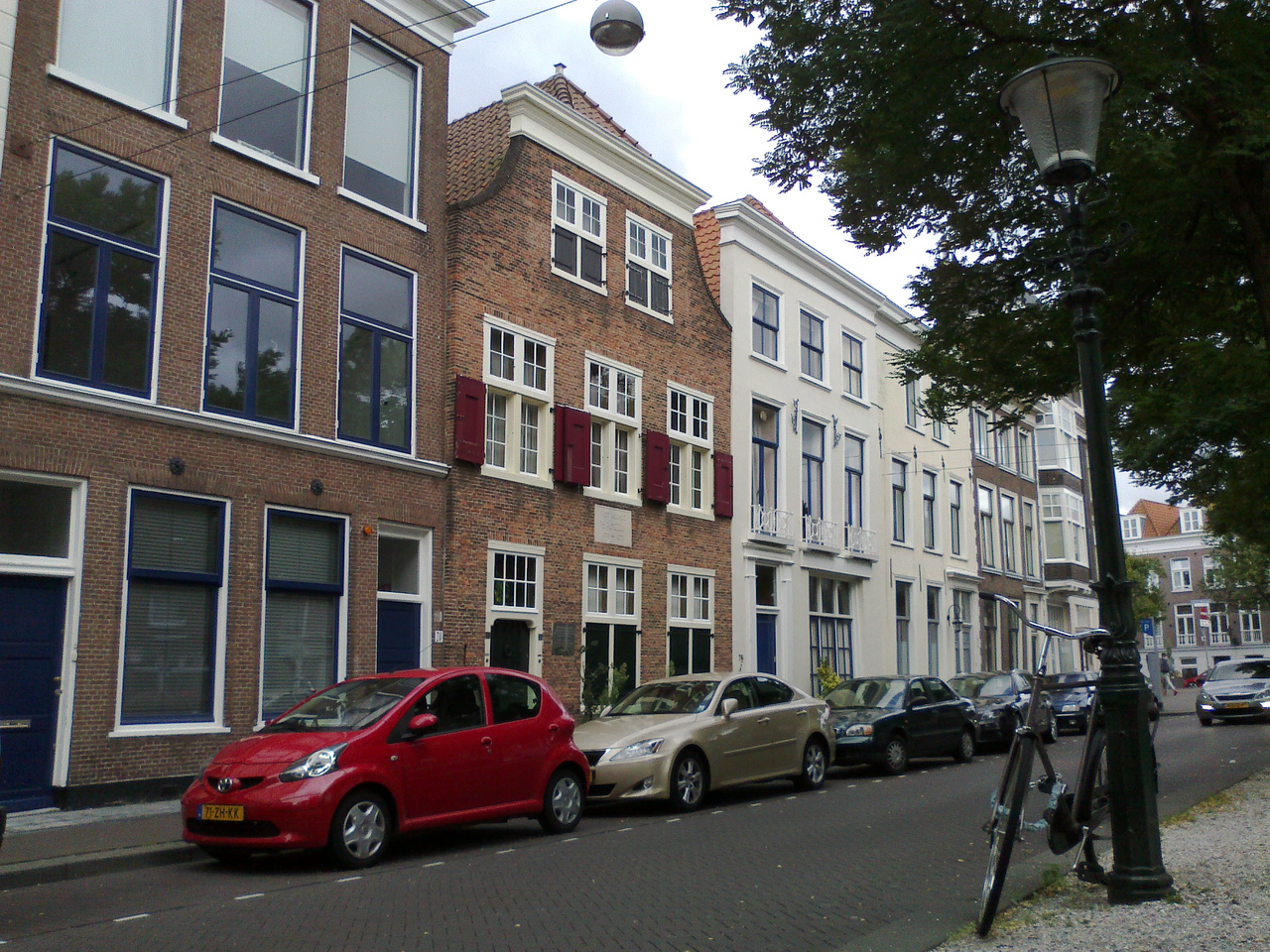 Artifact
Primary source
17th century
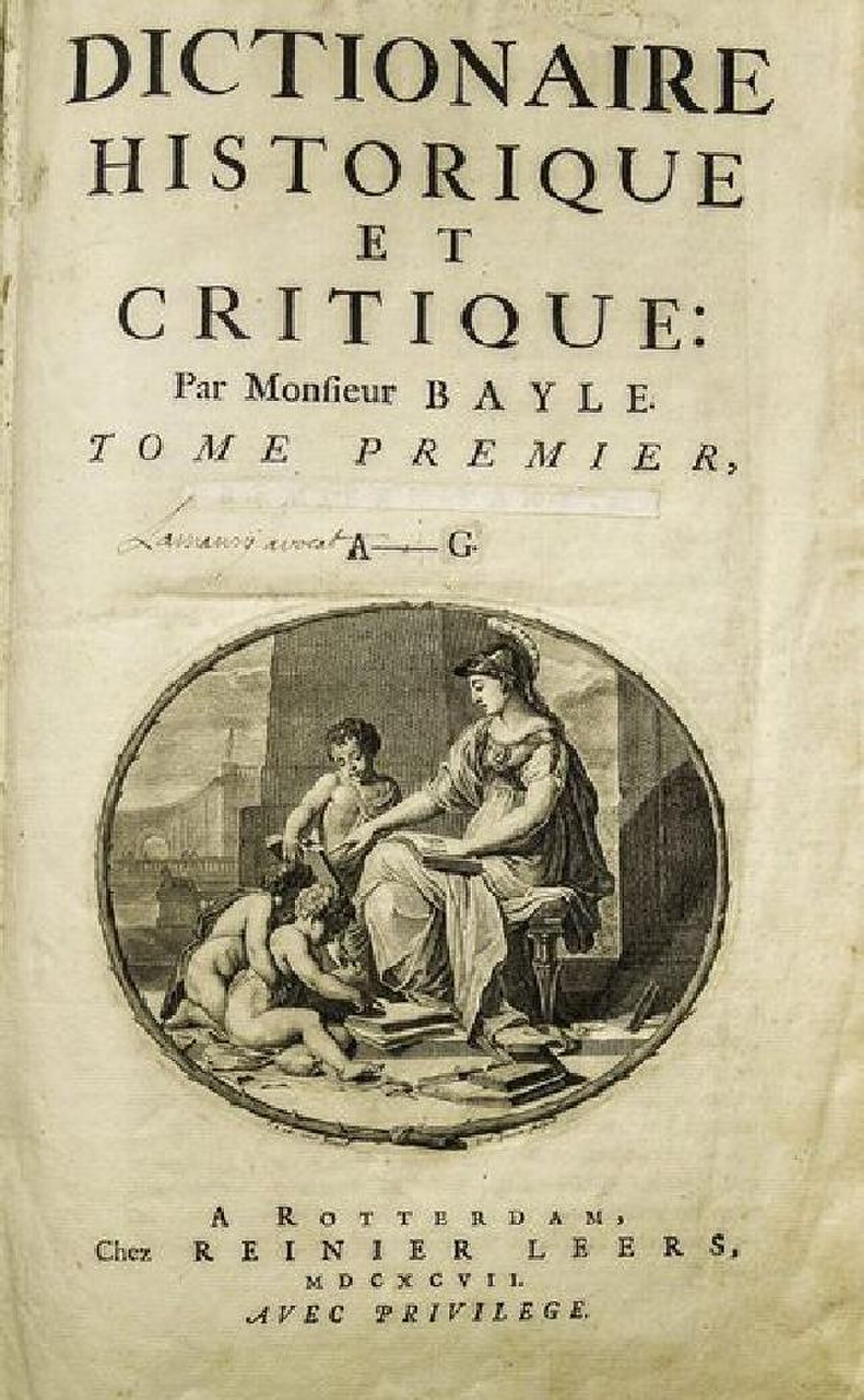 Document
Secondary source
Pierre Bayle · 1697
 Document
Primary source
Benedictus de Spinoza · 1664
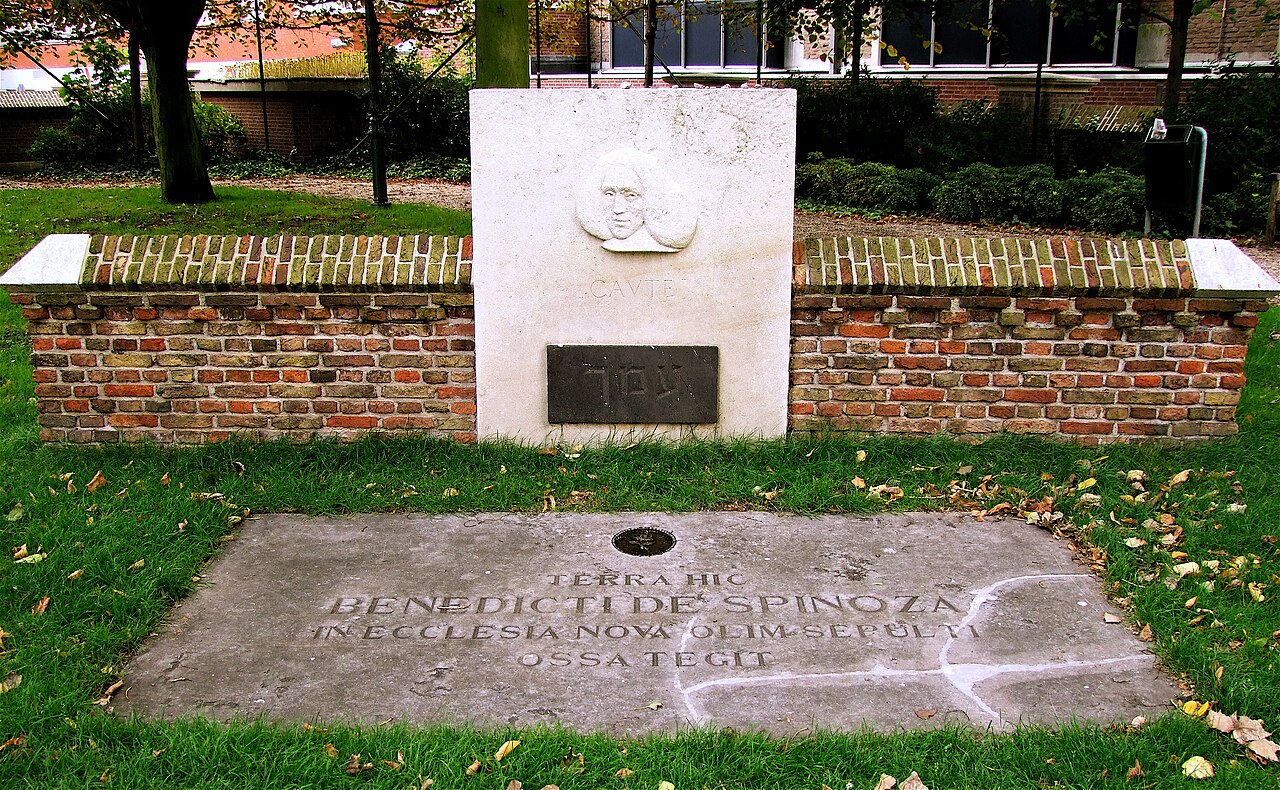 Sculpture
Secondary source
Jobs Wertheim · 1956
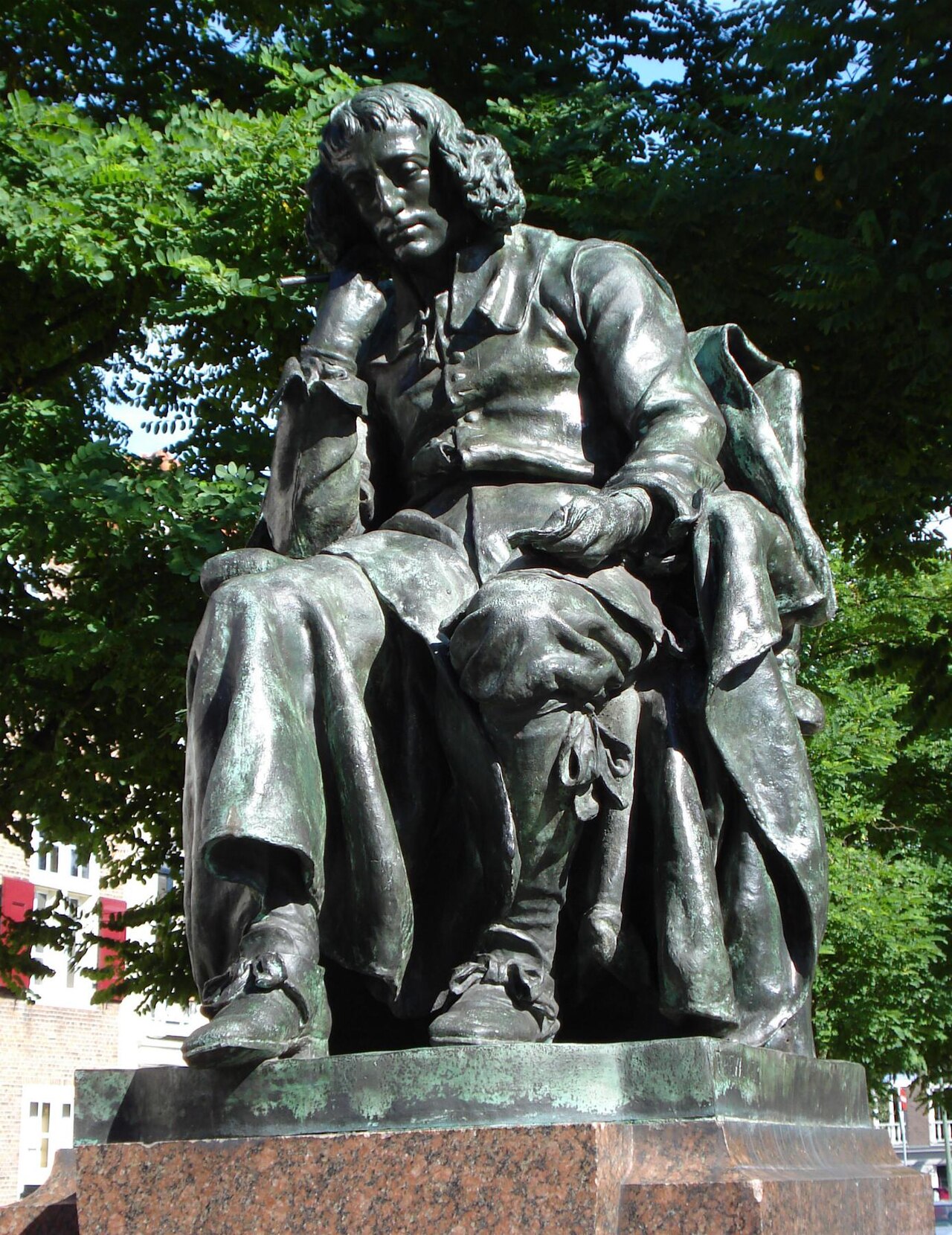 Sculpture
Secondary source
Frédéric Hexamer · 1880
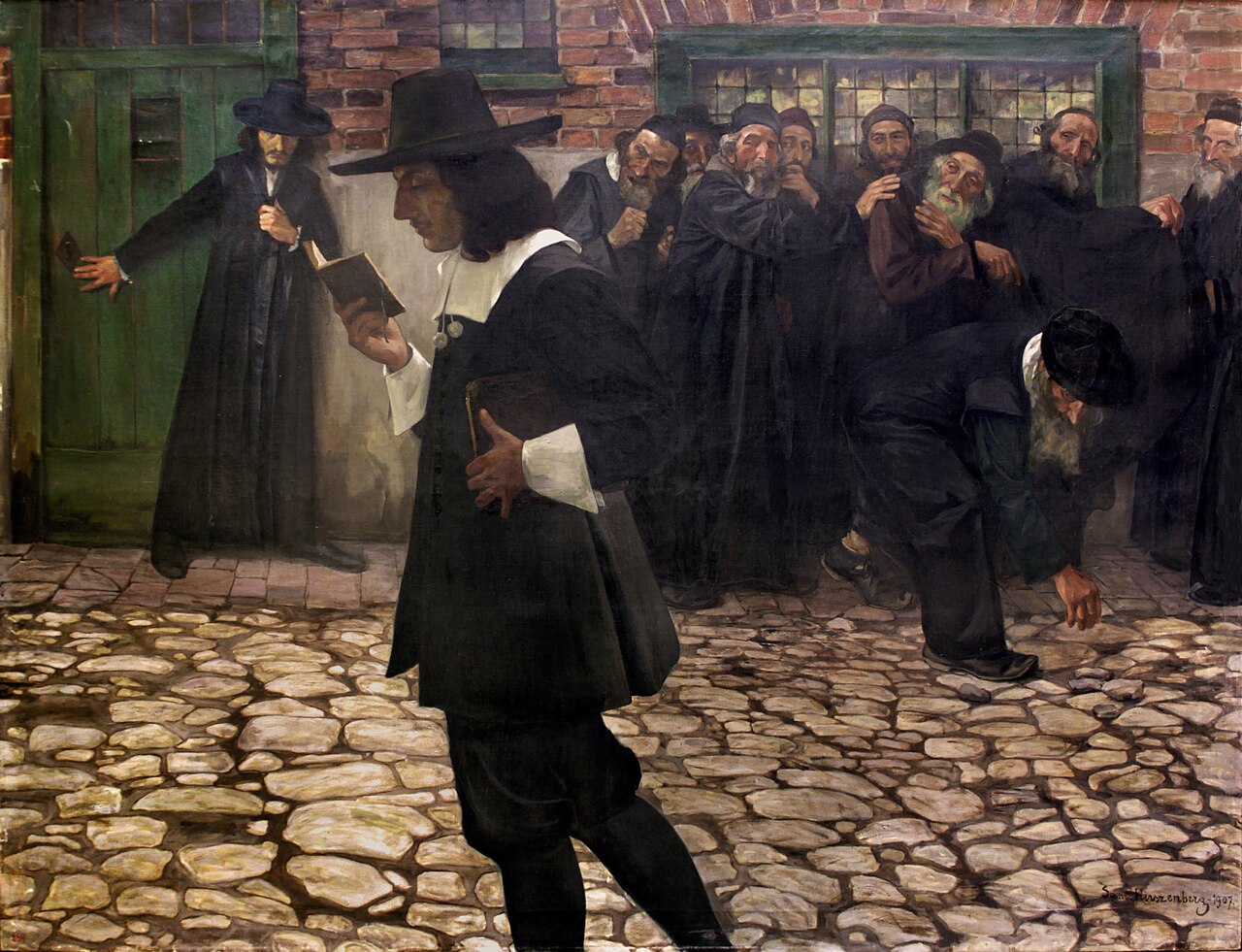 Painting
Secondary source
Samuel Hirszenberg · 1907
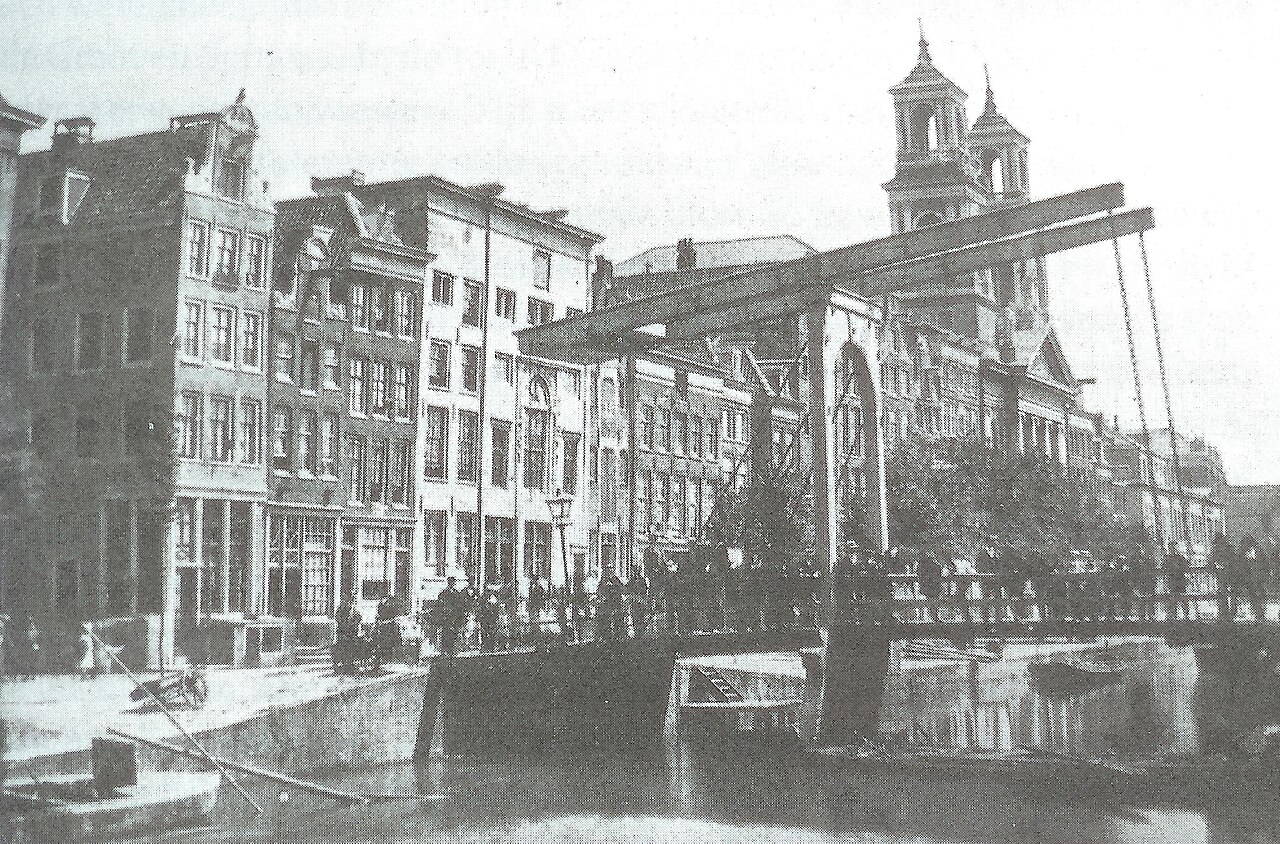 Photograph
Secondary source
c. 1880
 Book
Primary source
attributed to Benedictus de Spinoza · published 1687
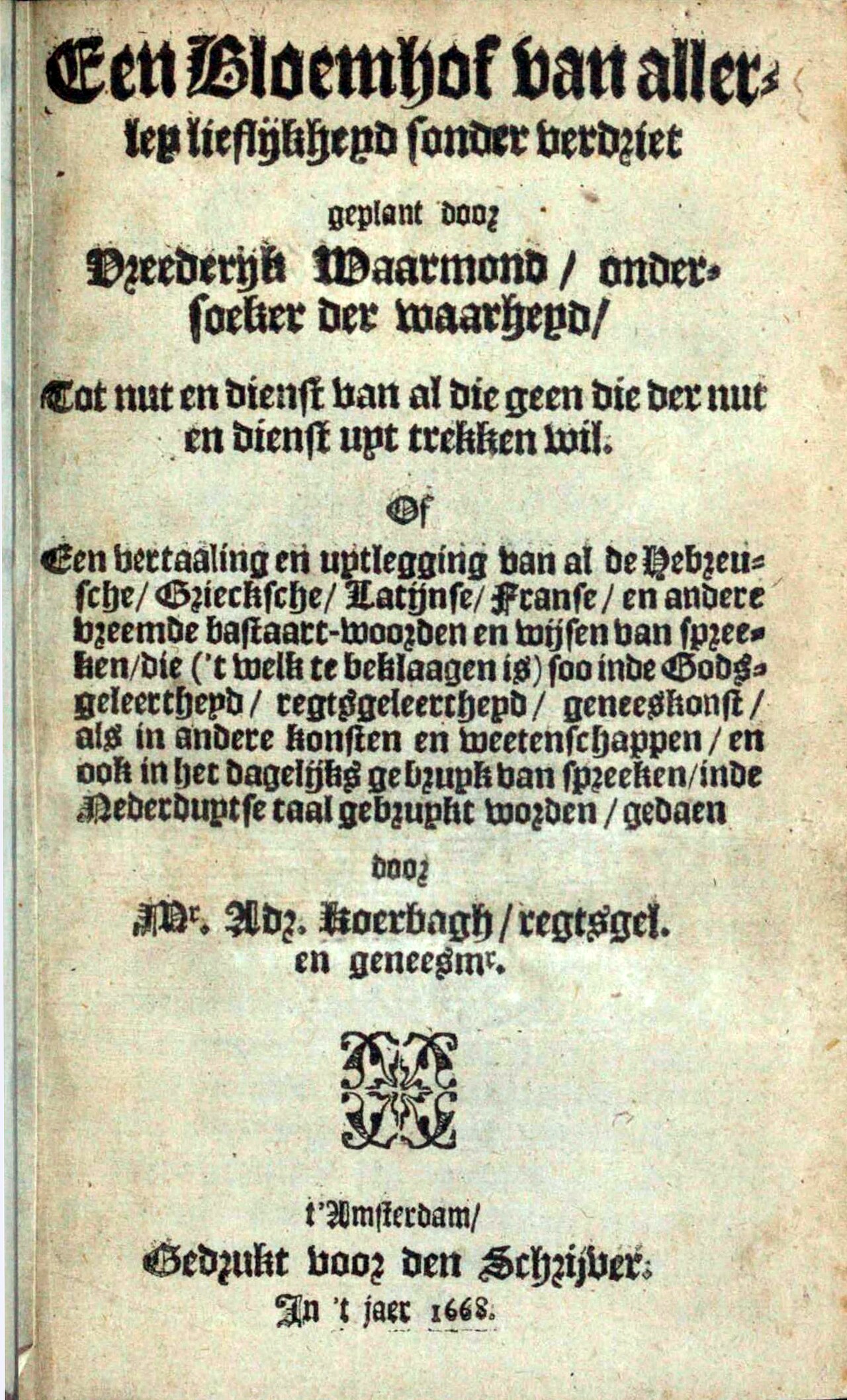 Book
Primary source
Adriaan Koerbagh · 1668
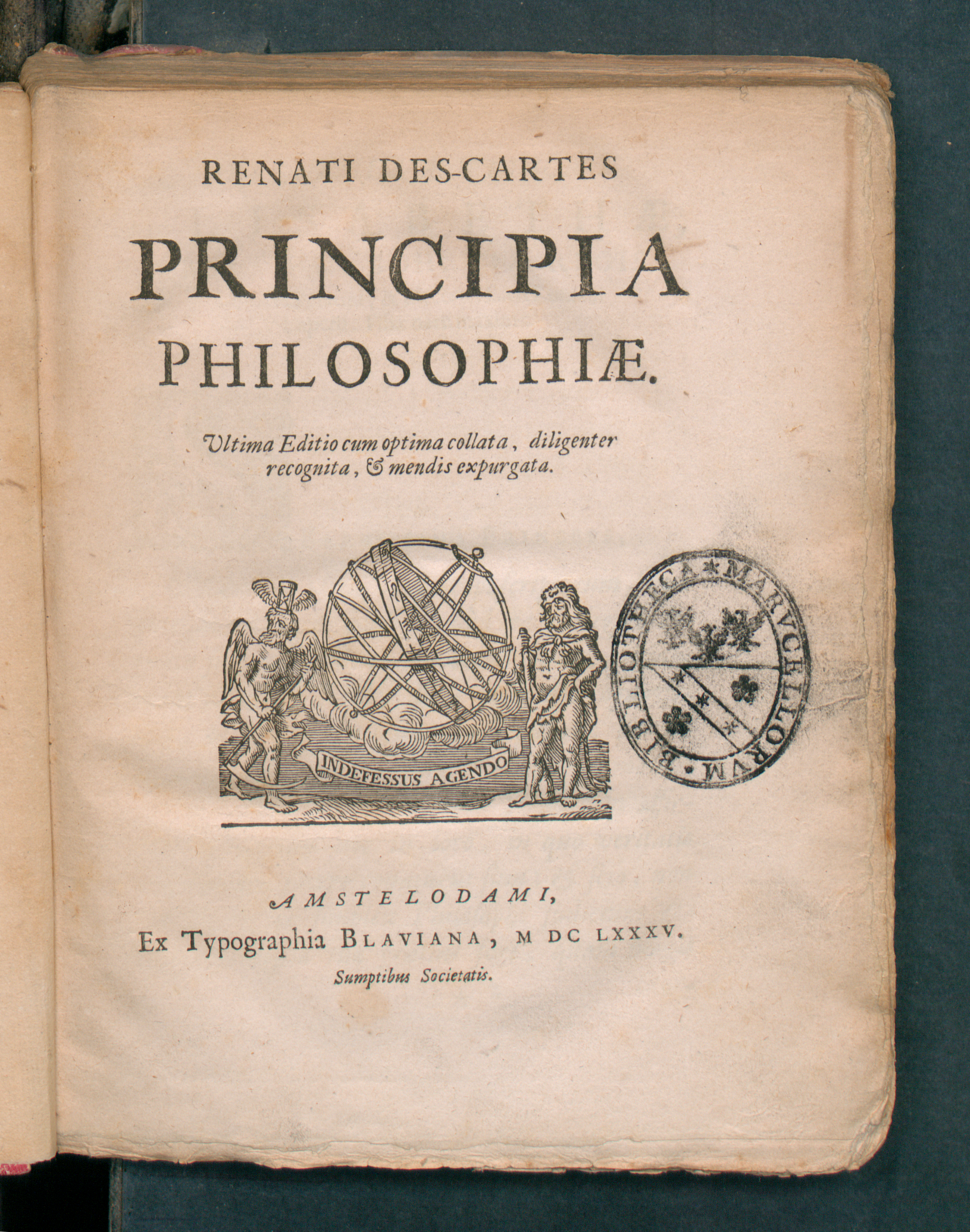 Book
Primary source
René Descartes · 1644
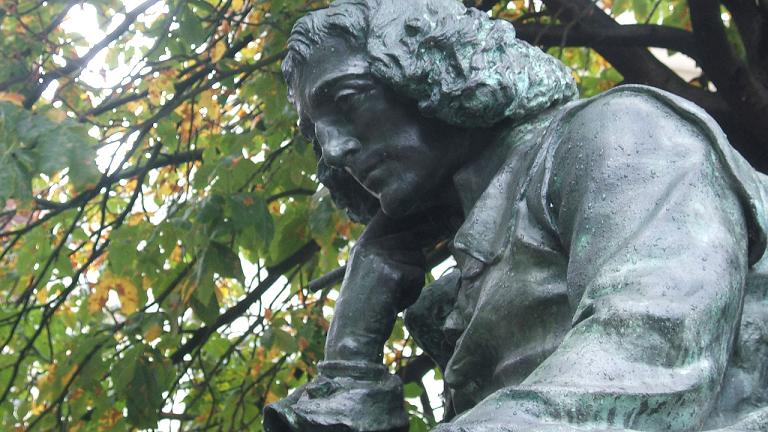 Sculpture
Secondary source
Frédéric Hexamer · 1880
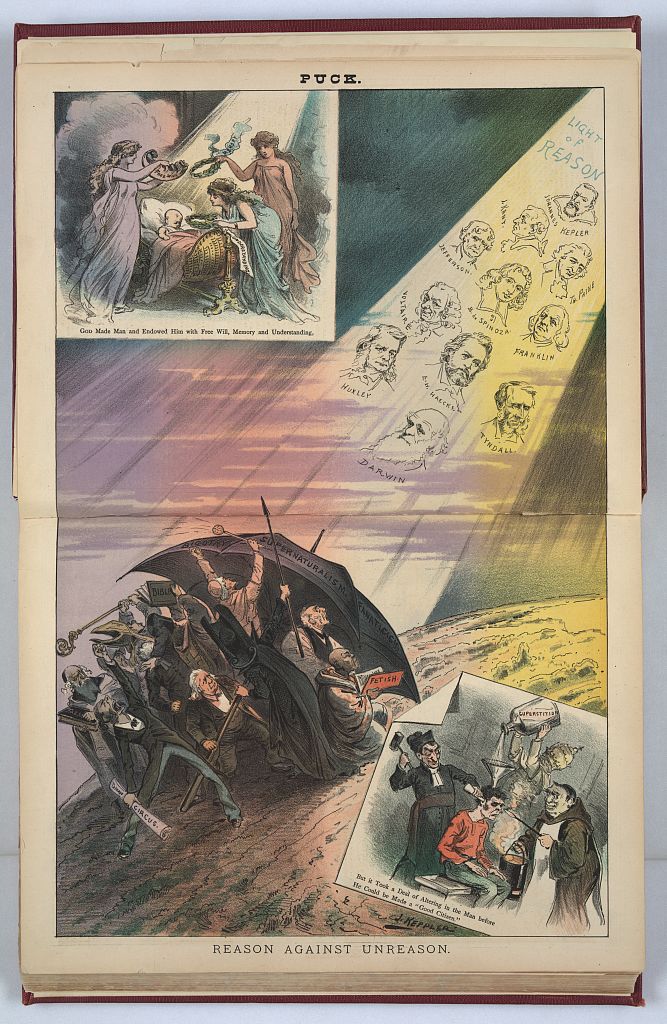 Painting
Secondary source
Joseph Keppler · 1882
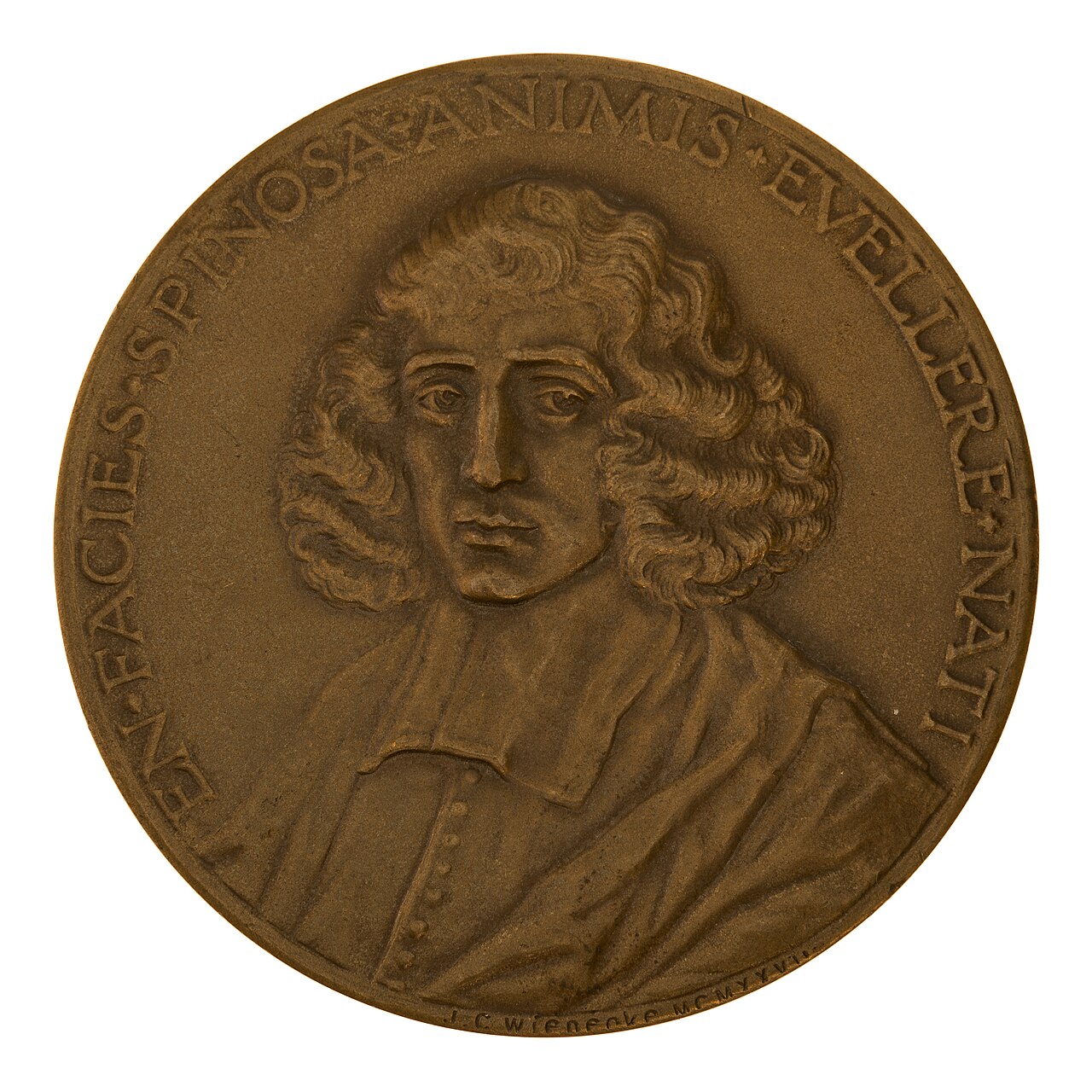 Artifact
Secondary source
Johannes Cornelis Wienecke · 1927
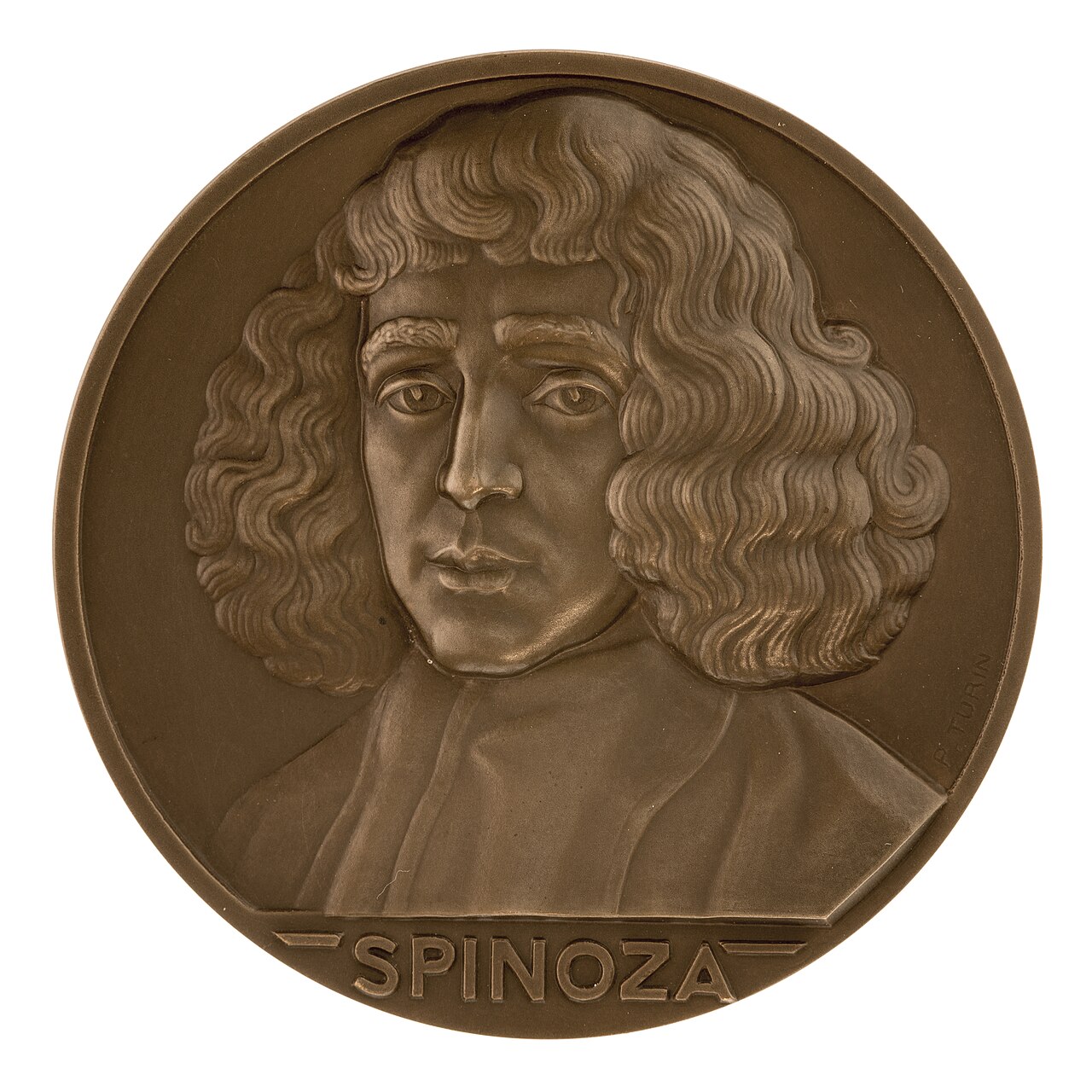 Artifact
Secondary source
Pierre Turin · 1932
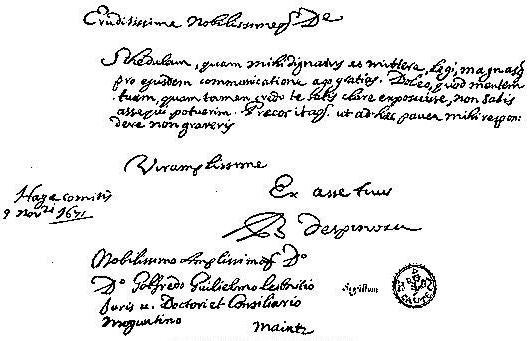 Letter
Primary source
Benedictus de Spinoza · 9 November 1671
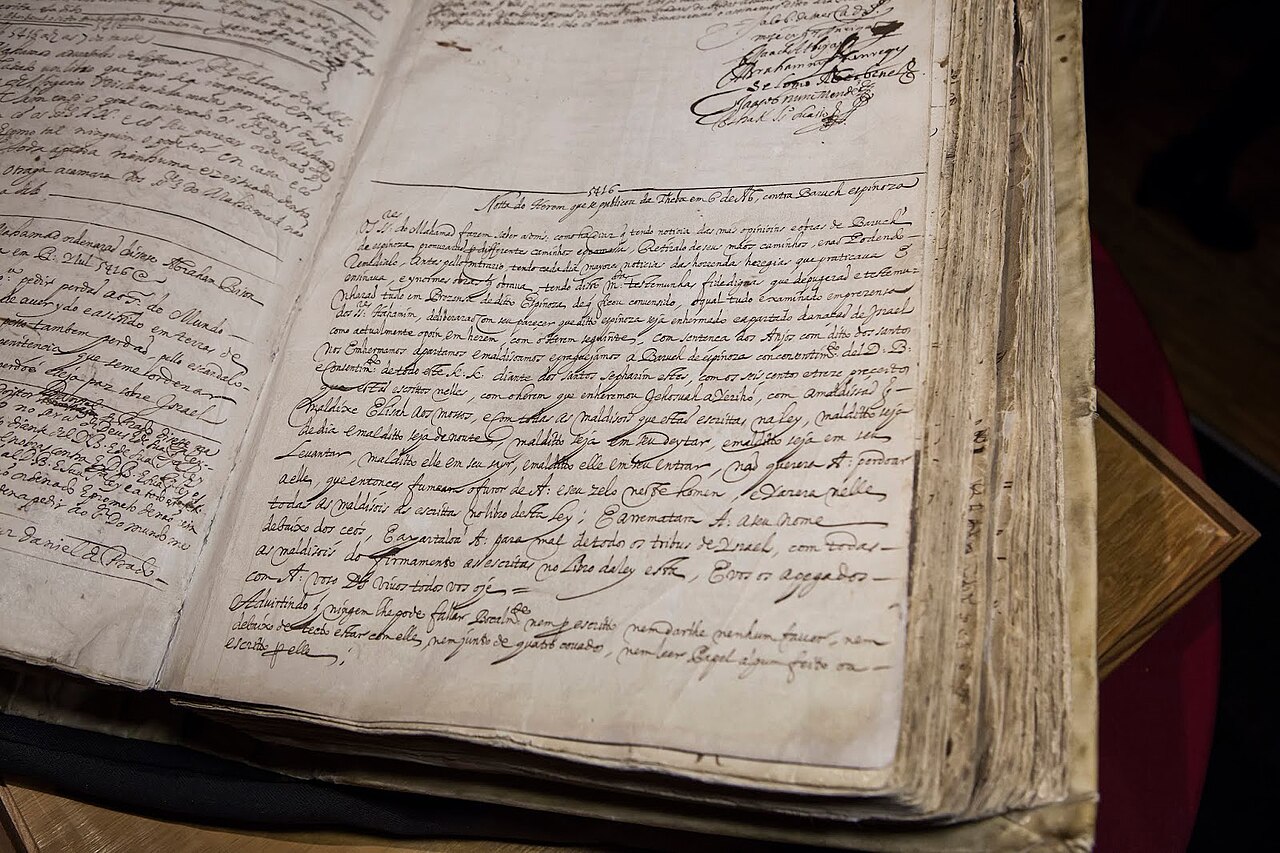 Document
Primary source
27 July 1656
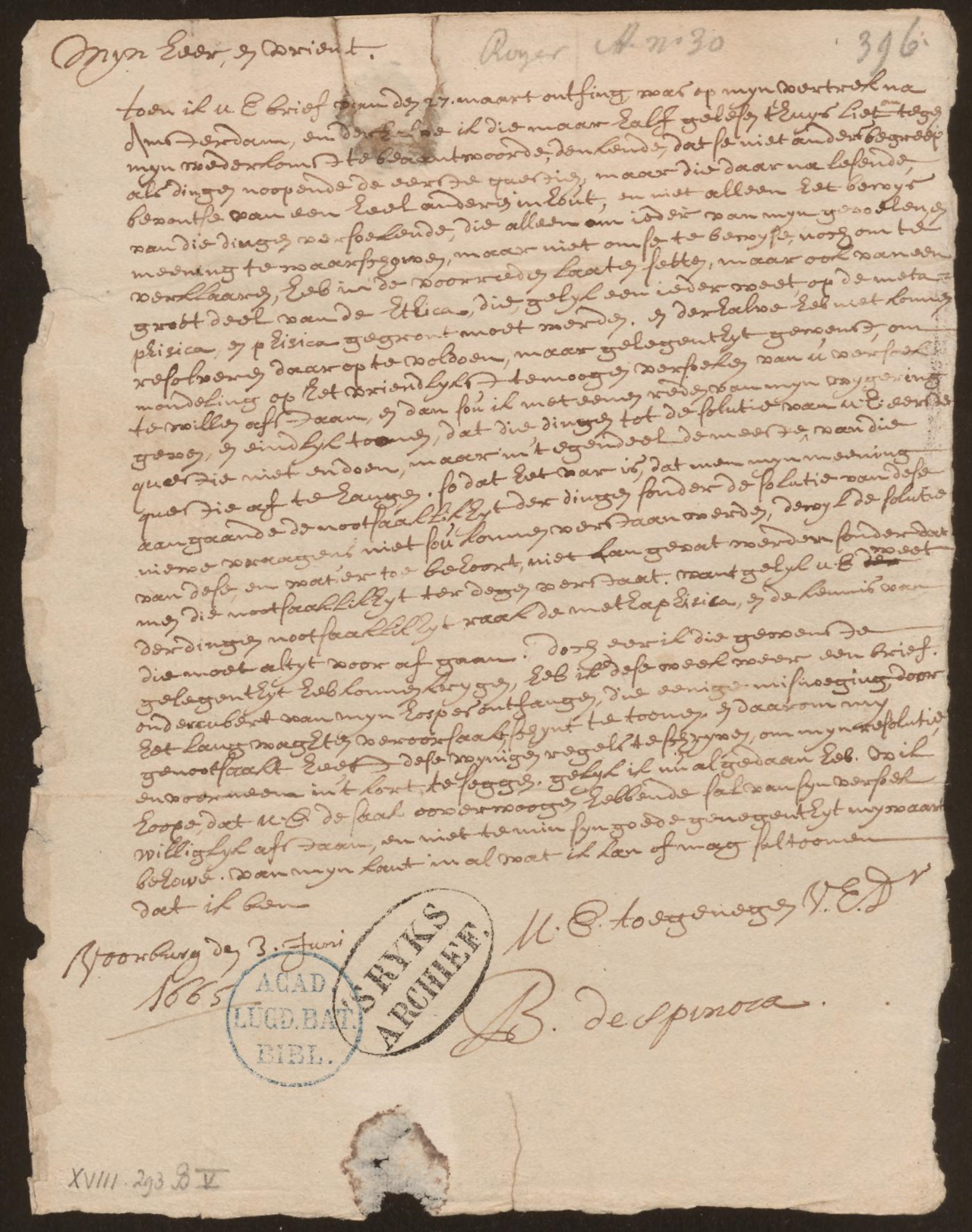 Letter
Primary source
Benedictus de Spinoza · 3 June 1665
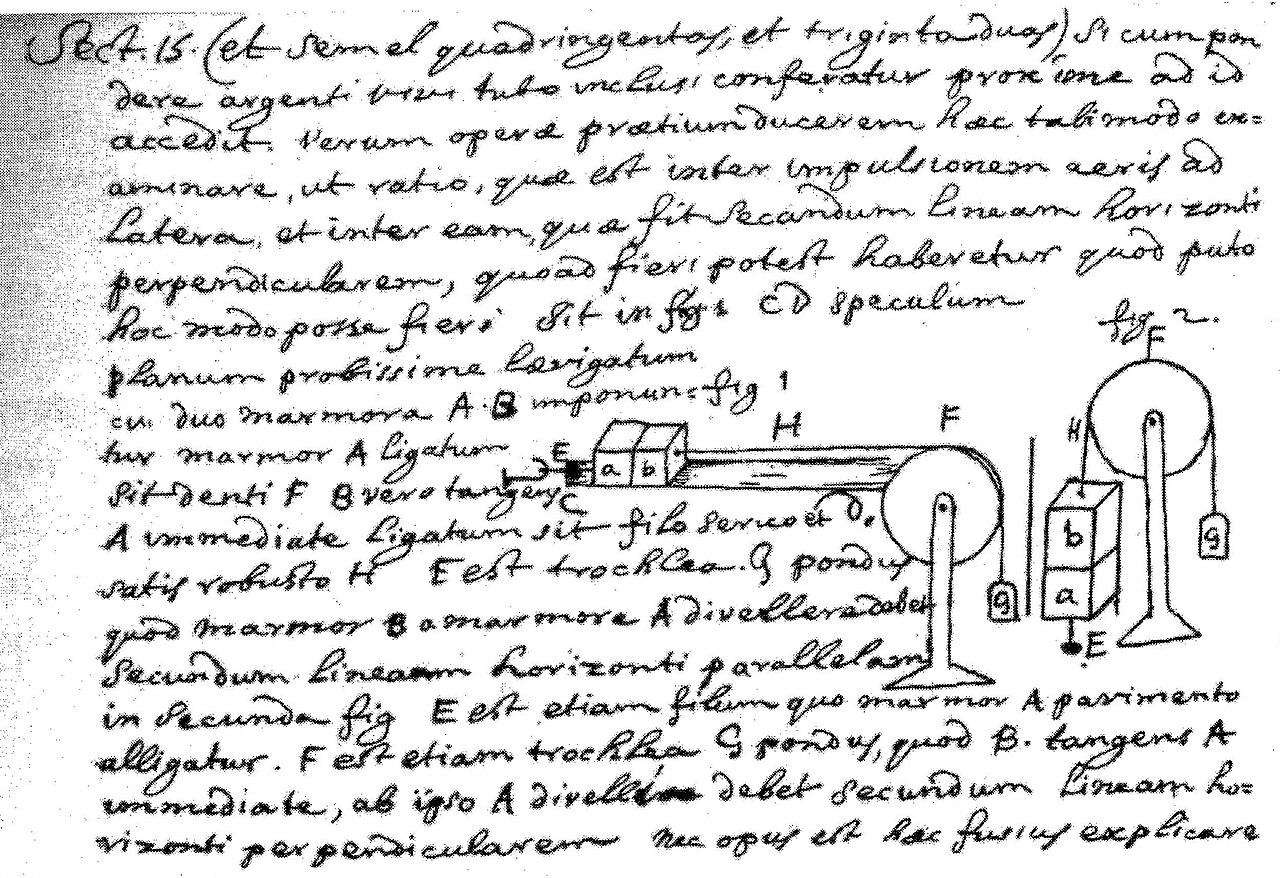 Letter
Primary source
Benedictus de Spinoza · End of June 1661
Secondary source
Robert Willis · 1870
Secondary source
K. O. Meinsma · 1896
Secondary source
Jacob Freudenthal · 1899
 Book
Primary source
Benedictus de Spinoza · 1910
Primary source
Benedictus de Spinoza · 1662
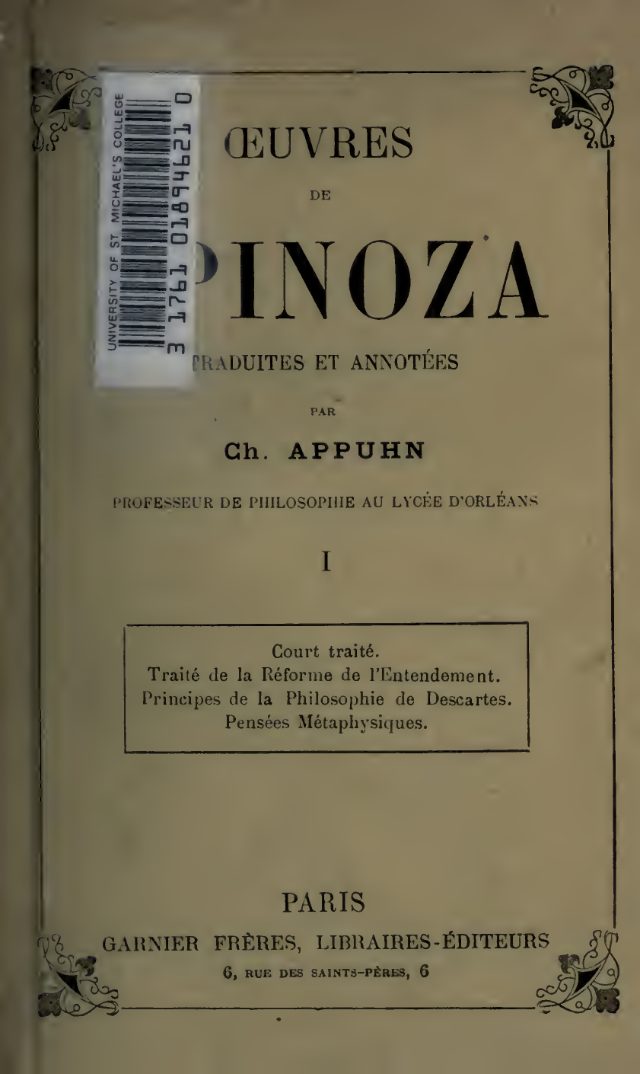 Book
Primary source
Benedictus de Spinoza · 1907
Primary source
Benedictus de Spinoza · 1891
Primary source
Benedictus de Spinoza · 1901
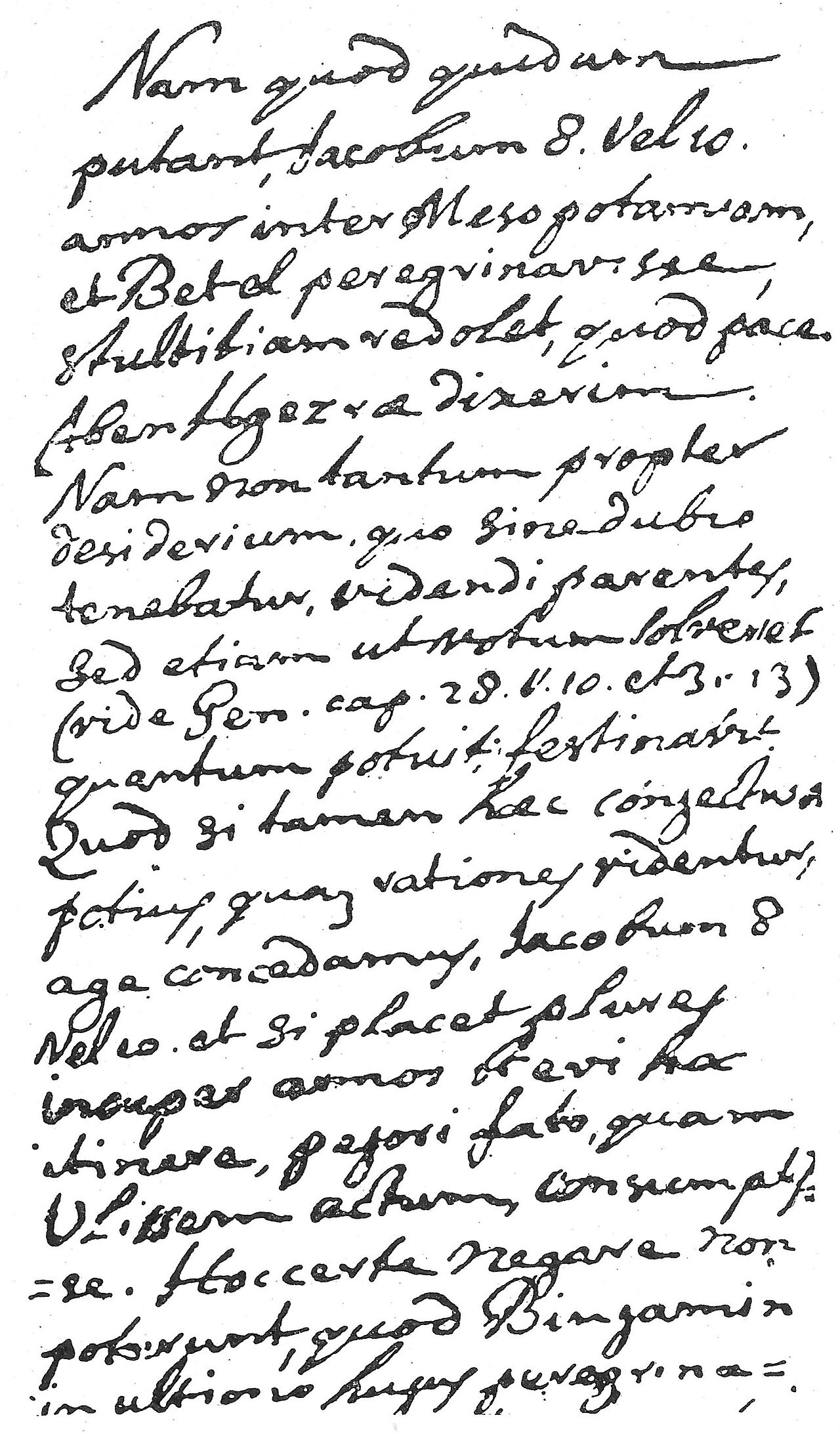 Document
Primary source
Benedictus de Spinoza · c. 1670-1677
Primary source
Benedictus de Spinoza · 1670 (preface); reading recorded 2024
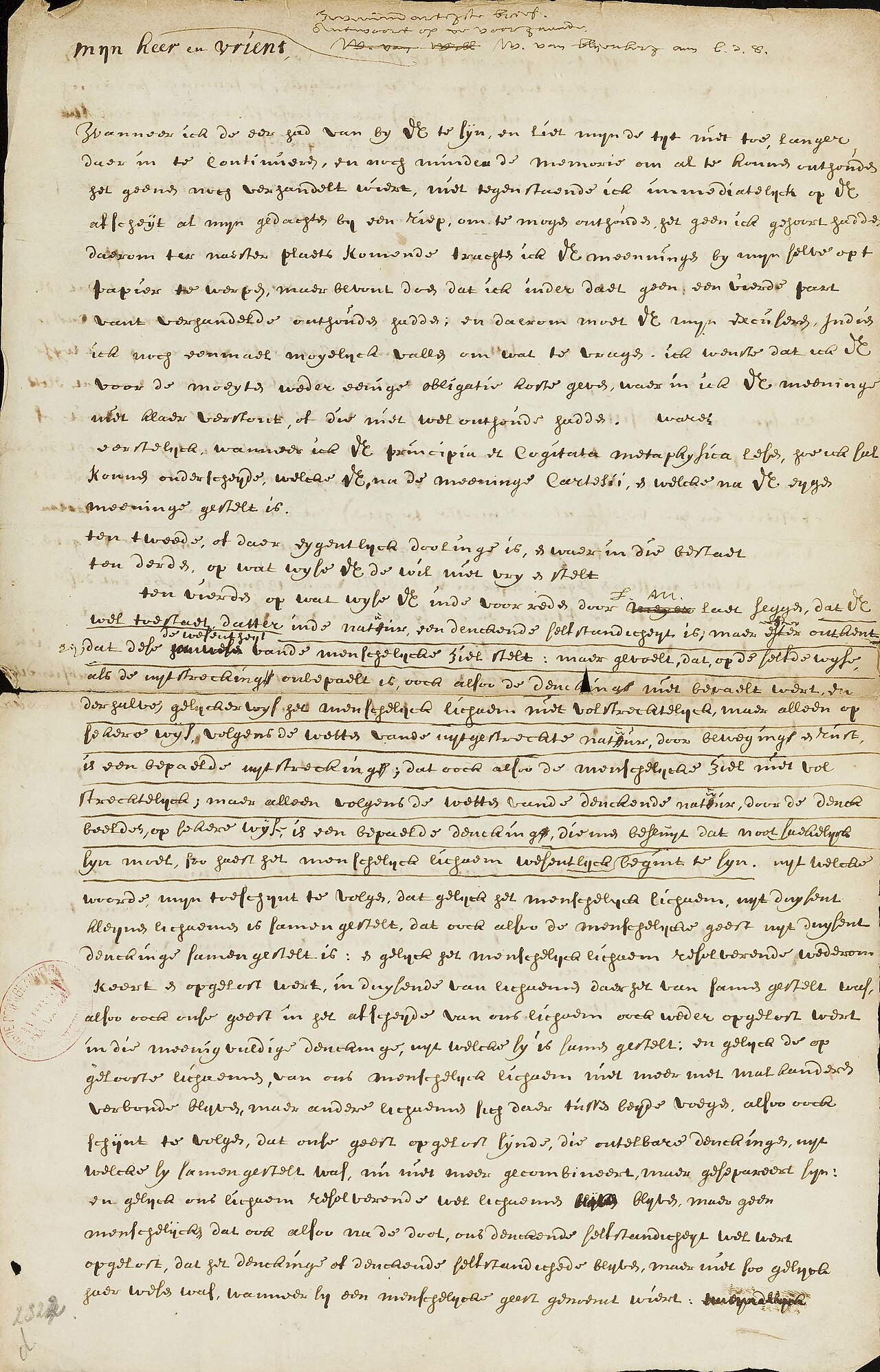 Letter
Primary source
Willem van Blijenbergh · 27 March 1665
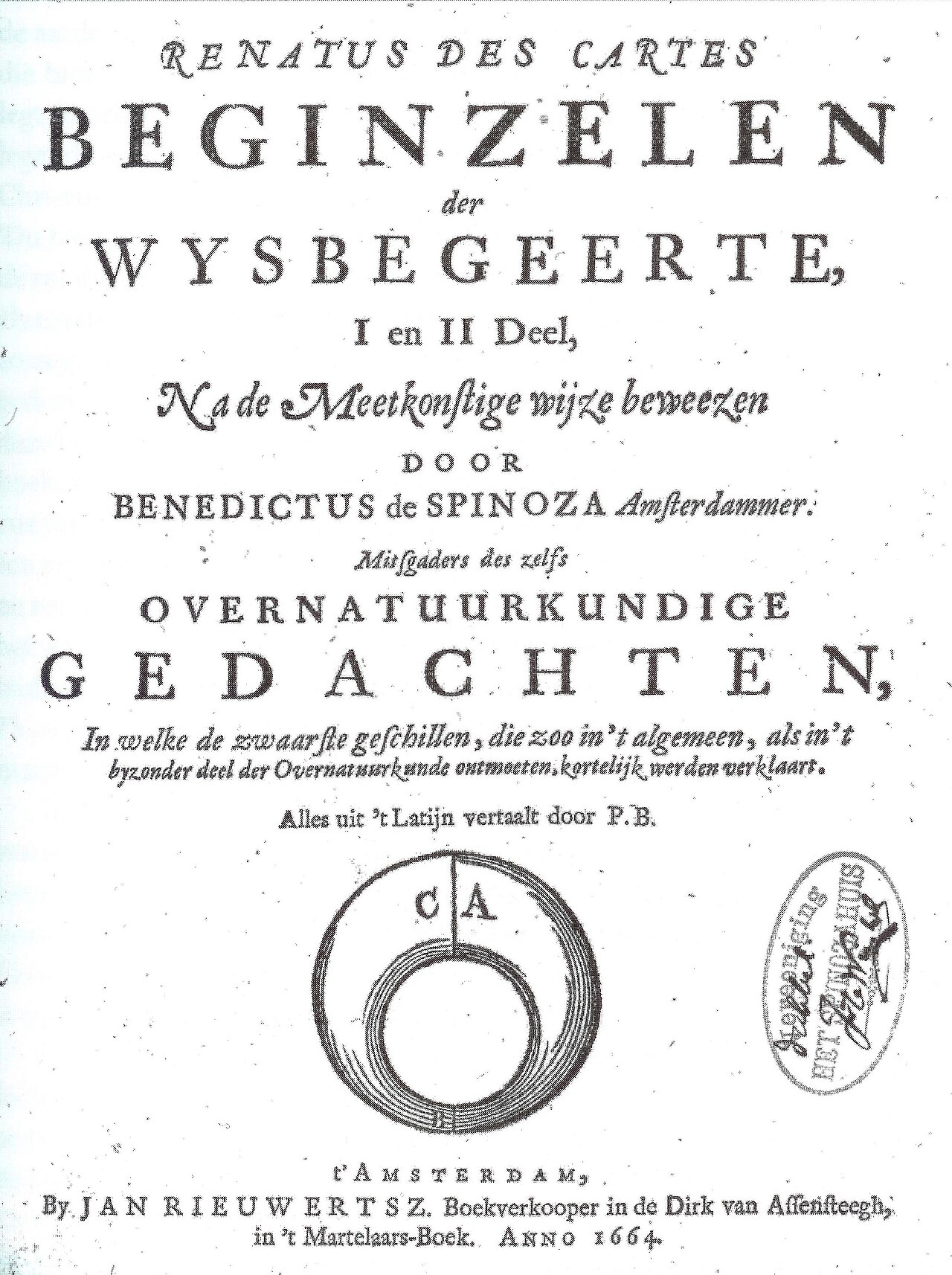 Book
Primary source
René Descartes; translated by Benedictus de Spinoza · 1664
Secondary source
Friedrich Heinrich Jacobi · 1916 (debate originally 1785)
 Book
Secondary source
James Martineau · 1883
 Book
Secondary source
William Angus Knight (editor) · 1882
 Book
Secondary source
John Caird · 1901
 Book
Secondary source
Elmer E. Powell · 1906
Secondary source
Victor Delbos · 1893
 Book
Secondary source
J. Allanson Picton · 1907
 Book
Secondary source
Carl Gebhardt · 1905
 Book
Secondary source
Albert Rivaud · 1905
 Book
Secondary source
Léon Brunschvicg · 1894
Secondary source
Robert Alexander Duff · 1903
 Book
Secondary source
Gabriel Huan · 1914
Secondary source
Stanislaus von Dunin-Borkowski · 1910
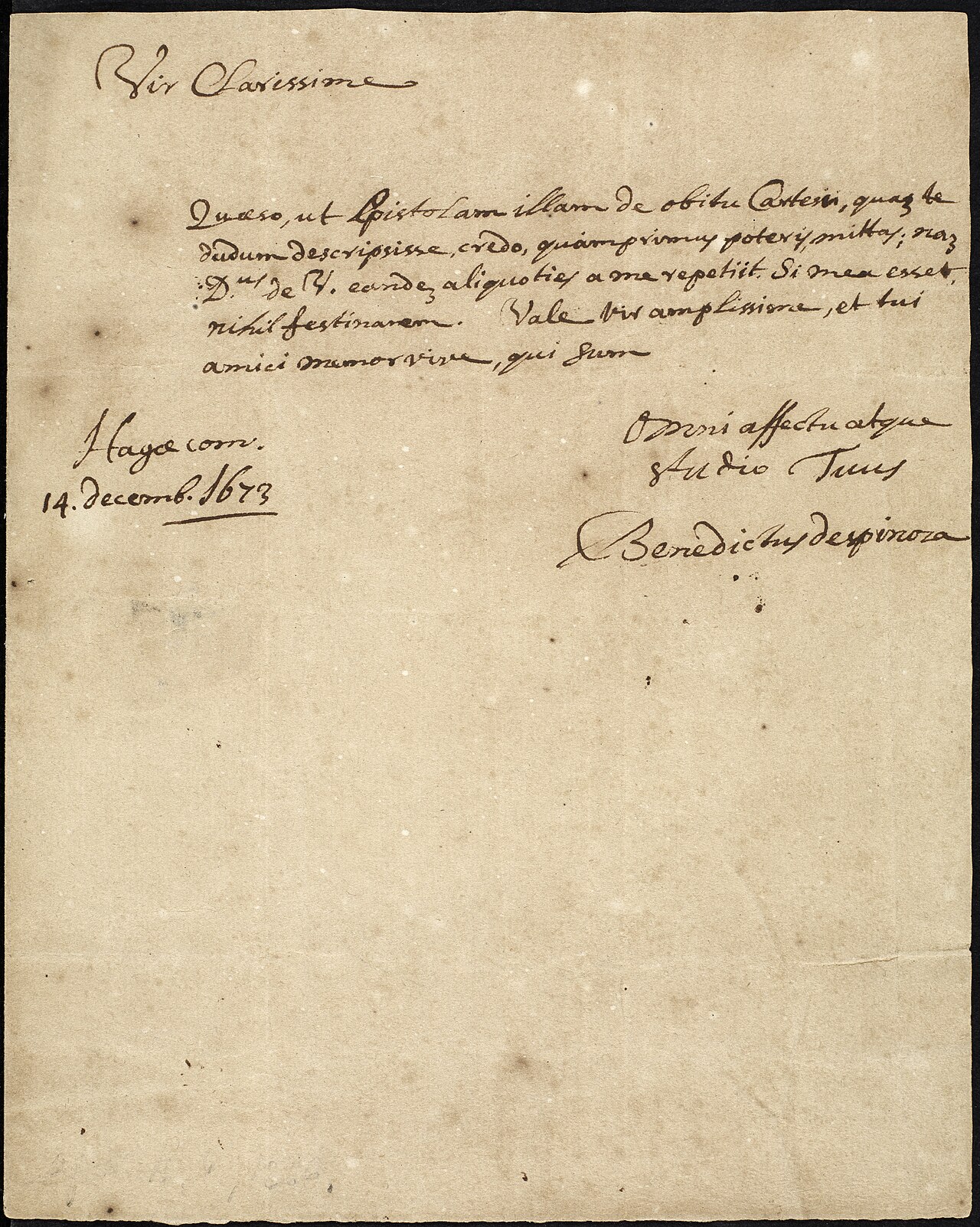 Letter
Primary source
Benedictus de Spinoza · 14 December 1673
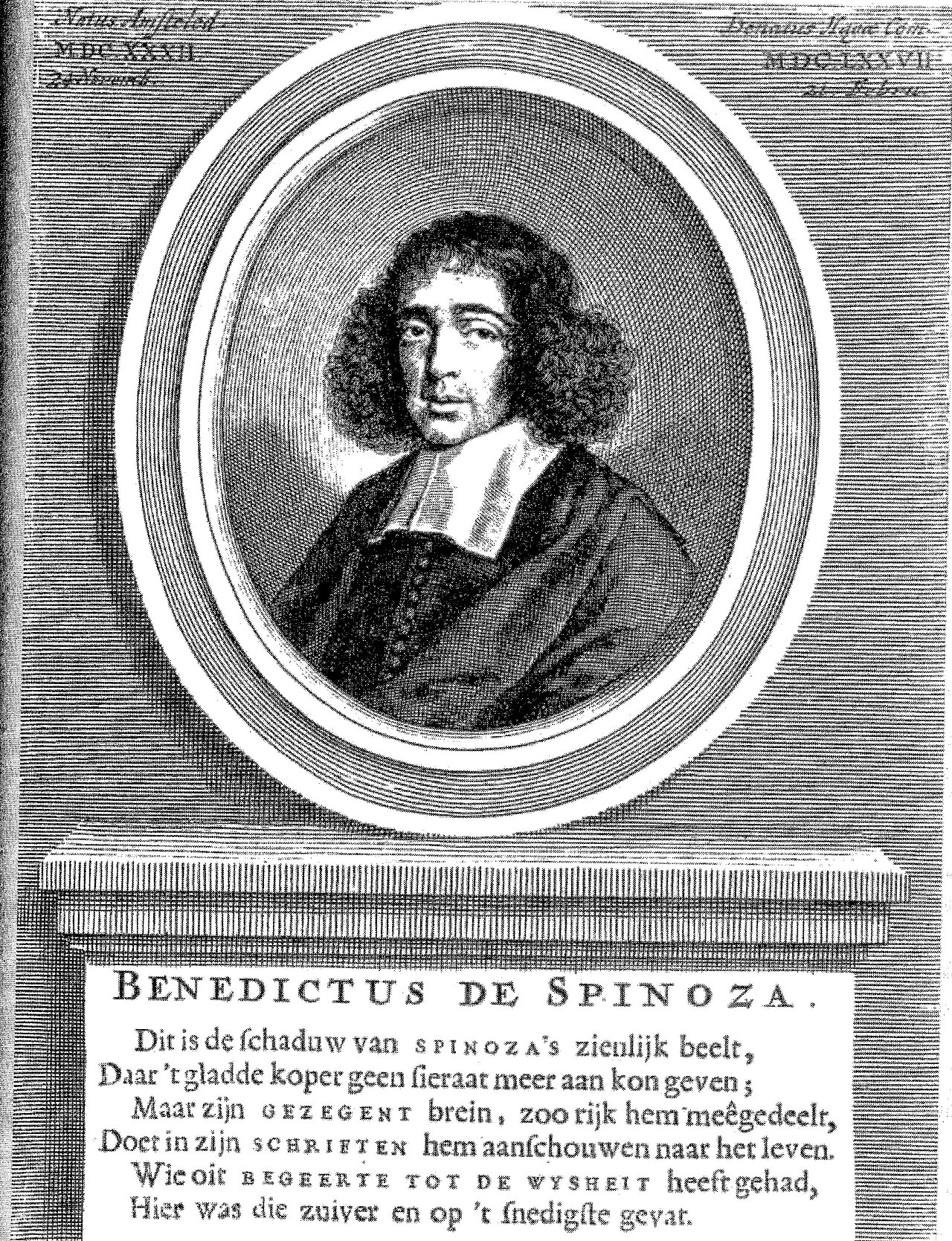 Painting
Primary source
Unknown engraver · 1677
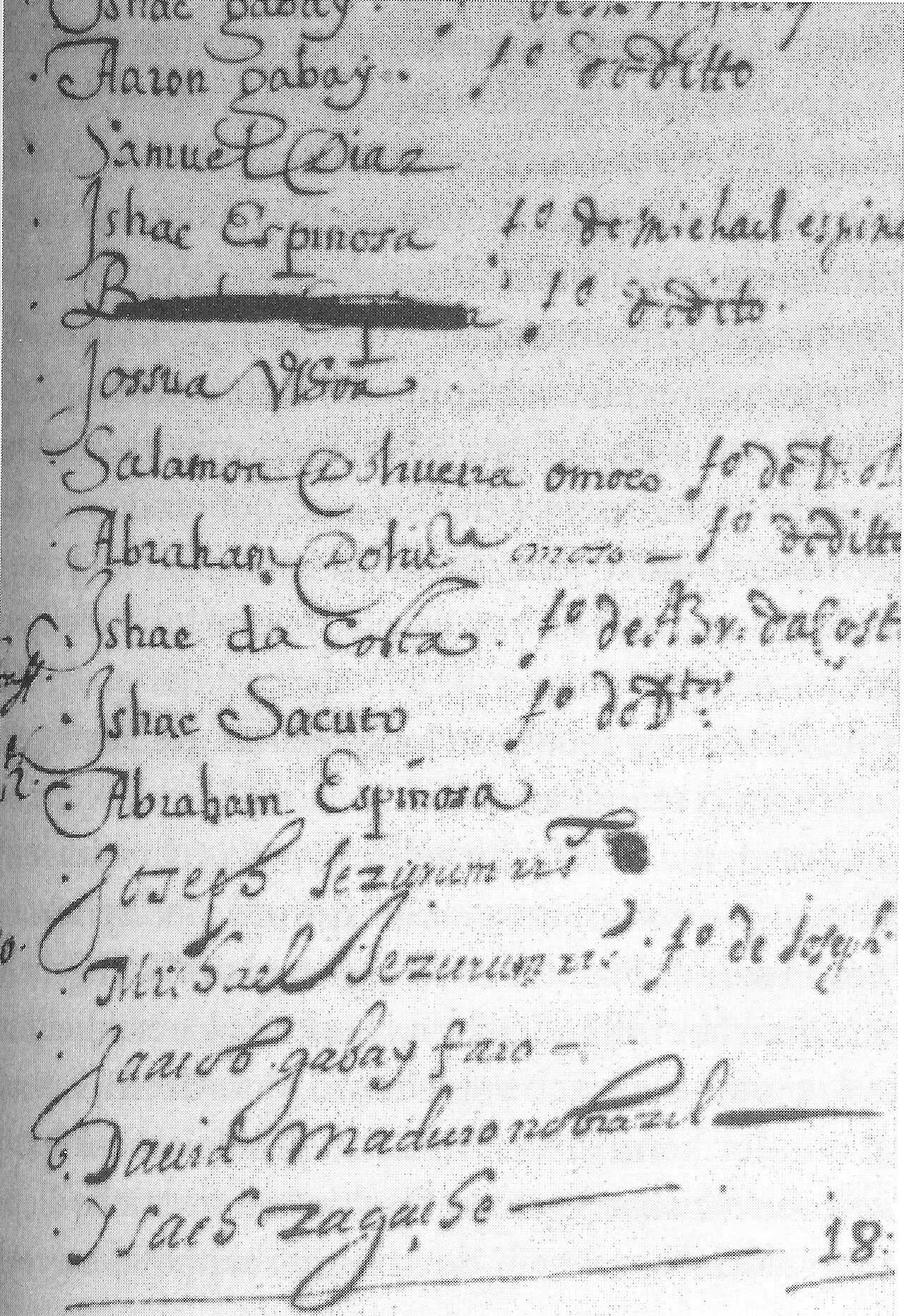 Document
Primary source
Unknown author · before 1700
 Book
Primary source
Benedictus de Spinoza · 1925
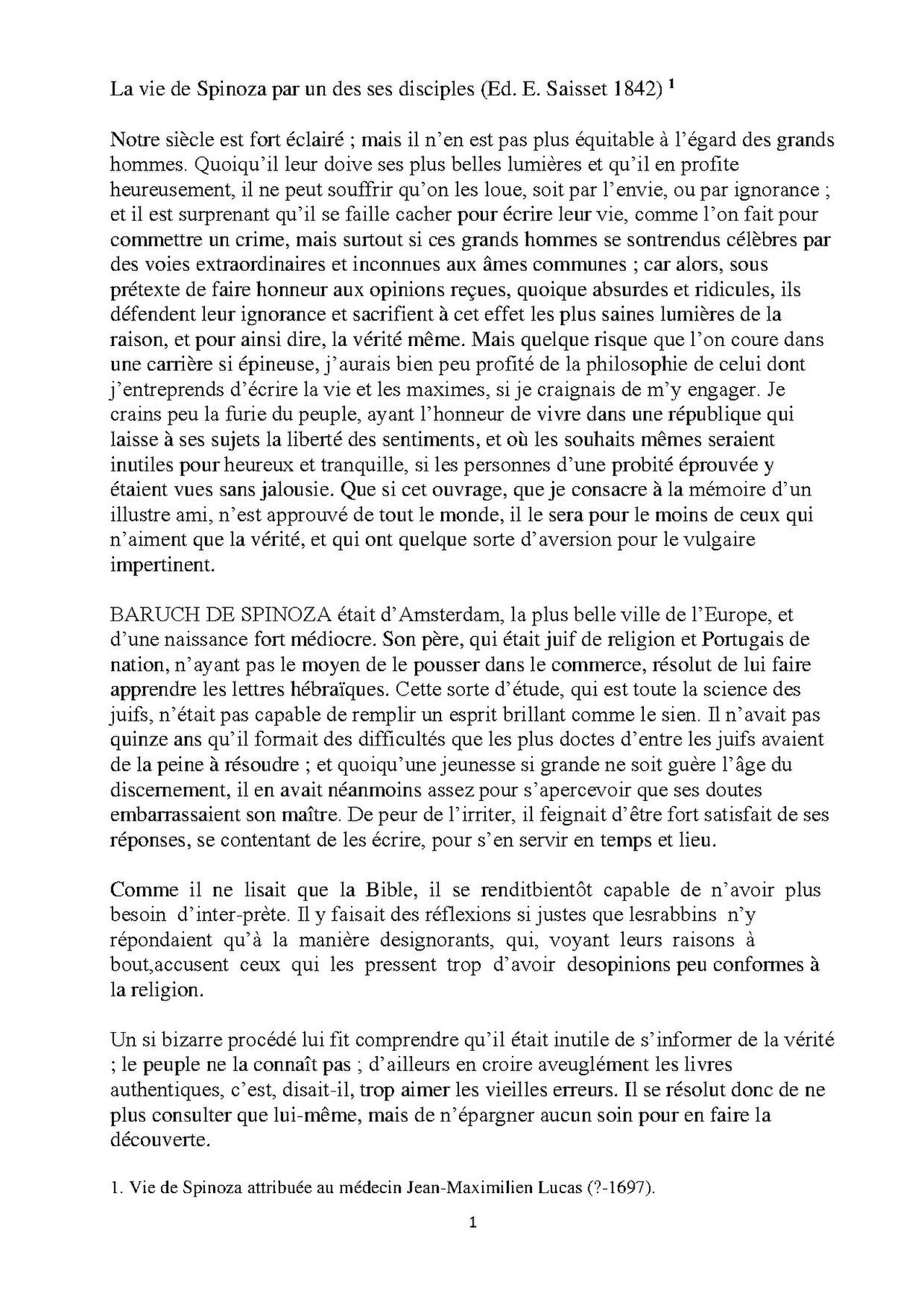 Book
Primary source
Jean Maximilien Lucas · 1842 edition
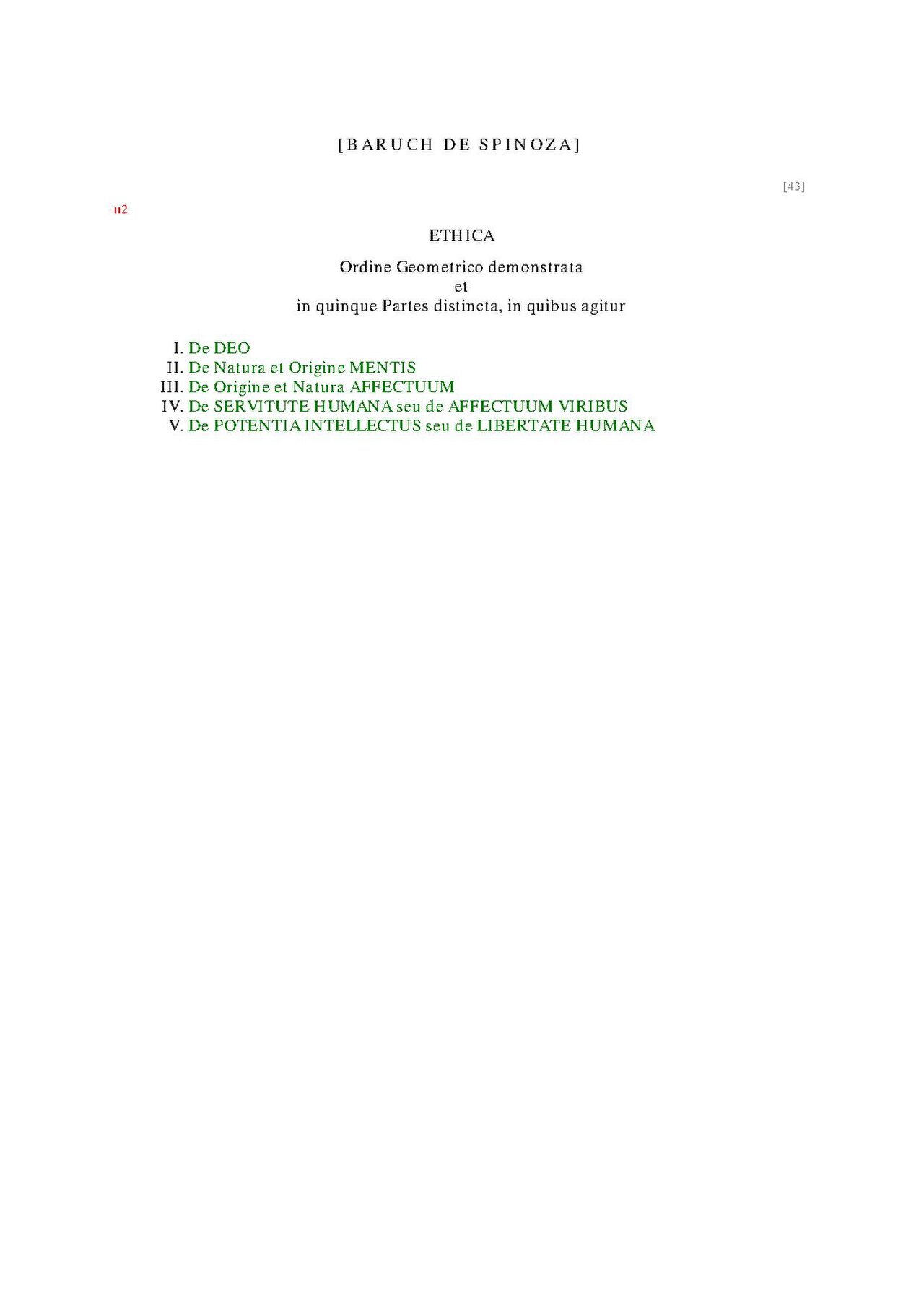 Book
Primary source
Benedictus de Spinoza · 1677 (text), 1925 edition
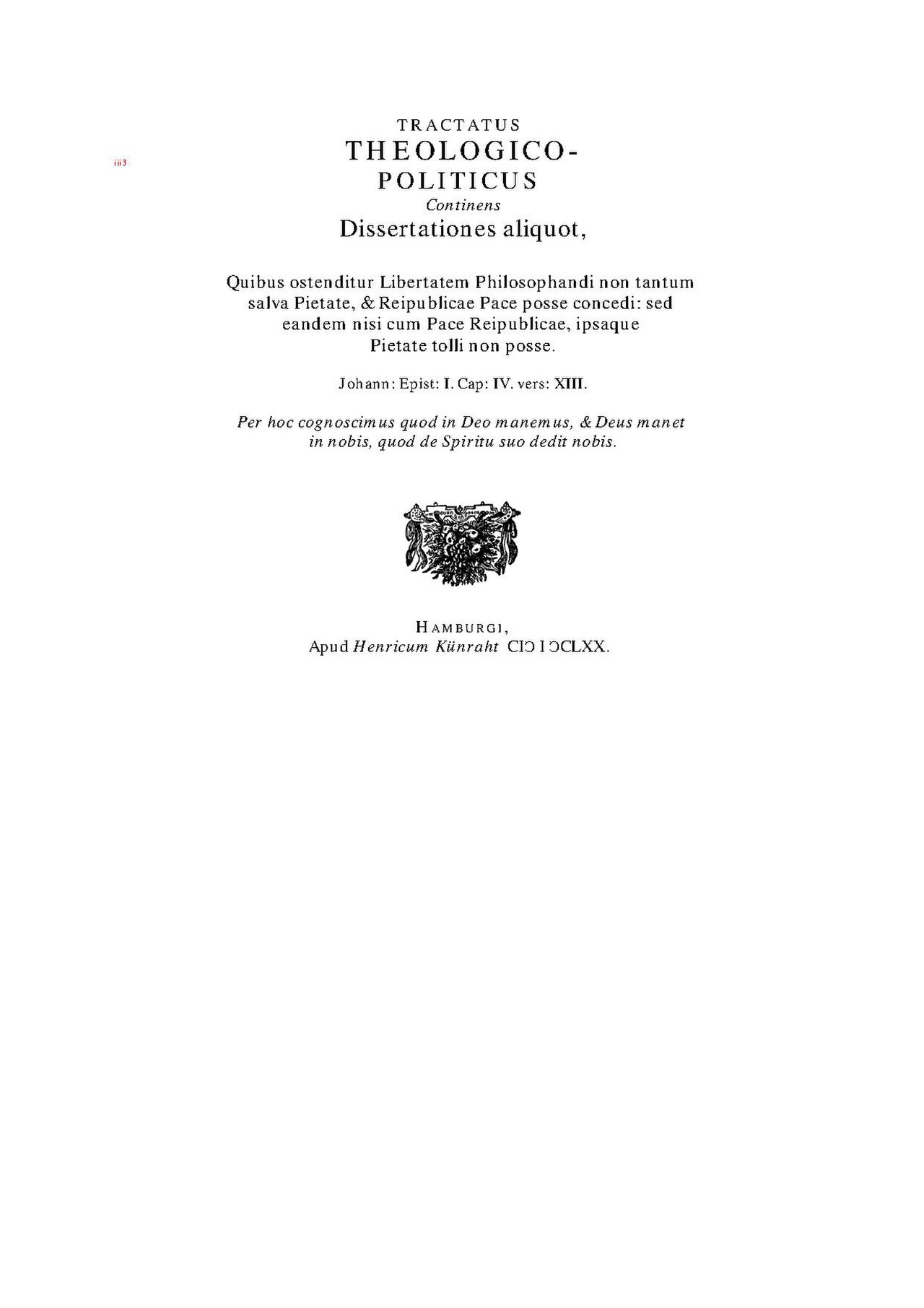 Book
Primary source
Benedictus de Spinoza · 1670
 Book
Primary source
Benedict de Spinoza
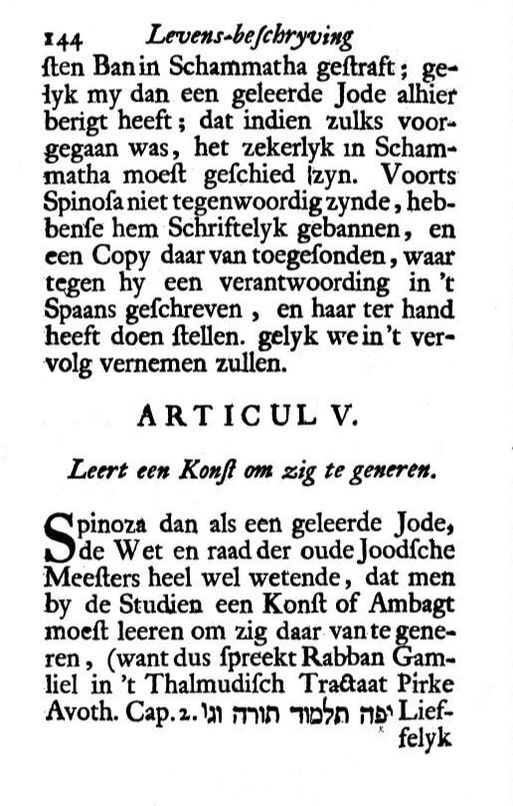 Book
Primary source
Johannes Nicolaus Colerus · 1732
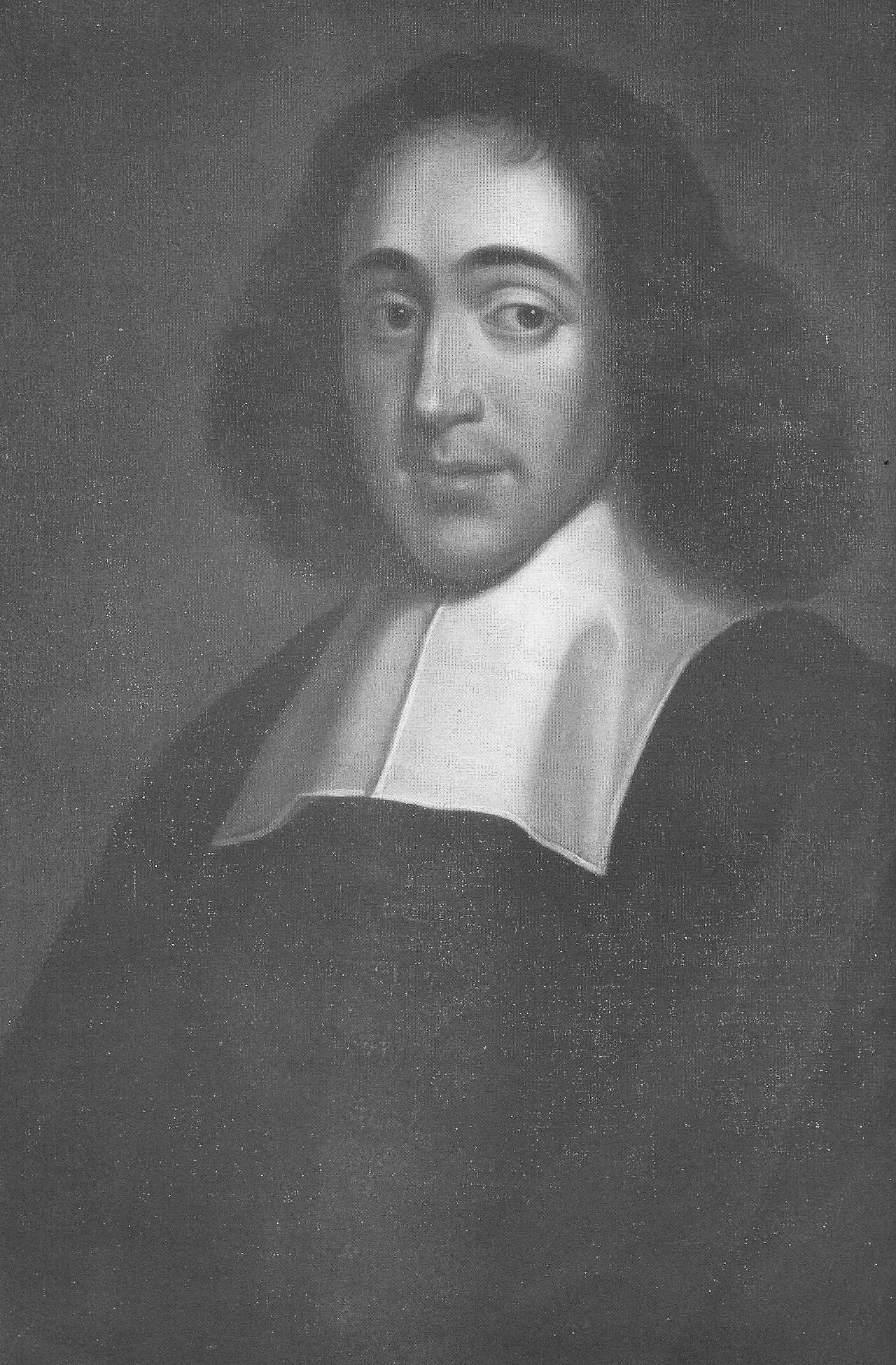 Painting
Secondary source
Unknown · 18th century copy of a work possibly c. 1665-1666
Primary source
Benedictus de Spinoza
Primary source
Benedictus de Spinoza · 1677
Primary source
Benedictus de Spinoza · 1670
Primary source
Benedictus de Spinoza
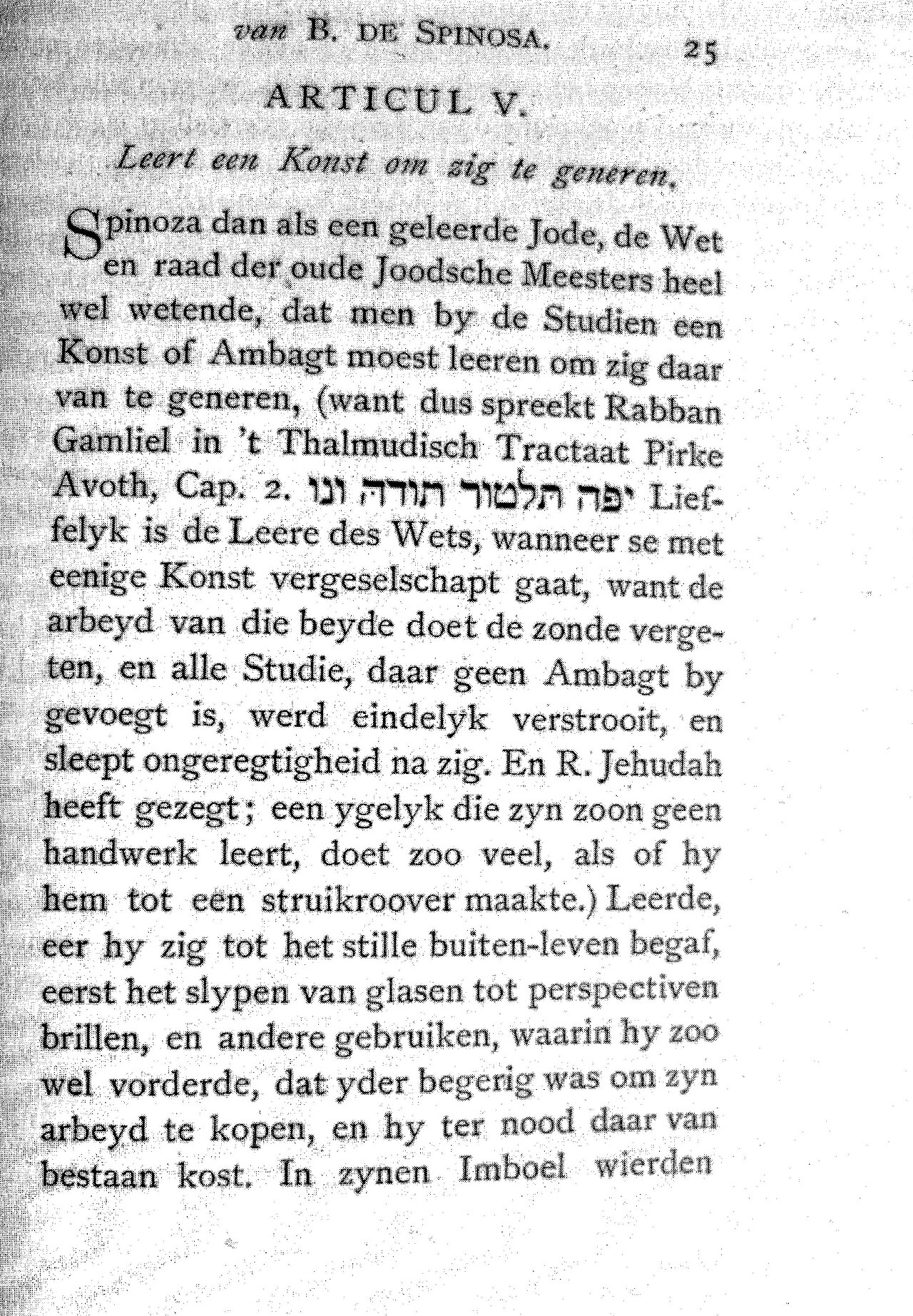 Book
Secondary source
Johannes Colerus · 1705, this edition 1910
Secondary source
21 April 1877
Secondary source
30 March 1878
Tertiary source
H. B. Alexander · 1905
Tertiary source
Andrew Seth Pringle-Pattison · 1911
Secondary source
Jean Colerus
Secondary source
Jean Maximilien Lucas
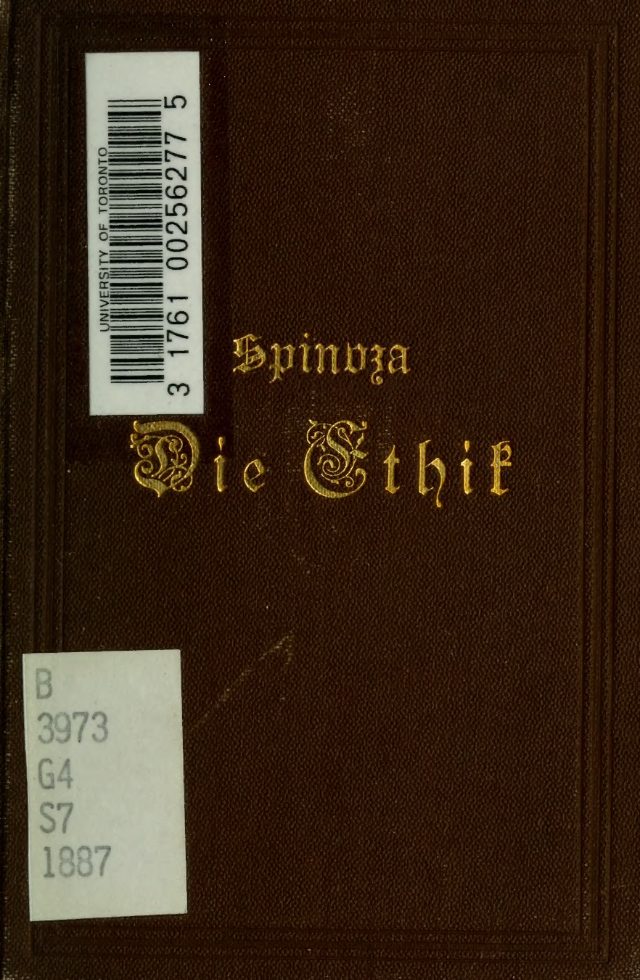 Document
Secondary source
Benedictus de Spinoza · 1887
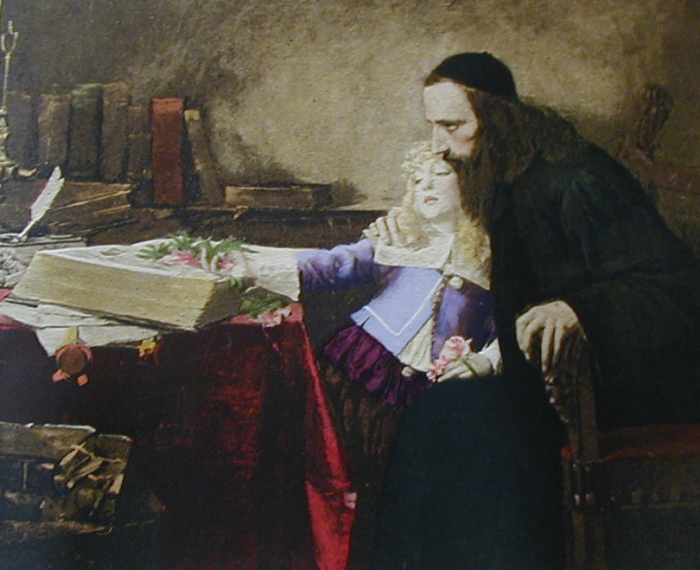 Painting
Secondary source
Samuel Hirszenberg · 1901
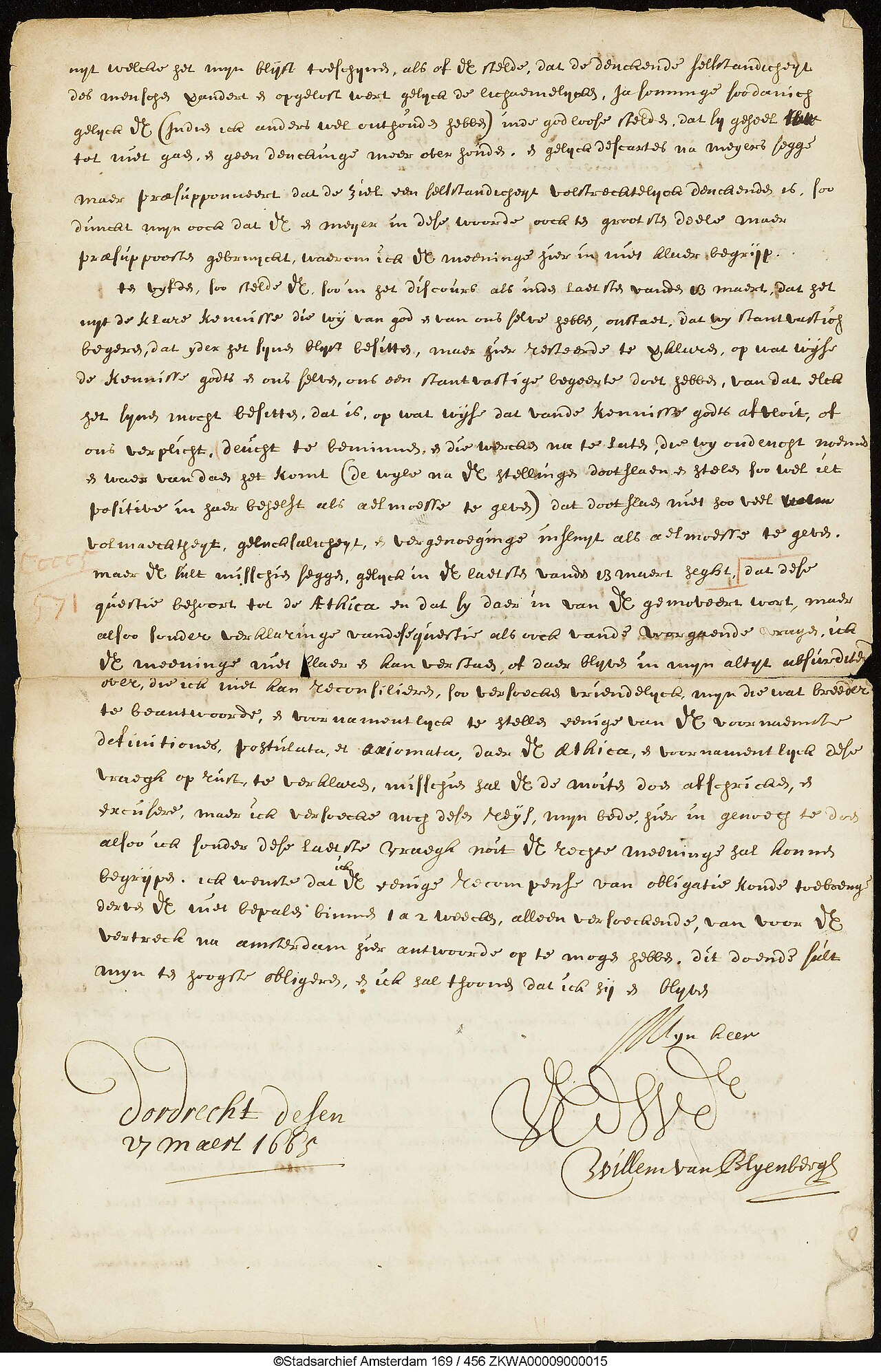 Letter
Primary source
Willem van Blijenbergh · 27 March 1665
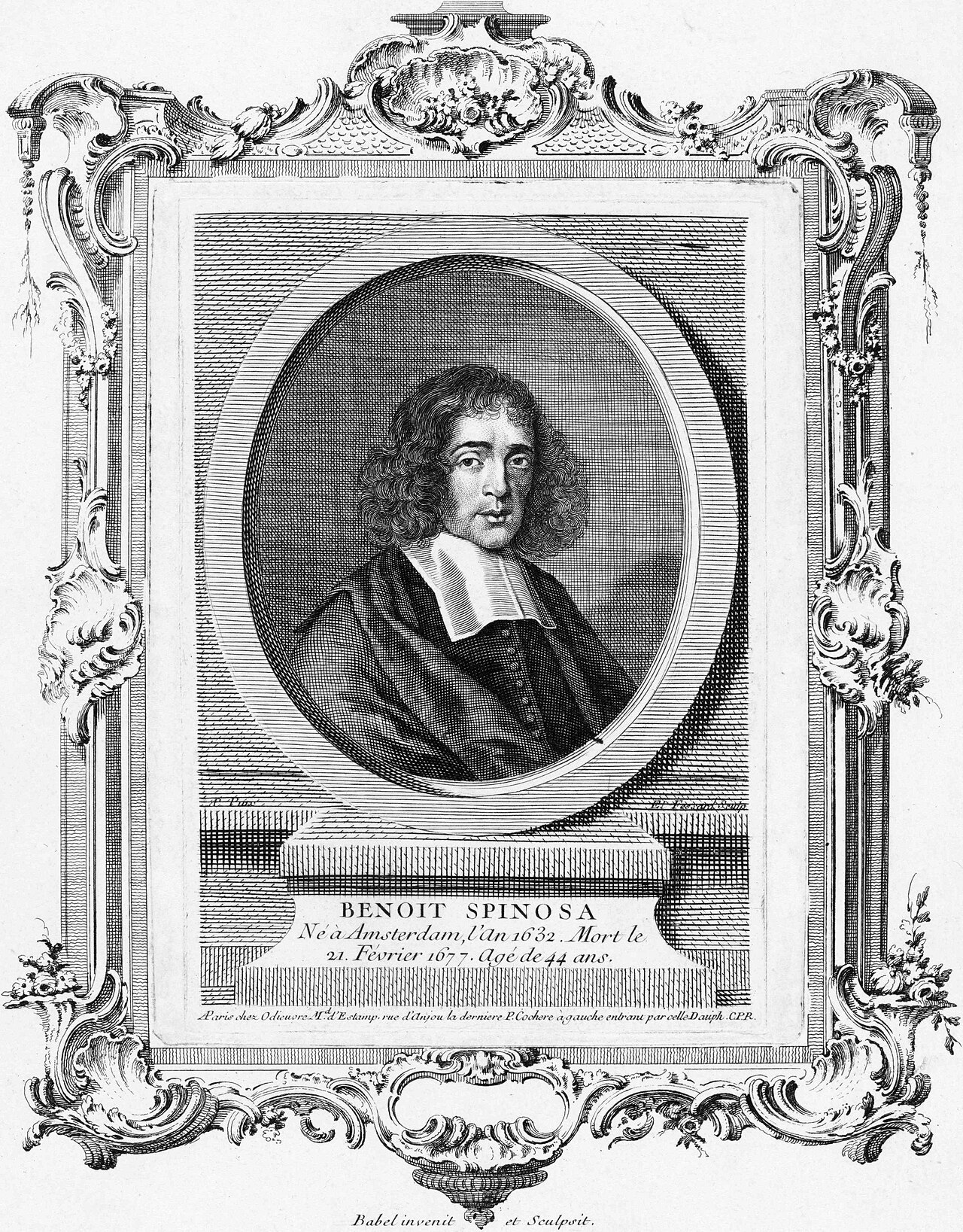 Artifact
Secondary source
Étienne Fessard / Pierre-Edmé Babel · between 1755 and 1775
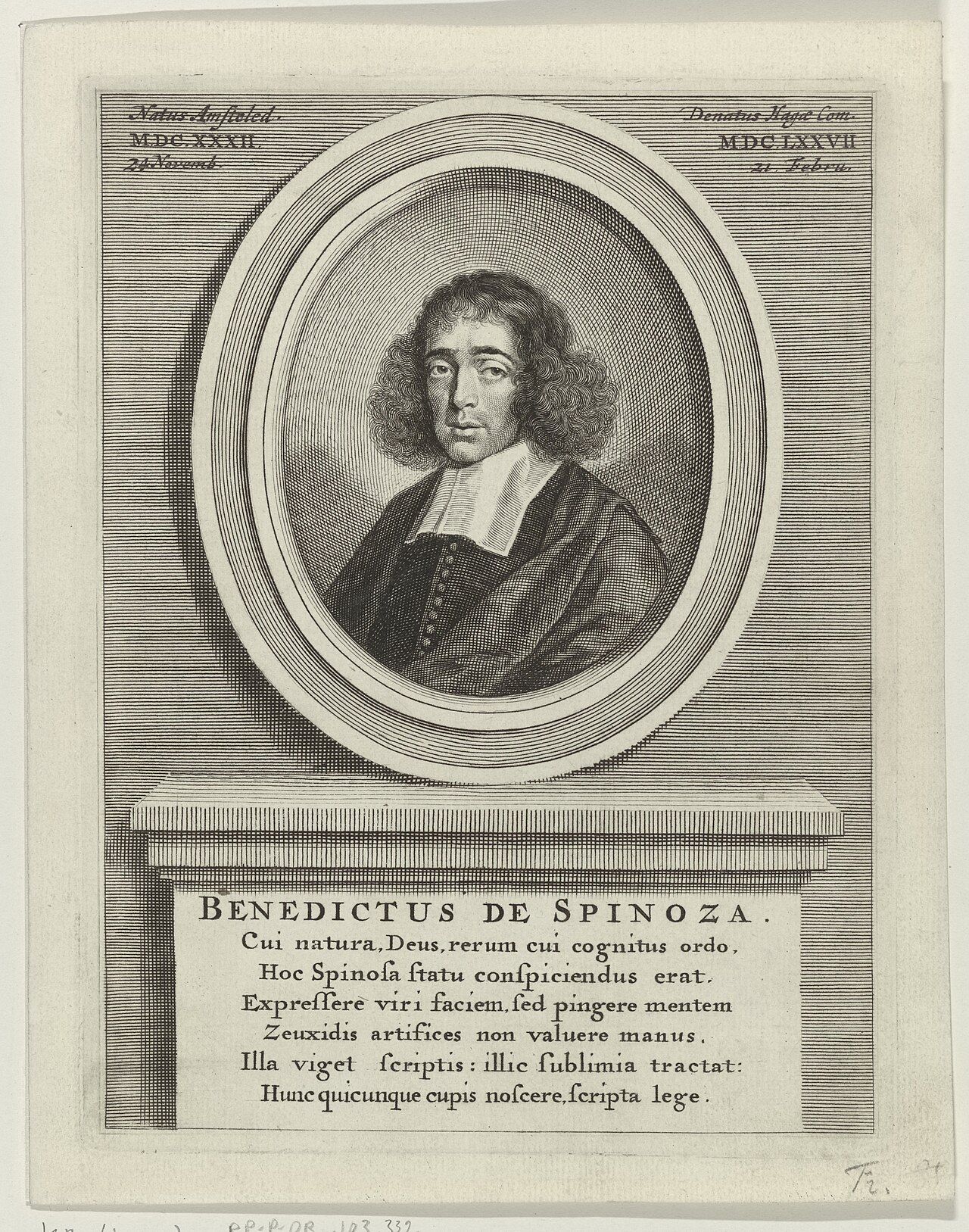 Artifact
Secondary source
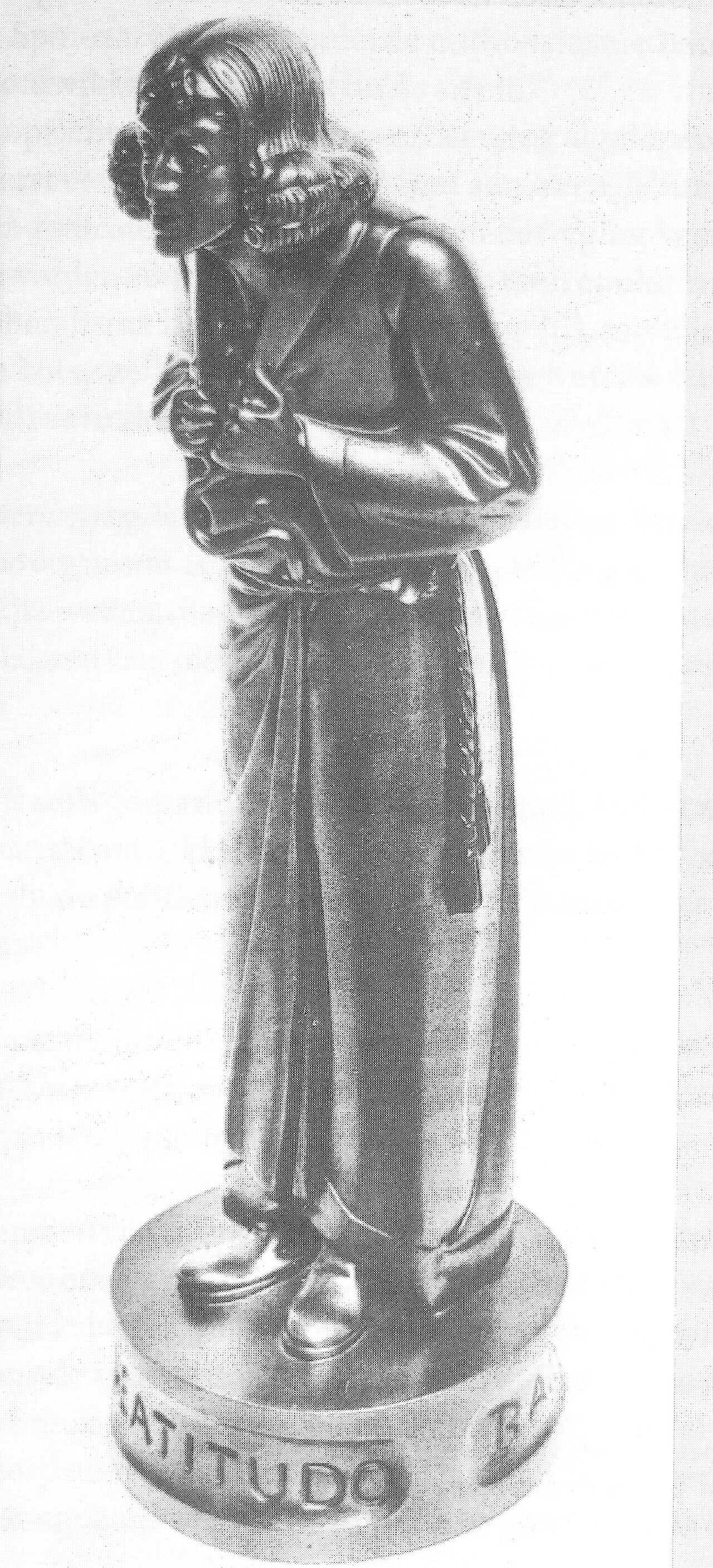 Sculpture
Secondary source
Joseph Mendes da Costa · 1909
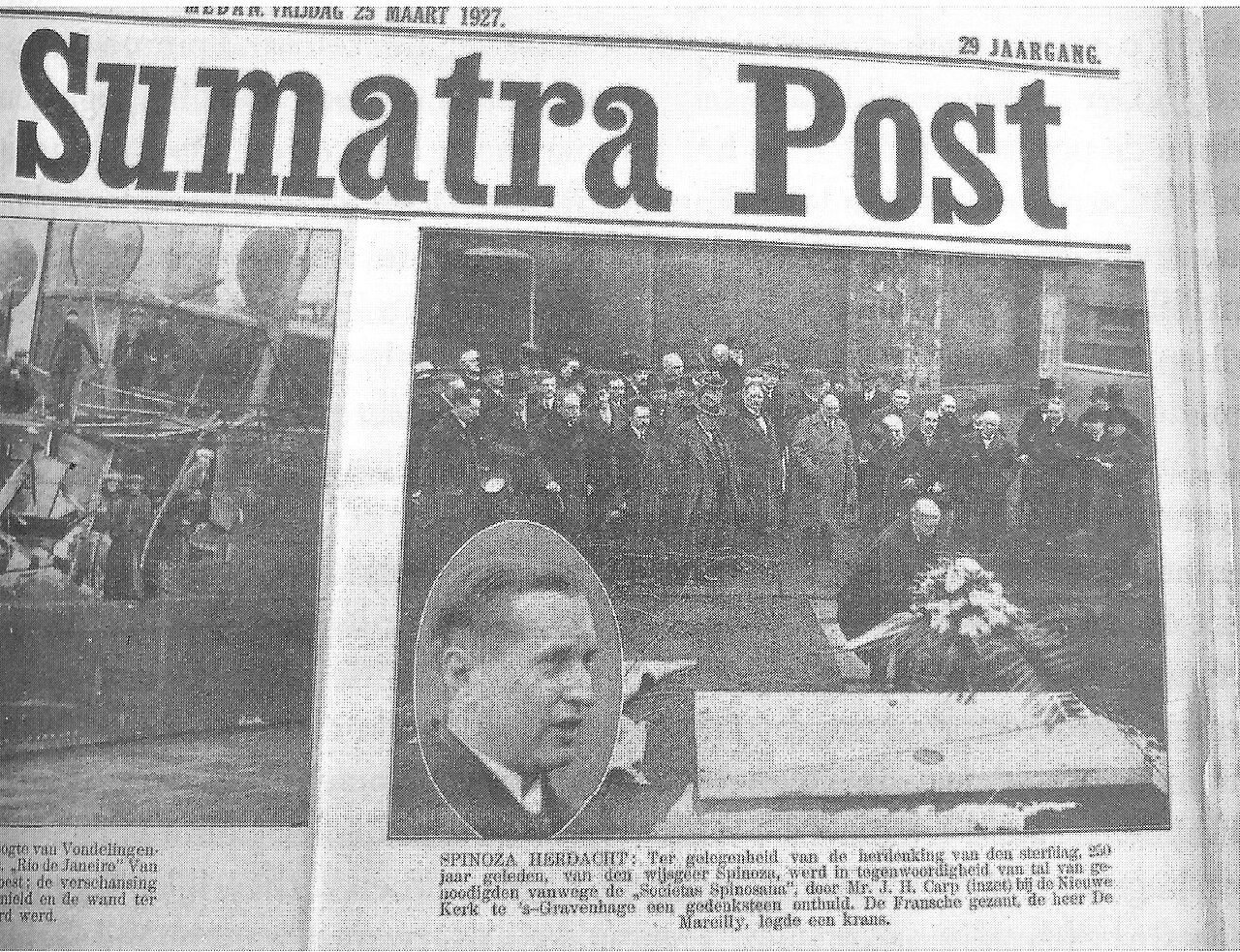 Newspaper article
Secondary source
25 March 1927
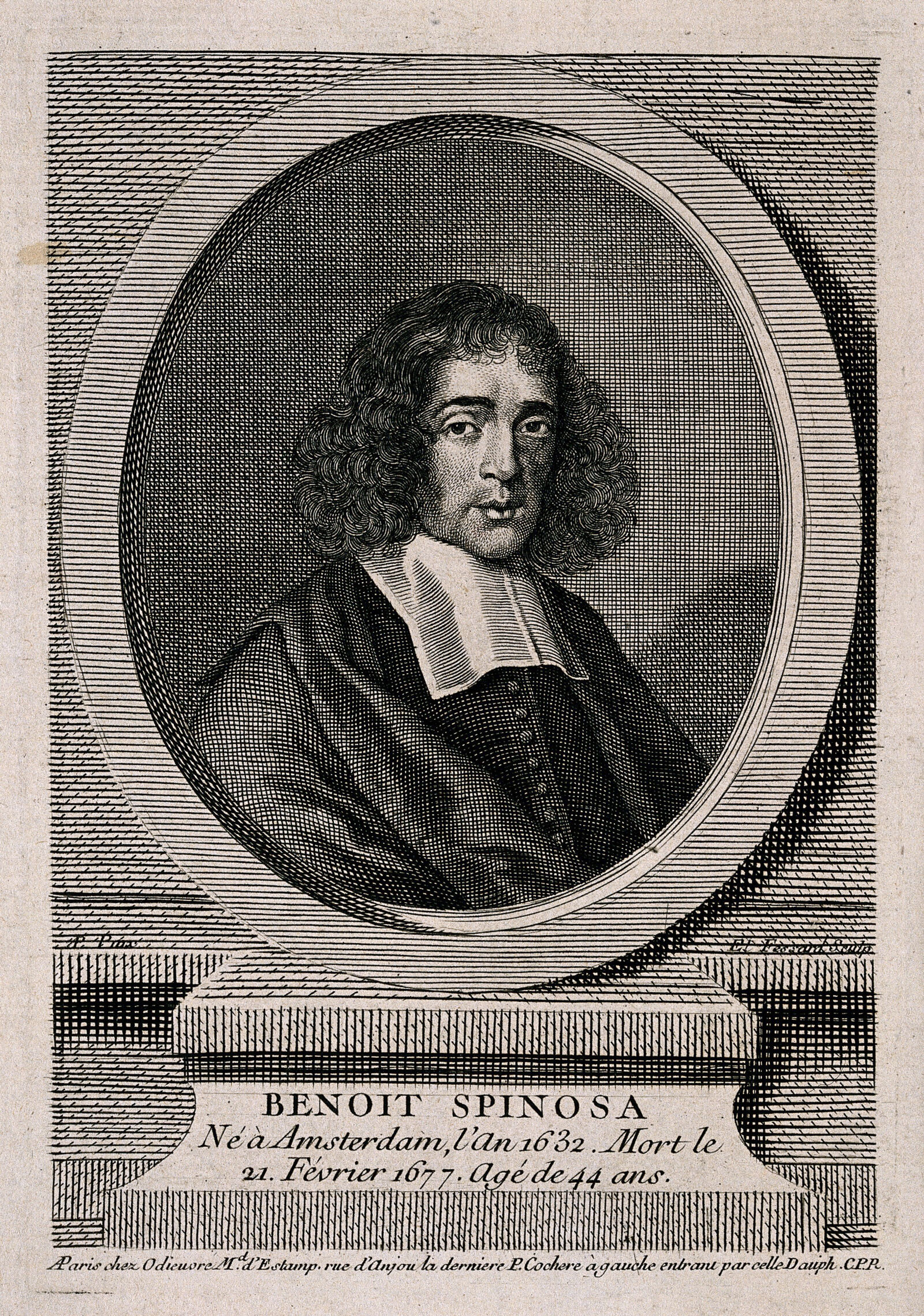 Painting
Secondary source
Étienne Fessard · 1744
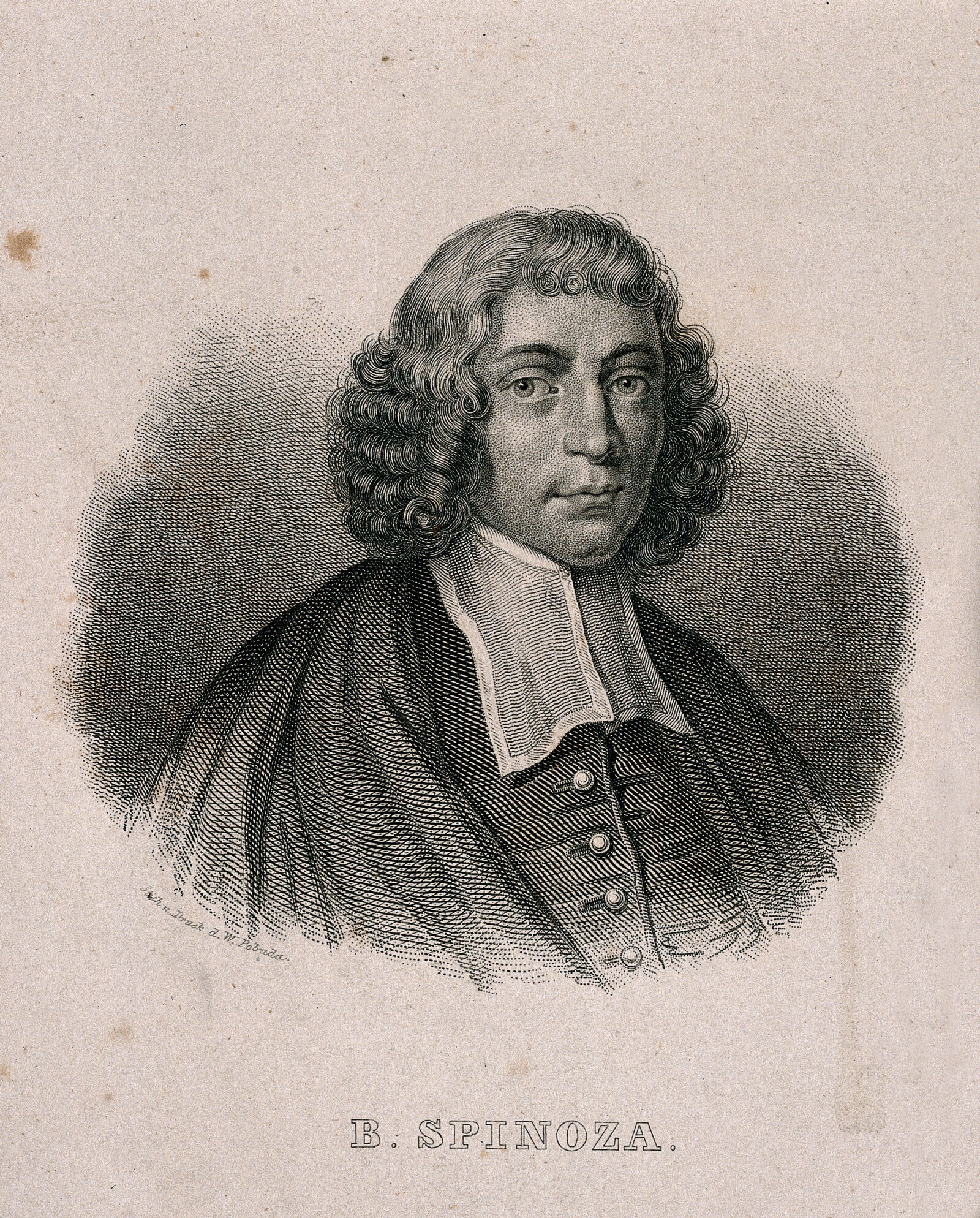 Painting
Secondary source
Wenzel Pobuda
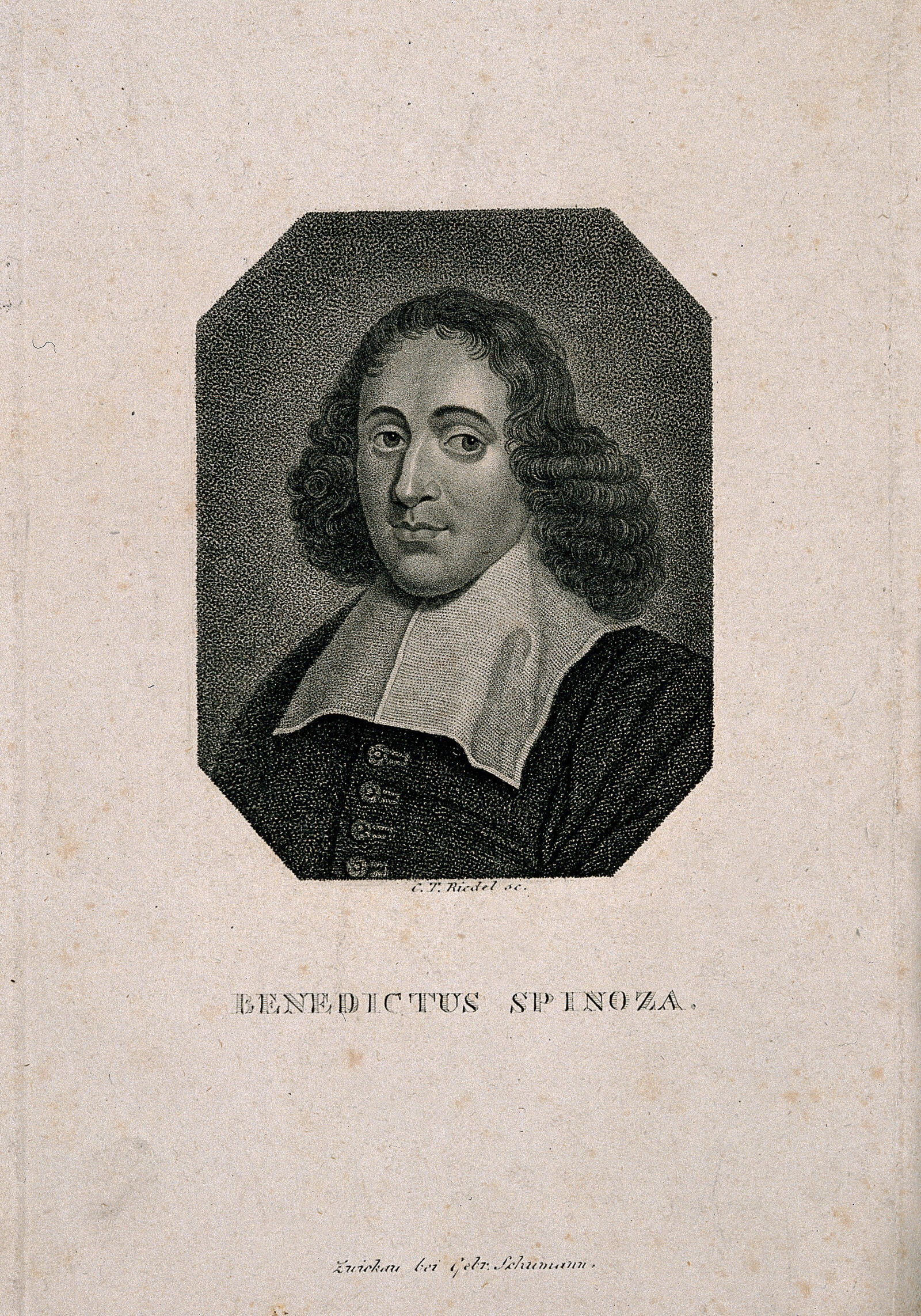 Painting
Secondary source
Gottlieb Friedrich Riedel
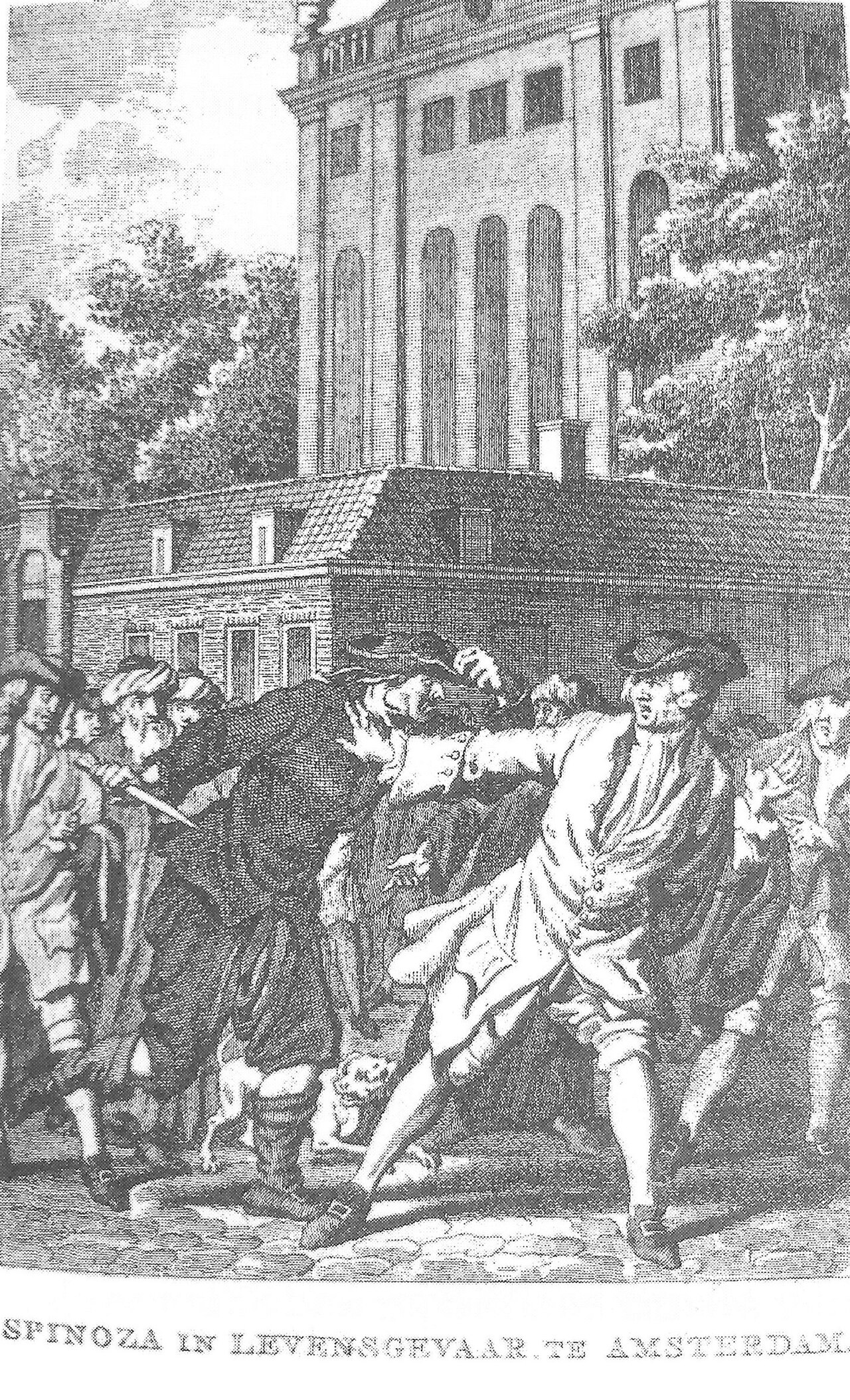 Painting
Secondary source
1784
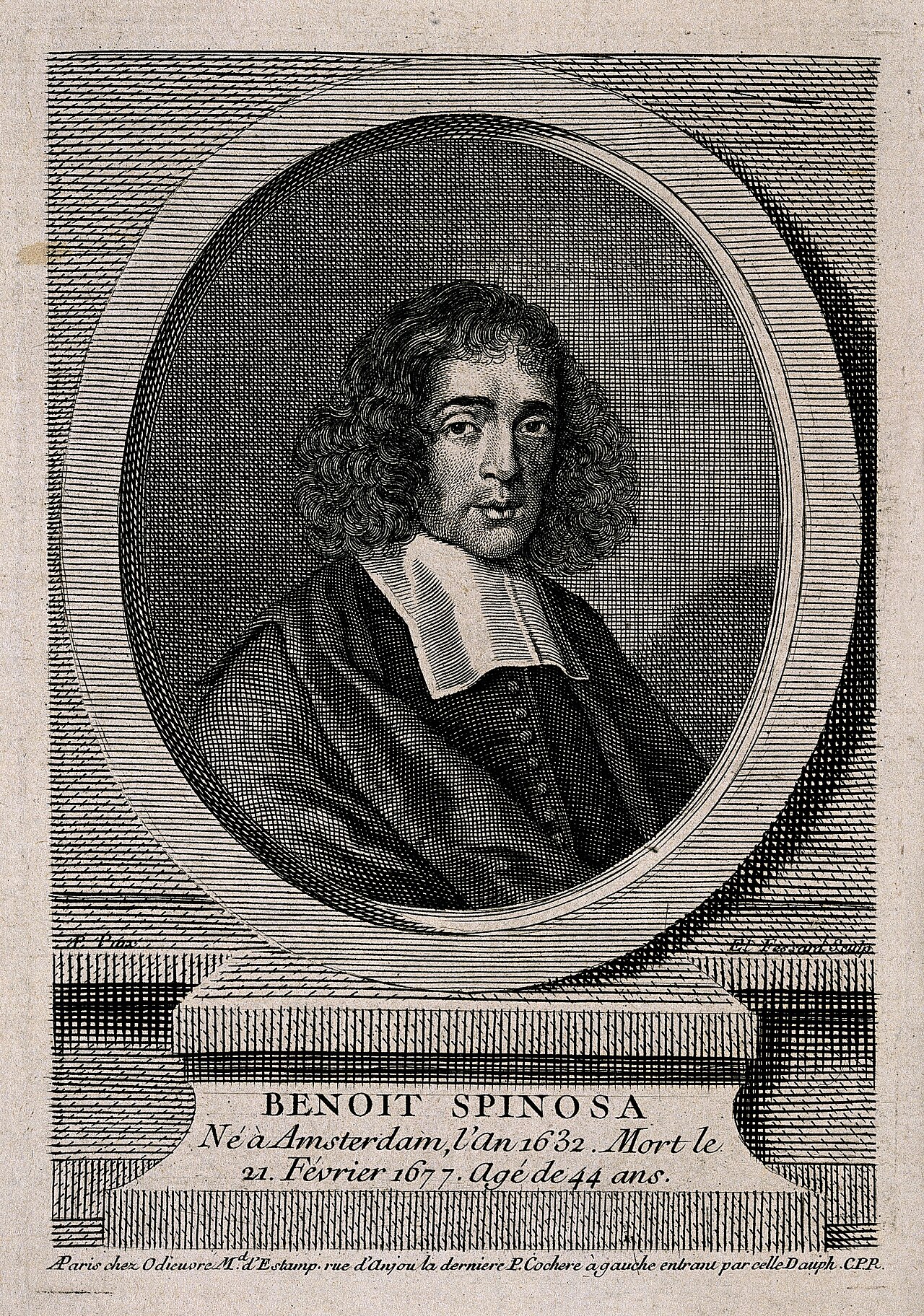 Painting
Secondary source
Étienne Fessard · 1765
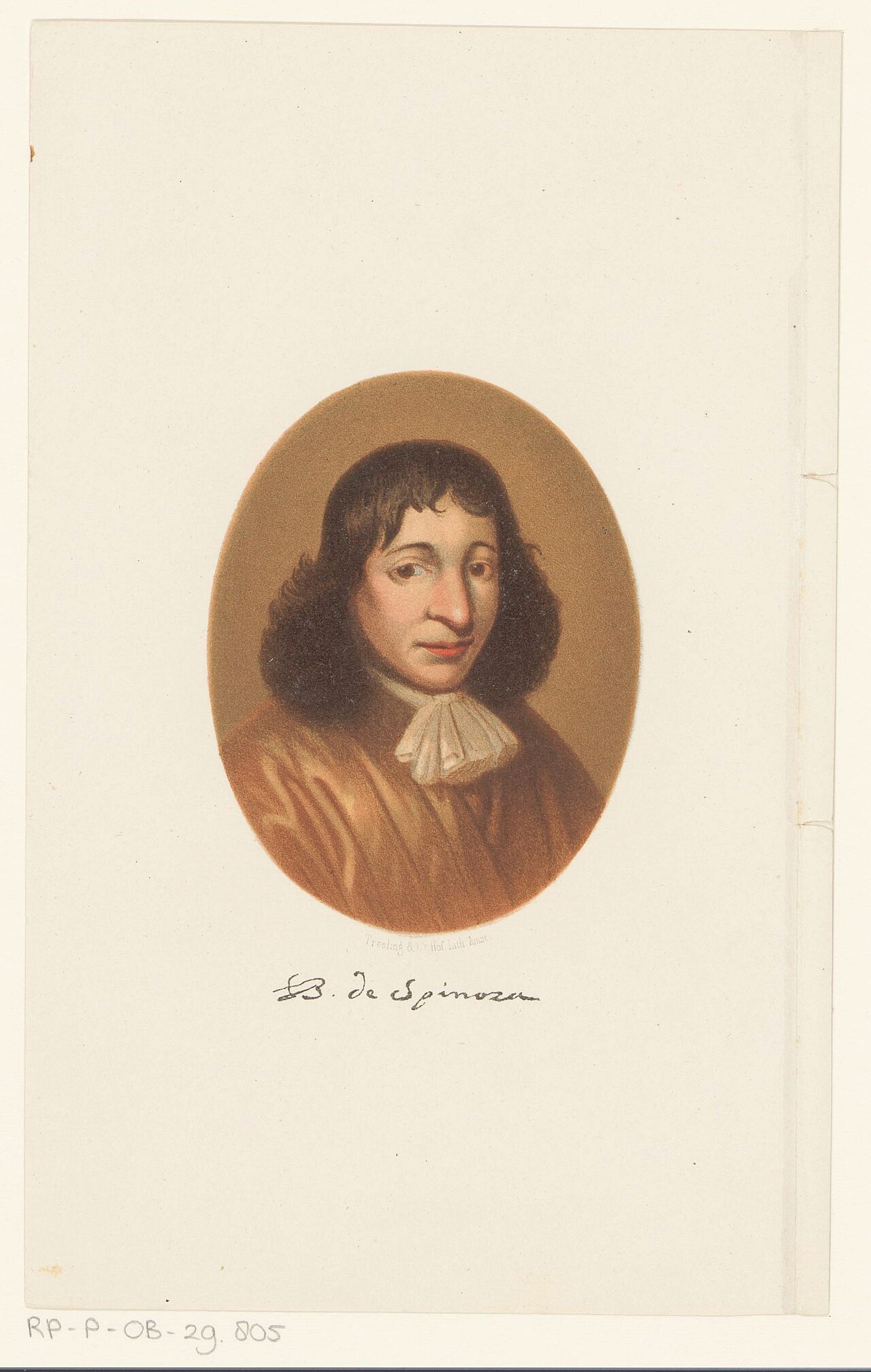 Painting
Secondary source
Tresling & Comp. · between 1858 and 1919
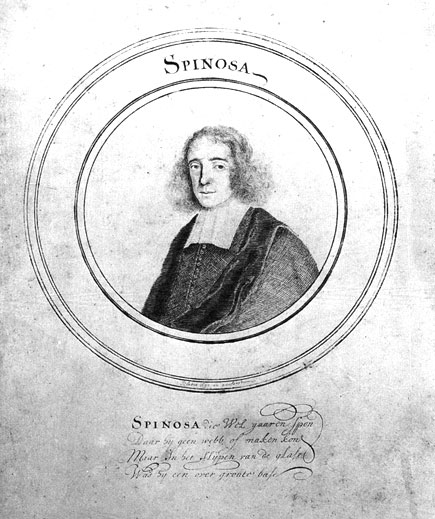 Painting
Secondary source
Johan Faber · 1690
 Artifact
Secondary source
Lambertus Zijl · 1894
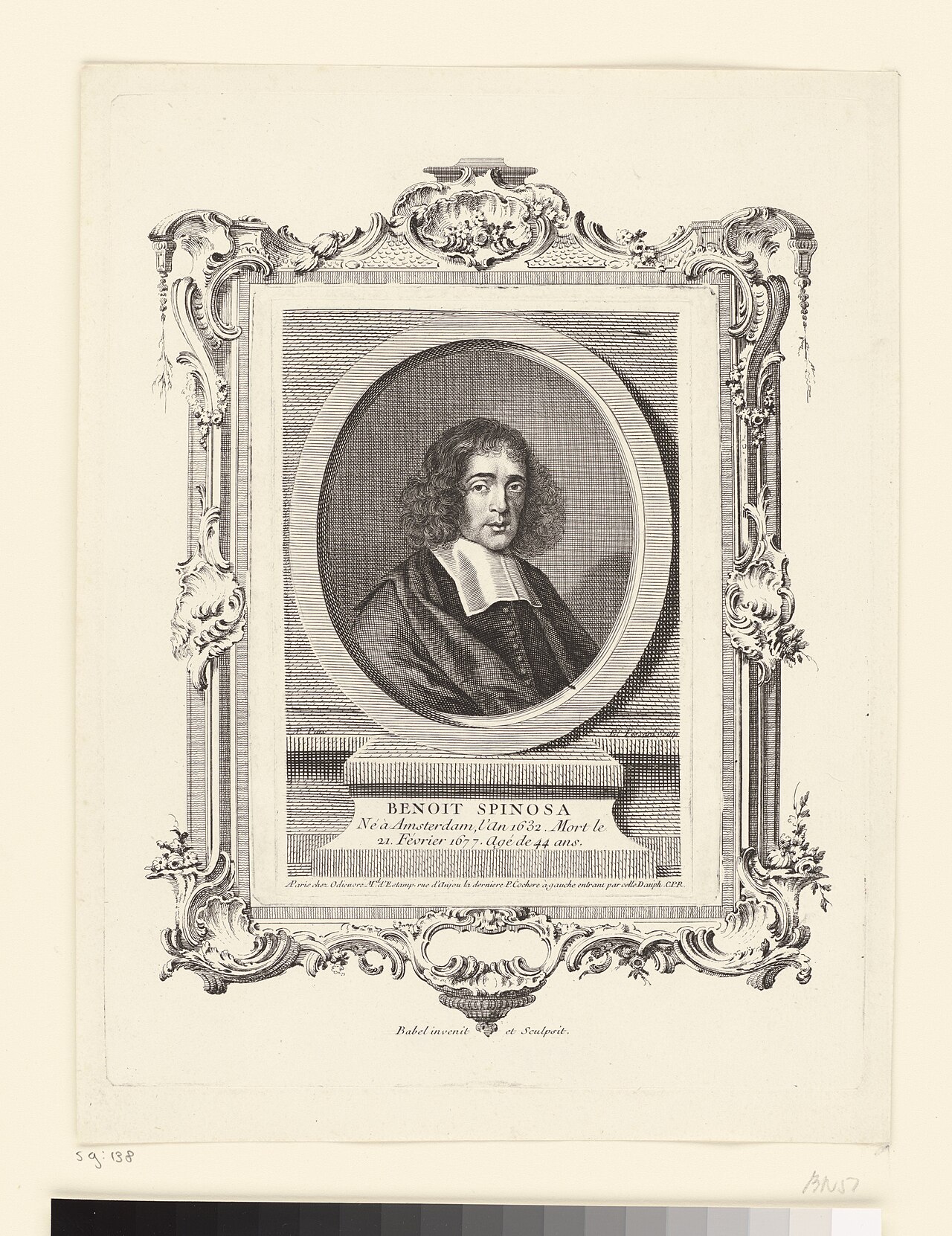 Painting
Secondary source
Etienne Fessard · between 1730 and 1756
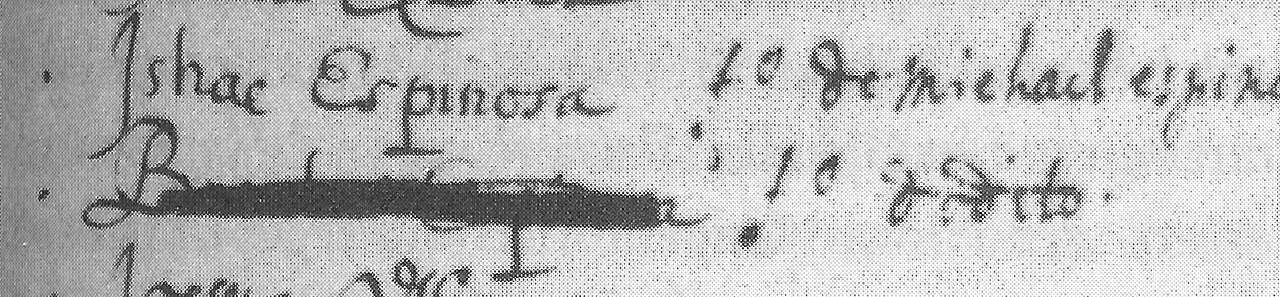 Document
Primary source
before 1700
Want the full shelf? Chat with Baruch Spinoza in the app and open the Sources panel — every quote links back to the original.
1 collection
A ready-made collection from the Humy team that features Baruch Spinoza. Preview it, then try it free.
Paying customers



























Dr. Michael Calvert
Assistant Superintendent, South Allegheny School District, Pennsylvania
Been using Humy in his district since 2024
“We enjoyed the program last year and used it frequently.”

Jacob Chisom
World and American History, Monticello High School, Arkansas
Been using Humy in his classroom since 2024
“My students say it’s a welcome change of pace. I’m not a fan of the “sage on the stage” model, so I try to incorporate research-oriented and self-paced activities. With Humy, students have to take charge of their learning. They’ve become more adept at critical thinking, forming better questions, and improving their reading comprehension. The interview feature has been my go-to tool. I create assignments where students must ask historical figures a set number of questions, then summarize the responses to ensure they’re truly absorbing the material. This approach lets them actively explore the past rather than passively consuming information.”
Roger Campbell
7th-grade World History, Lancaster County, Pennsylvania
Been using Humy in his classroom since 2024
“Humy has helped me bring historical figures, sometimes long past, to life. When my students interact with these figures in real-time, it eliminates some of the perceived “ancient” characteristics of my curriculum. This has shifted my students’ thinking away from viewing history as abstract or irrelevant. Real-time interactions make historical figures relatable, even allowing students to ask off-topic questions that help put historical lives in a more relevant context for 13-year-olds. The feature I use the most is the interview feature. After teaching a topic, most recently Gandhi and Joan of Arc, I have the students ask pointed, focused questions. We practice good conversation techniques beforehand, teaching them to listen (or read) carefully and formulate thoughtful follow-up questions rather than just interrogating. It helps students practice effective conversation skills.”
Dr. Michael Calvert
Assistant Superintendent, South Allegheny School District, Pennsylvania
Been using Humy in his district since 2024
“We enjoyed the program last year and used it frequently.”
Jacob Chisom
World and American History, Monticello High School, Arkansas
Been using Humy in his classroom since 2024
“My students say it’s a welcome change of pace. I’m not a fan of the “sage on the stage” model, so I try to incorporate research-oriented and self-paced activities. With Humy, students have to take charge of their learning. They’ve become more adept at critical thinking, forming better questions, and improving their reading comprehension. The interview feature has been my go-to tool. I create assignments where students must ask historical figures a set number of questions, then summarize the responses to ensure they’re truly absorbing the material. This approach lets them actively explore the past rather than passively consuming information.”
Roger Campbell
7th-grade World History, Lancaster County, Pennsylvania
Been using Humy in his classroom since 2024
“Humy has helped me bring historical figures, sometimes long past, to life. When my students interact with these figures in real-time, it eliminates some of the perceived “ancient” characteristics of my curriculum. This has shifted my students’ thinking away from viewing history as abstract or irrelevant. Real-time interactions make historical figures relatable, even allowing students to ask off-topic questions that help put historical lives in a more relevant context for 13-year-olds. The feature I use the most is the interview feature. After teaching a topic, most recently Gandhi and Joan of Arc, I have the students ask pointed, focused questions. We practice good conversation techniques beforehand, teaching them to listen (or read) carefully and formulate thoughtful follow-up questions rather than just interrogating. It helps students practice effective conversation skills.”
FAQ
Like any LLM, the AI version of Baruch Spinoza can get details wrong. Open one of these sources in a new tab to verify what you’ve read.

18th-century philosopher known for his theory of subjective idealism.

Scottish philosopher and historian of the 18th century.

18th-century Irish statesman, author, and political theorist known for his support of conservatism and opposition to the French Revolution.

Enlightenment philosopher known for his work on ethics and metaphysics.

Philosopher and writer known for his ideas on social contract theory and education.

Philosopher and founder of utilitarianism.
Ready when you are
20 messages free · No credit card · Available in 50+ languages.