


Primary sourceArtifact17th century
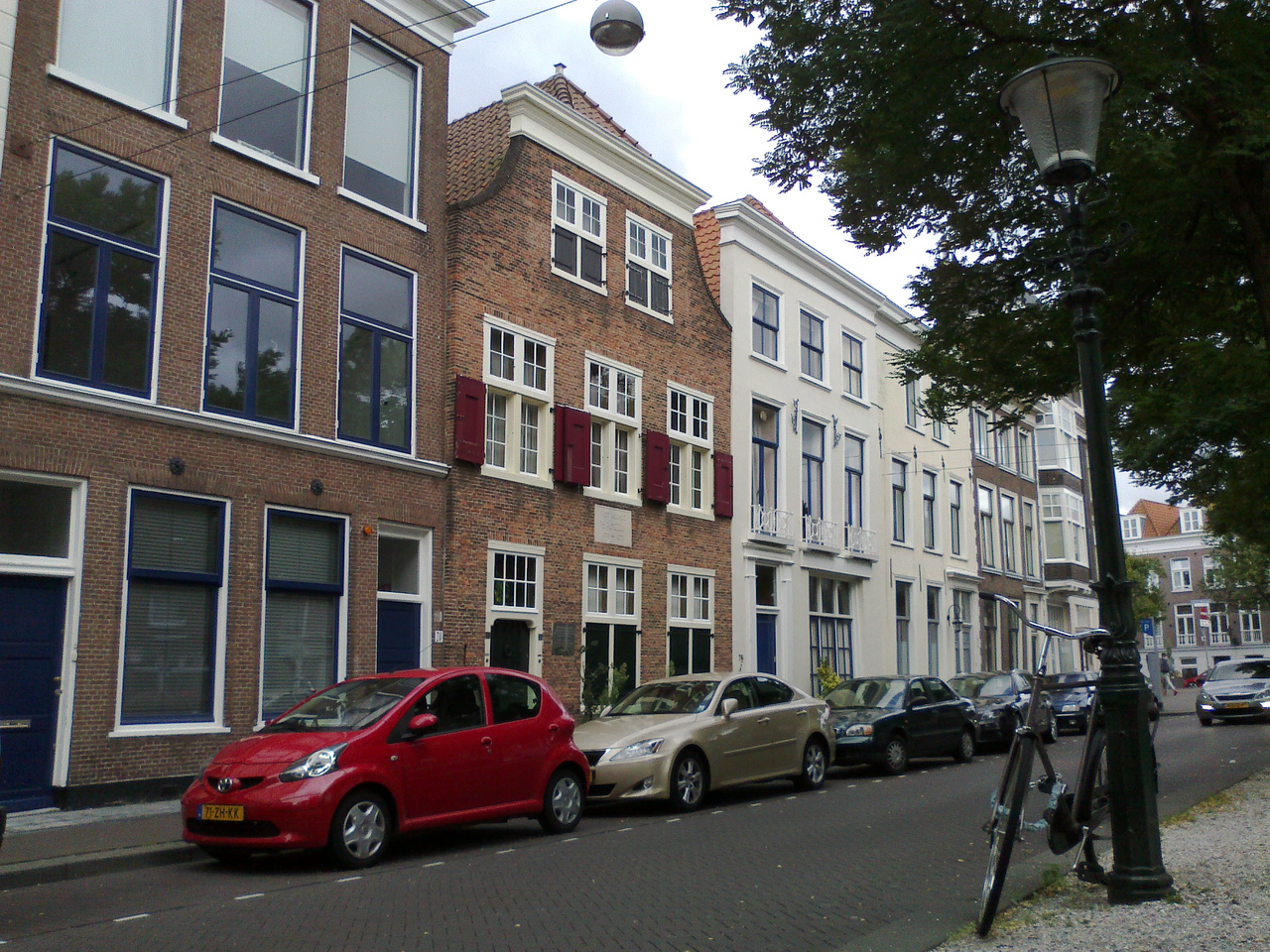
Spinoza's House, Paviljoensgracht
17th century
The Hague house where Spinoza spent his final years and died, renting rooms from the painter Hendrik van der Spyck.
Spinoza lived and died in rooms rented here, continuing work on the Ethics and a Hebrew grammar.
About this source
What it is
This is a 17th-century house on the Paviljoensgracht in The Hague, now cared for by the Vereniging Het Spinozahuis. Spinoza moved to The Hague in 1670 for easier access to the intellectual life of his friends and followers, and lived in rooms rented from the painter Hendrik van der Spyck until his death there in 1677.
Why it matters
In these rooms Spinoza returned to his manuscript of the Ethics and worked on a Hebrew grammar meant to help clear up confusion in studying scripture. As he became more famous, he spent time here receiving visitors and answering letters, making the house a center of his later intellectual life.
Look closer
- What does the plaque on the house tell visitors today, and why might it have been added?
- Why would living with a painter's family have suited a reclusive philosopher?
- What does the preservation of this house suggest about Spinoza's later reputation?
This artifact is part of the curated material that grounds the AI version of Baruch Spinoza on Humy.ai — when students ask about related events, the AI can quote it and cite it.
More Baruch Spinoza sources
Meet the AI Baruch Spinoza →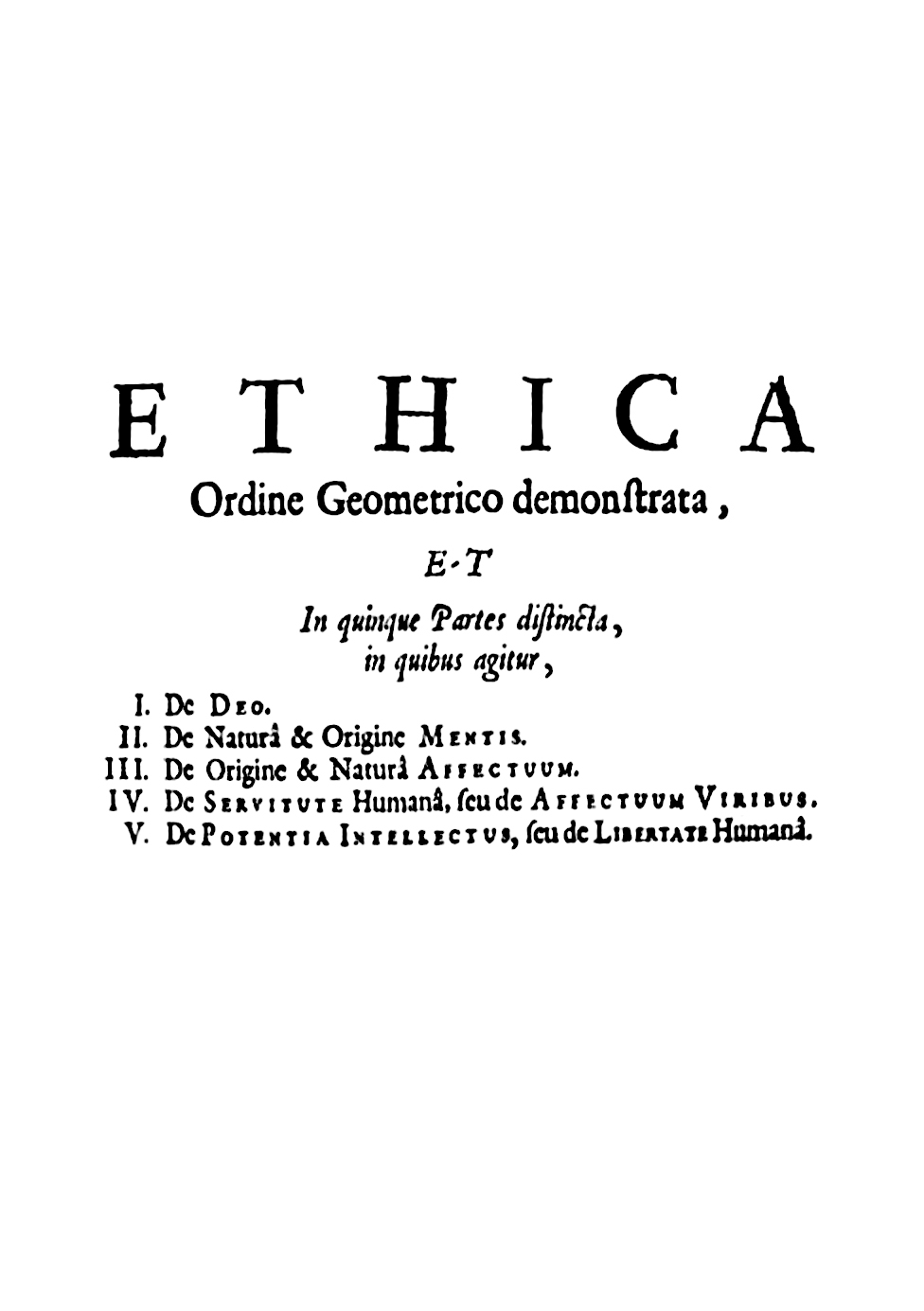 Book
Primary source
Ethics
Benedictus de Spinoza · 1677 (written 1661-1675)
 Book
Primary source
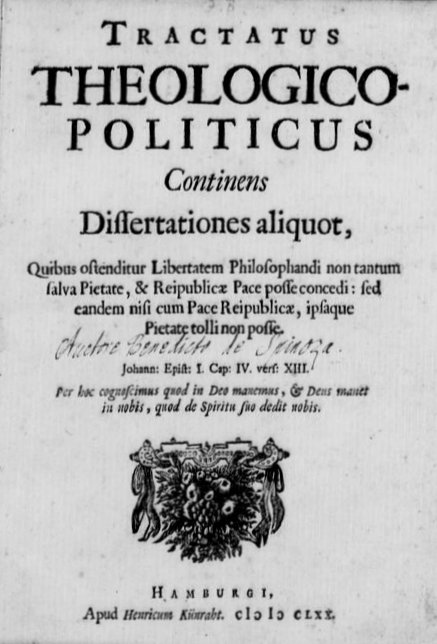
Tractatus Theologico-Politicus
Benedictus de Spinoza · 1670
 Painting
Primary source
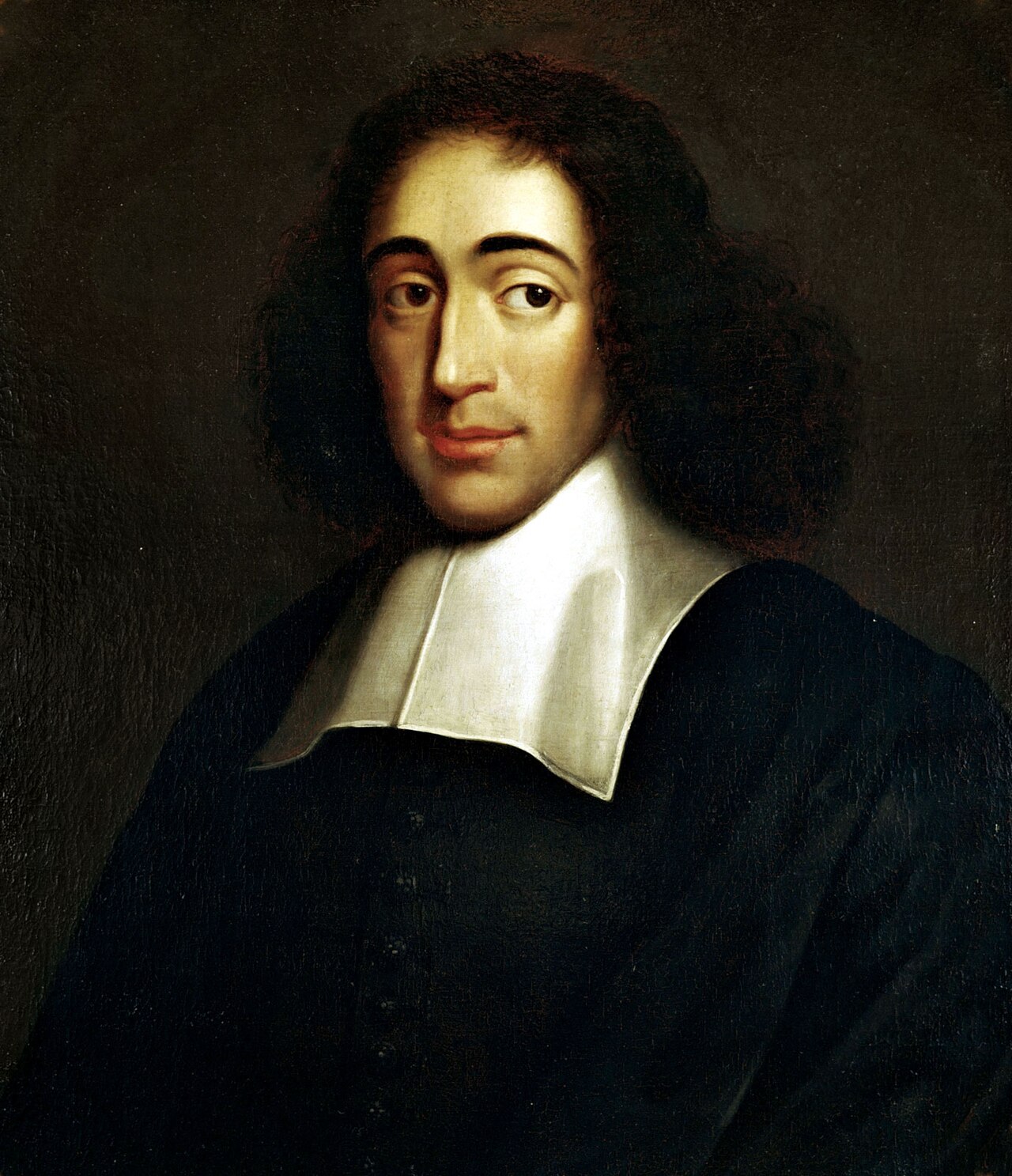
Portrait of Benedictus de Spinoza
Unknown · c. 1665
 Book
Primary source
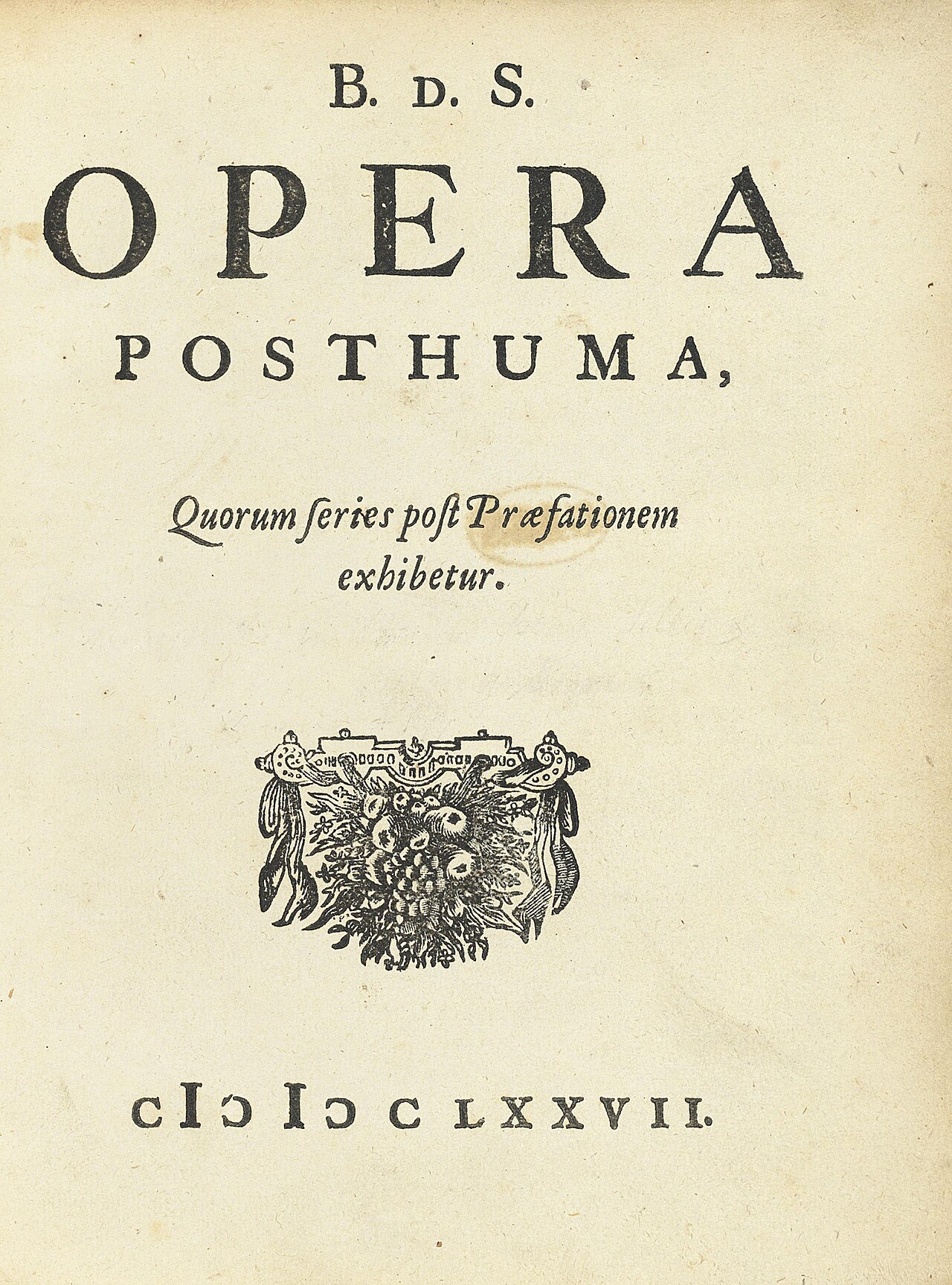
Opera Posthuma
Benedictus de Spinoza · 1677
 Letter
Primary source
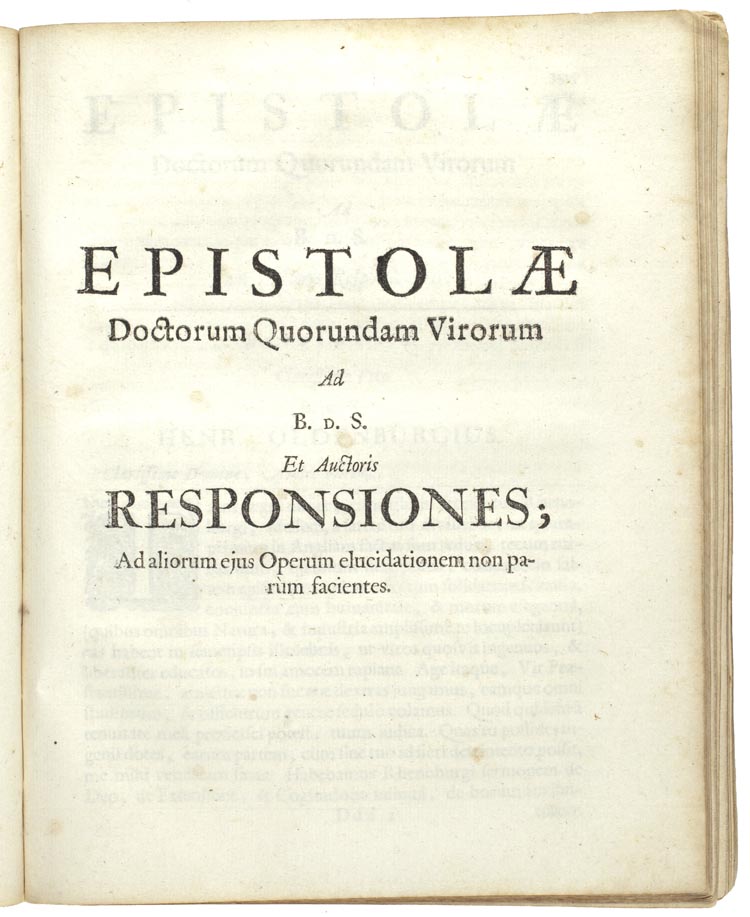
Epistolae, Correspondence of Benedict de Spinoza
Benedictus de Spinoza · 1661-1676, published 1677
Ready when you are
Start chatting with Baruch Spinoza now.
20 messages free · No credit card · Available in 50+ languages.