


Primary sourceLetter1661-1676, published 1677
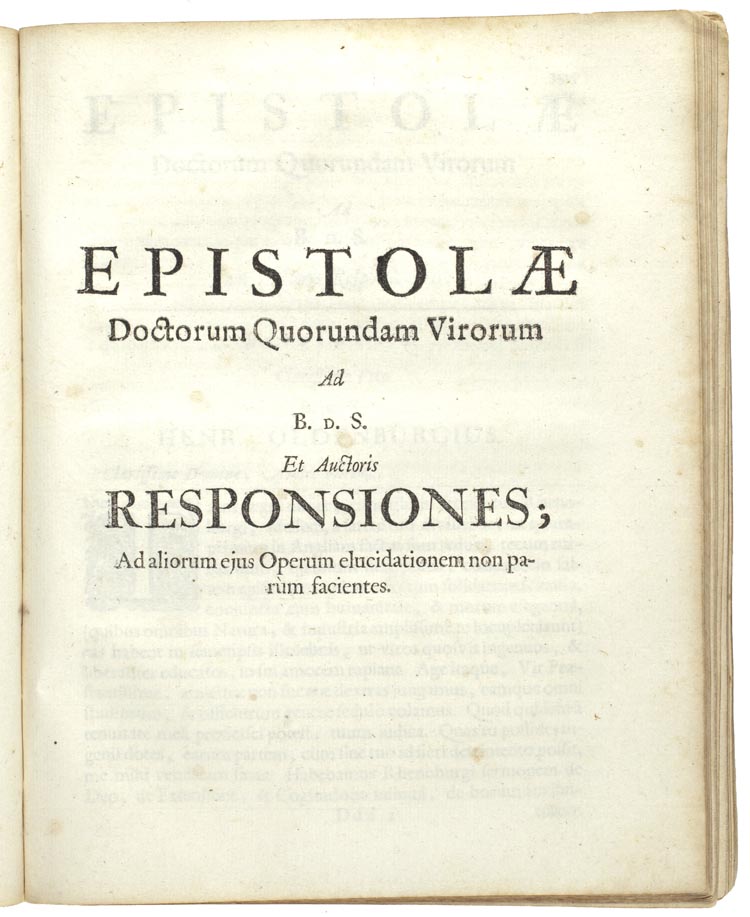
Epistolae, Correspondence of Benedict de Spinoza
Benedictus de Spinoza · 1661-1676, published 1677
Spinoza's surviving letters with scholars and correspondents, published after his death, showing him explaining and defending his ideas in his own words.
These letters, written by Spinoza himself, show him explaining and defending his philosophy to correspondents.
About this source
What it is
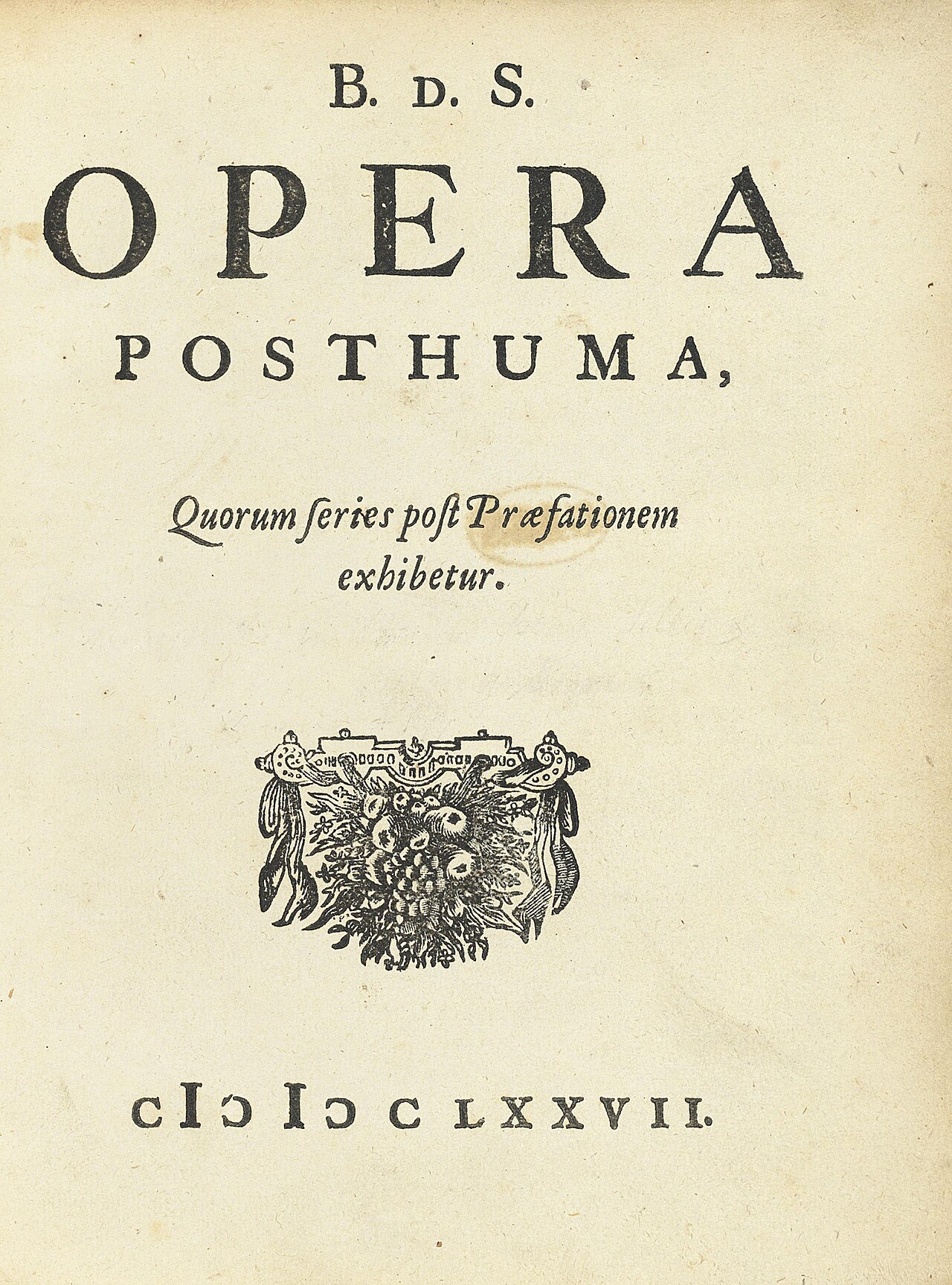
The Epistolae are the preserved correspondence of Benedictus de Spinoza, published by his followers after his death as part of the Opera Posthuma in 1677. Eighty-eight letters survive, fifty written by Spinoza and the rest by his correspondents, written in Latin and Dutch.
Why it matters
The letters show Spinoza discussing his philosophical ideas—on God, infinity, free will and more—with figures such as Henry Oldenburg, Gottfried Leibniz, Willem van Blijenbergh and Ehrenfried Walther von Tschirnhaus. They reveal how his ideas were debated, challenged and defended in real exchanges, giving a more personal view of the philosopher than his published treatises.
Look closer
- What can letters tell us about a thinker that a finished book cannot?
- Why might some correspondents, like Leibniz, have kept their contact with Spinoza secret?
- How does seeing both sides of an argument in a letter exchange change how you understand Spinoza's ideas?
This letter is part of the curated material that grounds the AI version of Baruch Spinoza on Humy.ai — when students ask about related events, the AI can quote it and cite it.
More Baruch Spinoza sources
Meet the AI Baruch Spinoza →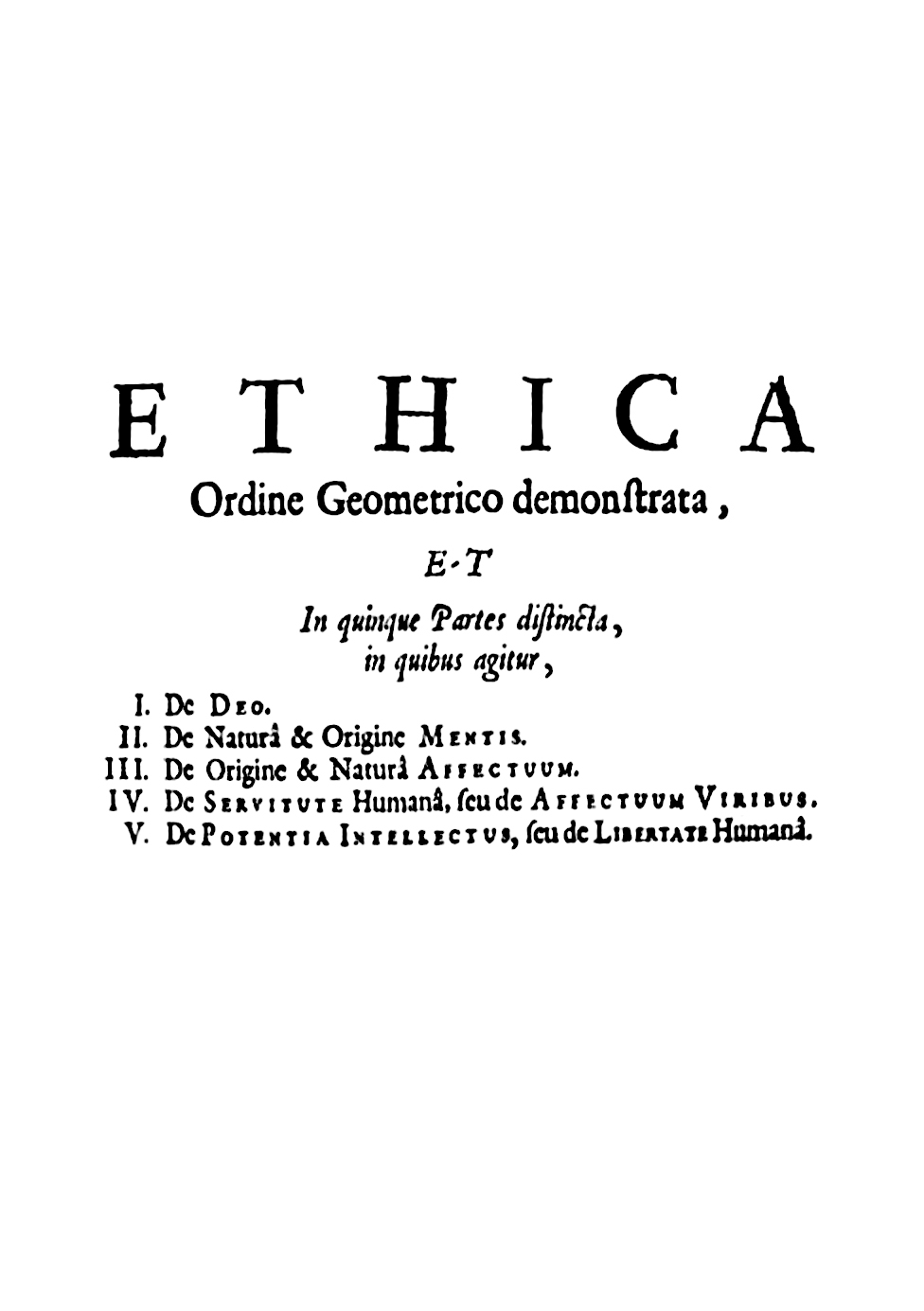 Book
Primary source
Ethics
Benedictus de Spinoza · 1677 (written 1661-1675)
 Book
Primary source
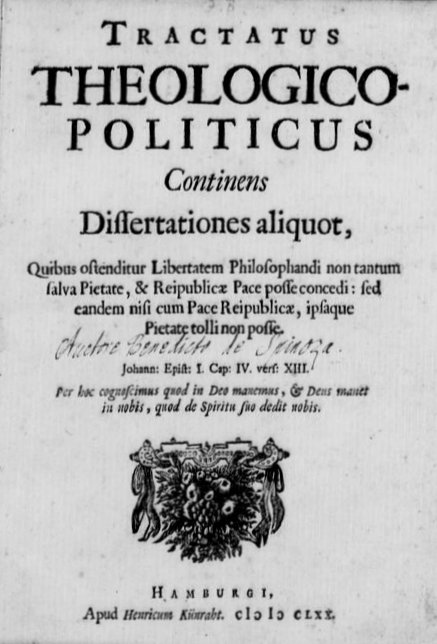
Tractatus Theologico-Politicus
Benedictus de Spinoza · 1670
 Painting
Primary source
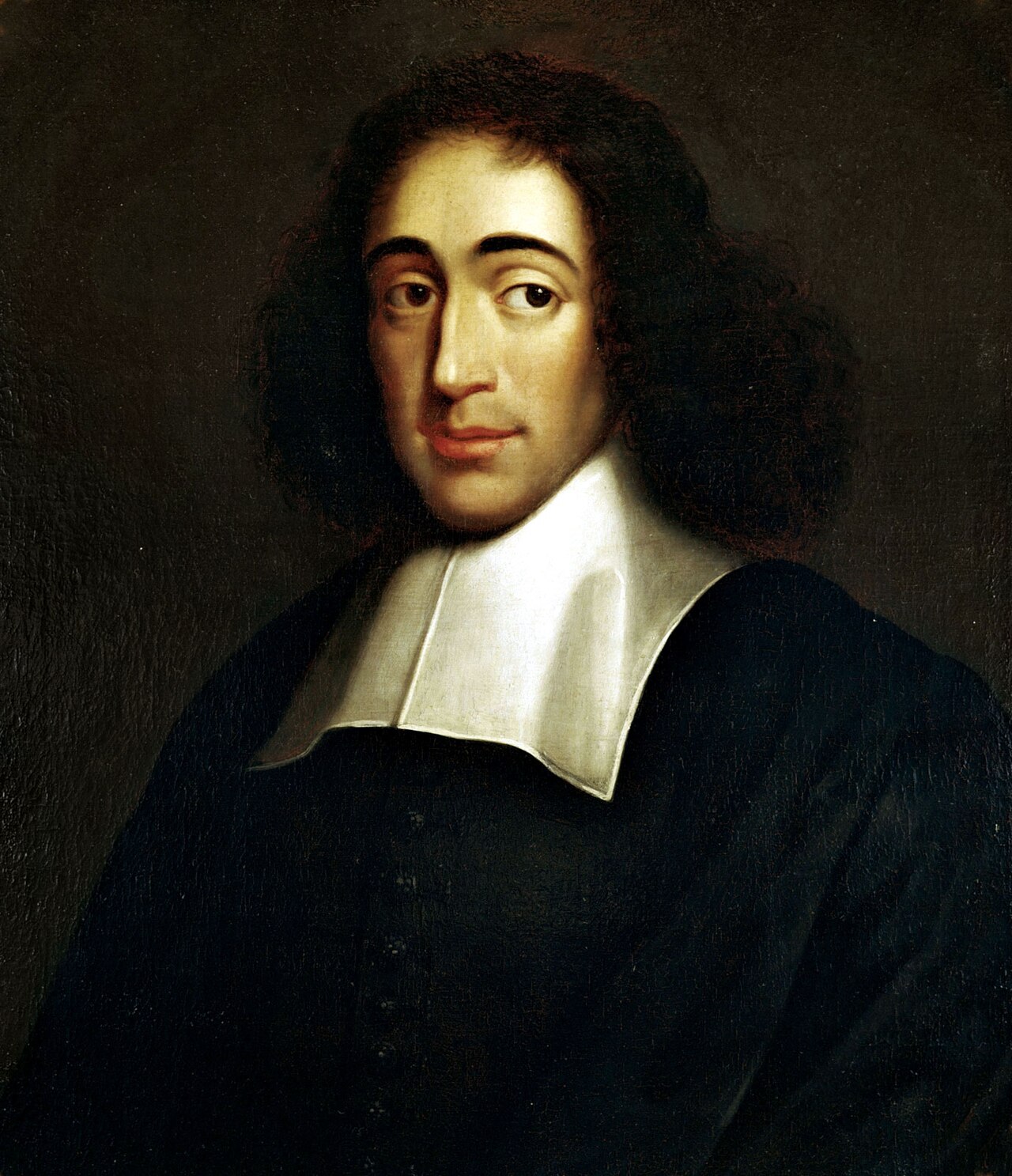
Portrait of Benedictus de Spinoza
Unknown · c. 1665
 Book
Primary source
Opera Posthuma
Benedictus de Spinoza · 1677
 Document
Primary source
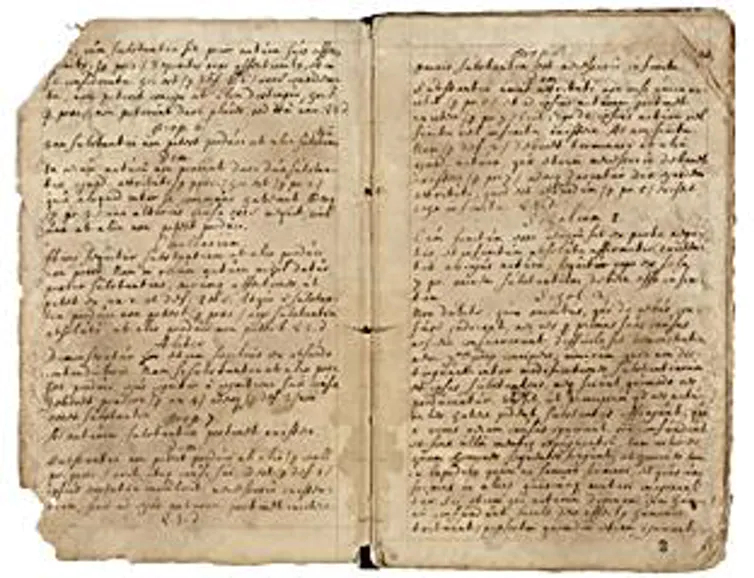
Vatican Manuscript of Spinoza's Ethics
Pieter van Gent (copyist), after Benedictus de Spinoza · c. 1675
Ready when you are
Start chatting with Baruch Spinoza now.
20 messages free · No credit card · Available in 50+ languages.