


Primary sourceBook1644
Principles of Philosophy
René Descartes · 1644
Descartes' 1644 Latin work setting out his physics and metaphysics, the text Spinoza later reworked into geometric form in his only signed book.
Spinoza reworked this Cartesian text in geometric order in his only signed book, revealing his debts to and breaks from Descartes.
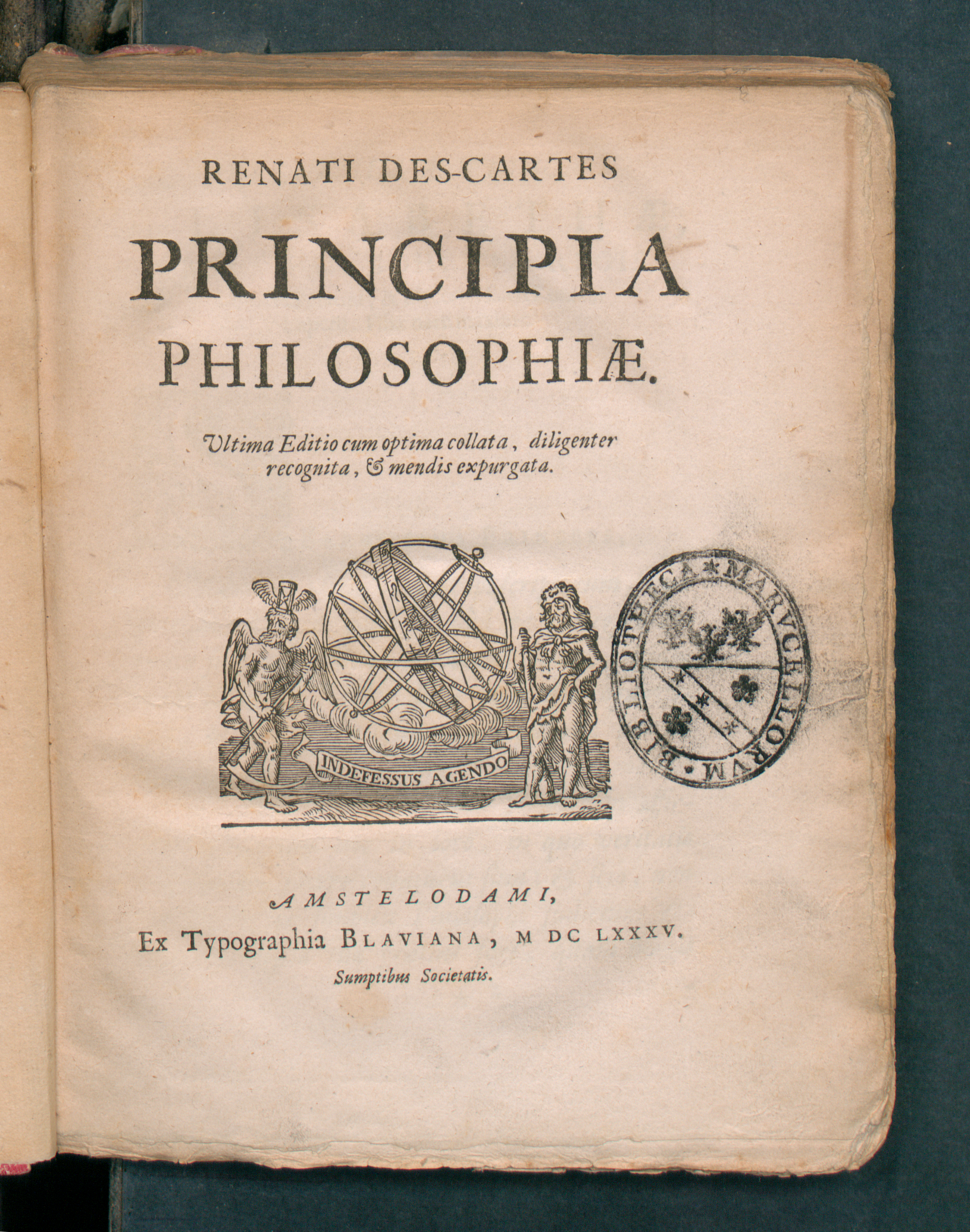
About this source
What it is
Principles of Philosophy is a Latin book by René Descartes, published in 1644 and dedicated to Elisabeth of Bohemia, synthesizing his earlier works on method and metaphysics. It lays out his laws of physics and a mechanistic view of nature, intended to replace the Aristotelian teaching used in universities.
Why it matters
Descartes' ideas about motion and his systematic approach to philosophy deeply influenced later thinkers, including Spinoza, who took this very text and recast it in strict geometric order in his only book published under his own name. Comparing the two shows what Spinoza borrowed from Descartes and where he broke away from him.
Look closer
- Why might Descartes have wanted to replace the university curriculum of his time?
- What does the dedication to a princess suggest about who Descartes expected to read his work?
- How might rewriting another philosopher's ideas in a new form, as Spinoza did, change their meaning?
This book is part of the curated material that grounds the AI version of Baruch Spinoza and Rene Descartes on Humy.ai — when students ask about related events, the AI can quote it and cite it.
More Baruch Spinoza sources
Meet the AI Baruch Spinoza →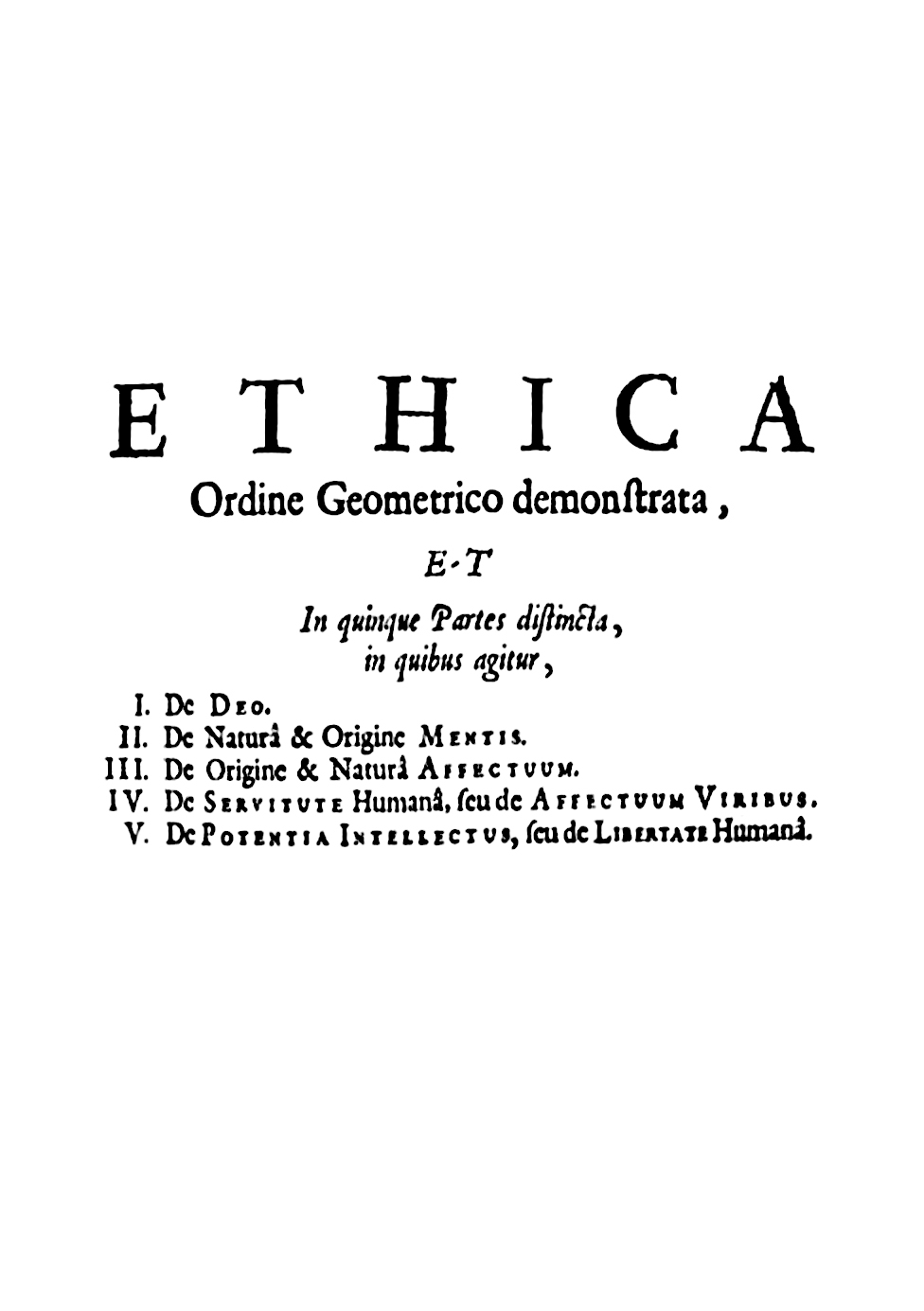 Book
Primary source
Ethics
Benedictus de Spinoza · 1677 (written 1661-1675)
 Book
Primary source
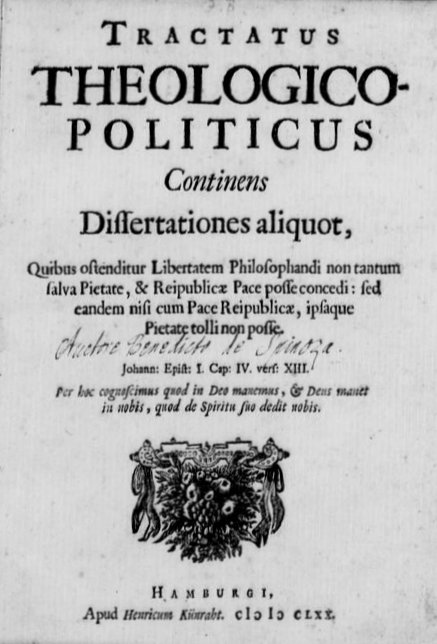
Tractatus Theologico-Politicus
Benedictus de Spinoza · 1670
 Painting
Primary source
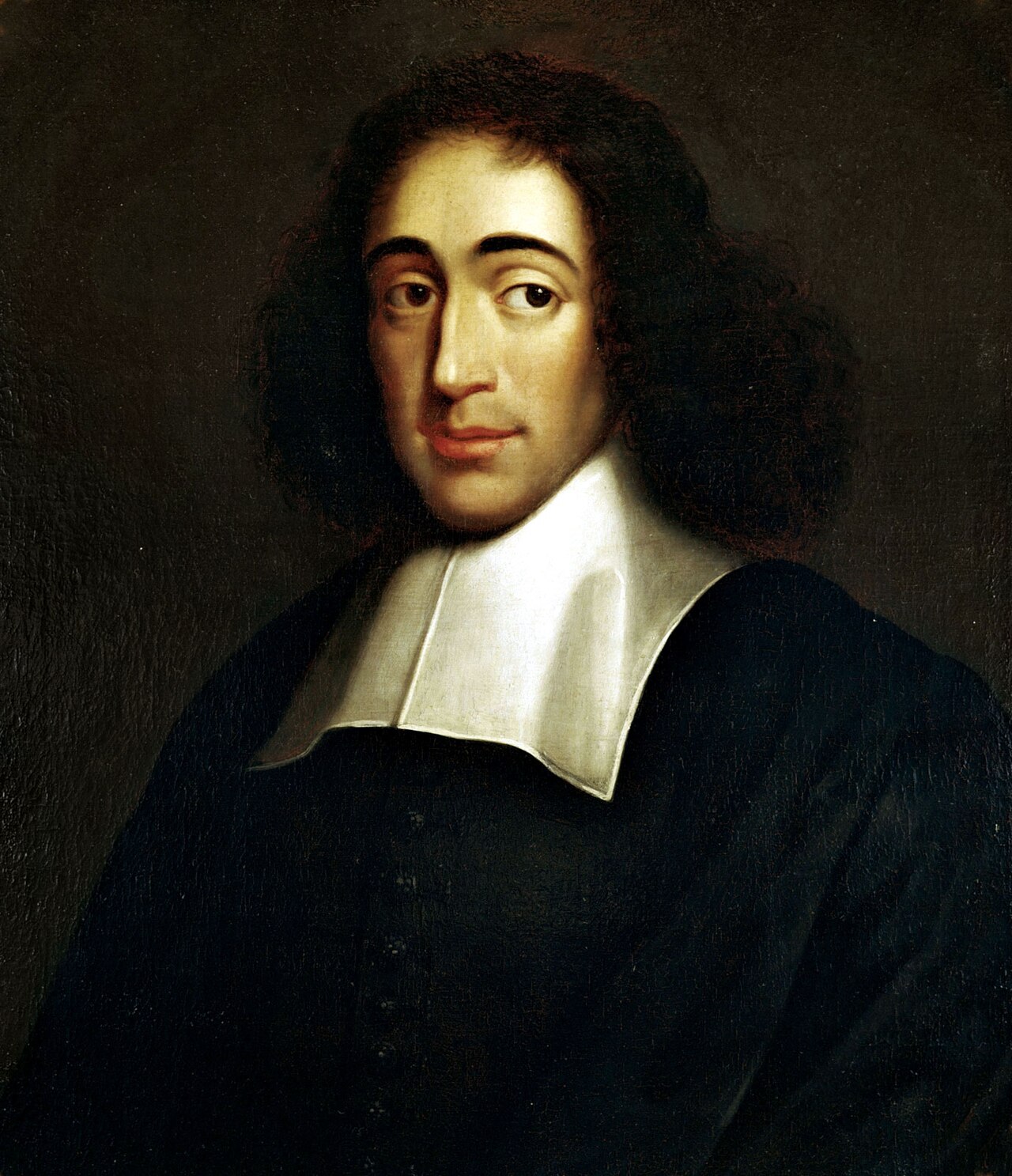
Portrait of Benedictus de Spinoza
Unknown · c. 1665
 Book
Primary source
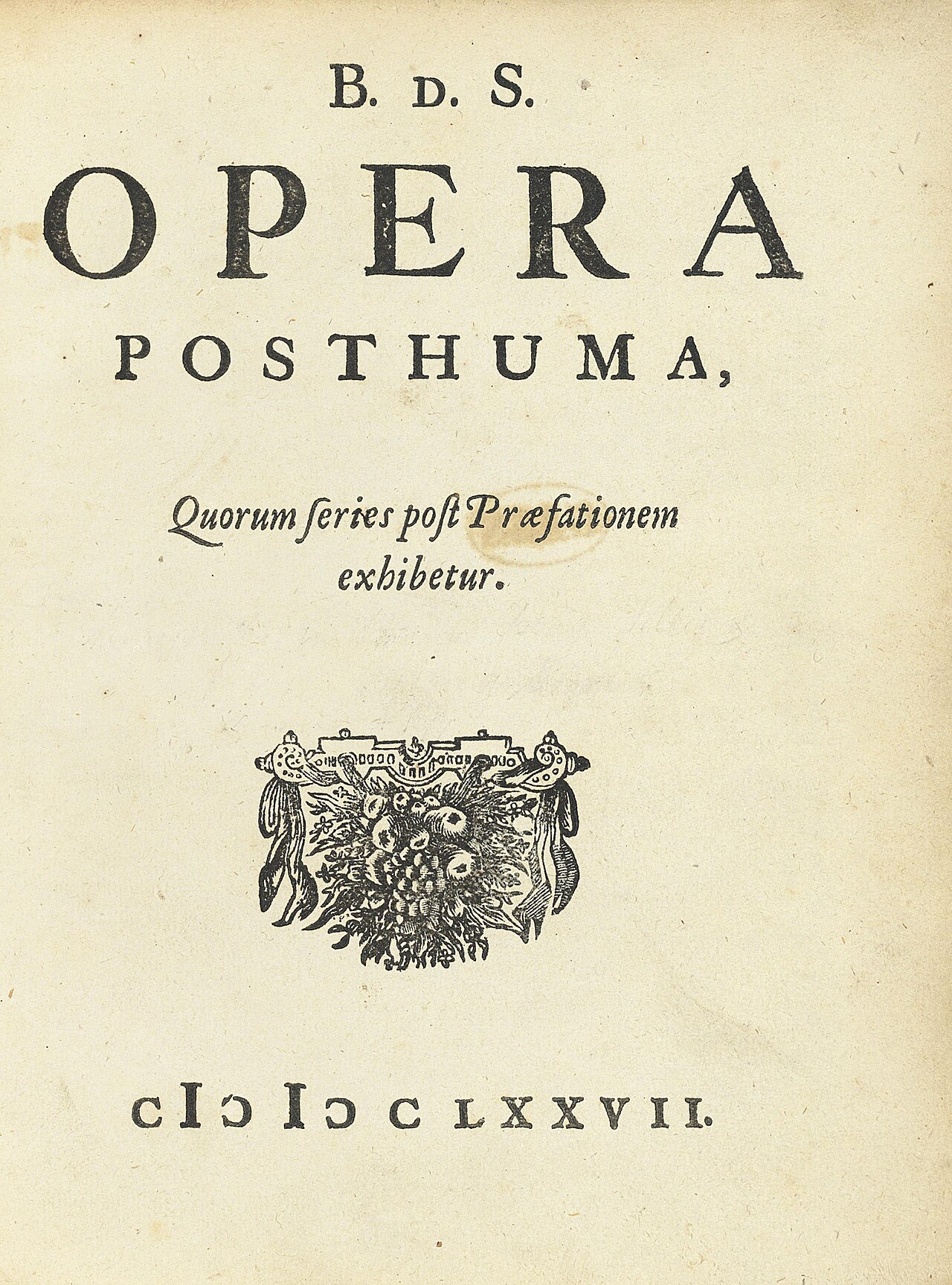
Opera Posthuma
Benedictus de Spinoza · 1677
 Letter
Primary source
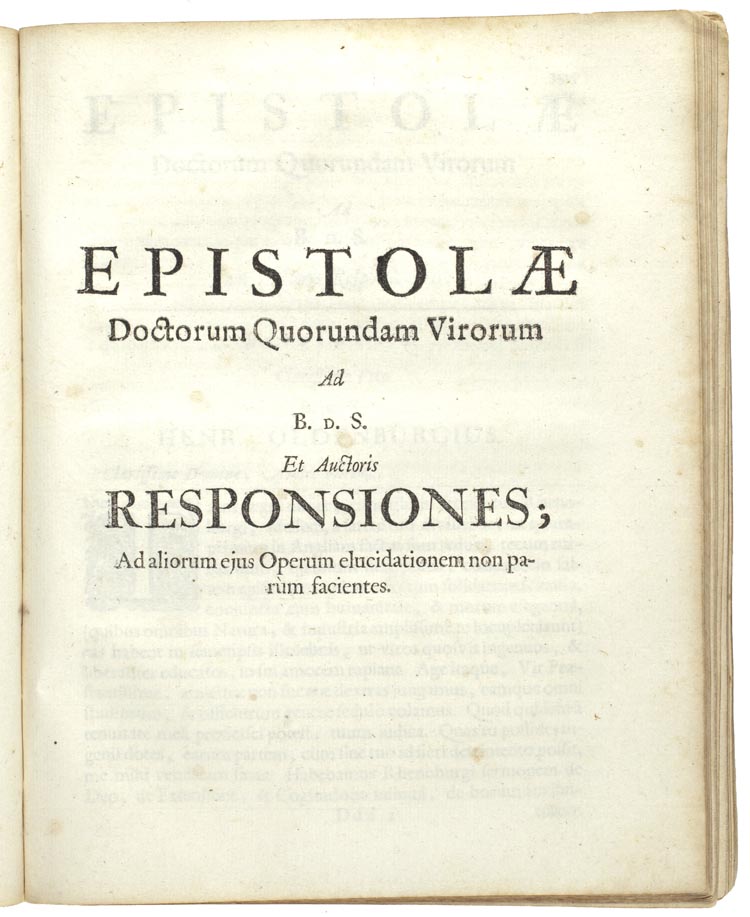
Epistolae, Correspondence of Benedict de Spinoza
Benedictus de Spinoza · 1661-1676, published 1677
Ready when you are
Start chatting with Baruch Spinoza now.
20 messages free · No credit card · Available in 50+ languages.