


Secondary sourceSculpture1909
Spinoza on a Pedestal
Joseph Mendes da Costa · 1909
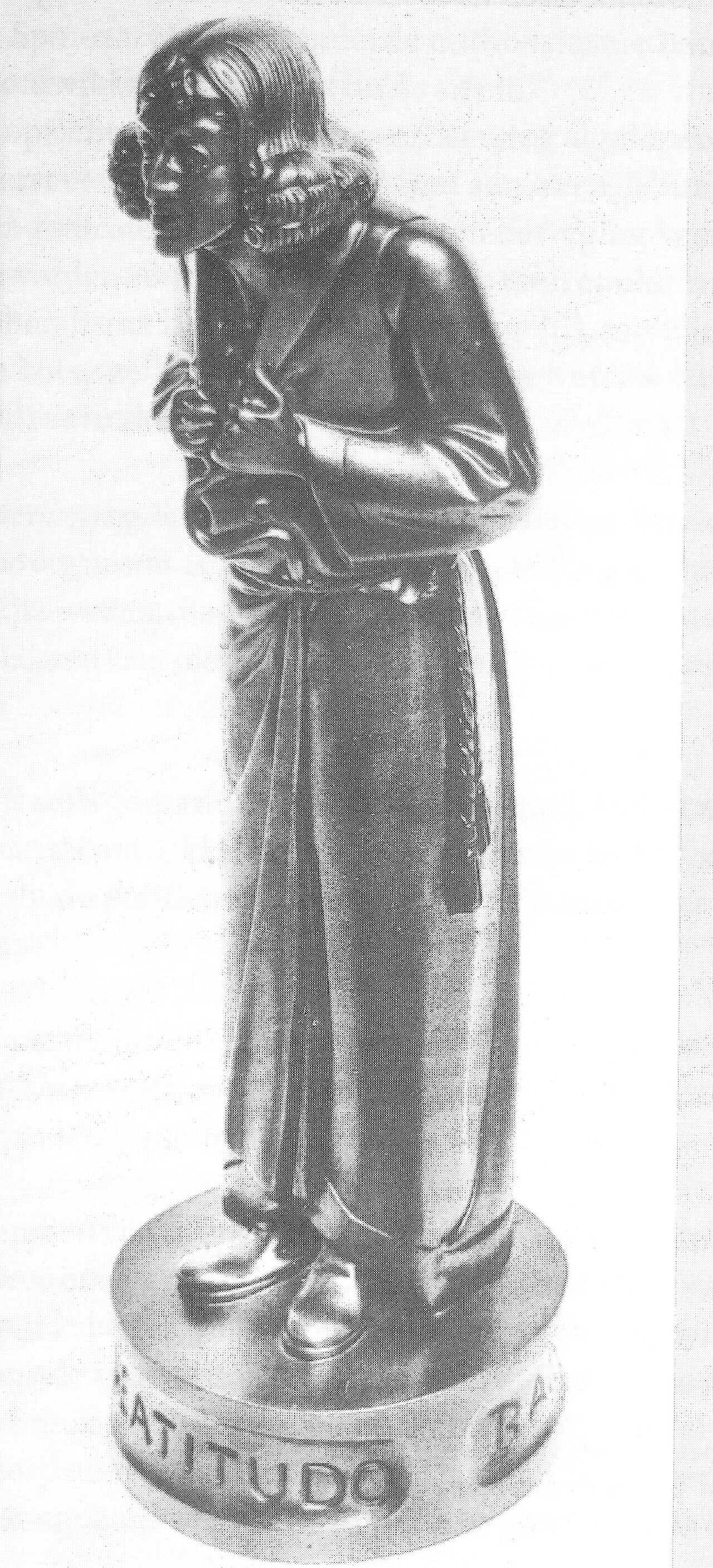
A bronze statuette of Spinoza made in 1909 by the Dutch-Jewish sculptor Joseph Mendes da Costa. It was created decades after Spinoza's death.
It is a 1909 tribute to Spinoza by a later sculptor, showing how his reputation was honoured long after his death.
About this source
What it is
This is a bronze statuette, 33 cm high, made by Joseph Mendes da Costa in 1909. It shows a standing, slightly bent male figure in a long robe and hood-like garment, with hands clasped at the waist. The figure stands on a pedestal inscribed with the words 'Beatitudo' (happiness) and 'Benedict de Spinoza'. The image available is a black-and-white photograph of the statuette.
Why it matters
The statuette was made more than two centuries after Spinoza's death, by a sculptor who was himself part of the Dutch-Jewish community. It shows how later artists honoured Spinoza, presenting him as a thinker of inner calm and happiness. The word on the pedestal points to Spinoza's ideas about the good life.
Look closer
- What posture and clothing did the sculptor choose, and what might they suggest about Spinoza?
- Why might the word 'Beatitudo' have been placed on the pedestal?
- What can a photograph of a small bronze not show us about the sculpture?
This sculpture is part of the curated material that grounds the AI version of Baruch Spinoza on Humy.ai — when students ask about related events, the AI can quote it and cite it.
More Baruch Spinoza sources
Meet the AI Baruch Spinoza →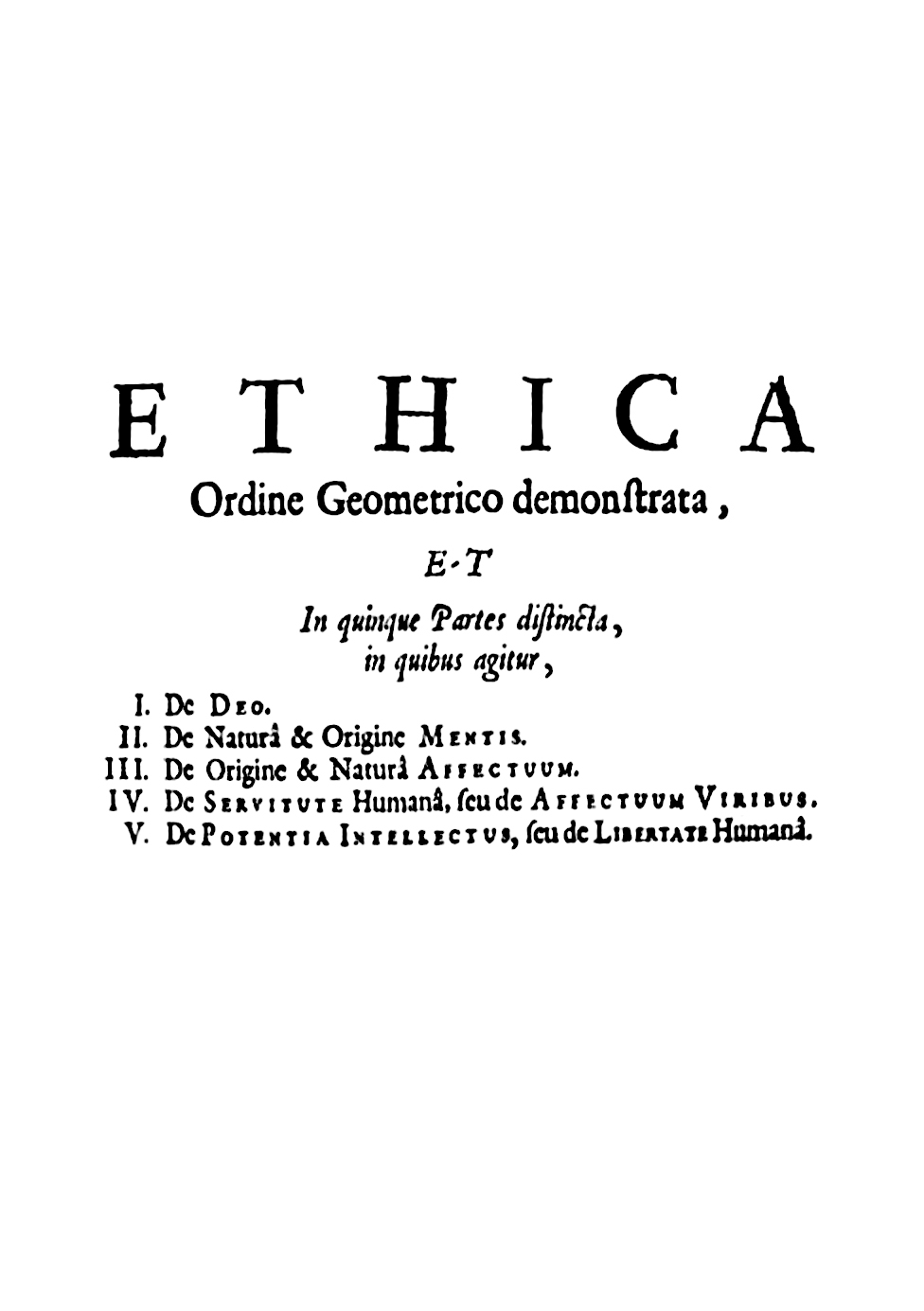 Book
Primary source
Ethics
Benedictus de Spinoza · 1677 (written 1661-1675)
 Book
Primary source
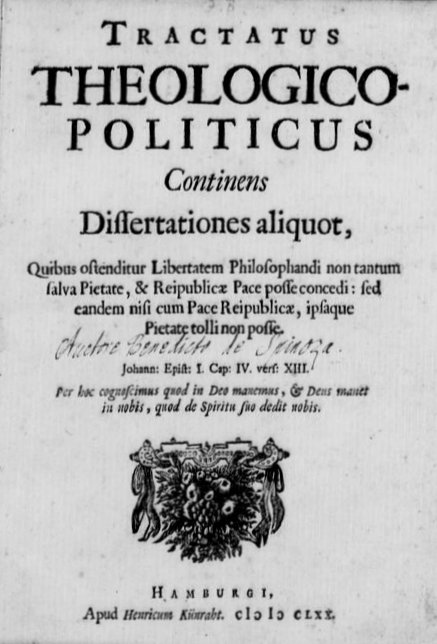
Tractatus Theologico-Politicus
Benedictus de Spinoza · 1670
 Painting
Primary source
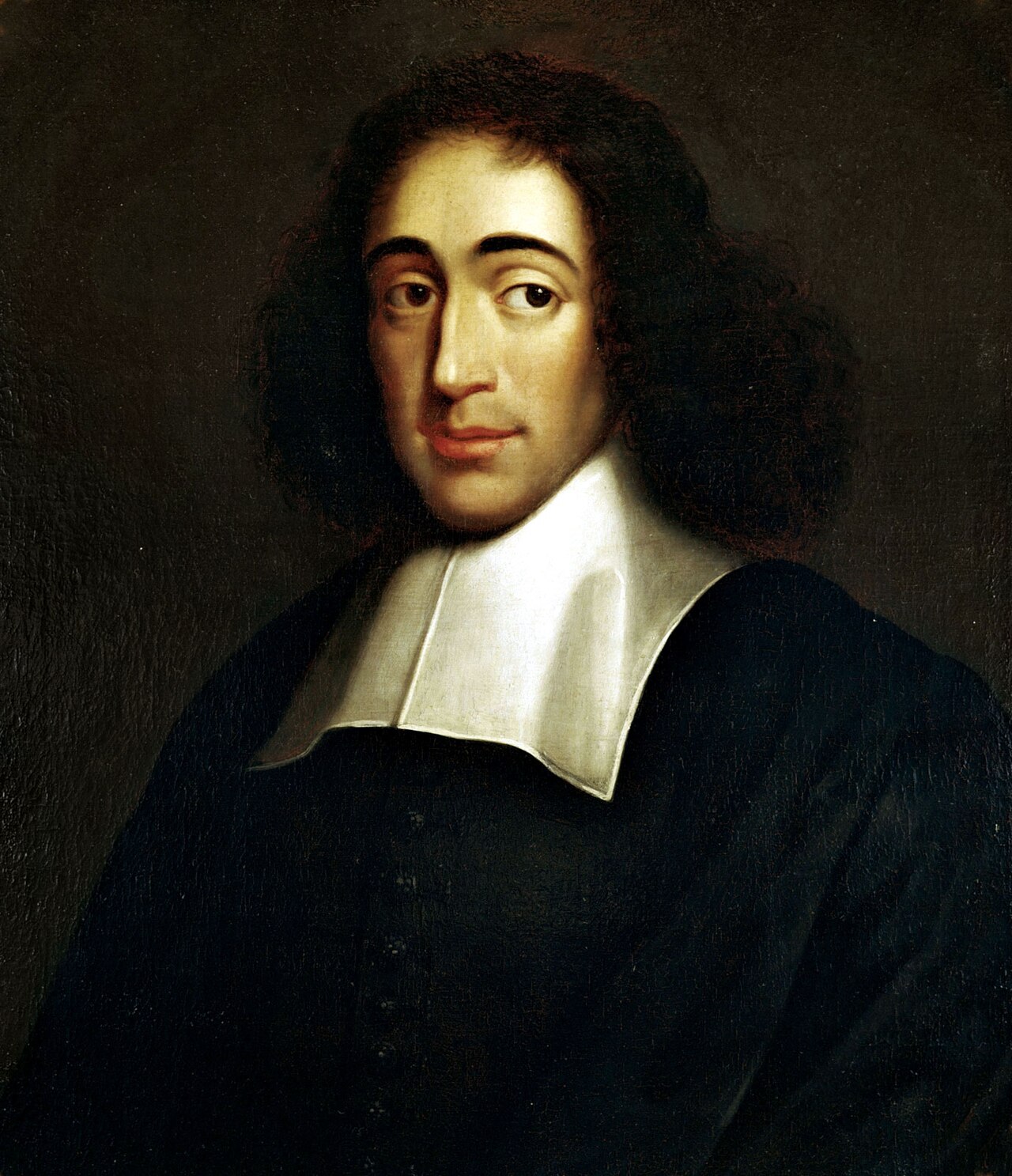
Portrait of Benedictus de Spinoza
Unknown · c. 1665
 Book
Primary source
Opera Posthuma
Benedictus de Spinoza · 1677
 Letter
Primary source
Epistolae, Correspondence of Benedict de Spinoza
Benedictus de Spinoza · 1661-1676, published 1677
Ready when you are
Start chatting with Baruch Spinoza now.
20 messages free · No credit card · Available in 50+ languages.