


Primary sourceBook1677 (written earlier, published posthumously)
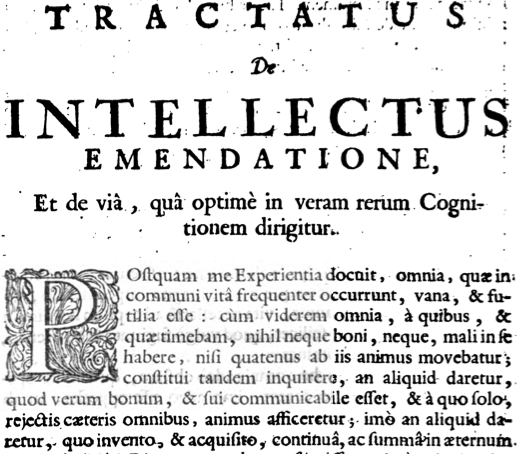
Tractatus de Intellectus Emendatione
Benedictus de Spinoza · 1677 (written earlier, published posthumously)
Spinoza's unfinished early treatise on knowledge and the improvement of the understanding, published after his death in 1677.
This unfinished treatise, published after his death by friends, opens with Spinoza's own account of why he turned to philosophy.
About this source
What it is
This is an unfinished philosophical work by Benedictus de Spinoza, published in 1677, the year he died, by his close friends alongside his other writings. It explores how the mind can form clear and distinct ideas, discussing perception, memory, doubt and definition.
Why it matters
The treatise shows Spinoza wrestling with questions of knowledge that run through all his philosophy, where understanding and ethical living are closely tied together. Its famous opening, in which the author describes turning away from wealth, honour and pleasure to search for the true good, gives a rare glimpse of his personal motivations. That it was never finished, and only printed by his friends after his death, shows how his ideas reached the world mainly through the people who trusted and protected his work.
Look closer
- Why might an author leave a work unfinished, and what might that tell us about his priorities?
- What does the opening passage suggest about why Spinoza turned to philosophy?
- Why was this published by friends rather than by Spinoza himself?
This book is part of the curated material that grounds the AI version of Baruch Spinoza on Humy.ai — when students ask about related events, the AI can quote it and cite it.
More Baruch Spinoza sources
Meet the AI Baruch Spinoza →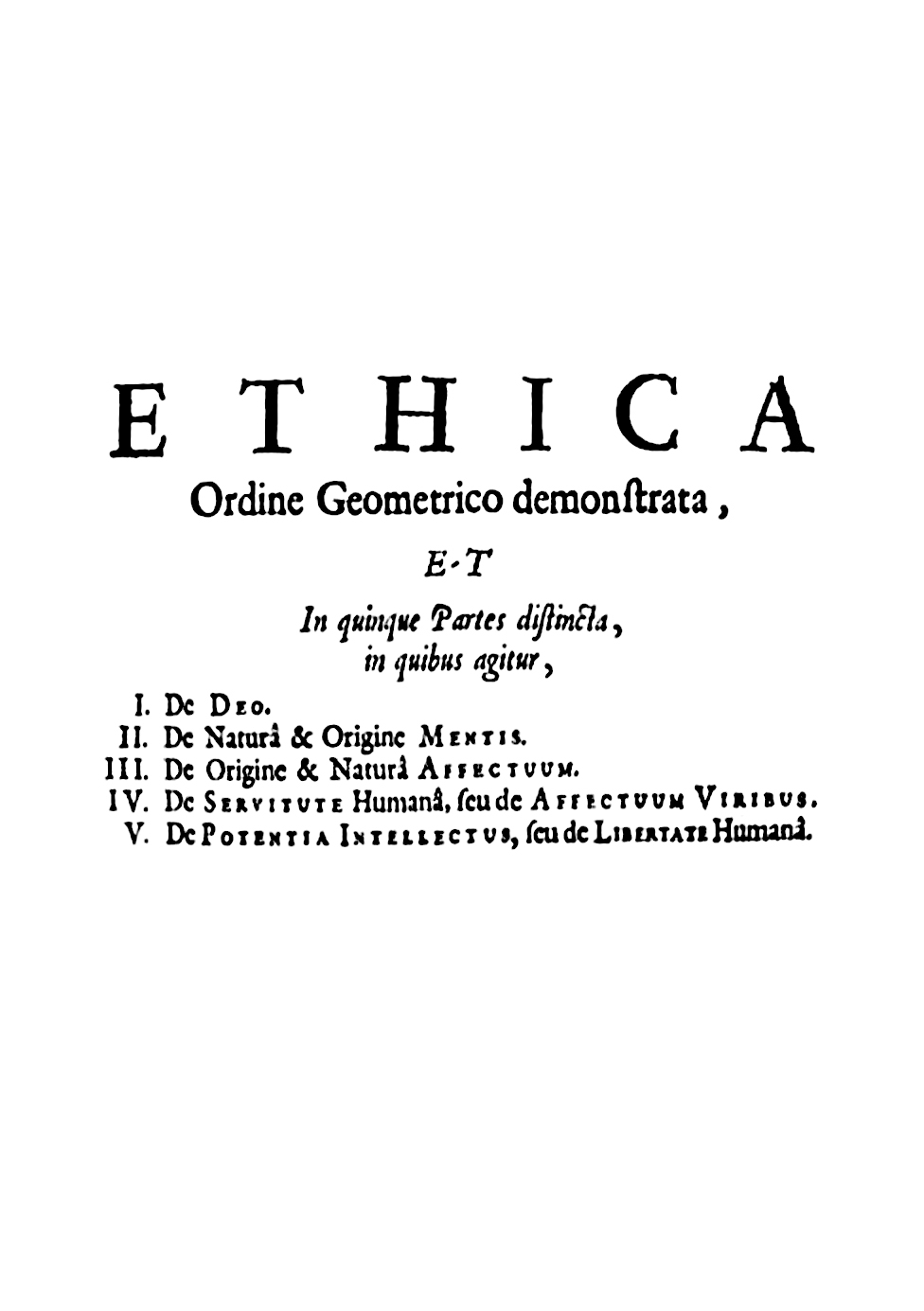 Book
Primary source
Ethics
Benedictus de Spinoza · 1677 (written 1661-1675)
 Book
Primary source
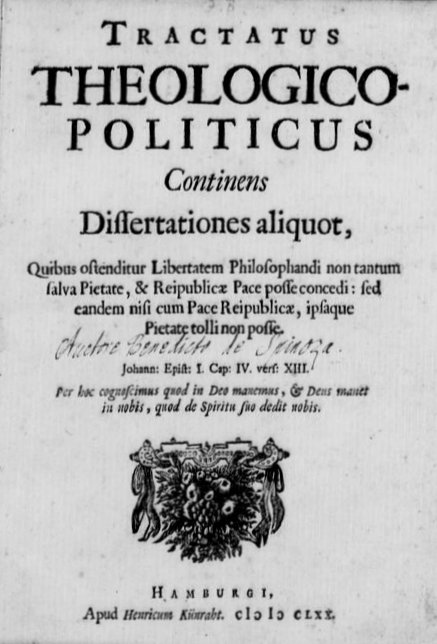
Tractatus Theologico-Politicus
Benedictus de Spinoza · 1670
 Painting
Primary source
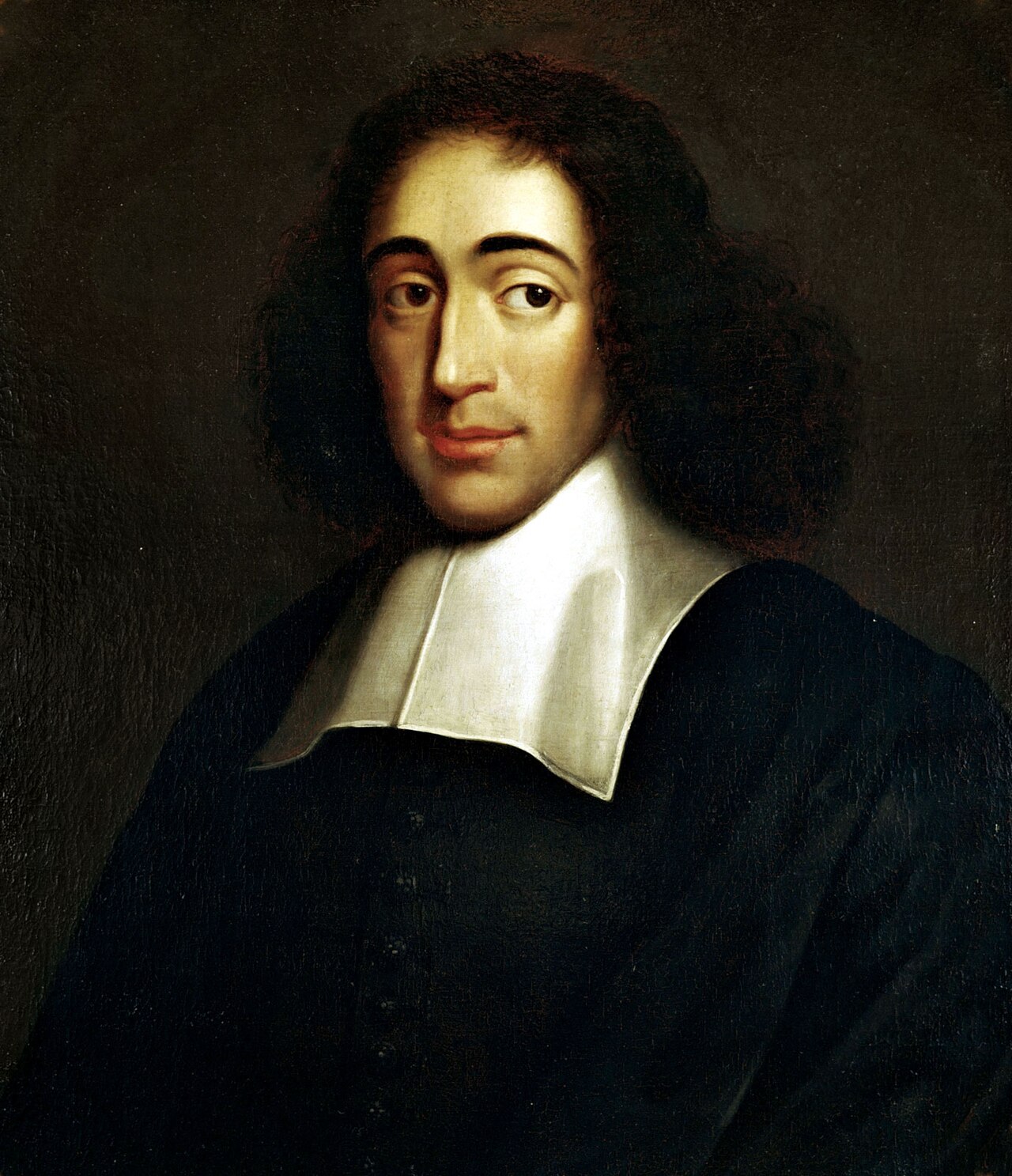
Portrait of Benedictus de Spinoza
Unknown · c. 1665
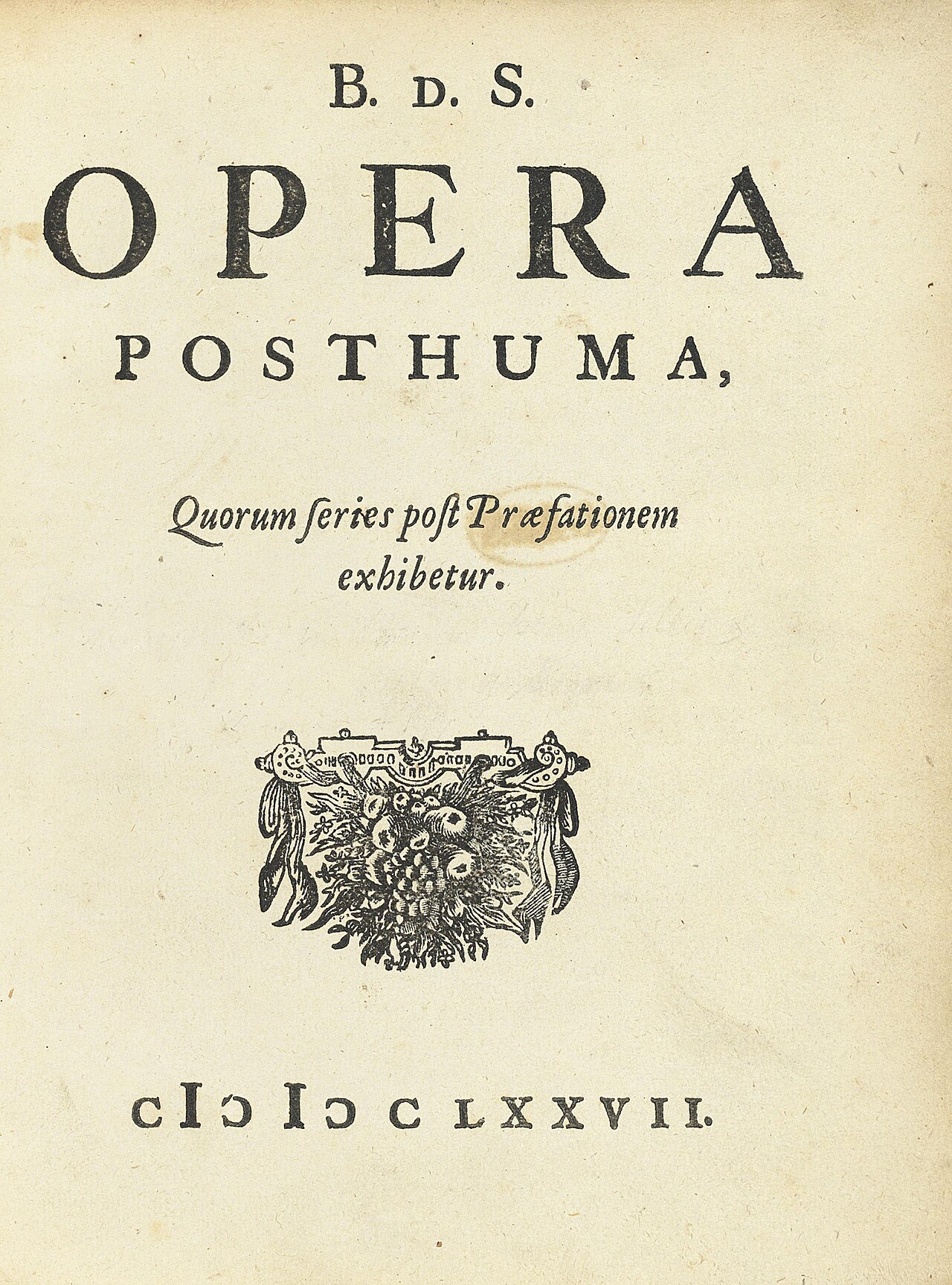 Book
Primary source
Opera Posthuma
Benedictus de Spinoza · 1677
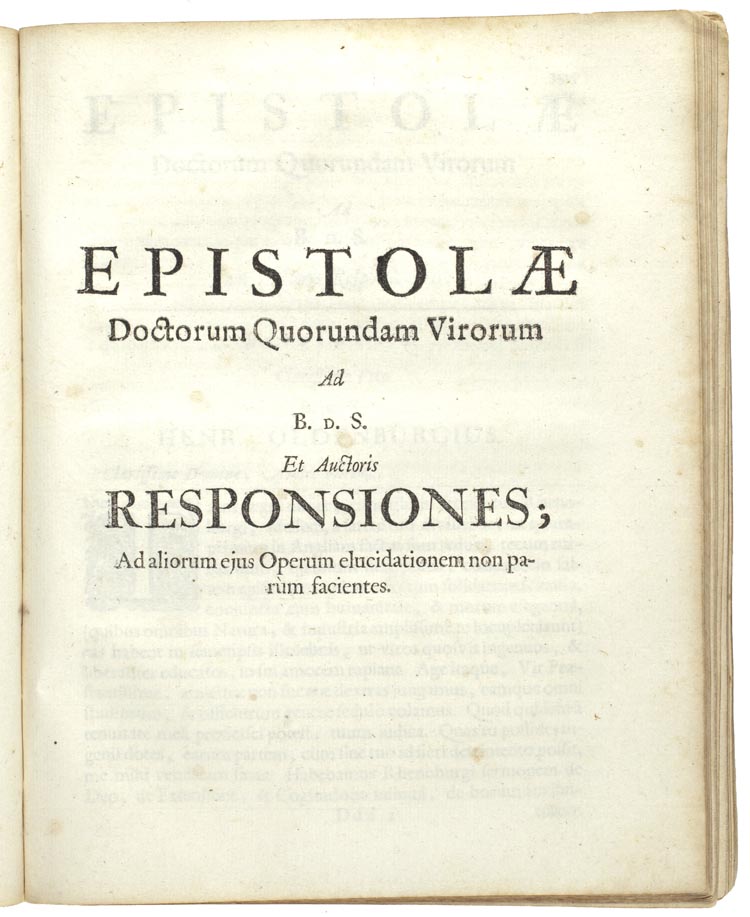 Letter
Primary source
Epistolae, Correspondence of Benedict de Spinoza
Benedictus de Spinoza · 1661-1676, published 1677
Ready when you are
Start chatting with Baruch Spinoza now.
20 messages free · No credit card · Available in 50+ languages.