


Primary sourceArtifact17th century
Spinozahuis, Rijnsburg
17th century
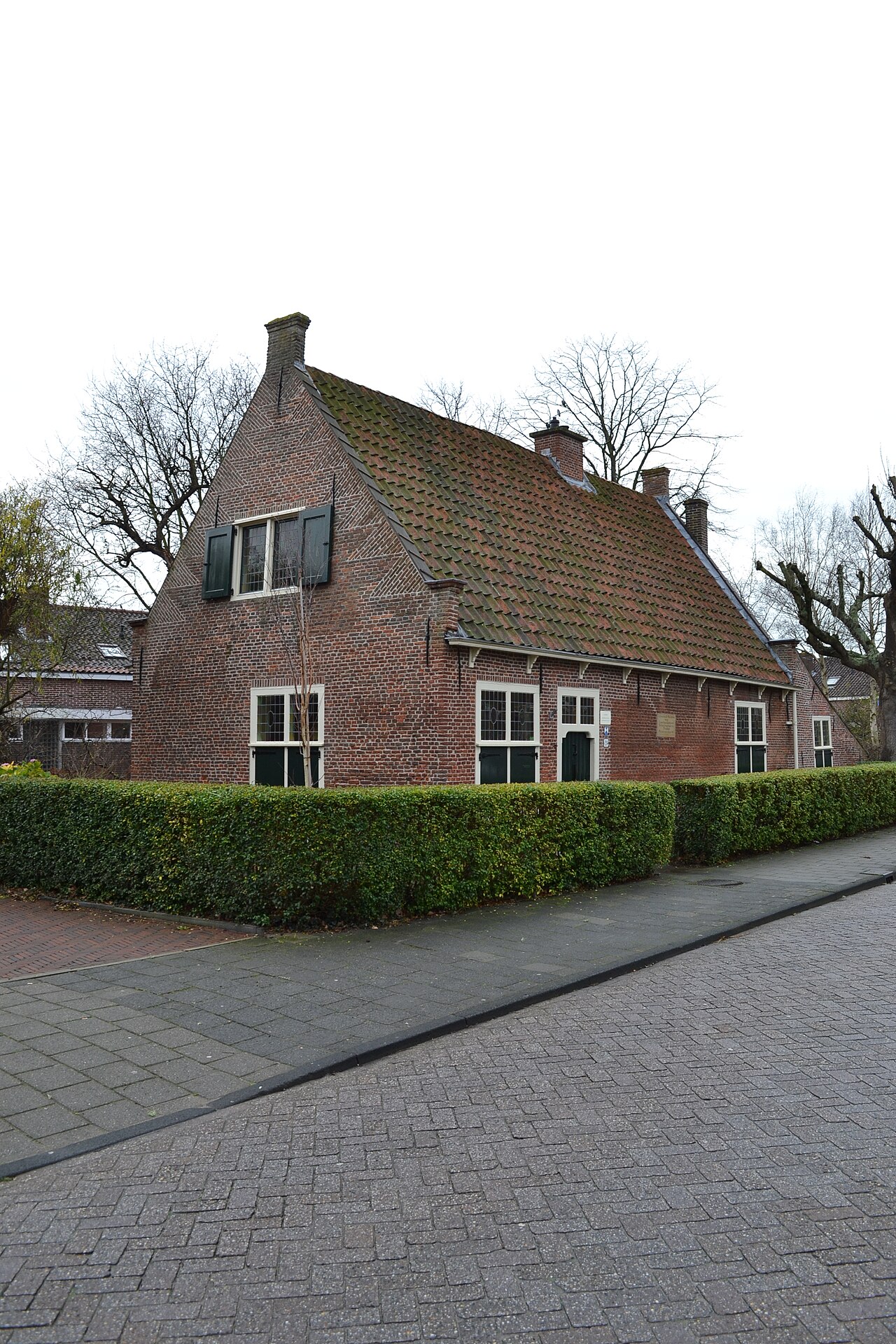
The house in Rijnsburg where Spinoza lodged in the early 1660s, grinding lenses and writing early philosophical works.
Spinoza lodged here in 1661-63, grinding lenses and drafting his earliest philosophical writings.
About this source
What it is
This is a 17th-century brick house in Rijnsburg, now cared for by the Vereniging Het Spinozahuis. Spinoza moved there around 1660-61 from Amsterdam, seeking a quiet retreat near Leiden where he still had many friends.
Why it matters
In this house, Spinoza ground lenses as part of his livelihood and worked on his Short Treatise on God, Man, and His Well-Being, a text he never published in his lifetime for fear of provoking theologians and city authorities. The house shows how Spinoza combined a quiet, practical life with dangerous philosophical ideas.
Look closer
- Why might someone choose to live away from a big city while writing controversial ideas?
- What does the modest size of the house suggest about Spinoza's way of life?
- Why do you think this building has been preserved and turned into a memorial site?
This artifact is part of the curated material that grounds the AI version of Baruch Spinoza on Humy.ai — when students ask about related events, the AI can quote it and cite it.
More Baruch Spinoza sources
Meet the AI Baruch Spinoza →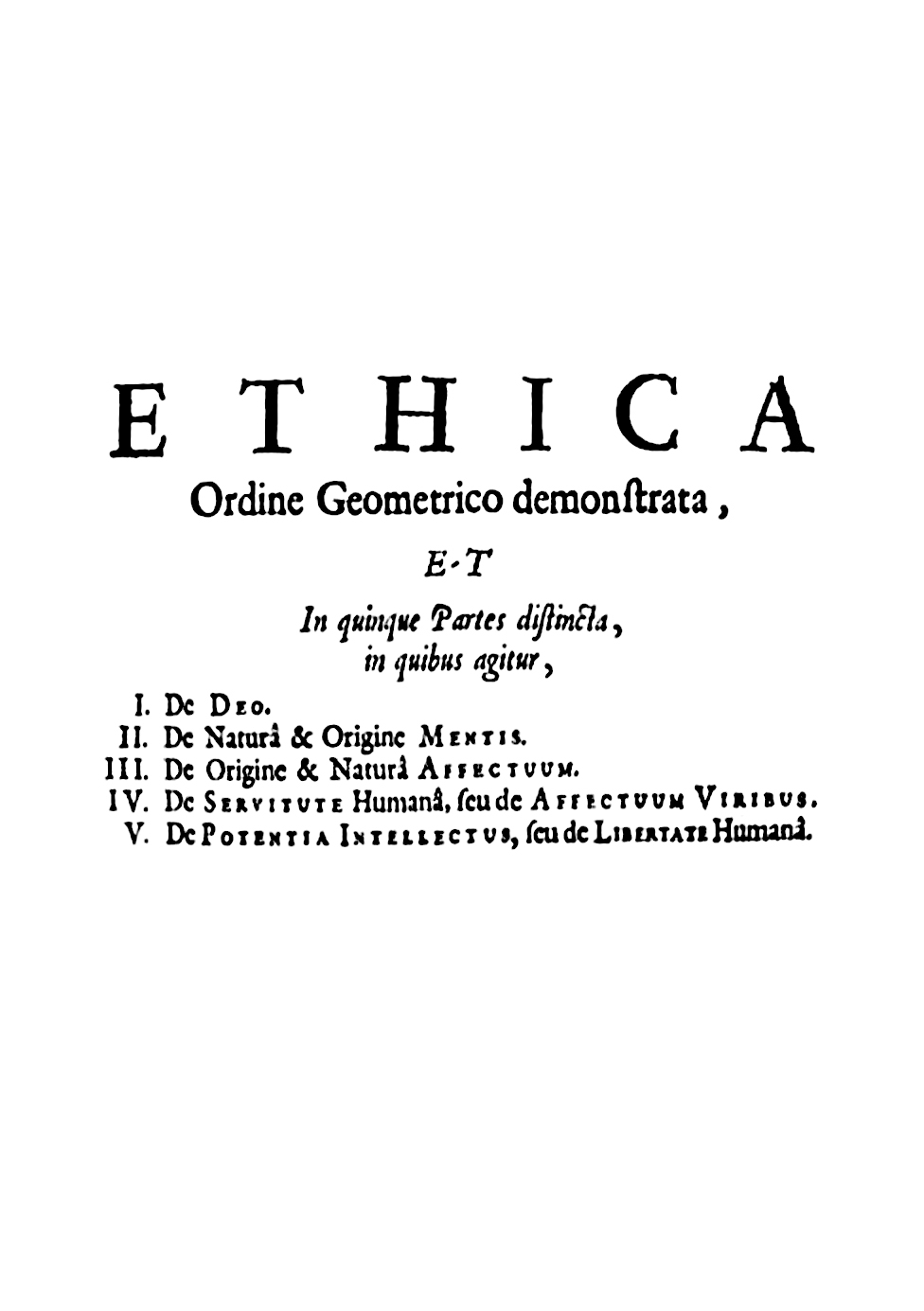 Book
Primary source
Ethics
Benedictus de Spinoza · 1677 (written 1661-1675)
 Book
Primary source
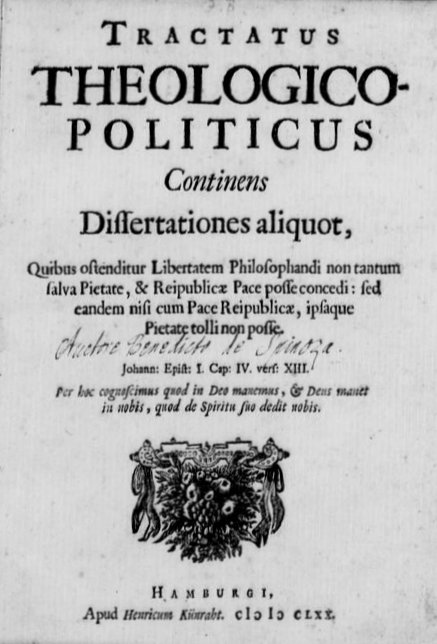
Tractatus Theologico-Politicus
Benedictus de Spinoza · 1670
 Painting
Primary source
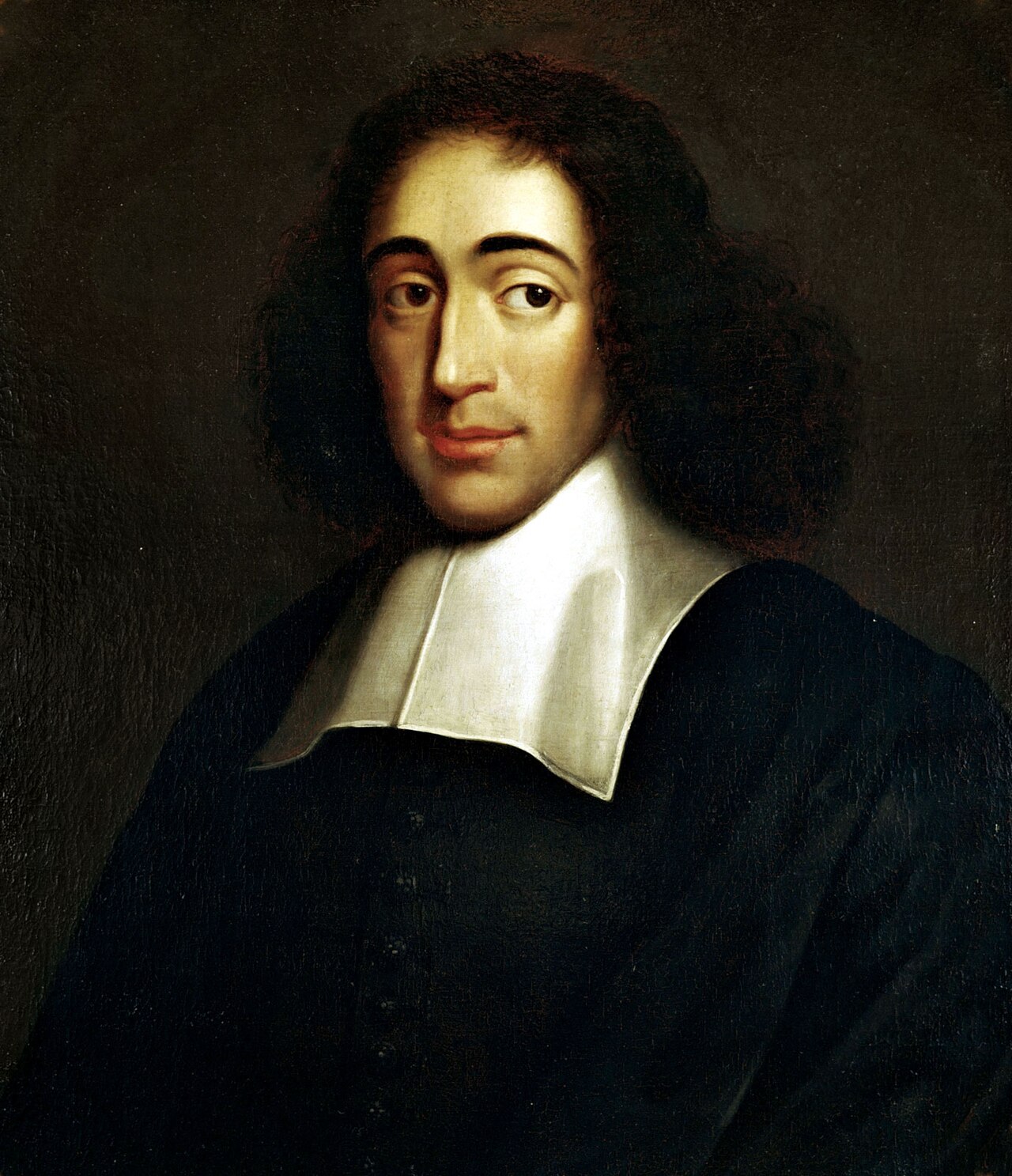
Portrait of Benedictus de Spinoza
Unknown · c. 1665
 Book
Primary source
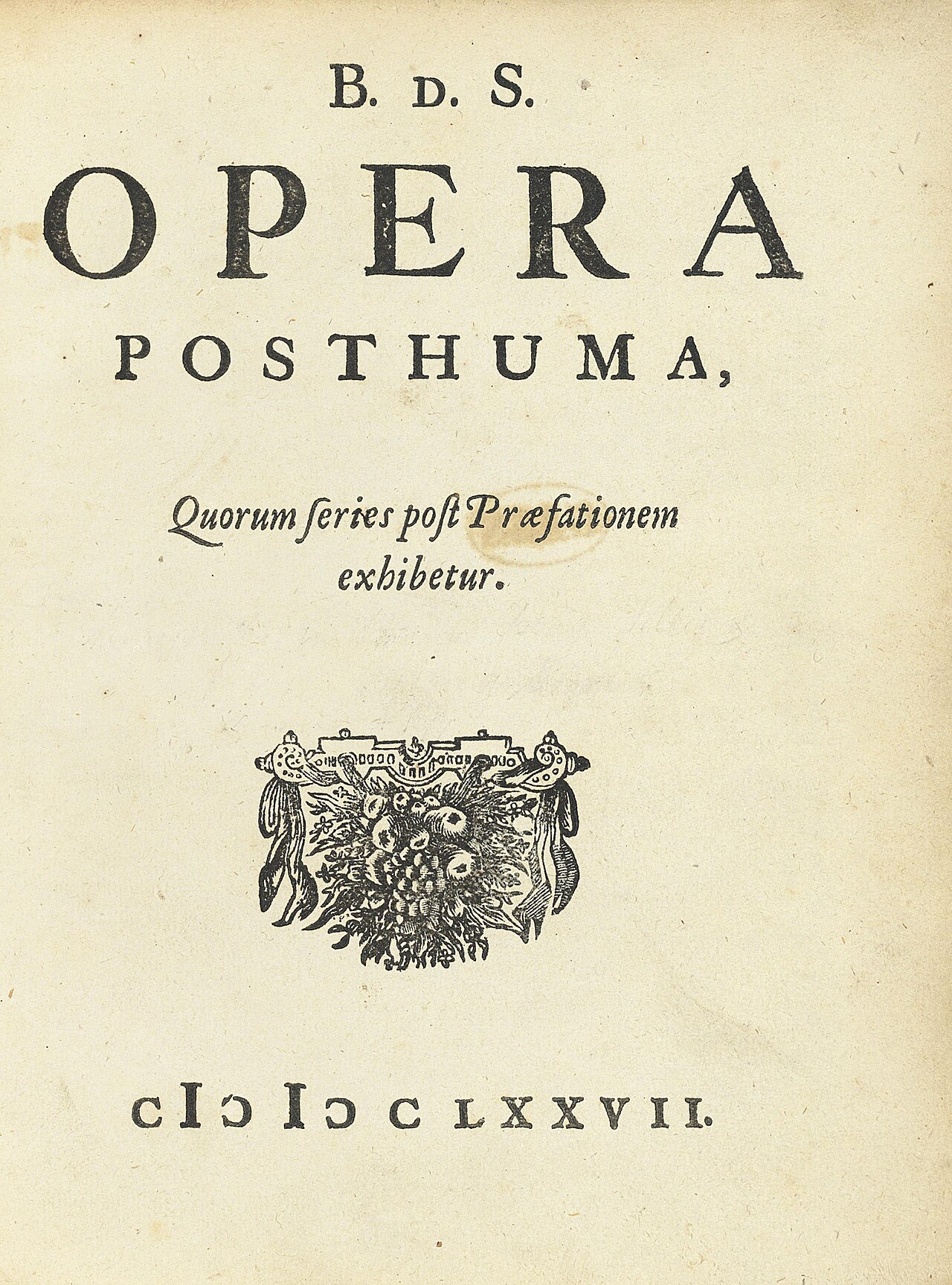
Opera Posthuma
Benedictus de Spinoza · 1677
 Letter
Primary source
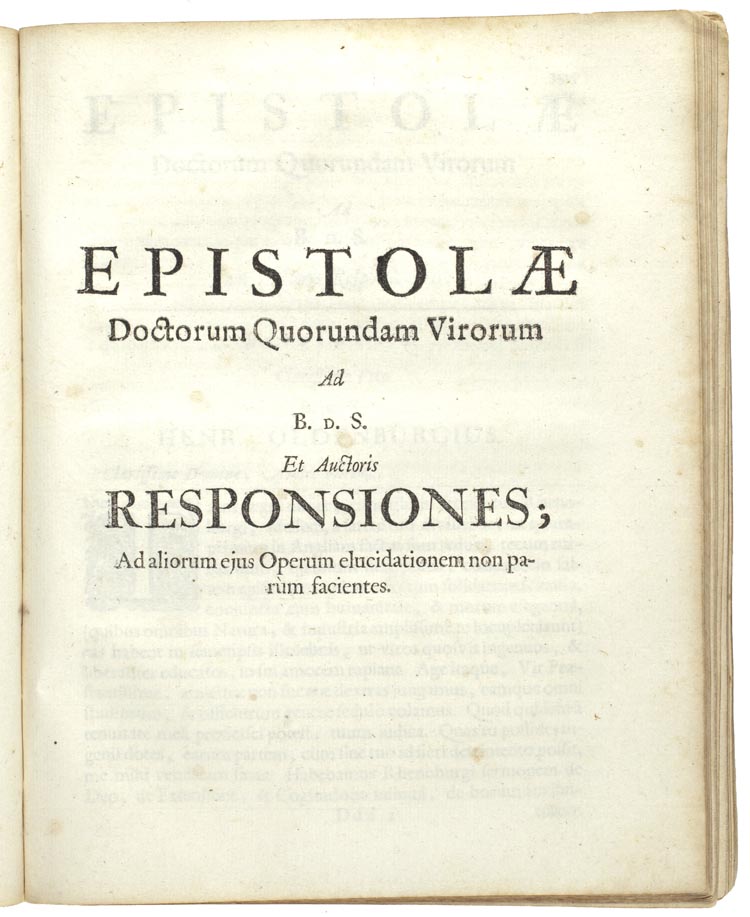
Epistolae, Correspondence of Benedict de Spinoza
Benedictus de Spinoza · 1661-1676, published 1677
Ready when you are
Start chatting with Baruch Spinoza now.
20 messages free · No credit card · Available in 50+ languages.