


Secondary sourceSculpture1880
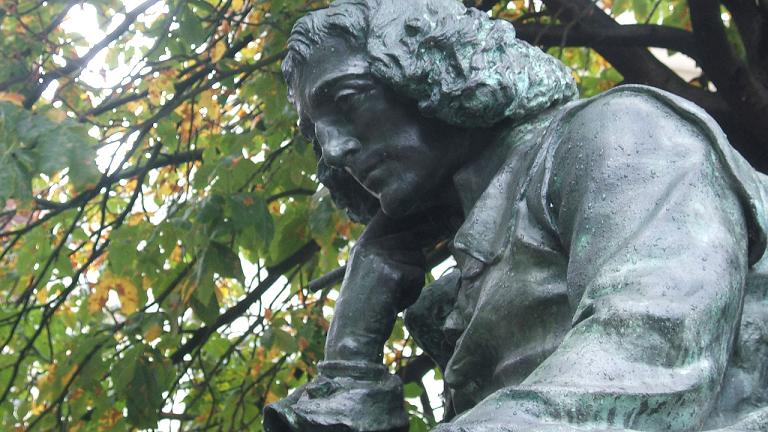
Spinoza statue by Frédéric Hexamer, Paviljoensgracht, The Hague
Frédéric Hexamer · 1880
A bronze statue of Spinoza erected in 1880 near his last home in The Hague, marking his rehabilitation as a Dutch national thinker.
This 1880 statue near Spinoza's last home shows his later rehabilitation as a celebrated Dutch philosopher.
About this source
What it is
This bronze statue of Baruch Spinoza was created by sculptor Frédéric Hexamer and erected in 1880 on the Paviljoensgracht in The Hague, close to where Spinoza spent his final years.
Why it matters
In the 19th century, long after his death, Spinoza went from being condemned as a heretic to being celebrated as an important Dutch and European thinker. This public monument shows how his reputation changed and how the Netherlands came to honour him as part of its intellectual heritage.
Look closer
- What does the pose of the figure, with head bowed and resting on his hand, suggest the sculptor wanted viewers to think about Spinoza?
- Why might a monument to a once-condemned philosopher be built two centuries after his death?
- What does placing the statue near his last home tell us about how the city wanted to connect Spinoza to this place?
This sculpture is part of the curated material that grounds the AI version of Baruch Spinoza on Humy.ai — when students ask about related events, the AI can quote it and cite it.
More Baruch Spinoza sources
Meet the AI Baruch Spinoza →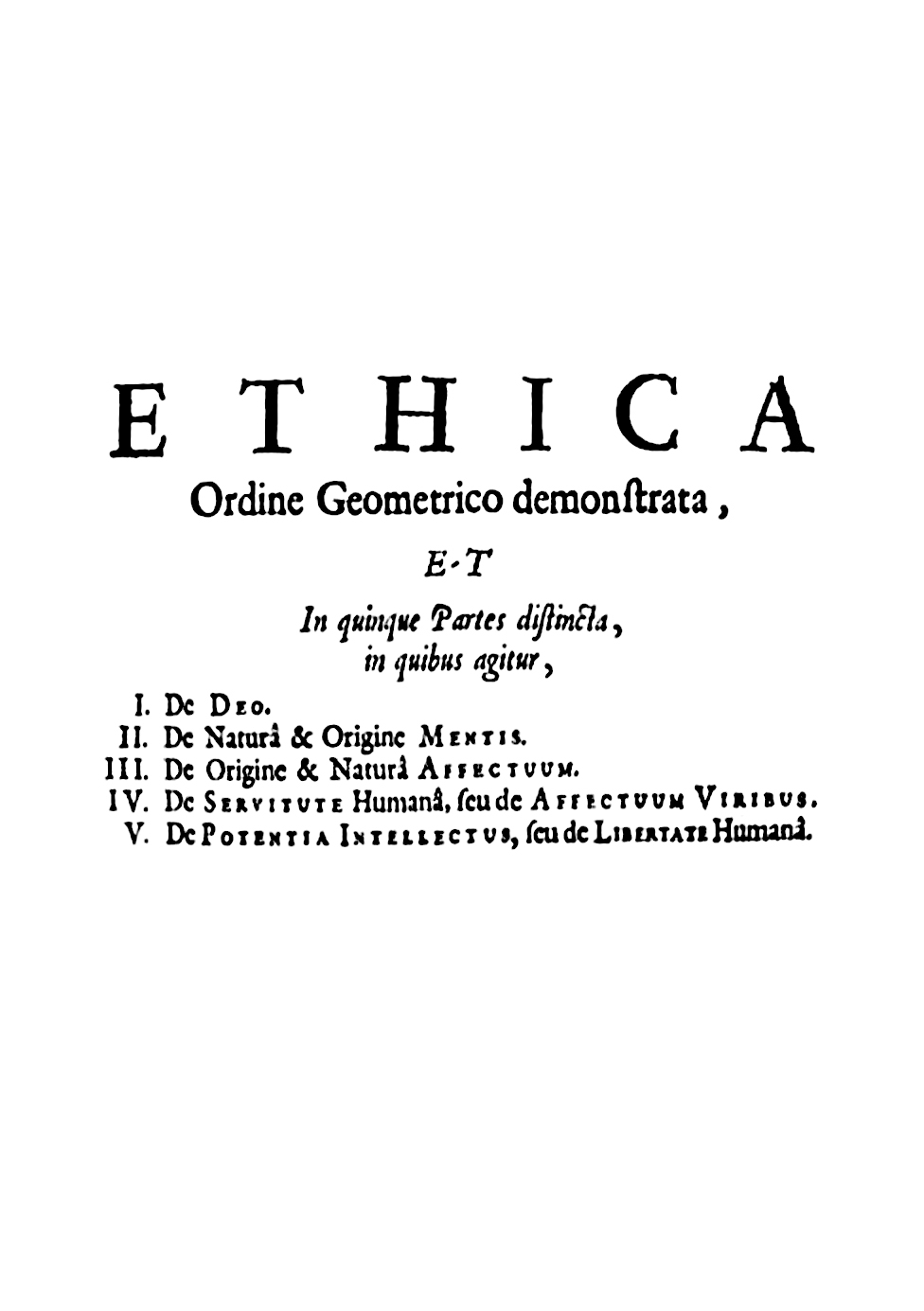 Book
Primary source
Ethics
Benedictus de Spinoza · 1677 (written 1661-1675)
 Book
Primary source
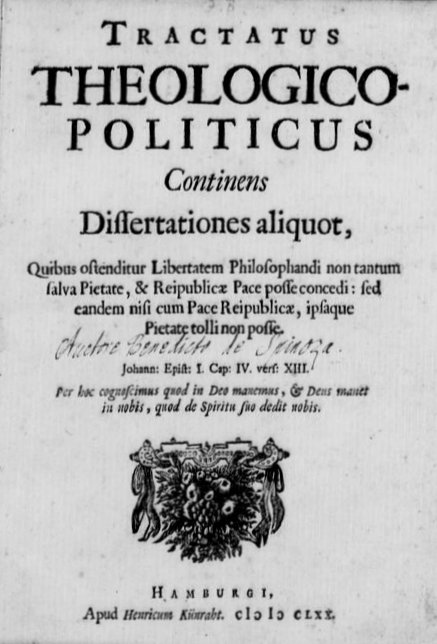
Tractatus Theologico-Politicus
Benedictus de Spinoza · 1670
 Painting
Primary source
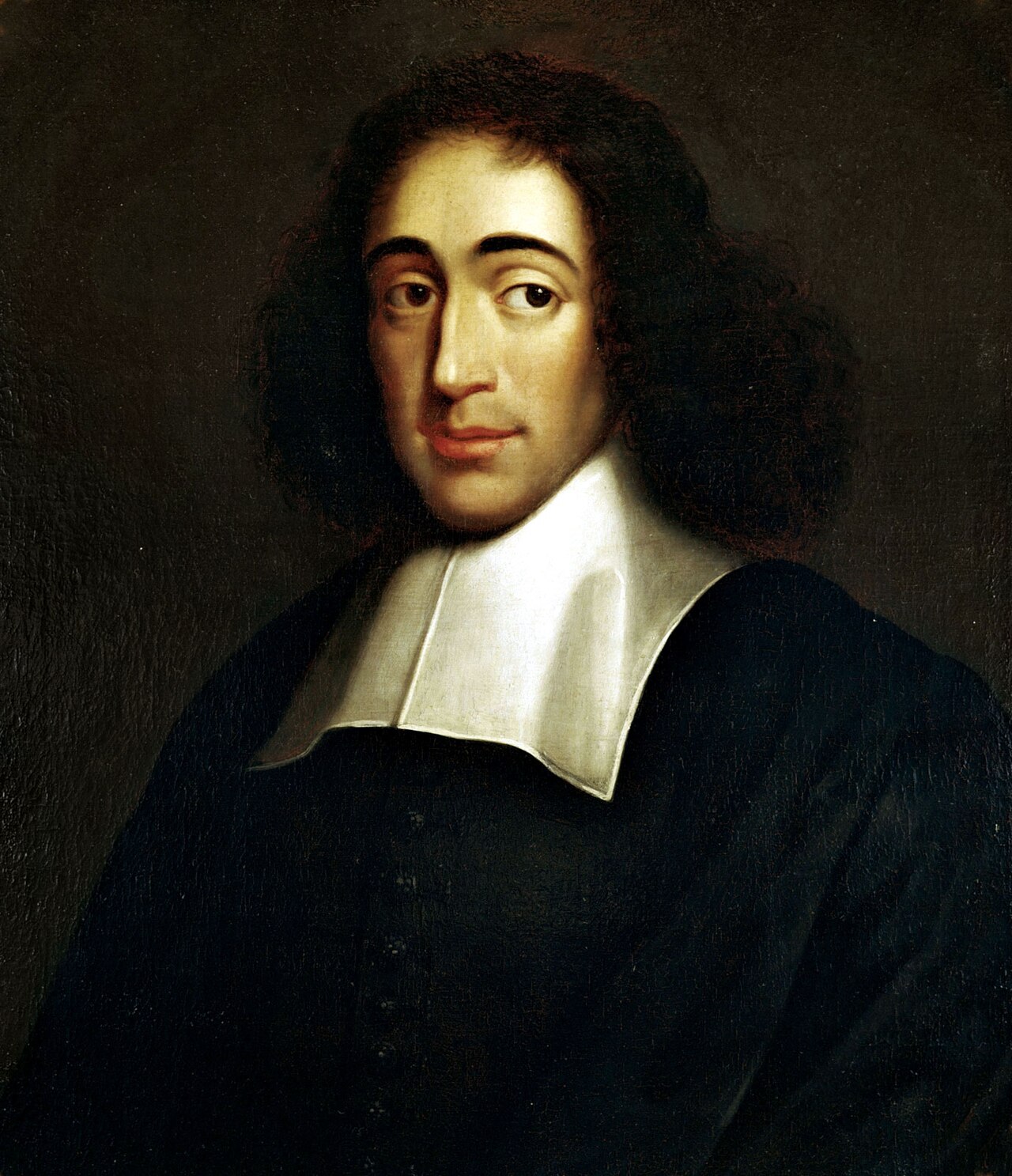
Portrait of Benedictus de Spinoza
Unknown · c. 1665
 Book
Primary source
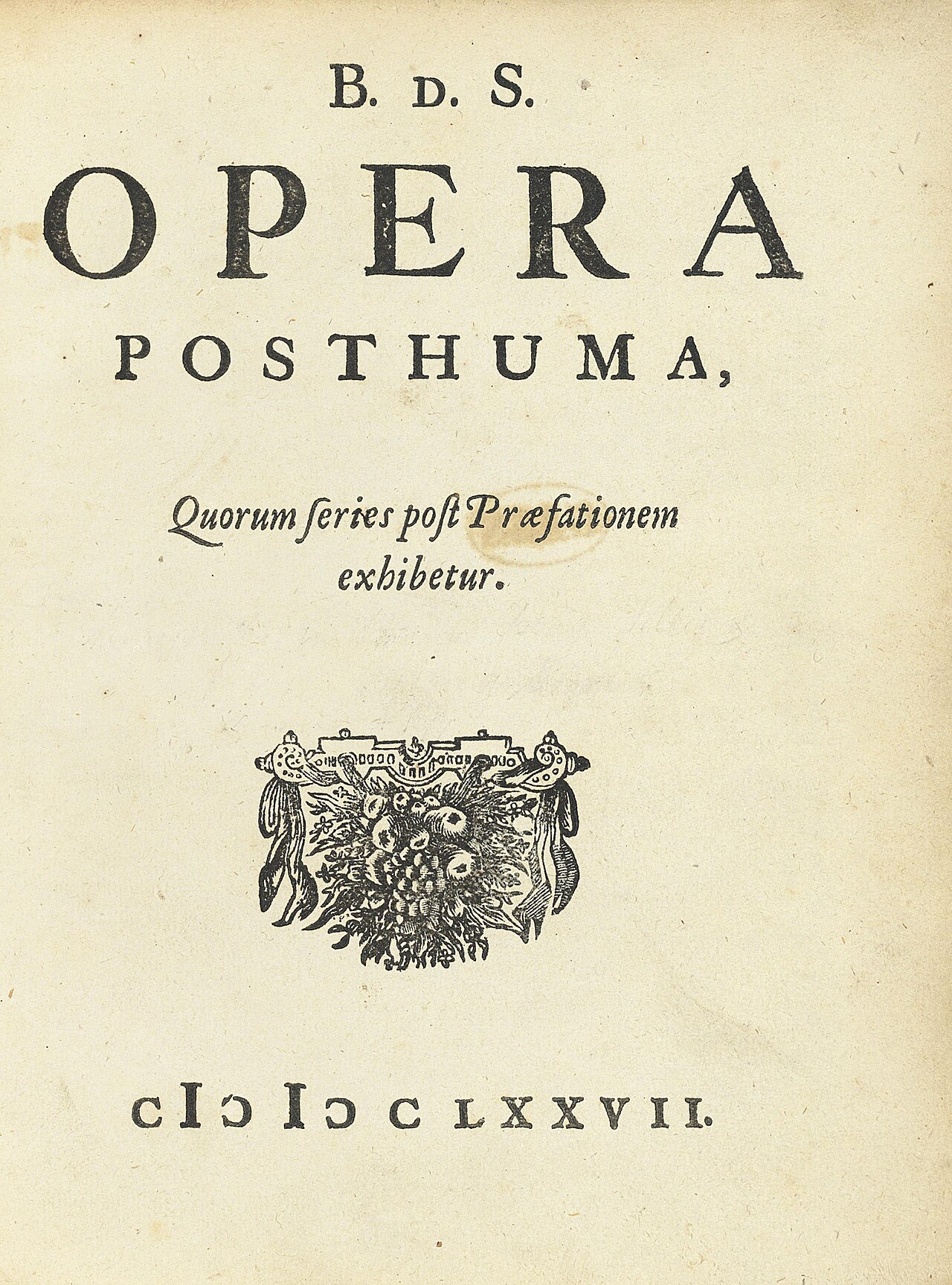
Opera Posthuma
Benedictus de Spinoza · 1677
 Letter
Primary source
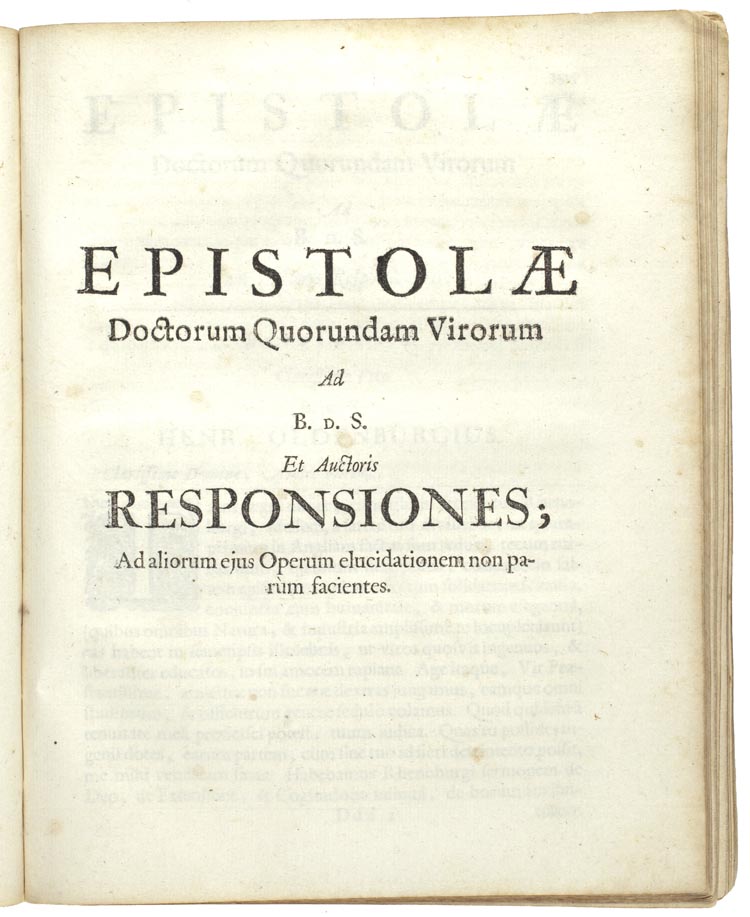
Epistolae, Correspondence of Benedict de Spinoza
Benedictus de Spinoza · 1661-1676, published 1677
Ready when you are
Start chatting with Baruch Spinoza now.
20 messages free · No credit card · Available in 50+ languages.