


Primary sourceDocument1664
Signature of Benedictus de Spinoza
Benedictus de Spinoza · 1664
A handwritten signature reading 'Benedictus de Spinoza', an example of the Latinised name he used after leaving the Jewish community.
This is Spinoza's own handwritten signature, direct physical evidence of his adopted Latinised identity.

About this source
What it is
This image shows the signature of Benedictus de Spinoza, written in flowing cursive ink as 'Benedictus de Spinoza' with a looping flourish.
Why it matters
After 1656, Spinoza stopped using his Hebrew name and adopted this Latinised form, signalling a break with his former Jewish community and his new identity as a philosopher writing in Latin for a European audience. A signature like this is a small but direct trace of how a person wanted to present themselves to the world.
Look closer
- What does the choice of a Latin name instead of a Hebrew one suggest about Spinoza's sense of identity?
- Why might handwriting like this be useful evidence to historians, even though it contains no words of explanation?
- What questions can't a signature answer about a person's beliefs or life?
This document is part of the curated material that grounds the AI version of Baruch Spinoza on Humy.ai — when students ask about related events, the AI can quote it and cite it.
More Baruch Spinoza sources
Meet the AI Baruch Spinoza →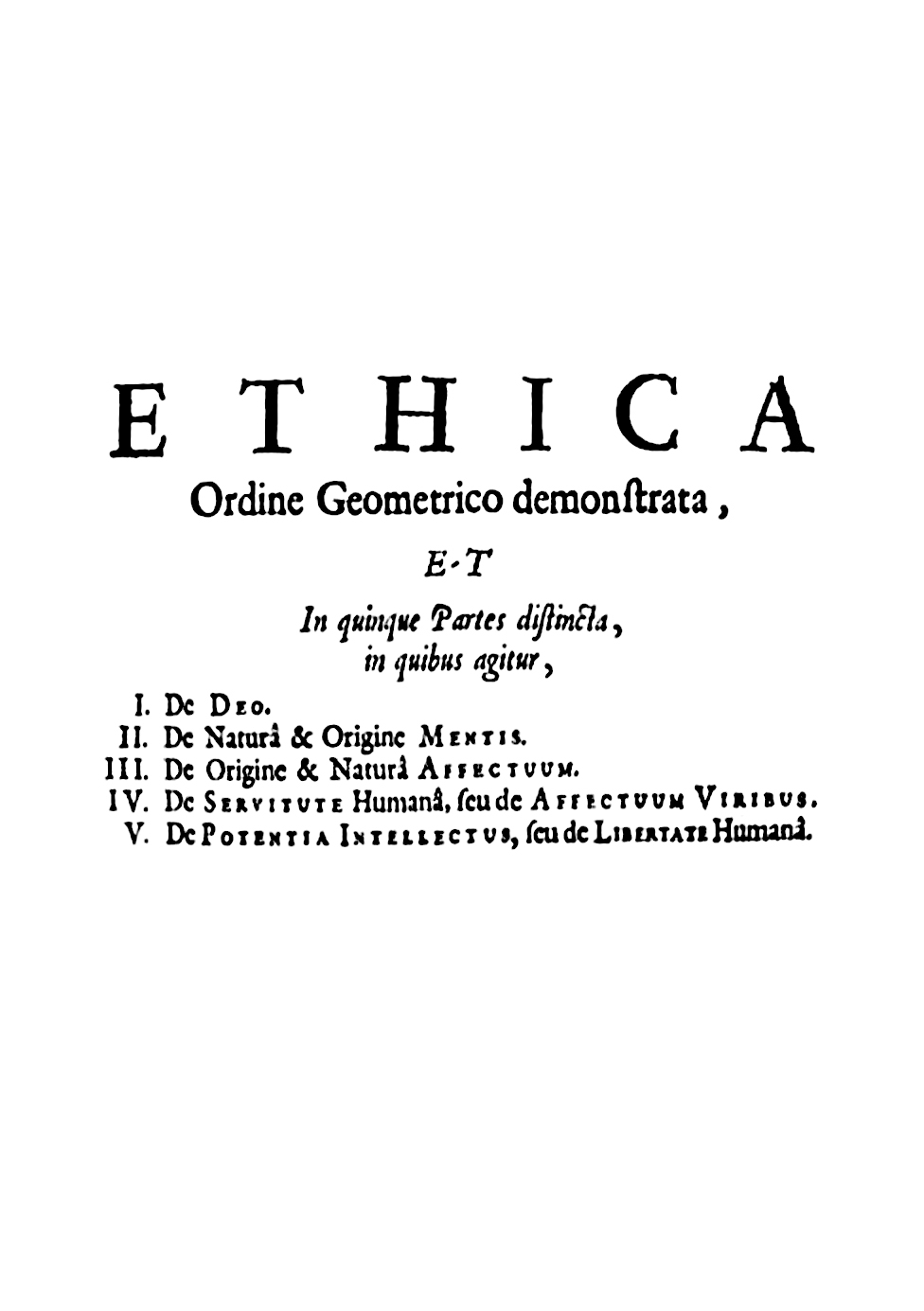 Book
Primary source
Ethics
Benedictus de Spinoza · 1677 (written 1661-1675)
 Book
Primary source
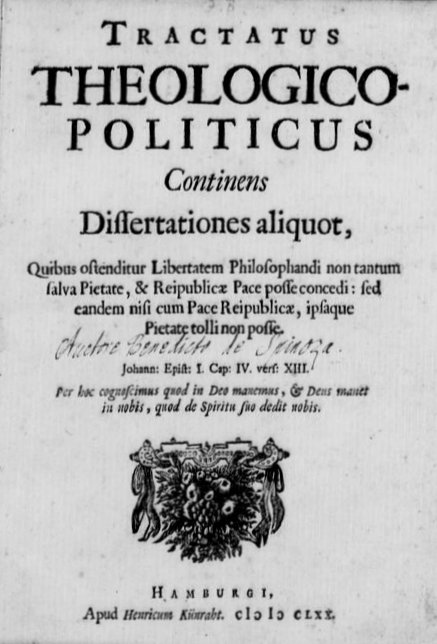
Tractatus Theologico-Politicus
Benedictus de Spinoza · 1670
 Painting
Primary source
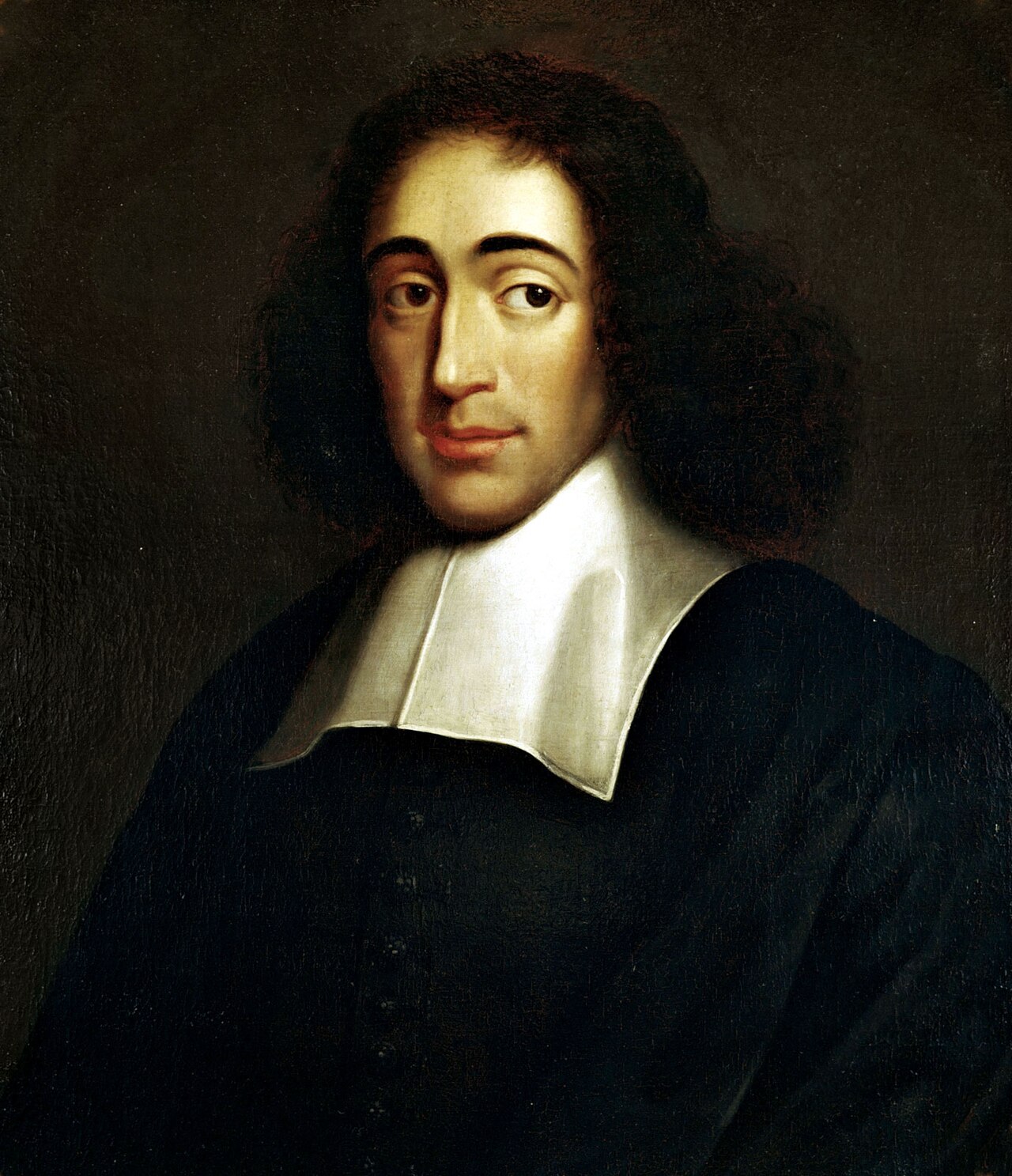
Portrait of Benedictus de Spinoza
Unknown · c. 1665
 Book
Primary source
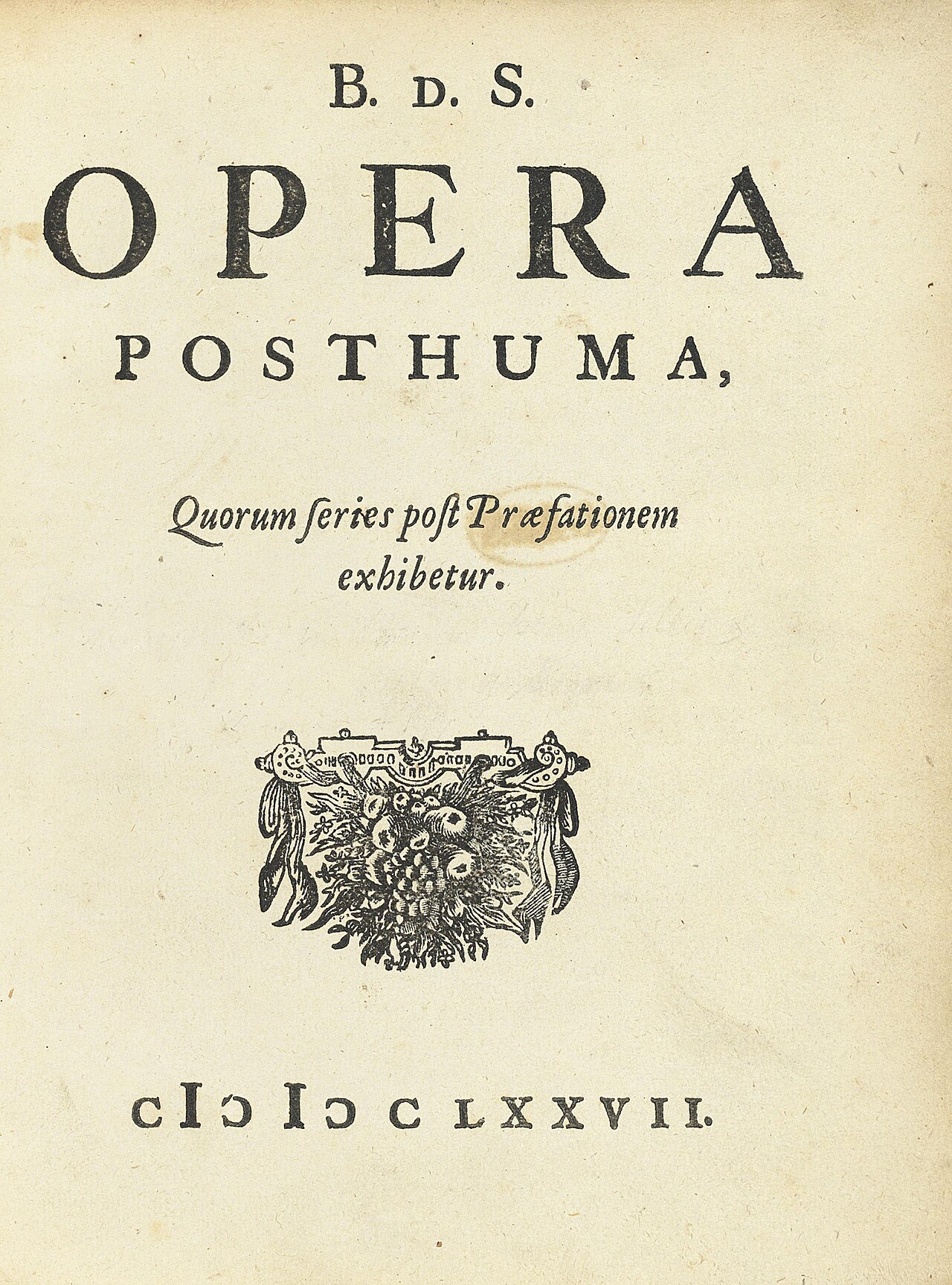
Opera Posthuma
Benedictus de Spinoza · 1677
 Letter
Primary source
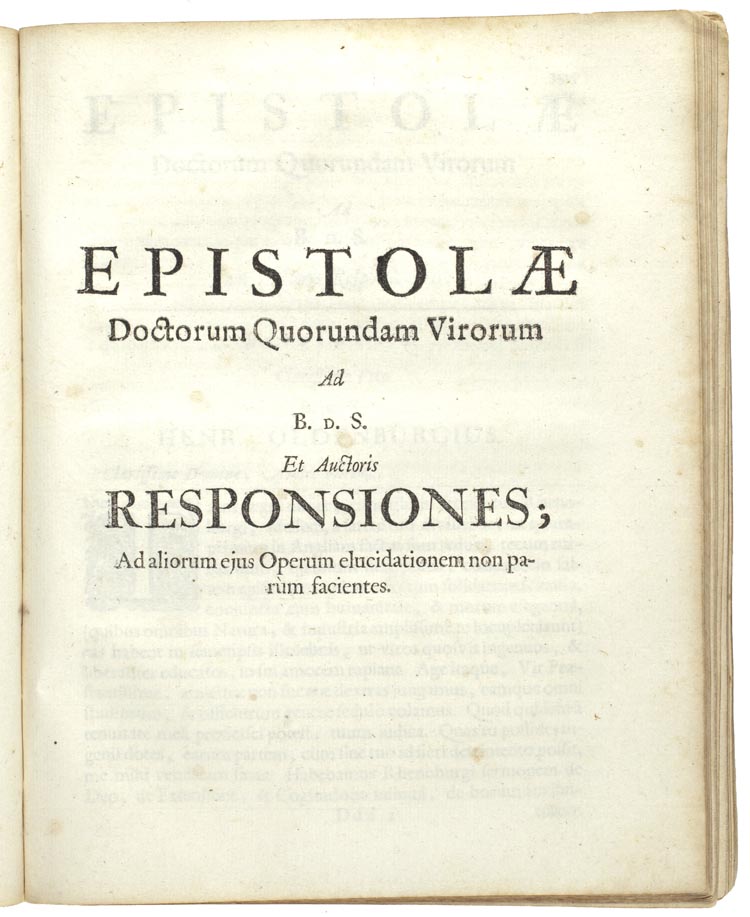
Epistolae, Correspondence of Benedict de Spinoza
Benedictus de Spinoza · 1661-1676, published 1677
Ready when you are
Start chatting with Baruch Spinoza now.
20 messages free · No credit card · Available in 50+ languages.