


Primary sourceBook1675-1677 (published 1677)
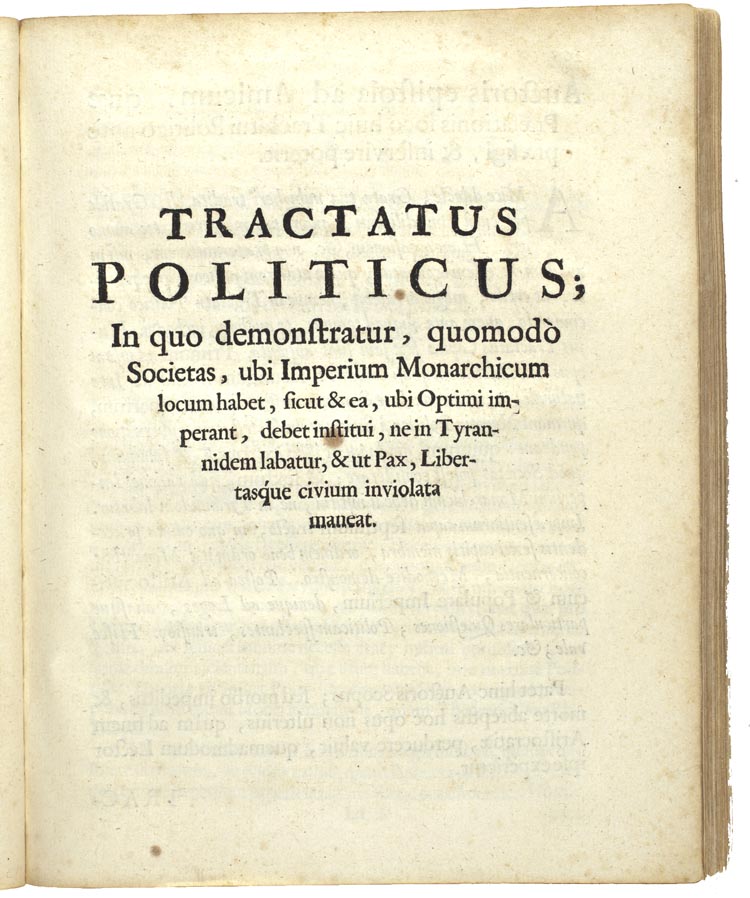
Tractatus Politicus
Benedictus de Spinoza · 1675-1677 (published 1677)
Spinoza's last, unfinished work analysing monarchy, aristocracy and democracy, broken off at his death in 1677.
Spinoza's last, unfinished analysis of forms of government, broken off by his death.
About this source
What it is
This is the final, incomplete political treatise of Benedictus de Spinoza, written between 1675 and 1677 and published posthumously that year. It examines monarchy, aristocracy and democracy as forms of government, discussing how each should be organised to avoid falling into tyranny.
Why it matters
Unlike Aristotle, whom he echoes in structure, Spinoza avoided declaring any one government the best, and in his final chapter argued that democracy means freedom for all under natural law rather than simple majority rule. The work also references Niccolò Machiavelli's writing on princes and tyranny. It breaks off mid-sentence in the chapter on democracy, cut short by Spinoza's death, making it a document of both his political thought and its abrupt, unfinished ending.
Look closer
- Why might an unfinished work still be valuable to historians and philosophers?
- What does the treatise's structure, moving through monarchy, aristocracy and democracy, tell you about how Spinoza approached politics?
- What questions can never be answered because the book stops before finishing?
This book is part of the curated material that grounds the AI version of Baruch Spinoza on Humy.ai — when students ask about related events, the AI can quote it and cite it.
More Baruch Spinoza sources
Meet the AI Baruch Spinoza →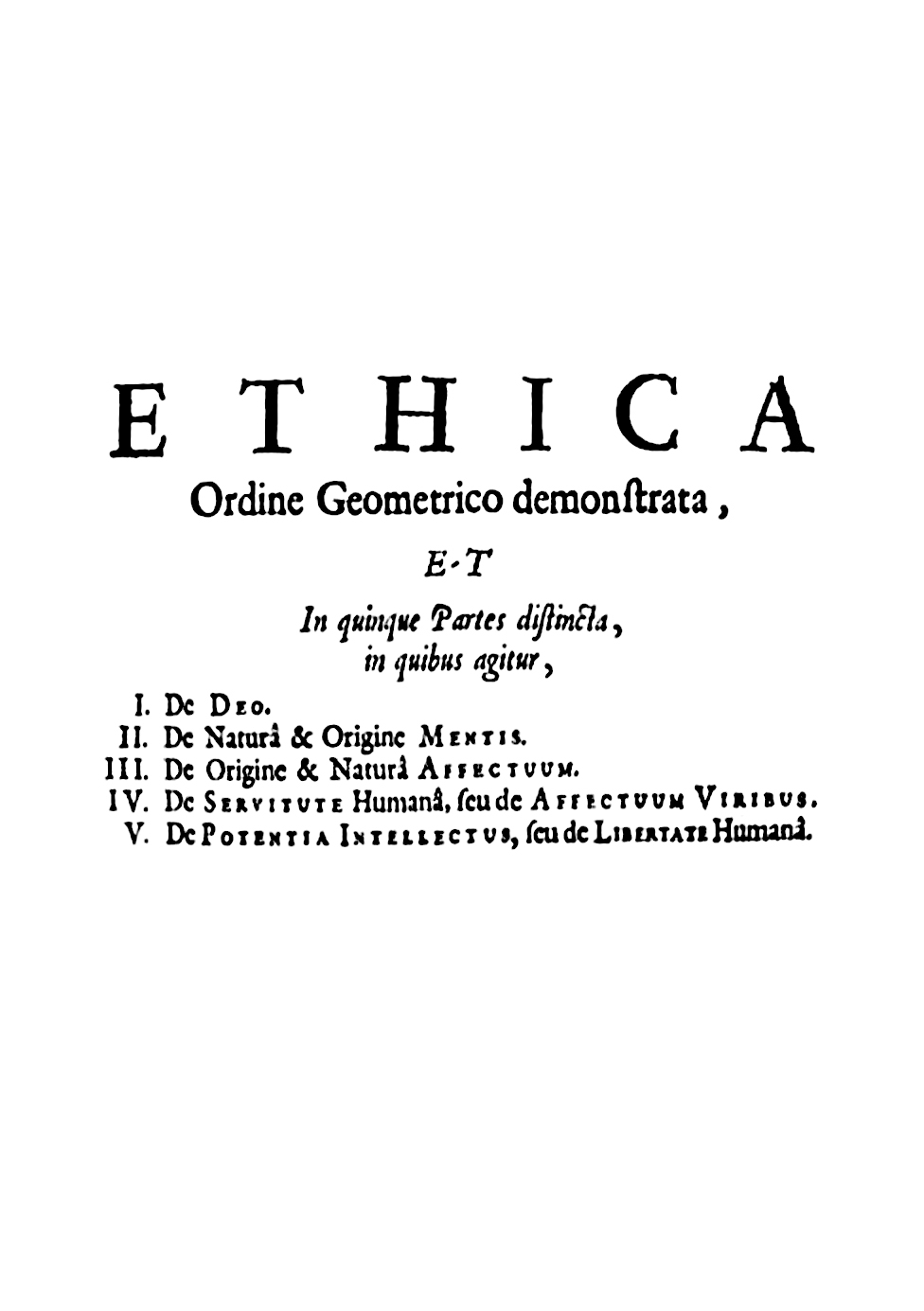 Book
Primary source
Ethics
Benedictus de Spinoza · 1677 (written 1661-1675)
 Book
Primary source
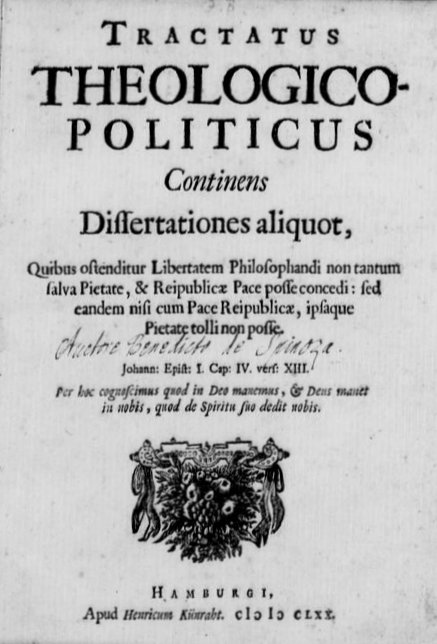
Tractatus Theologico-Politicus
Benedictus de Spinoza · 1670
 Painting
Primary source
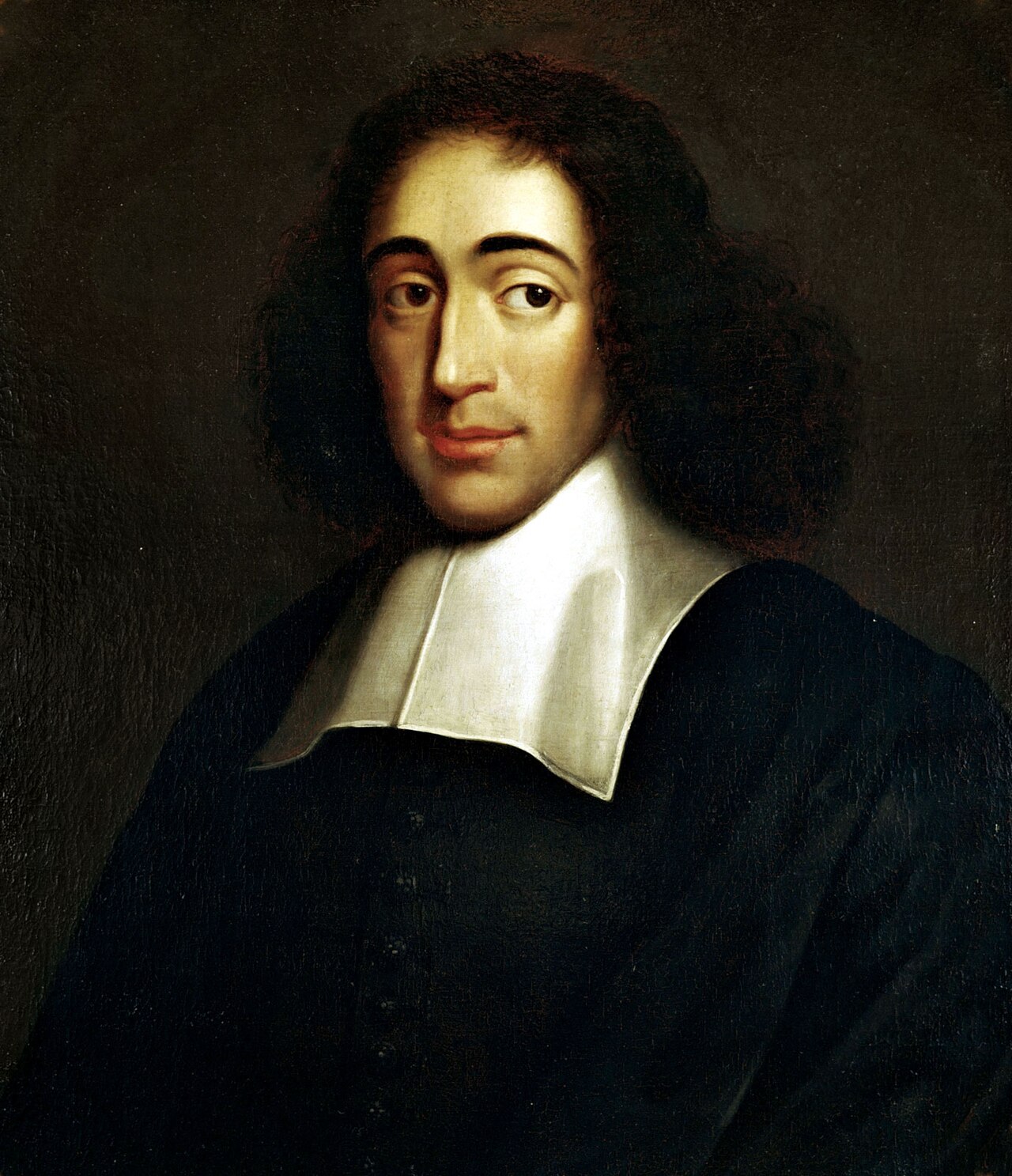
Portrait of Benedictus de Spinoza
Unknown · c. 1665
 Book
Primary source
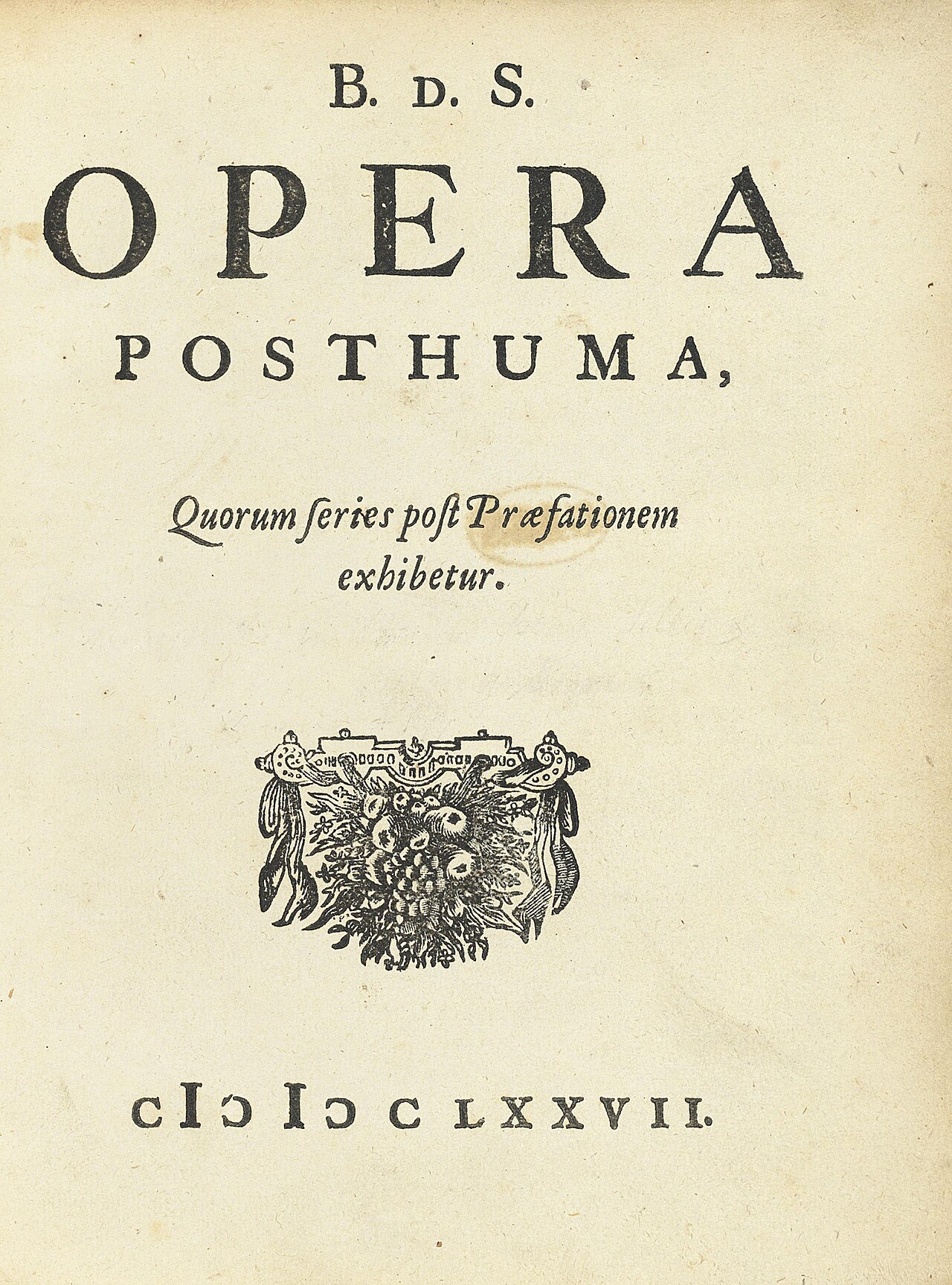
Opera Posthuma
Benedictus de Spinoza · 1677
 Letter
Primary source
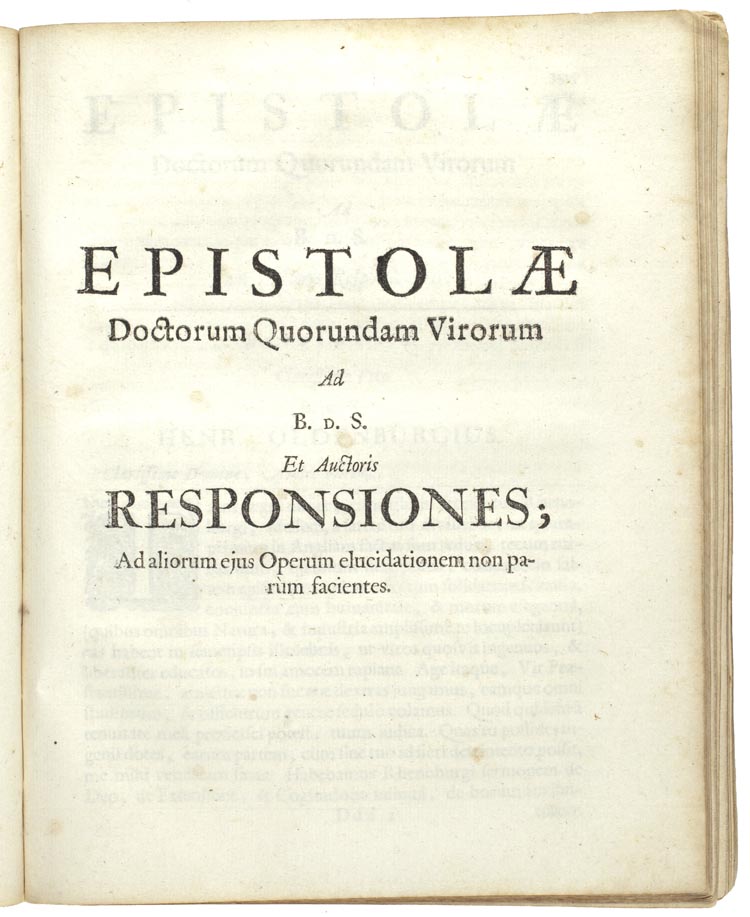
Epistolae, Correspondence of Benedict de Spinoza
Benedictus de Spinoza · 1661-1676, published 1677
Ready when you are
Start chatting with Baruch Spinoza now.
20 messages free · No credit card · Available in 50+ languages.