


Primary sourceBookbefore 1677 (published 1677)
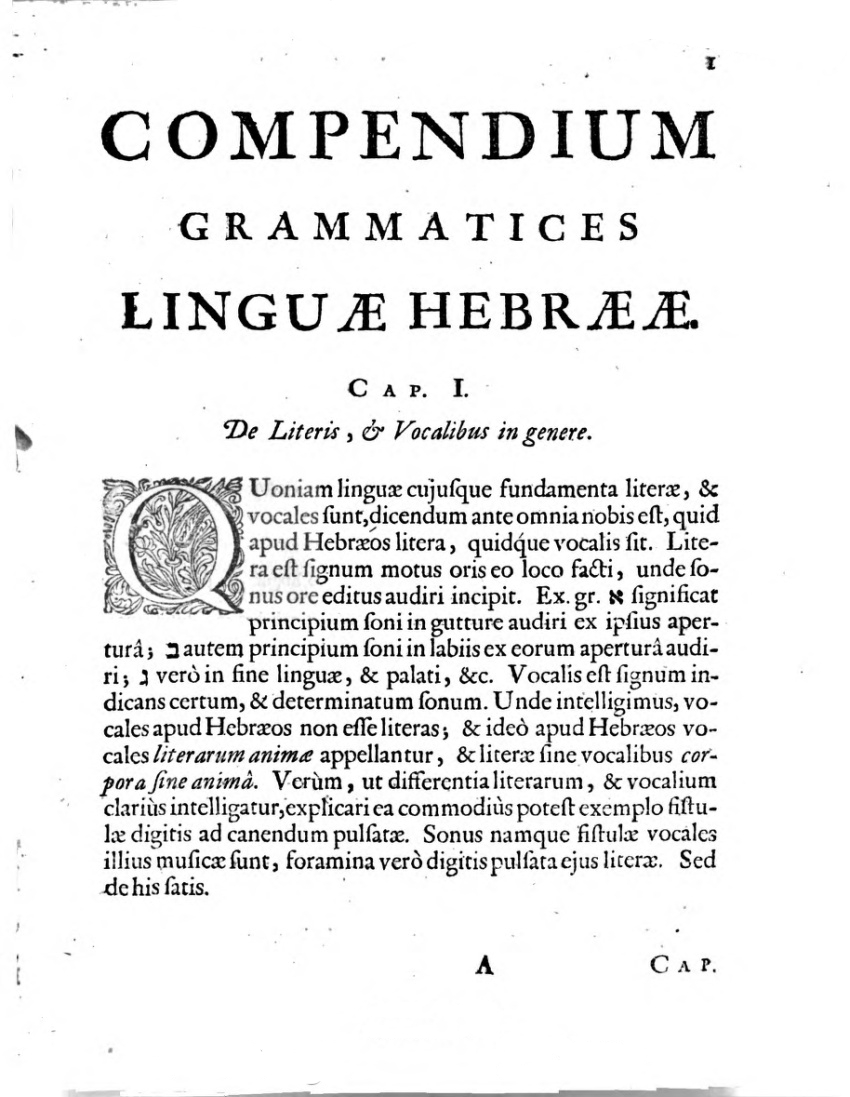
Compendium grammatices linguae Hebraeae
Benedictus de Spinoza · before 1677 (published 1677)
Spinoza's unfinished Hebrew grammar, published posthumously in 1677, reflecting his early Jewish education.
This unfinished Hebrew grammar reflects Spinoza's early Jewish education and the language skills behind his biblical criticism.
About this source
What it is
This is an unfinished Hebrew grammar written by Benedictus de Spinoza, published in 1677 as part of his posthumous works. It explains the basics of Hebrew letters and vowels, opening with a discussion of how each letter represents a sound made at a particular point in the mouth.
Why it matters
Spinoza had been educated in the Talmud Torah school, giving him deep knowledge of Hebrew, and this grammar reflects that training. His philological skill in Hebrew also underpinned his controversial biblical criticism elsewhere in his work, since understanding the language closely was essential to questioning how the Bible's text had been composed and transmitted.
Look closer
- Why might a philosopher also write a grammar book about an ancient language?
- What does this unfinished work suggest about how Spinoza's early education shaped his later ideas?
- How might knowing Hebrew well have helped Spinoza when he questioned traditional readings of scripture?
This book is part of the curated material that grounds the AI version of Baruch Spinoza on Humy.ai — when students ask about related events, the AI can quote it and cite it.
More Baruch Spinoza sources
Meet the AI Baruch Spinoza →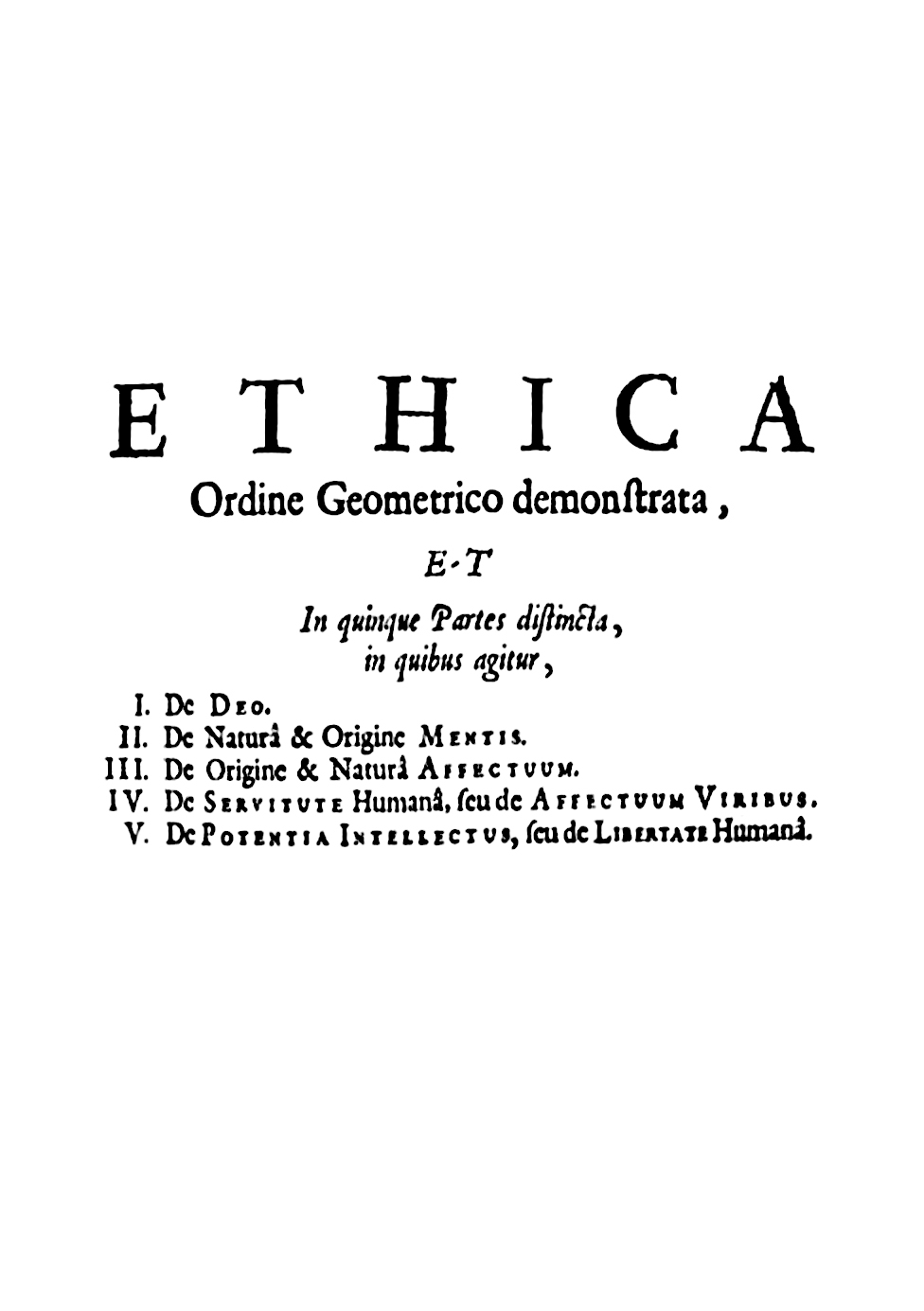 Book
Primary source
Ethics
Benedictus de Spinoza · 1677 (written 1661-1675)
 Book
Primary source
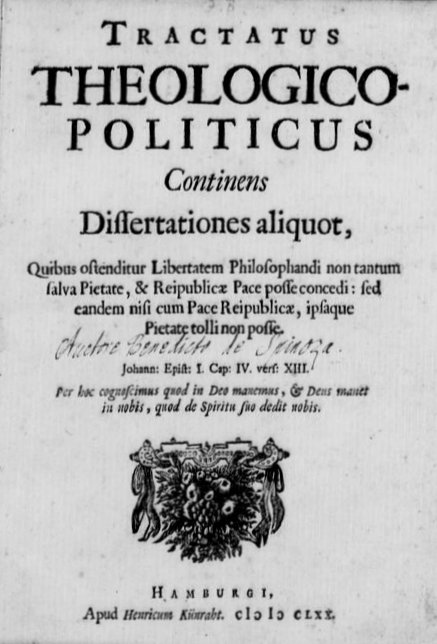
Tractatus Theologico-Politicus
Benedictus de Spinoza · 1670
 Painting
Primary source
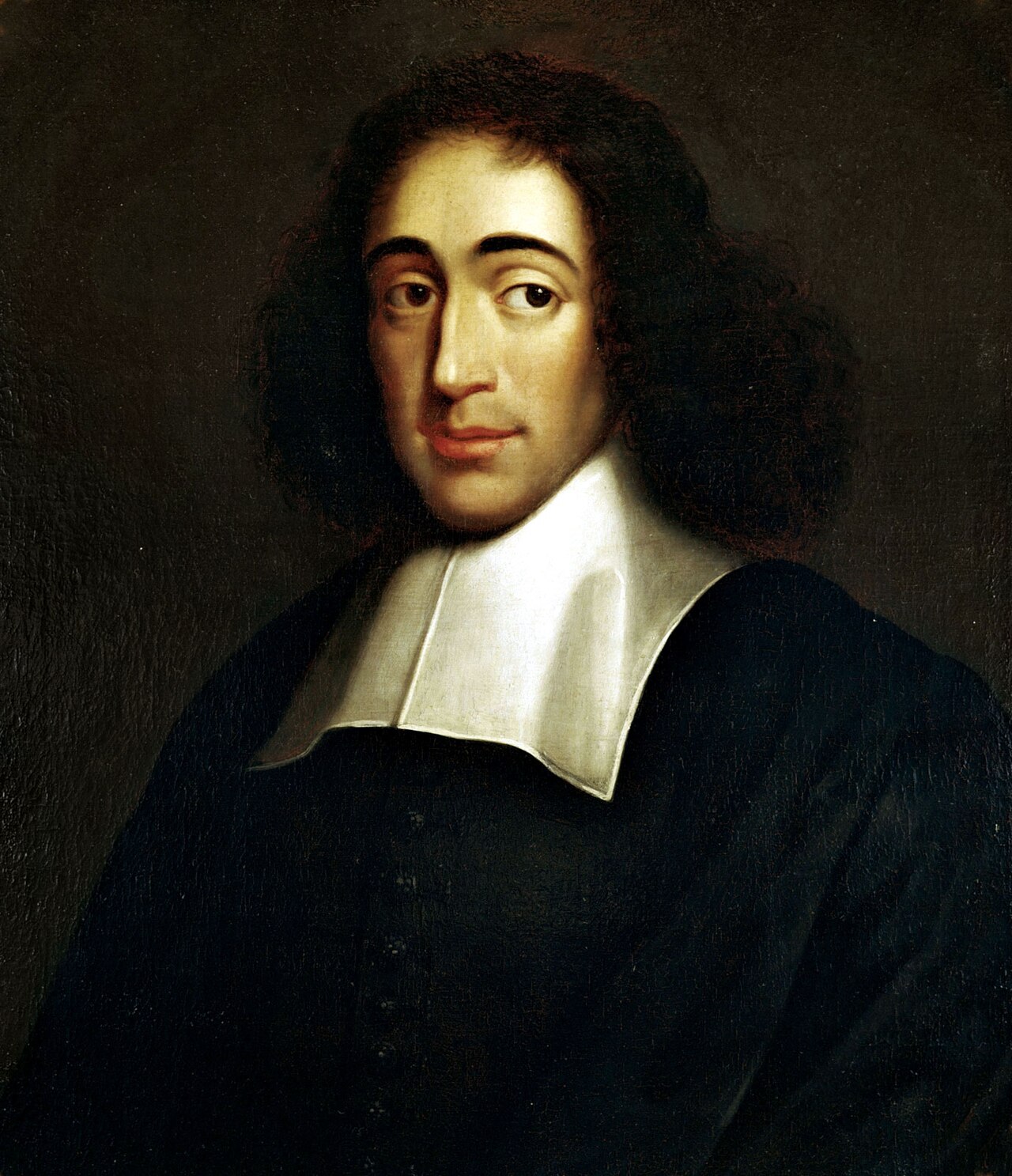
Portrait of Benedictus de Spinoza
Unknown · c. 1665
 Book
Primary source
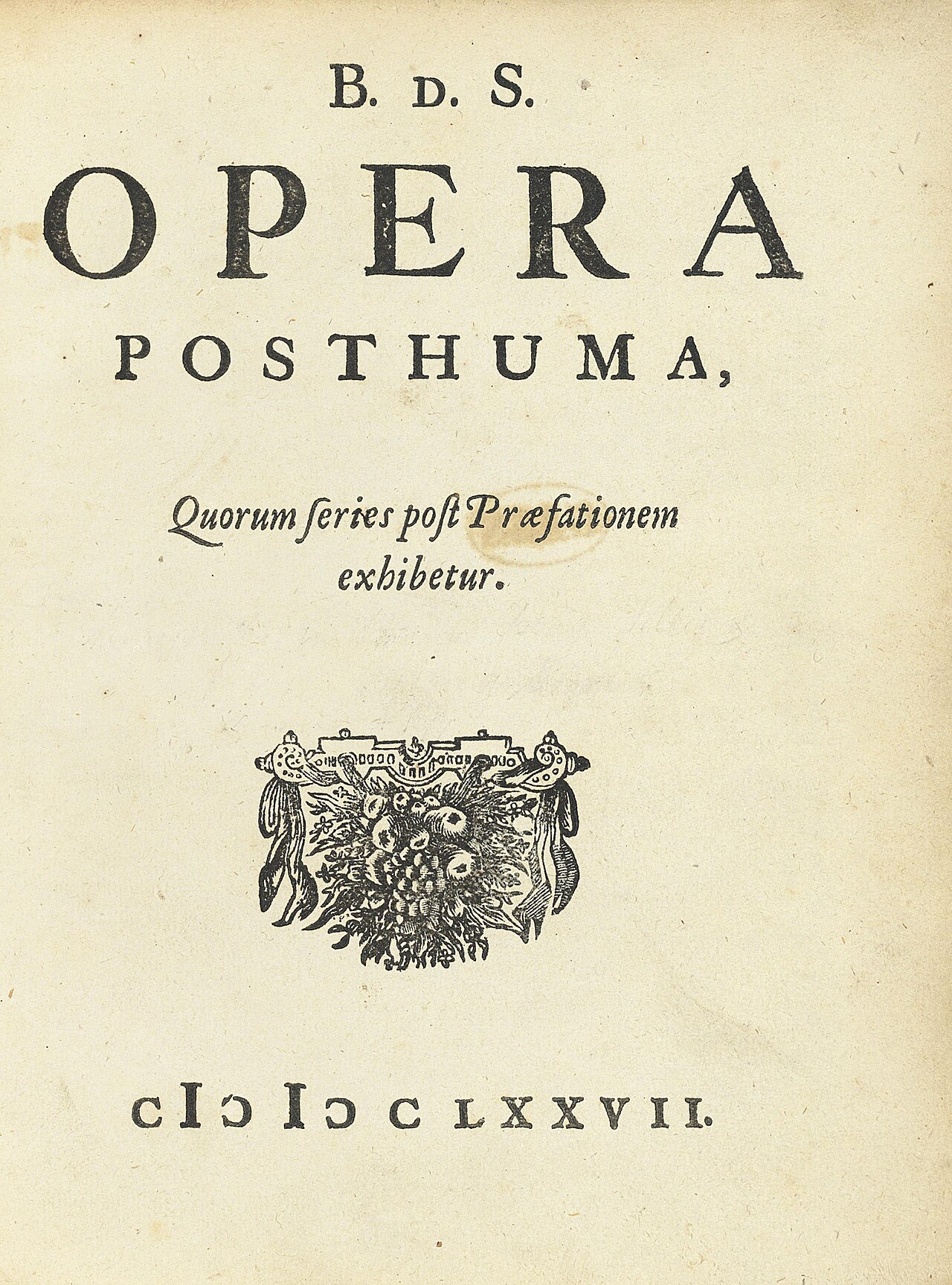
Opera Posthuma
Benedictus de Spinoza · 1677
 Letter
Primary source
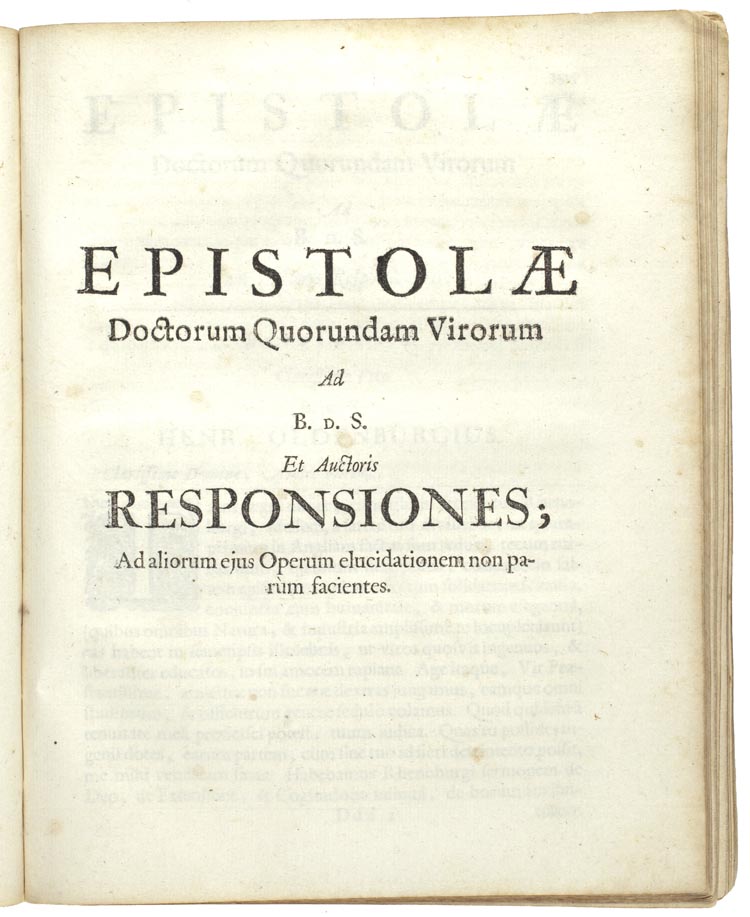
Epistolae, Correspondence of Benedict de Spinoza
Benedictus de Spinoza · 1661-1676, published 1677
Ready when you are
Start chatting with Baruch Spinoza now.
20 messages free · No credit card · Available in 50+ languages.