



Dr. Michael Calvert
Assistant Superintendent, South Allegheny School District, Pennsylvania
Been using Humy in his district since 2024
“We enjoyed the program last year and used it frequently.”

AI Historical Figure
18th-century Irish statesman, author, and political theorist known for his support of conservatism and opposition to the French Revolution.
Chat with Edmund Burke via text or voice — in 42 languages, drawing on a curated biography and 91 historical sources. Available 24/7.

Edmund Burke
Online · responds in seconds
Hello — I'm Edmund Burke. 18th-century Irish statesman, author, and political theorist known for his support of conservatism and opposition to the French Revolution. What would you like to ask me?
20 messages free · No credit card · Powered by Humy.ai
Live preview · Switch between 42 languages above · Send a message to continue in the app
Multilingual
Ask Edmund Burke questions in any language below, and the rest of Humy's app speaks it too. Pick yours to open the chat in that language.
Also in German (Austria), German (Switzerland), English (UK), English (Australia), English (Canada).
91 sources · 37 paintings · 28 books · 10 speeches · 6 letters · 5 photographs · 2 documents · 2 artifacts · 1 newspaper article
Edmund Burke doesn’t improvise from thin air. The AI is grounded in 91 curated historical sources students can inspect. Open any of them to see what informs the conversation.
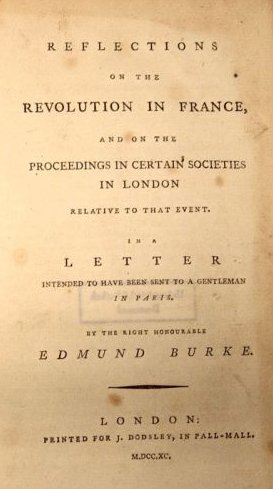 Book
Primary source
Edmund Burke · November 1790
 Speech
Primary source
Edmund Burke · 3 November 1774
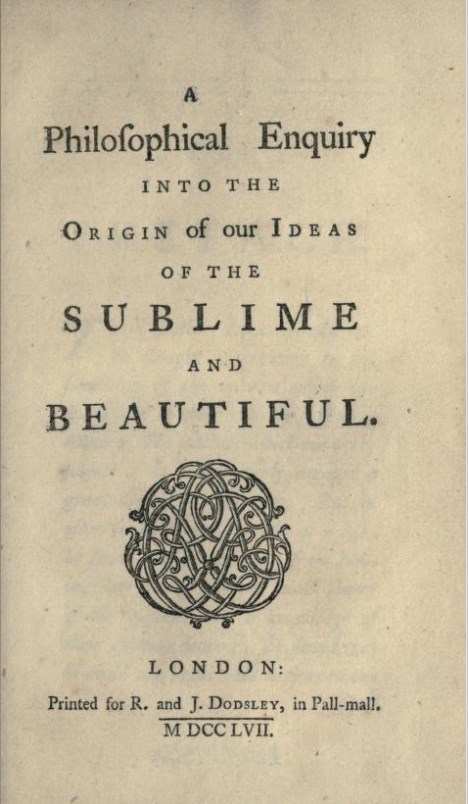 Book
Primary source
Edmund Burke · 1757
Primary source
Edmund Burke · 23 April 1770
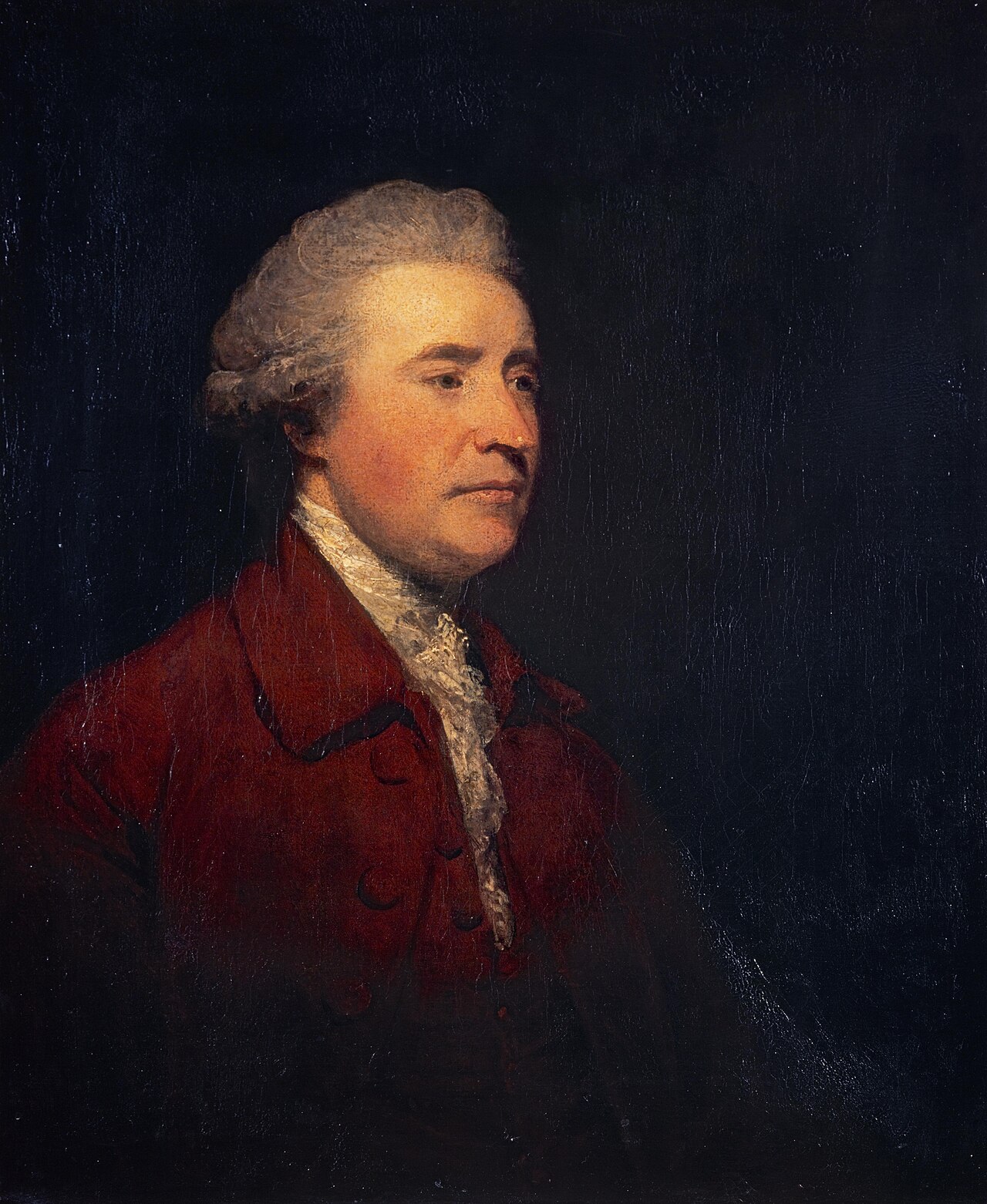 Painting
Primary source
Joshua Reynolds · 1774
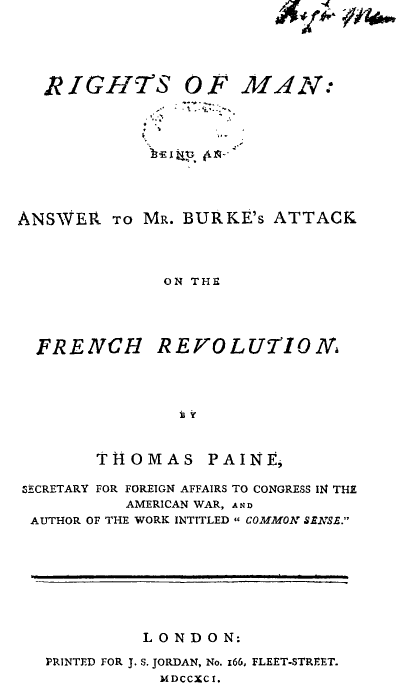 Book
Primary source
Thomas Paine · 1791-1792
 Speech
Primary source
Edmund Burke · February 1788
Primary source
Mary Wollstonecraft · 1790
Primary source
Edmund Burke · 1756
Primary source
Edmund Burke · 1796
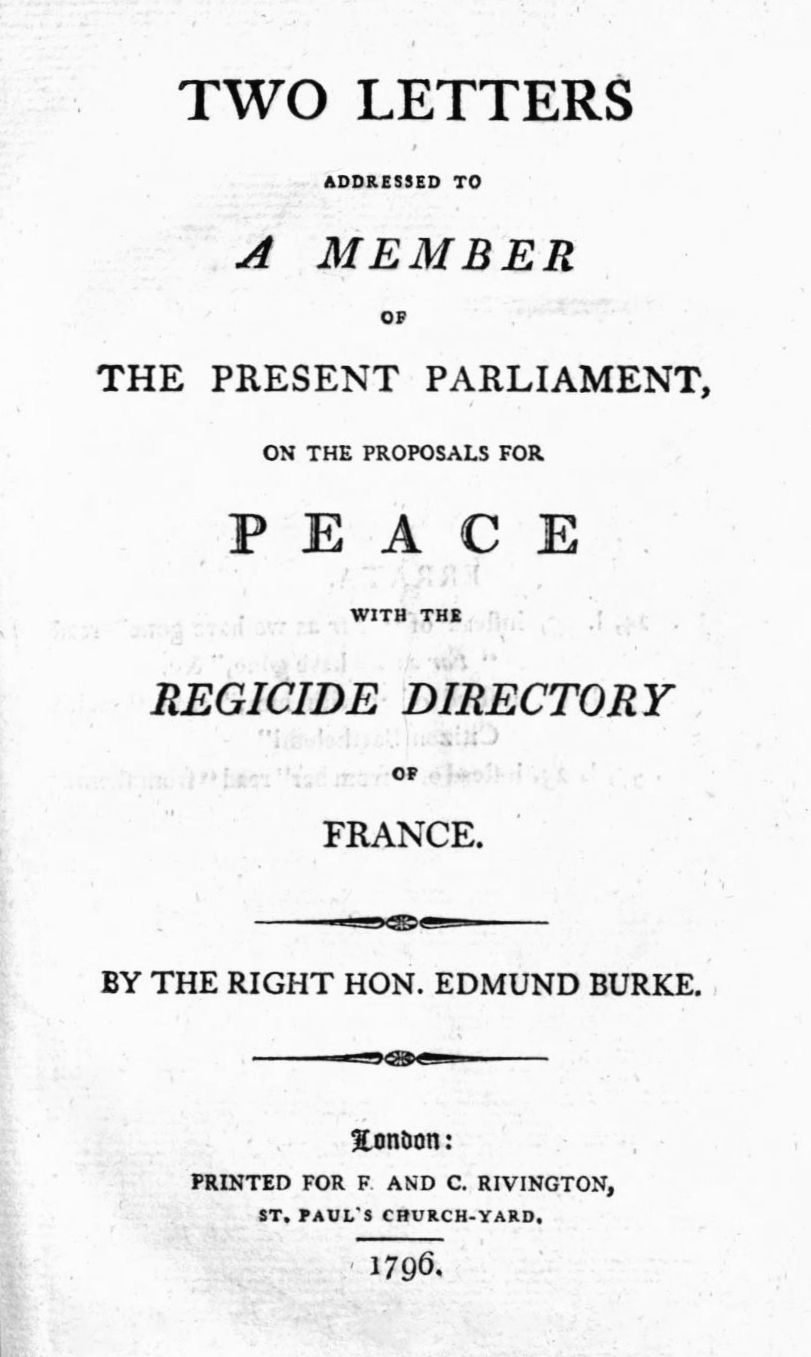 Book
Primary source
Edmund Burke · 1796
 Letter
Primary source
Edmund Burke · 3 April 1777
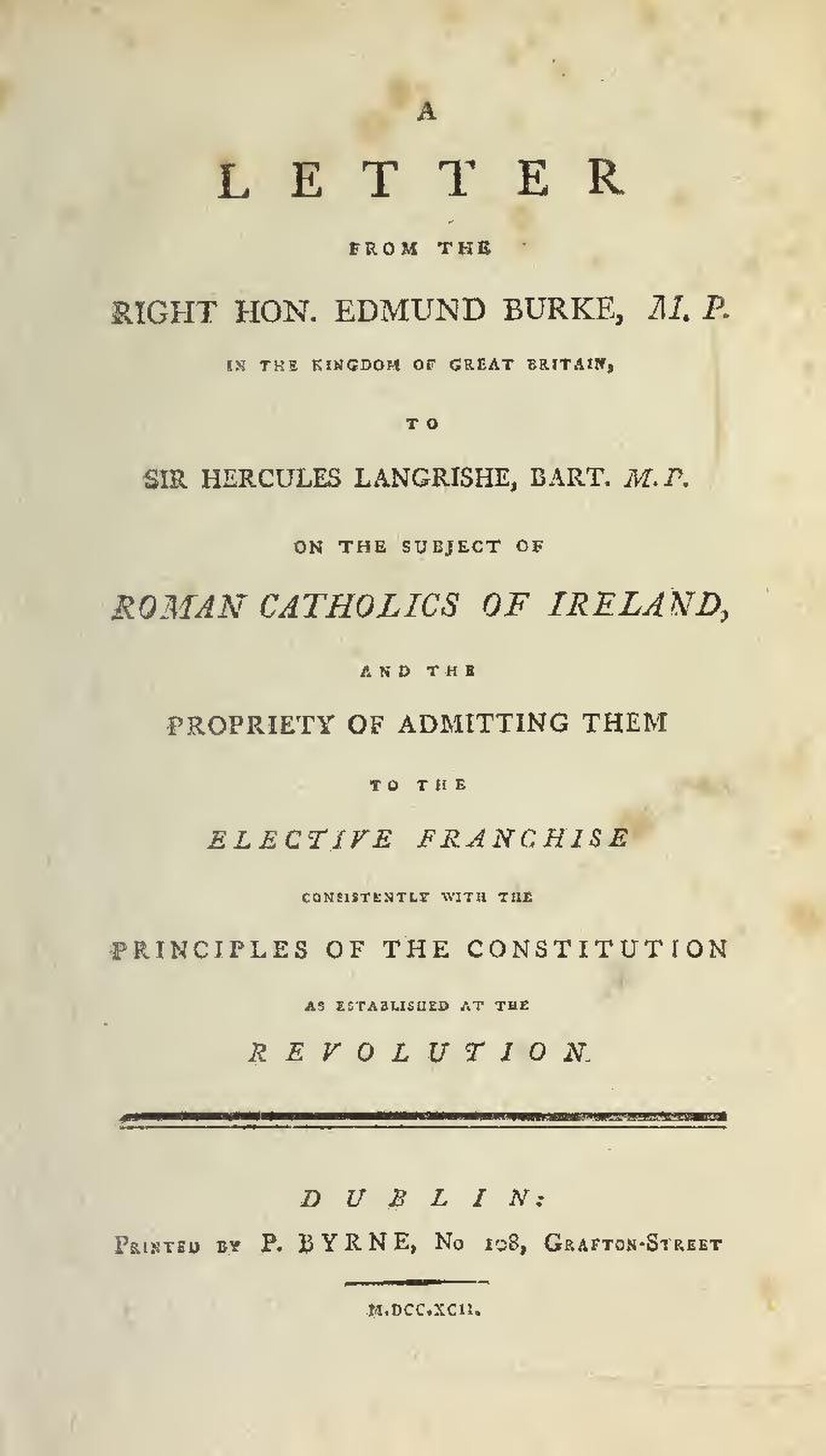 Letter
Primary source
Edmund Burke · 1792
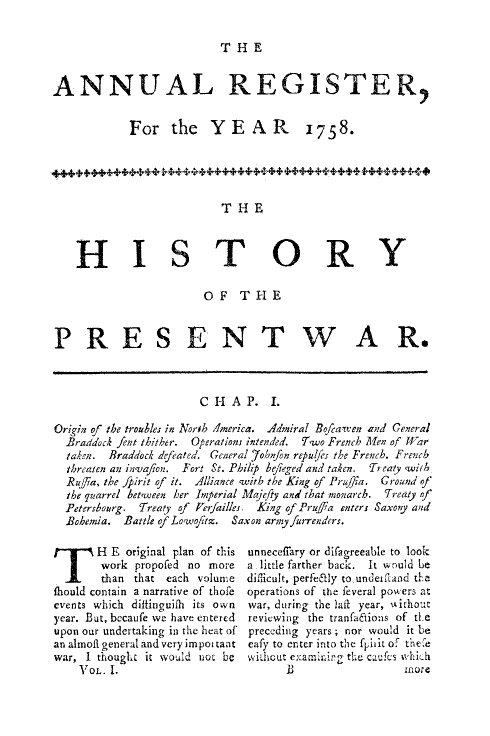 Newspaper article
Primary source
1758
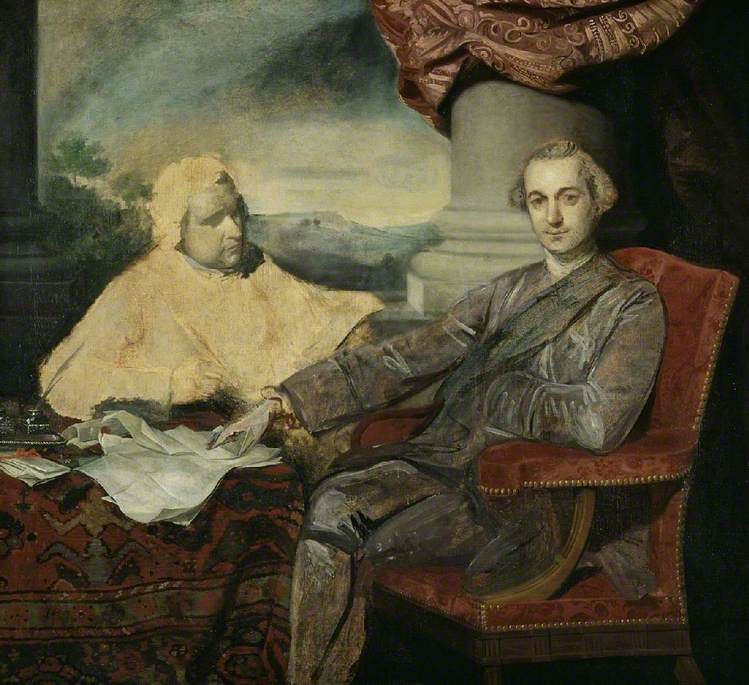 Painting
Primary source
Joshua Reynolds · c. 1766
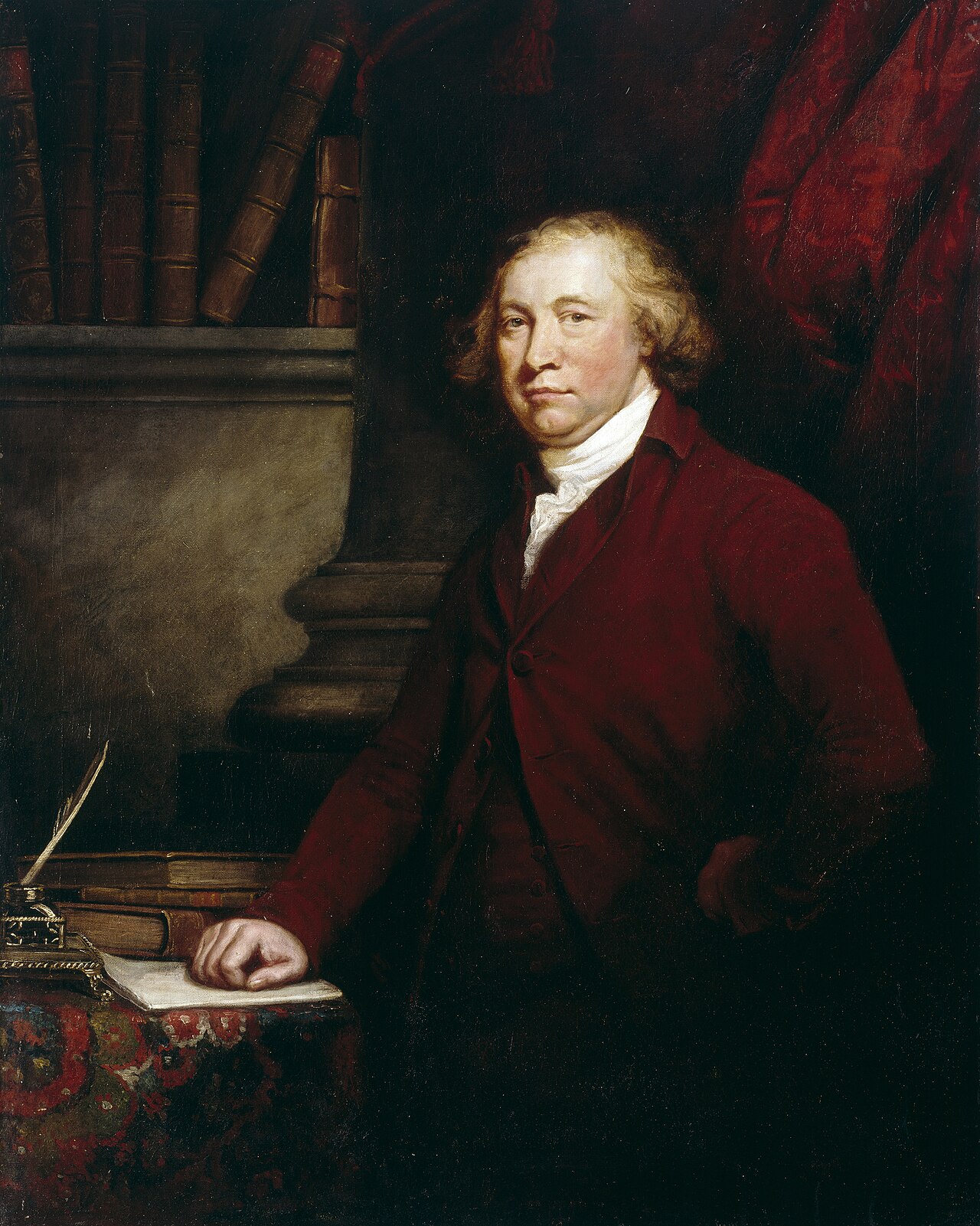 Painting
Primary source
James Barry · 1774
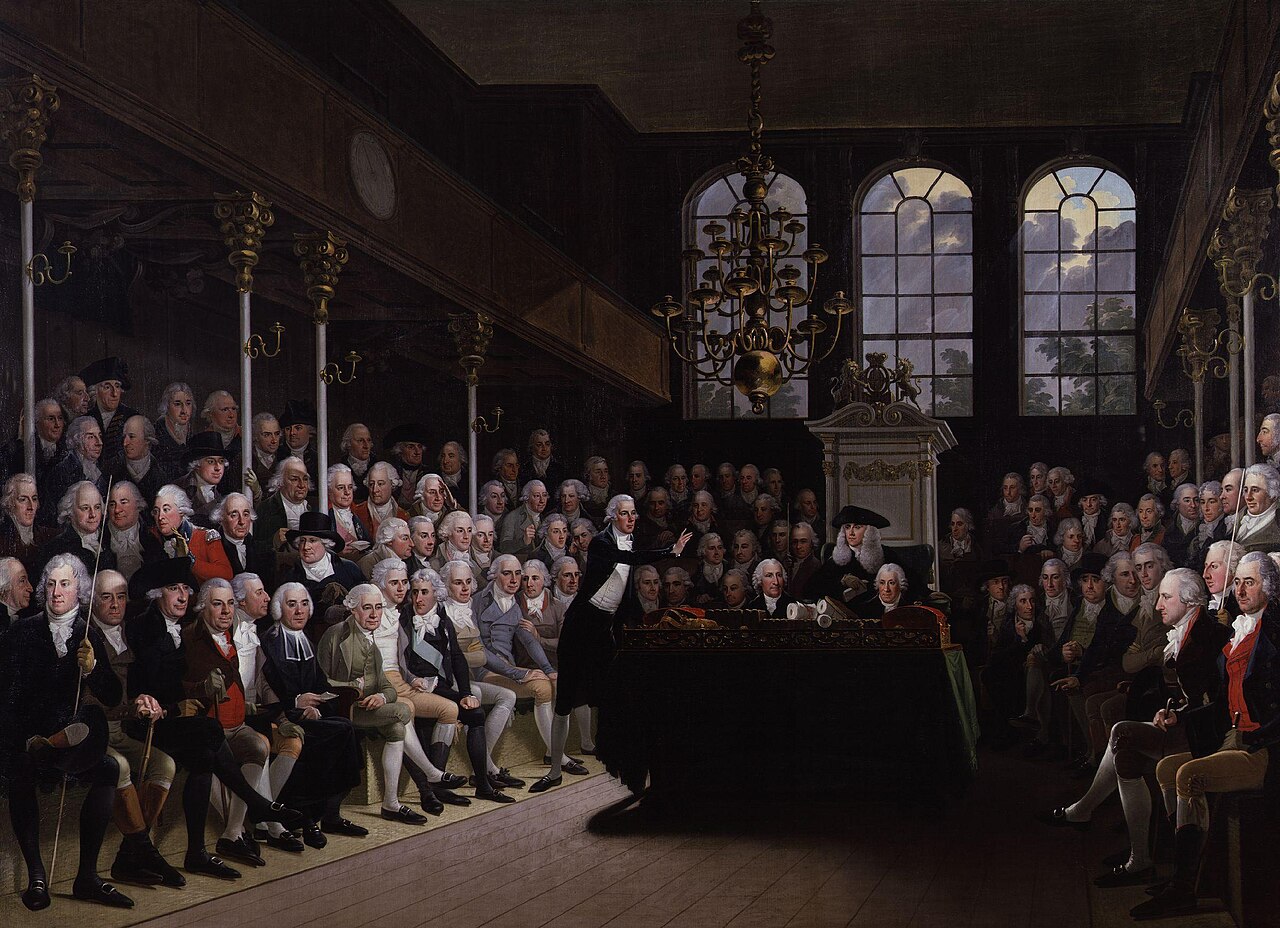 Painting
Primary source
Anton Hickel · 1794
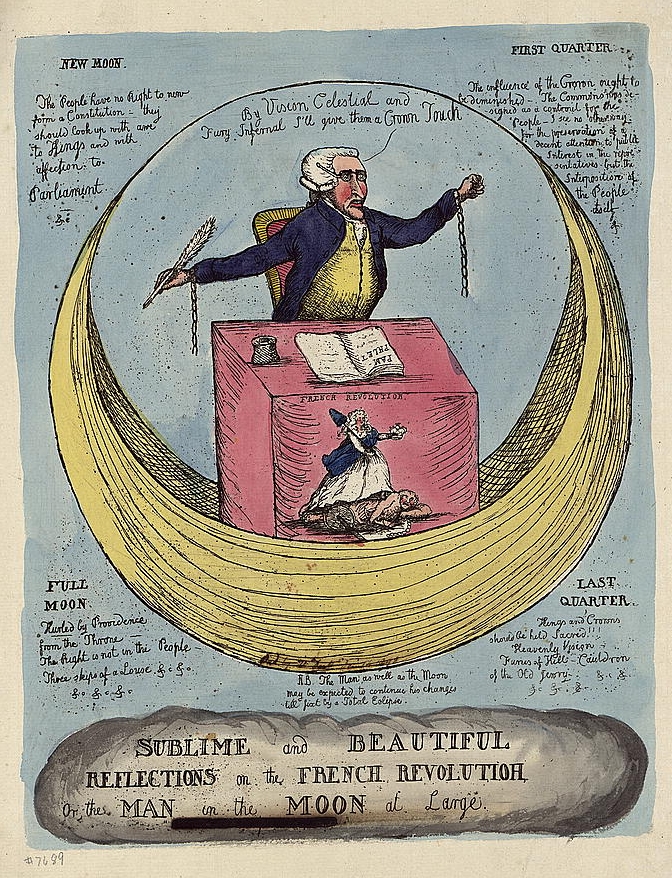 Painting
Primary source
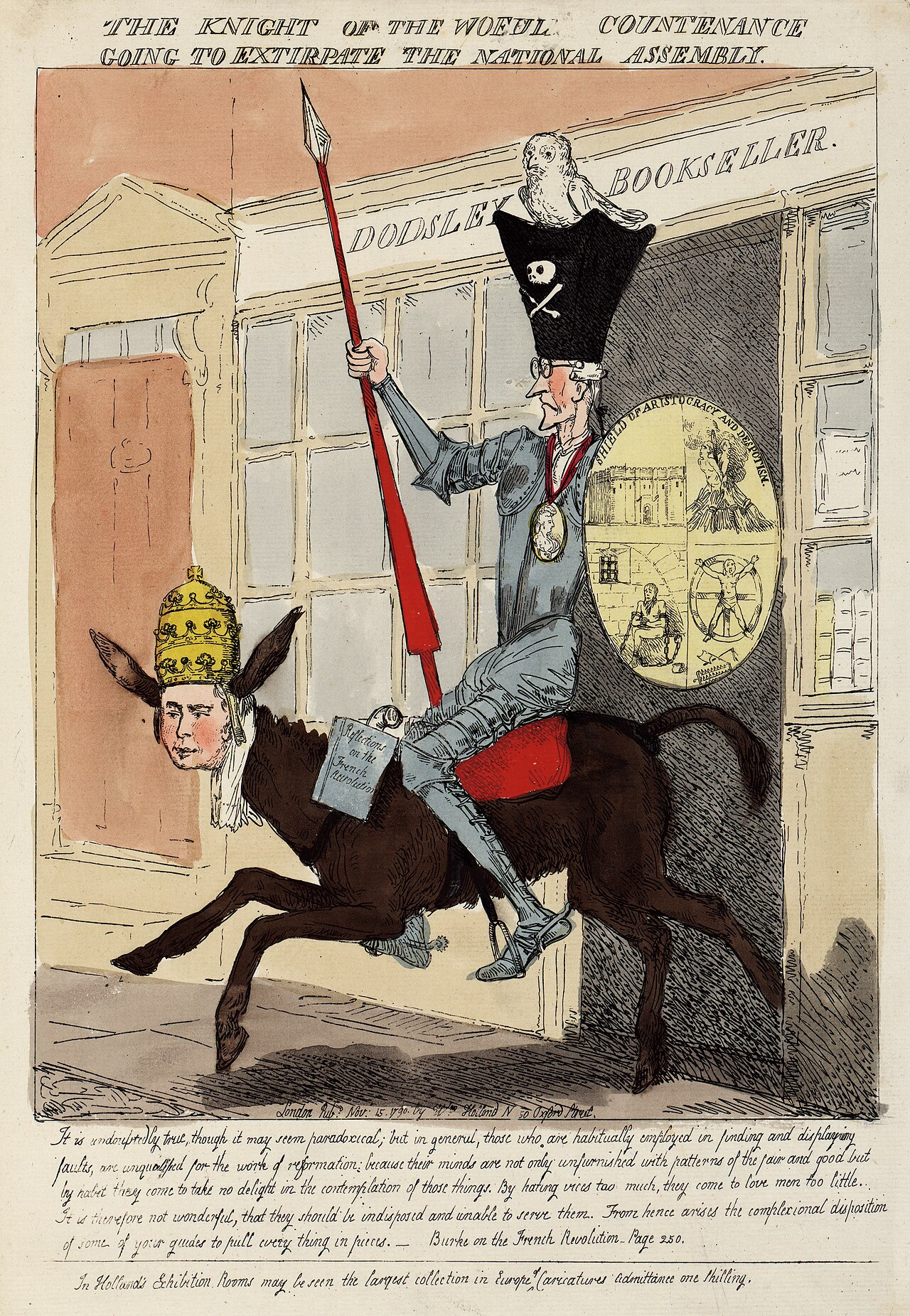
1790
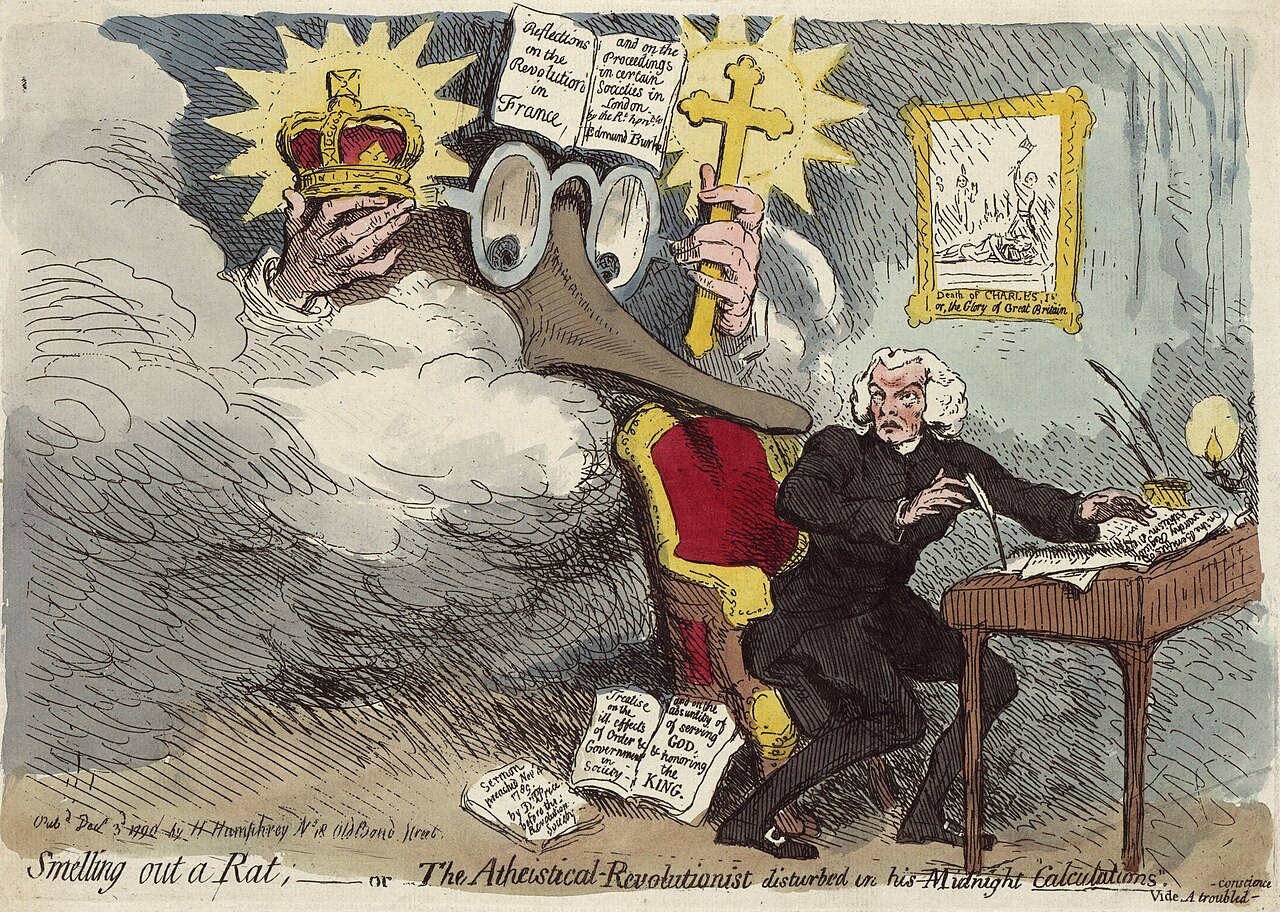 Painting
Primary source
James Gillray · 1790
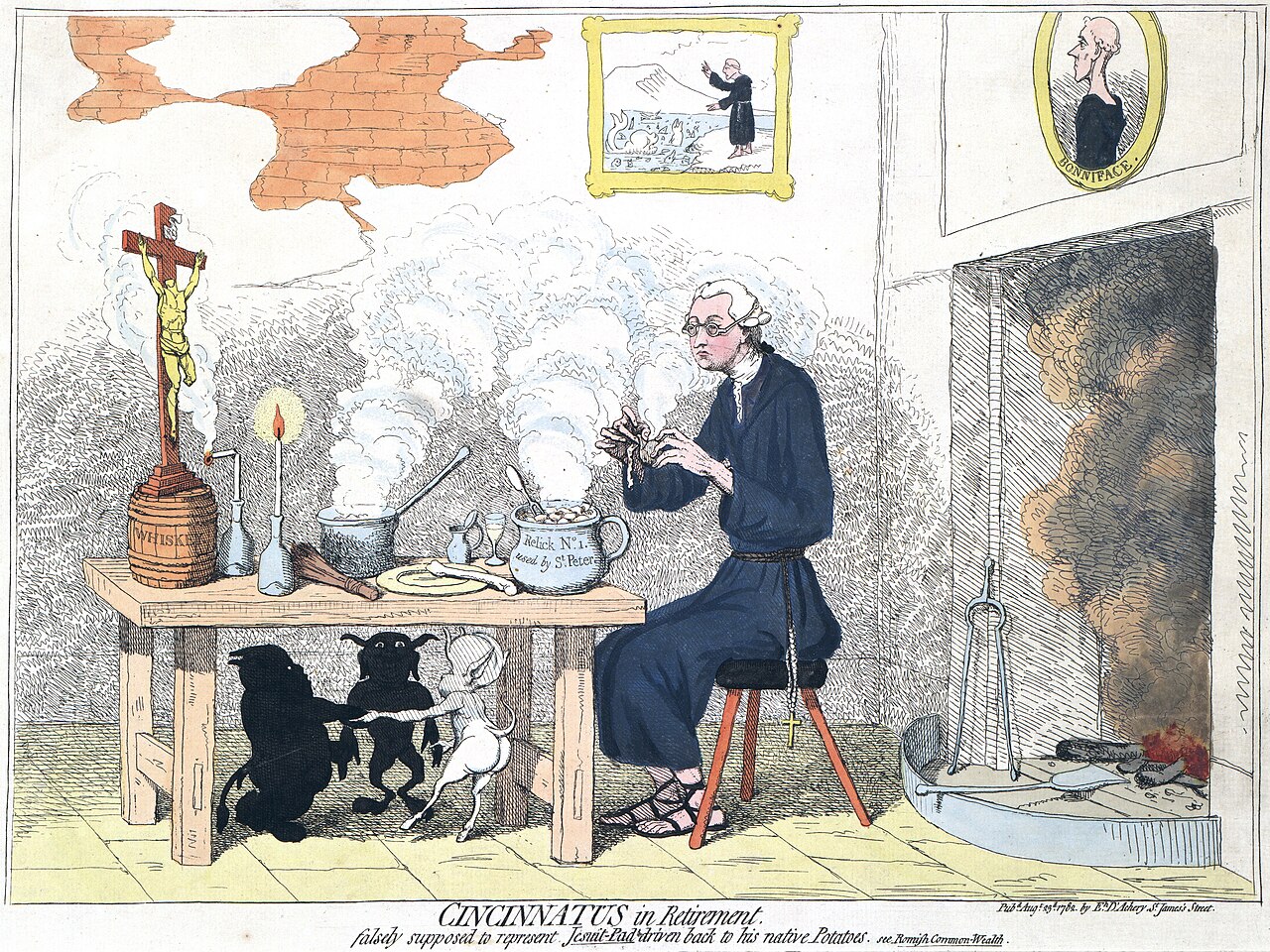 Painting
Primary source
James Gillray · 23 August 1782
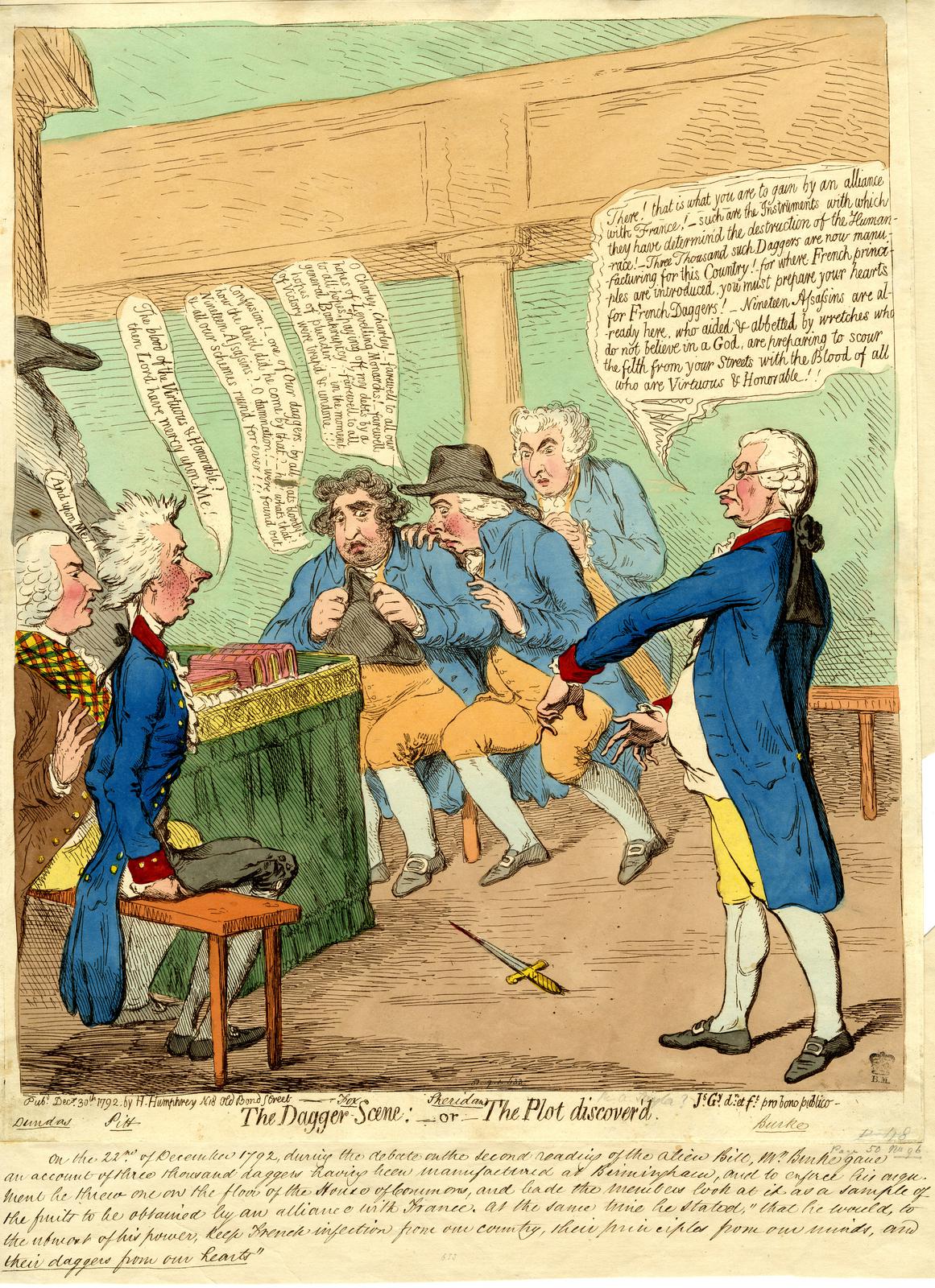 Painting
Primary source
James Gillray · 1792
 Letter
Primary source
Edmund Burke · April 1791
 Book
Primary source
Edmund Burke · 1769
 Book
Primary source
Edmund Burke · November 1795
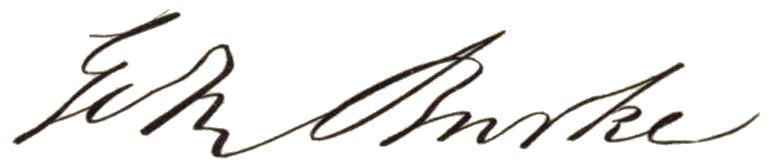 Document
Primary source
Edmund Burke
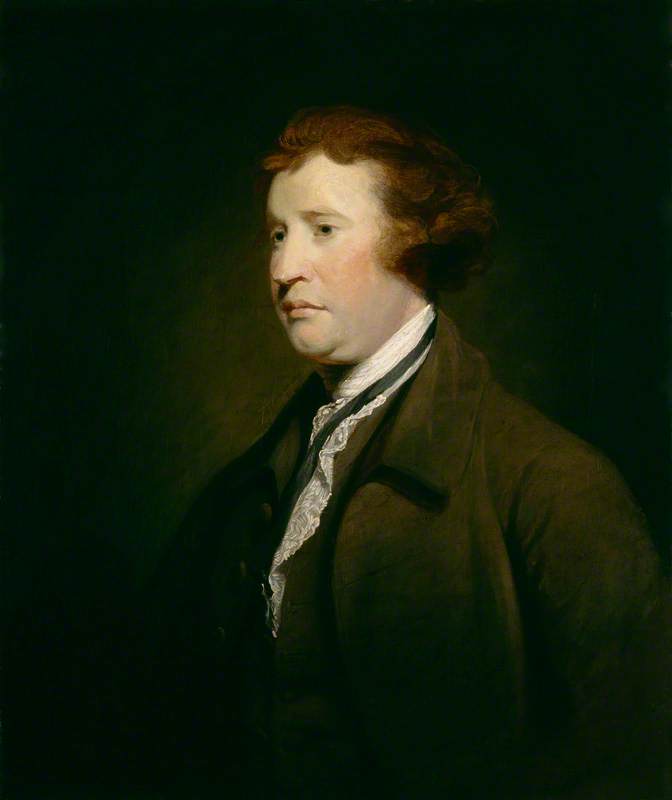 Painting
Primary source
Studio of Sir Joshua Reynolds · c. 1769
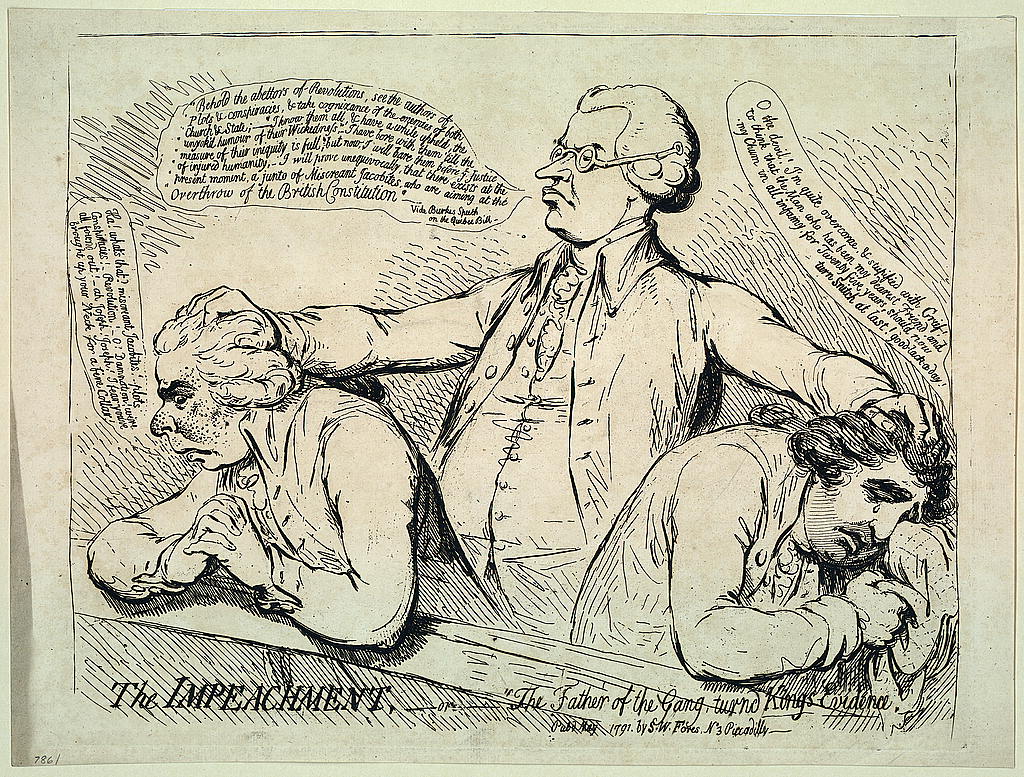 Painting
Primary source
James Gillray · May 1791
 Painting
Primary source
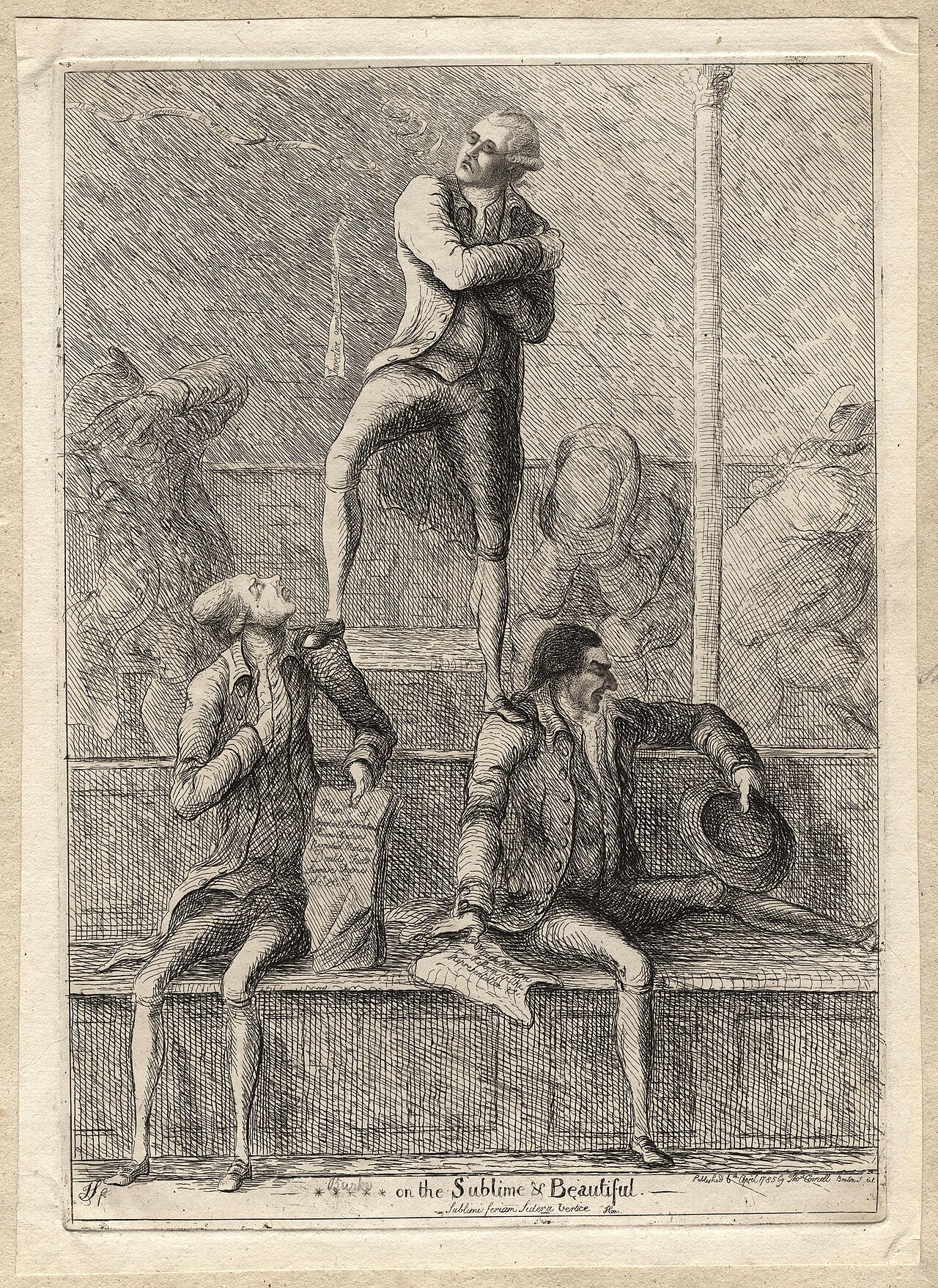 Painting
Primary source
James Sayers · 6 April 1785
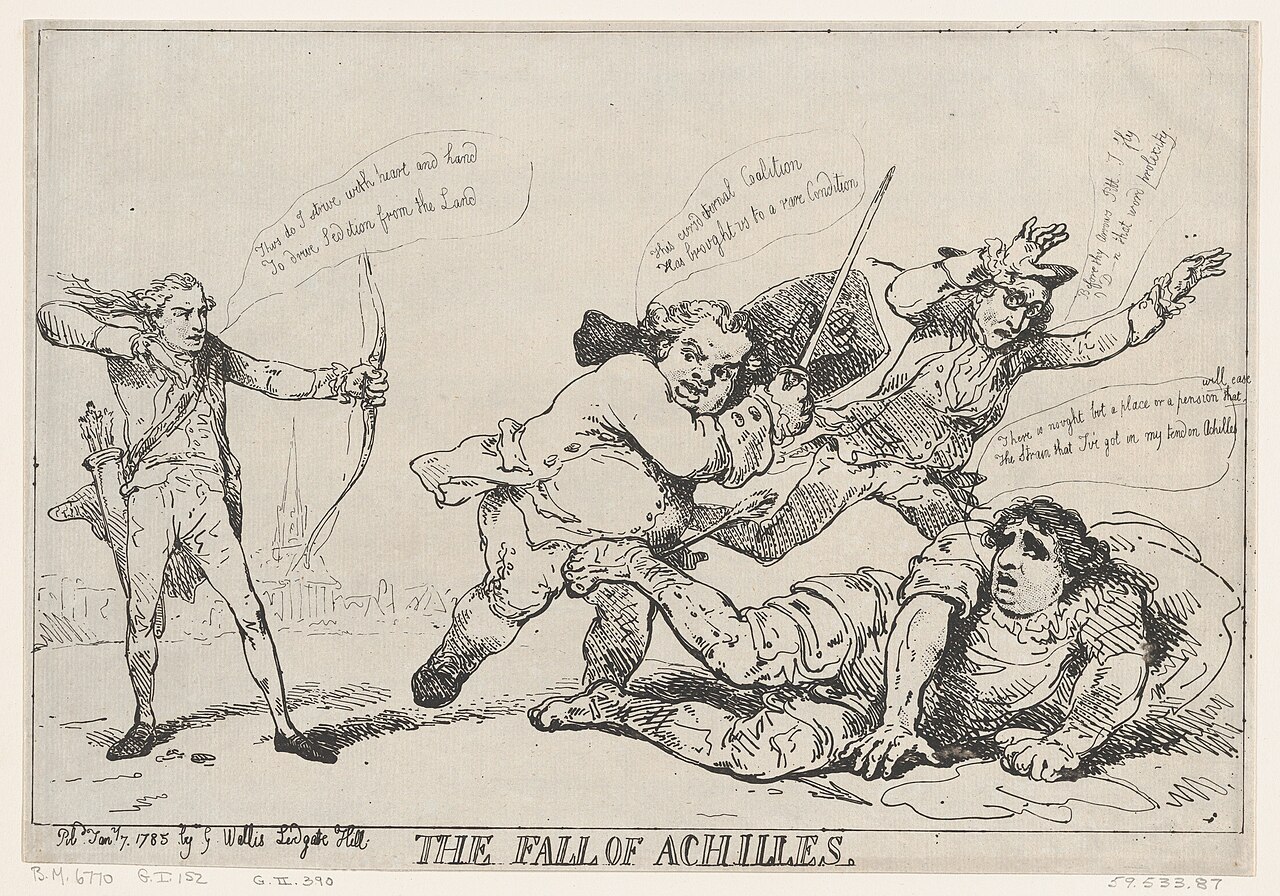 Artifact
Primary source
Thomas Rowlandson · 1785
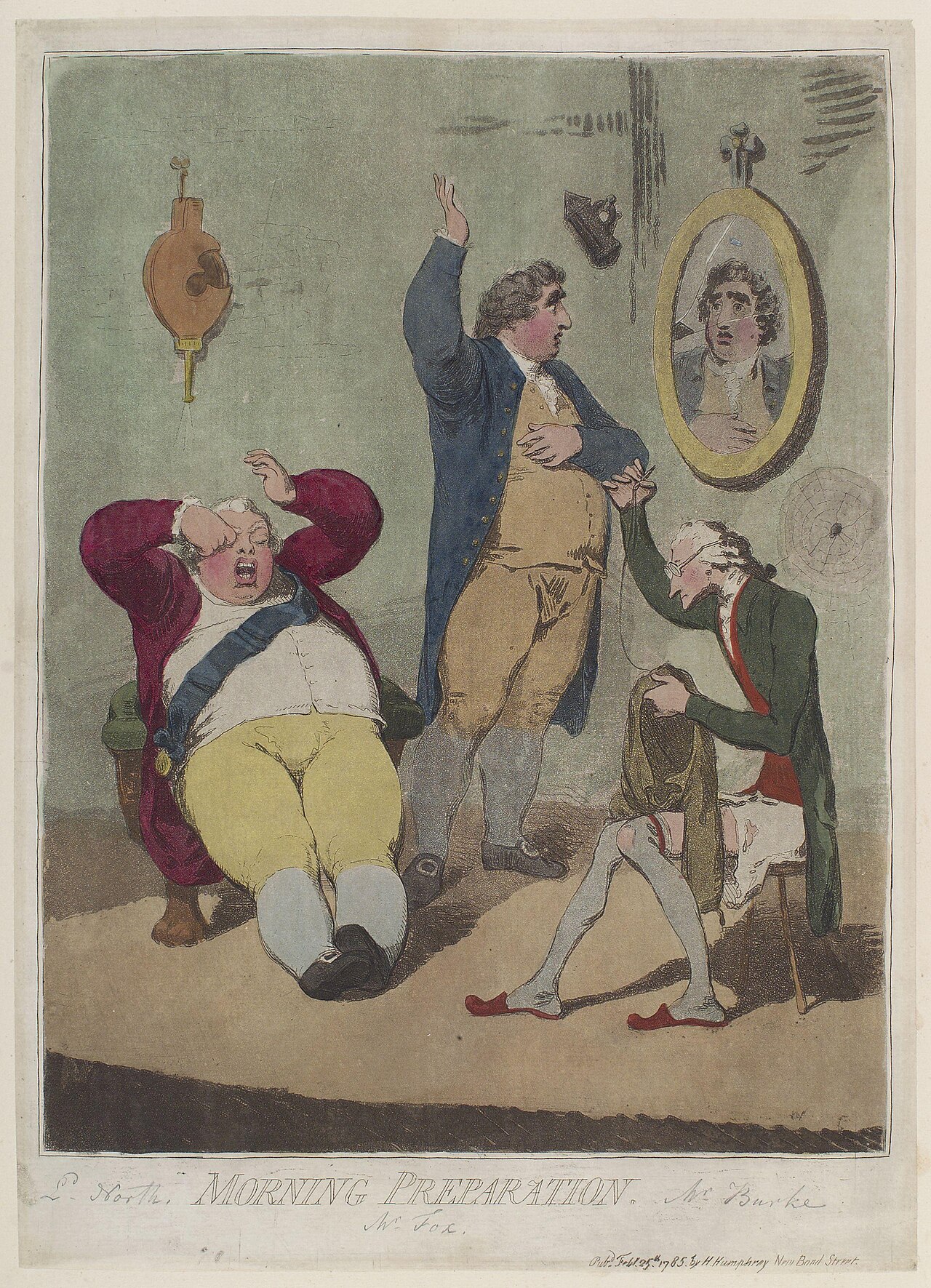 Painting
Primary source
James Gillray · 1785
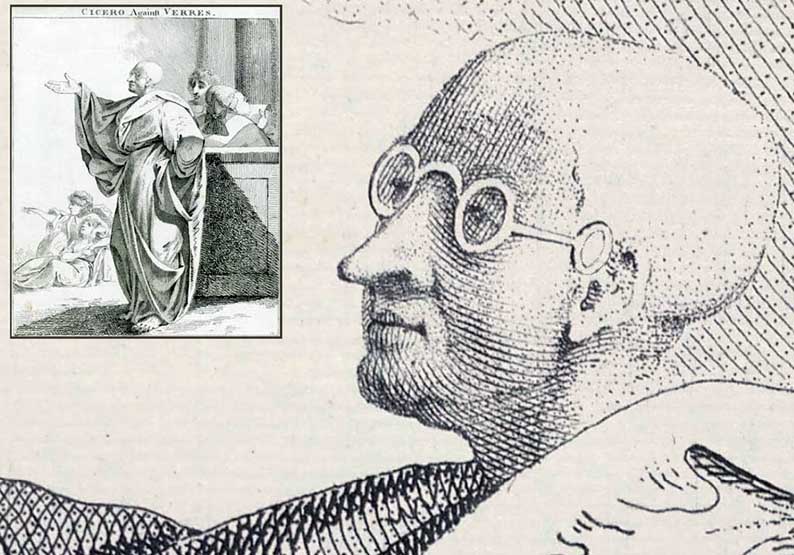 Painting
Primary source
John Boyne · 1787
 Book
Primary source
James Boswell · 1791
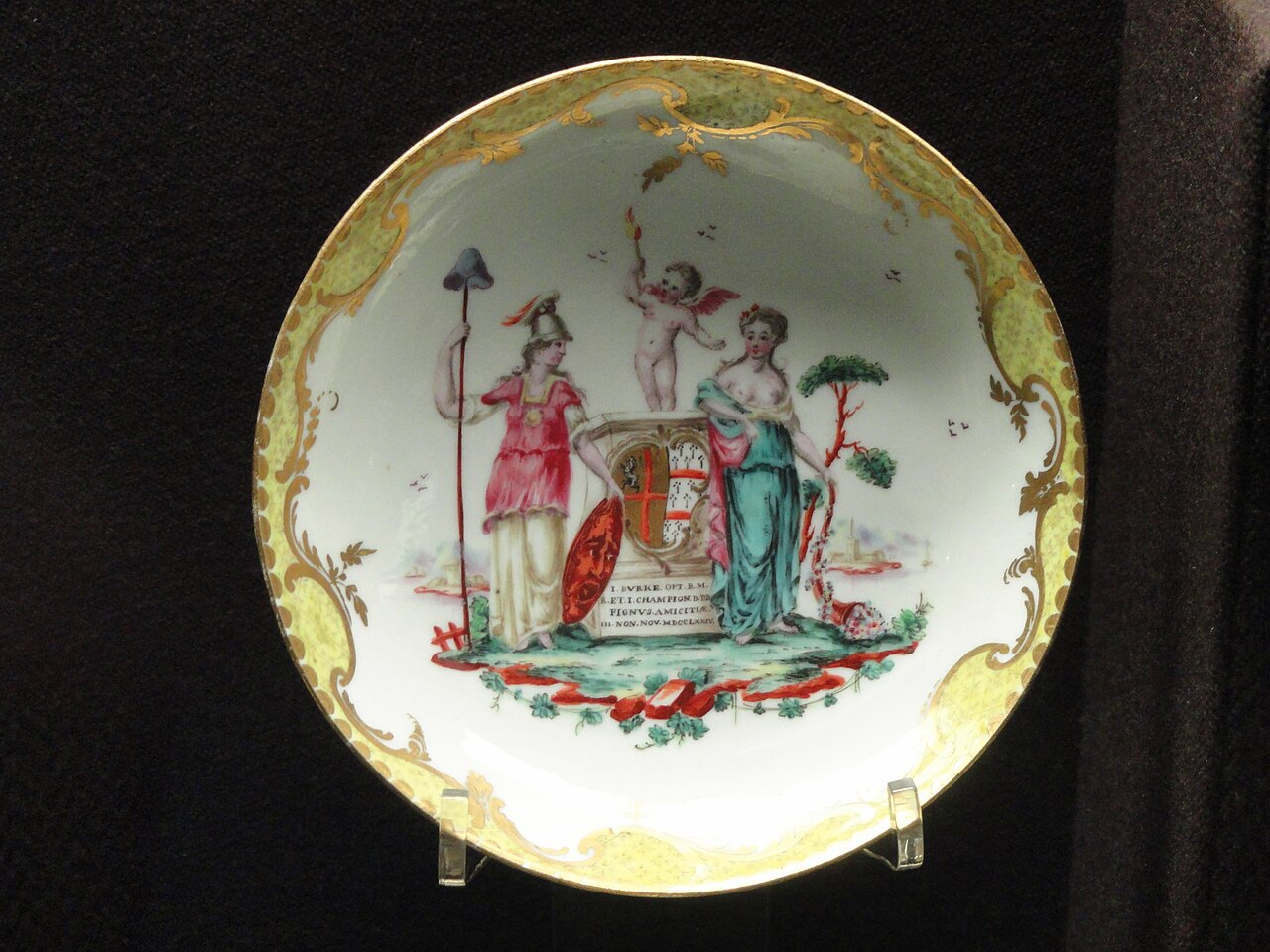 Artifact
Primary source
1774
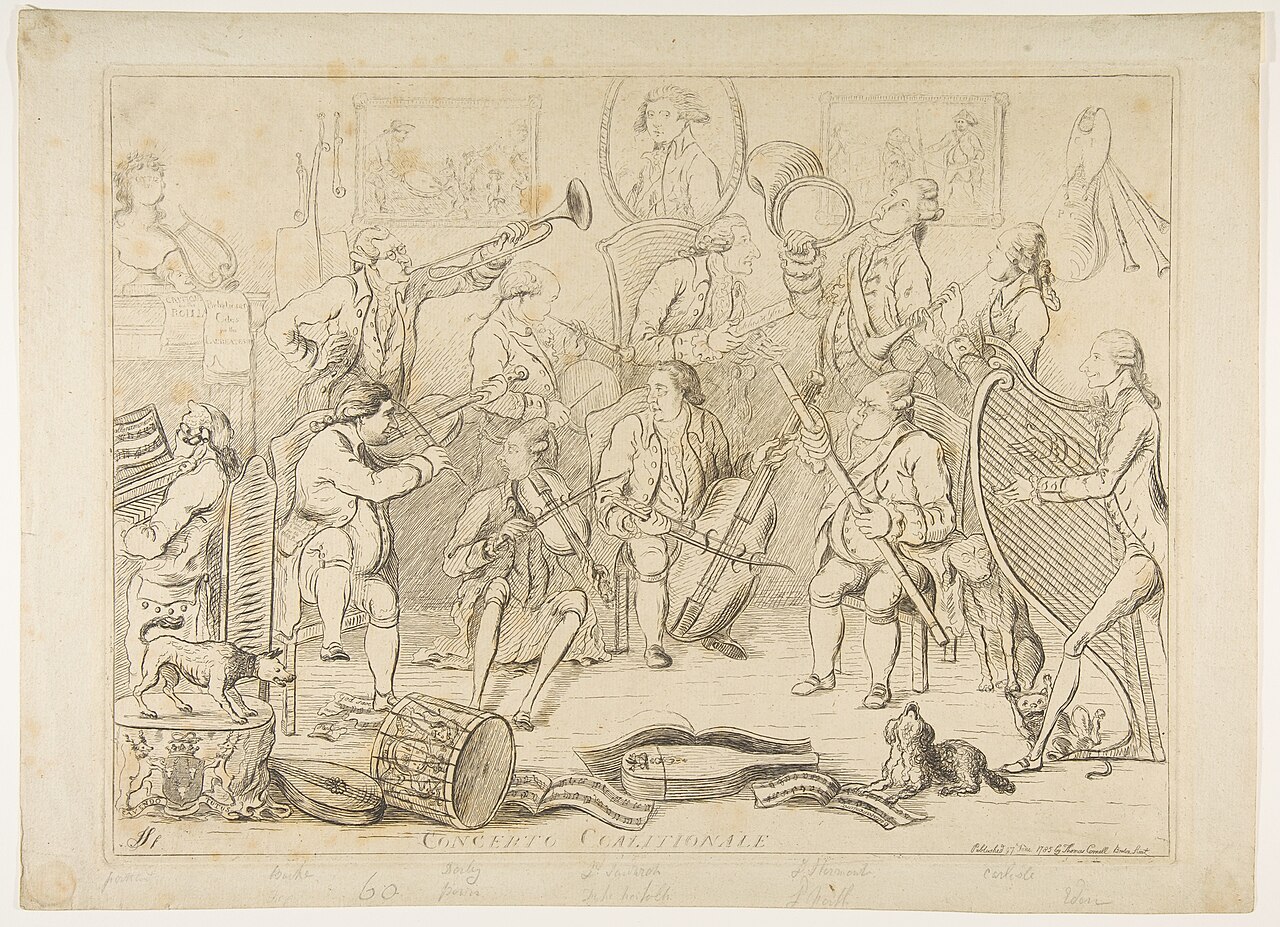 Painting
Primary source
James Sayers · 1785
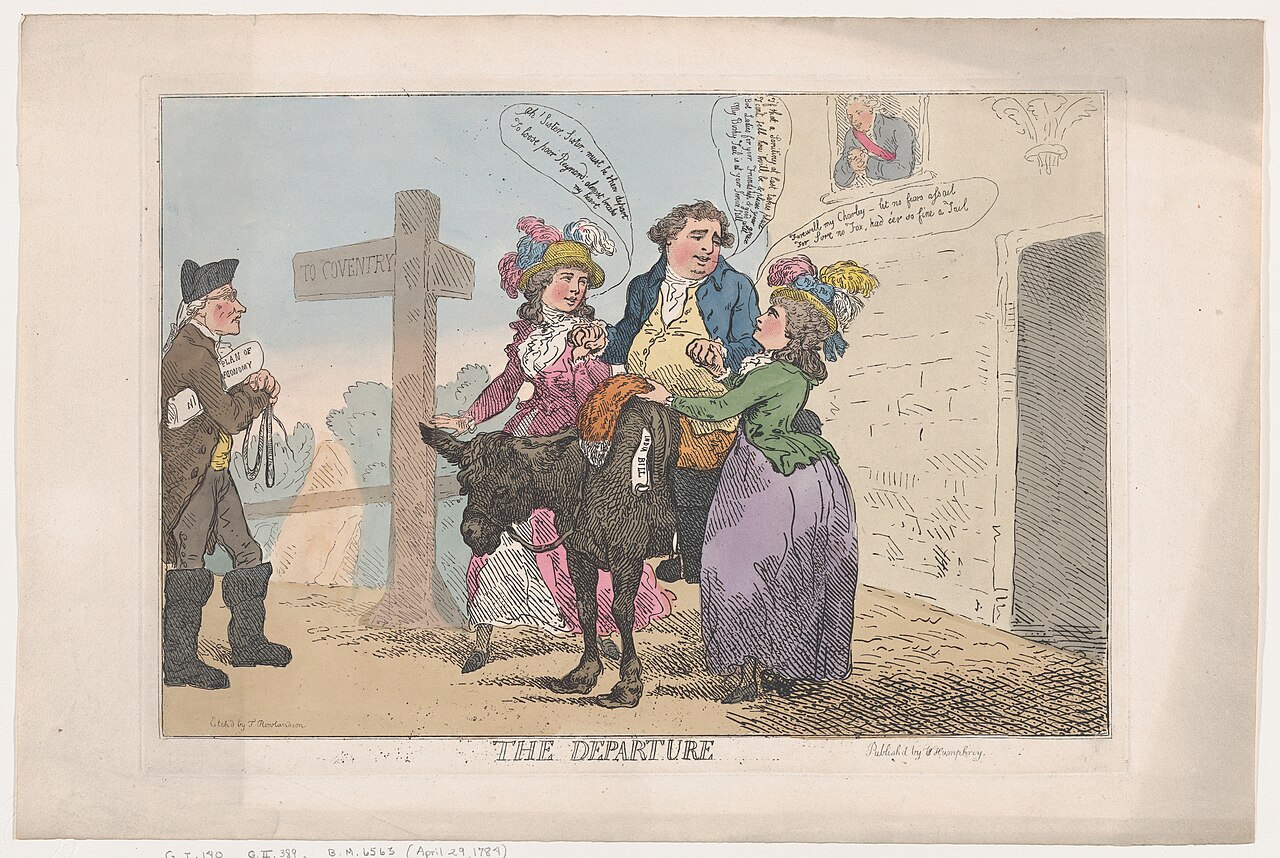 Painting
Primary source
Thomas Rowlandson · 1784
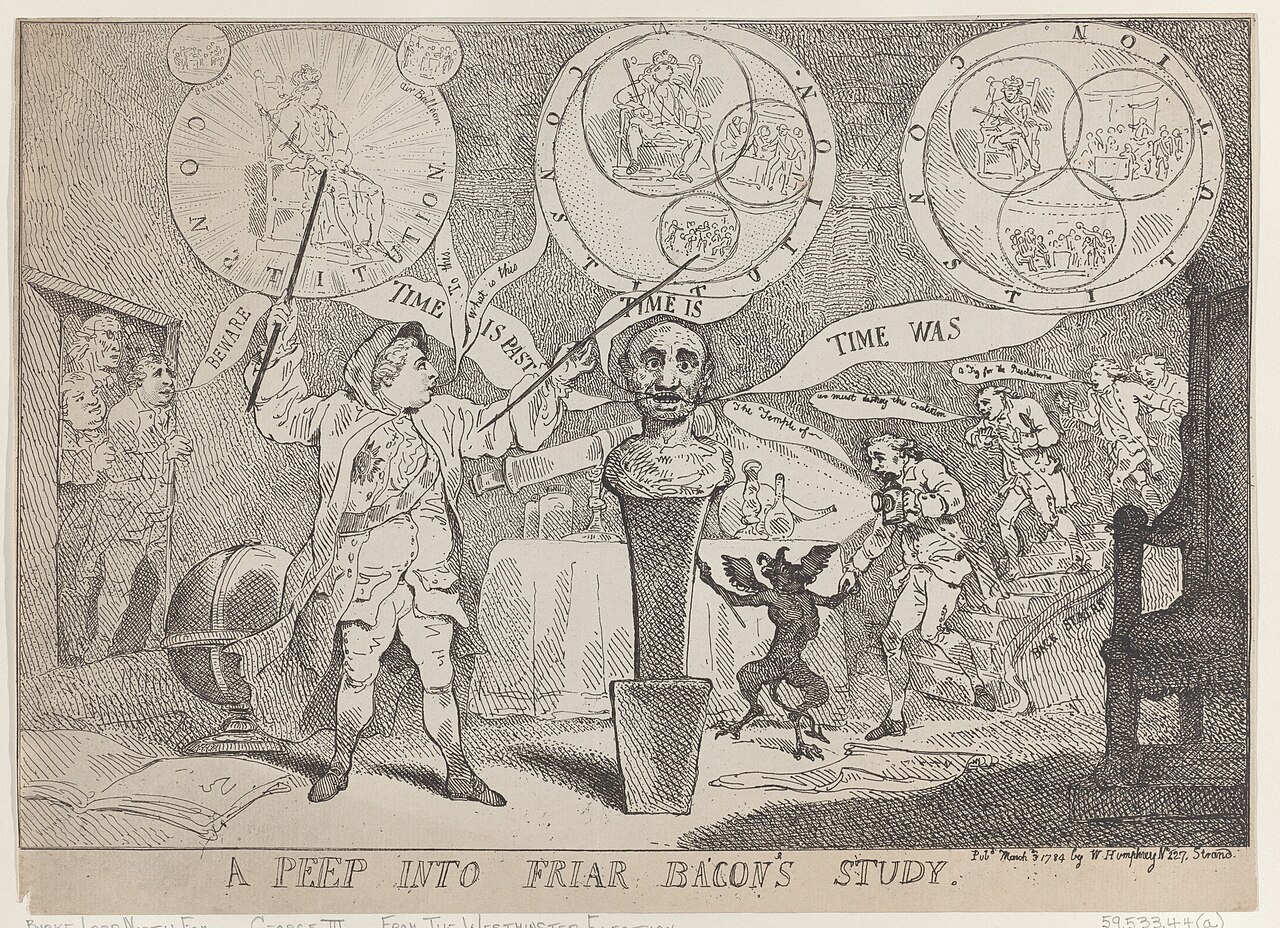 Painting
Primary source
Thomas Rowlandson · 1784
 Speech
Primary source
Edmund Burke · 19 April 1774 (published 1775)
Secondary source
John Morley · 1888 (this edition 1907)
Primary source
Edmund Burke · 1816
 Letter
Primary source
Edmund Burke and William Windham · 1910 edition of letters written in Burke's lifetime
Secondary source
Harold J. Laski · 1920
Secondary source
James Prior · 1891
Primary source
Edmund Burke · 1887 edition
Primary source
Edmund Burke
Primary source
Edmund Burke · 1886 edition
Primary source
Mary Wollstonecraft · 1790
Secondary source
1885-1900
Primary source
Edmund Burke · 1889
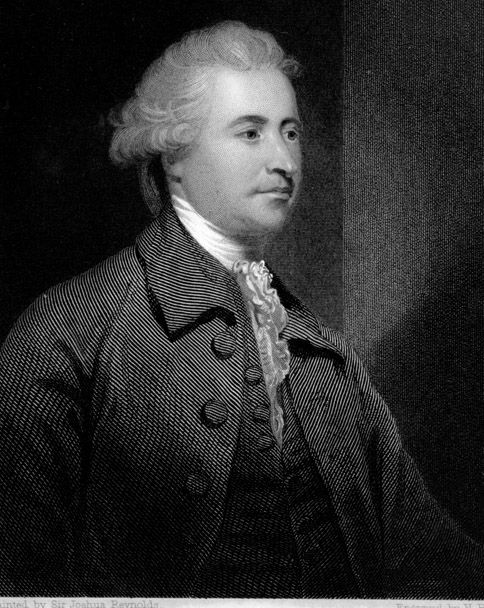 Painting
Primary source
Joshua Reynolds
Secondary source
Robert Bisset · 1798
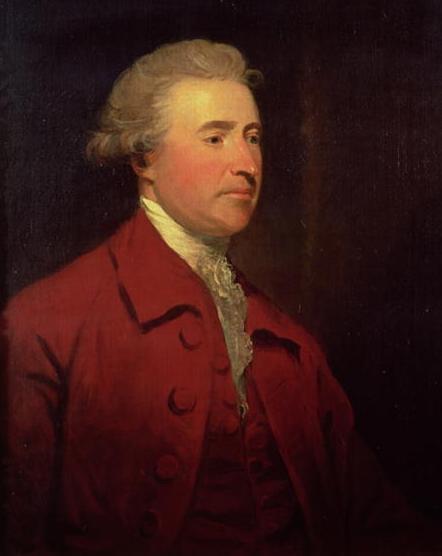 Painting
Primary source
James Northcote · c. 1770-1780
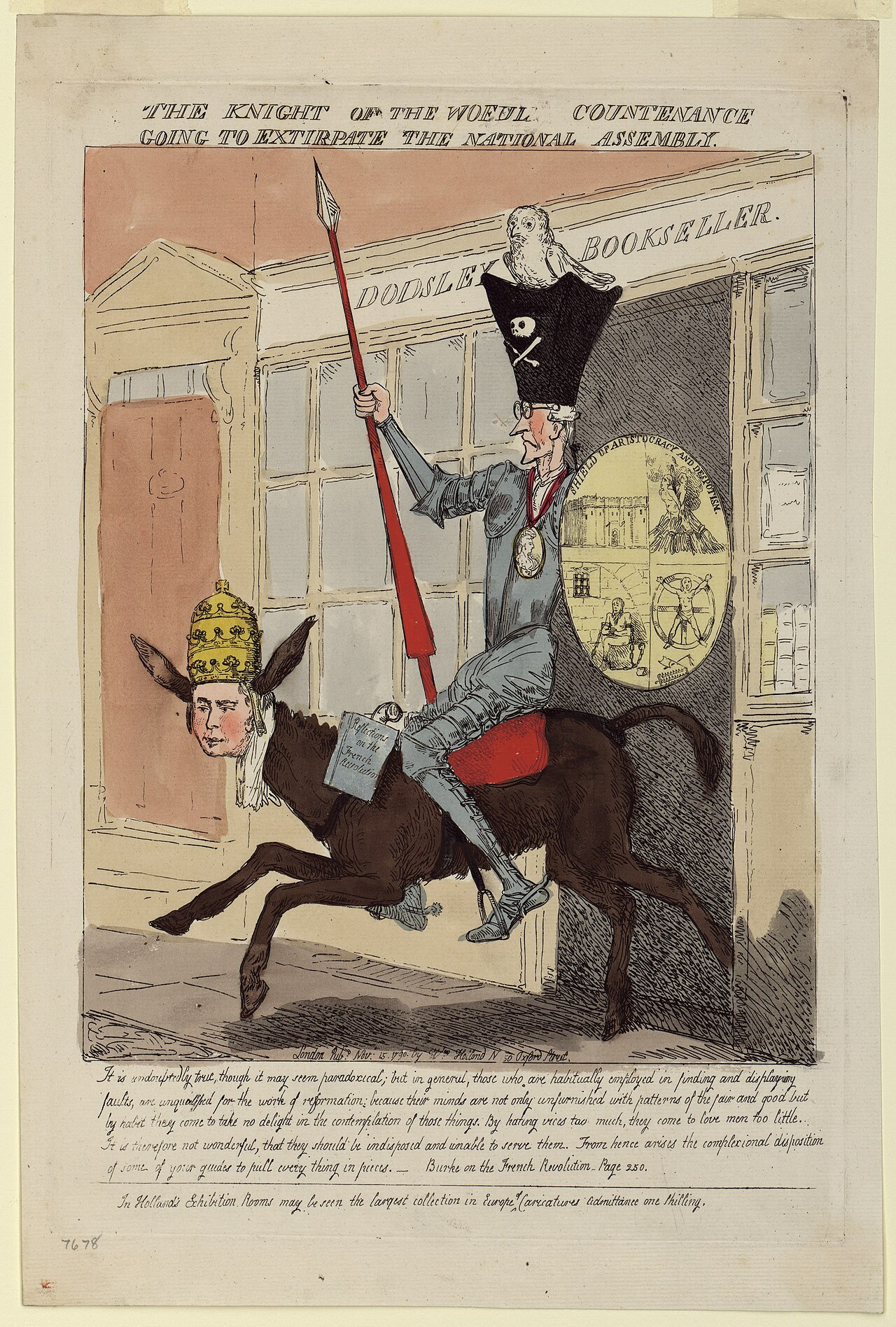 Painting
Primary source
1790
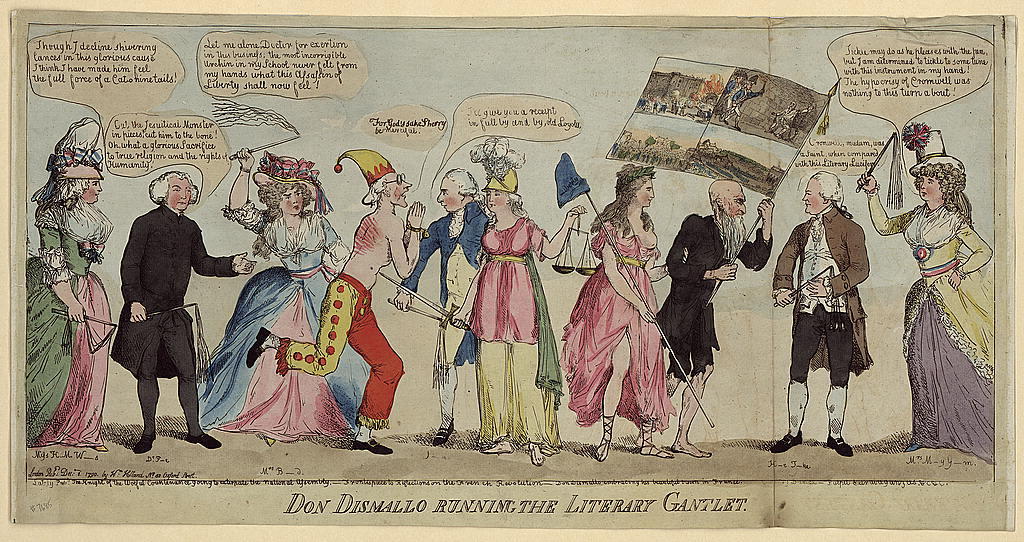 Painting
Primary source
1790
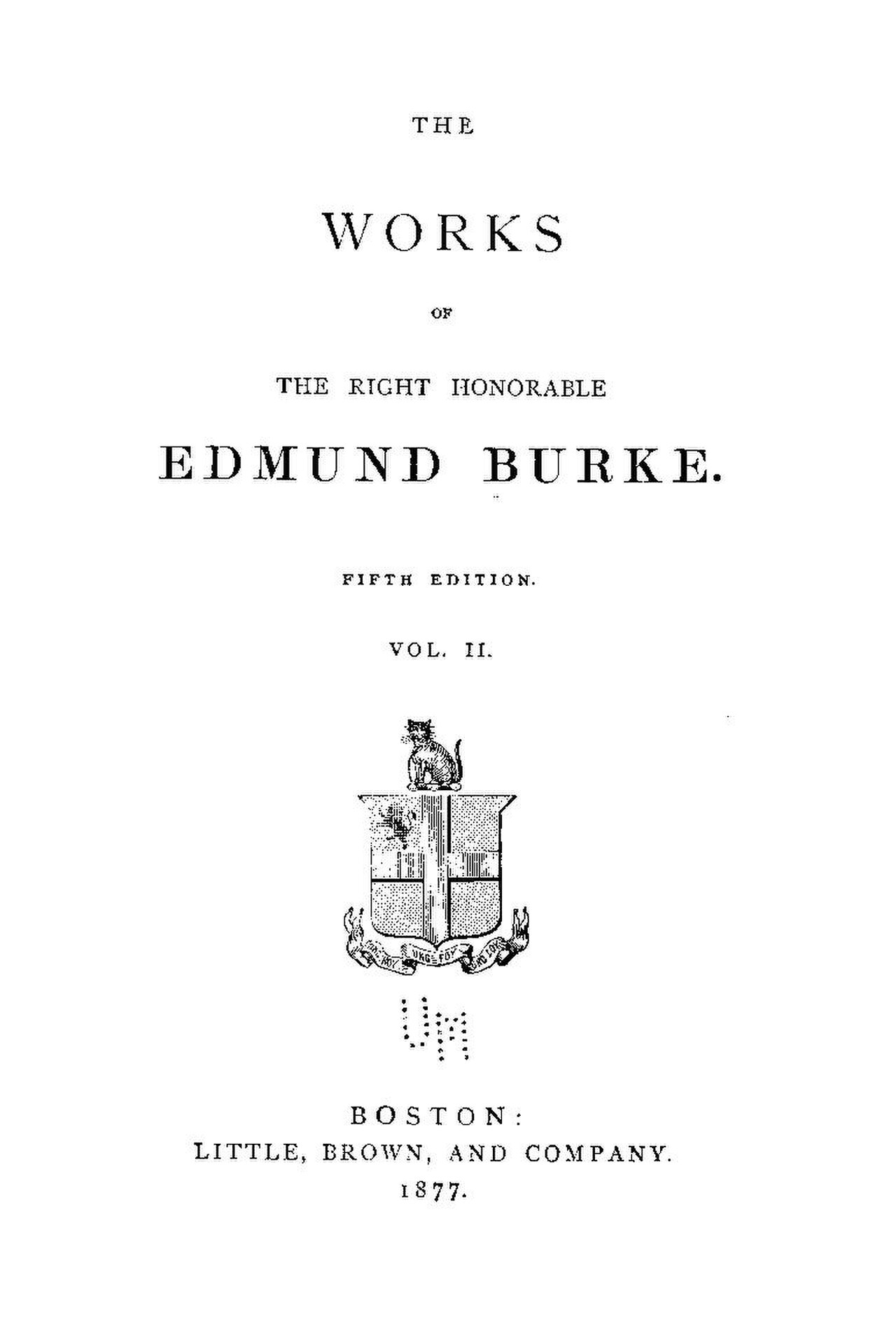 Book
Primary source
Edmund Burke · 1877
 Book
Primary source
Edmund Burke
 Book
Primary source
Edmund Burke · 1826
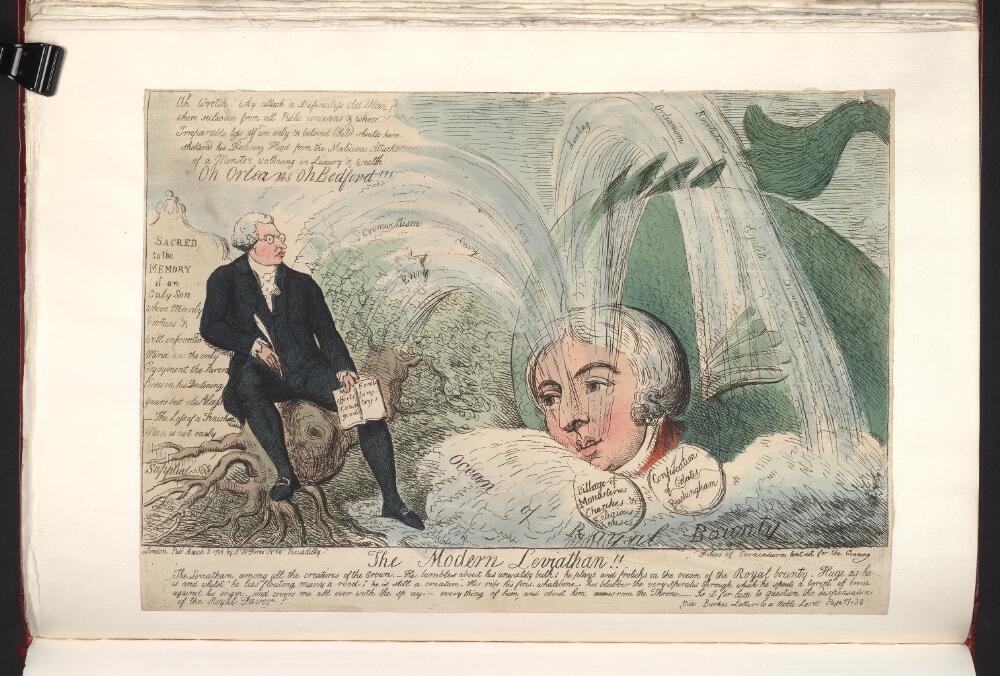 Painting
Primary source
Isaac Cruikshank · 3 March 1796
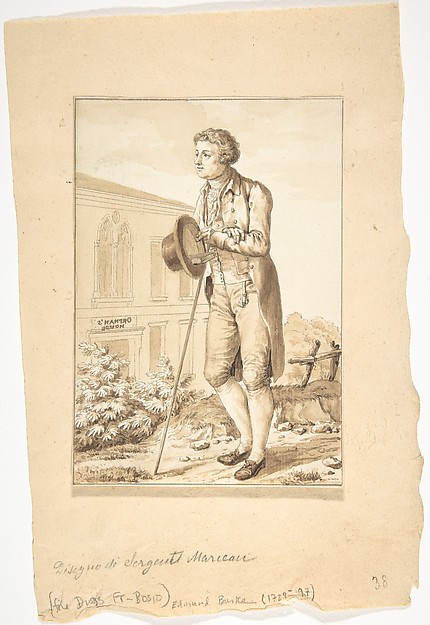 Painting
Secondary source
Antoine Louis François Sergent-Marceau · c. 1815
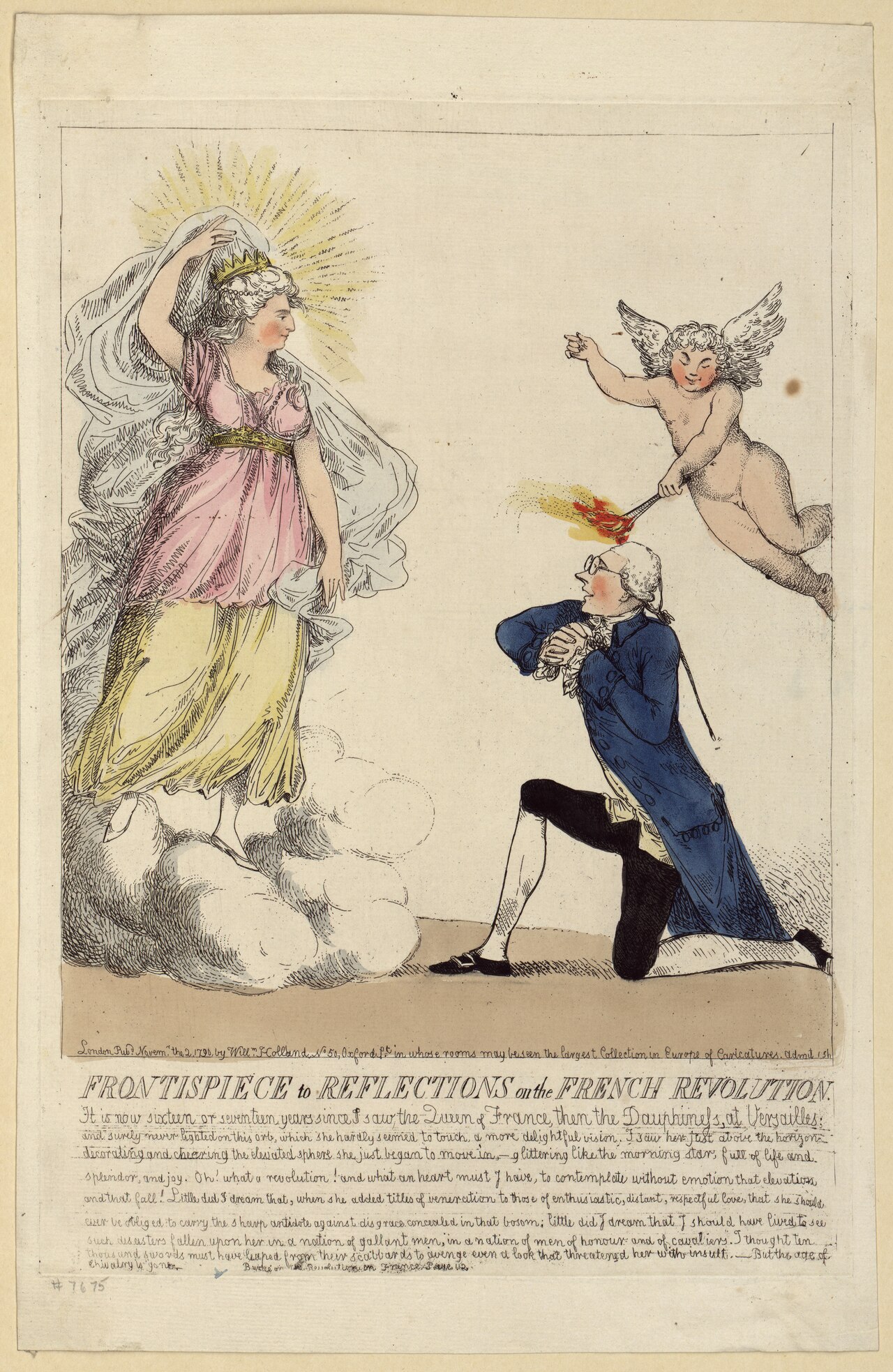 Painting
Primary source
1790
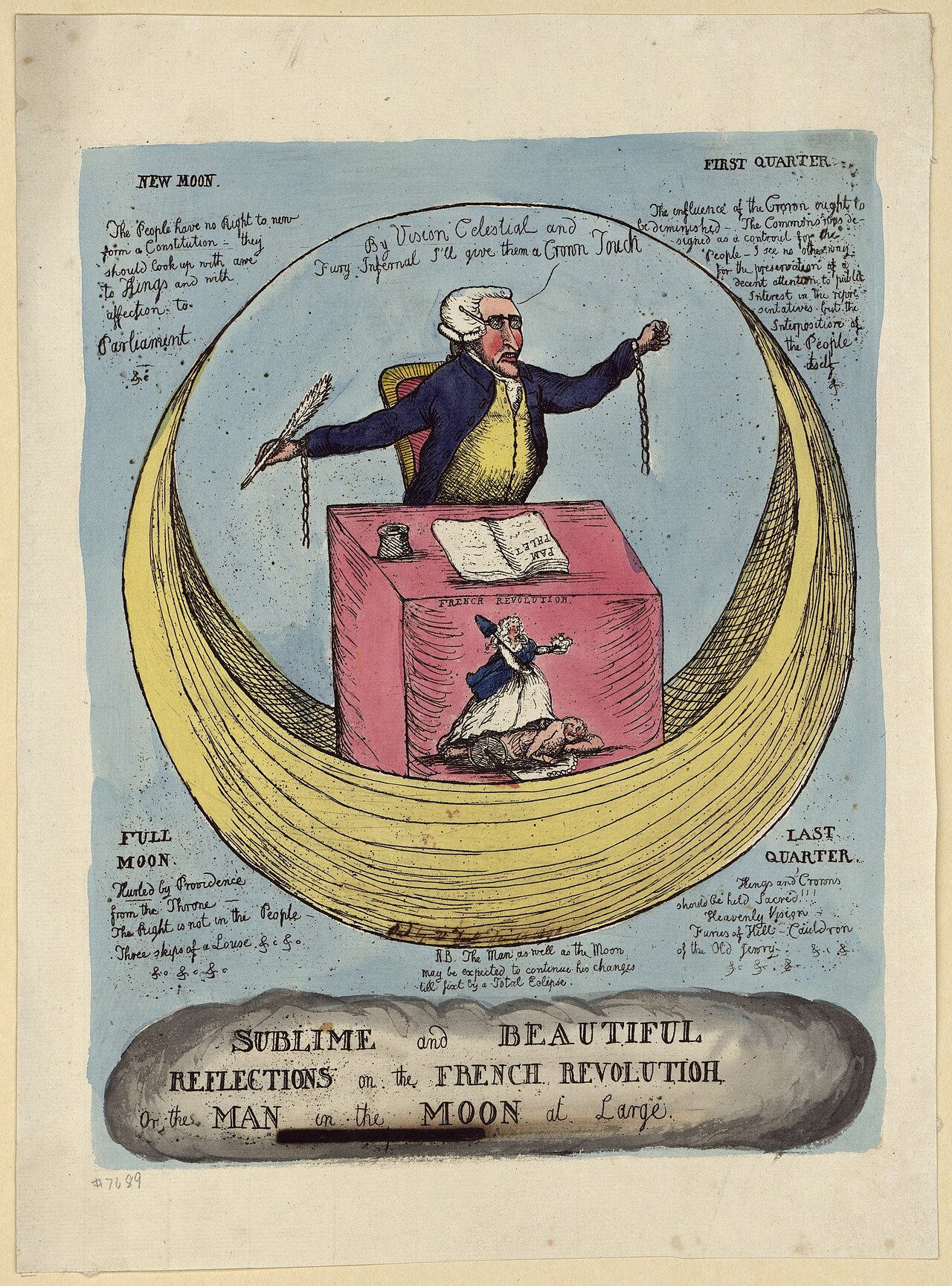 Painting
Primary source
1790
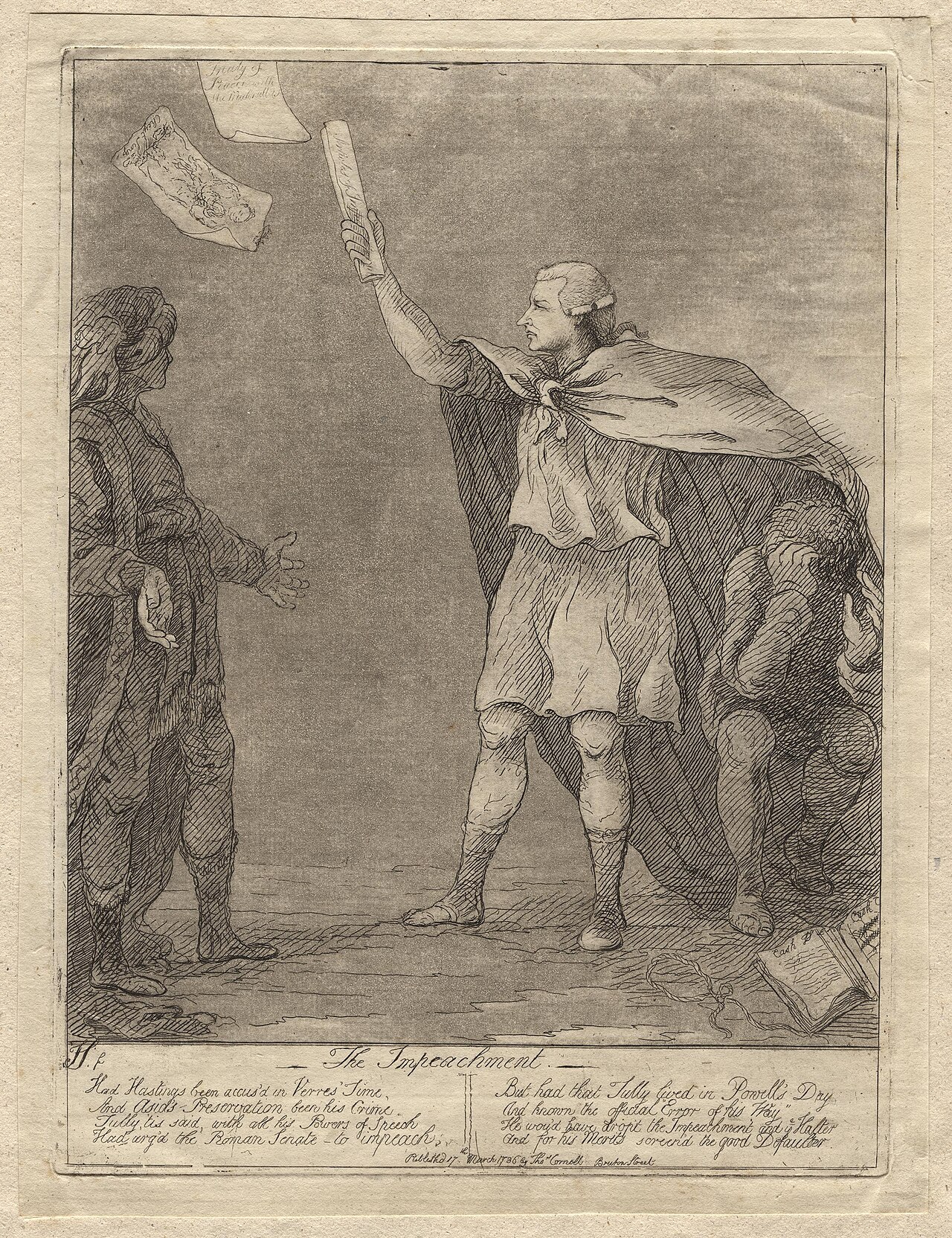 Painting
Primary source
James Sayers · 1786
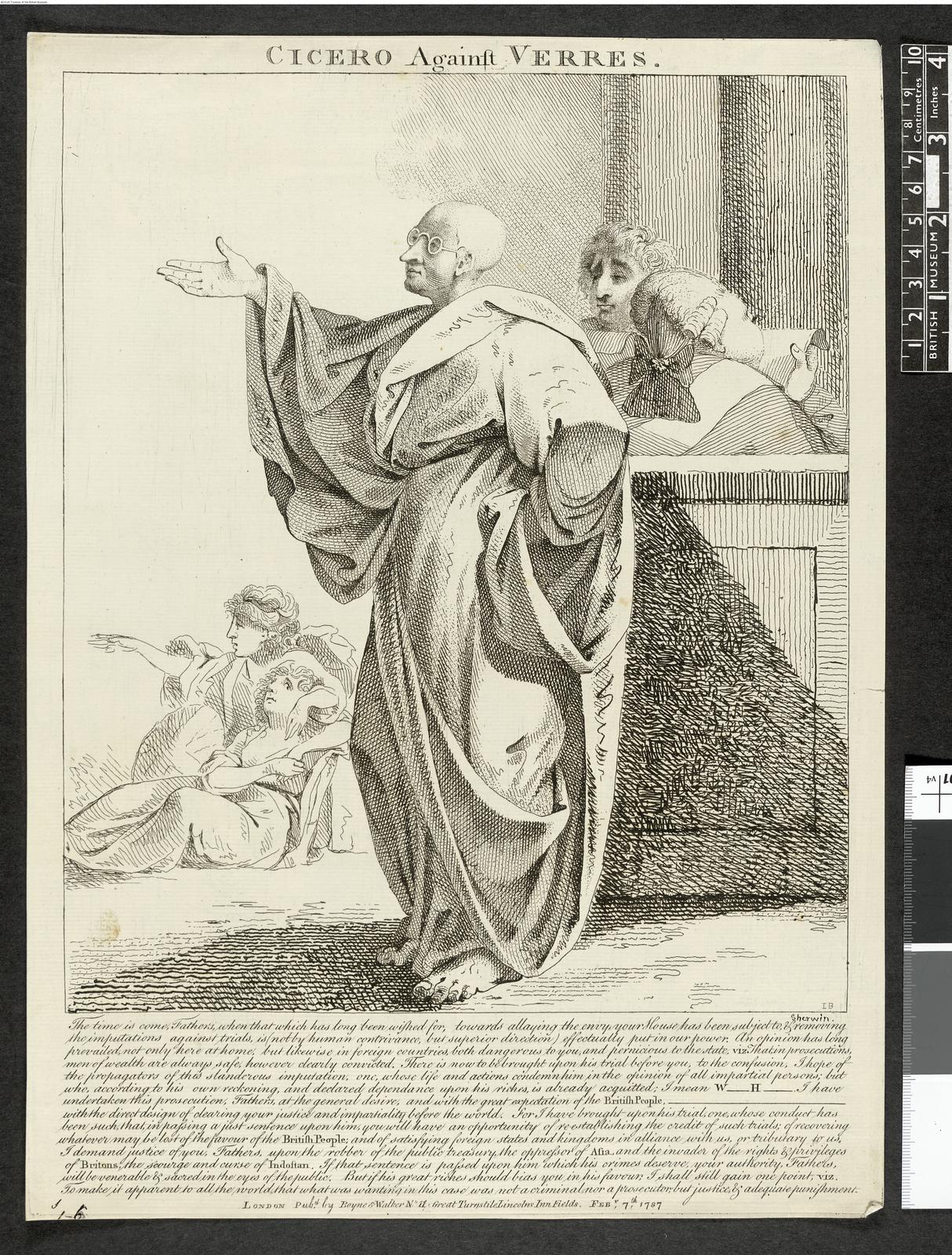 Painting
Primary source
John Boyne · 1787
Primary source
Edmund Burke · 1777
Primary source
Edmund Burke · 1780
Primary source
Edmund Burke · 1788
 Book
Secondary source
Mary Leadbeater · 1862
Primary source
Edmund Burke · April 1774 to April 1778 (texts in the volume)
Secondary source
Edmund Burke
Tertiary source
1900
Tertiary source
John William Cousin · 1910
Tertiary source
1911
Tertiary source
Alfred Webb · 1878
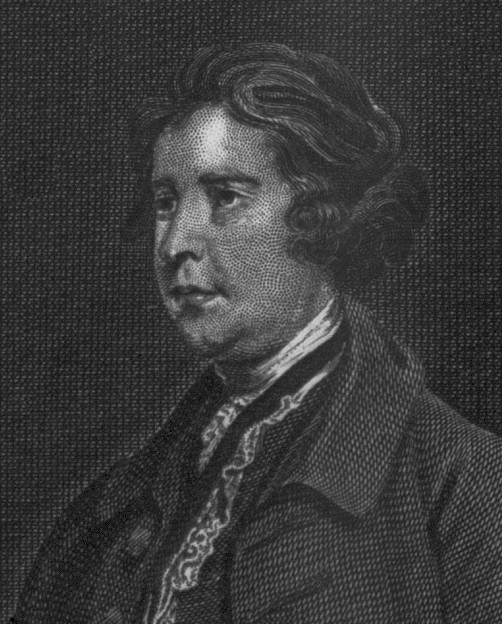 Painting
Secondary source
 Book
Secondary source
William Hazlitt · 1825 (second edition)
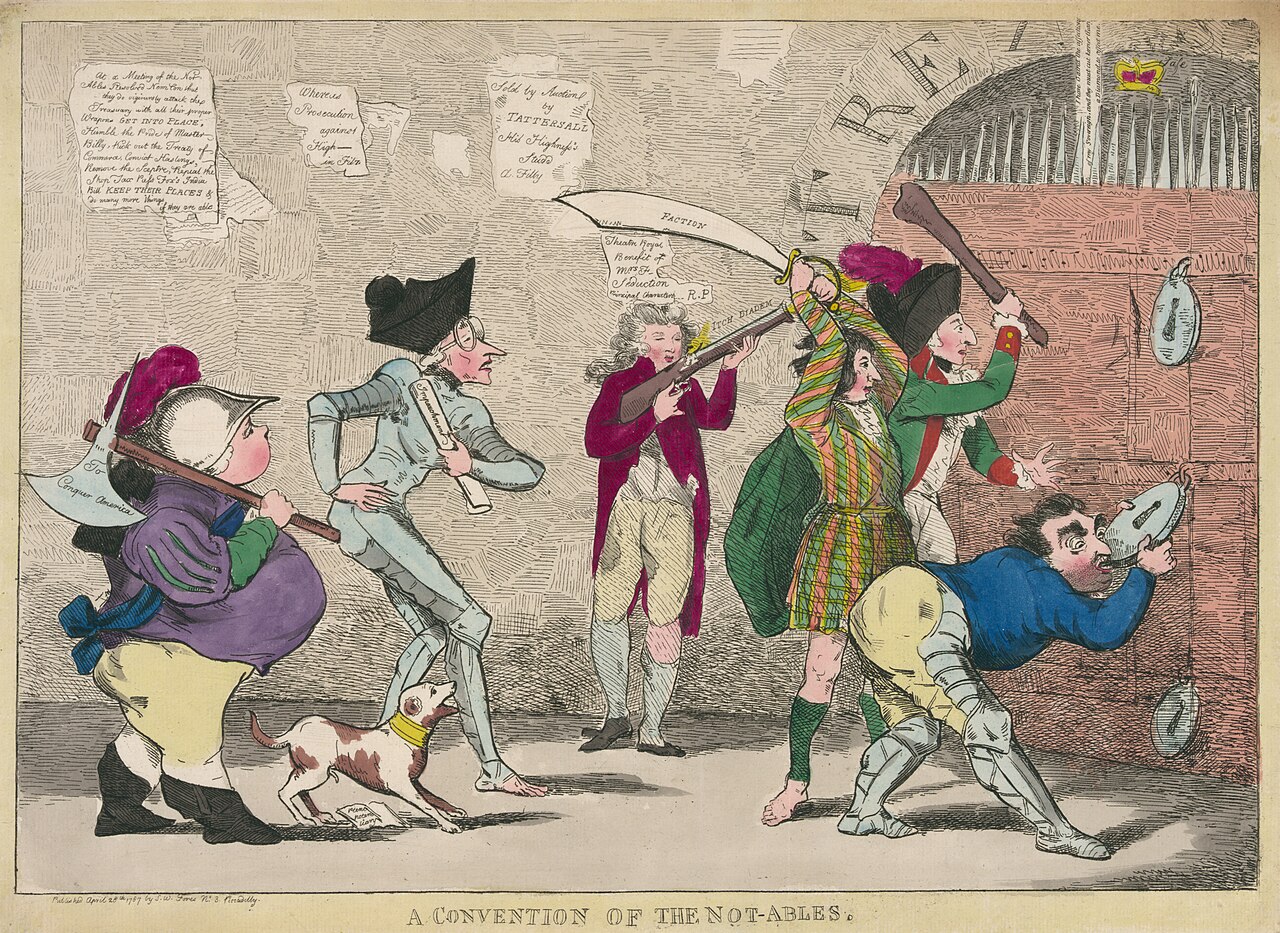 Painting
Primary source
S.W. Fores (publisher) · 28 April 1787
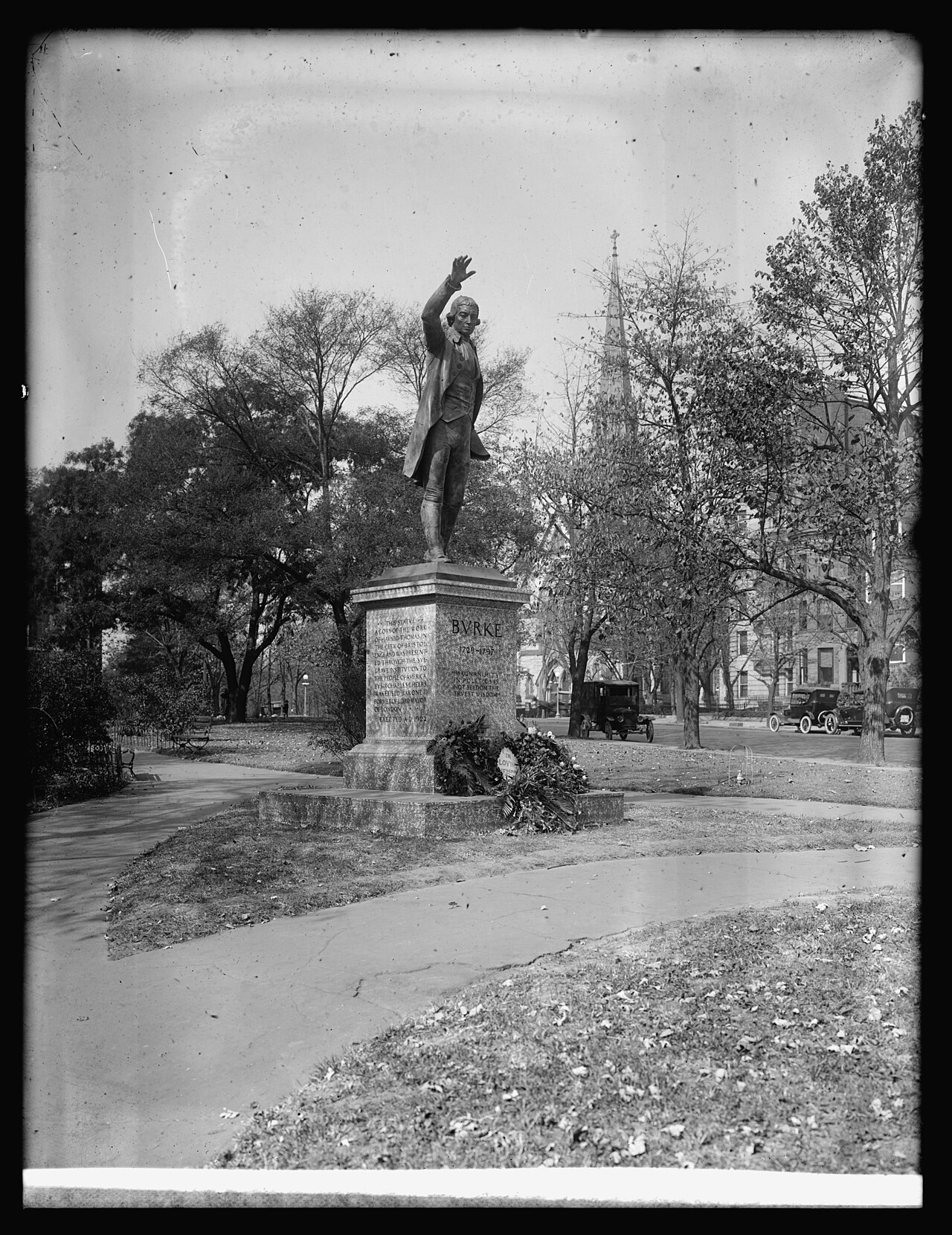 Photograph
Secondary source
National Photo Company · between 1921 and 1922
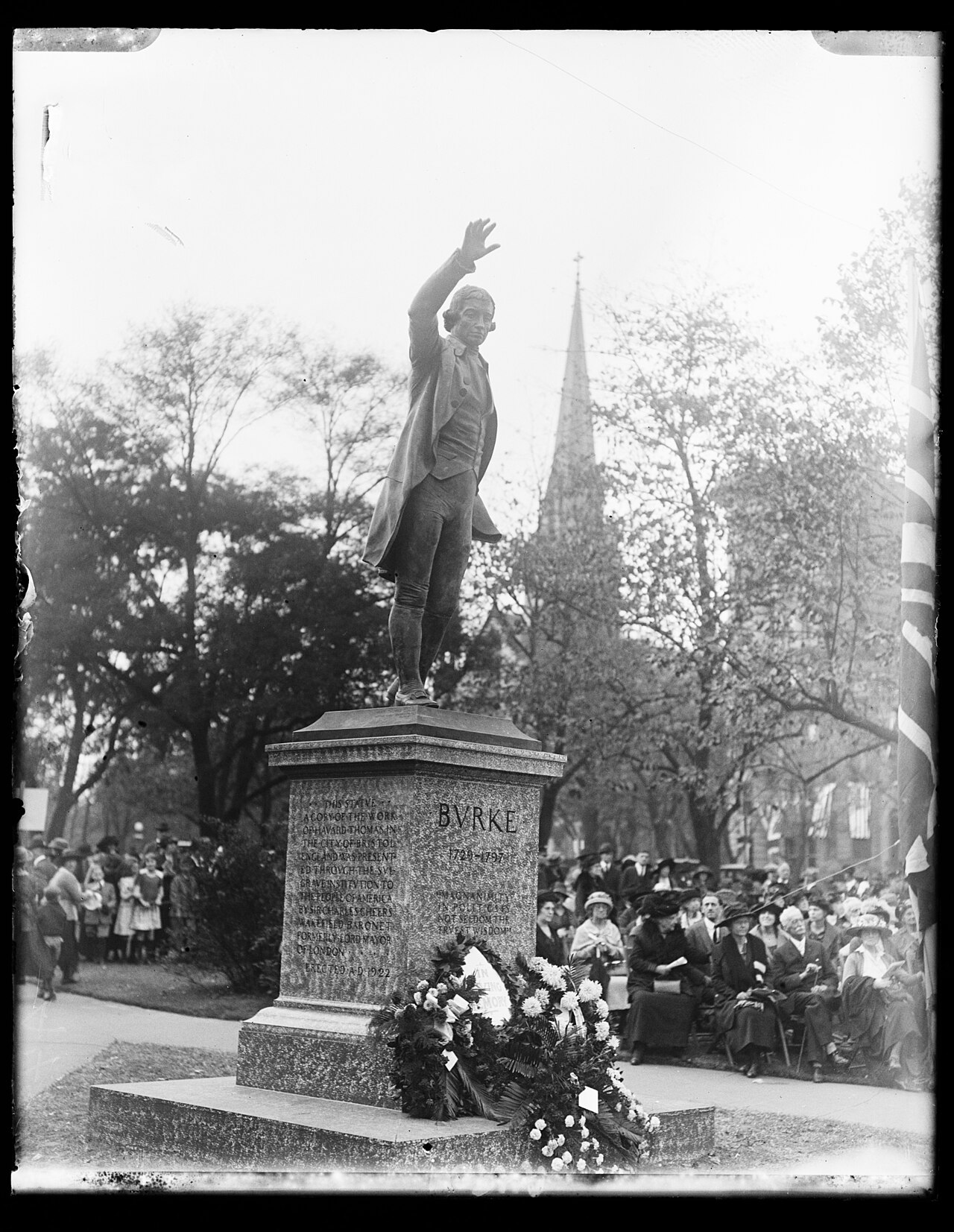 Photograph
Secondary source
Harris & Ewing · 1922
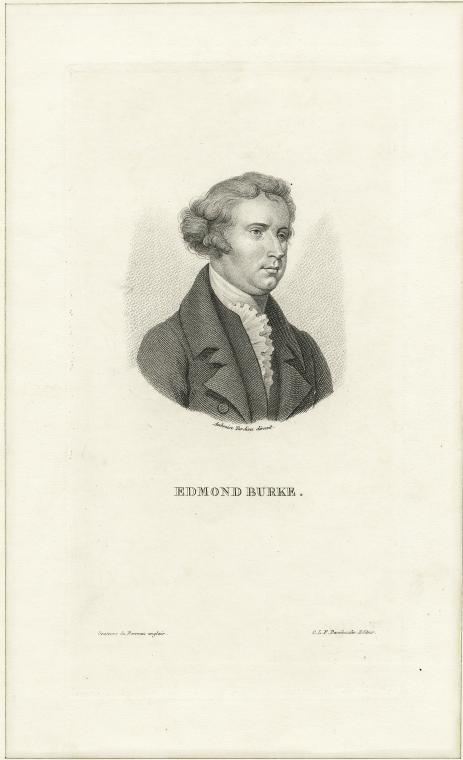 Painting
Secondary source
Ambroise Tardieu
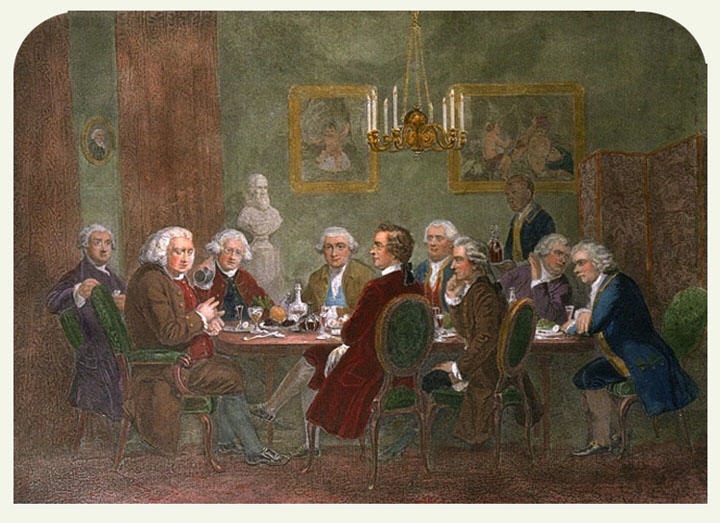 Painting
Secondary source
D. George Thompson (engraver), after James William Edmund Doyle · 1851
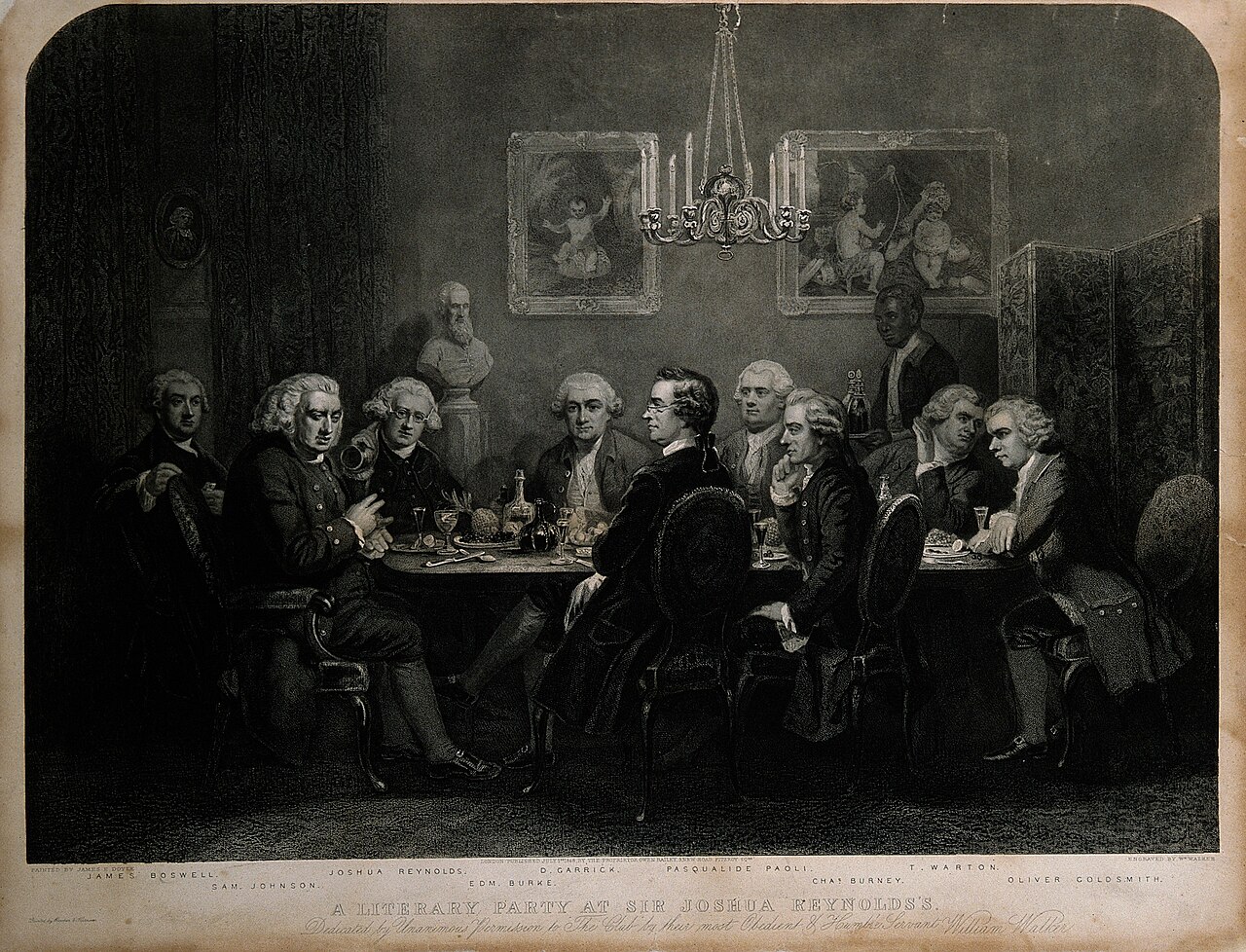 Painting
Secondary source
W. Walker, after J.E. Doyle · 1848
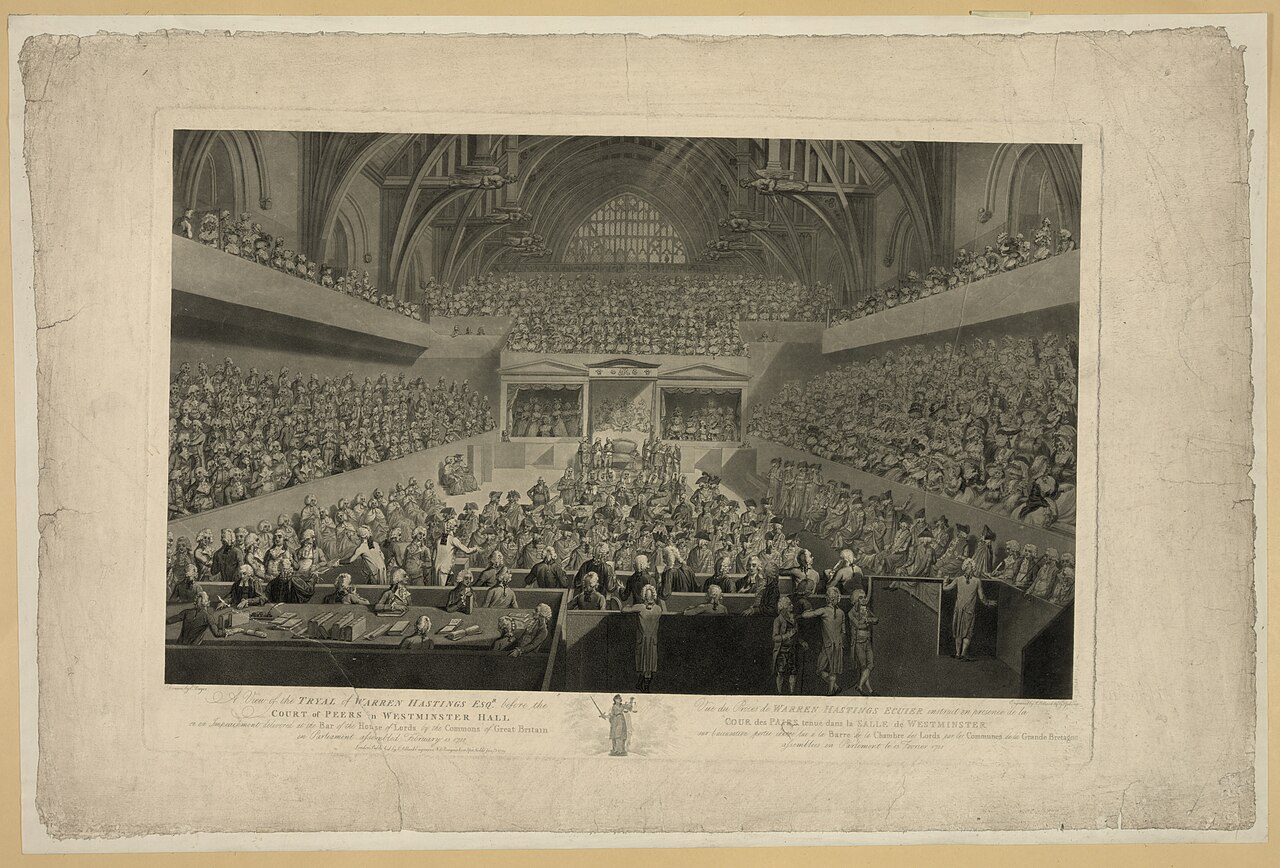 Painting
Primary source
Robert Pollard (engraver), Edward Dayes (artist), Francis Jukes (artist) · 1789
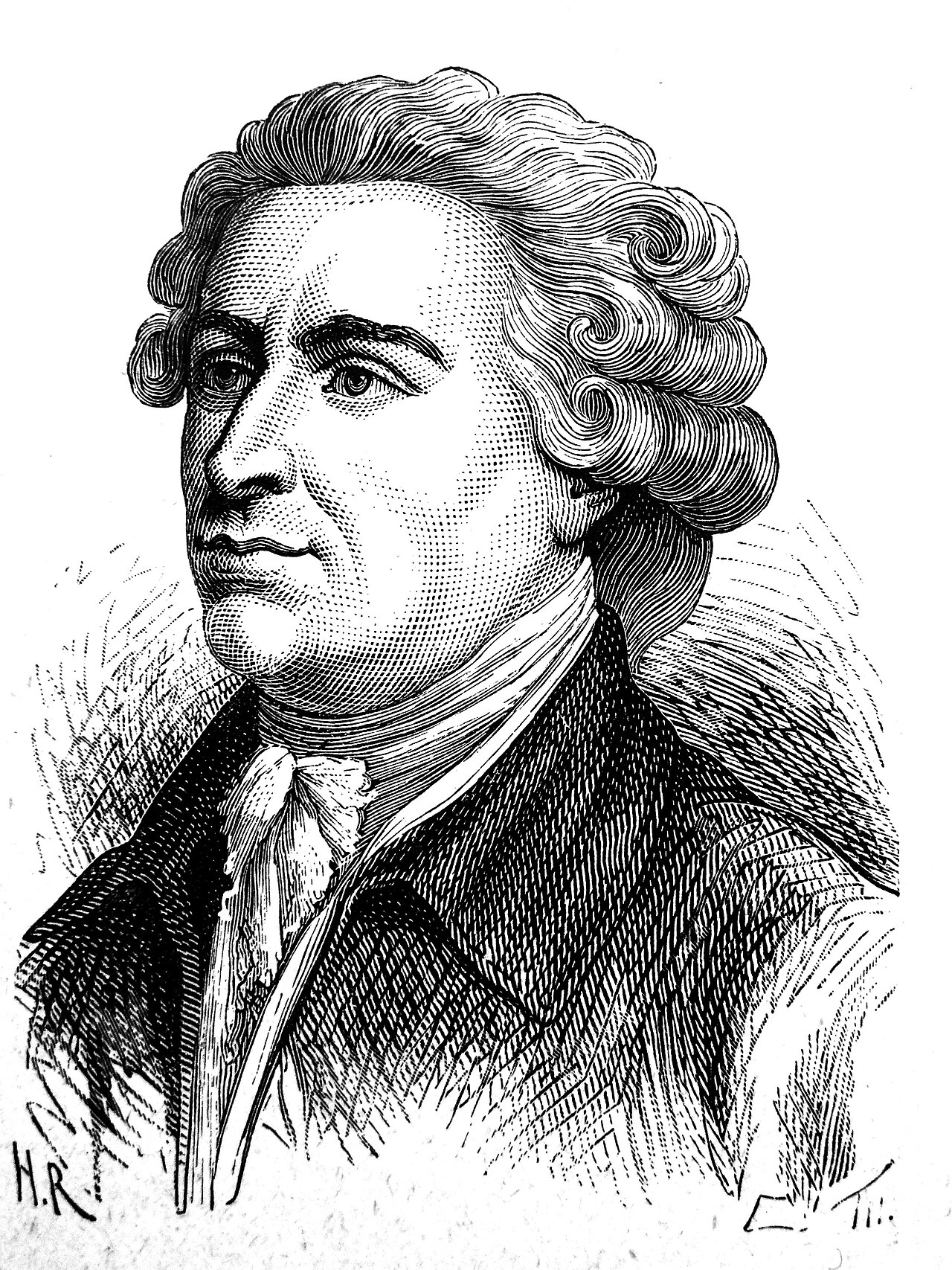 Painting
Secondary source
H. Rousseau (graphic designer), E. Thomas (engraver)
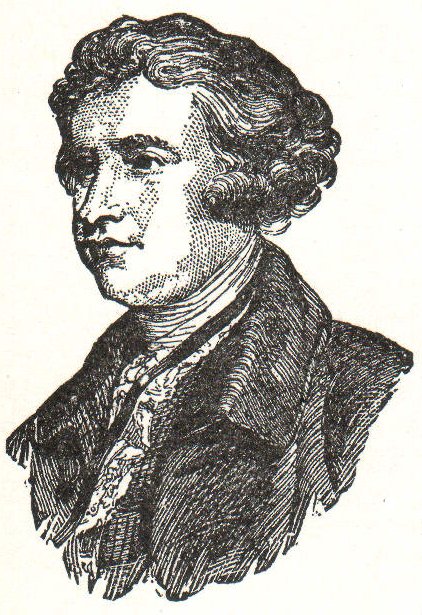 Painting
Secondary source
Kilom691 · 1932
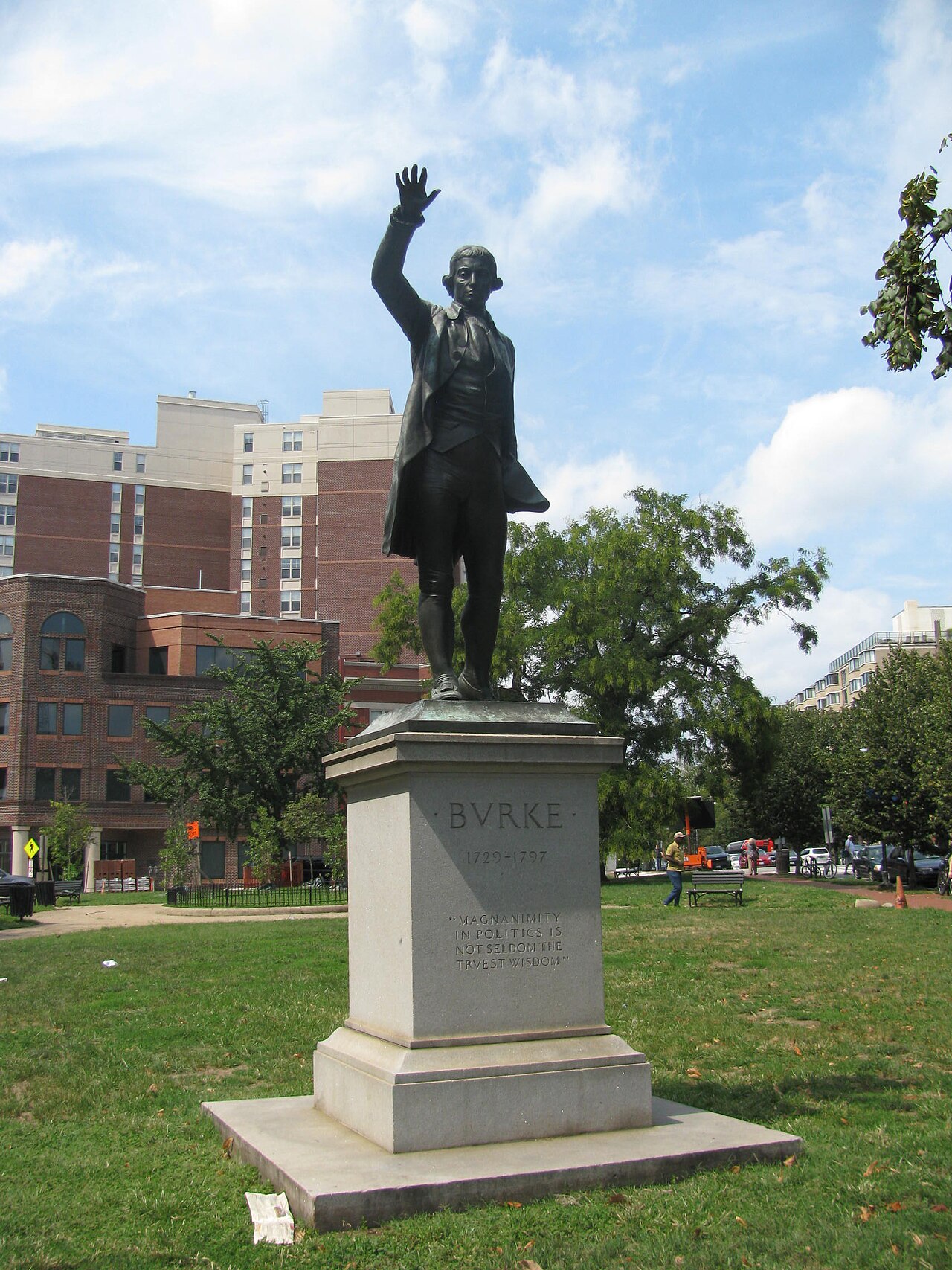 Photograph
Secondary source
Slowking4 · 8 September 2012
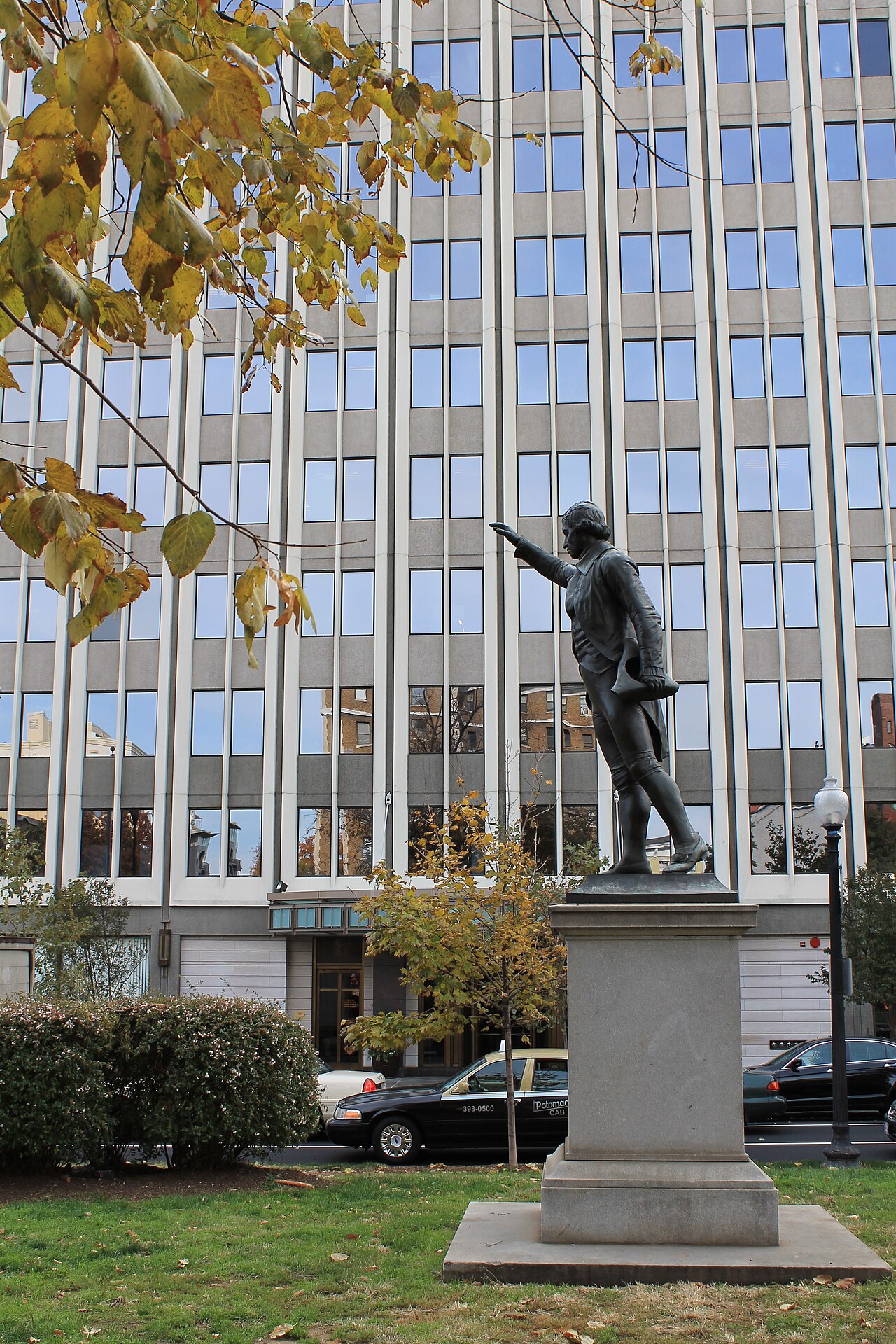 Photograph
Secondary source
Patrick Nouhailler · 12 November 2012
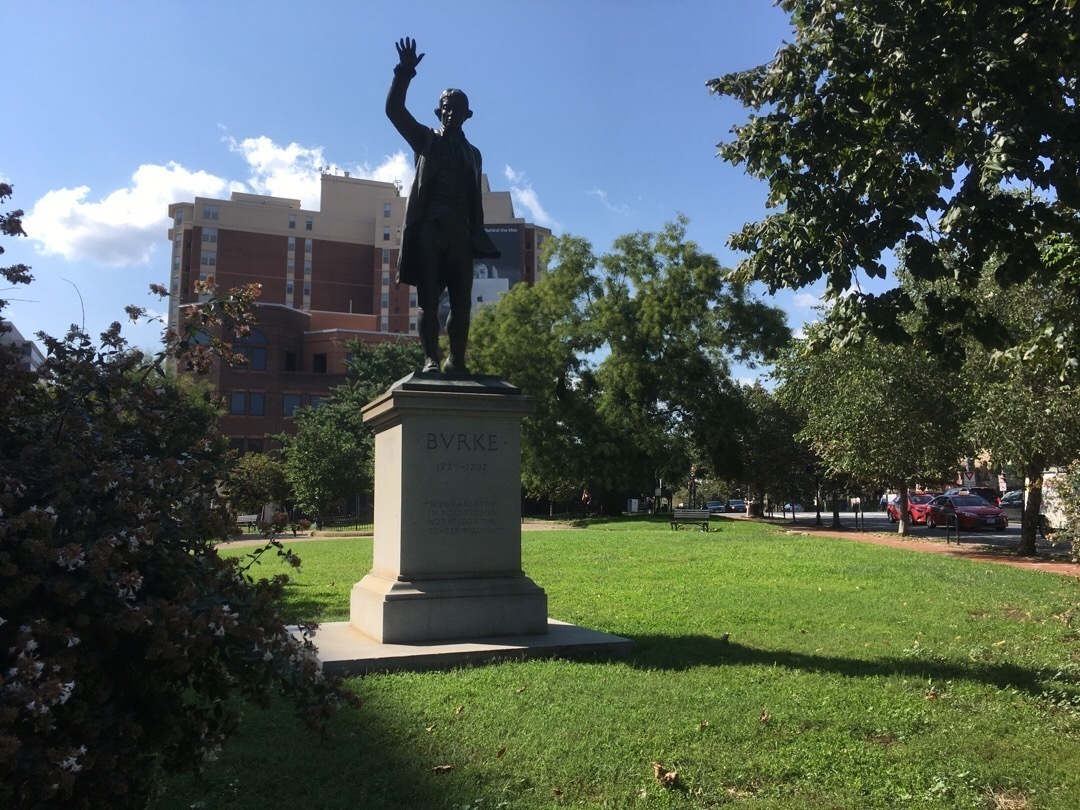 Photograph
Secondary source
NPS Photo · 19 September 2018
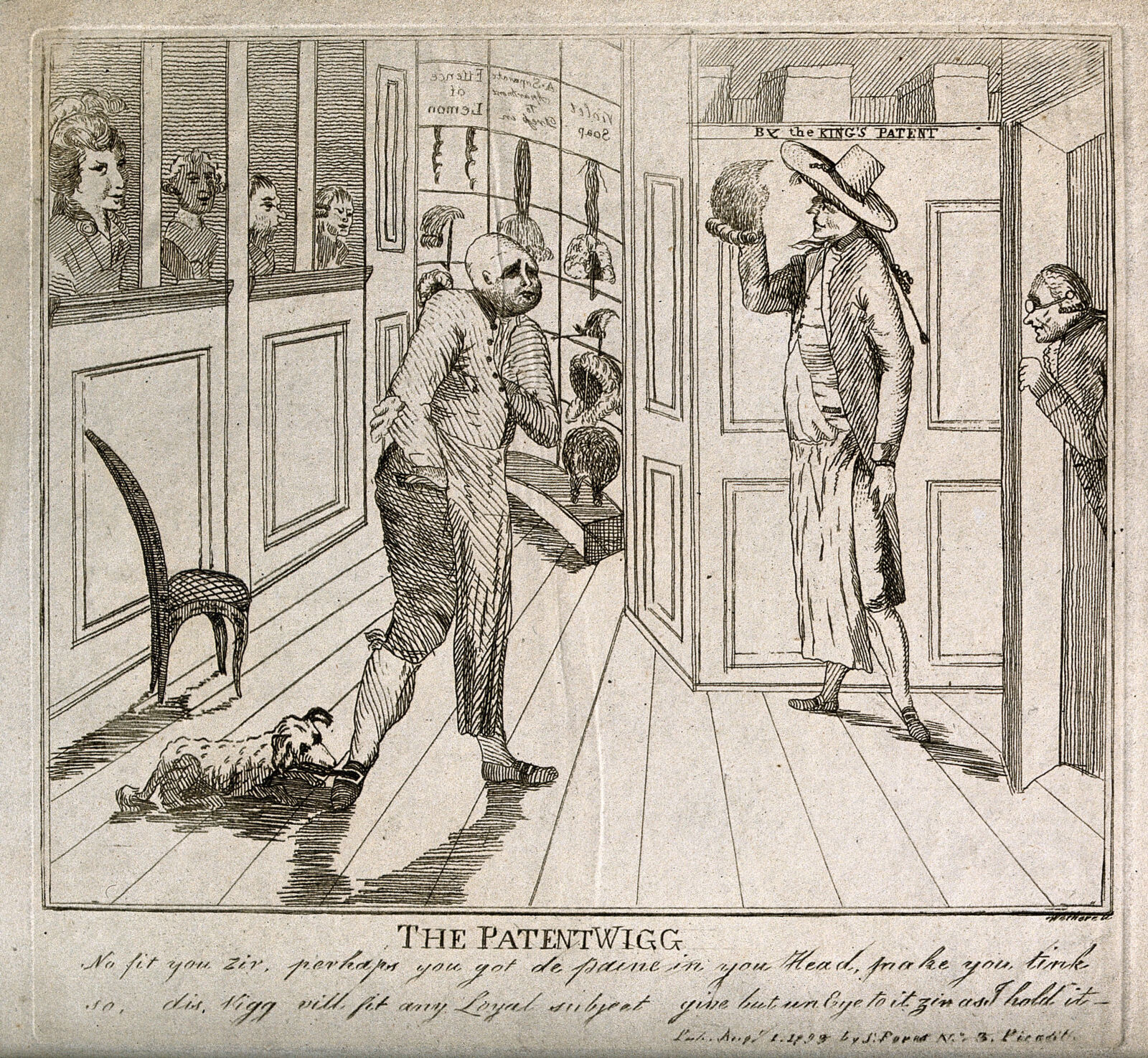 Painting
Primary source
Wetherell · 1 August 1793
 Book
Secondary source
George Candrea · 1894
 Book
Primary source
Edmund Burke and William Burke · 1757
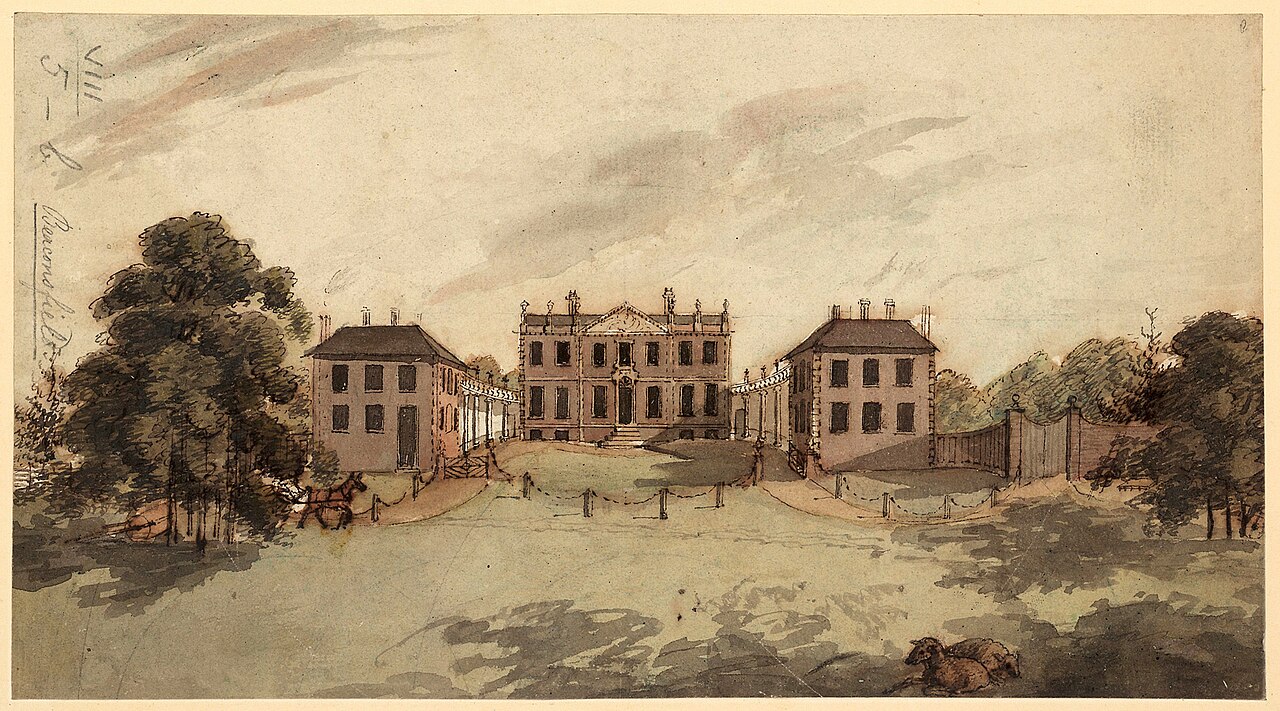 Painting
Primary source
Ravenhill · 1792
Want the full shelf? Chat with Edmund Burke in the app and open the Sources panel — every quote links back to the original.
2 collections
Ready-made collections from the Humy team that feature Edmund Burke. Preview any of them, then try it free.
Paying customers



























Dr. Michael Calvert
Assistant Superintendent, South Allegheny School District, Pennsylvania
Been using Humy in his district since 2024
“We enjoyed the program last year and used it frequently.”

Jacob Chisom
World and American History, Monticello High School, Arkansas
Been using Humy in his classroom since 2024
“My students say it’s a welcome change of pace. I’m not a fan of the “sage on the stage” model, so I try to incorporate research-oriented and self-paced activities. With Humy, students have to take charge of their learning. They’ve become more adept at critical thinking, forming better questions, and improving their reading comprehension. The interview feature has been my go-to tool. I create assignments where students must ask historical figures a set number of questions, then summarize the responses to ensure they’re truly absorbing the material. This approach lets them actively explore the past rather than passively consuming information.”
Roger Campbell
7th-grade World History, Lancaster County, Pennsylvania
Been using Humy in his classroom since 2024
“Humy has helped me bring historical figures, sometimes long past, to life. When my students interact with these figures in real-time, it eliminates some of the perceived “ancient” characteristics of my curriculum. This has shifted my students’ thinking away from viewing history as abstract or irrelevant. Real-time interactions make historical figures relatable, even allowing students to ask off-topic questions that help put historical lives in a more relevant context for 13-year-olds. The feature I use the most is the interview feature. After teaching a topic, most recently Gandhi and Joan of Arc, I have the students ask pointed, focused questions. We practice good conversation techniques beforehand, teaching them to listen (or read) carefully and formulate thoughtful follow-up questions rather than just interrogating. It helps students practice effective conversation skills.”
Dr. Michael Calvert
Assistant Superintendent, South Allegheny School District, Pennsylvania
Been using Humy in his district since 2024
“We enjoyed the program last year and used it frequently.”
Jacob Chisom
World and American History, Monticello High School, Arkansas
Been using Humy in his classroom since 2024
“My students say it’s a welcome change of pace. I’m not a fan of the “sage on the stage” model, so I try to incorporate research-oriented and self-paced activities. With Humy, students have to take charge of their learning. They’ve become more adept at critical thinking, forming better questions, and improving their reading comprehension. The interview feature has been my go-to tool. I create assignments where students must ask historical figures a set number of questions, then summarize the responses to ensure they’re truly absorbing the material. This approach lets them actively explore the past rather than passively consuming information.”
Roger Campbell
7th-grade World History, Lancaster County, Pennsylvania
Been using Humy in his classroom since 2024
“Humy has helped me bring historical figures, sometimes long past, to life. When my students interact with these figures in real-time, it eliminates some of the perceived “ancient” characteristics of my curriculum. This has shifted my students’ thinking away from viewing history as abstract or irrelevant. Real-time interactions make historical figures relatable, even allowing students to ask off-topic questions that help put historical lives in a more relevant context for 13-year-olds. The feature I use the most is the interview feature. After teaching a topic, most recently Gandhi and Joan of Arc, I have the students ask pointed, focused questions. We practice good conversation techniques beforehand, teaching them to listen (or read) carefully and formulate thoughtful follow-up questions rather than just interrogating. It helps students practice effective conversation skills.”
FAQ
Like any LLM, the AI version of Edmund Burke can get details wrong. Open one of these sources in a new tab to verify what you’ve read.

French military officer who supported the American Revolution.

French Renaissance philosopher known for popularizing the essay as a literary genre.

Third President of the United States, principal author of the Declaration of Independence, and advocate for individual rights and limited government.

Fourth President of the United States and "Father of the Constitution.

Philosopher and writer known for his ideas on social contract theory and education.

Second President of the United States.
Ready when you are
20 messages free · No credit card · Available in 50+ languages.