


Primary sourcePainting
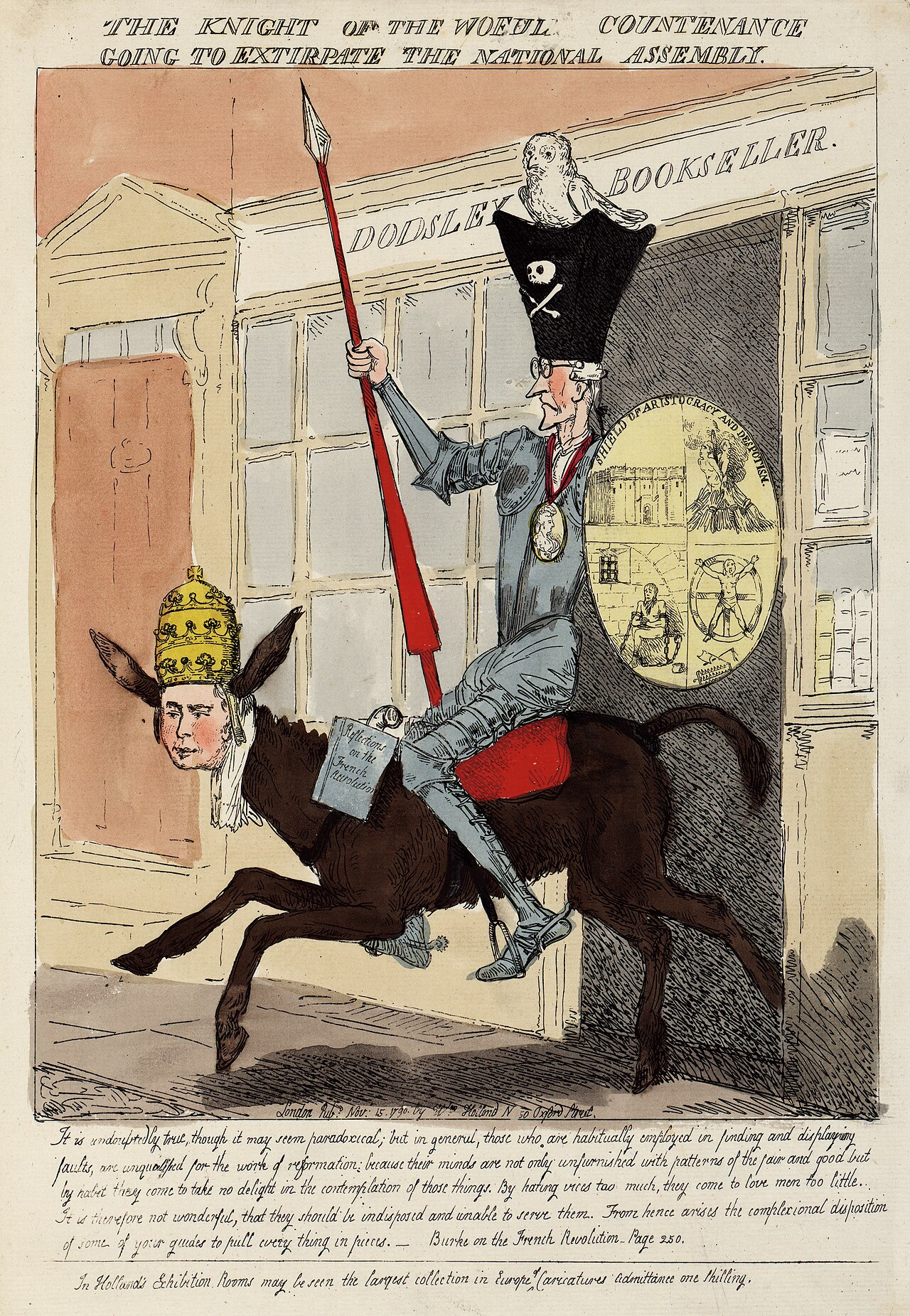
The Knight of the Woeful Countenance Going to Extirpate the National Assembly
A hand-coloured caricature that shows Burke as Don Quixote riding a donkey out of the shop of his publisher, Dodsley, to attack the French Revolution.
Shows how Burke's opposition to the French Revolution was ridiculed in popular prints of the time.
About this source
What it is
This is a hand-coloured print titled The Knight of the Woeful Countenance Going to Extirpate the National Assembly. It shows a thin, armoured figure with spectacles and a lance riding a donkey out of the doorway of the 'Dodsley Bookseller' shop. The donkey has a human face and wears the triple-tiered crown of the pope. A book labelled 'Reflections on the French Revolution' hangs from the saddle, and the shield reads 'Shield of Aristocracy and Despotism'. The shield is decorated with scenes of torture and death and a view of the Bastille. The print's maker is not named in the facts we have, and its date is not given.
Why it matters
Burke's Reflections on the French Revolution was an influential attack on the revolution and became the basis of conservative thought in Britain. Satirists such as the caricaturists of the 1790s responded to it with prints that turned Burke into a comic figure, here a crusading knight who is out of step with his time. The image shows how political opponents, and some supporters of the revolution, mocked his crusading style.
Look closer
- Why would the artist show Burke as Don Quixote, and what does that comparison suggest about his cause?
- What is the significance of the book hanging from the saddle, and of the publisher's shop in the background?
- What does the shield's imagery say about the artist's view of the old order, and what might it leave out of the picture?
This painting is part of the curated material that grounds the AI version of Edmund Burke on Humy.ai — when students ask about related events, the AI can quote it and cite it.
More Edmund Burke sources
Meet the AI Edmund Burke →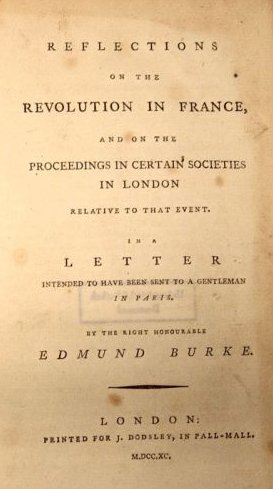 Book
Primary source
Reflections on the Revolution in France
Edmund Burke · November 1790
 Speech
Primary source
Speech to the Electors of Bristol
Edmund Burke · 3 November 1774
 Book
Primary source
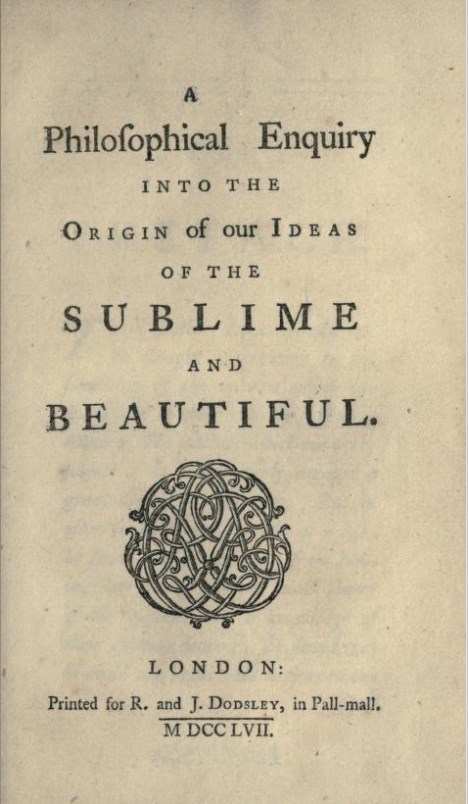
A Philosophical Enquiry into the Origin of Our Ideas of the Sublime and Beautiful
Edmund Burke · 1757
Primary source
Thoughts on the Cause of the Present Discontents
Edmund Burke · 23 April 1770
 Painting
Primary source
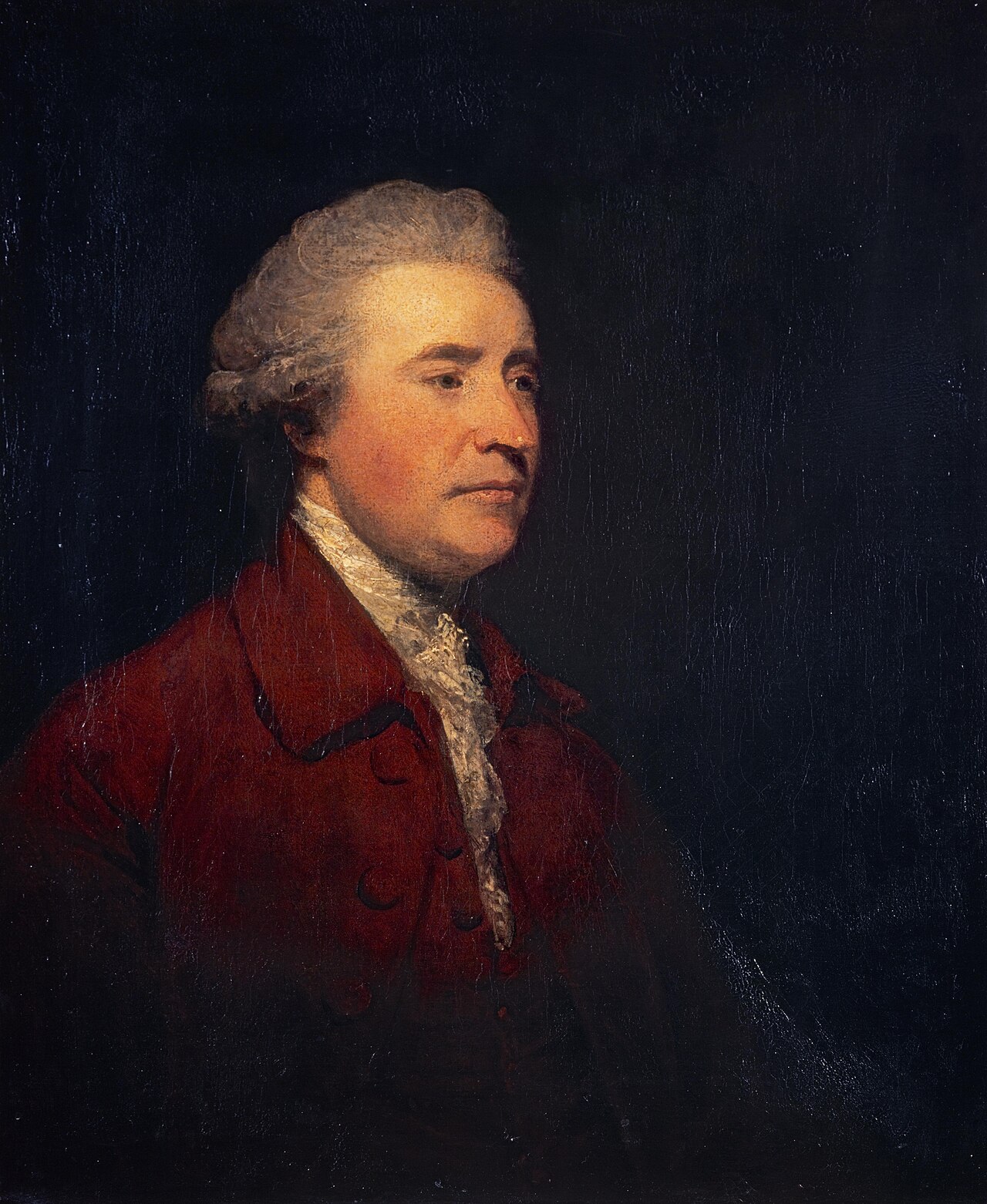
Edmund Burke, 1729-1797. Statesman, orator and author
Joshua Reynolds · 1774
Ready when you are
Start chatting with Edmund Burke now.
20 messages free · No credit card · Available in 50+ languages.