


Primary sourceBook1757
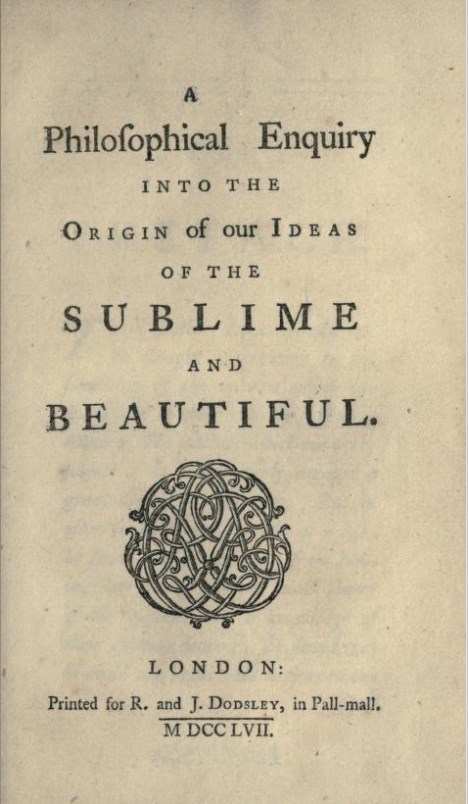
A Philosophical Enquiry into the Origin of Our Ideas of the Sublime and Beautiful
Edmund Burke · 1757
Burke's 1757 treatise on aesthetics distinguishing the sublime from the beautiful, his only purely philosophical work.
Burke's own philosophical treatise, revealing his intellectual interests before his political fame.
Free Humy account · No credit card · 124,282 sources to read
About this source
What it is
This is a 1757 treatise written by Edmund Burke, with a second edition in 1759, exploring the difference between the Beautiful (pleasing, well-formed things) and the Sublime (things that overwhelm or frighten us).
Why it matters
It was the first full philosophical separation of beauty and sublimity into distinct categories, and influenced major thinkers such as Immanuel Kant and Denis Diderot. The book helped mark a shift from Neoclassical taste toward the Romantic era's fascination with awe and terror in art and nature. It shows a different, more purely philosophical side of Burke before his political career became dominant.
Look closer
- What examples might Burke have used to show the difference between something 'beautiful' and something 'sublime'?
- Why might fear and vastness produce pleasure, according to Burke's theory?
- How might this early work connect to the emotional, dramatic language Burke later used in his political writing?
This book is part of the curated material that grounds the AI version of Edmund Burke on Humy.ai — when students ask about related events, the AI can quote it and cite it.
More Edmund Burke sources
Browse all 88 →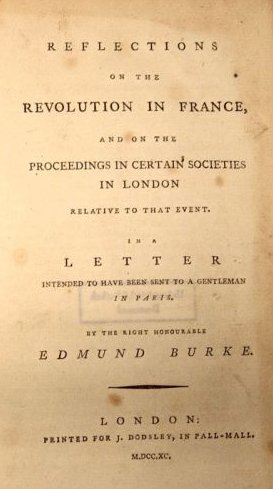 Book
Primary source
Reflections on the Revolution in France
Edmund Burke · November 1790
 Speech
Primary source
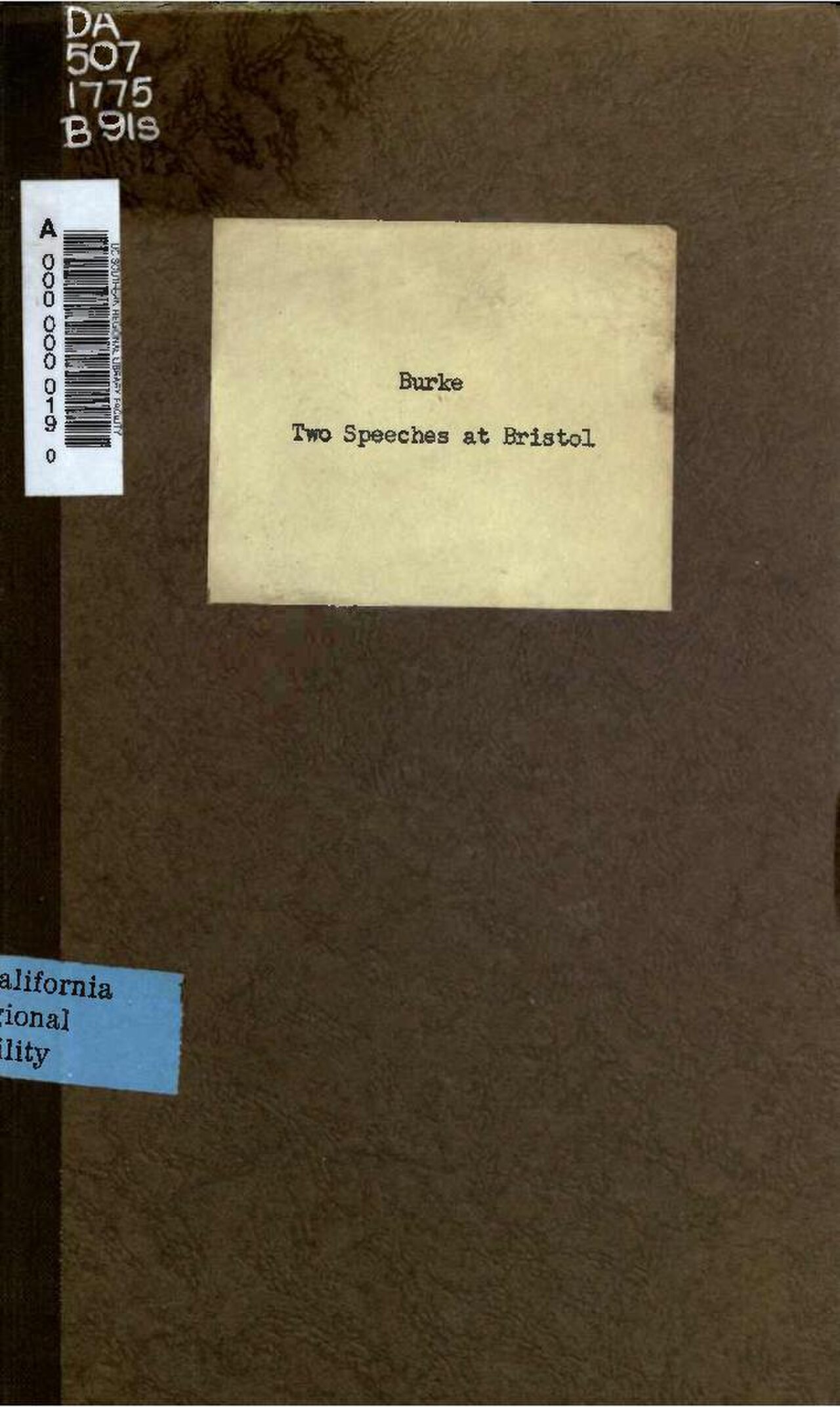
Speech to the Electors of Bristol
Edmund Burke · 3 November 1774
Primary source
Thoughts on the Cause of the Present Discontents
Edmund Burke · 23 April 1770
 Painting
Primary source
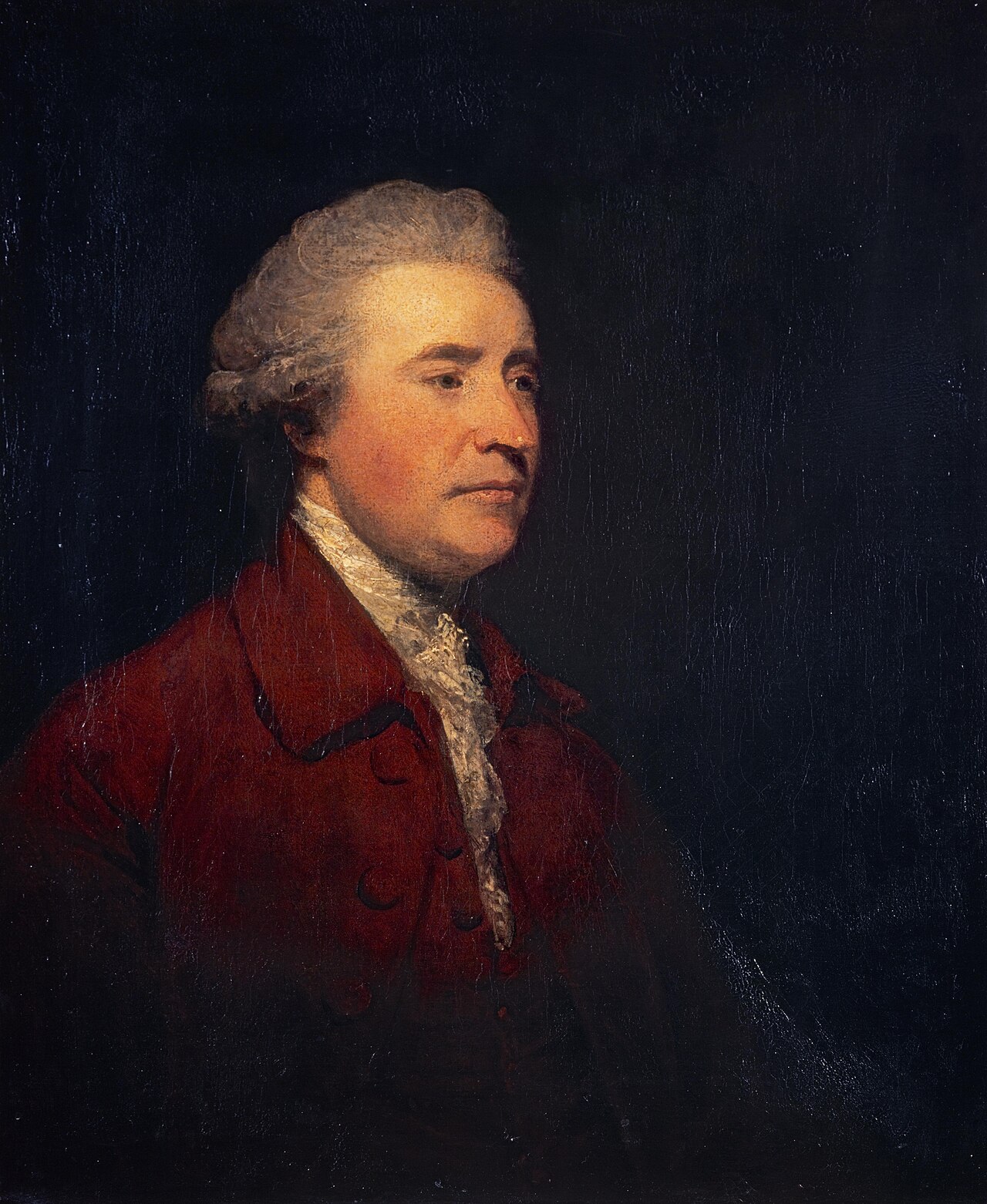
Edmund Burke, 1729-1797. Statesman, orator and author
Joshua Reynolds · 1774
Free account
Read every Edmund Burke source
Sign up free →
Ready when you are
Start chatting with Edmund Burke now.
20 messages free · No credit card · Available in 50+ languages.