


Primary sourceBook23 April 1770
Thoughts on the Cause of the Present Discontents
Edmund Burke · 23 April 1770
Burke's 1770 pamphlet attacking royal influence over Parliament and defending the role of political parties.
Burke's own pamphlet, setting out his defence of political parties and attack on royal influence.
About this source
What it is
This is a political pamphlet by Edmund Burke, first published on 23 April 1770, criticising the influence of King George III's court over the House of Commons.
Why it matters
The pamphlet was influential in shaping modern ideas of political parties, arguing that parties united around shared principles are necessary for good government, famously stating that when bad men combine, good men must associate. It reflects Burke's concern about royal interference in Parliament and his broader belief in principled, organised politics rather than personal rule.
Look closer
- Why might Burke have thought organised political parties were a good thing, when many at the time saw them as dangerous factions?
- What does Burke's criticism of the king's influence suggest about the balance of power in Britain at the time?
- How might someone loyal to the king have responded to this pamphlet?
This book is part of the curated material that grounds the AI version of Edmund Burke and Lord Frederick North on Humy.ai — when students ask about related events, the AI can quote it and cite it.
More Edmund Burke sources
Meet the AI Edmund Burke →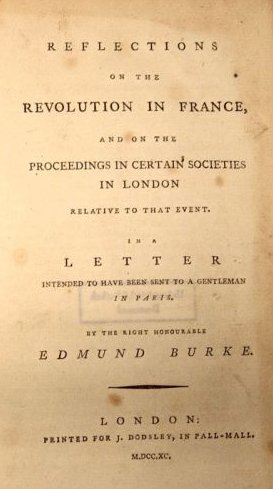 Book
Primary source
Reflections on the Revolution in France
Edmund Burke · November 1790
 Speech
Primary source
Speech to the Electors of Bristol
Edmund Burke · 3 November 1774
 Book
Primary source
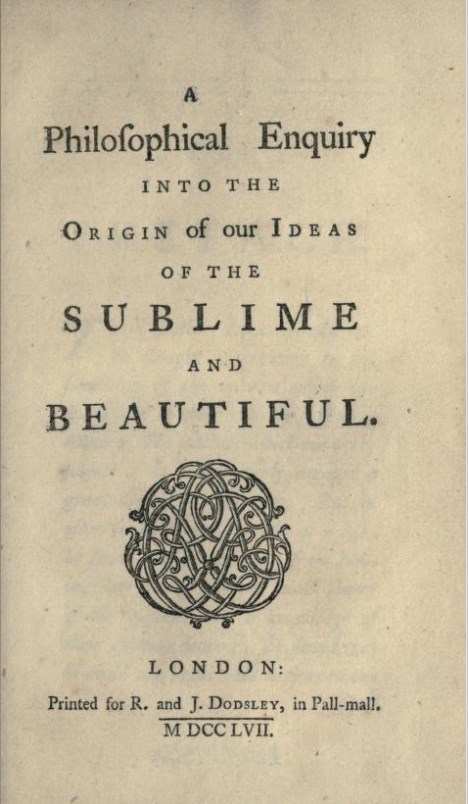
A Philosophical Enquiry into the Origin of Our Ideas of the Sublime and Beautiful
Edmund Burke · 1757
 Painting
Primary source
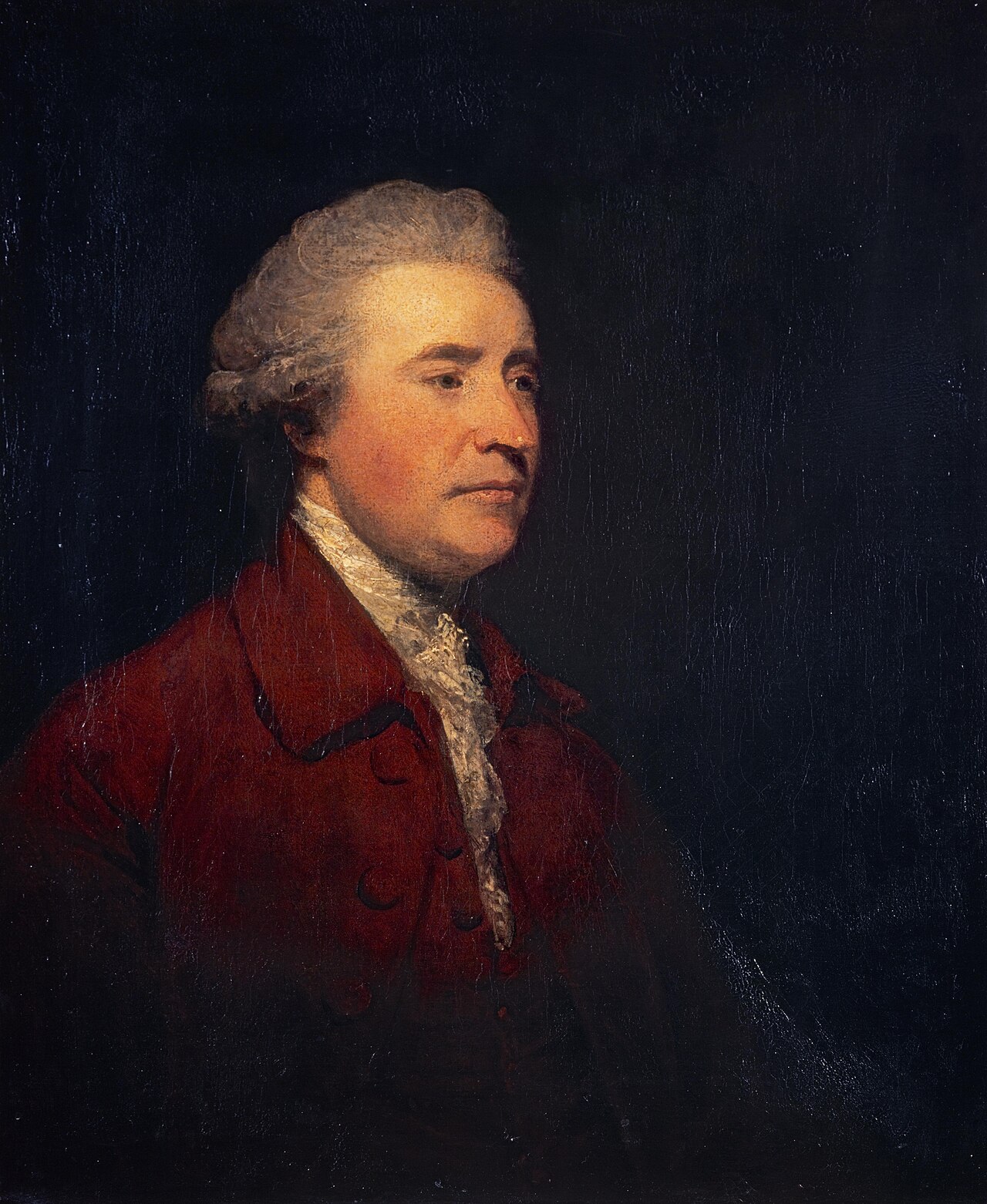
Edmund Burke, 1729-1797. Statesman, orator and author
Joshua Reynolds · 1774
 Book
Primary source
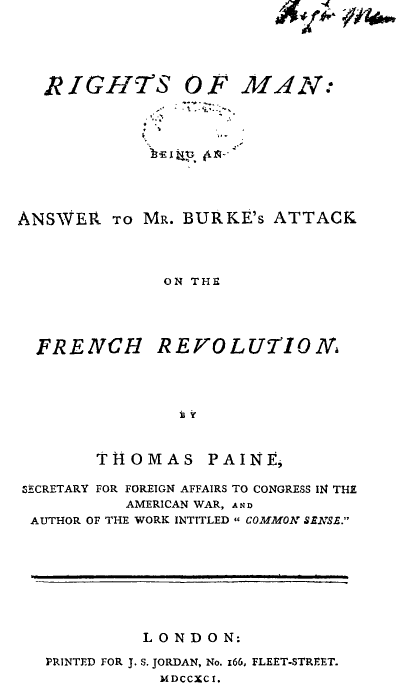
Rights of Man
Thomas Paine · 1791-1792
Ready when you are
Start chatting with Edmund Burke now.
20 messages free · No credit card · Available in 50+ languages.