


Primary sourceSpeech1788
At the Trial of Warren Hastings
Edmund Burke · 1788
A 1788 speech by Edmund Burke at the trial of Warren Hastings, arguing that no one may hold arbitrary power and that all people are subject to a higher law.
Burke delivered this 1788 speech as a prosecutor in the impeachment of Warren Hastings, which is central to his later career.
About this source
What it is
This is a speech by Edmund Burke, delivered at the trial of Warren Hastings in 1788 and reproduced in the anthology The World's Famous Orations, volume 6. Burke addresses the lords and quotes Hastings, who said he governed the part of Asia under British rule as a despotic prince with arbitrary power. Burke rejects this claim, saying that the East India Company, the king, Parliament and the Legislature have no arbitrary power to give. The version here comes from a printed anthology, not from a manuscript.
Why it matters
The trial was part of a long debate about British power in India and about how officials there were held to account. Burke was one of the leading prosecutors. The speech shows his belief that all rulers, high and low, are bound by one great law. It reveals the arguments used in Britain about empire, justice and the limits of power.
Look closer
- What does Burke say Hastings claimed, and how does Burke respond to it?
- Which groups of people does Burke name as lacking the power to give arbitrary rule?
- What does the speech leave out about the people who were governed in Asia, and how might they have described their own situation?
This speech is part of the curated material that grounds the AI version of Edmund Burke on Humy.ai — when students ask about related events, the AI can quote it and cite it.
More Edmund Burke sources
Meet the AI Edmund Burke →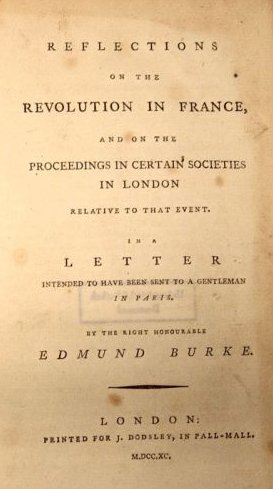 Book
Primary source
Reflections on the Revolution in France
Edmund Burke · November 1790
 Speech
Primary source
Speech to the Electors of Bristol
Edmund Burke · 3 November 1774
 Book
Primary source
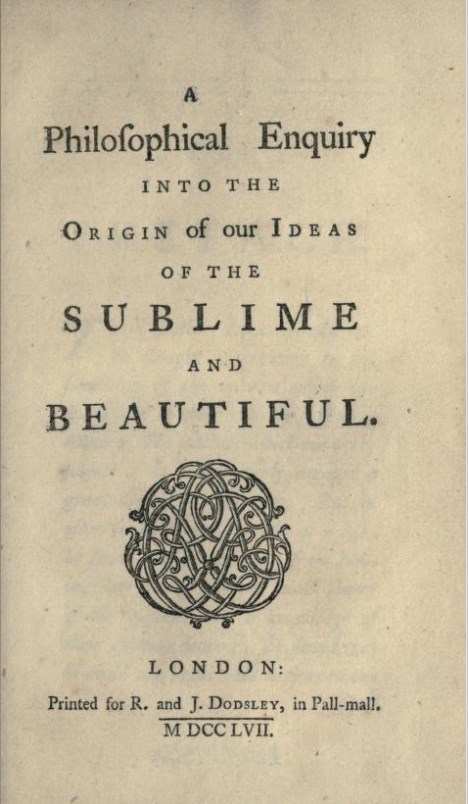
A Philosophical Enquiry into the Origin of Our Ideas of the Sublime and Beautiful
Edmund Burke · 1757
Primary source
Thoughts on the Cause of the Present Discontents
Edmund Burke · 23 April 1770
 Painting
Primary source
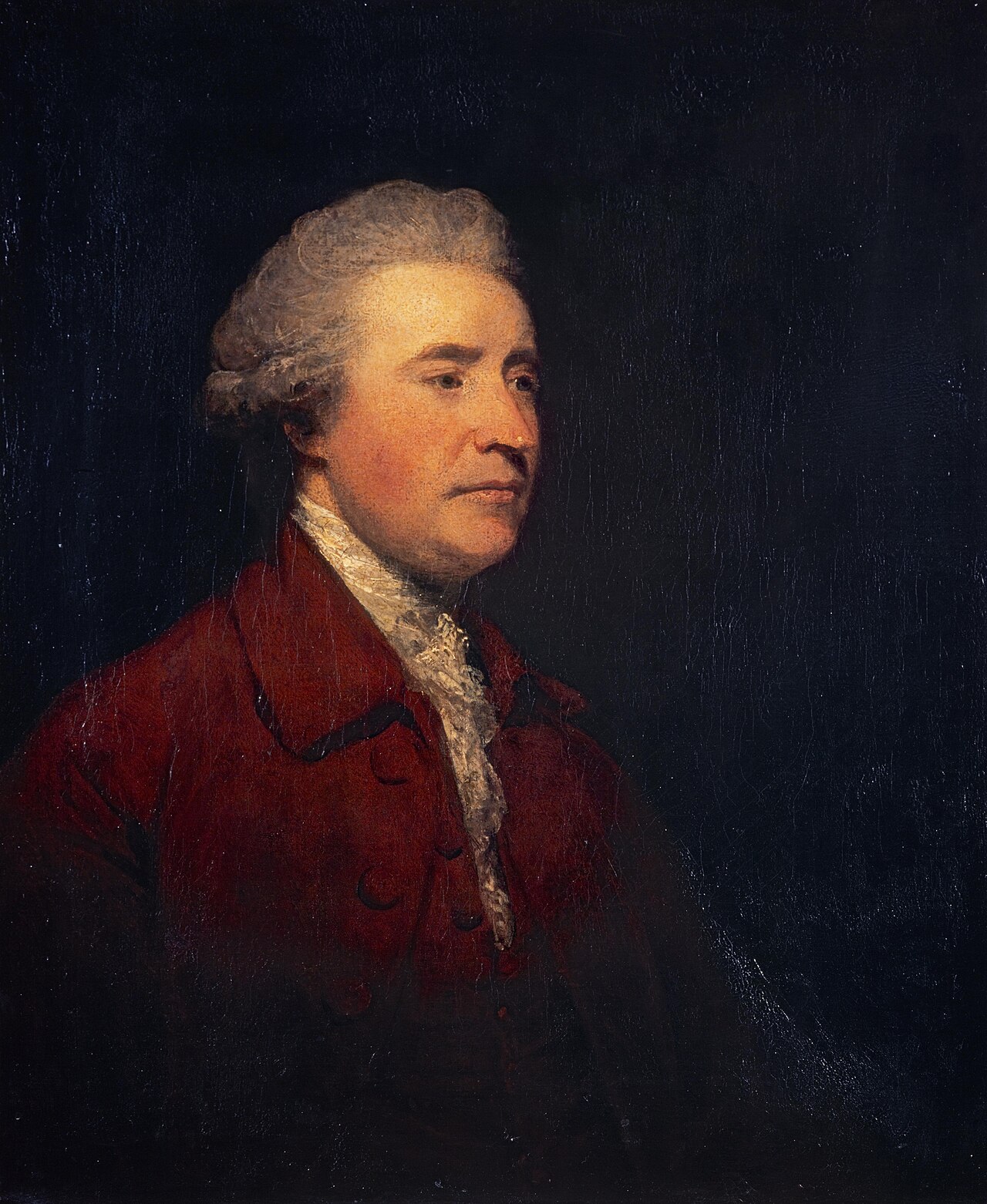
Edmund Burke, 1729-1797. Statesman, orator and author
Joshua Reynolds · 1774
Ready when you are
Start chatting with Edmund Burke now.
20 messages free · No credit card · Available in 50+ languages.