


Primary sourceDocument1815
Treaty on abolition of the slave trade, Vienna 1815
1815
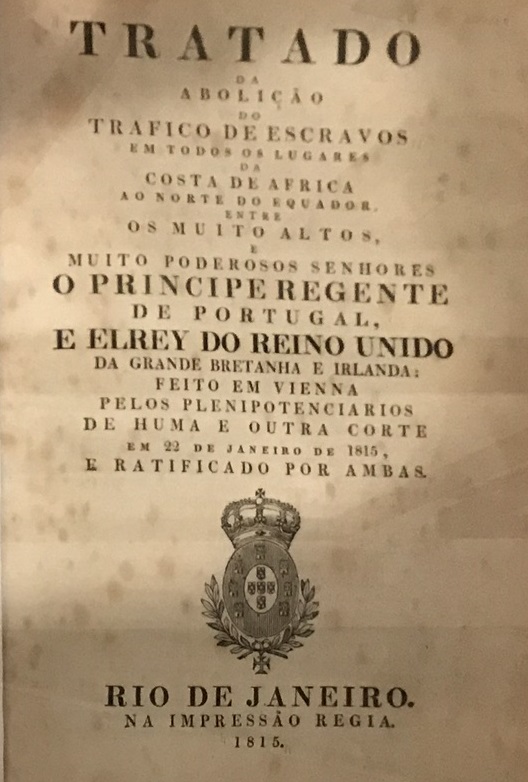
A printed 1815 Portuguese treaty, signed in Vienna, on ending the slave trade north of the Equator. It records the prince regent's agreement with Britain on this issue.
As Prince Regent, Dom João signed this treaty agreeing to end the slave trade north of the Equator, which places him in the diplomacy of the period.
About this source
What it is
This is the title page of a printed Portuguese treaty from 1815 on the abolition of the slave trade north of the Equator. It was signed in Vienna between the Prince Regent of Portugal and the King of the United Kingdom of Great Britain and Ireland. The title page reads TRATADO in large capitals and bears a royal crest.
The printed imprint reads Rio de Janeiro, Na Impressão Régia, 1815. The image on Wikimedia Commons is a digital scan uploaded in 2019, so it is a copy of the printed page and not the original paper itself.
Why it matters
The treaty shows the Portuguese crown agreeing, in an international document, to limit the slave trade. Students should know that the text was written by diplomats and governments, not by the people who were enslaved. The document therefore tells us about the political agreement between states, and little about the lives of the enslaved people it concerned.
Look closer
- Which governments are named as parties to the treaty, and who is left out of the agreement?
- Why might a treaty be printed and published, and who was expected to read it?
- What does this legal text leave out about the experience of people who were enslaved?
This document is part of the curated material that grounds the AI version of John VI of Portugal on Humy.ai — when students ask about related events, the AI can quote it and cite it.
More John VI of Portugal sources
Browse all 98 →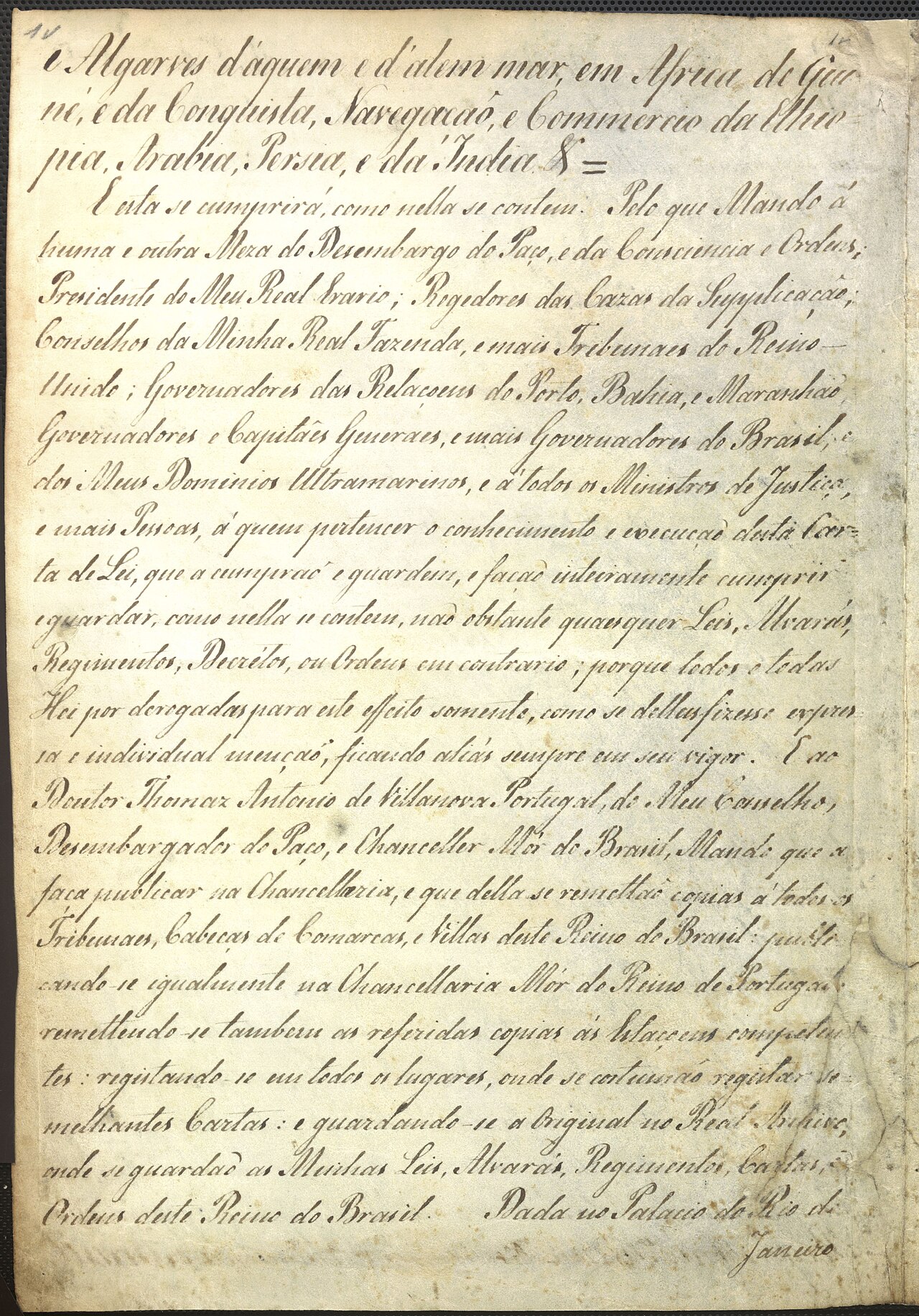 Document
Primary source
Carta de Lei de 16 de Dezembro de 1815
16 December 1815
 Painting
Secondary source
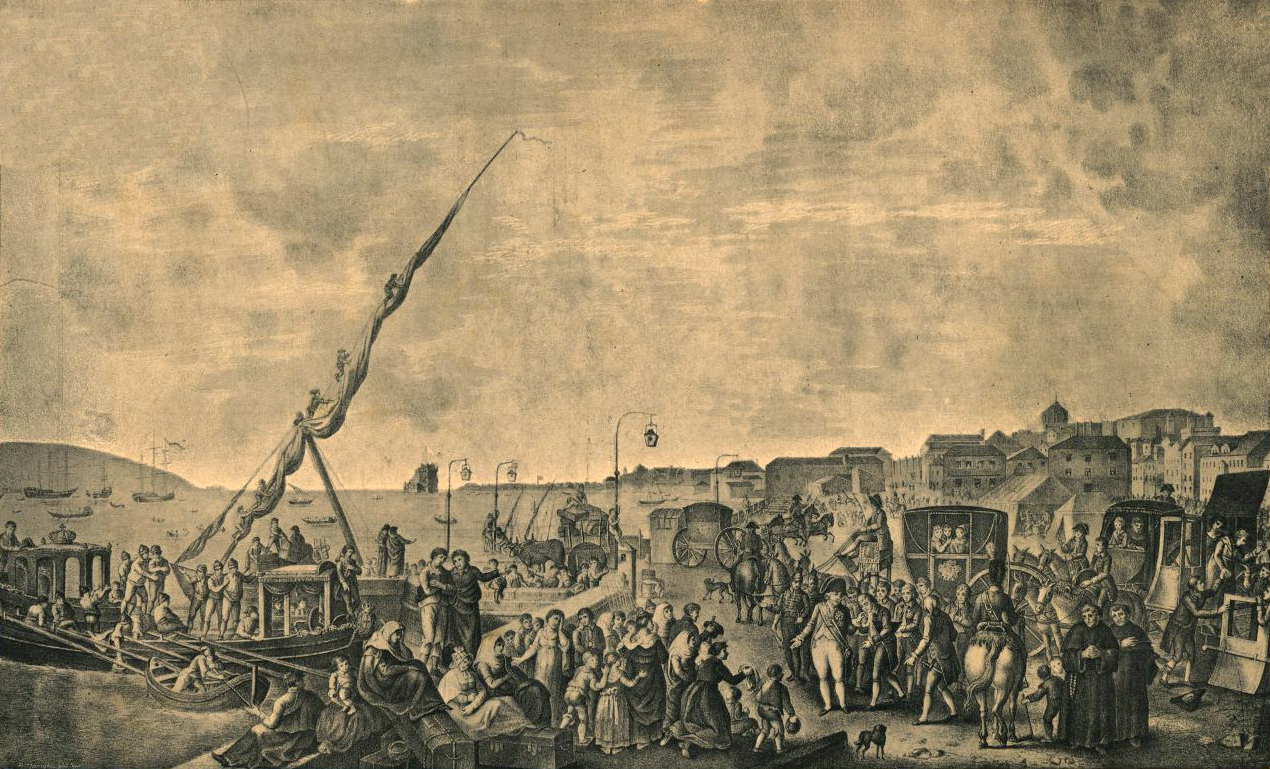
Príncipe Regente de Portugal e toda a Família Real embarcando para Brasil no cais de Belém
Henri L'Evêque · after 1807
 Document
Primary source
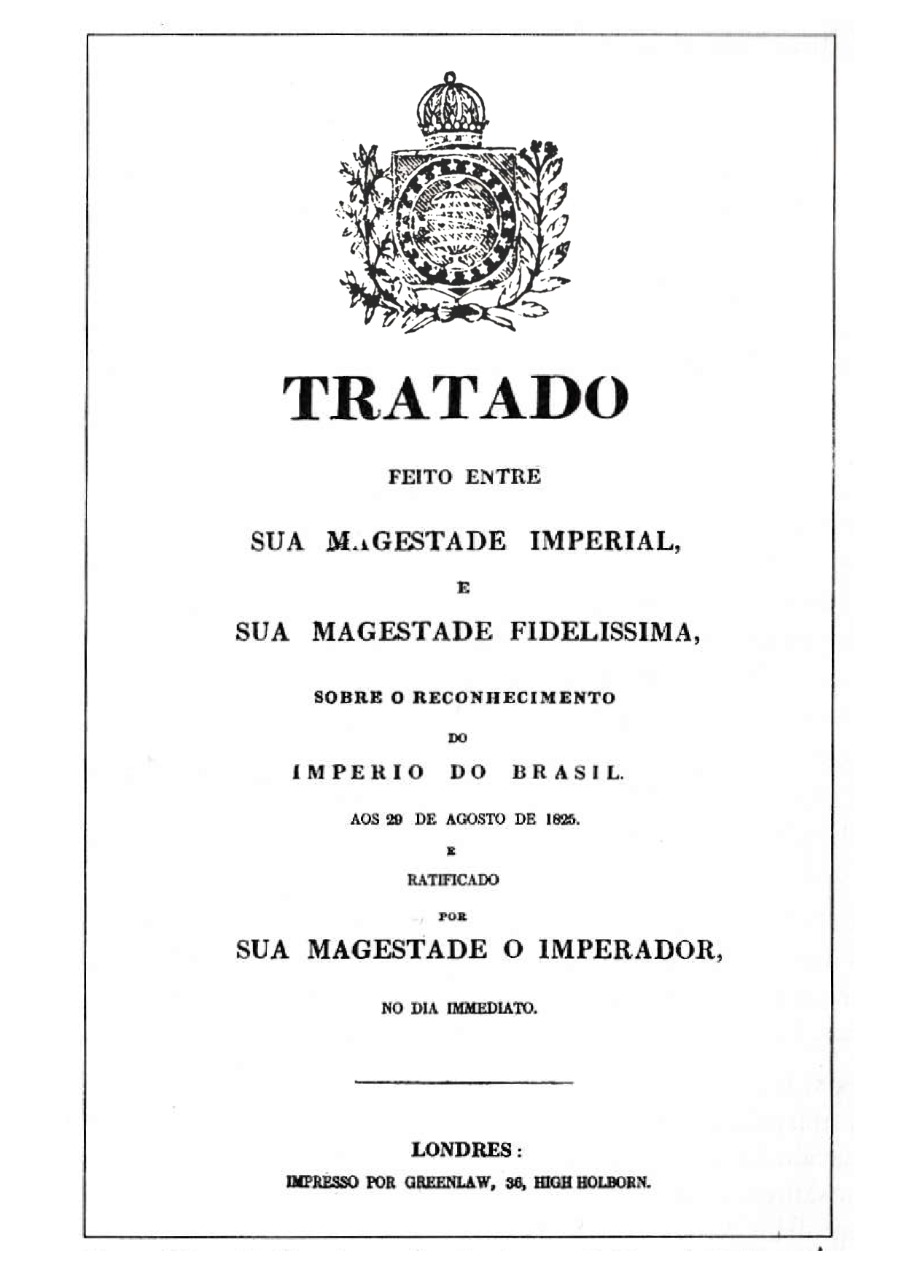
Treaty of Rio de Janeiro
29 August 1825
 Painting
Primary source
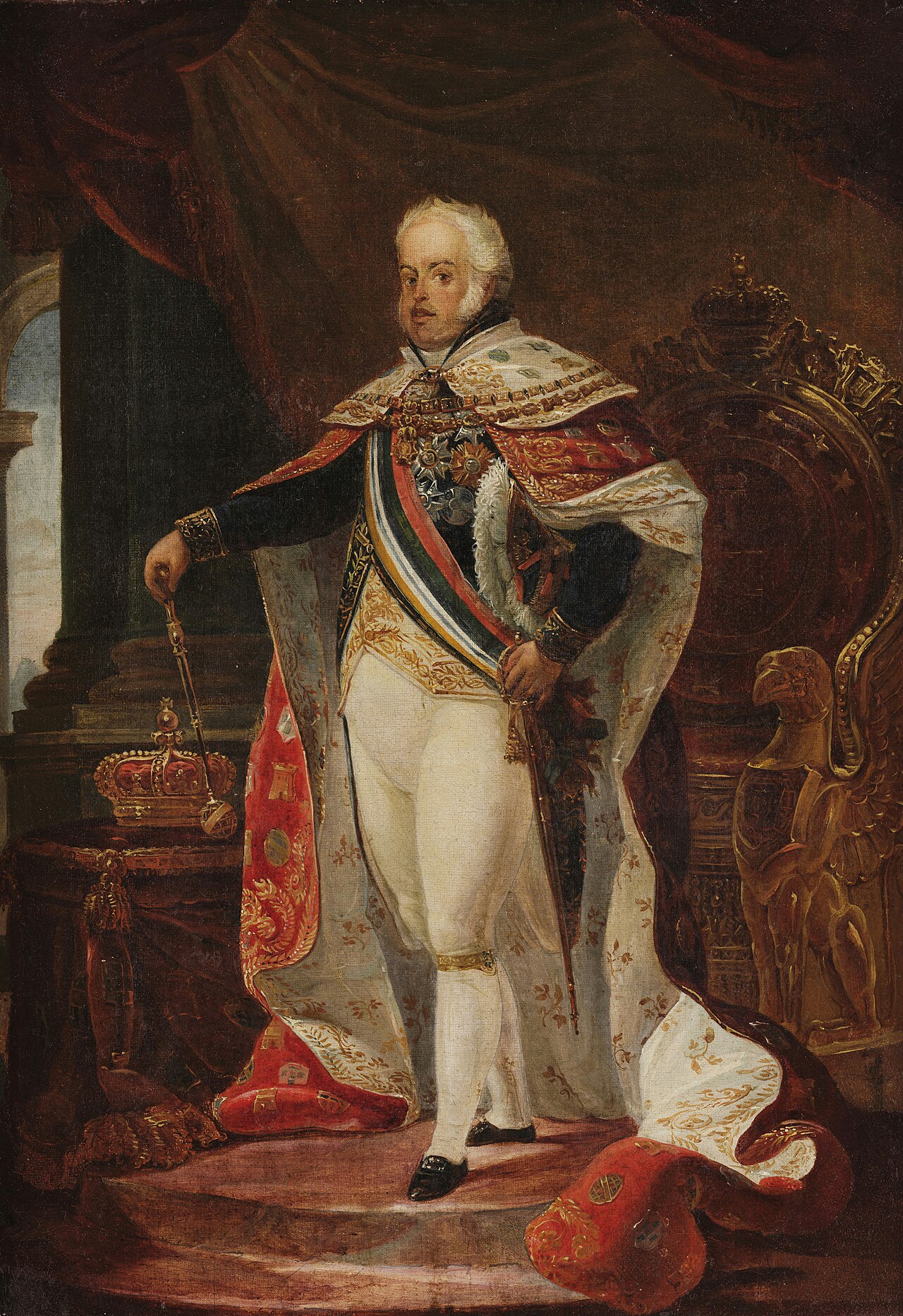
Portrait of Dom João VI by Jean-Baptiste Debret
Jean-Baptiste Debret · c. 1817
Free account
Read every John VI of Portugal source
Sign up free →
Ready when you are
Start chatting with John VI of Portugal now.
20 messages free · No credit card · Available in 50+ languages.