


Primary sourcePainting1302
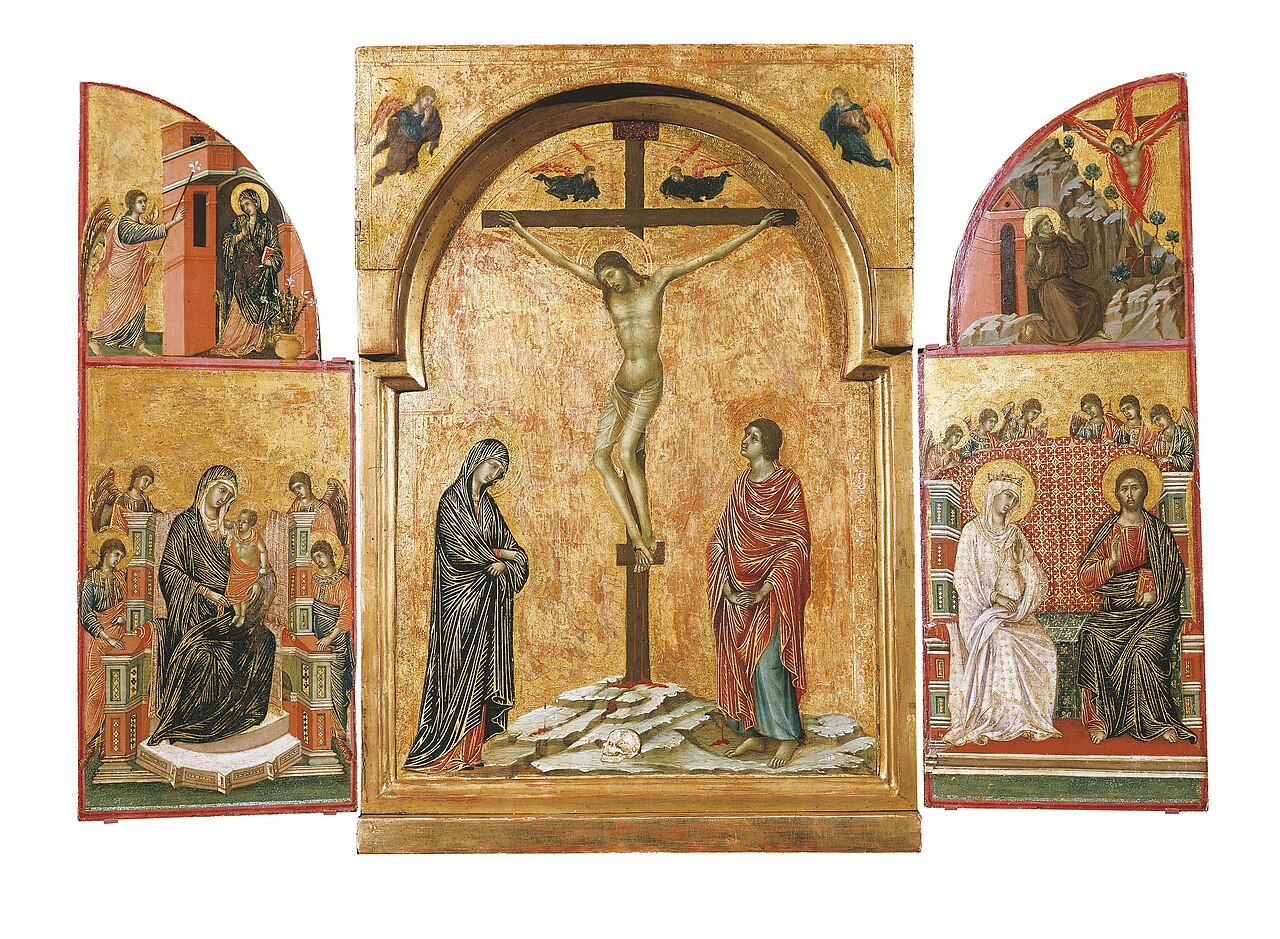
Triptych: Crucifixion and other Scenes
Duccio di Buoninsegna · 1302
A gold-ground altarpiece triptych painted by Duccio di Buoninsegna in 1302. It is held by the Royal Collection and was part of Prince Albert's collection of early Italian painting.
Albert owned this medieval altarpiece, which shows his pioneering taste as a collector of early Italian painting.
About this source
What it is
This is a painted triptych, a three-panel altarpiece, made by the Sienese painter Duccio di Buoninsegna in 1302. Its central panel shows the Crucifixion, with Christ on the cross, the Virgin Mary and a robed disciple below, and a skull on rocks. The side wings show scenes from Christ's life, including the Annunciation and the Madonna and Child enthroned with angels. The triptych is held by the Royal Collection.
Why it matters
Prince Albert owned this work and was a pioneering collector of early Italian 'primitives', paintings made before the Renaissance style became common. The object shows his taste and his interest in older religious art at a time when many Victorian buyers preferred newer paintings. It also shows how medieval altarpieces were built to be read panel by panel, with each scene guiding private prayer.
Look closer
- What details of the gold background and the flat figures are different from paintings you usually see today?
- Why might a collector in the 1800s value a painting made about five hundred years earlier?
- What does this altarpiece leave out about the people who originally used it?
This painting is part of the curated material that grounds the AI version of Prince Albert of Saxe-Coburg and Gotha on Humy.ai — when students ask about related events, the AI can quote it and cite it.
More Prince Albert of Saxe-Coburg and Gotha sources
Browse all 94 →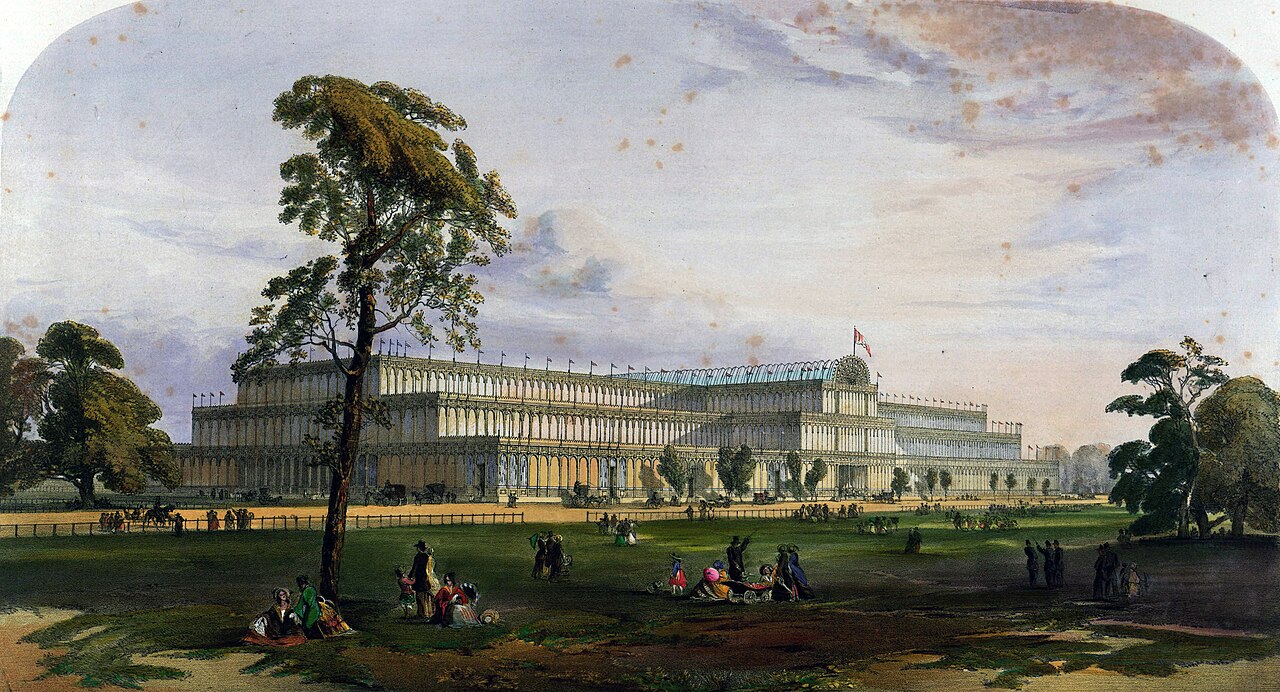 Artifact
Secondary source
The Crystal Palace
Joseph Paxton · 1851
 Painting
Primary source
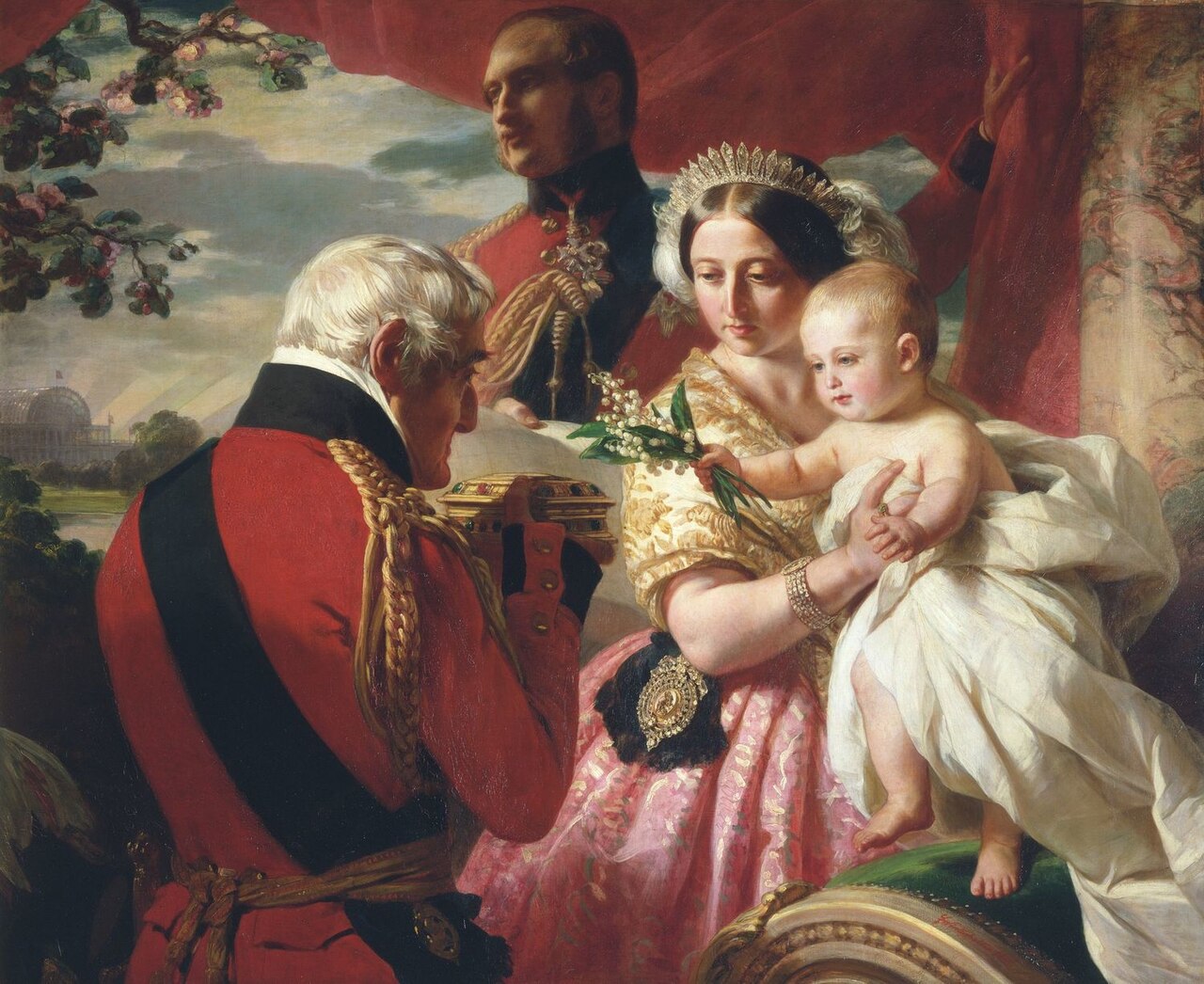
The First of May 1851
Franz Xaver Winterhalter · 1851
 Painting
Primary source
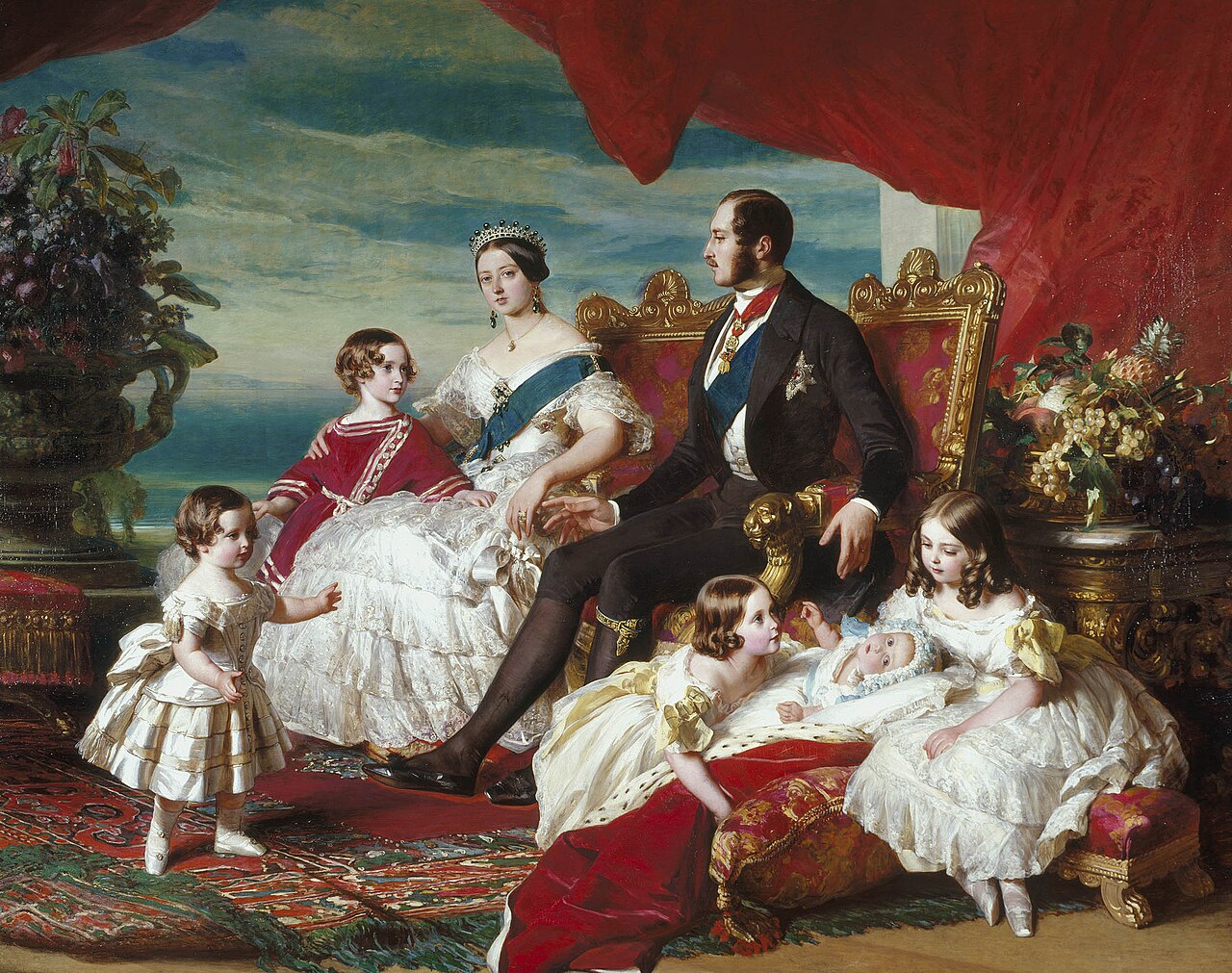
The Royal Family in 1846
Franz Xaver Winterhalter · 1846-1847
 Artifact
Primary source
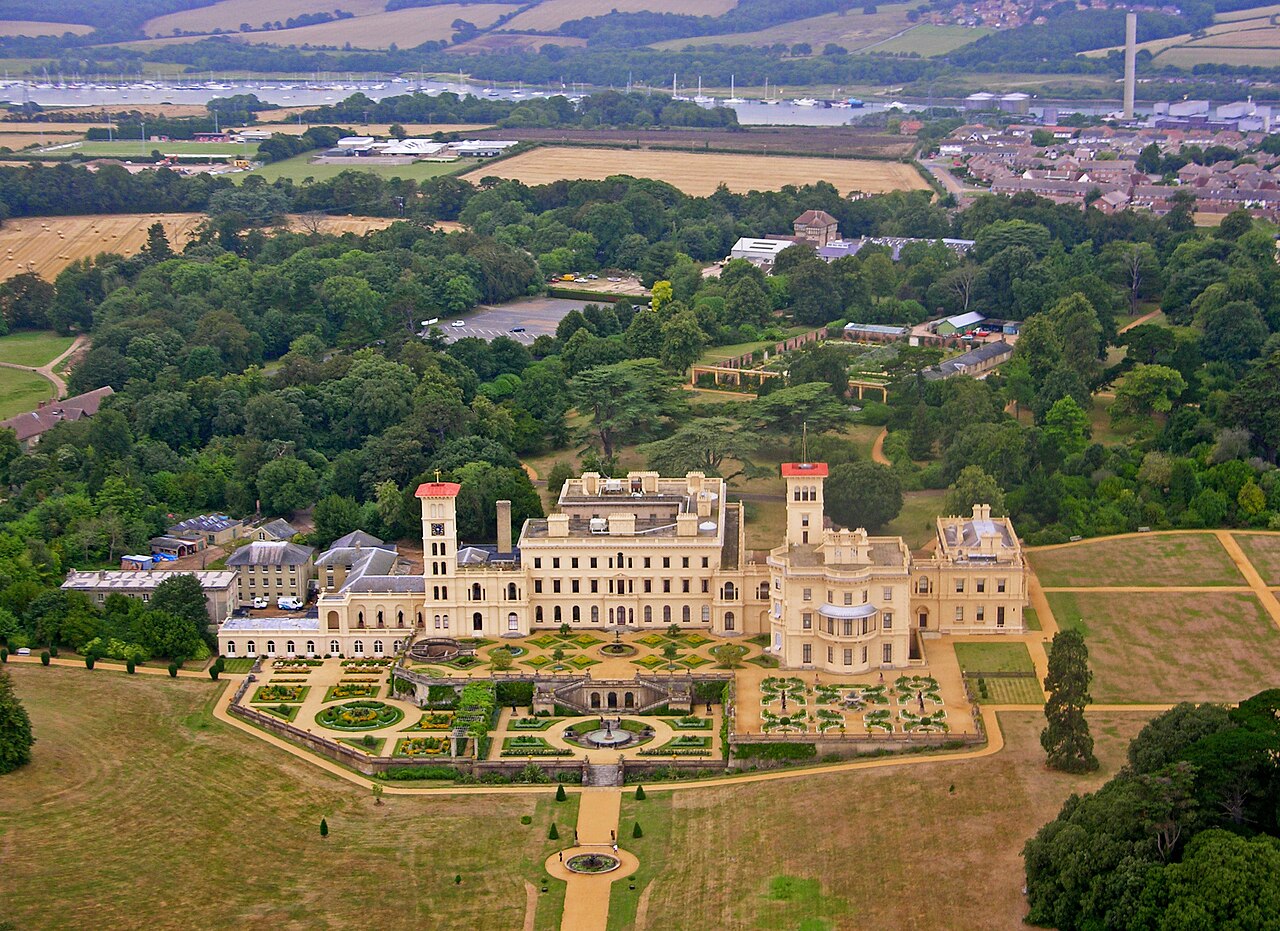
Osborne House
Thomas Cubitt · 1845–1851
Free account
Read every Prince Albert of Saxe-Coburg and Gotha source
Sign up free →
Ready when you are
Start chatting with Prince Albert of Saxe-Coburg and Gotha now.
20 messages free · No credit card · Available in 50+ languages.