


Secondary sourcePainting1636
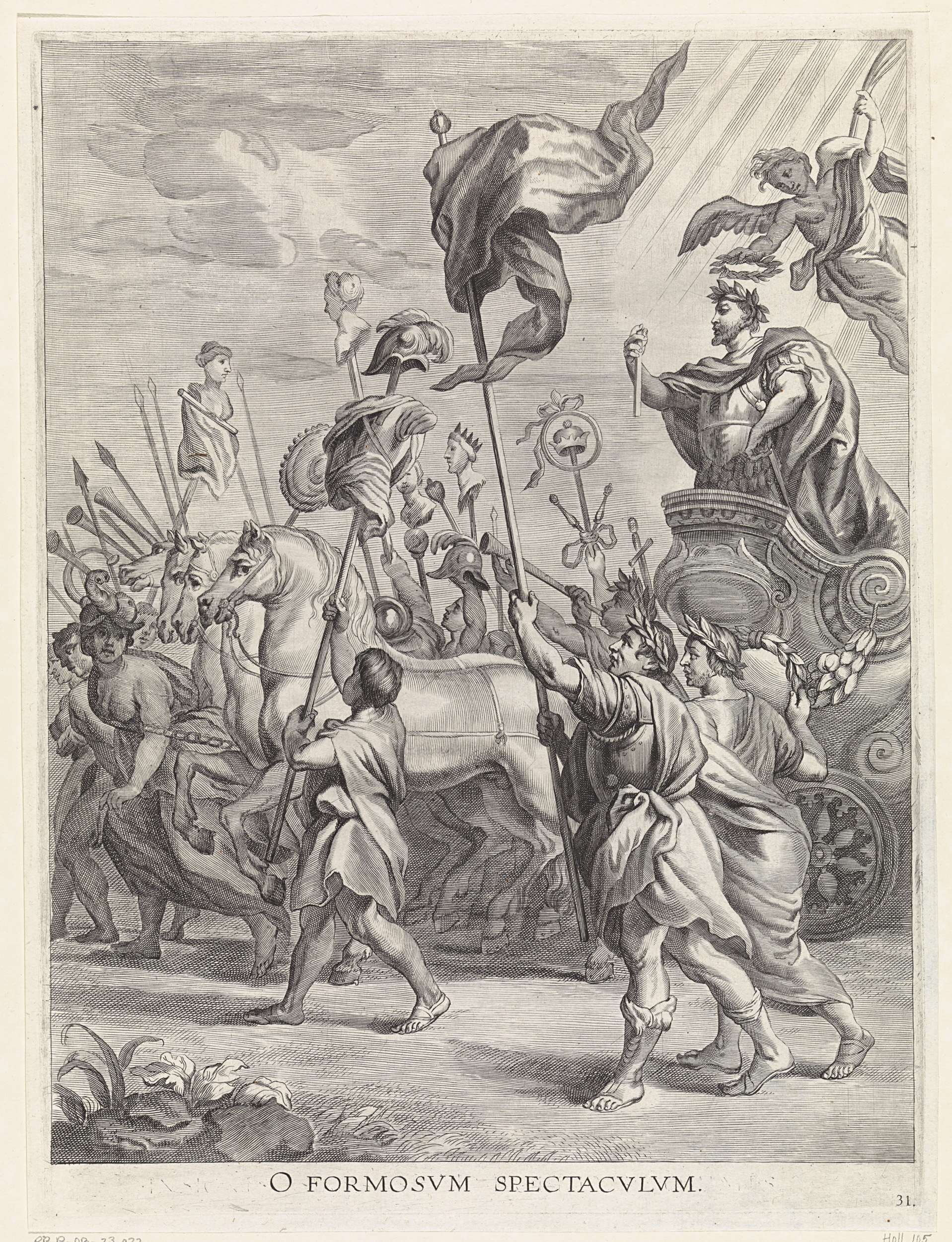
Triumph of Scipio Africanus
1636
An engraved print from 1636 showing Scipio Africanus riding in a triumphal chariot after his victory at Zama. It belongs to a series about a 1635 ceremonial entry into Ghent.
Scipio is the subject of this triumph scene, which later artists used as a model of Roman military glory in the Spanish Netherlands.
About this source
What it is
This engraved print from 1636 is held by the Rijksmuseum in Amsterdam. It shows a triumphal procession of Scipio Africanus after his victory over the Carthaginian army at Zama in the Second Punic War, in 202 BCE. A Latin caption reads O FORMOSVM SPECTACVLVM. The print belongs to a series that illustrates the account of the entry of Cardinal-Infante Ferdinand of Austria into Ghent on 28 January 1635. The museum record notes that Charles V's victory in Africa is compared with Scipio's.
Why it matters
The print shows how audiences in the Spanish Netherlands used a Roman triumph to present a new governor. Charles V is named as the African victor whom the image sets beside Scipio, linking a classical hero to a sixteenth-century one. Because the print was made centuries after Scipio, it reveals how he was remembered in 1636 as much as what happened in 202 BCE.
Look closer
- Who is shown as the hero, and how do the attendants and the banner direct your eye toward him?
- Why would the organisers of a ceremony in Ghent want Scipio's triumph in their printed account?
- What does the image leave out about the war and the people defeated at Zama?
This painting is part of the curated material that grounds the AI version of Scipio Africanus on Humy.ai — when students ask about related events, the AI can quote it and cite it.
More Scipio Africanus sources
Browse all 94 →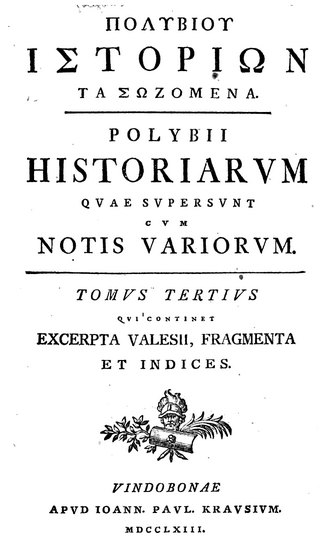 Book
Secondary source
The Histories
Polybius · c. 150 BCE
 Book
Primary source
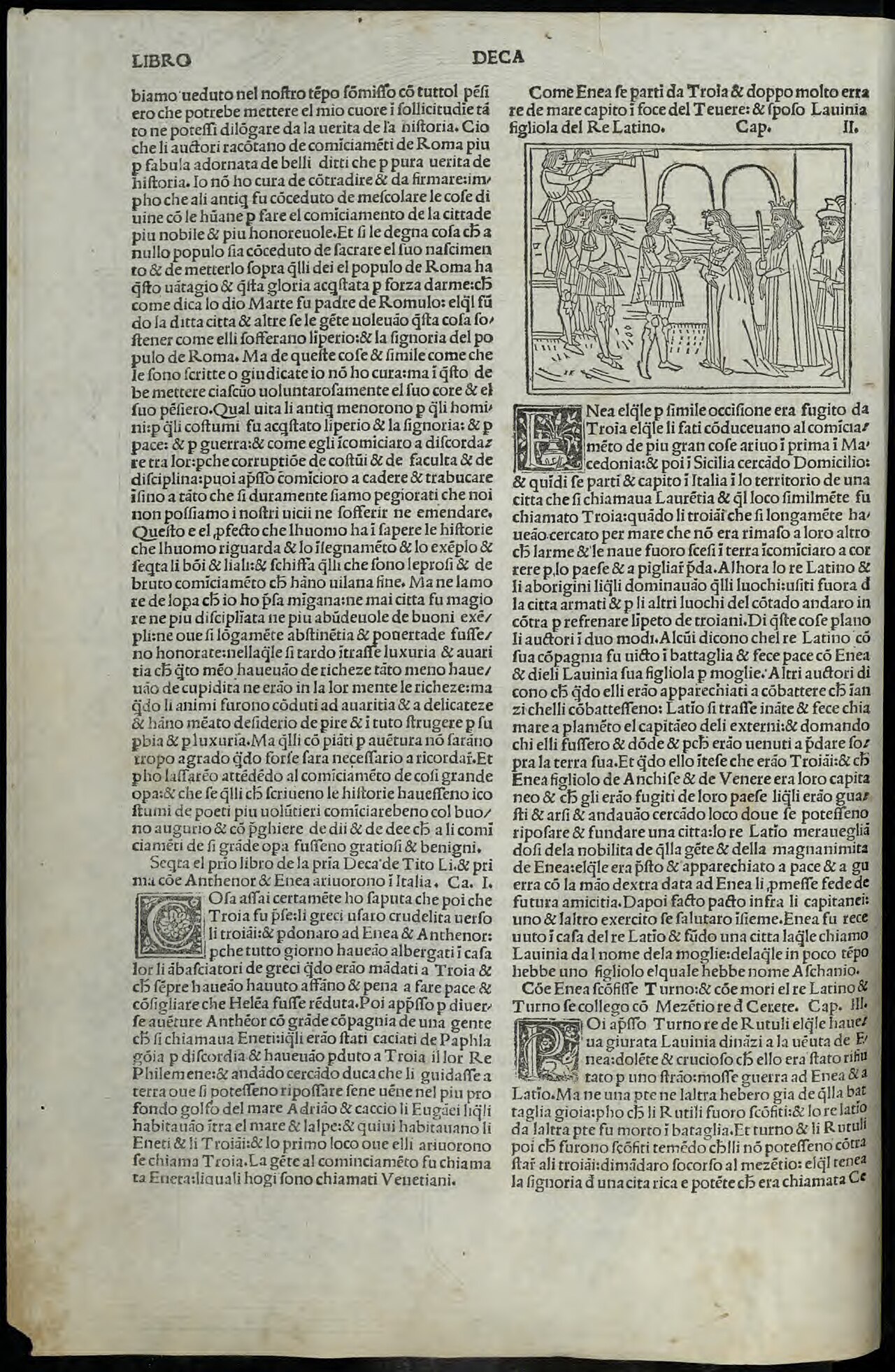
History of Rome
Titus Livius · 27-9 BC
 Book
Secondary source
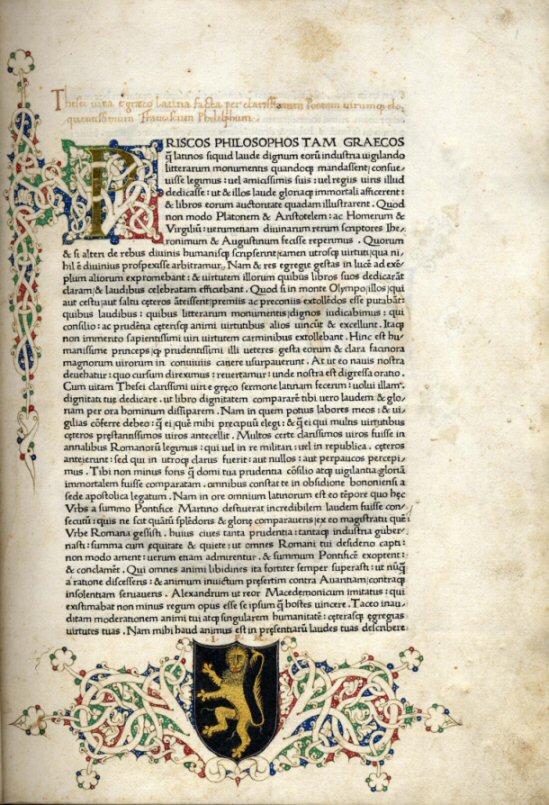
Parallel Lives
Plutarch · c. 100-120 AD
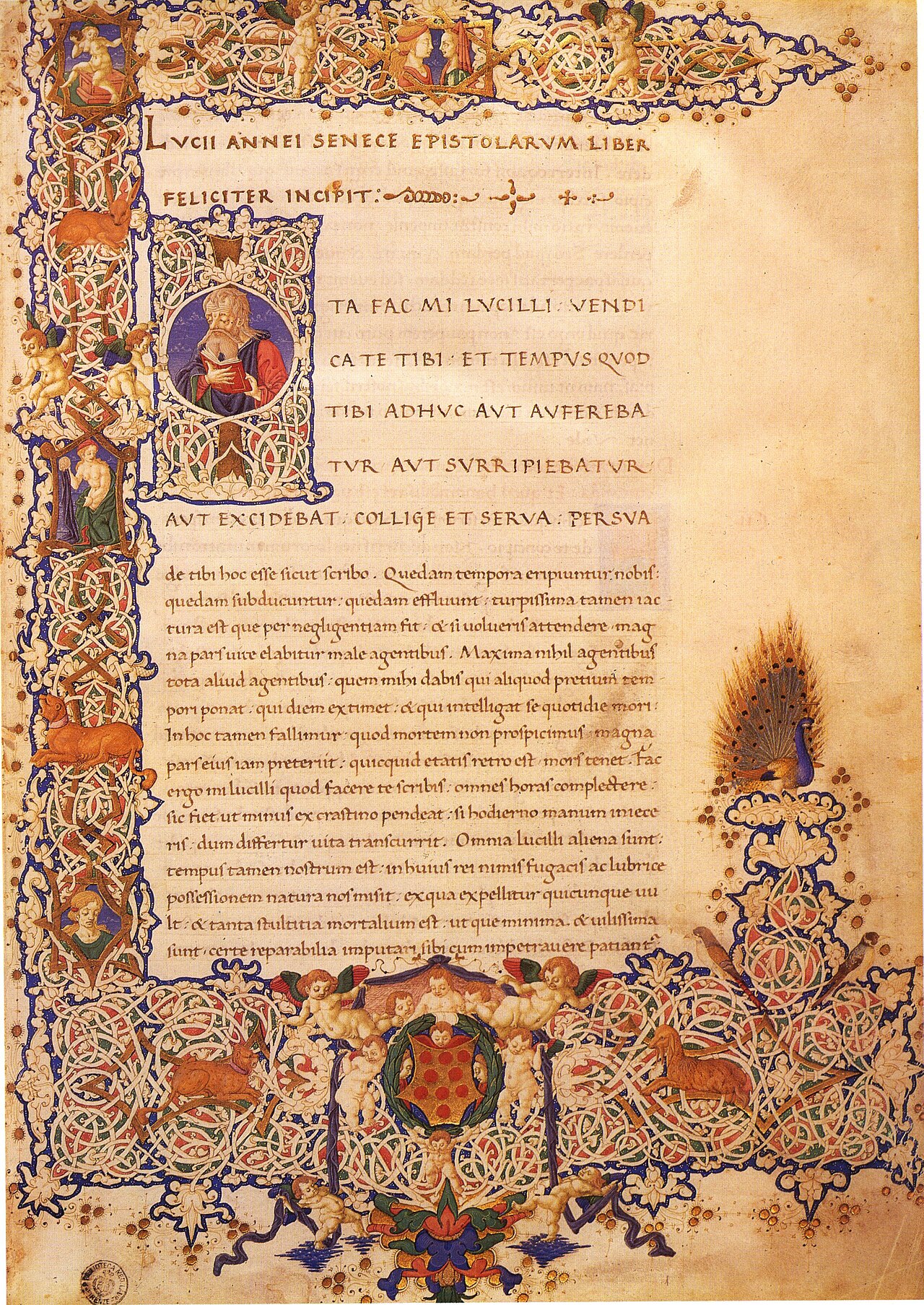 Letter
Primary source
Epistulae Morales ad Lucilium
Seneca · c. 62-65 CE
Free account
Read every Scipio Africanus source
Sign up free →
Ready when you are
Start chatting with Scipio Africanus now.
20 messages free · No credit card · Available in 50+ languages.