


Secondary sourcePaintingcirca 1500
Triumph of Scipio
Andrea Mantegna · circa 1500
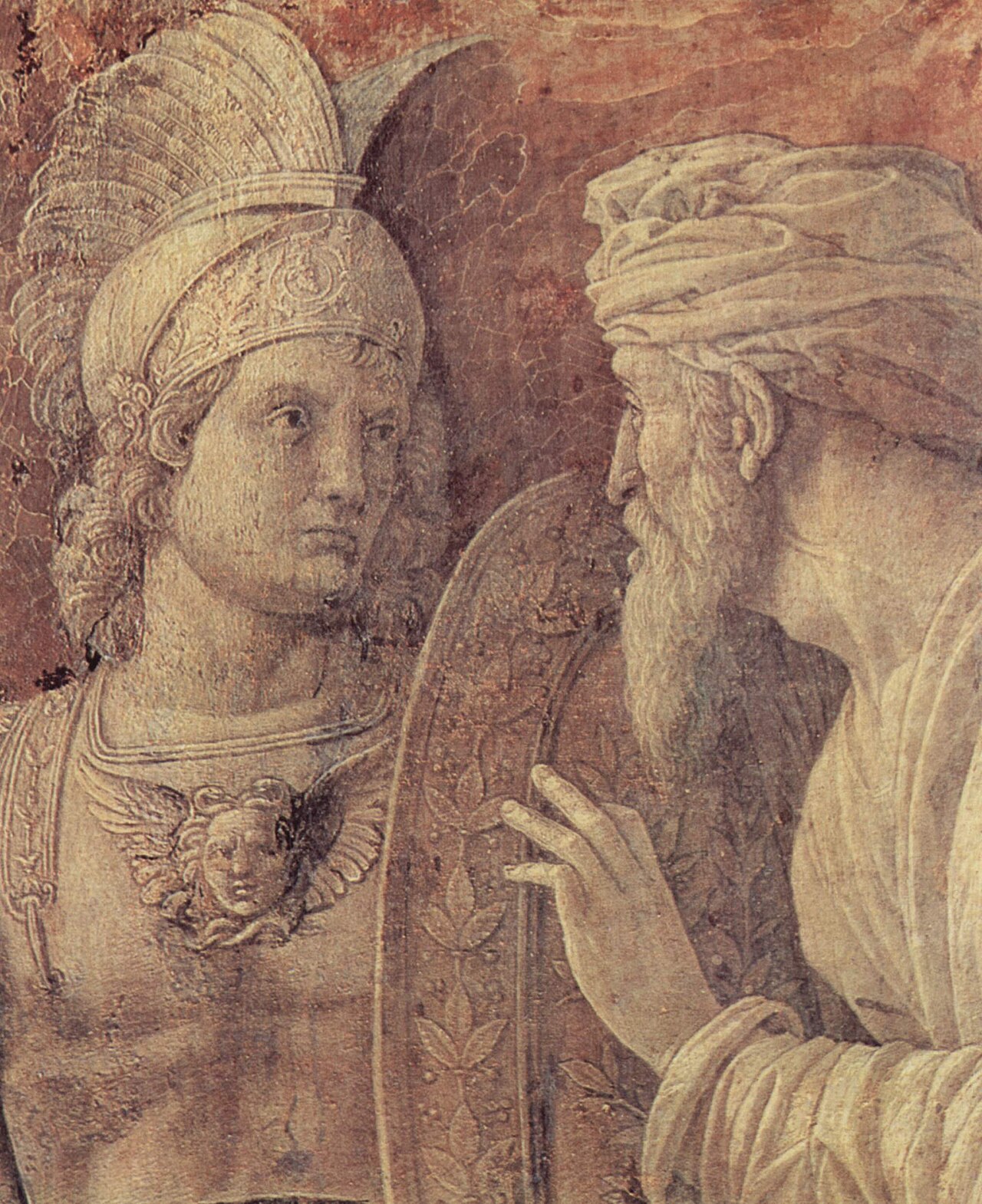
A detail of a Renaissance painting attributed to Andrea Mantegna, showing Scipio in a scene connected to the introduction of the goddess Cybele to Rome.
This painting depicts Scipio within a scene of Roman religious history, showing his symbolic importance to later artists.
About this source
What it is
This is a detail from a painting attributed to Andrea Mantegna, made around 1500, showing a scene connected to Scipio Africanus and the story of the goddess Cybele's arrival in Rome.
Why it matters
Renaissance artists like Mantegna frequently painted scenes from Roman history, mixing historical figures with religious and mythological elements. This reflects how later generations blended Scipio's real story with Rome's wider myths and legends.
Look closer
- What details in the clothing and headdress suggest status or role?
- Why might an artist combine a historical figure like Scipio with a religious story?
- What is missing from this image that you would need other sources to understand?
This painting is part of the curated material that grounds the AI version of Scipio Africanus on Humy.ai — when students ask about related events, the AI can quote it and cite it.
More Scipio Africanus sources
Browse all 94 → Book
Secondary source
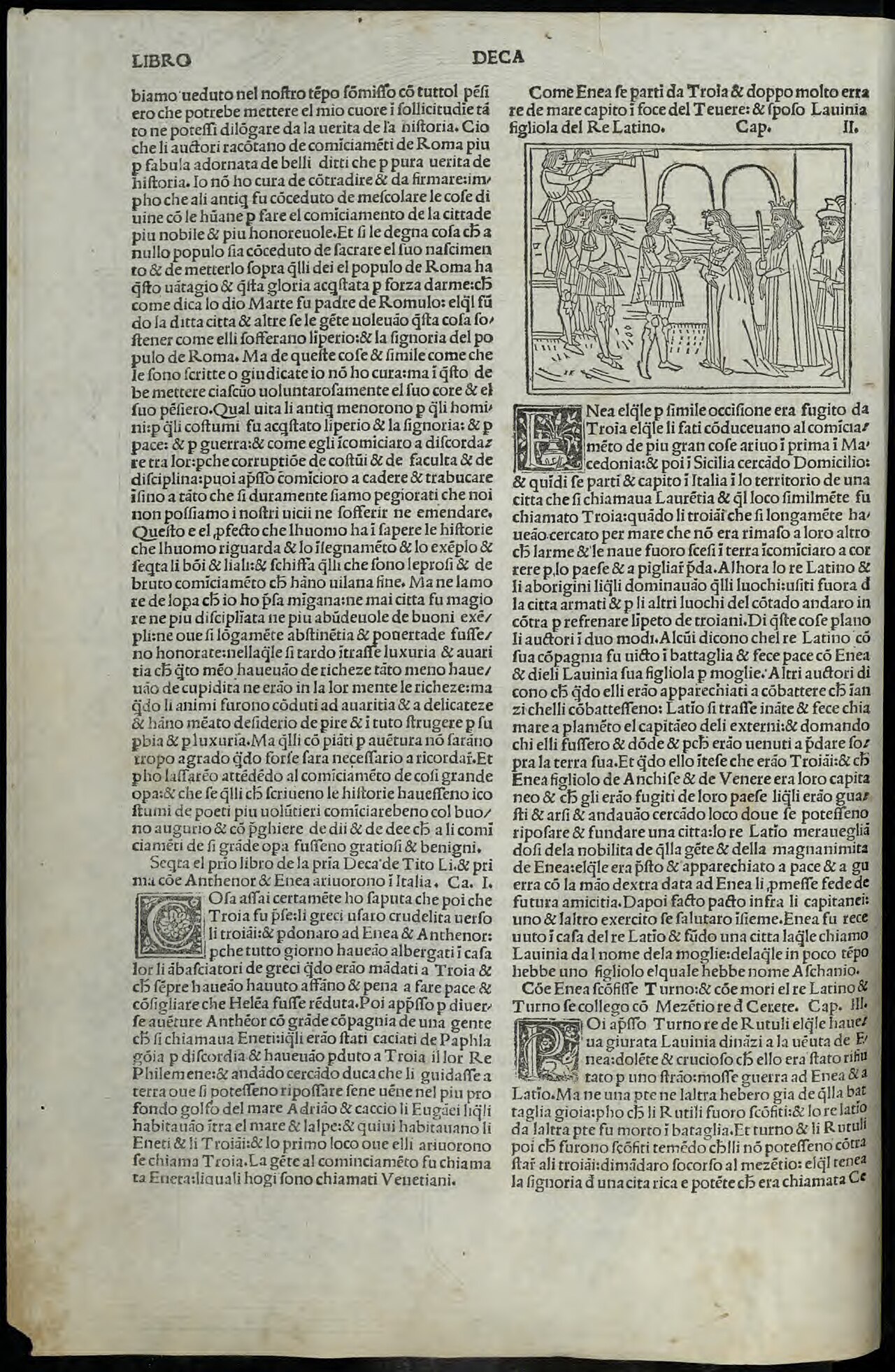
The Histories
Polybius · c. 150 BCE
 Book
Primary source
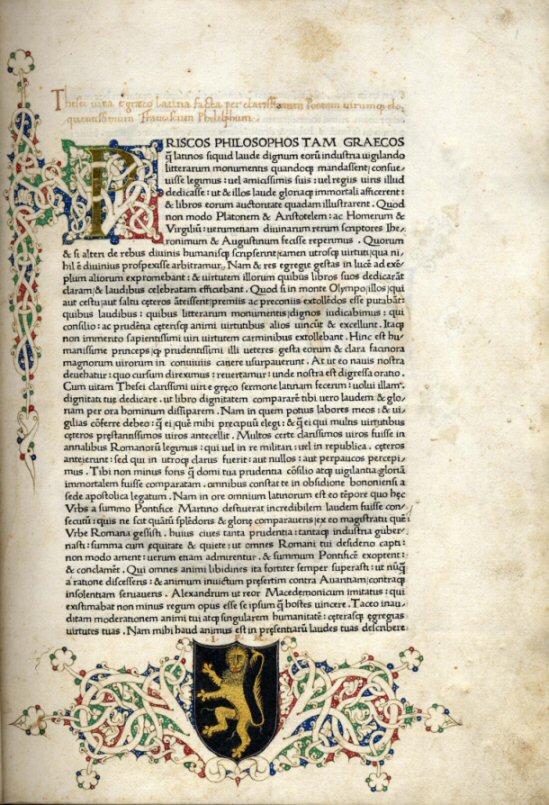
History of Rome
Titus Livius · 27-9 BC
 Book
Secondary source
Parallel Lives
Plutarch · c. 100-120 AD
 Letter
Primary source
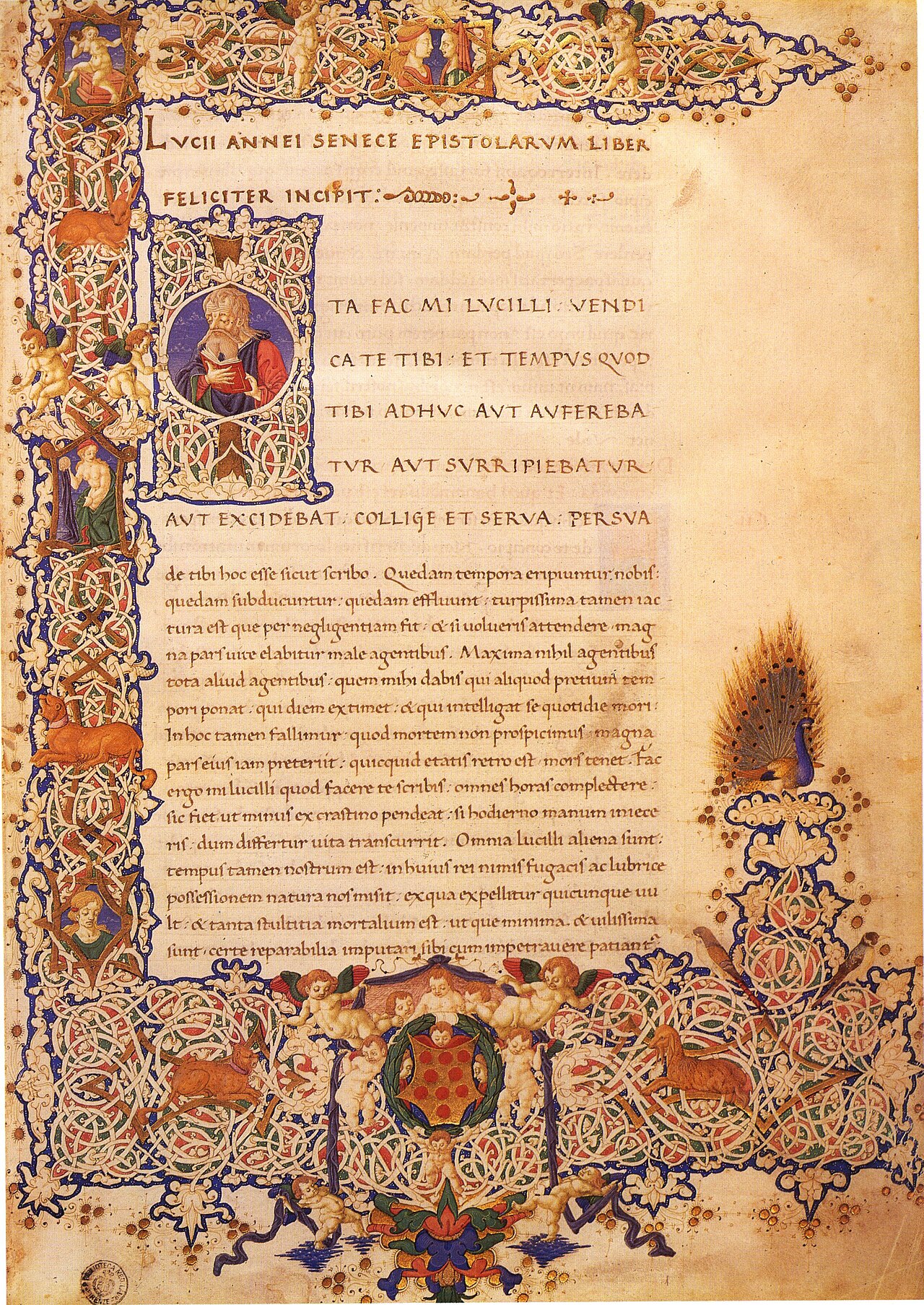
Epistulae Morales ad Lucilium
Seneca · c. 62-65 CE
Free account
Read every Scipio Africanus source
Sign up free →
Ready when you are
Start chatting with Scipio Africanus now.
20 messages free · No credit card · Available in 50+ languages.