


Secondary sourcePainting1537
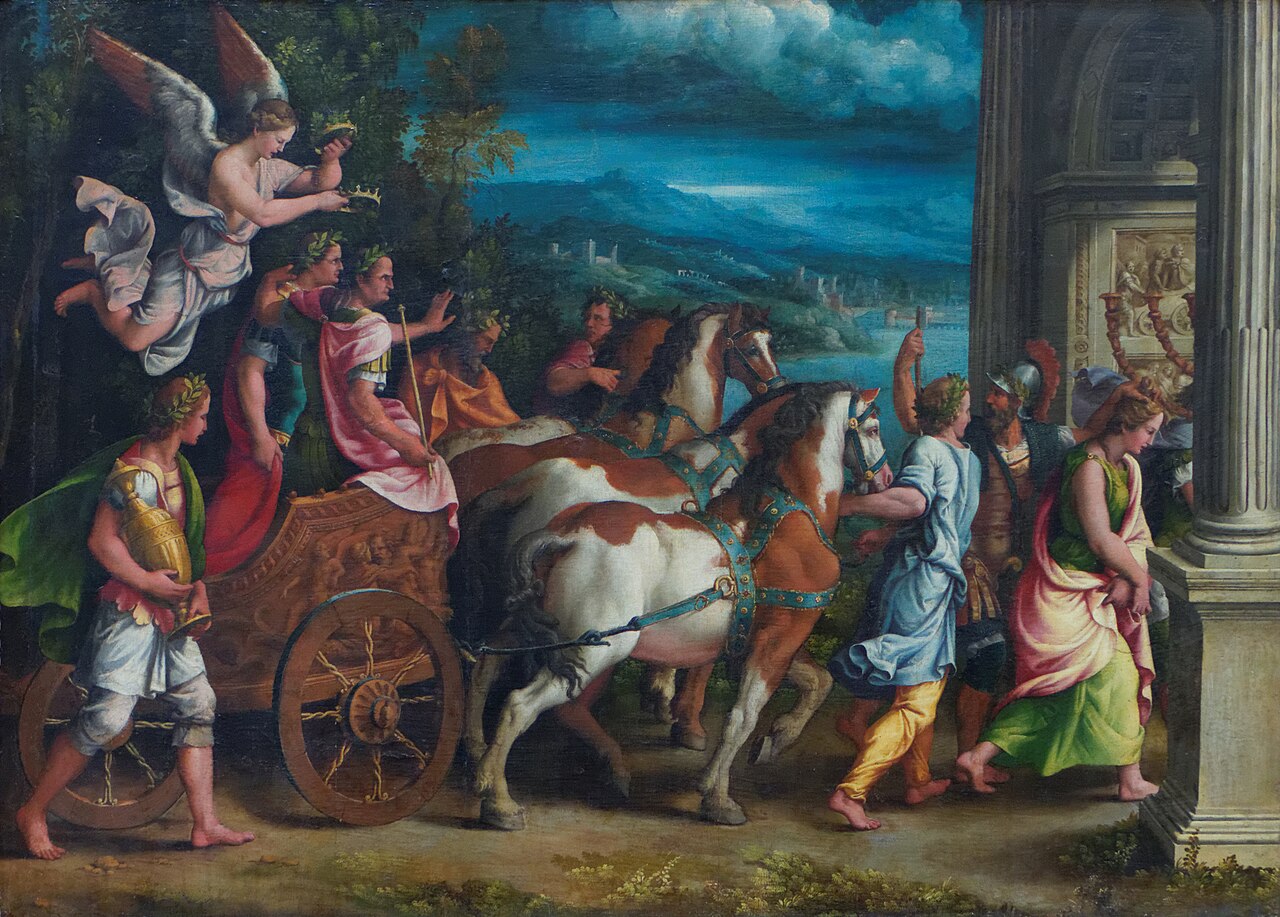
Triumph of Titus and Vespasian
Giulio Romano · 1537
A 1537 painting by Giulio Romano imagining the triumphal procession celebrating the Flavian victory over Judaea, with Vespasian and Titus as its central figures.
This Renaissance painting depicts Vespasian celebrating the triumph that marked his rise to imperial power.
About this source
What it is
This painting was made by Giulio Romano in 1537 and is held in the Department of Paintings of the Louvre. It depicts a triumphal procession, a ceremony held in Rome to celebrate military victory.
Why it matters
The painting reimagines the triumph celebrated by Vespasian and his son Titus after their campaign in Judaea. Centuries after the event, Renaissance artists like Romano looked back at Roman history to create grand, dramatic scenes that reflected how later generations viewed imperial power and conquest.
Look closer
- What details in the painting—chariot, horses, Victory figure, arch—tell you this is meant to show triumph and celebration?
- Why might an artist in the 1500s choose to paint a scene from ancient Rome?
- What might the painting leave out about the real historical events it represents?
This painting is part of the curated material that grounds the AI version of Vespasian and Titus on Humy.ai — when students ask about related events, the AI can quote it and cite it.
More Vespasian sources
Browse all 95 →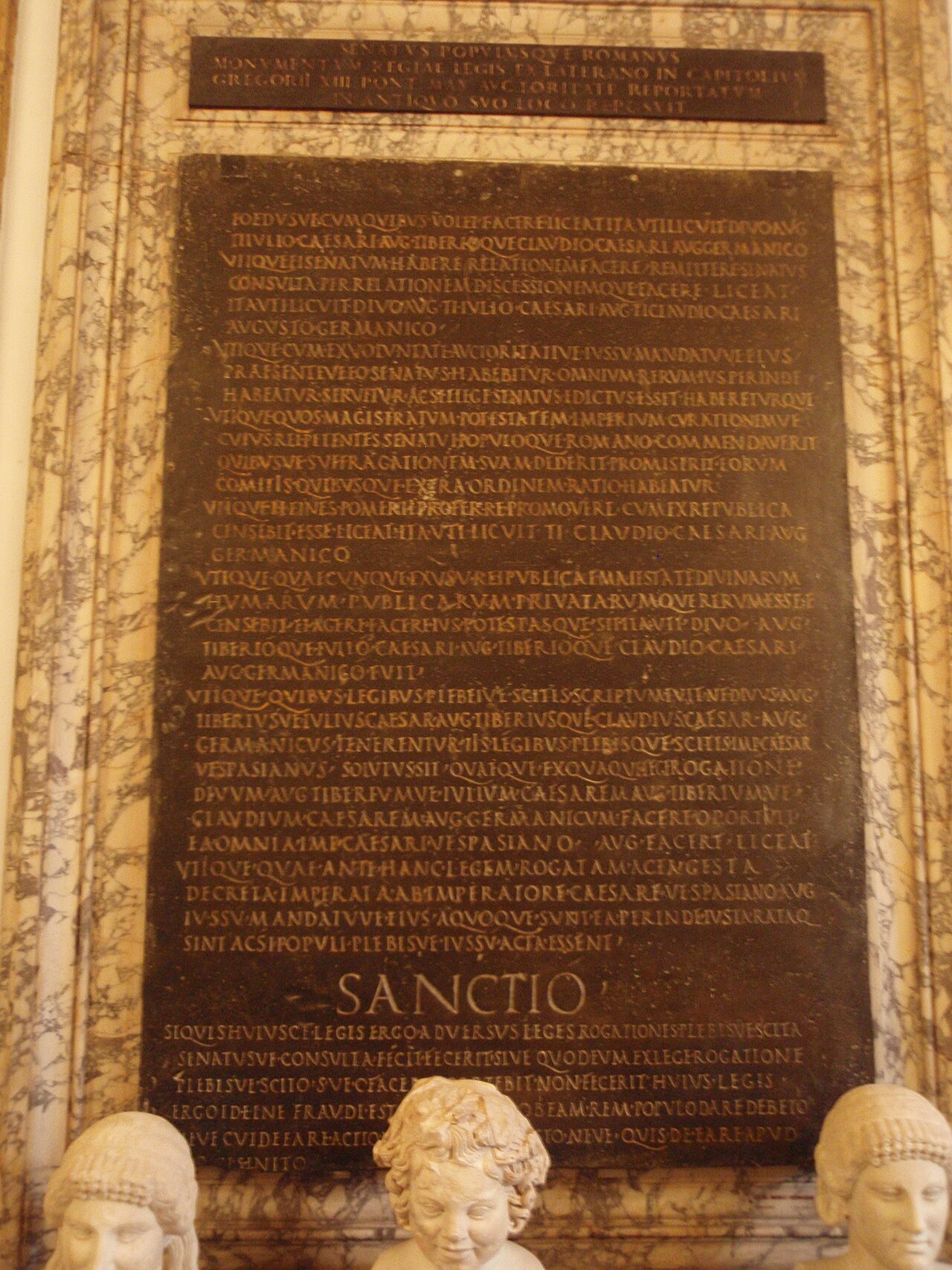 Document
Primary source
Lex de imperio Vespasiani
Roman Senate · AD 69–70
 Artifact
Primary source
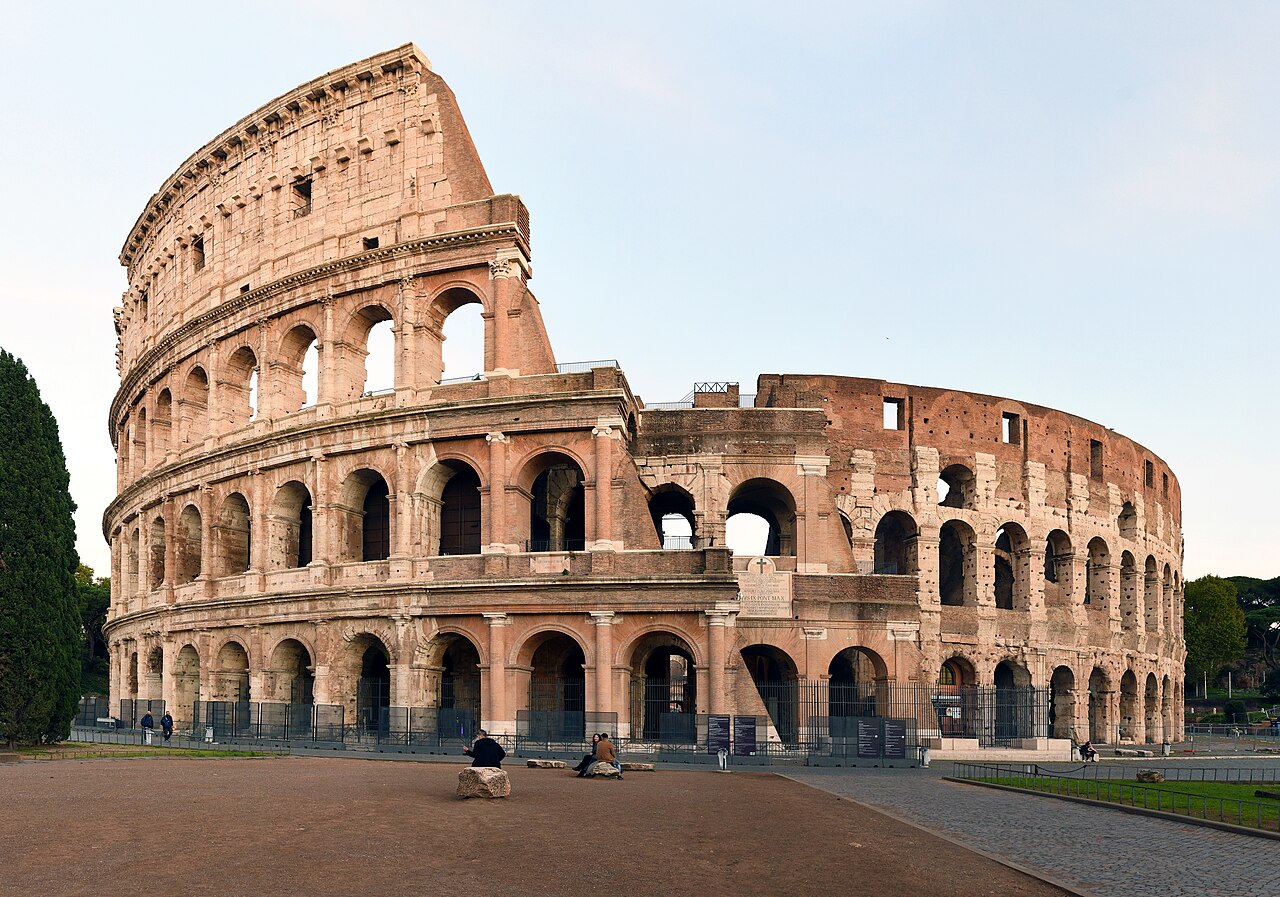
Colosseum
begun 72 AD, completed 80 AD
 Book
Secondary source
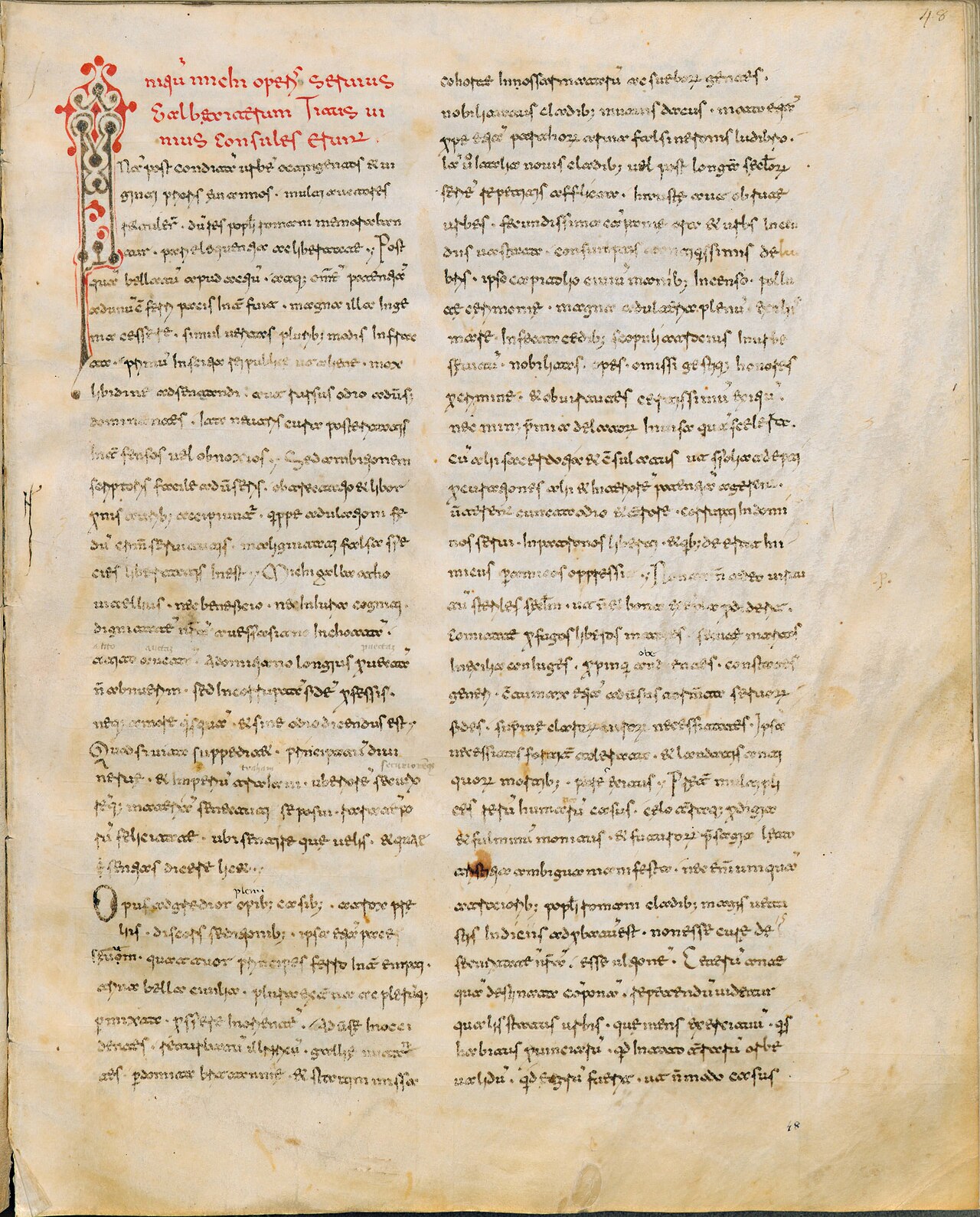
Histories
Tacitus · c. 100-110 AD
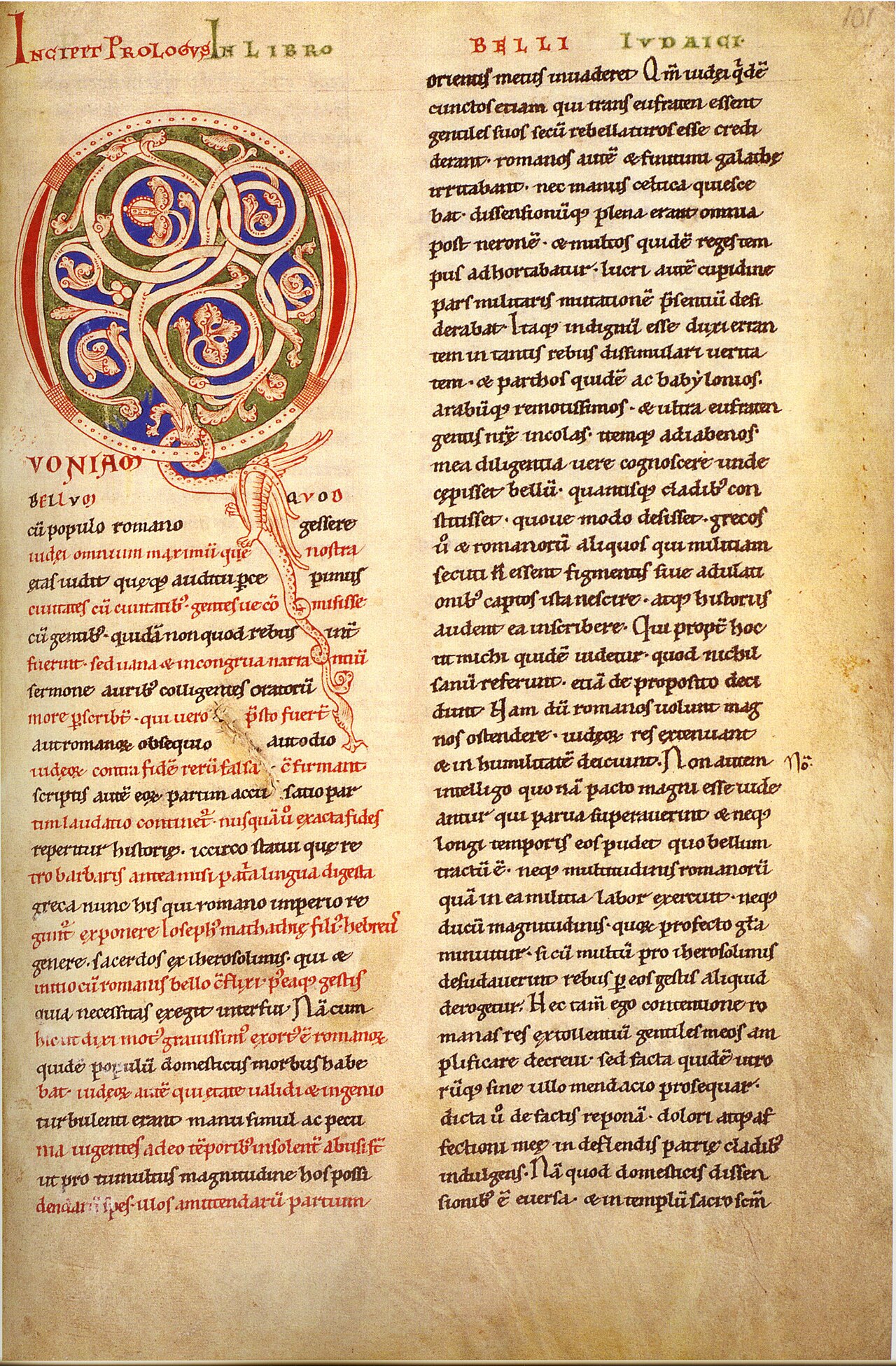 Book
Secondary source
The Jewish War
Josephus · c. AD 75
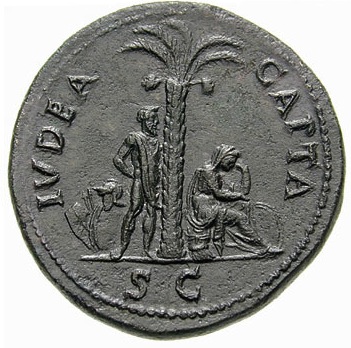
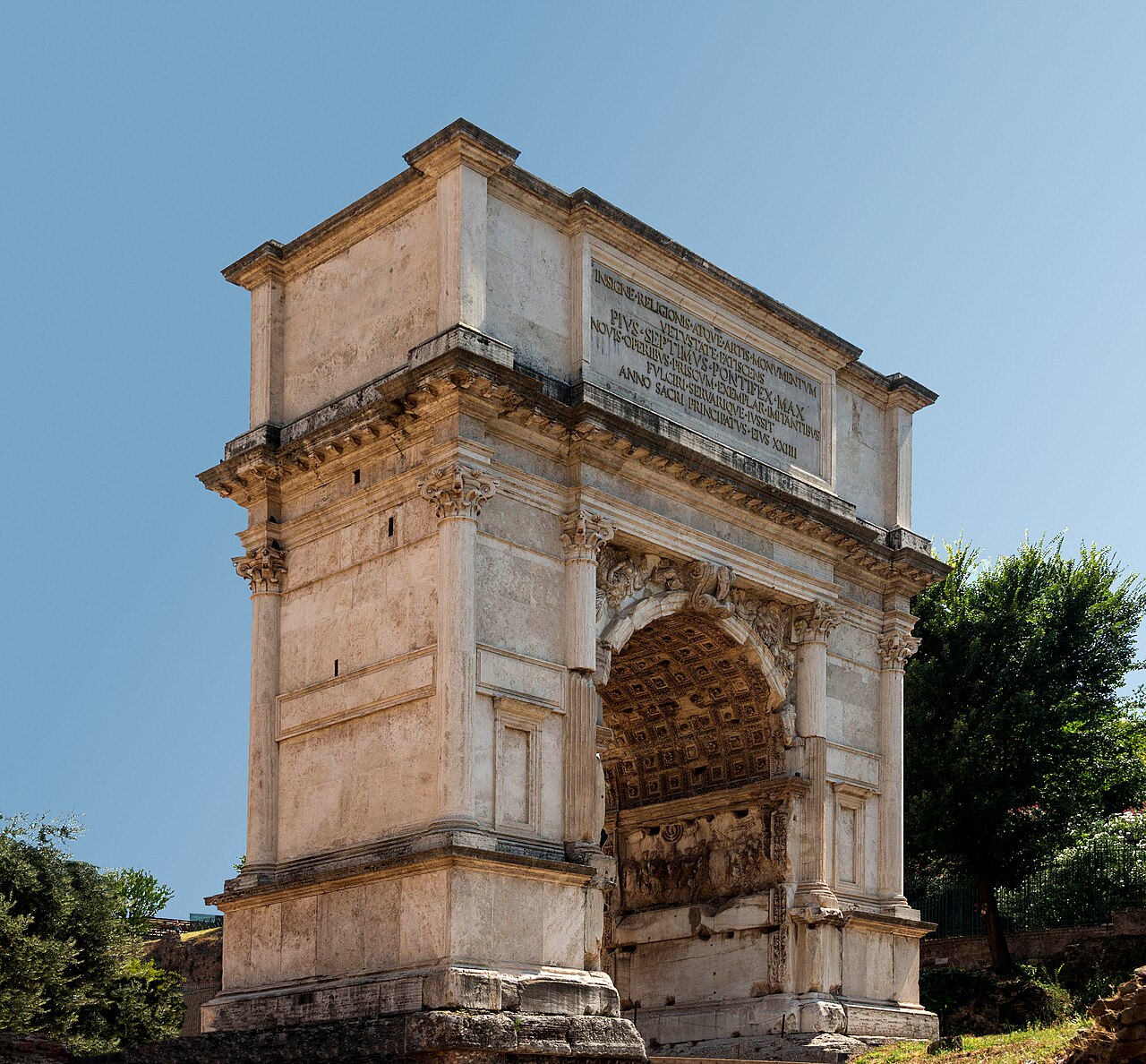
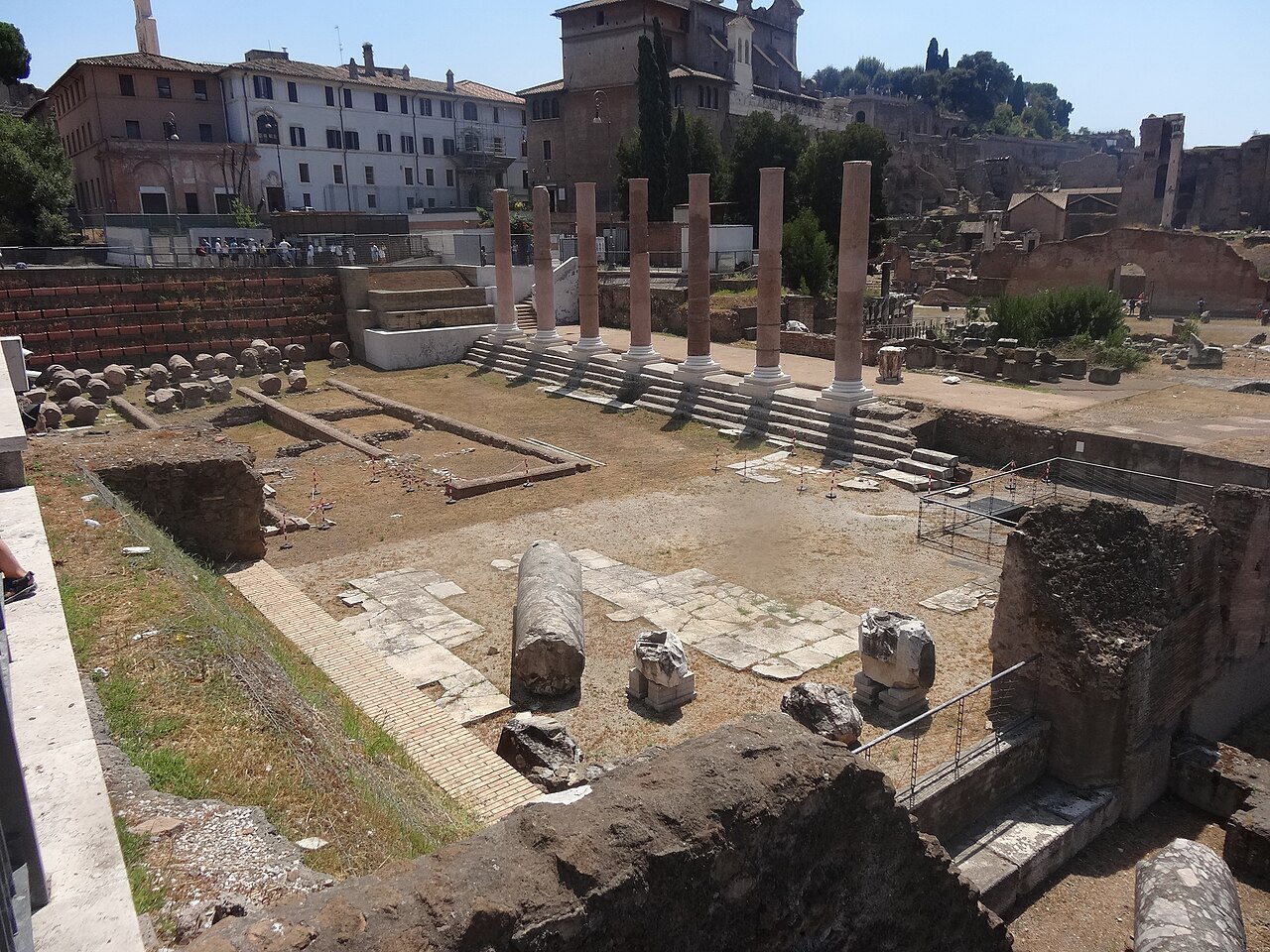
Free account
Read every Vespasian source
Sign up free →
Ready when you are
Start chatting with Vespasian now.
20 messages free · No credit card · Available in 50+ languages.