


Primary sourcePainting1691
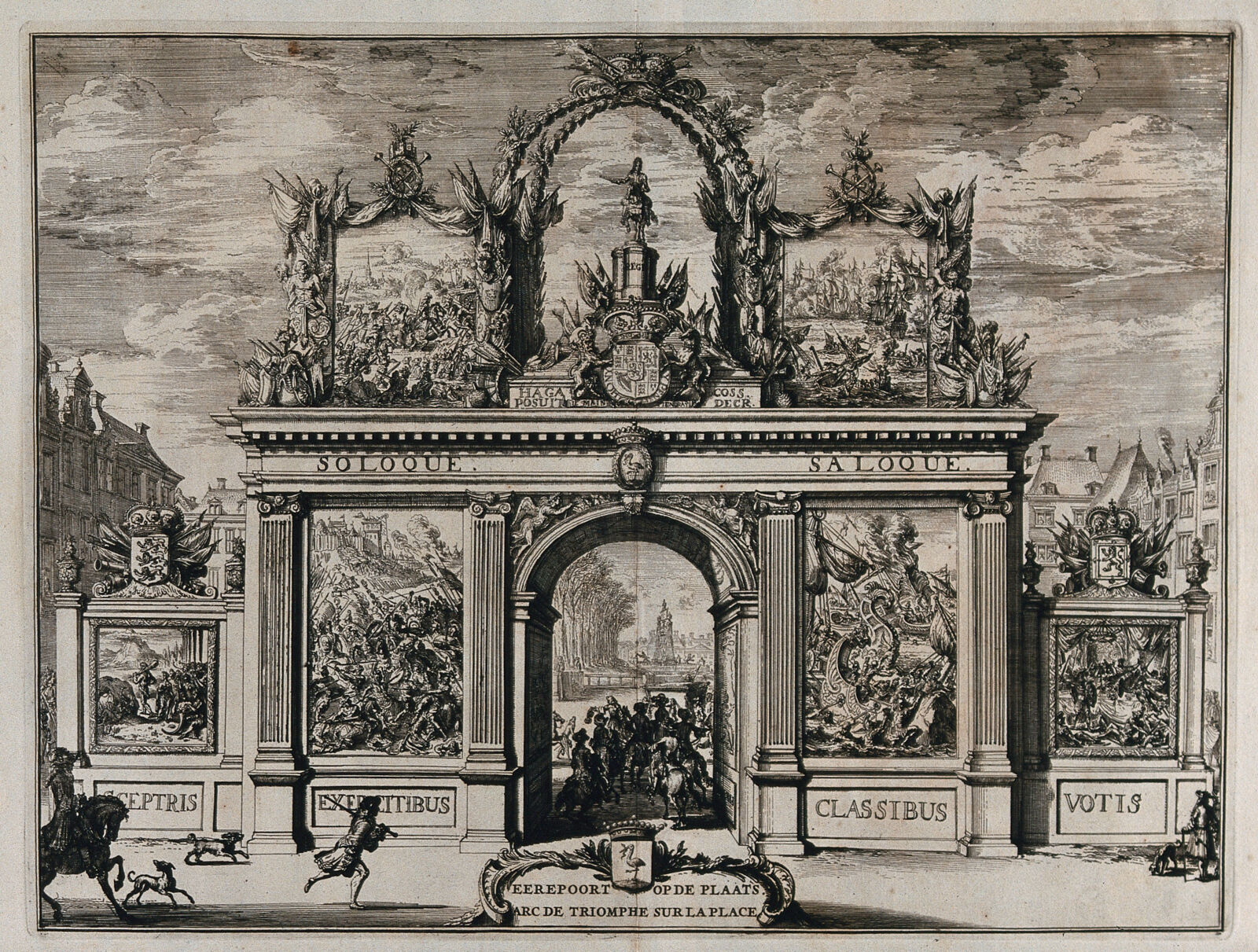
Triumphal Arch in The Hague Honouring William III
Romeyn de Hooghe · 1691
A 1691 etching by Romeyn de Hooghe of a triumphal arch in The Hague, built to celebrate William III's entry into the city. It shows how the city presented its ruler as a victorious leader.
It shows how The Hague honoured William III as stadholder-king after his 1691 entry into the city, with a monument ordered by the city's magistrates.
About this source
What it is
This is a contemporary etching by Romeyn de Hooghe, dated 1691, of a large triumphal arch in The Hague. The Wellcome Collection record says it is one of three arches erected to mark the entry of Stadholder-King William III into The Hague in 1691, and this one stood in the public square. The print shows a central archway, flanking paintings of battles and naval scenes, Latin inscriptions, coats of arms, and small figures of riders and people in the street. On the base of the equestrian statue of William is the inscription 'Haga posuit, Coss. decr.', meaning that The Hague placed this by decree of the magistrates.
Why it matters
The arch presented William as a victorious leader on land and at sea. Its inscriptions pair his power with sceptres, armies and fleets, and its paintings show his deeds. The city's magistrates ordered the monument, so the print shows how the local authorities wanted their new king to be seen. Because it is an image of a temporary structure, it also shows the public ceremony of the entry that the arch was built to mark.
Look closer
- What do the battle scenes and Latin inscriptions suggest the city wanted viewers to remember about William?
- Who ordered the arch, and how might the magistrates' decree shape the message it carries?
- What does the print leave out, such as the crowds, the costs, or the views of people who did not welcome him?
This painting is part of the curated material that grounds the AI version of William III on Humy.ai — when students ask about related events, the AI can quote it and cite it.
More William III sources
Browse all 91 →Primary source
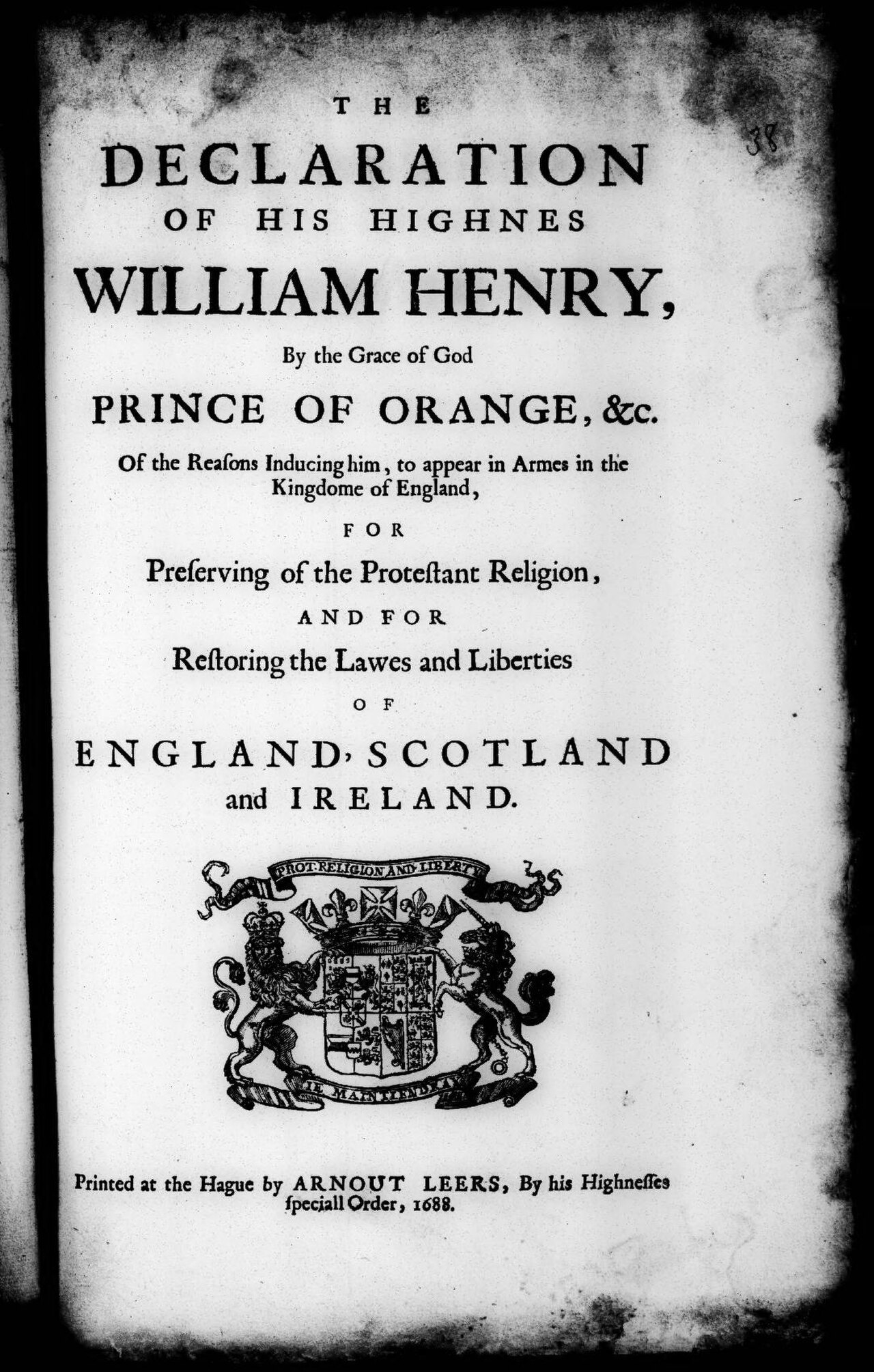
Declaration of Right
Parliament of England · 1689
 Document
Primary source
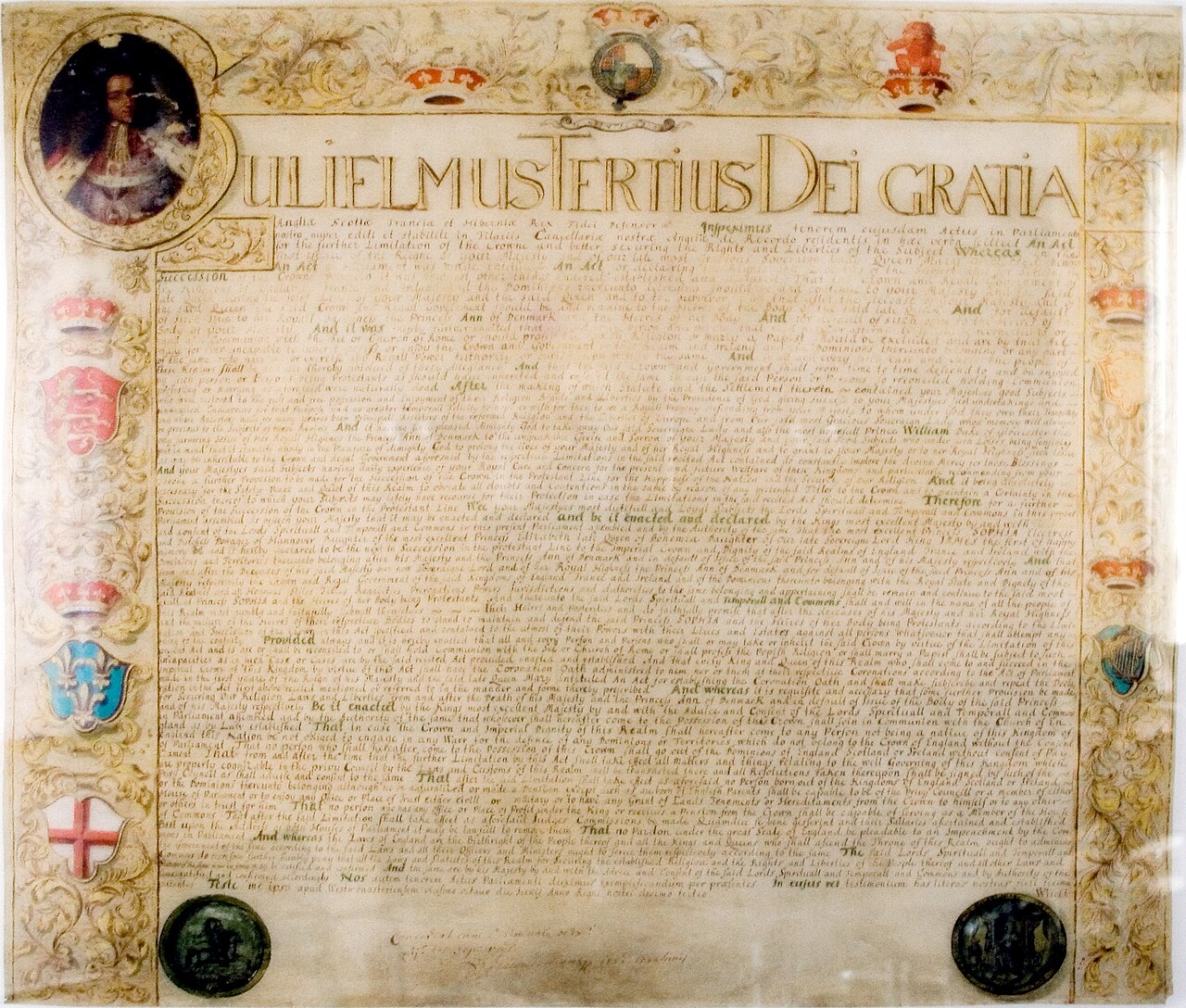
Declaration of the Prince of Orange
Gaspar Fagel · October 1688
 Document
Primary source
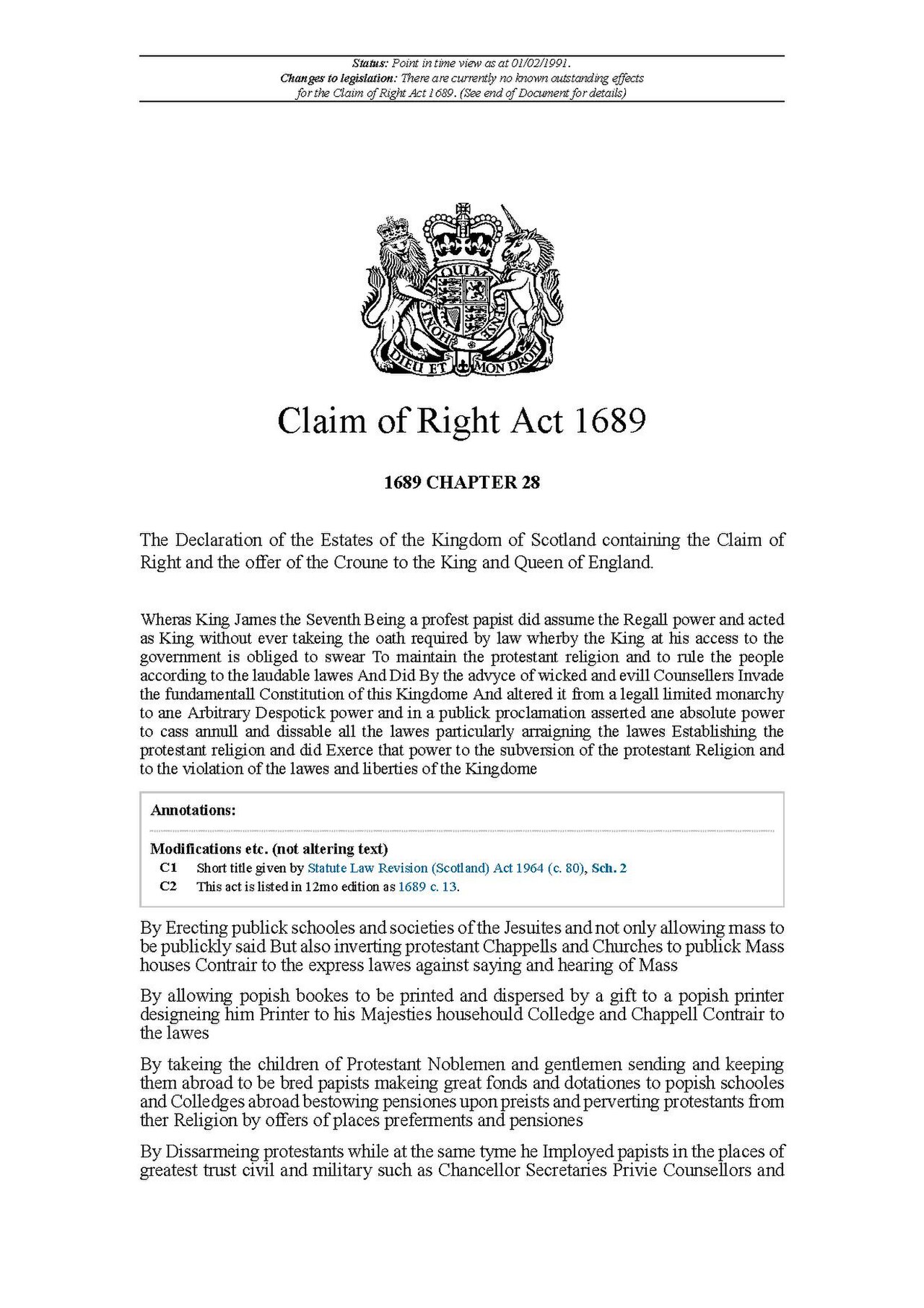
Act of Settlement 1701
Parliament of England · 1701
 Document
Primary source
Claim of Right Act 1689
1689
Free account
Read every William III source
Sign up free →
Ready when you are
Start chatting with William III now.
20 messages free · No credit card · Available in 50+ languages.