


Secondary sourcePaintingc. 1638
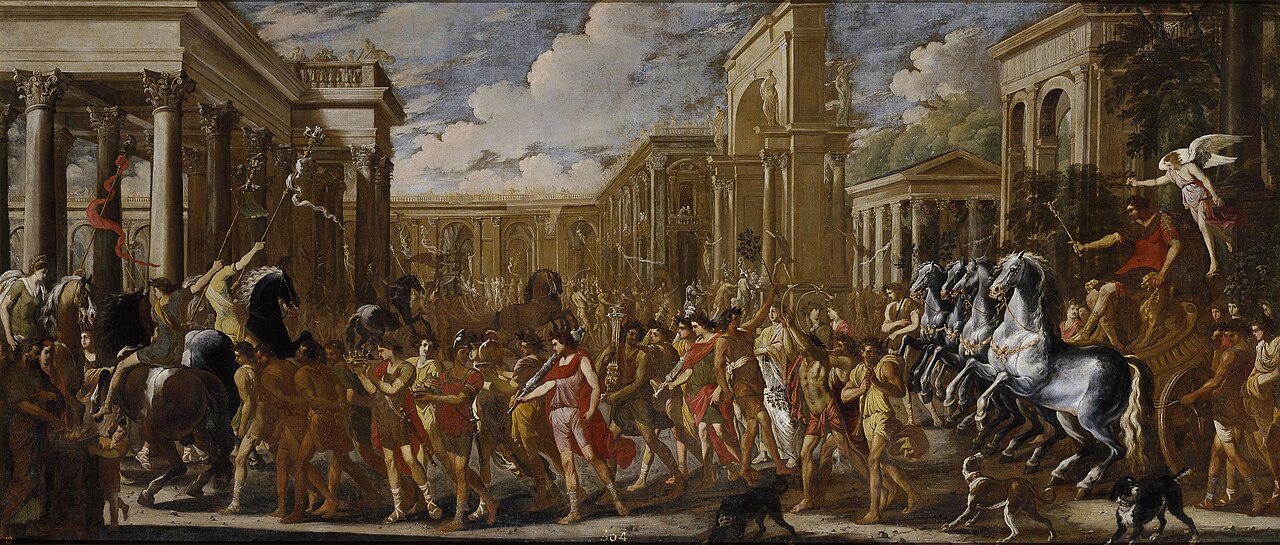
Triumphal Entry of Vespasian in Rome
Viviano Codazzi / Domenico Gargiulo · c. 1638
A 17th-century painting imagining Vespasian's triumphal procession into Rome, crowded with soldiers and citizens.
This later painting imagines Vespasian's triumphal entry into Rome, showing how artists remembered him long after his death.
About this source
What it is
This painting from around 1638 is credited to Viviano Codazzi and Domenico Gargiulo. It shows an imagined triumphal entry into Rome, with a packed street of columns and arches, soldiers and citizens, and a figure in a red robe riding a chariot pulled by horses, with a winged figure overhead.
Why it matters
The painting was made more than 1,500 years after Vespasian's reign, so it is not an eyewitness record but an artist's imagined reconstruction of ancient Rome. It tells us how 17th-century painters pictured imperial triumphs and how later generations kept the memory of Roman emperors alive through art.
Look closer
- What details did the artist use to make the scene feel grand and important?
- Why might artists centuries later still want to paint scenes from ancient Rome?
- What might be missing or inaccurate, since the artist never saw an actual Roman triumph?
This painting is part of the curated material that grounds the AI version of Vespasian on Humy.ai — when students ask about related events, the AI can quote it and cite it.
More Vespasian sources
Browse all 95 →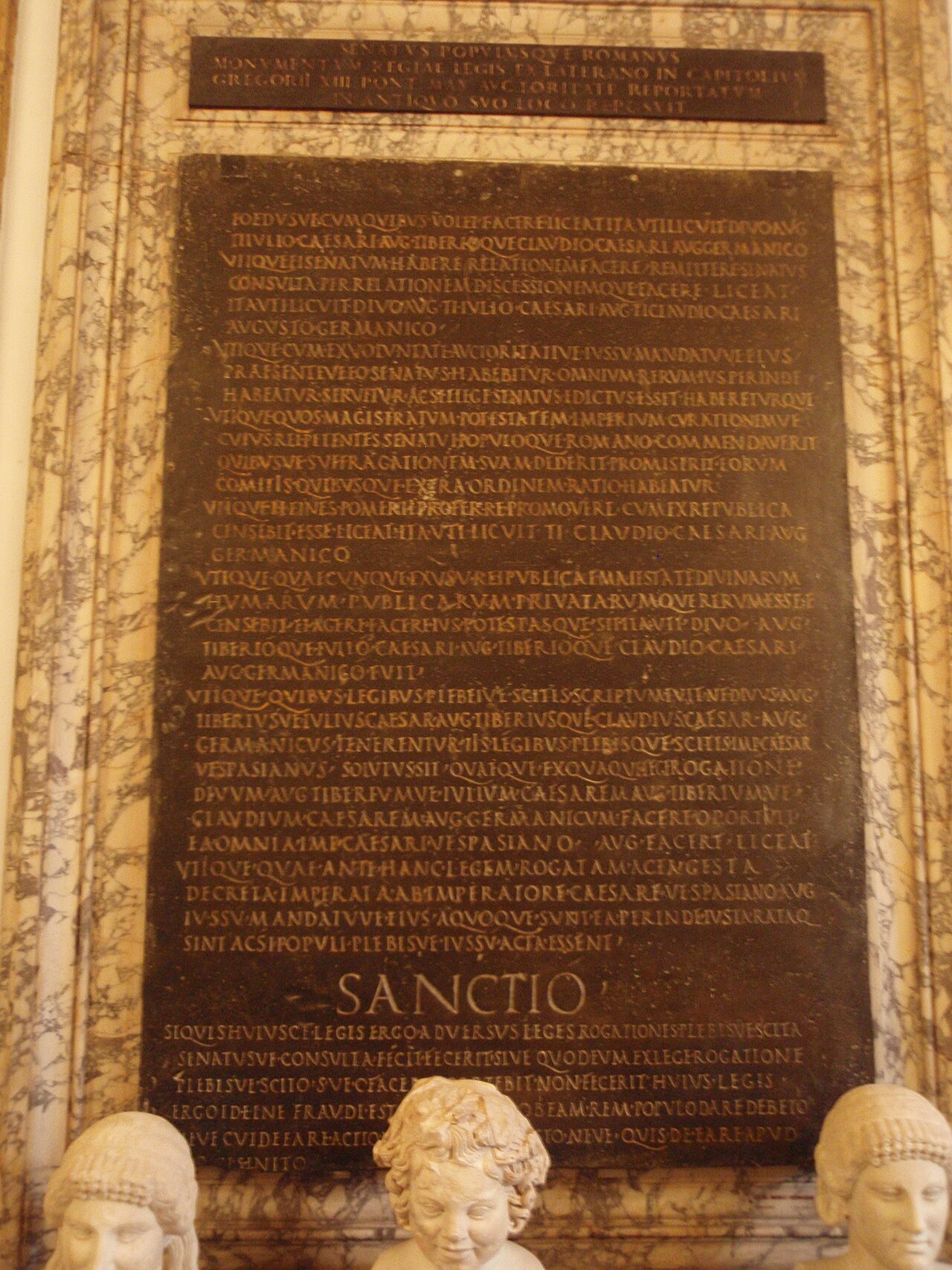 Document
Primary source
Lex de imperio Vespasiani
Roman Senate · AD 69–70
 Artifact
Primary source
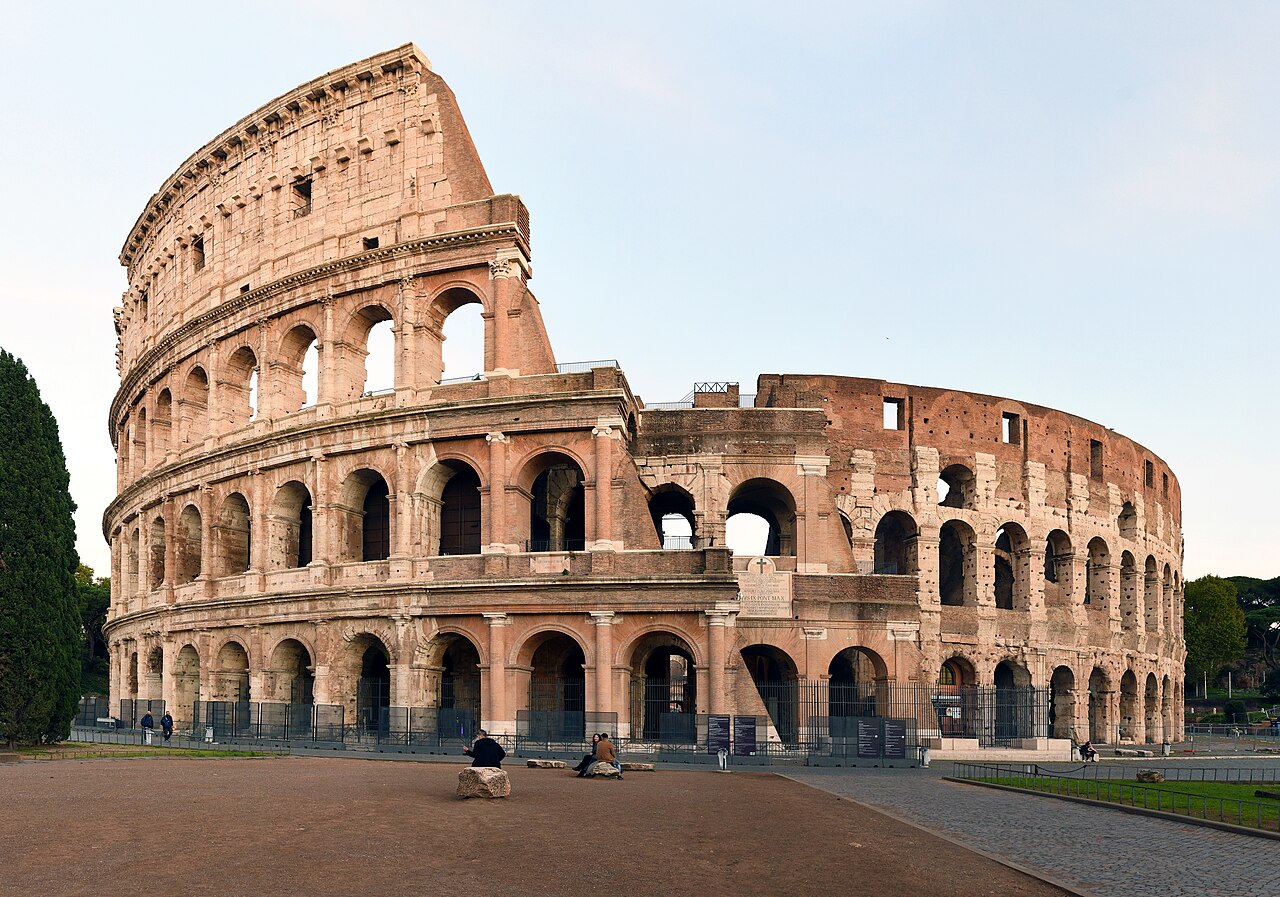
Colosseum
begun 72 AD, completed 80 AD
 Book
Secondary source
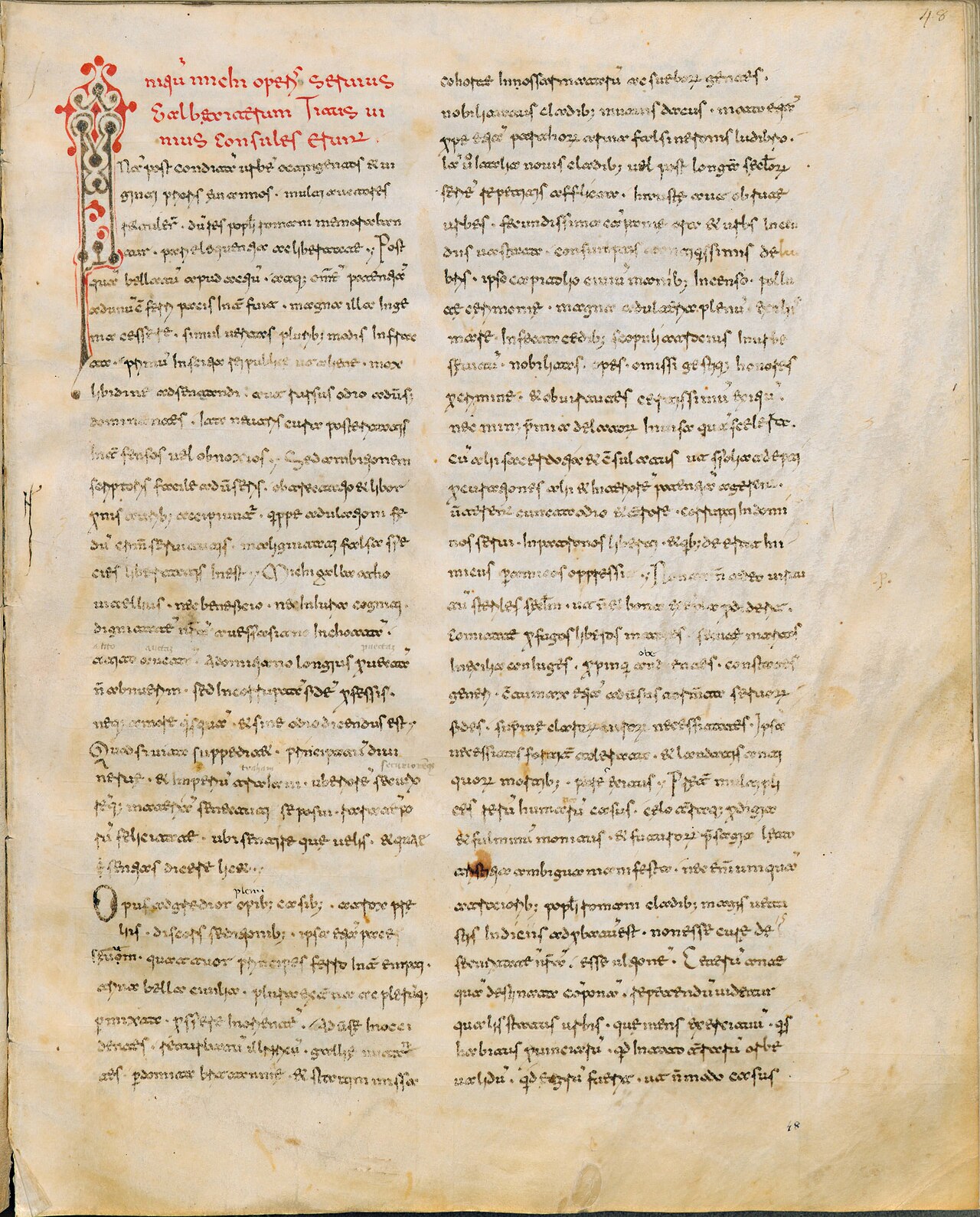
Histories
Tacitus · c. 100-110 AD
 Book
Secondary source
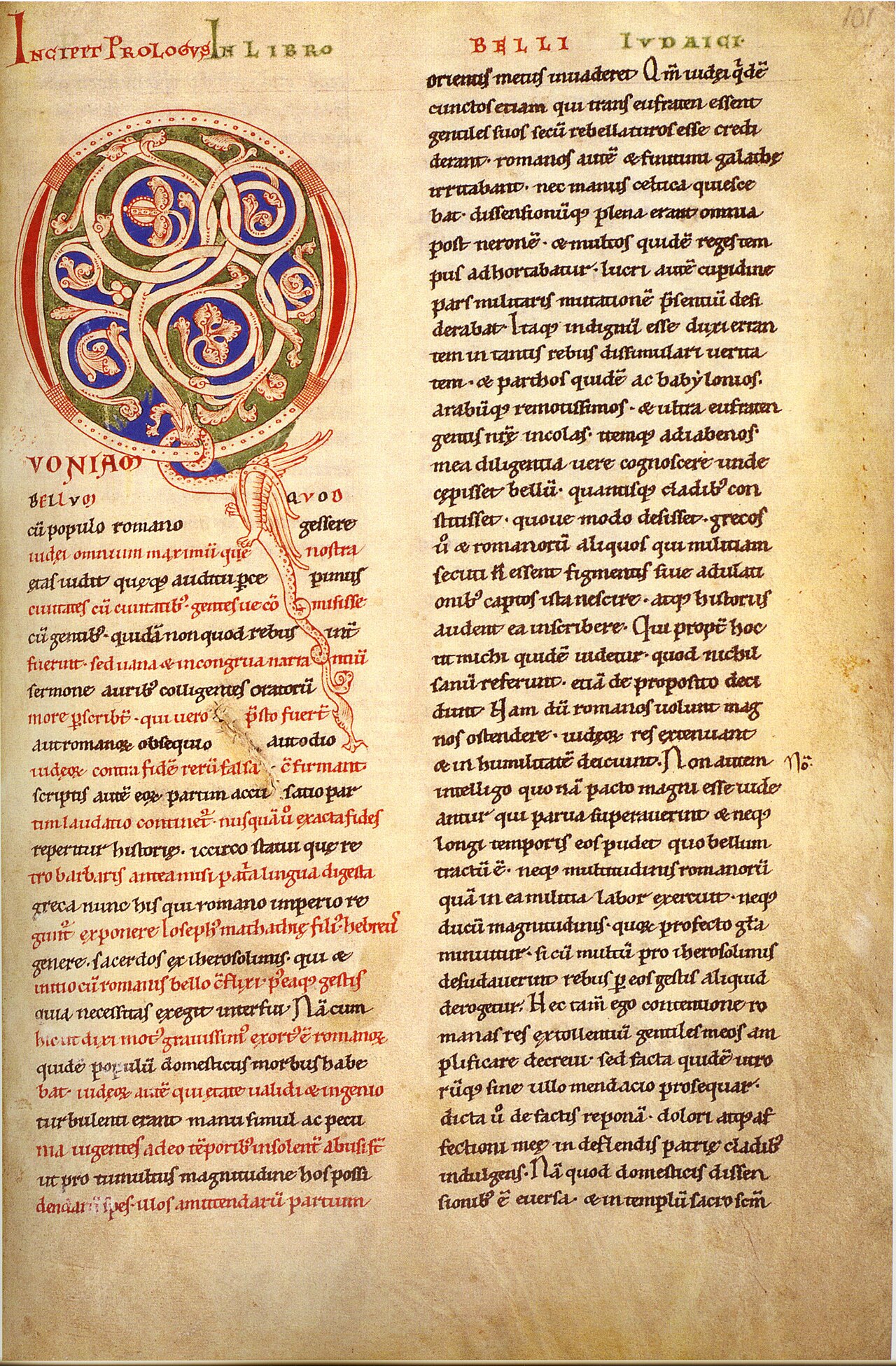
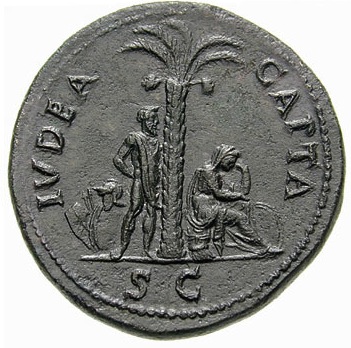
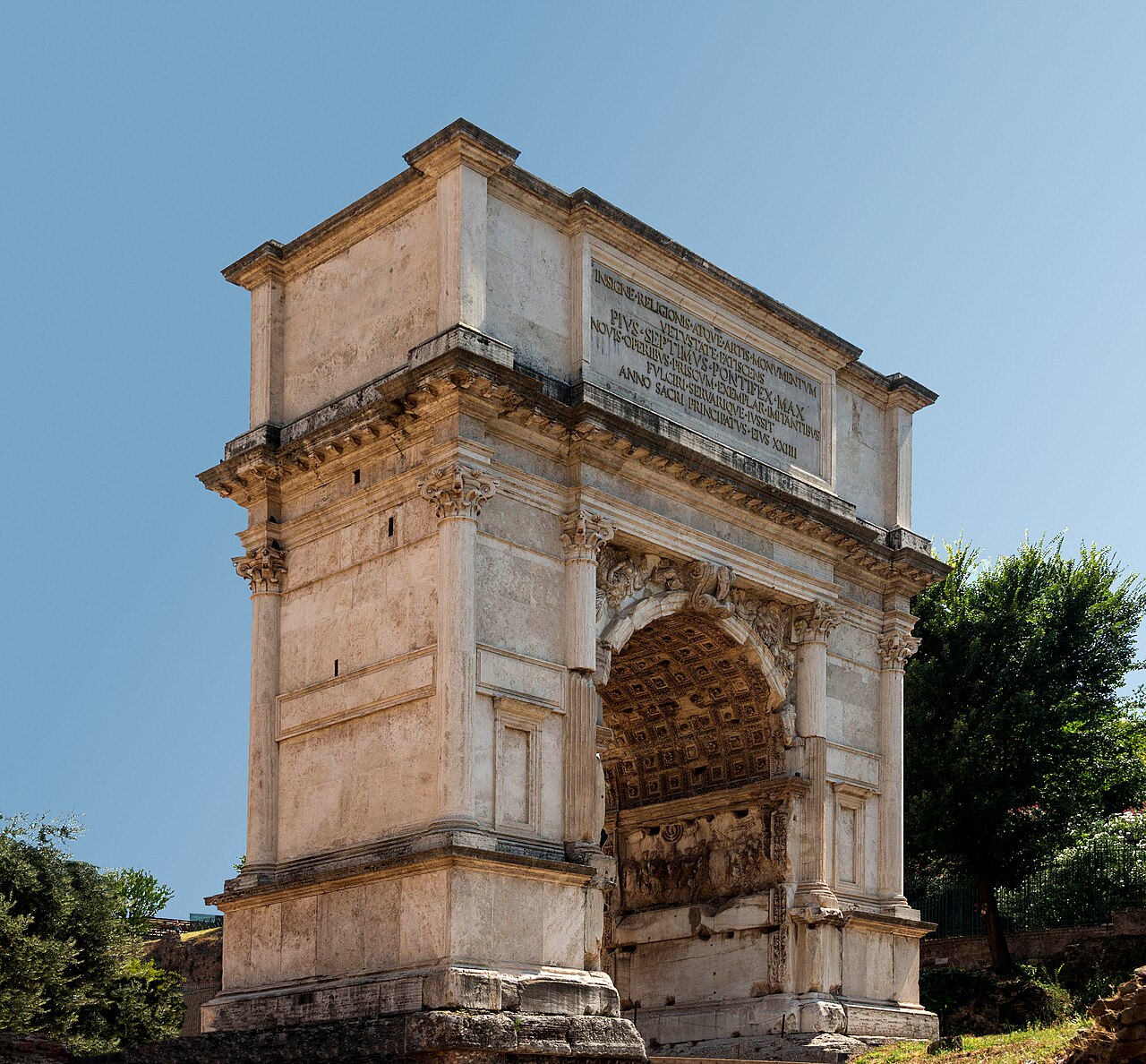
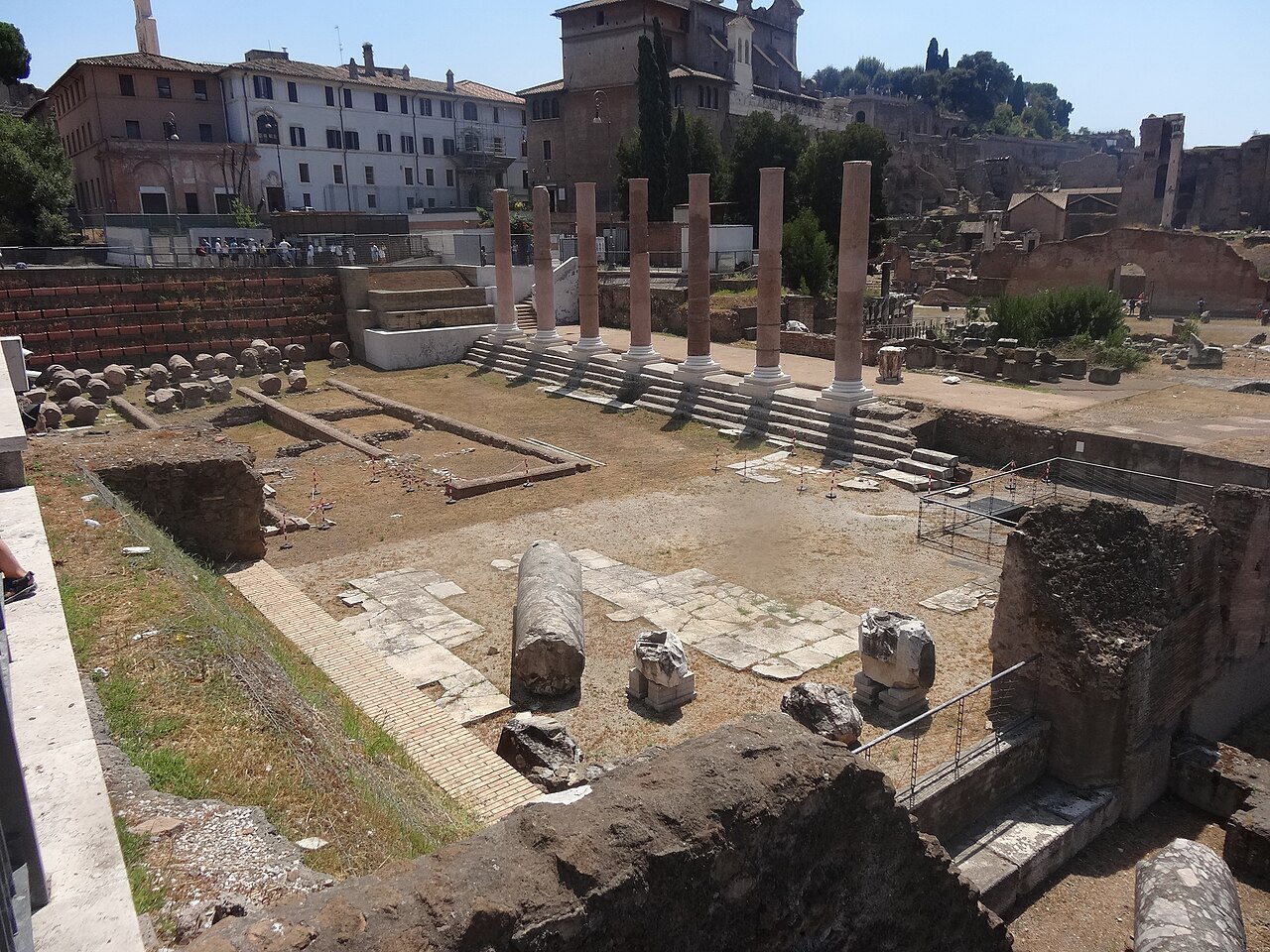
The Jewish War
Josephus · c. AD 75
Free account
Read every Vespasian source
Sign up free →
Ready when you are
Start chatting with Vespasian now.
20 messages free · No credit card · Available in 50+ languages.