


Secondary sourcePainting
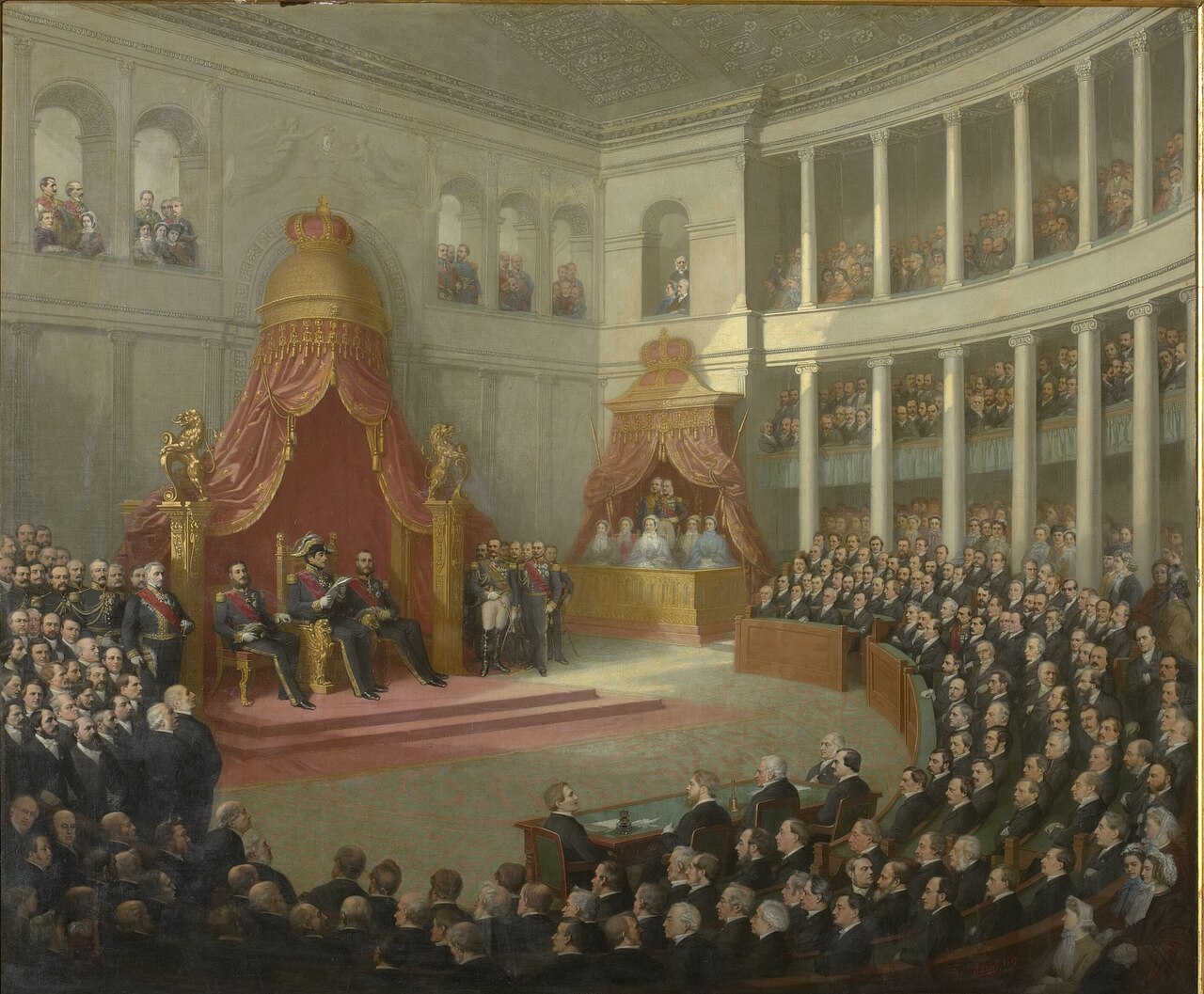
Troonrede Koning Leopold I van België
A print showing King Leopold I giving a speech from the throne at the opening of the Belgian parliament.
This image shows Leopold performing his constitutional role as king, delivering a speech at the opening of parliament.
About this source
What it is
This is a print showing the opening of parliament in Belgium, with King Leopold I seated on a raised dais under a canopy, surrounded by officials, while rows of men in dark suits fill the chamber and a gallery of spectators looks on. The creator of the print is unknown.
Why it matters
The image shows the ceremonial side of Leopold's role as the first King of the Belgians, performing the constitutional duty of opening parliament with a speech from the throne. It reflects how the new Belgian monarchy, established after independence, combined royal ceremony with the structures of a constitutional, parliamentary government.
Look closer
- What symbols of royal power, like the canopy and dais, do you notice in the image?
- Why might this ceremony have been important to show the public and the lawmakers in the chamber?
- What does the image tell us about who held power in Belgium, and what does it leave out?
This painting is part of the curated material that grounds the AI version of Leopold I of Belgium on Humy.ai — when students ask about related events, the AI can quote it and cite it.
More Leopold I of Belgium sources
Browse all 99 →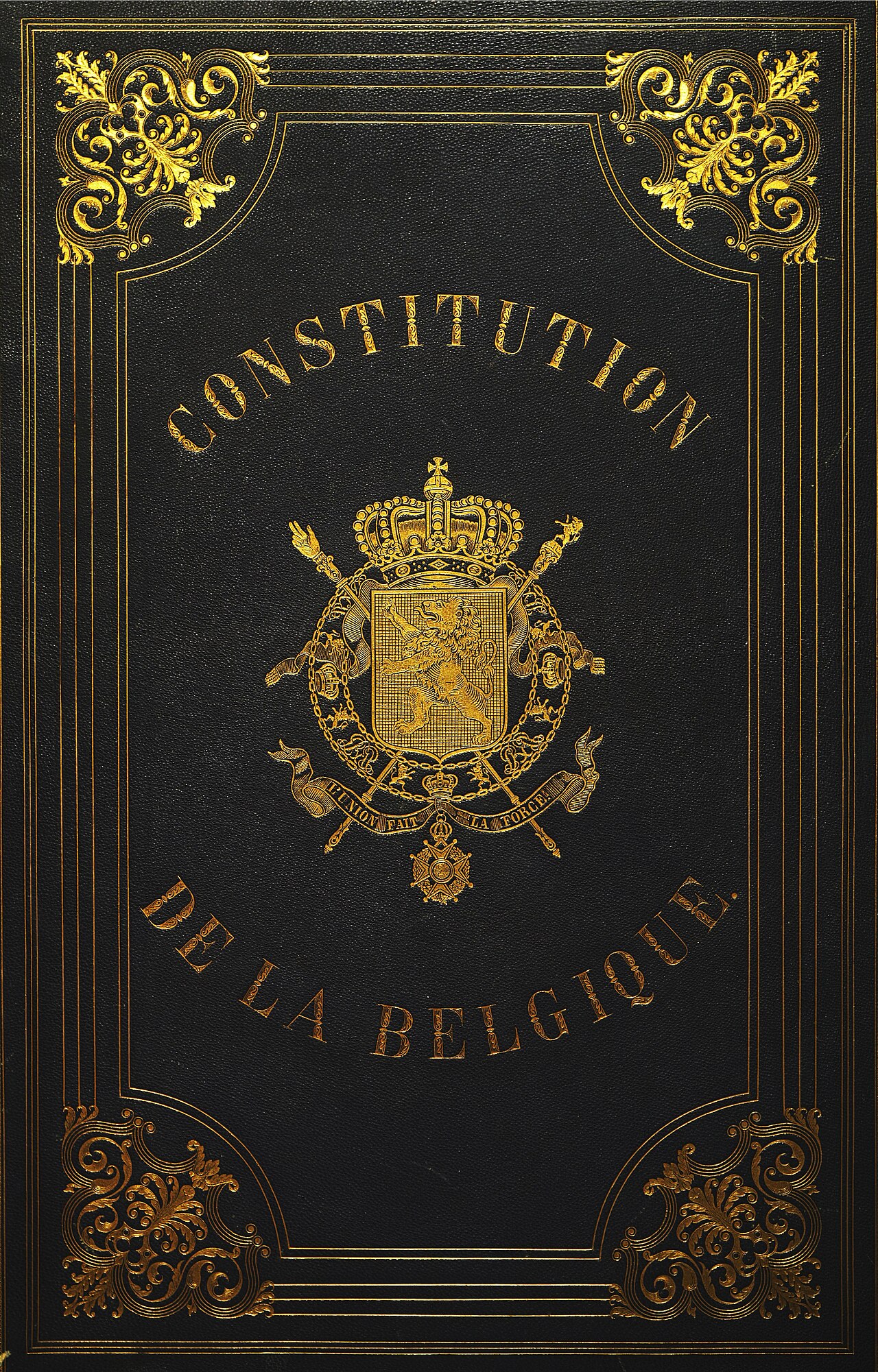 Document
Primary source
Constitution of Belgium
National Congress of Belgium · 1831
 Artifact
Primary source
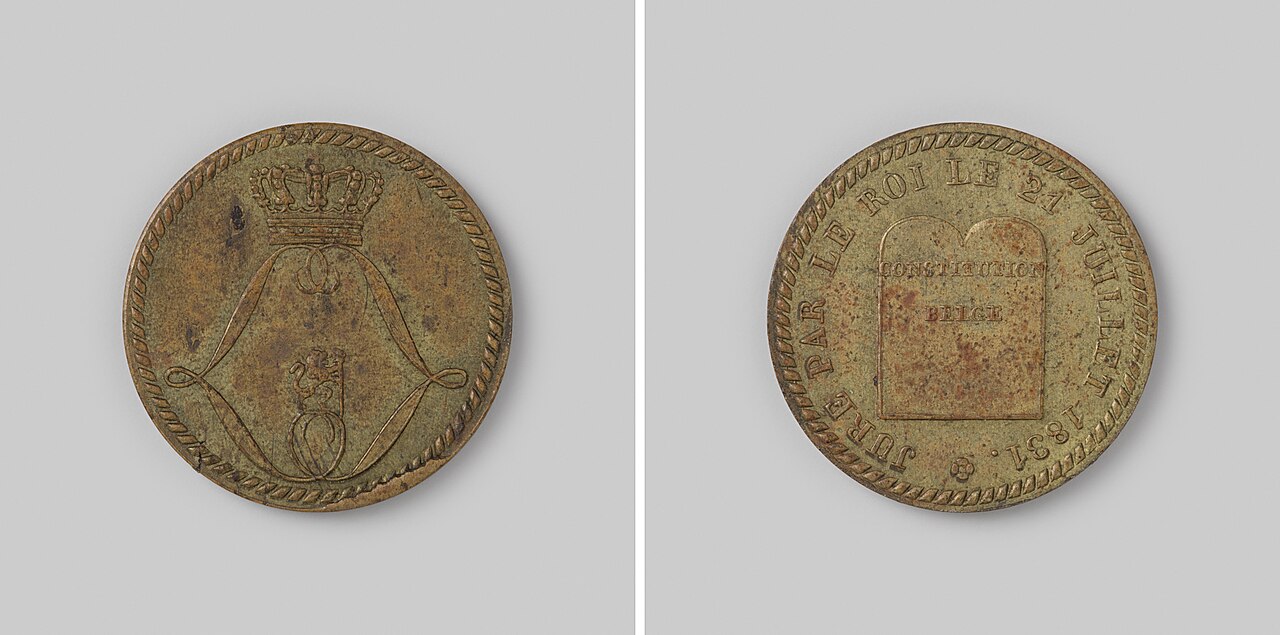
Eed van Leopold van Saksen-Coburg op de constitutie
Adrien Hippolyte Veyrat · 1831
 Letter
Primary source
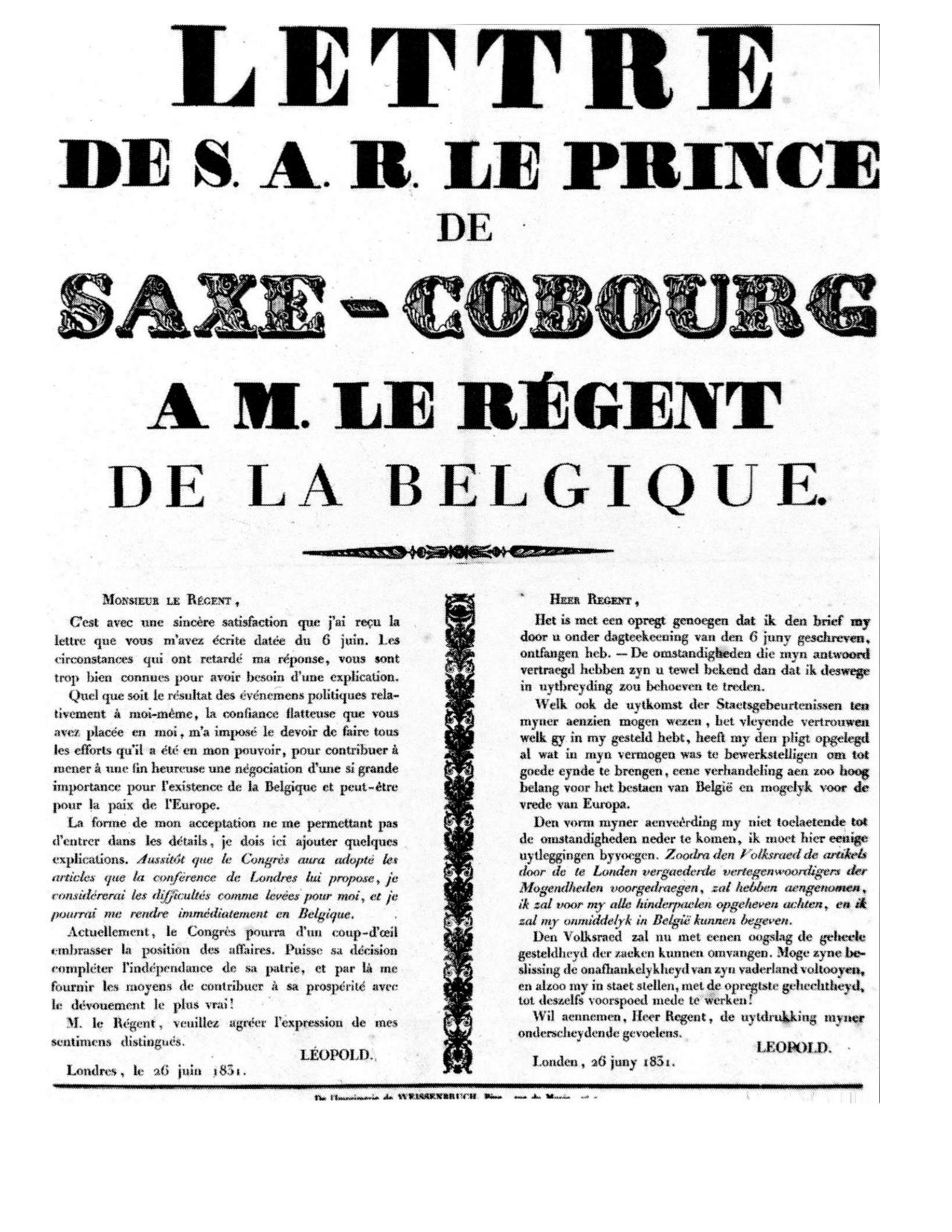
Letter to the Regent of Belgium Announcing His Acceptance of the Throne
Leopold of Saxe-Coburg (later Leopold I of Belgium) · 26 June 1831
 Document
Primary source
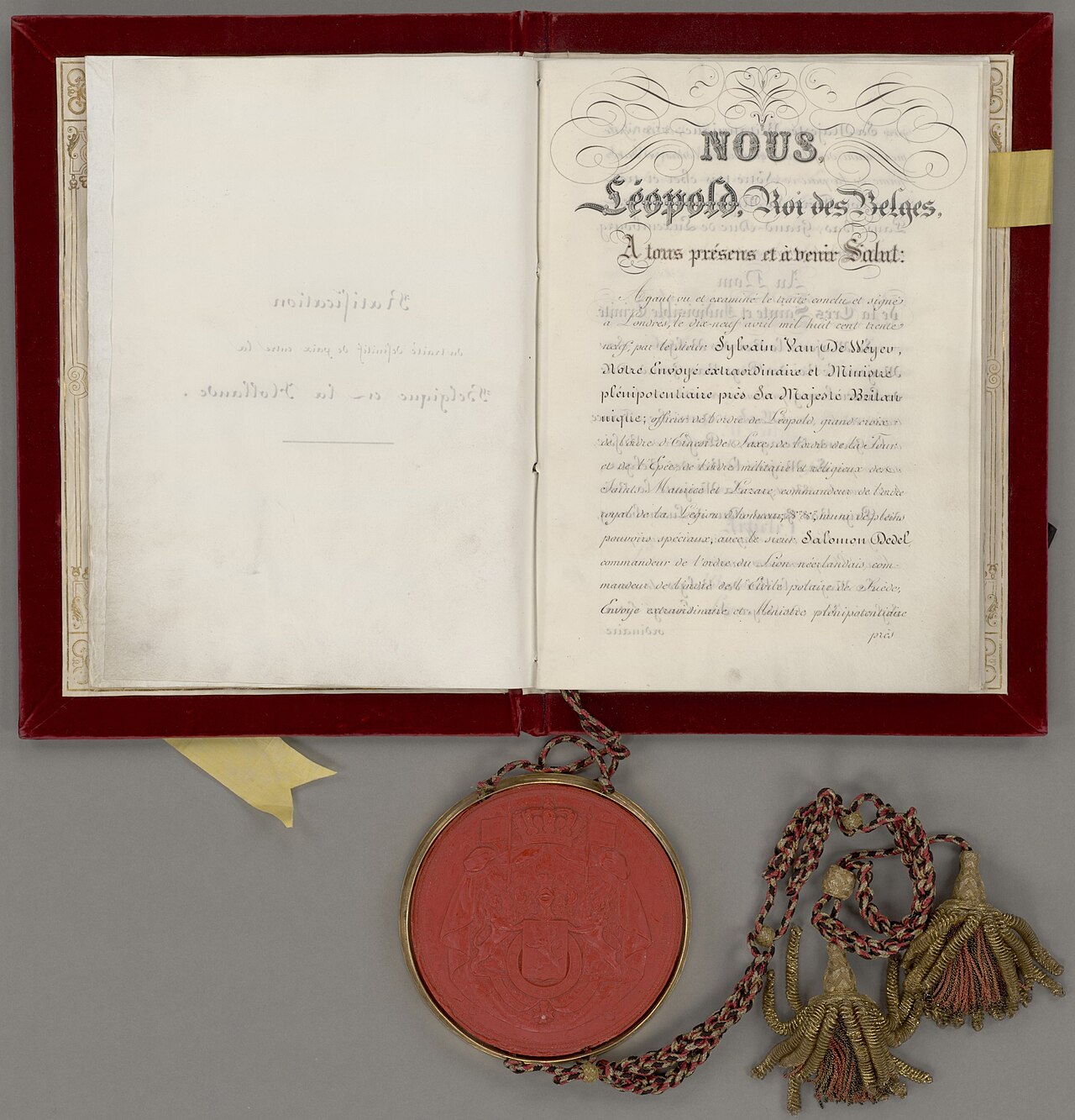
Treaty of London (1839)
19 April 1839
Free account
Read every Leopold I of Belgium source
Sign up free →
Ready when you are
Start chatting with Leopold I of Belgium now.
20 messages free · No credit card · Available in 50+ languages.