


Primary sourceDocument1902
Trust Deed Creating a Trust for the Benefit of the Carnegie Institution of Washington
Andrew Carnegie · 1902
The 1902 legal document by which Andrew Carnegie established and funded the Carnegie Institution in Washington, D.C.
This trust deed is Carnegie's own founding document for one of his major philanthropic institutions.
About this source
What it is
This is the trust deed written by Andrew Carnegie, printed in Popular Science Monthly in 1902. In it, Carnegie transfers a large sum in bonds to a group of trustees, including high government officials, to fund the Carnegie Institution of Washington.
Why it matters
This document is a direct record of Carnegie's philanthropy in action. It shows how he saw his wealth as something held in trust for the benefit of society, meant to fund scientific research. The list of trustees, including the President of the United States, shows how closely Carnegie's philanthropic projects were tied to public institutions.
Look closer
- Why might Carnegie have chosen government officials as trustees of his institution?
- What does Carnegie mean when he calls himself a "Trustee" of his own wealth?
- What does this document suggest about Carnegie's view of the responsibilities of the wealthy?
This document is part of the curated material that grounds the AI version of Andrew Carnegie on Humy.ai — when students ask about related events, the AI can quote it and cite it.
More Andrew Carnegie sources
Meet the AI Andrew Carnegie →Primary source
The Gospel of Wealth
Andrew Carnegie · June 1889
 Book
Primary source
The Autobiography of Andrew Carnegie
Andrew Carnegie · 1920 (published posthumously)
 Newspaper article
Primary source
The Homestead Riot
W. P. Snyder · 16 July 1892
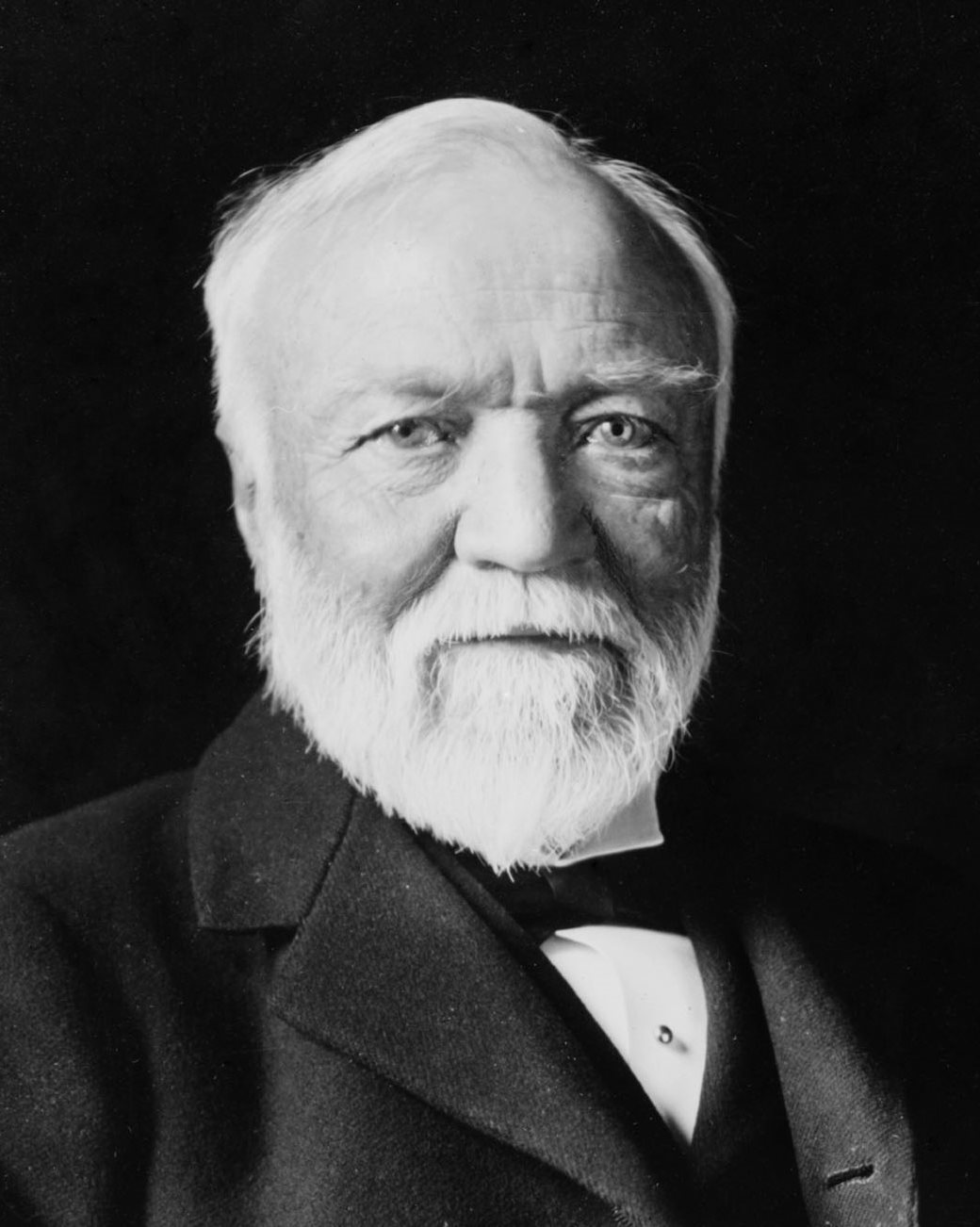 Photograph
Primary source
Portrait of Andrew Carnegie
1913
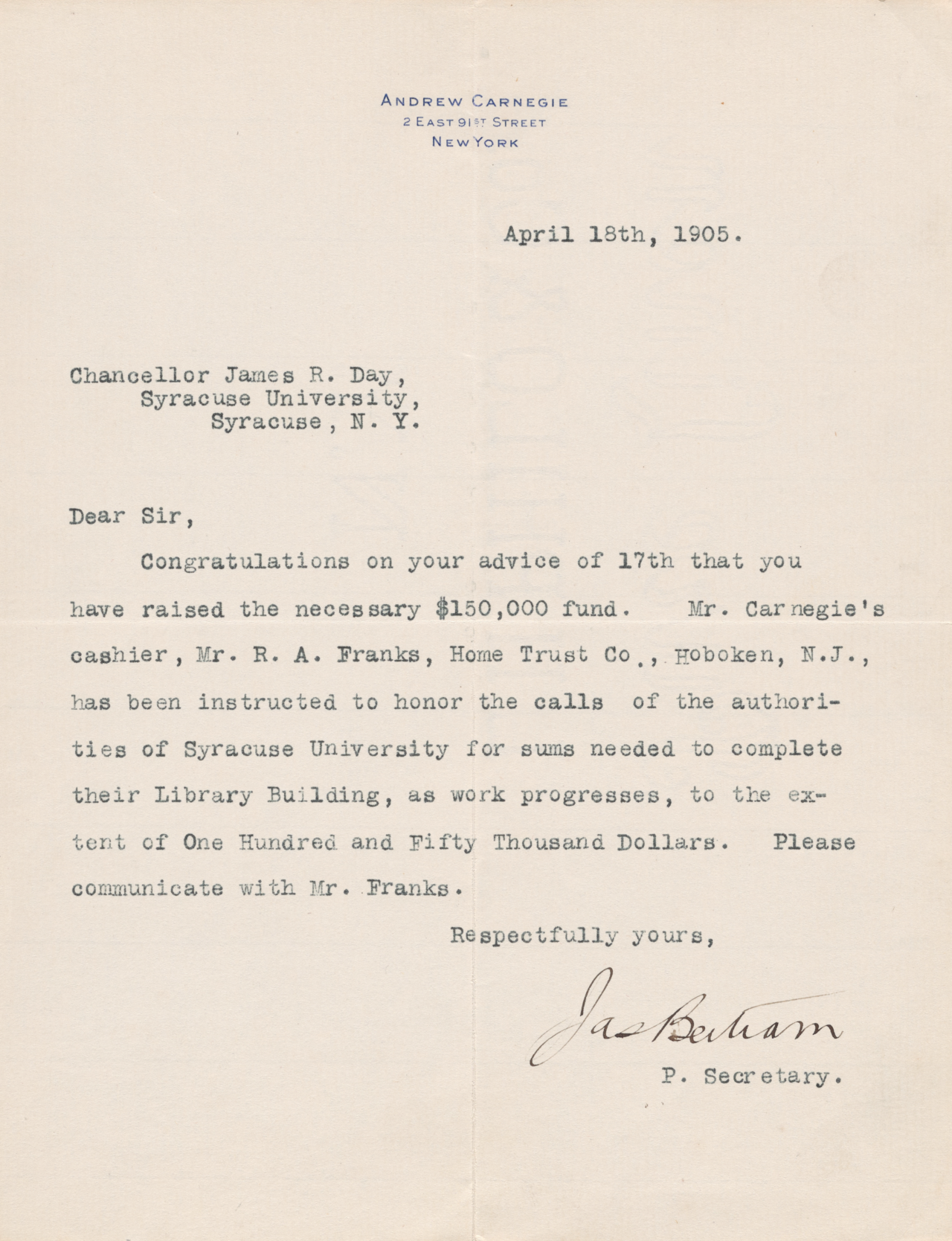 Letter
Primary source
Andrew Carnegie Papers
Andrew Carnegie · 18 April 1905
Ready when you are
Start chatting with Andrew Carnegie now.
20 messages free · No credit card · Available in 50+ languages.