


Primary sourceArtifact
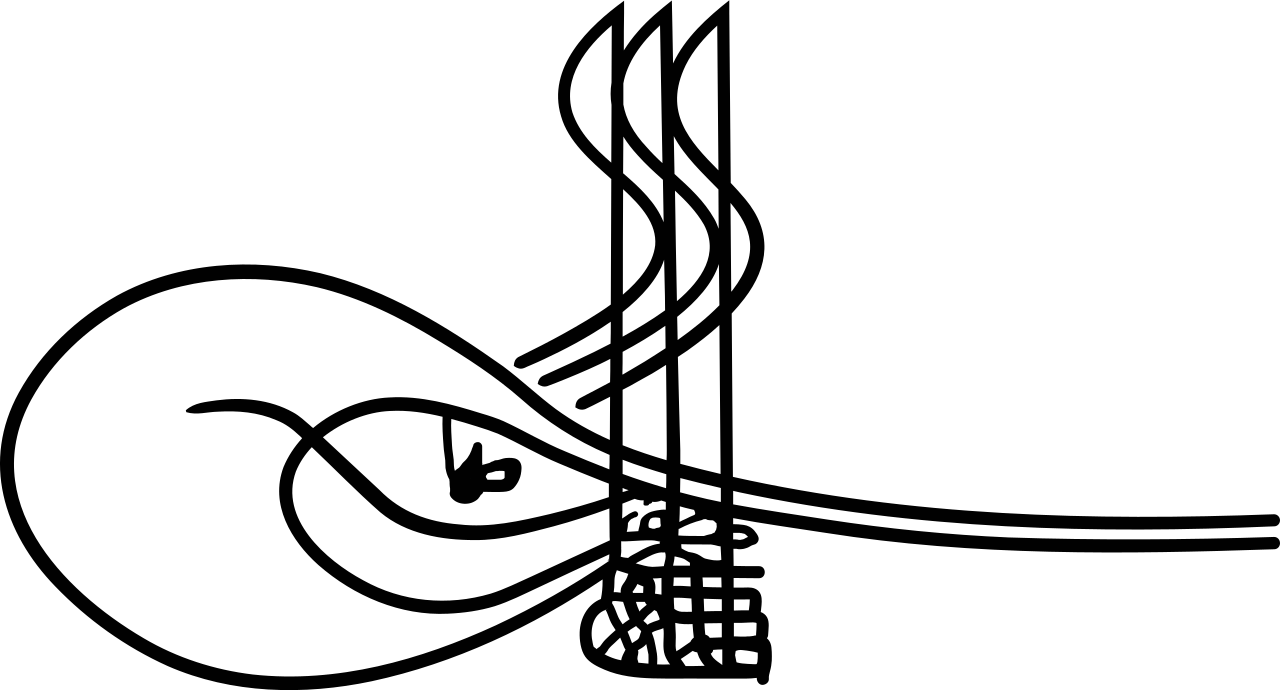
Tughra of Suleiman the Magnificent
The ornate calligraphic monogram Suleiman the Magnificent used as his official seal and signature on decrees.
This is Suleiman's own imperial seal, used to authorise his laws and decrees throughout his reign.
About this source
What it is
This is the tughra, or calligraphic monogram, of Suleiman the Magnificent, Sultan of the Ottoman Empire from 1520 to 1566. It is shown here as a black line drawing with three tall vertical strokes, loops and a lattice pattern at the base, the standard form of an Ottoman sultan's seal.
Why it matters
Every official Ottoman document, law and decree issued in Suleiman's name carried this symbol instead of a simple signature. It functioned as proof of the sultan's authority and was itself a work of court art, designed and copied by skilled calligraphers. Studying the tughra shows how Ottoman rulers combined artistic design with political power to make their authority instantly recognisable.
Look closer
- Why might a ruler use an elaborate symbol like this instead of writing his own name?
- What parts of the design can you pick out — loops, strokes, patterns — and what might each represent?
- Where else today do we see symbols used to show official authority?
This artifact is part of the curated material that grounds the AI version of Suleiman the Magnificent on Humy.ai — when students ask about related events, the AI can quote it and cite it.
More Suleiman the Magnificent sources
Meet the AI Suleiman the Magnificent →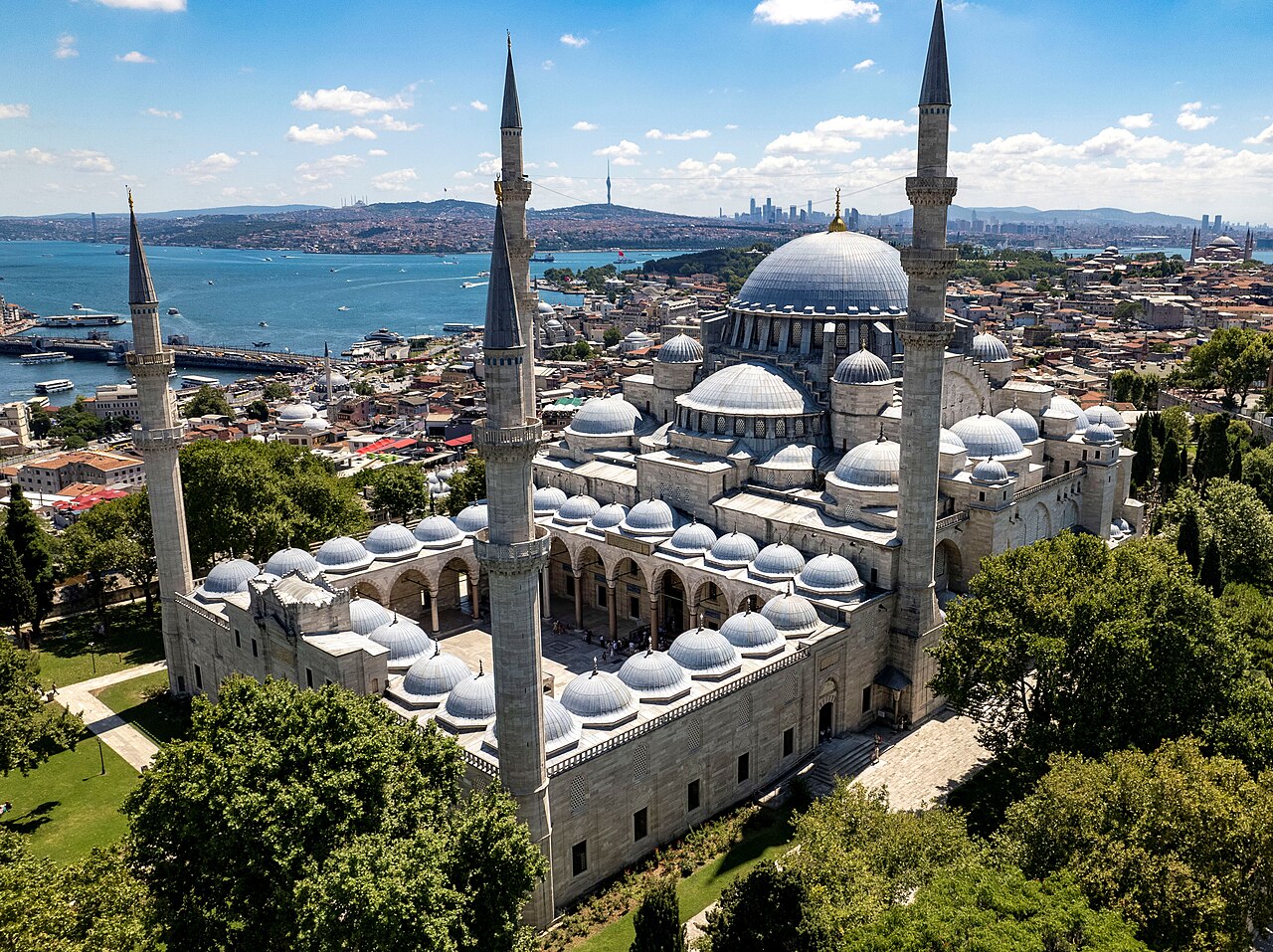 Artifact
Primary source
Süleymaniye Mosque
Mimar Sinan · 1550-1557
 Letter
Primary source
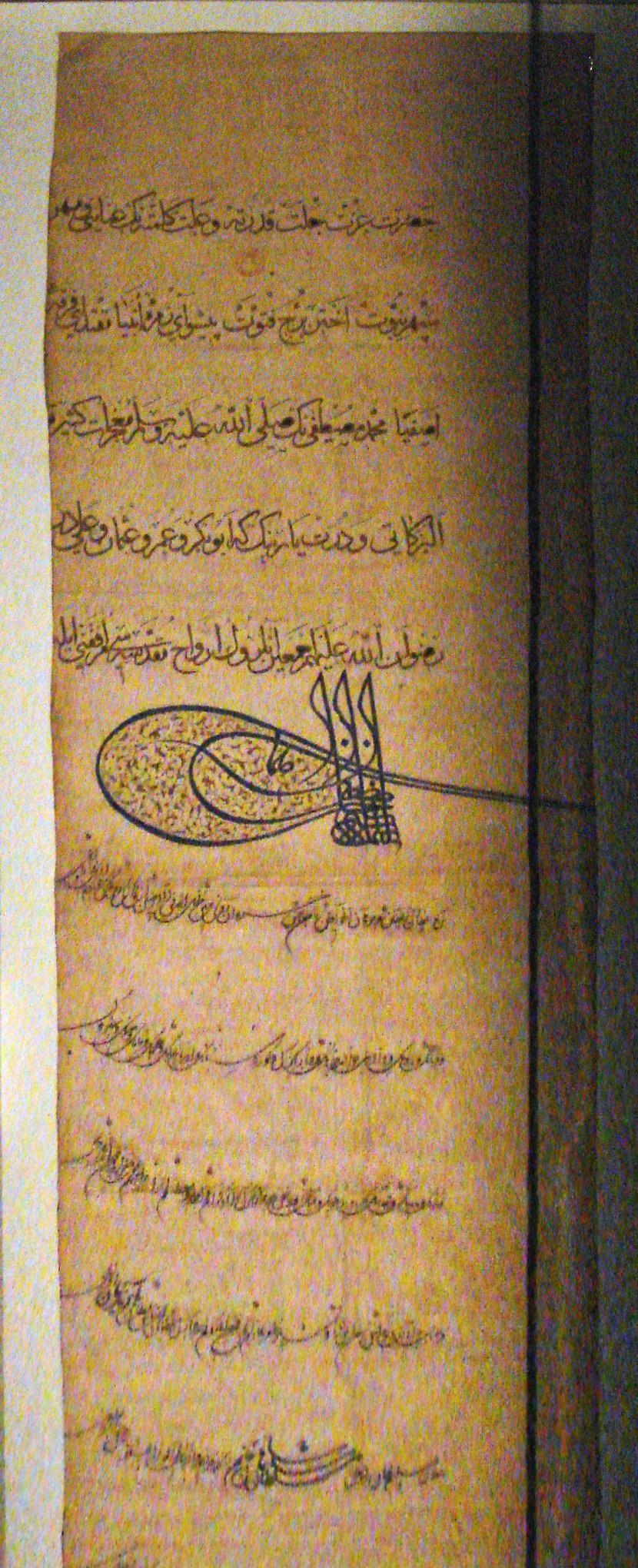
Letter to the King of France
Suleiman the Magnificent · 1526
 Painting
Primary source
Suleiman the Magnificent Forced to Raise the Siege of Vienna
1555
 Painting
Secondary source
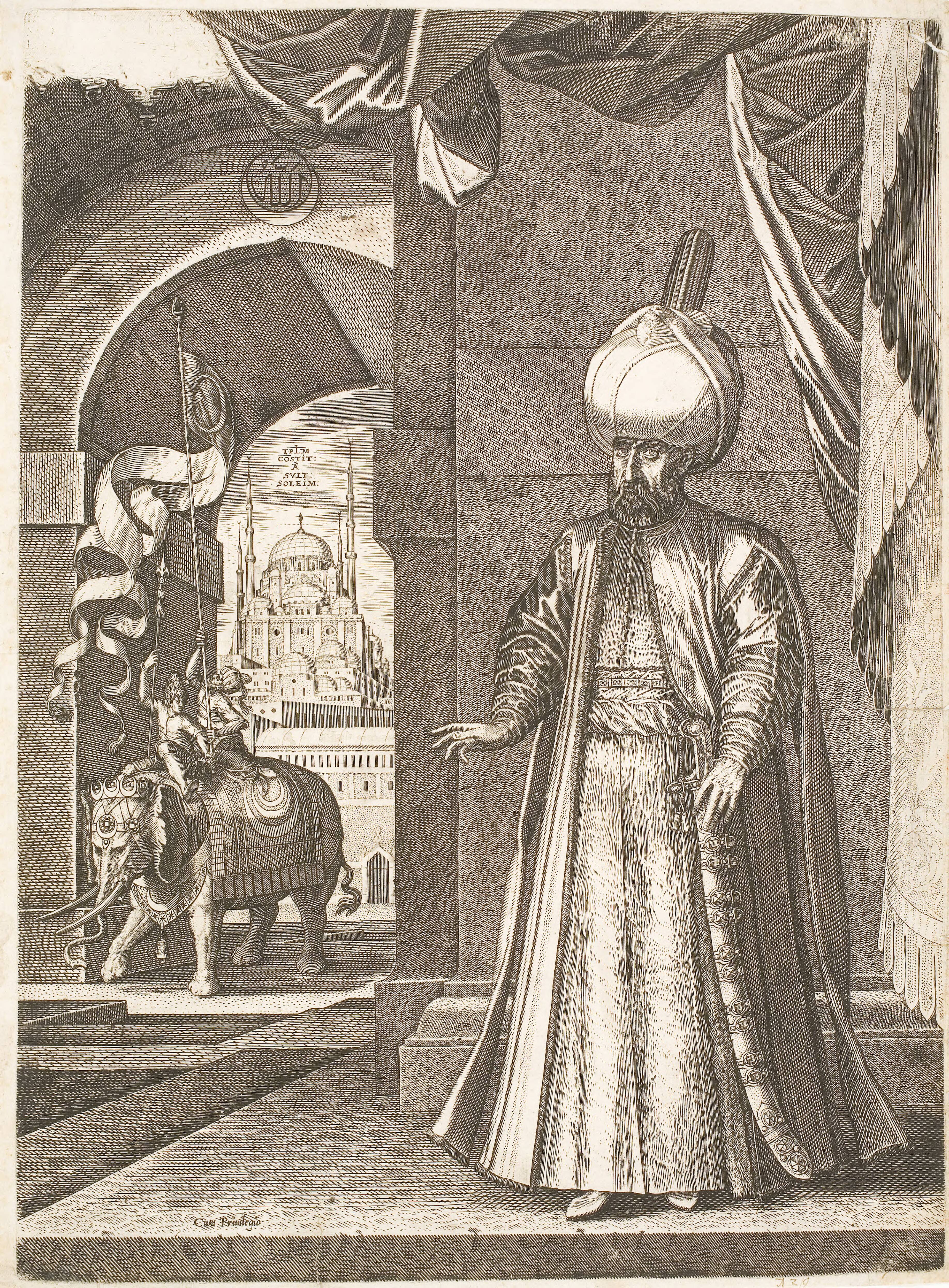
Standing Portrait of Sultan Suleiman the Magnificent
1574
 Painting
Primary source
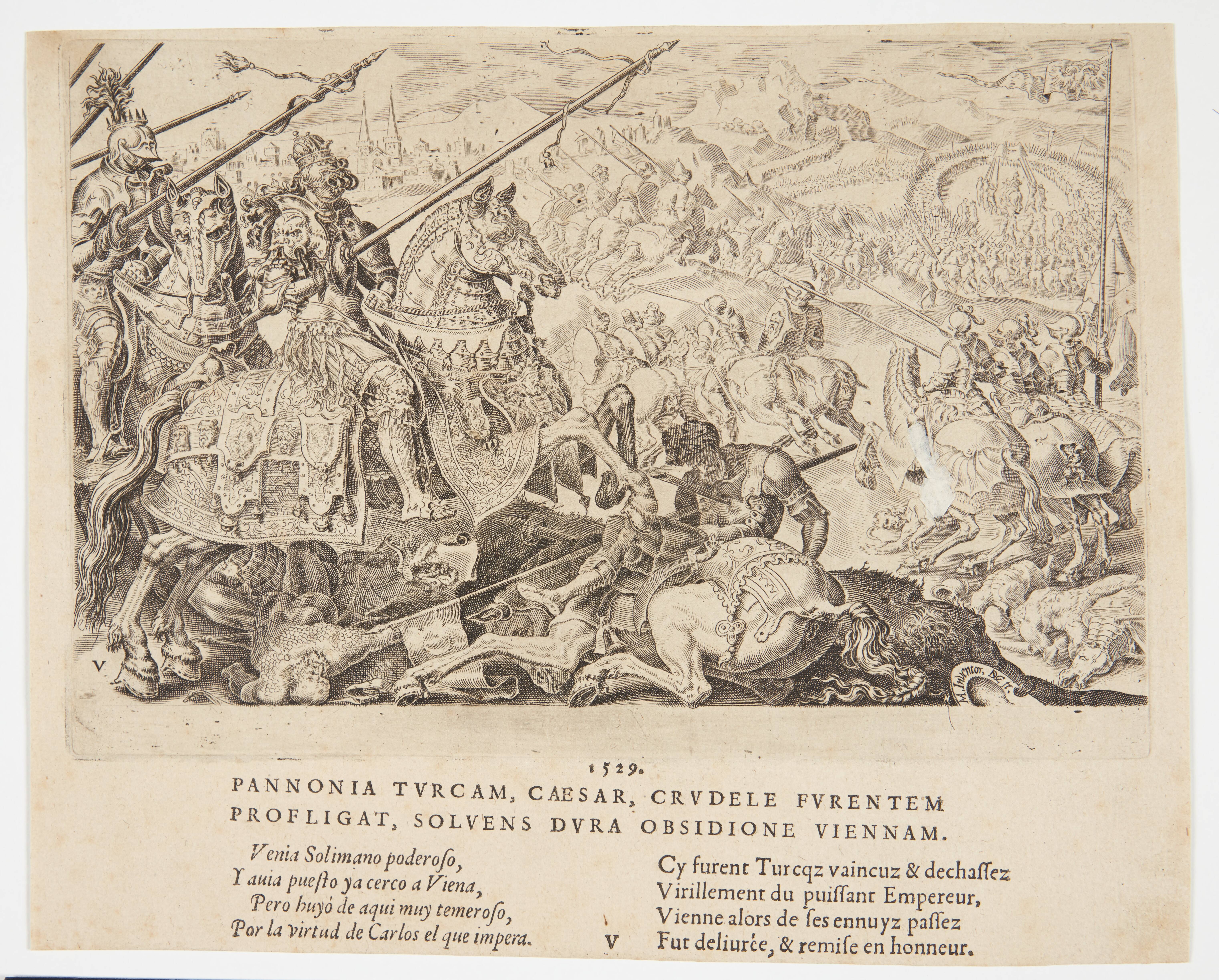
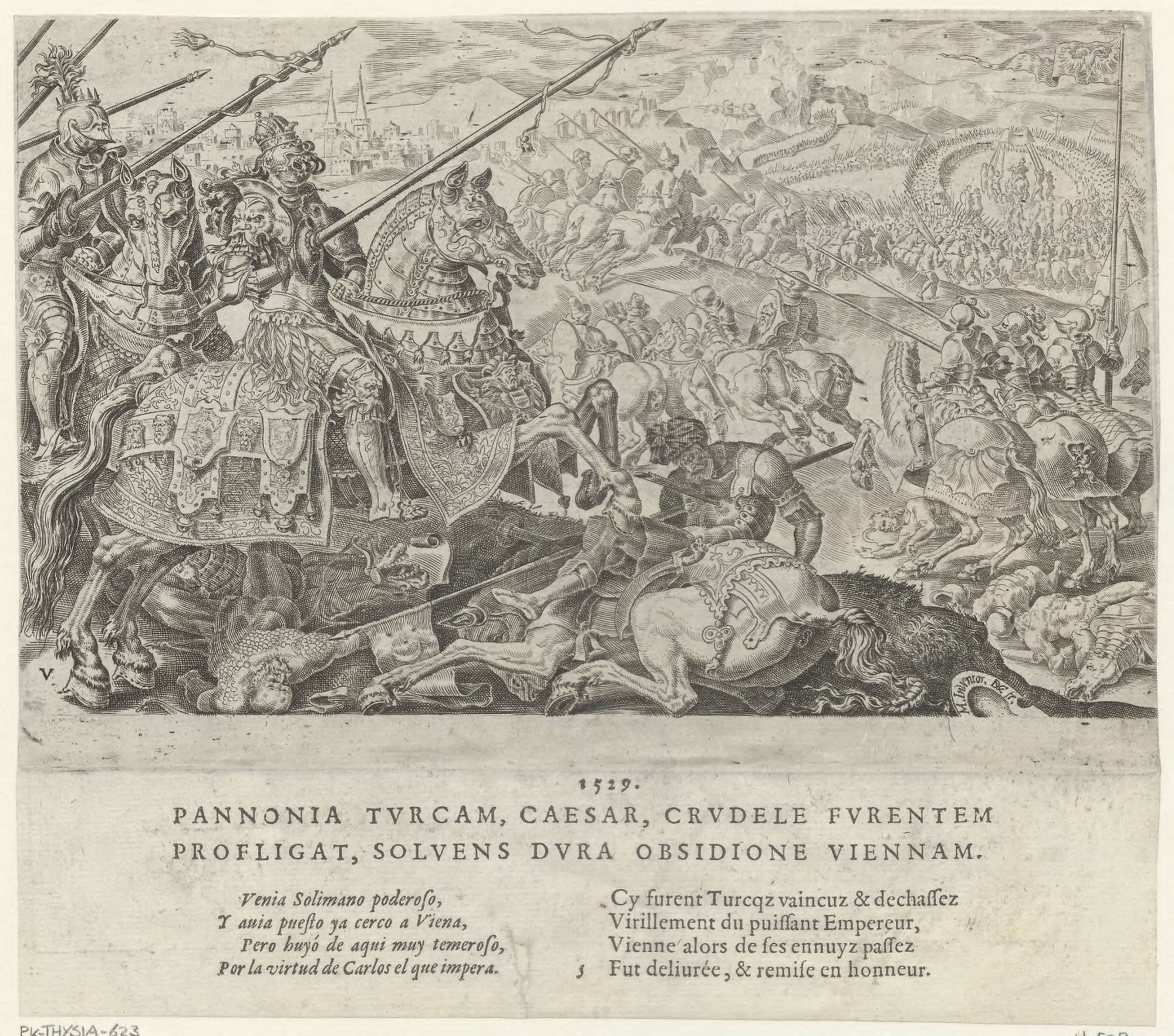
The Victories of Emperor Charles V: Suleiman Forced to Raise the Siege of Vienna
D. V. Coornhert · 1556
Ready when you are
Start chatting with Suleiman the Magnificent now.
20 messages free · No credit card · Available in 50+ languages.