


Secondary sourceArtifactrebuilt after 1855 (original site earlier)
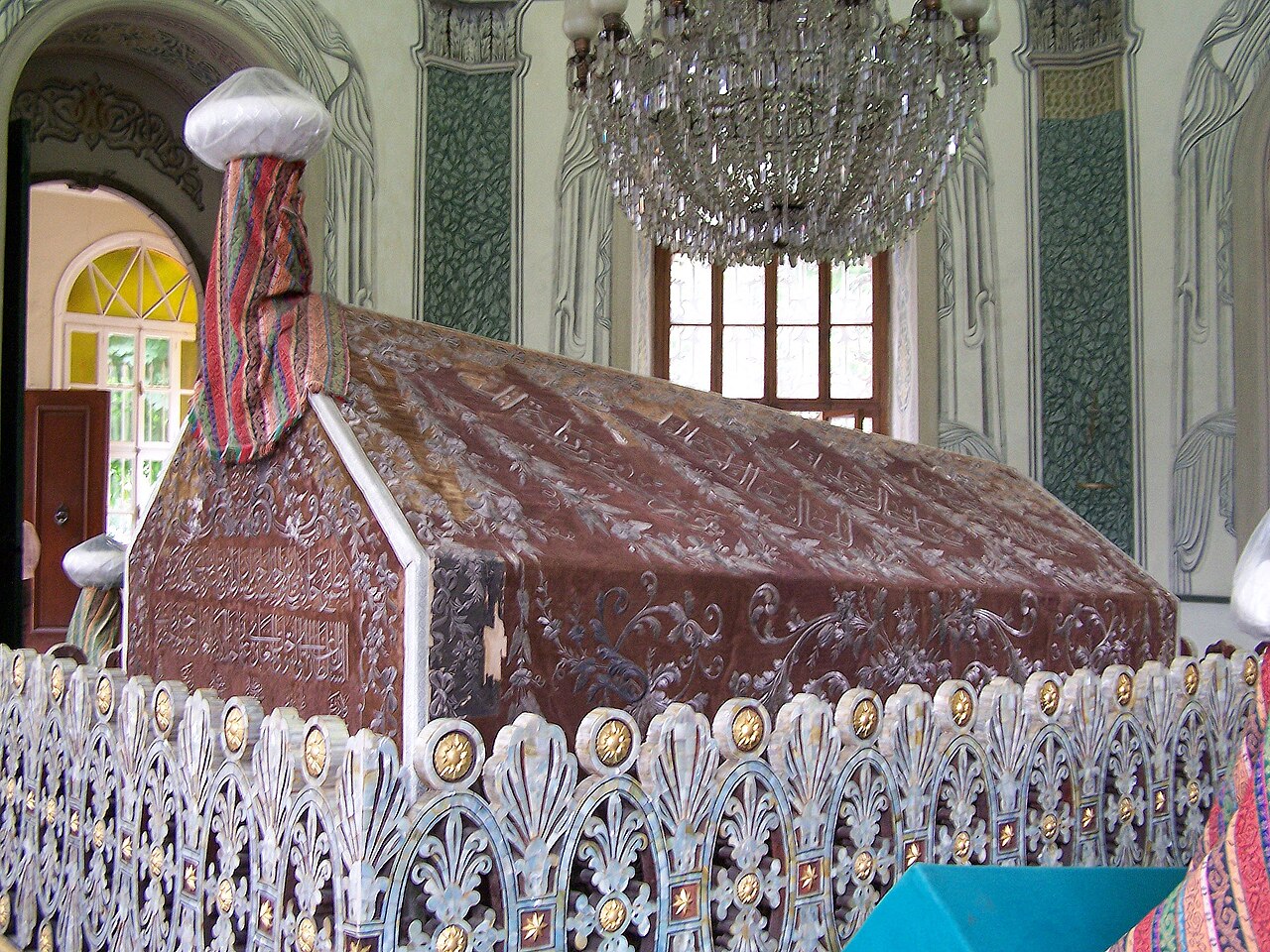
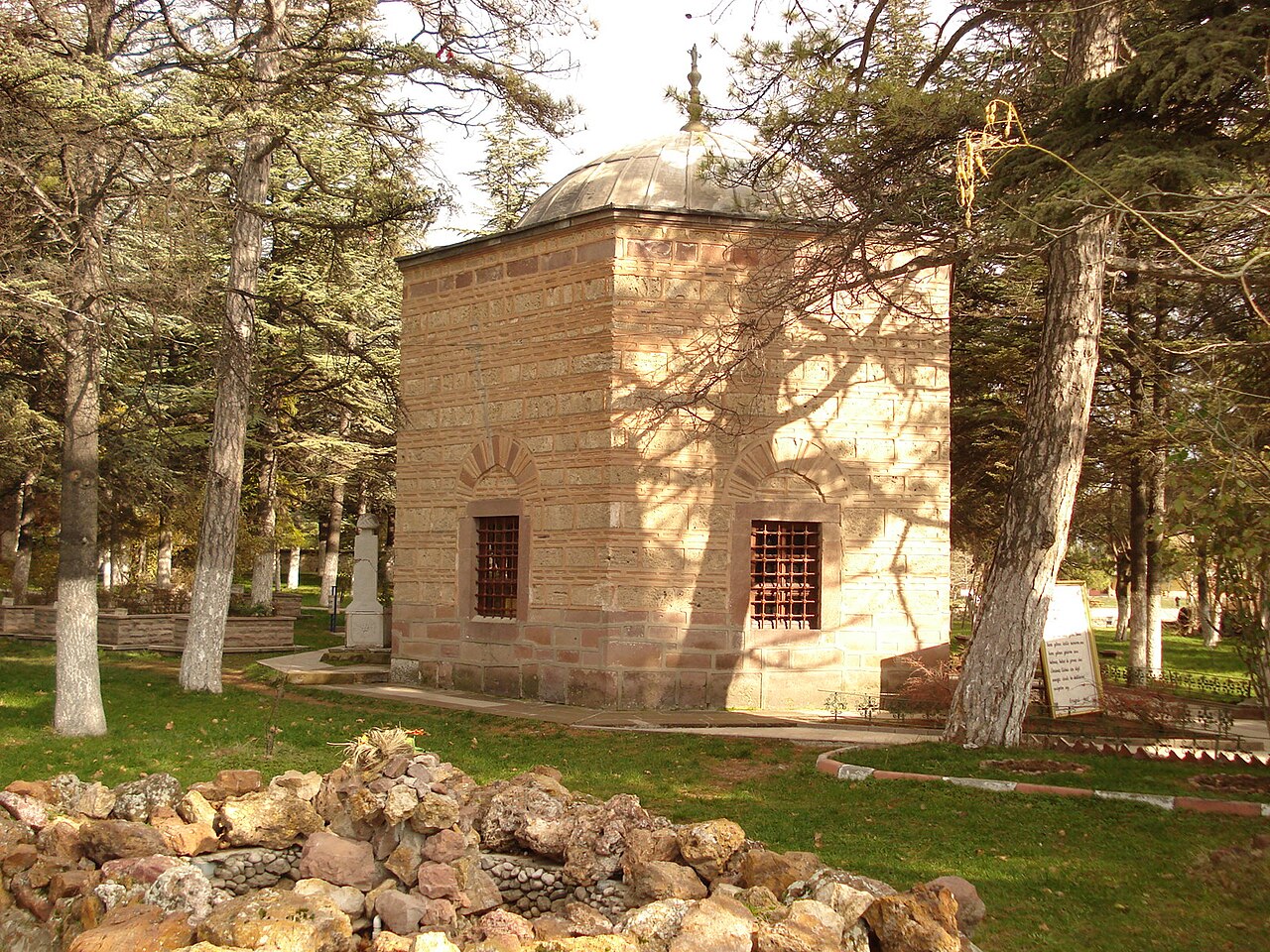
Türbe of Osman I
rebuilt after 1855 (original site earlier)
The domed tomb building in Bursa where Osman I, founder of the Ottoman dynasty, is buried; it became the founding shrine of the empire.
This is the tomb traditionally identified as Osman I's grave, the founding shrine of the Ottoman dynasty.
About this source
What it is
This is a türbe (domed tomb) in Bursa, Turkey, holding the sarcophagus said to be Osman I's grave. The present building is a reconstruction made after an 1855 earthquake damaged the original structure.
Why it matters
Bursa was conquered by Osman's son, Orhan, and the tomb there became a symbolic founding site for the whole Ottoman dynasty. Even though the structure visitors see today is not the original building, it still marks the spot treated as sacred to the empire's beginnings.
Look closer
- Why might rulers want a grand, decorated tomb for their dynasty's founder?
- What does it mean that the building was rebuilt after an earthquake — does that change its meaning as a historical site?
- How does a tomb like this shape the way later generations remember a historical figure?
This artifact is part of the curated material that grounds the AI version of Osman I on Humy.ai — when students ask about related events, the AI can quote it and cite it.
More Osman I sources
Browse all 55 →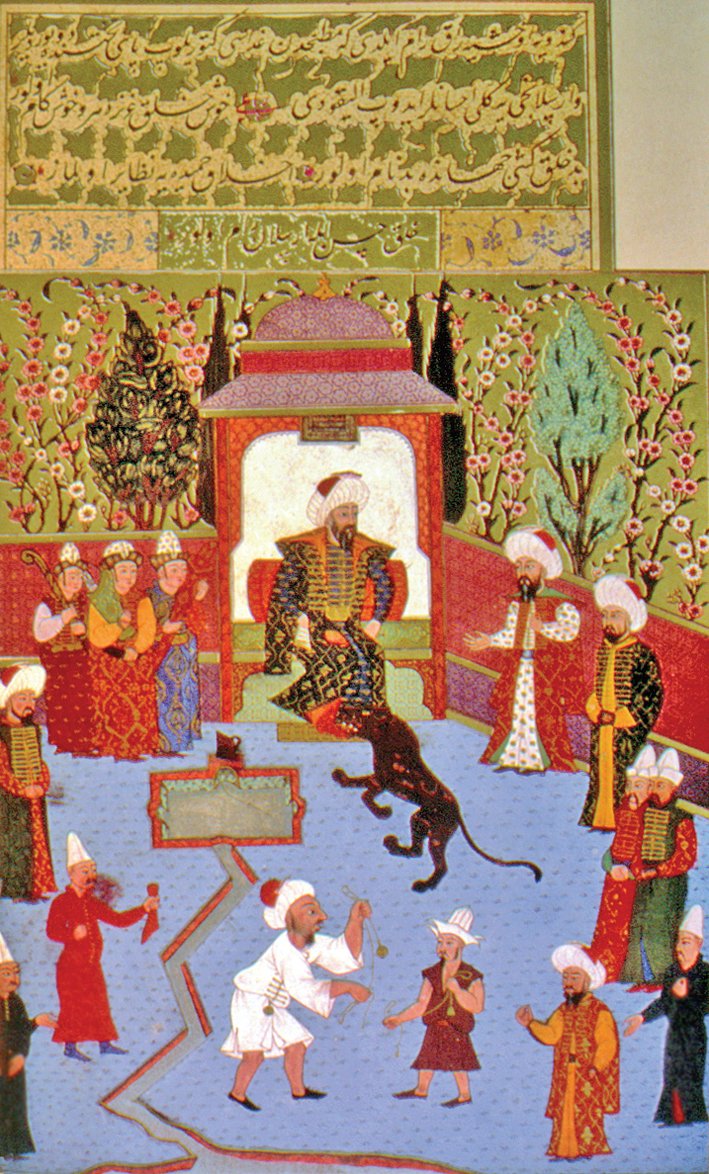 Painting
Secondary source
Osman I Miniature from the Hünername
Nakkaş Osman · 1584–1588
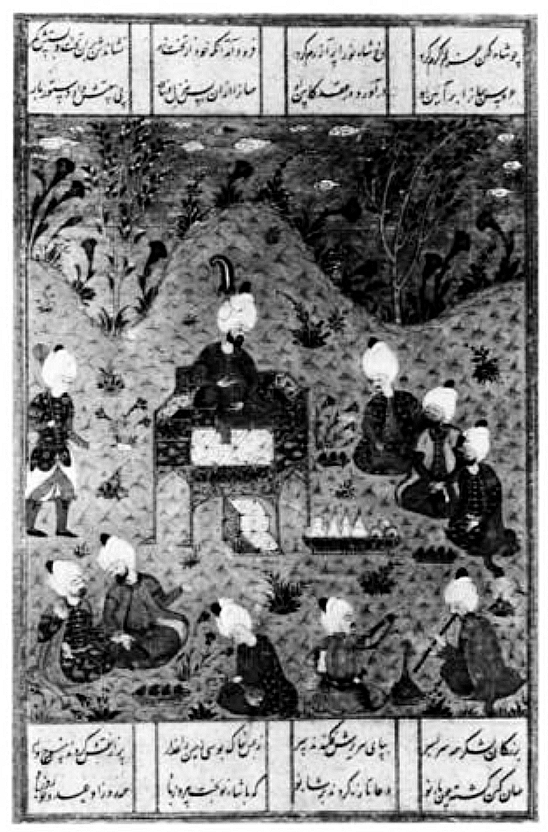 Painting
Secondary source
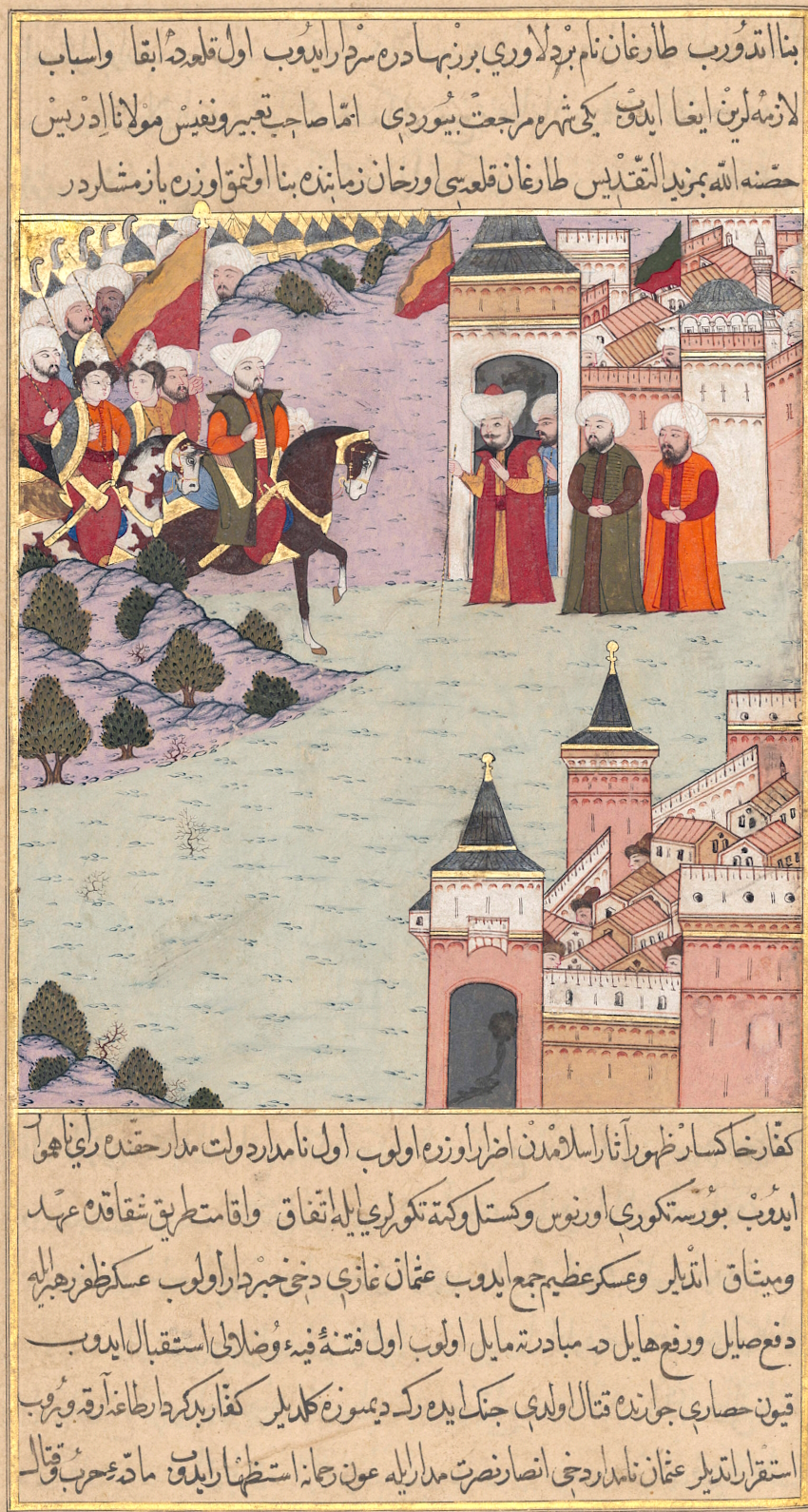
Enthronement of Sultan Osman I
c.1558 Ottoman artist · c. 1558
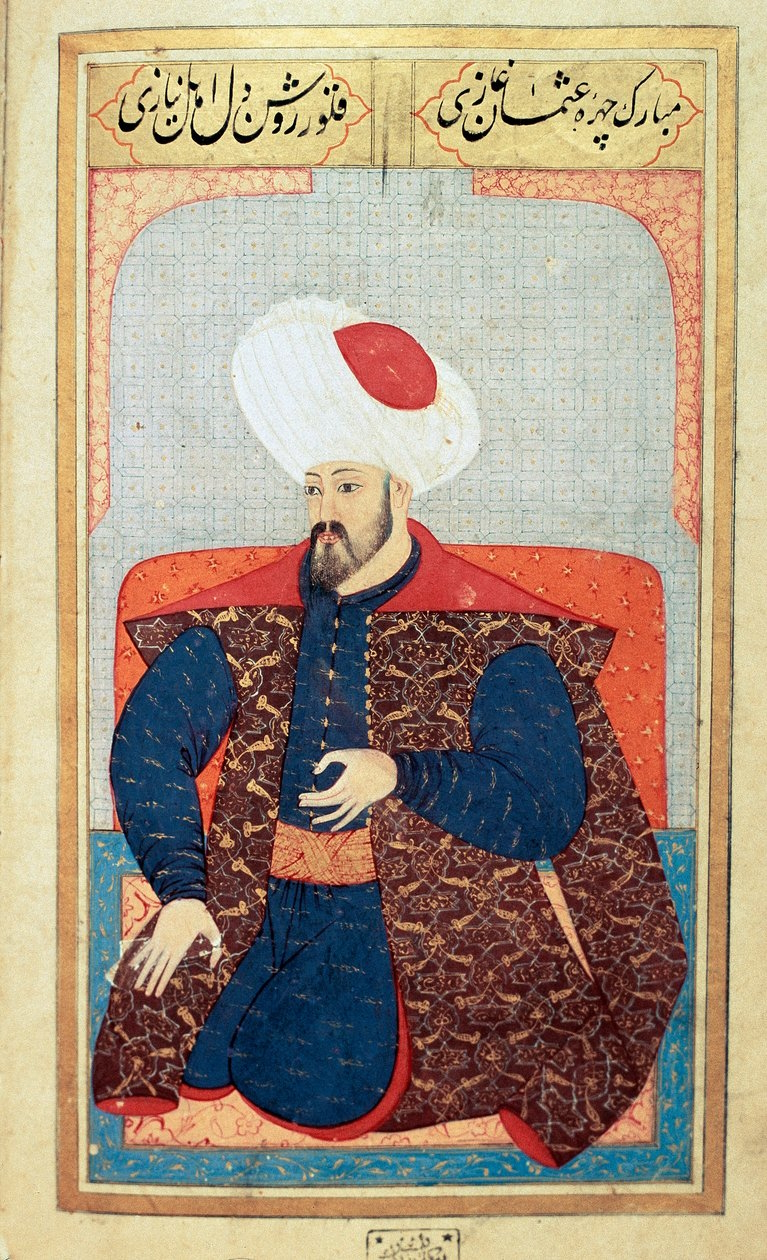 Painting
Secondary source
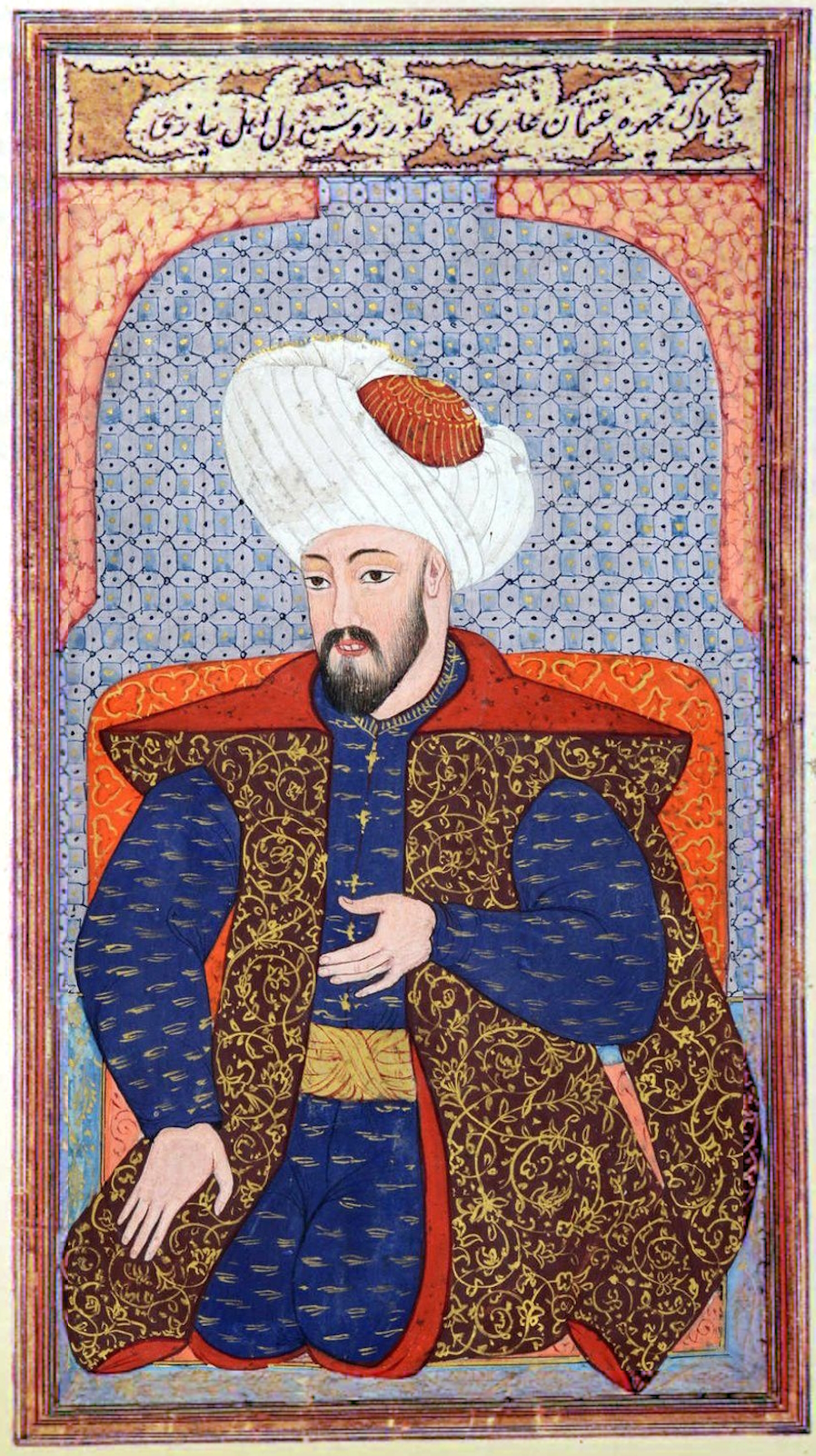
Miniature of Sultan Osman I
Nakash (court artist) · 1579
 Painting
Secondary source
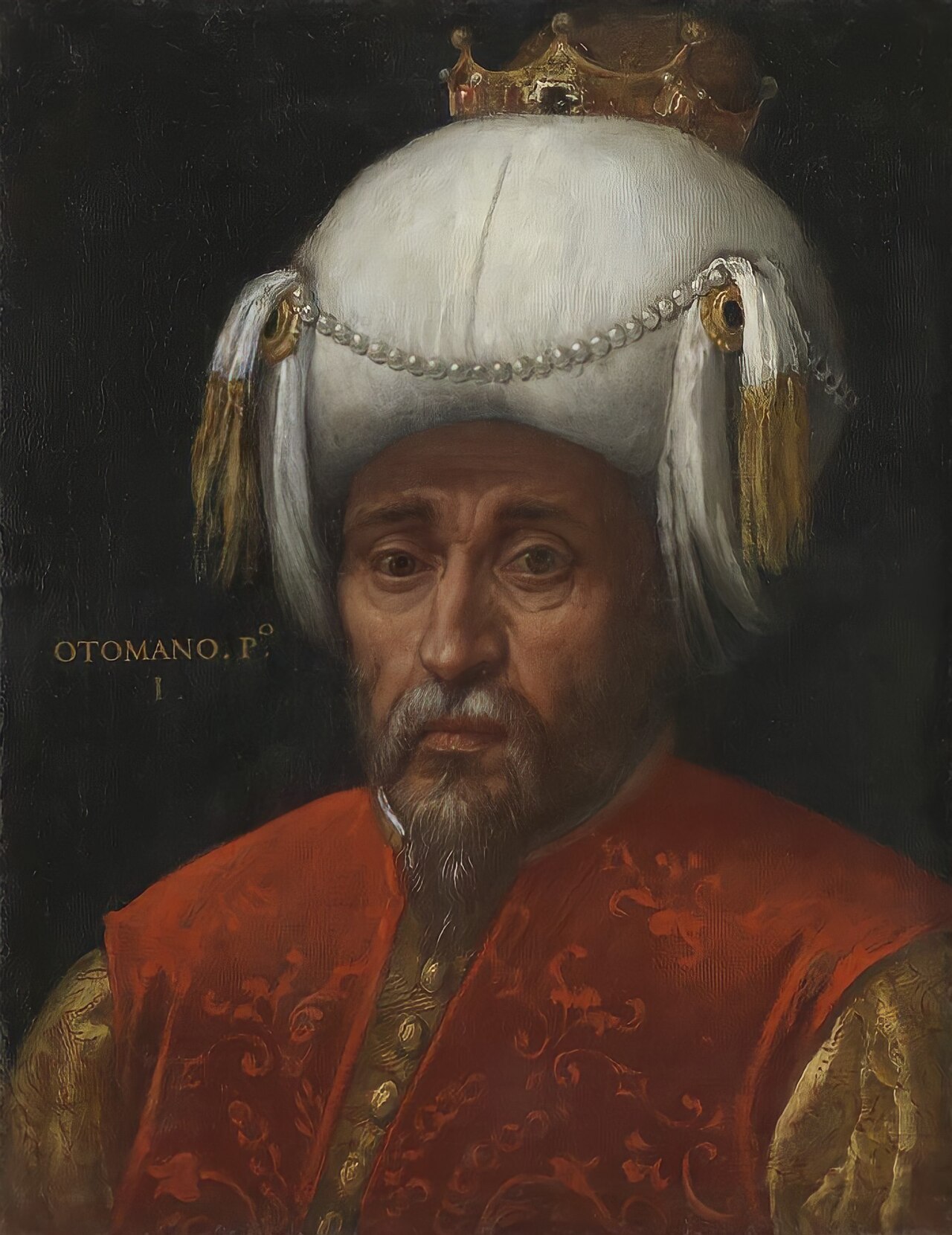
Sultan Osman I
Follower of Paolo Veronese · 1558
Free account
Read every Osman I source
Sign up free →
Ready when you are
Start chatting with Osman I now.
20 messages free · No credit card · Available in 50+ languages.