


Secondary sourcePainting1579
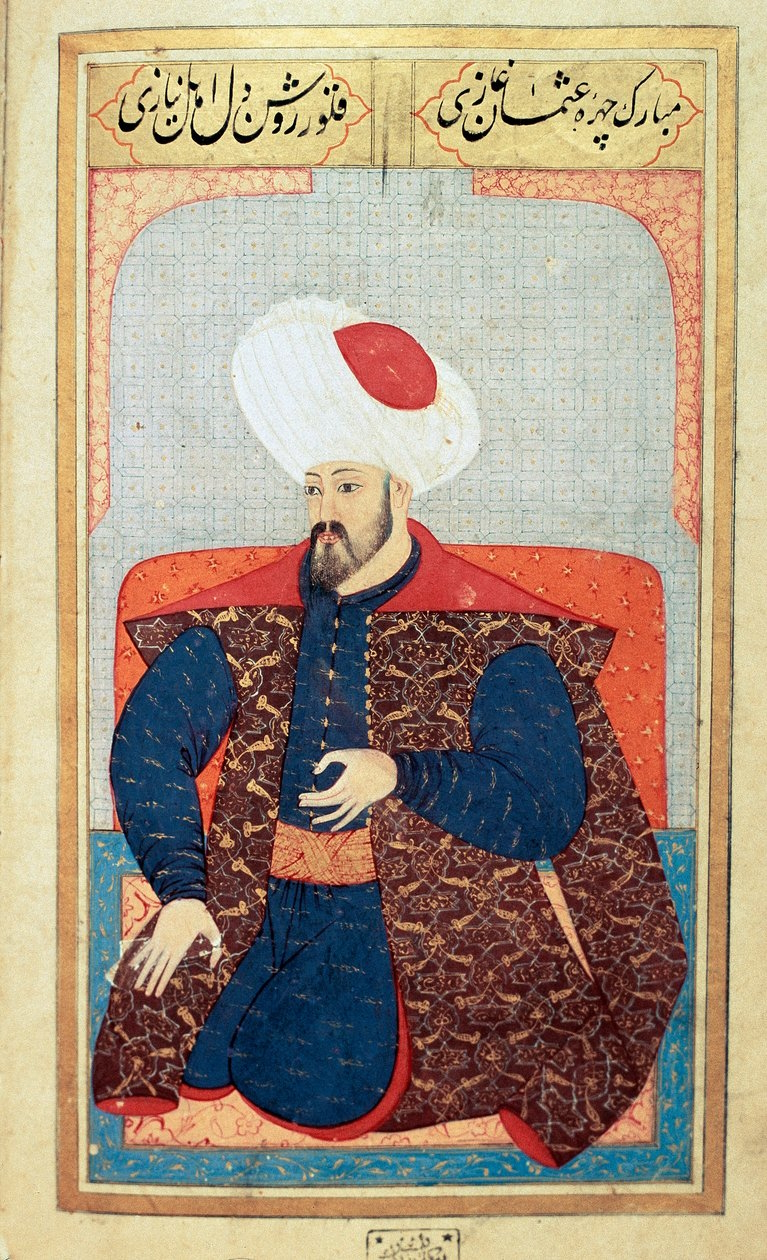
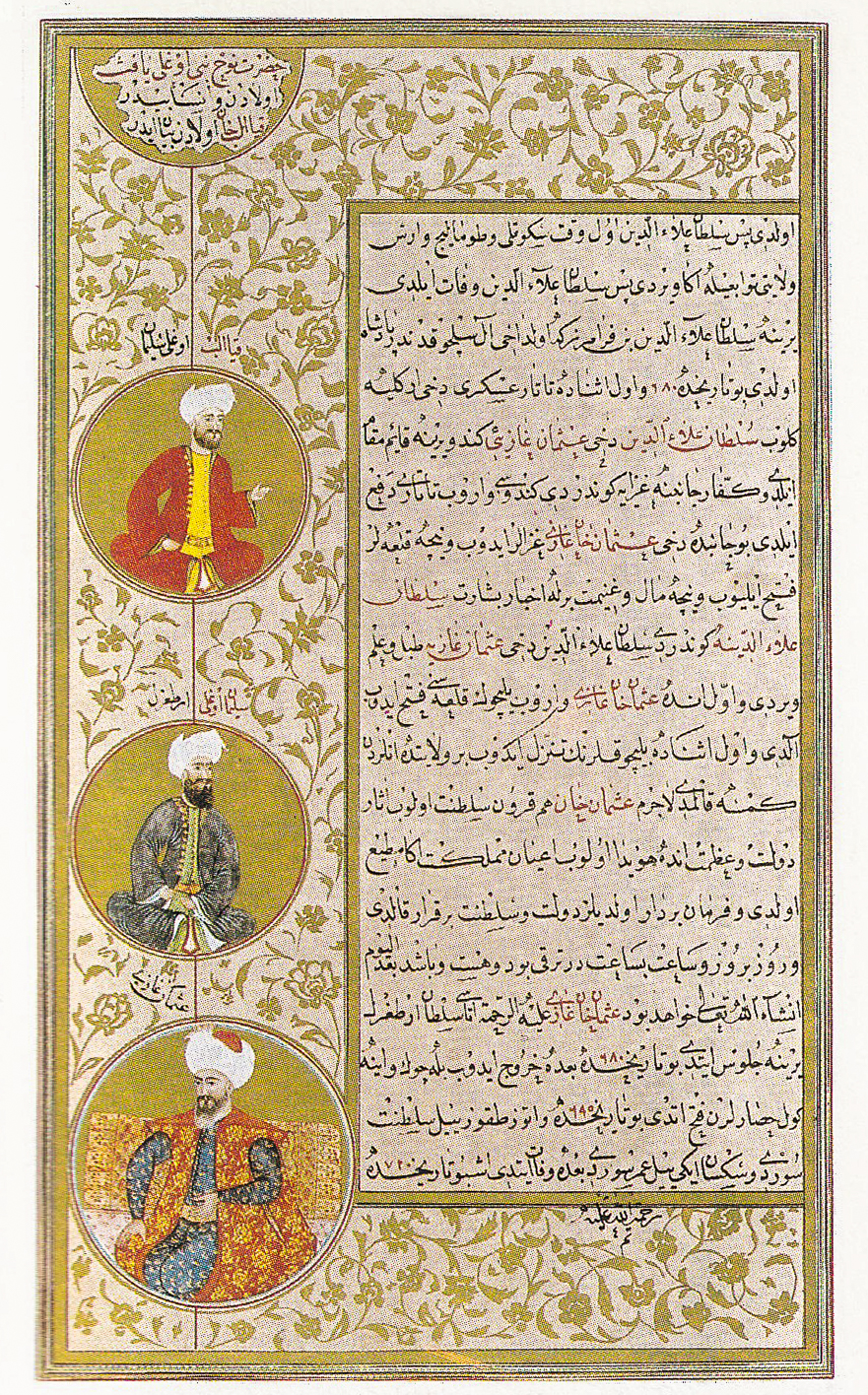
Miniature of Sultan Osman I
Nakash (court artist) · 1579
A late 16th-century miniature portrait of Osman I, son of Ertuğrul and founder of the Ottoman dynasty, from a manuscript on physiognomy.
This later imagined portrait of Osman I, Ertuğrul's son, shows how the dynasty's founder—and so Ertuğrul's legacy—was pictured generations afterward.
About this source
What it is
This miniature of Sultan Osman I comes from a manuscript on human physiognomy about the personal characteristics of the Ottomans, written by Seyyid Lokman Hussein. It was painted around 1579, nearly three centuries after Osman's lifetime.
Why it matters
Osman I was the son of Ertuğrul and the founder of the Ottoman state. Because no portraits were made during Osman's own lifetime, later images like this one shaped how generations of Ottomans imagined the dynasty's founder and, by extension, his father Ertuğrul, who is remembered mainly through his son's achievements.
Look closer
- Why might an artist painting Osman nearly 300 years after he lived choose to show him this way?
- What does the manuscript's subject — physiognomy — suggest about why this image was made?
- Can an image made centuries later be trusted to show what someone really looked like?
This painting is part of the curated material that grounds the AI version of Ertuğrul and Osman I on Humy.ai — when students ask about related events, the AI can quote it and cite it.
More Ertuğrul sources
Browse all 35 →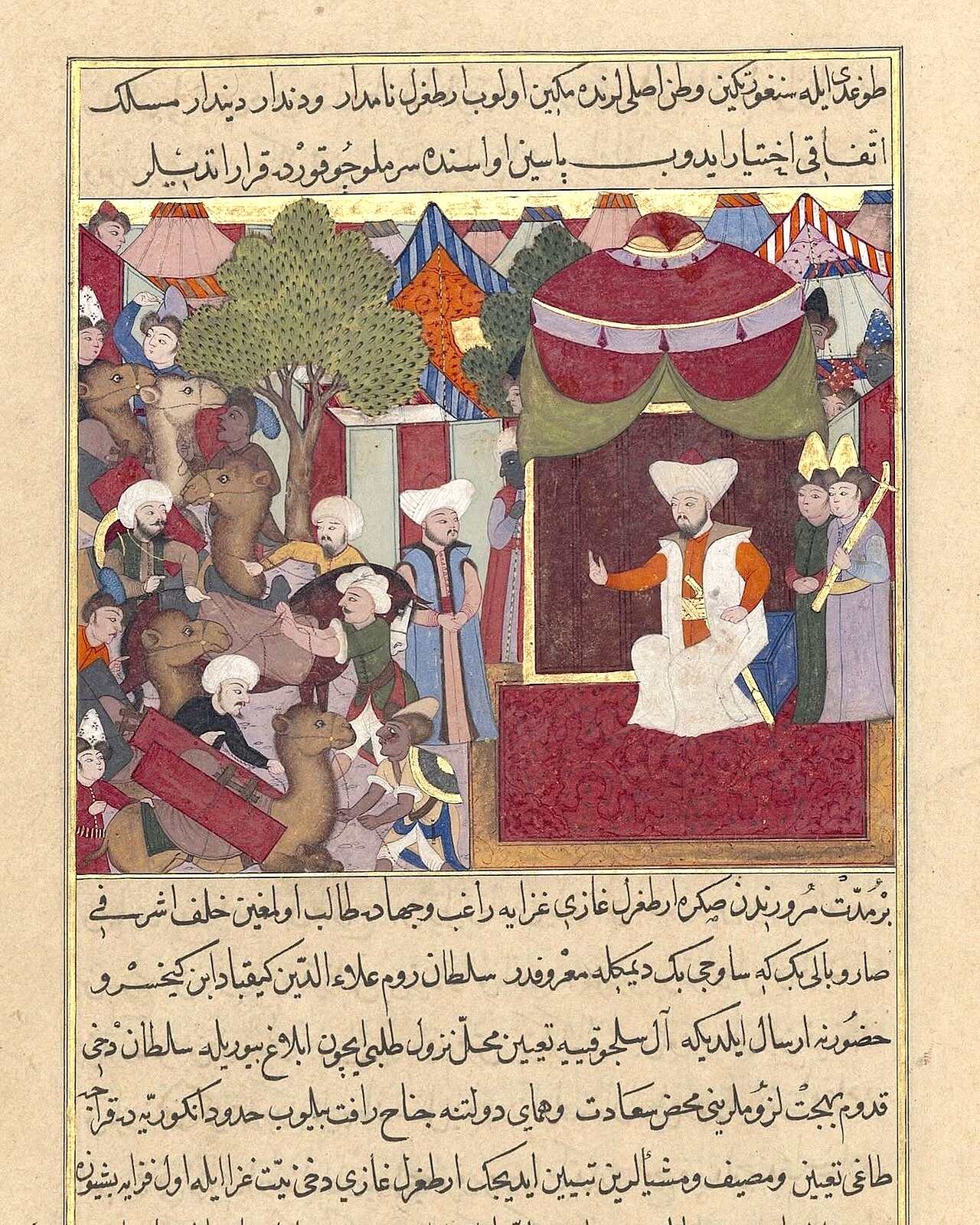 Painting
Primary source
Ertugrul Sends Savci Bey
1616
 Painting
Secondary source
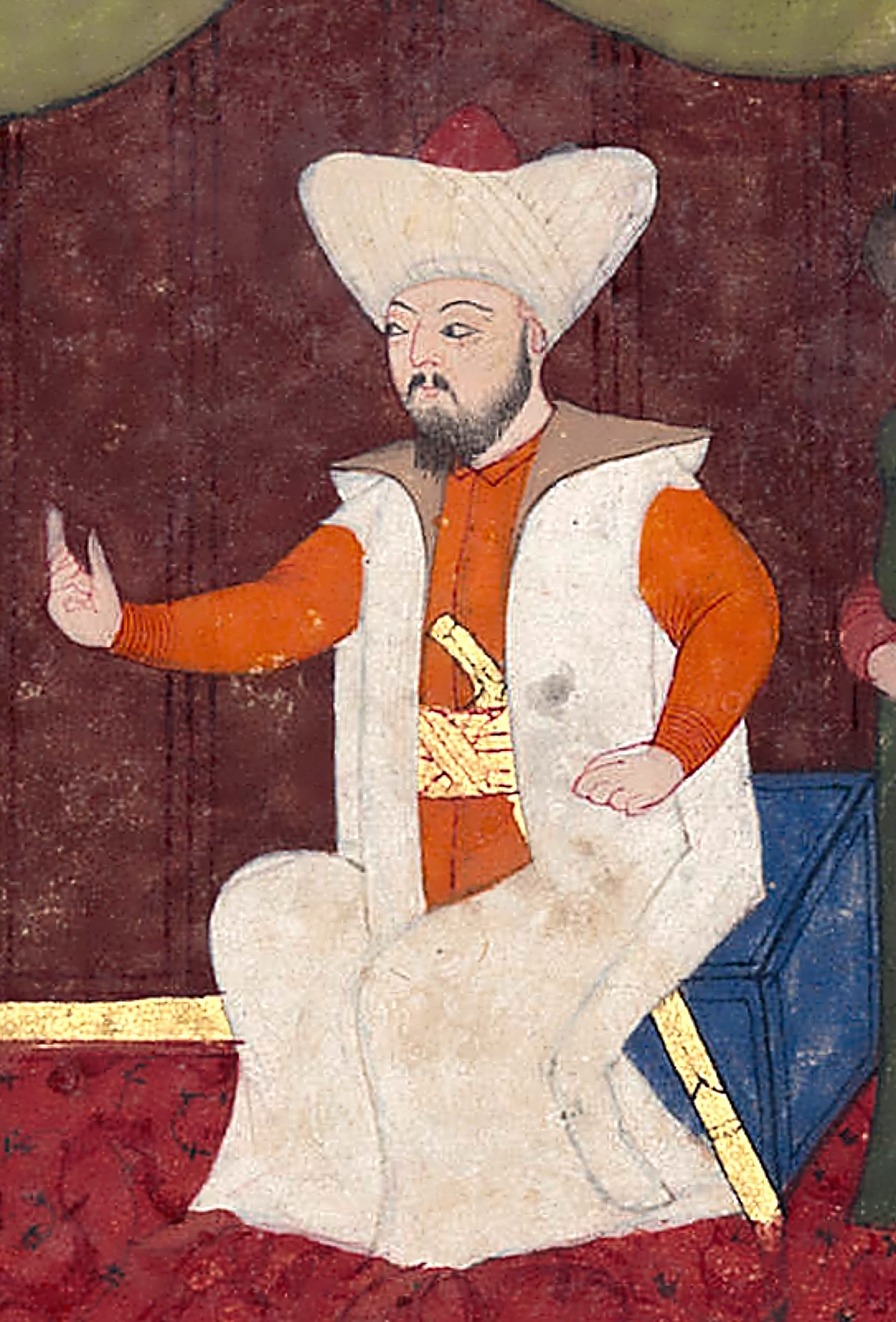
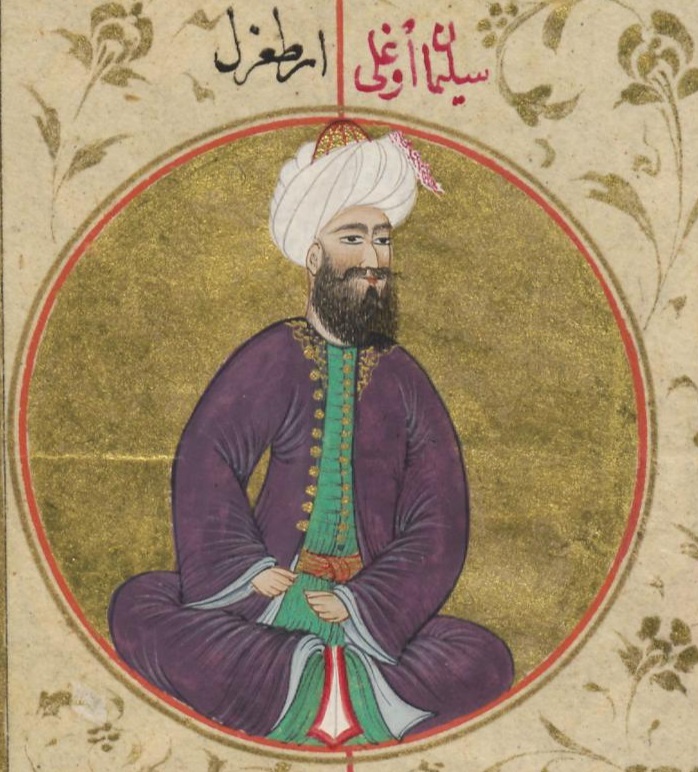
Portrait of Ertuğrul (Enthroned)
Unknown 1616 court artist · 1616
 Painting
Secondary source
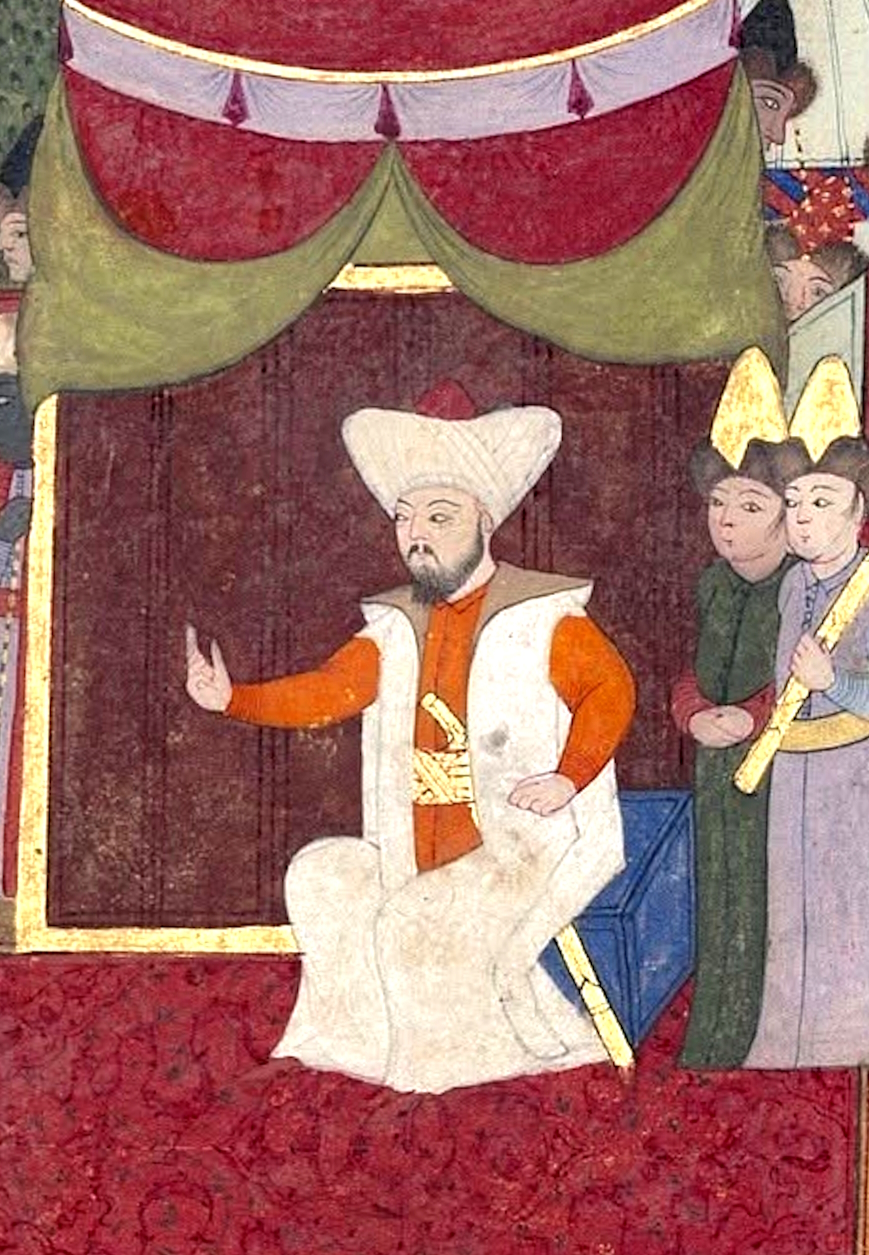
Ertuğrul (Enthroned), Taj al-Tawarikh Miniature
Unknown 1616 court artist · 1616
 Artifact
Secondary source
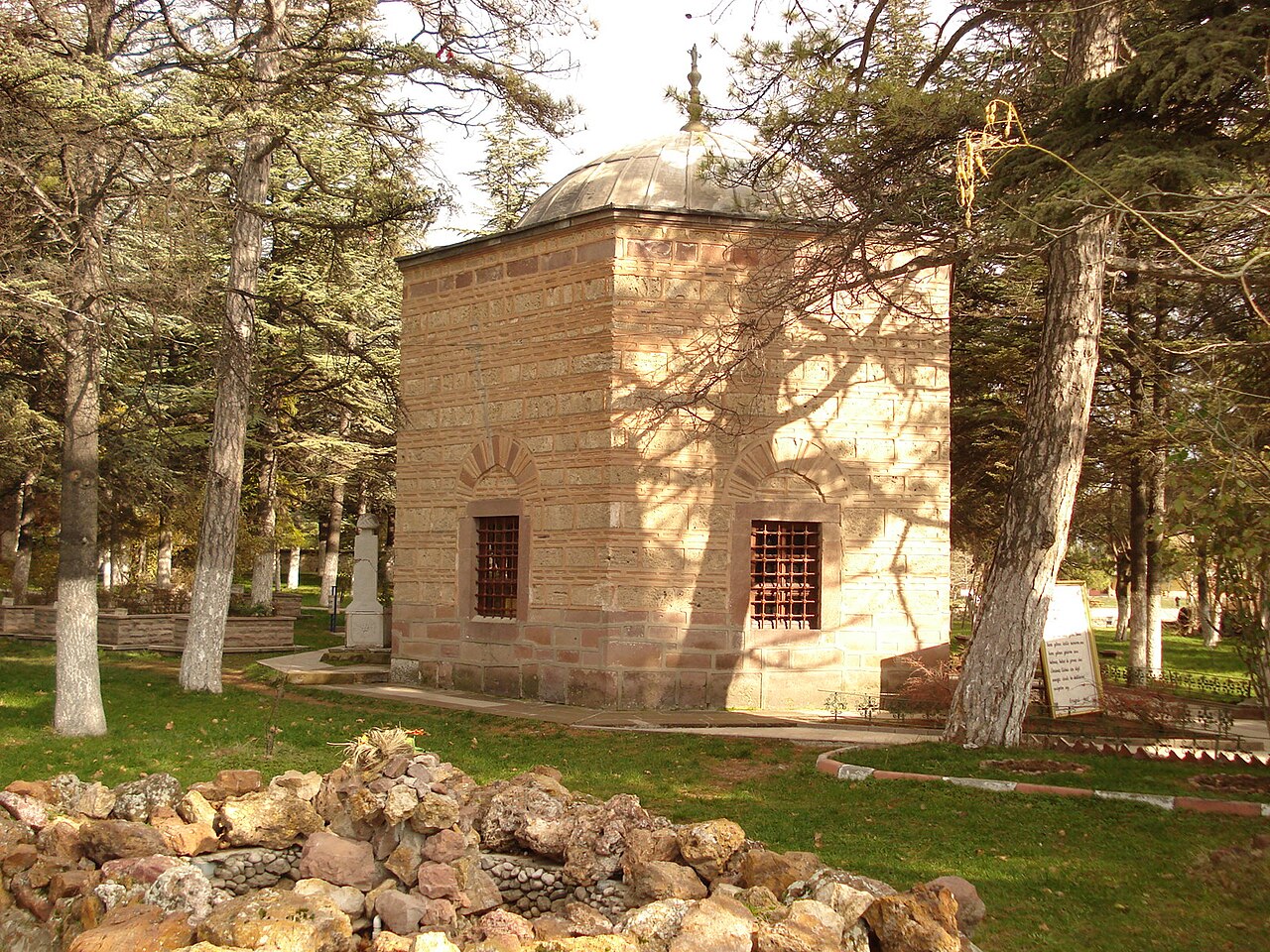
Tomb of Ertuğrul Gazi, Söğüt
Traditionally Osman I; rebuilt under Abdülhamid II · Late 13th century (tradition); rebuilt 1880s
Free account
Read every Ertuğrul source
Sign up free →
Ready when you are
Start chatting with Ertuğrul now.
20 messages free · No credit card · Available in 50+ languages.