


Secondary sourceArtifactLate 13th century (tradition); rebuilt 1880s
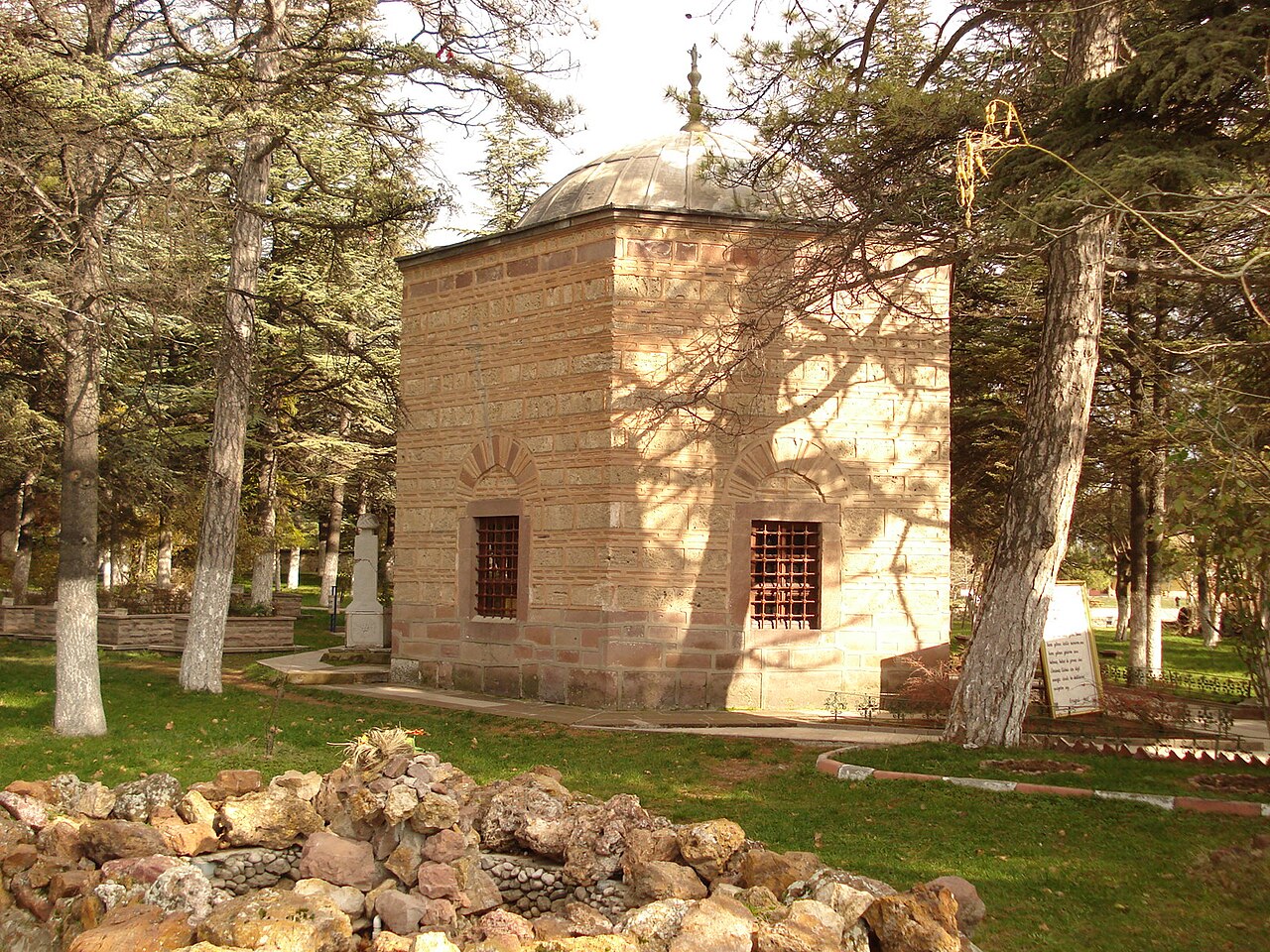
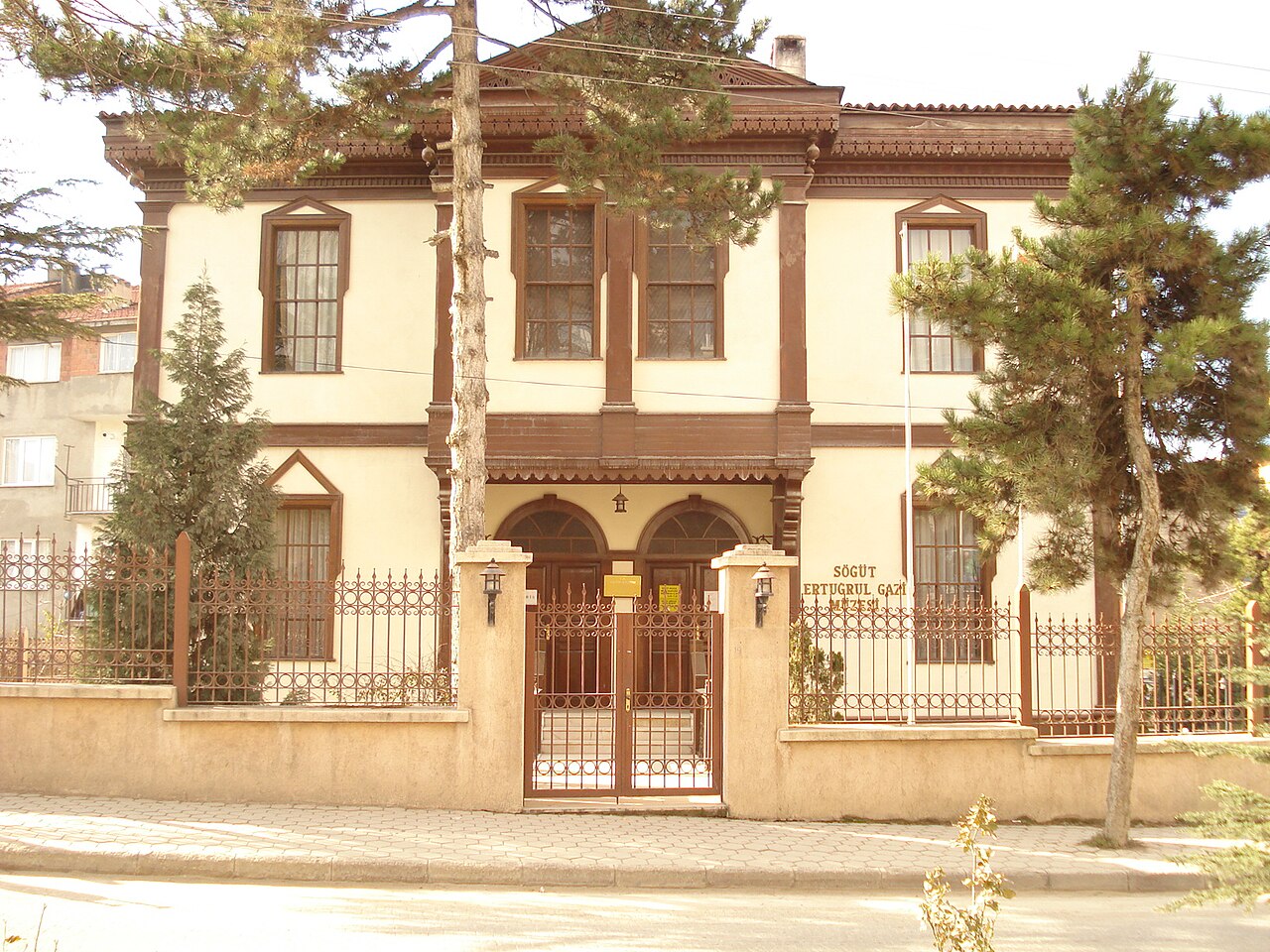
Tomb of Ertuğrul Gazi, Söğüt
Traditionally Osman I; rebuilt under Abdülhamid II · Late 13th century (tradition); rebuilt 1880s
The traditional burial site of Ertuğrul in Söğüt, Turkey, rebuilt in the 1880s and still a place of commemoration.
The traditional resting place of Ertuğrul, later rebuilt by the Ottoman state to honour him as dynastic founder.
Free Humy account · No credit card · 120,912 sources to read
About this source
What it is
This small domed stone building in Söğüt, Bilecik Province, Turkey, is traditionally said to be the tomb of Ertuğrul. According to tradition it was first established by his son Osman I, and it was rebuilt in the late 19th century under Sultan Abdülhamid II.
Why it matters
The rebuilding of this tomb in the 1880s shows how the late Ottoman state used Ertuğrul as a symbol to connect the empire of that time back to its earliest origins. Osman I, who is said to have founded the original tomb, and Abdülhamid II, who rebuilt it, both used this site to honour the dynasty's ancestor.
Look closer
- Why might a 19th-century sultan want to rebuild the tomb of an ancestor who lived over 600 years earlier?
- What can a tomb tell us about how later generations remember historical figures, compared to written sources?
- What is uncertain about whether this is truly where Ertuğrul was buried?
This artifact is part of the curated material that grounds the AI version of Ertuğrul and Osman I on Humy.ai — when students ask about related events, the AI can quote it and cite it.
More Ertuğrul sources
Browse all 35 →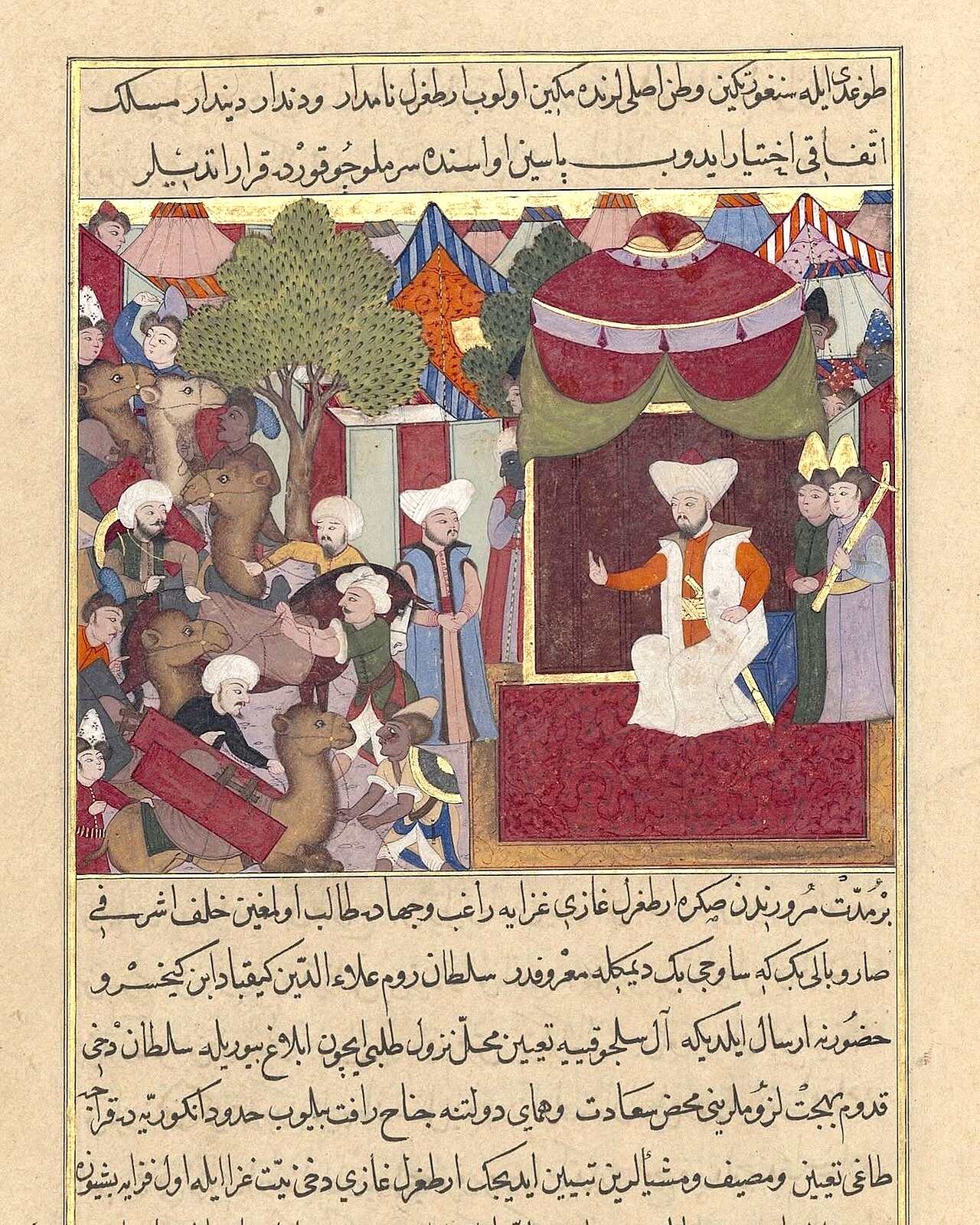 Painting
Primary source
Ertugrul Sends Savci Bey
1616
 Painting
Secondary source
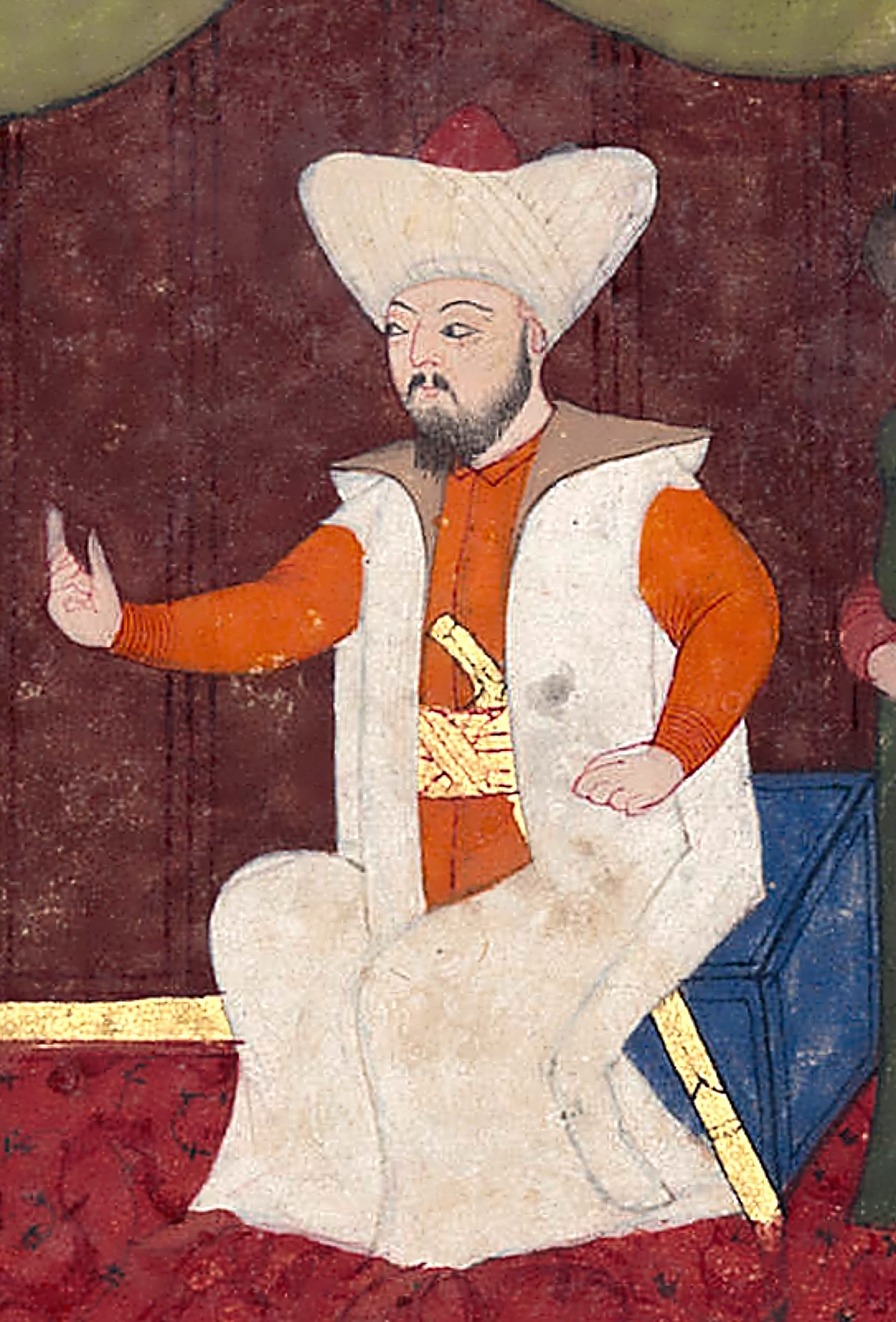
Portrait of Ertuğrul (Enthroned)
Unknown 1616 court artist · 1616
 Painting
Secondary source
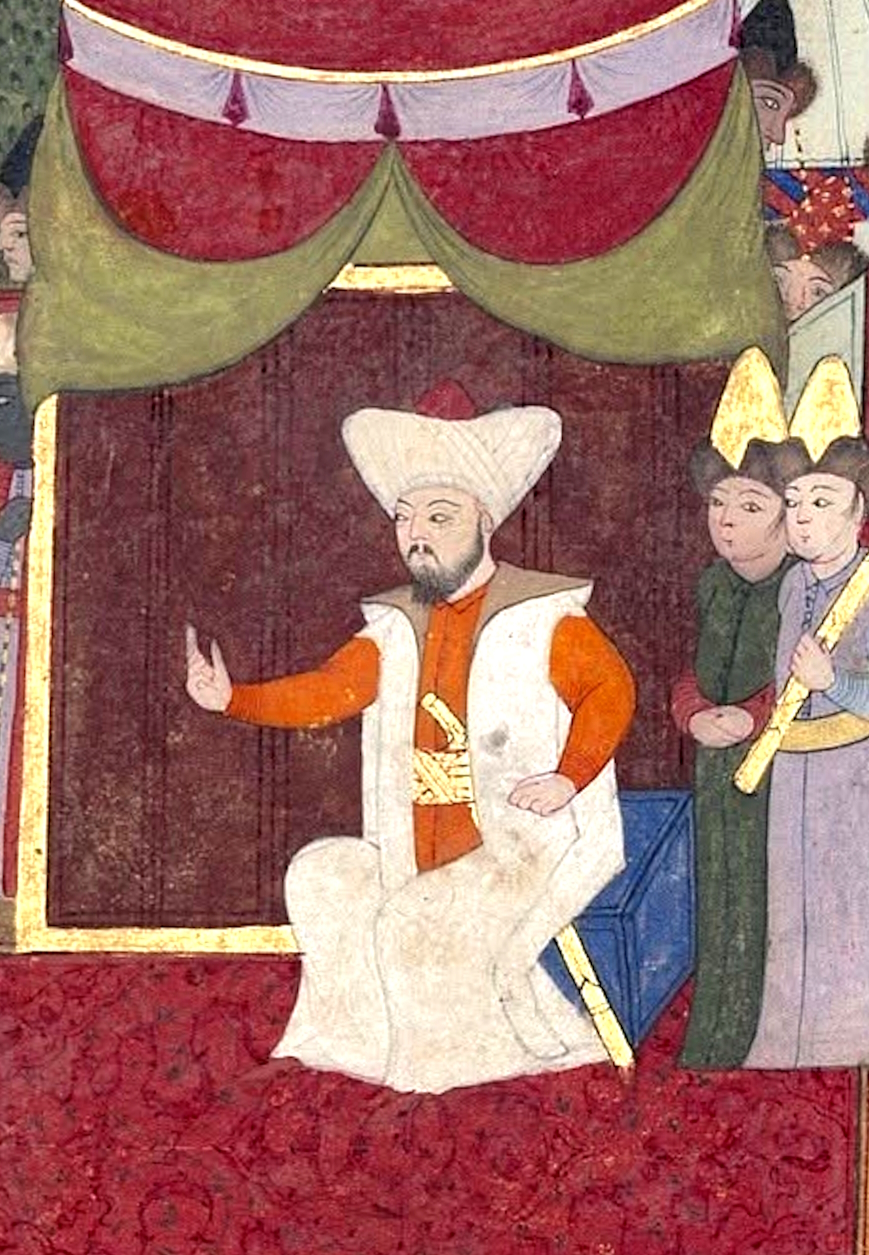
Ertuğrul (Enthroned), Taj al-Tawarikh Miniature
Unknown 1616 court artist · 1616
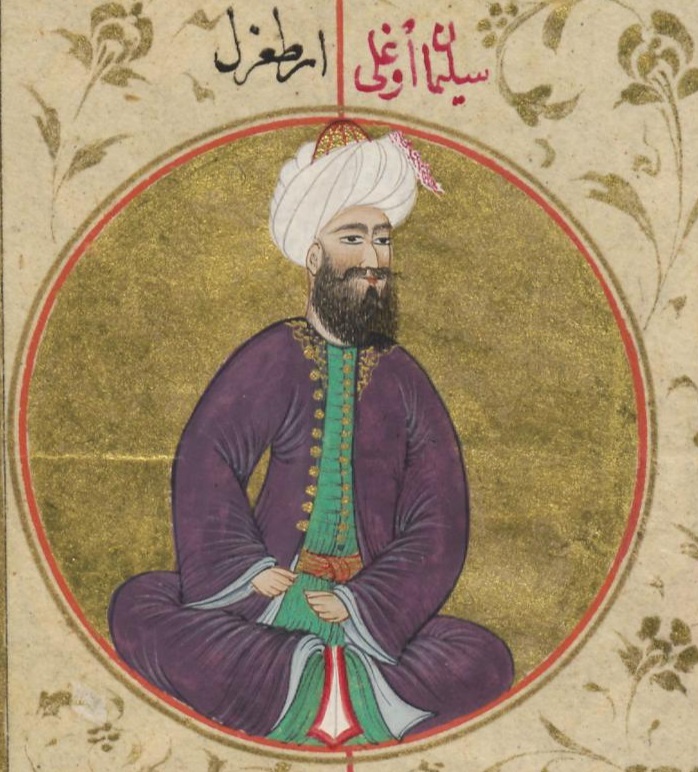 Painting
Secondary source
Depiction of Ertuğrul from Subhat al-Akhbar
Derviş Mehmed · c. 1650
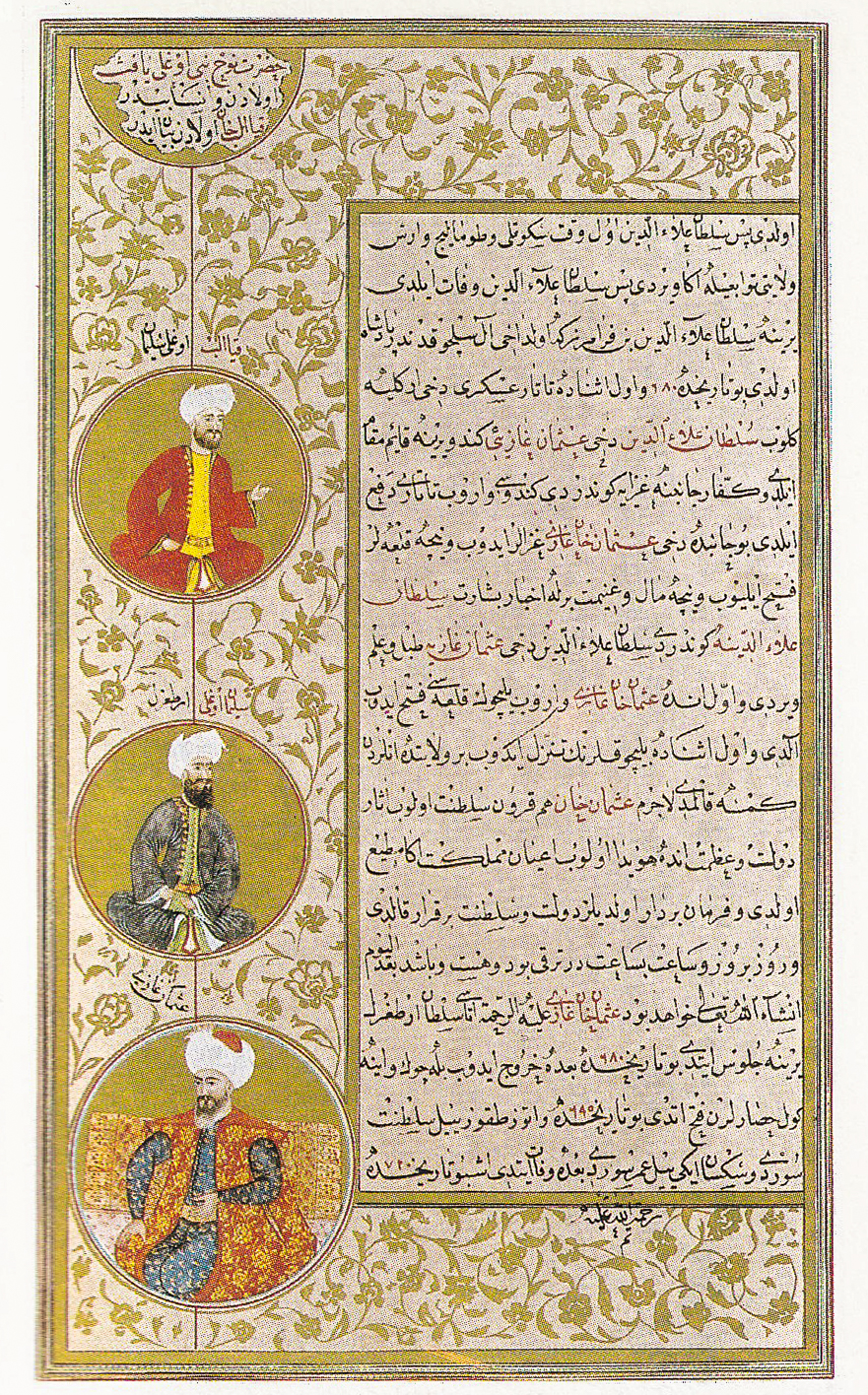
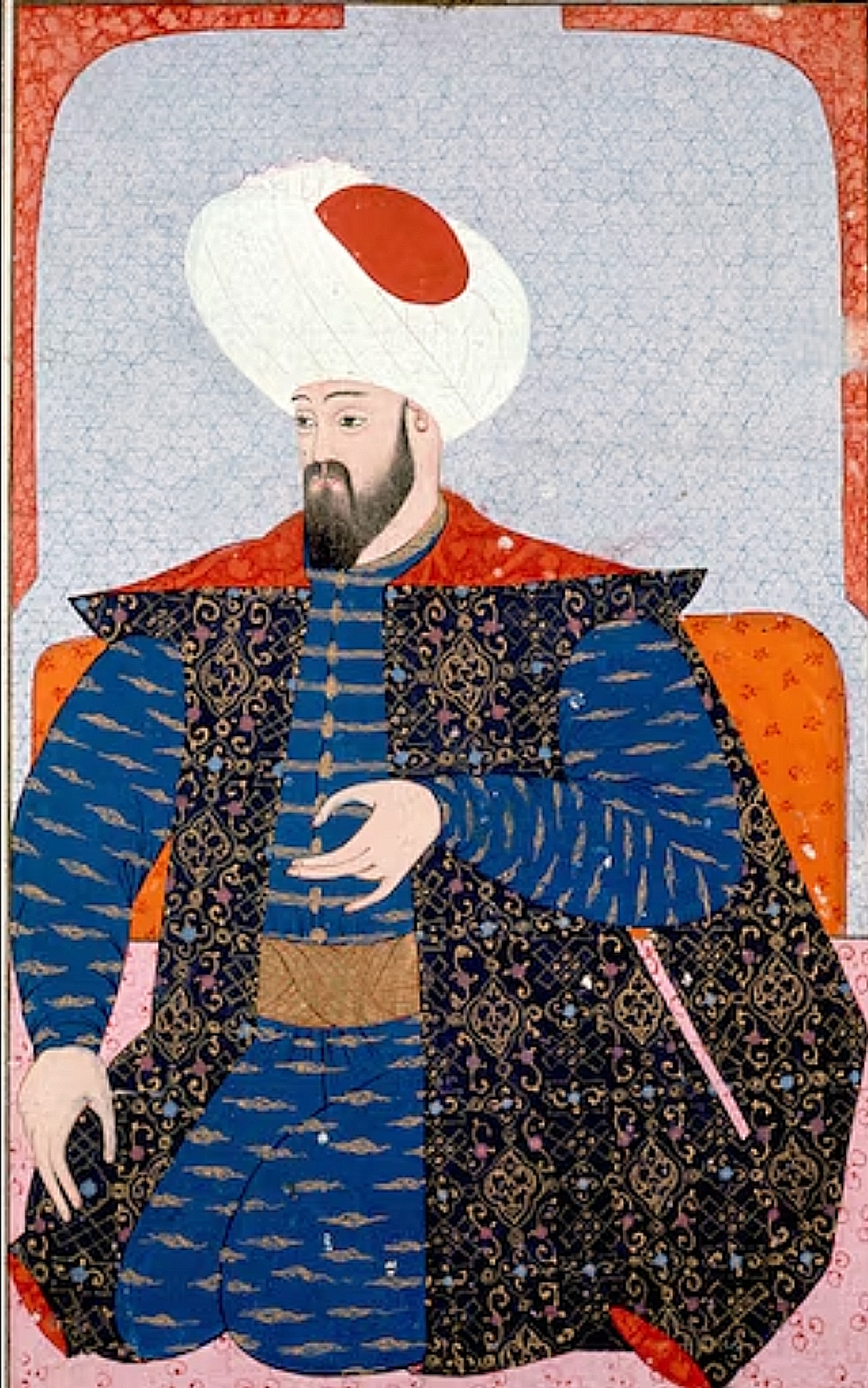
Free account
Read every Ertuğrul source
Sign up free →
Ready when you are
Start chatting with Ertuğrul now.
20 messages free · No credit card · Available in 50+ languages.