


Secondary sourcePaintingc. 1650
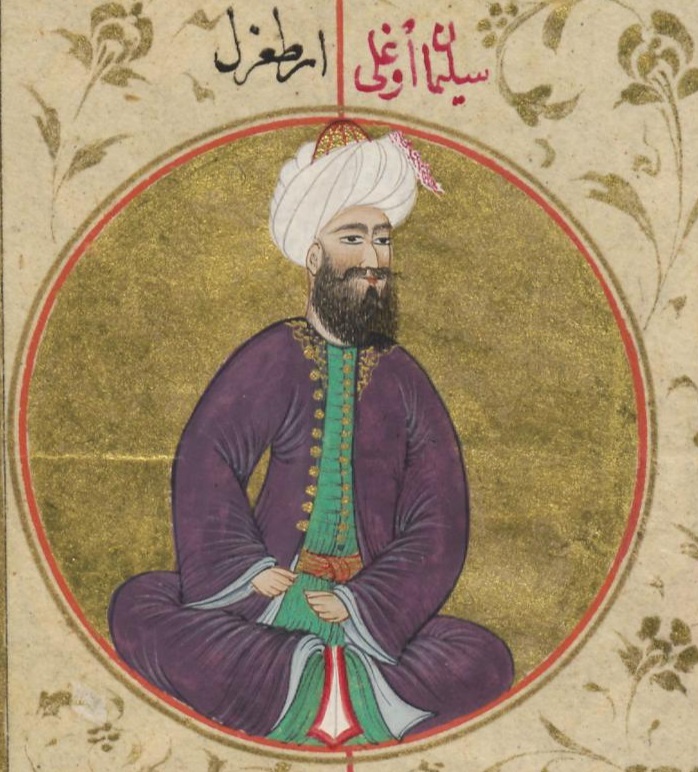
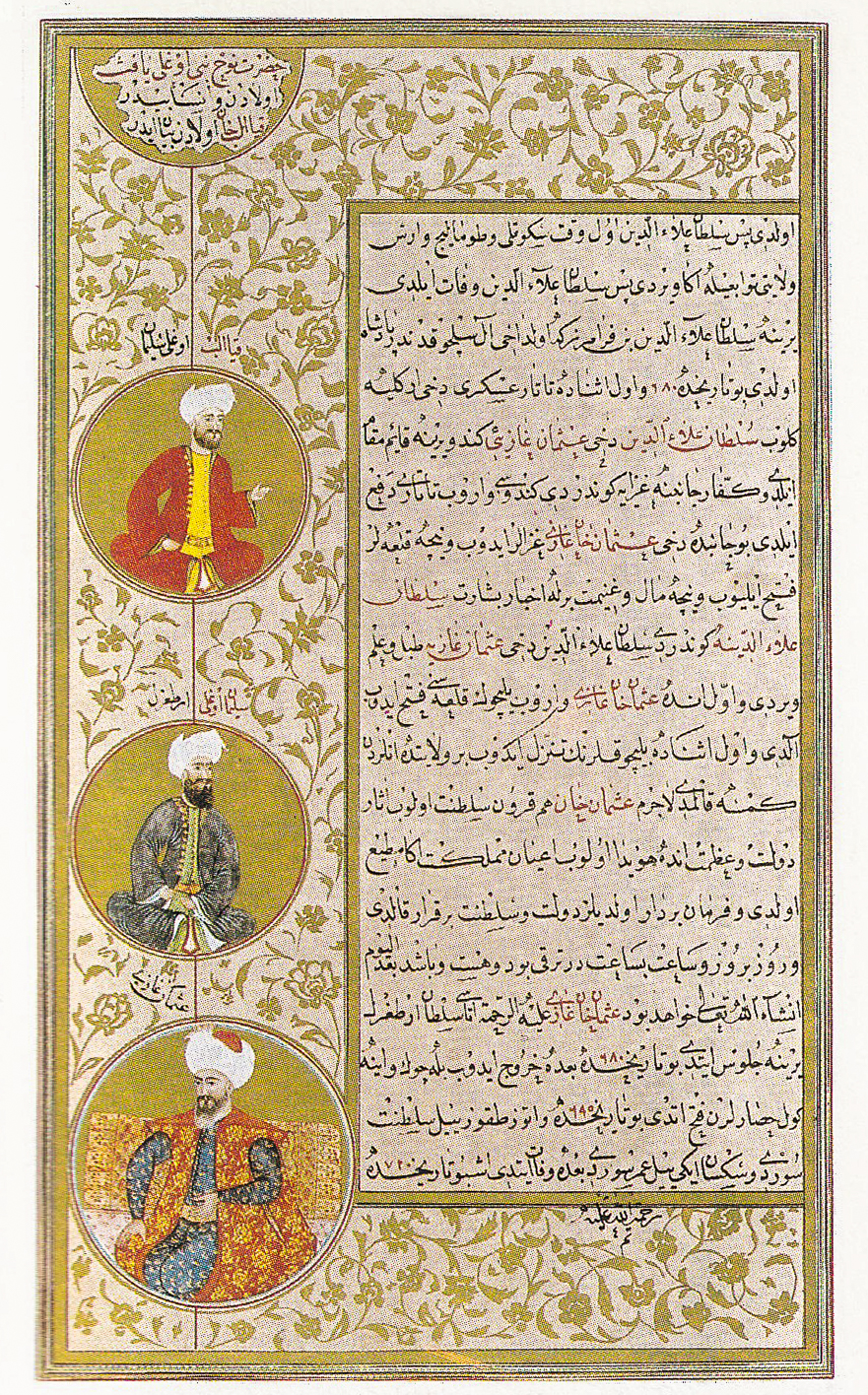
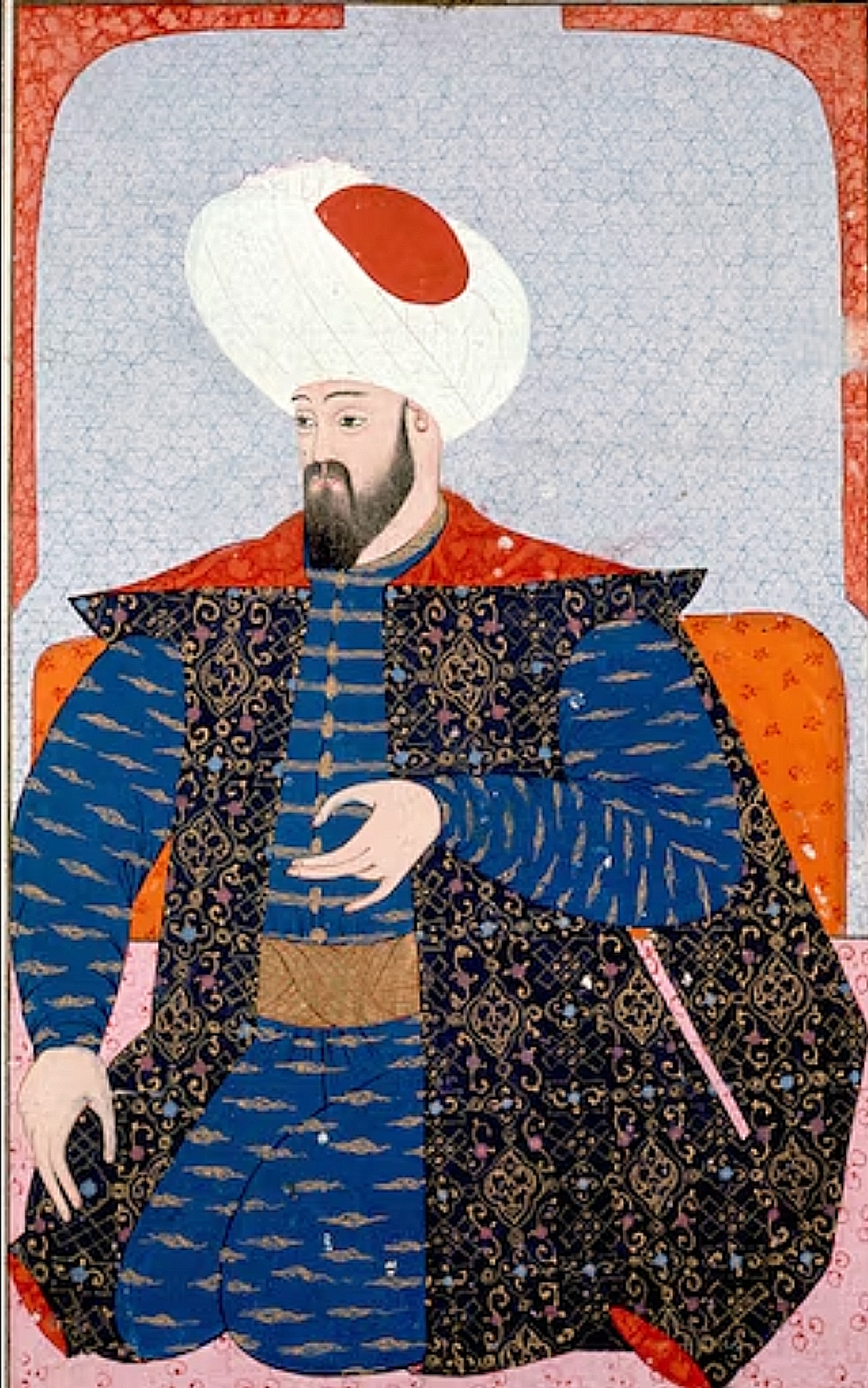
Depiction of Ertuğrul from Subhat al-Akhbar
Derviş Mehmed · c. 1650
A circa-1650 painted miniature of Ertuğrul from an illustrated Ottoman dynastic genealogy by Derviş Mehmed.
One of several later imagined portraits placing Ertuğrul within the Ottoman dynasty's genealogical chain.
About this source
What it is
This miniature, painted by Derviş Mehmed around 1650, comes from the Subhat al-Akhbar, an illustrated Ottoman genealogical chronicle. It shows a seated bearded man in a turban and rich robes against a gold background, labelled as Ertuğrul.
Why it matters
Like other later Ottoman images of Ertuğrul, this portrait was created long after his death as part of a chain of ancestor portraits meant to show the unbroken line of the Ottoman dynasty. It reveals how the empire under later sultans used art to present its royal lineage as ancient and legitimate, with Derviş Mehmed as the artist shaping that image.
Look closer
- What makes this clearly an imagined image rather than a portrait from life?
- Why would a genealogical manuscript include portraits of each ancestor, even those with no surviving likeness?
- What might the artist have based this image on, since no contemporary portrait of Ertuğrul exists?
This painting is part of the curated material that grounds the AI version of Ertuğrul on Humy.ai — when students ask about related events, the AI can quote it and cite it.
More Ertuğrul sources
Browse all 35 →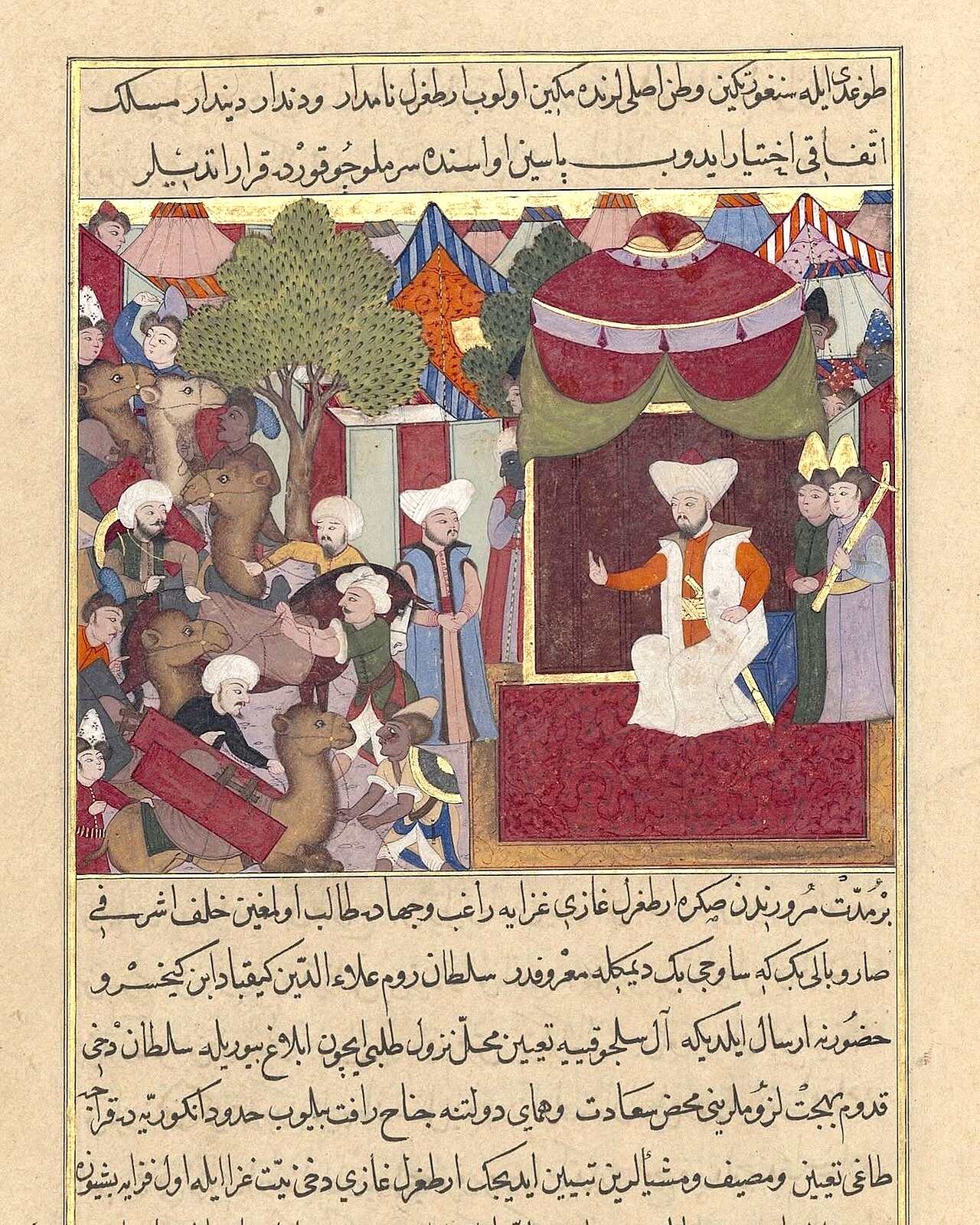 Painting
Primary source
Ertugrul Sends Savci Bey
1616
 Painting
Secondary source
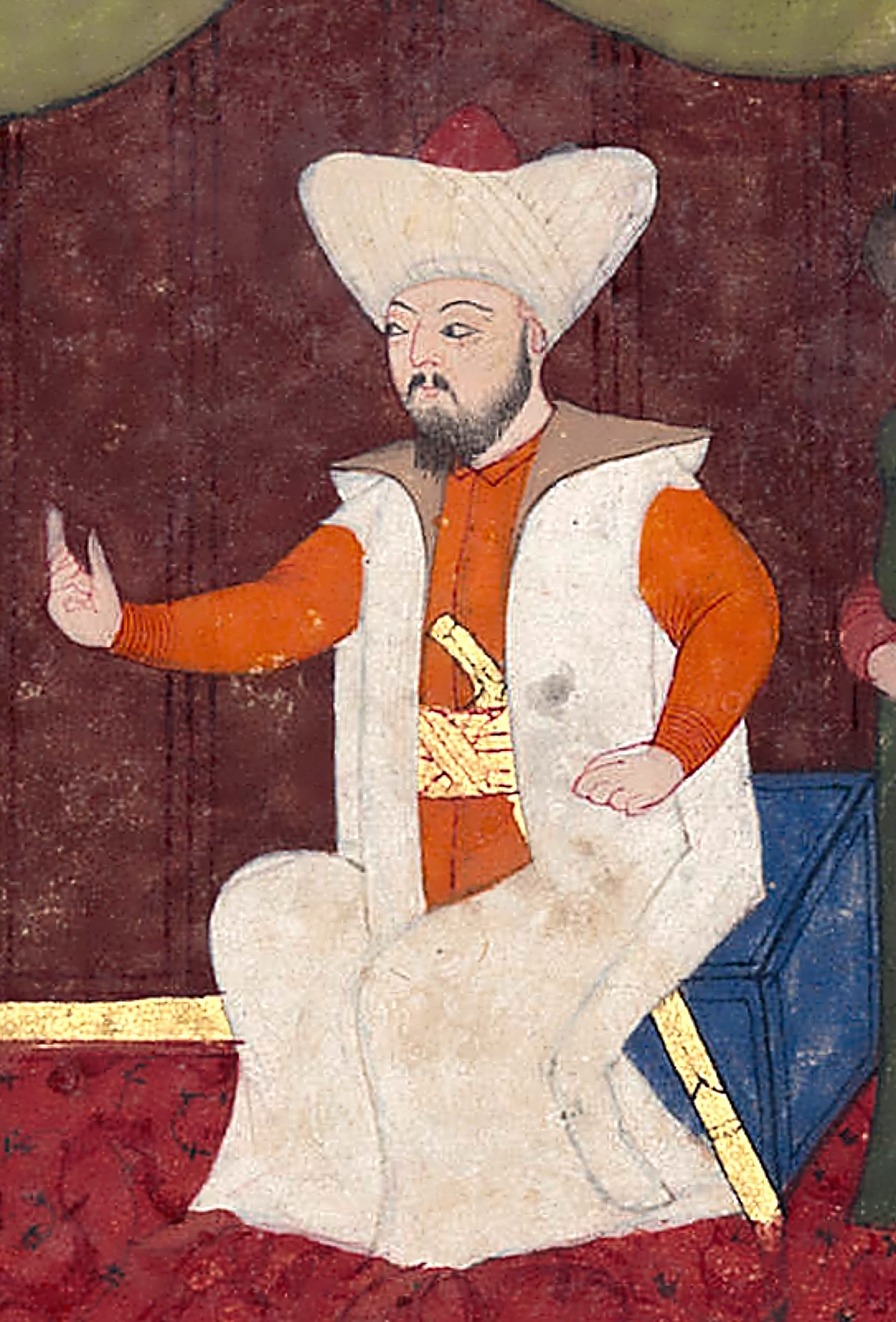
Portrait of Ertuğrul (Enthroned)
Unknown 1616 court artist · 1616
 Painting
Secondary source
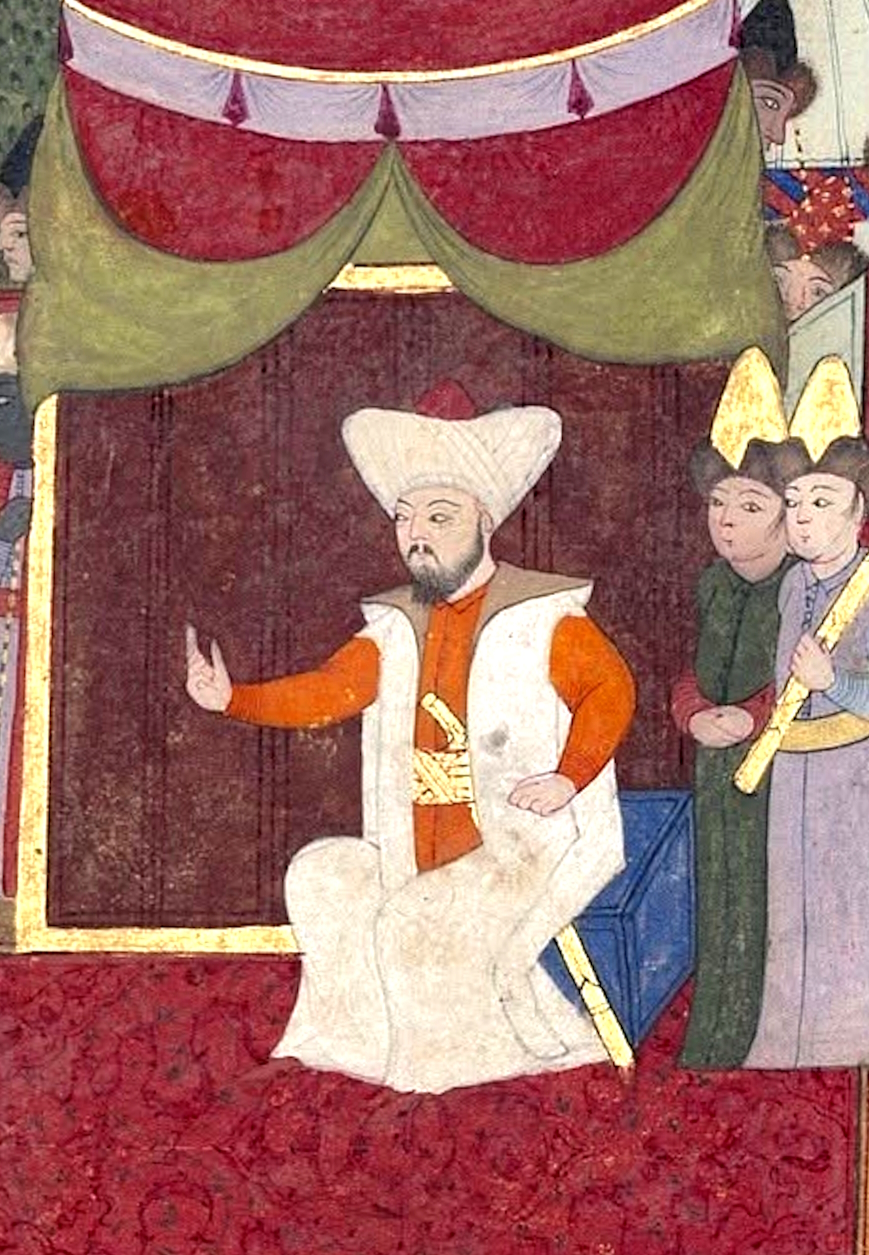
Ertuğrul (Enthroned), Taj al-Tawarikh Miniature
Unknown 1616 court artist · 1616
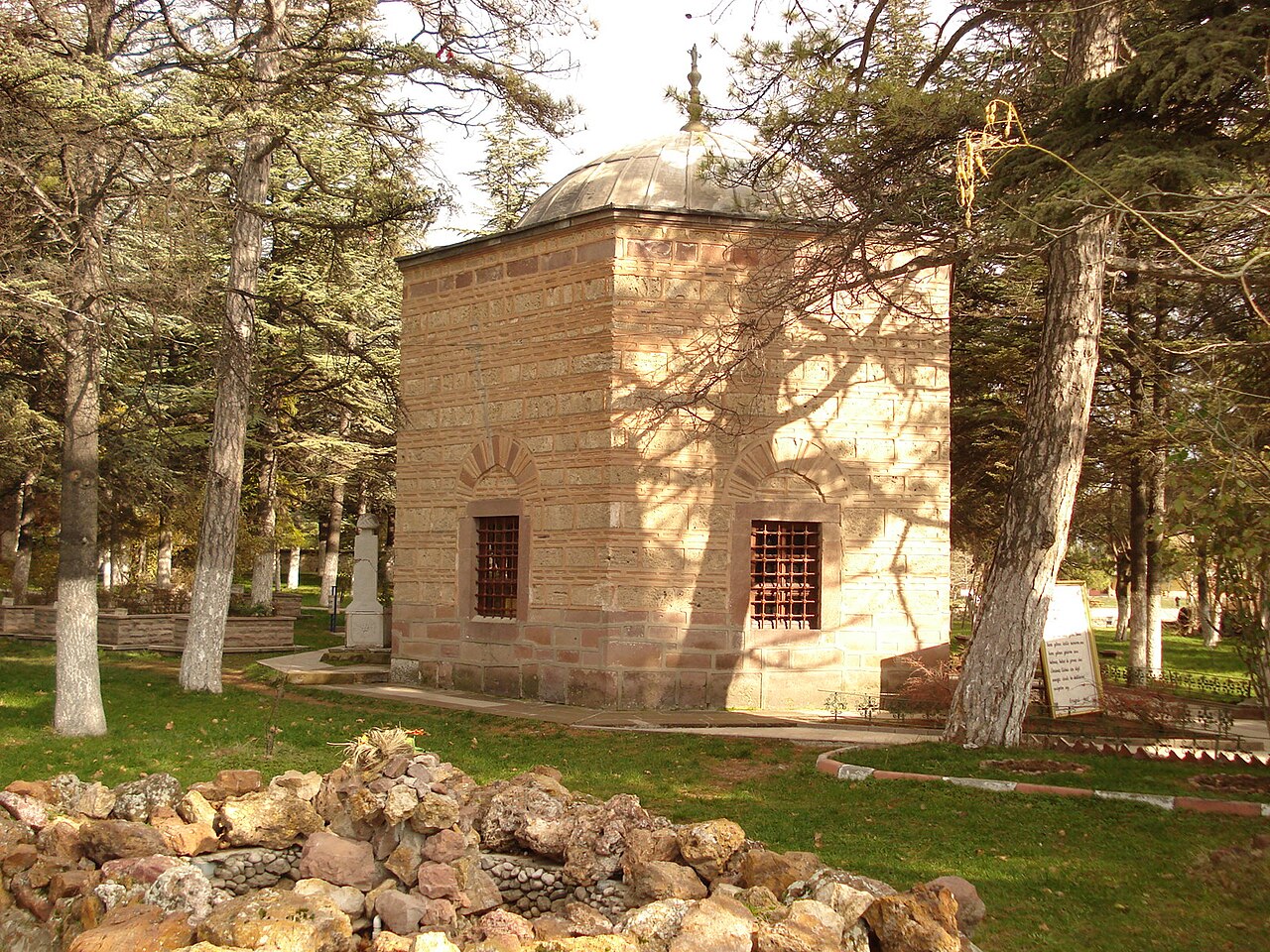 Artifact
Secondary source
Tomb of Ertuğrul Gazi, Söğüt
Traditionally Osman I; rebuilt under Abdülhamid II · Late 13th century (tradition); rebuilt 1880s
Free account
Read every Ertuğrul source
Sign up free →
Ready when you are
Start chatting with Ertuğrul now.
20 messages free · No credit card · Available in 50+ languages.