


Primary sourceBook1550s
Tutinama
Nakhshabi · 1550s
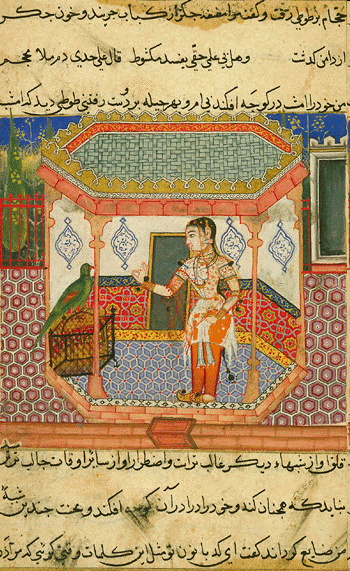
An illustrated Persian storybook of 52 tales told by a parrot, commissioned by Akbar and painted in his court workshop.
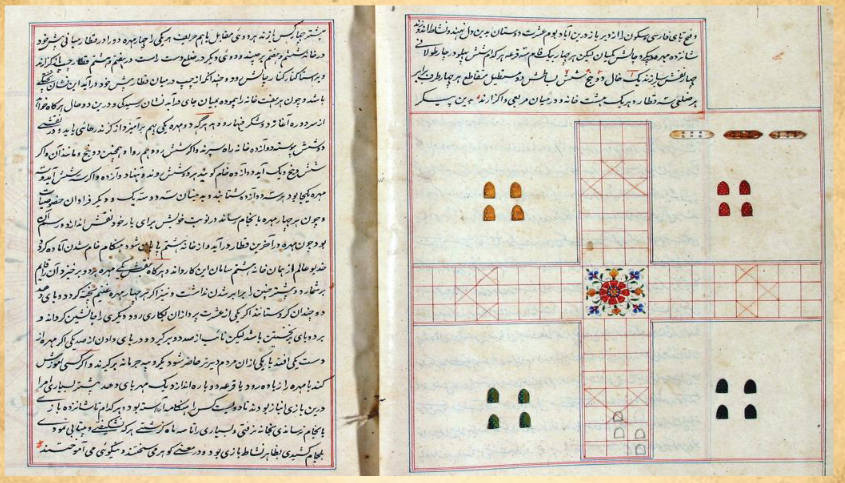
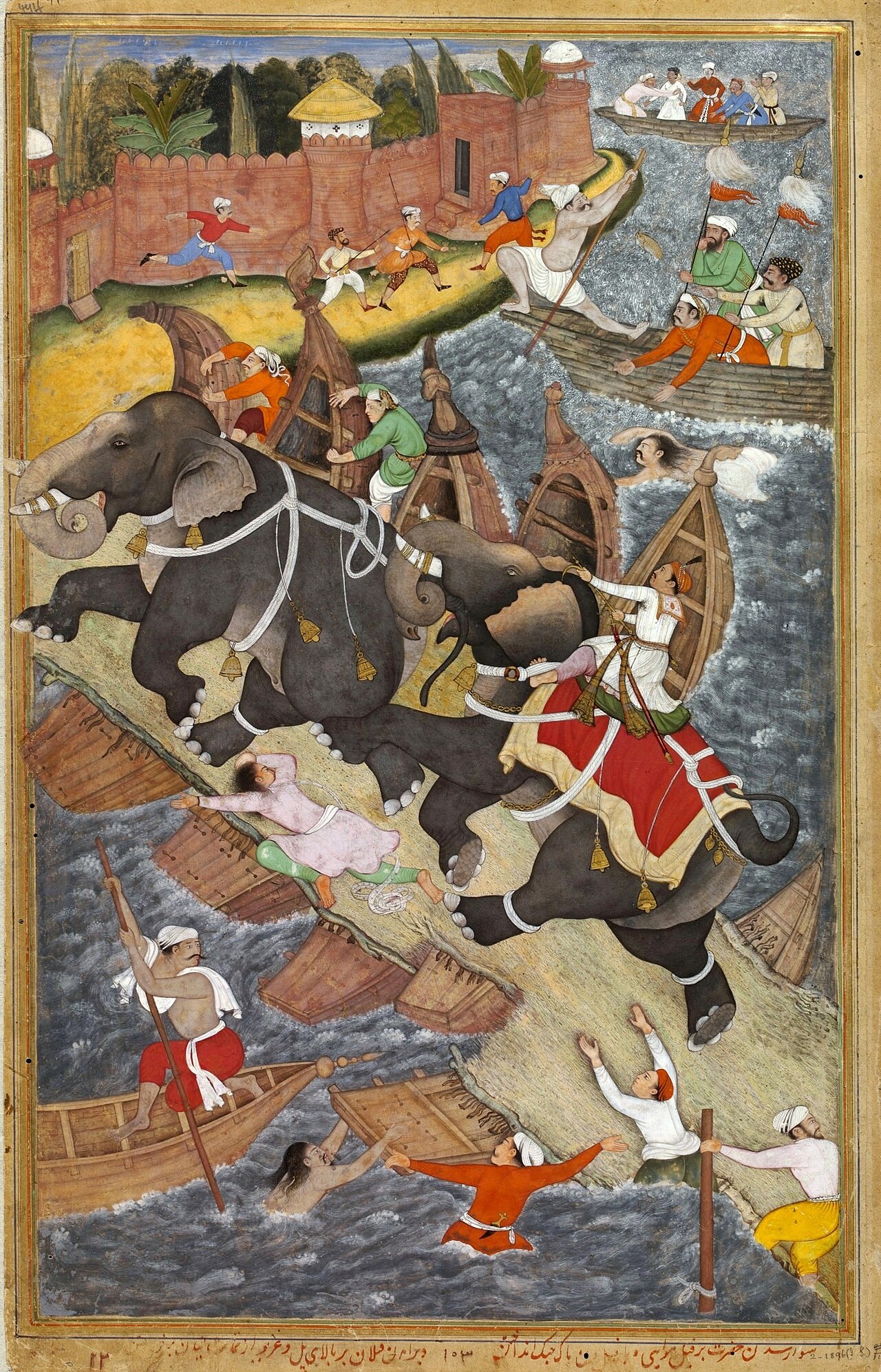
Akbar commissioned this lavishly illustrated version of the Tutinama, and one of its miniatures is the earliest known portrait of him.
About this source
What it is
The Tutinama, or "Tales of a Parrot", is a 14th-century Persian collection of 52 moralistic stories written by Nakhshabi, based on earlier Sanskrit tales. The most famous illustrated version was commissioned by the Mughal Emperor Akbar in the 1550s, with around 250 miniature paintings created by artists including Mir Sayyid Ali and Abd al-Samad in the imperial workshop. Most of it is now held at the Cleveland Museum of Art, with other pages in institutions such as the Smithsonian.
Why it matters
The manuscript shows how Akbar's court blended Persian and Indian painting styles into a new Mughal style, with artists trained under his father Humayun. One of its miniatures is considered the earliest known portrait of Akbar, making it important evidence of both his patronage of art and his own image as a young ruler.
Look closer
- What does the mixing of Persian calligraphy and Indian-style painting tell you about the artists working at Akbar's court?
- Why might a ruler commission an illustrated storybook rather than a strictly historical text?
- What does the story's message about controlling women suggest about attitudes at the time?
This book is part of the curated material that grounds the AI version of Akbar the Great on Humy.ai — when students ask about related events, the AI can quote it and cite it.
More Akbar the Great sources
Meet the AI Akbar the Great →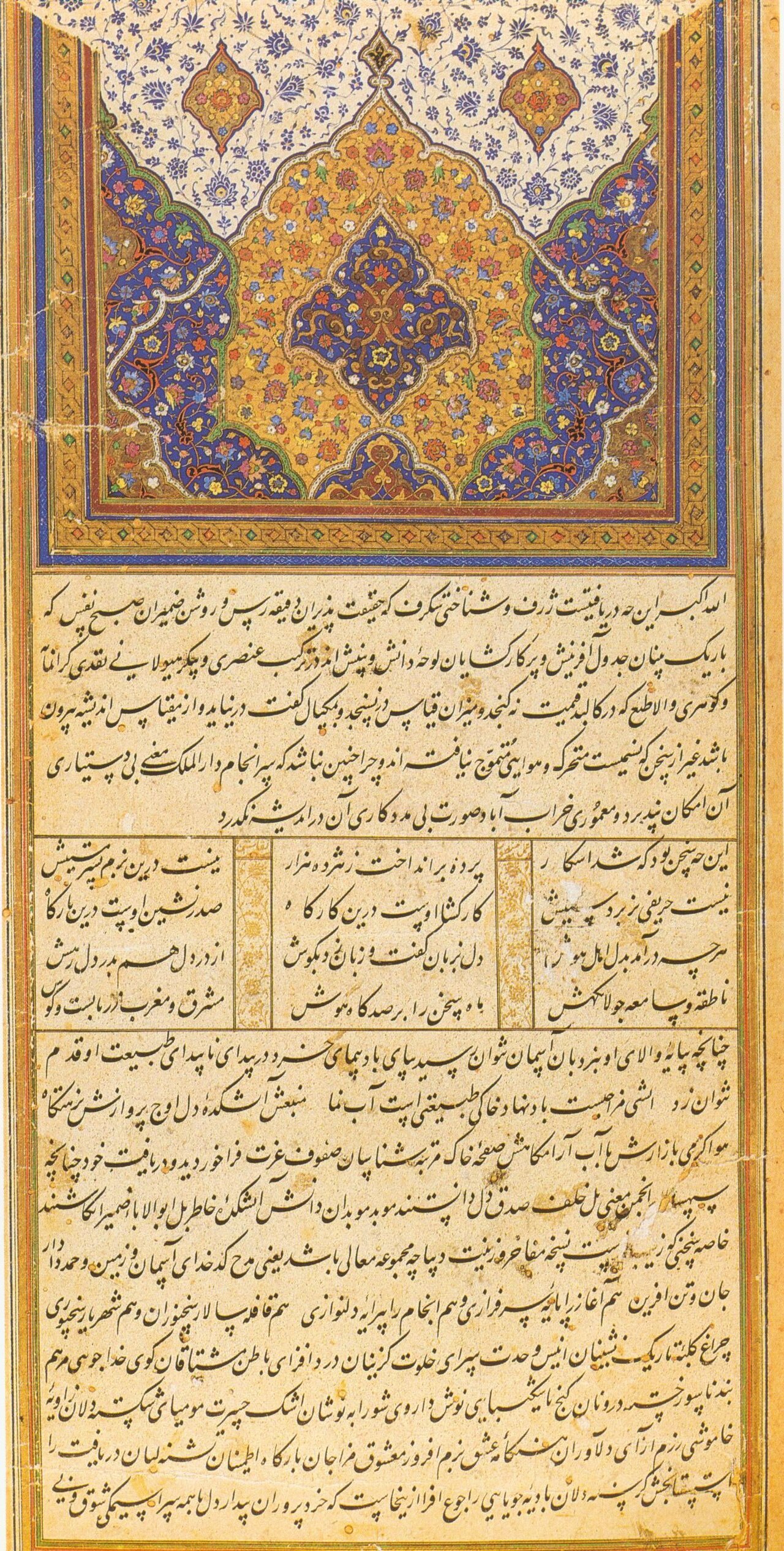
Ready when you are
Start chatting with Akbar the Great now.
20 messages free · No credit card · Available in 50+ languages.