


Primary sourceBookbegun 1609
Tuzk-e-Jahangiri
Jahangir · begun 1609
The memoir of Emperor Jahangir, Akbar's son and successor, which gives a first-hand account of Akbar's character and habits.
Jahangir's memoir gives an intimate first-hand description of his father Akbar's appearance, illiteracy and character.
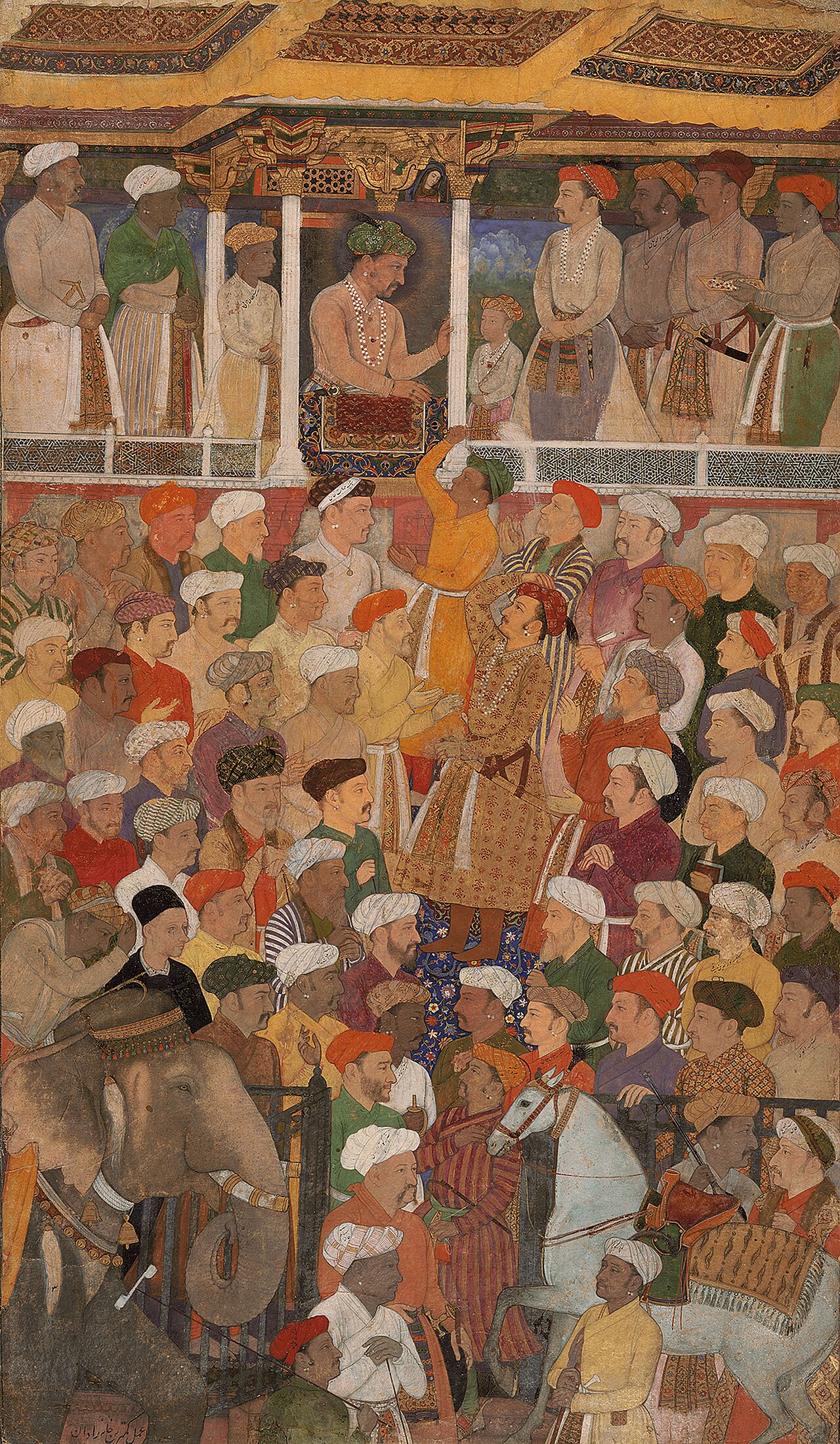
About this source
What it is
The Tuzk-e-Jahangiri, or Jahangirnama, is the Persian-language autobiography of Emperor Jahangir, written in stages from 1609 through most of his life. It covers the first years of his reign and includes his reflections on politics, art and his family. Jahangir's own manuscript is held in the National Museum of India.
Why it matters
Following the tradition of his great-grandfather Babur, Jahangir wrote candidly about his reign, his policies and his relatives, including his father Akbar. Because Jahangir knew Akbar intimately as his son and successor, his memoir is an important first-hand source for understanding Akbar's appearance, habits and character, alongside the official court chronicle of Akbar's own reign, the Akbarnama.
Look closer
- Why might a son's description of his father be both valuable and biased?
- What kinds of details might Jahangir choose to include or leave out about Akbar?
- How does this personal memoir differ from an official court history?
This book is part of the curated material that grounds the AI version of Akbar the Great on Humy.ai — when students ask about related events, the AI can quote it and cite it.
More Akbar the Great sources
Meet the AI Akbar the Great →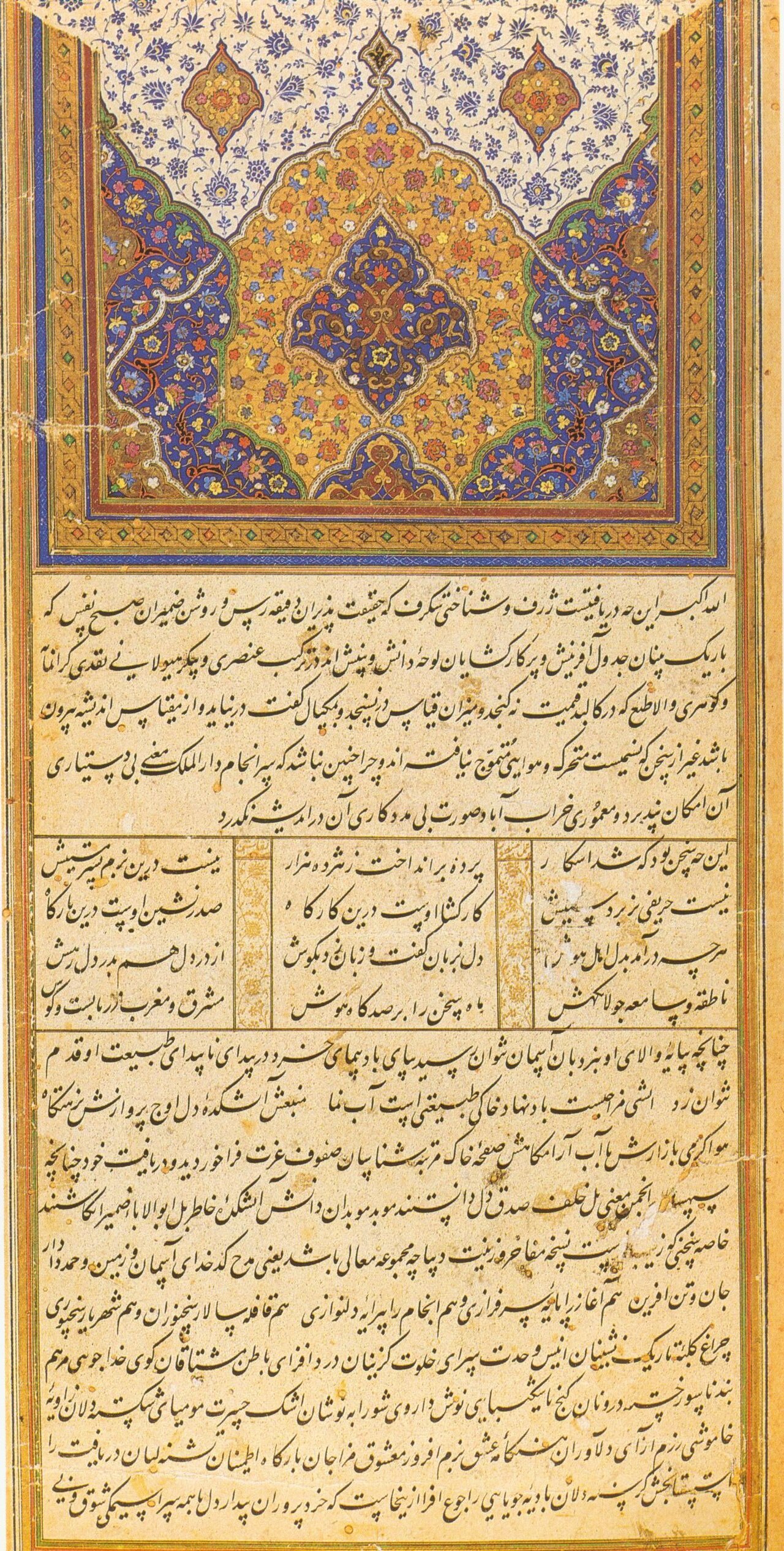
Ready when you are
Start chatting with Akbar the Great now.
20 messages free · No credit card · Available in 50+ languages.