


Secondary sourceArtifact1872
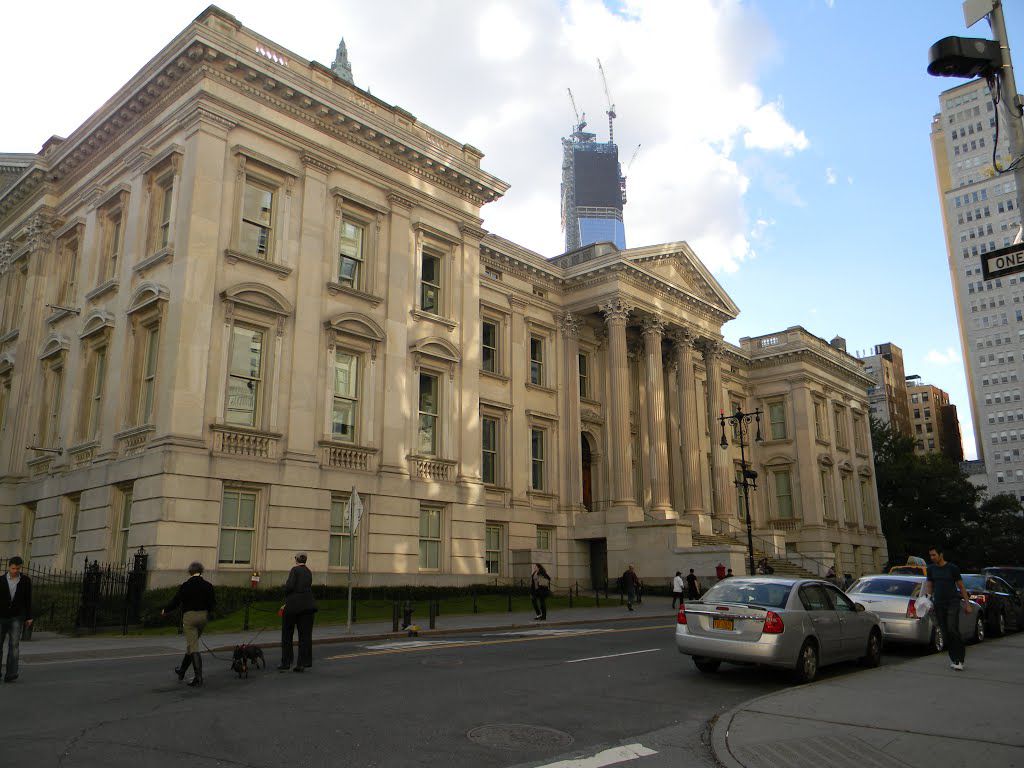
Tweed Courthouse
John Kellum · 1872
A Manhattan courthouse whose construction, overseen by Tweed, ballooned in cost through padded contracts tied to his corruption.
Tweed oversaw this courthouse's construction, and its inflated costs became the clearest physical evidence of his Ring's graft.
Free Humy account · No credit card · 53,307 sources to read
About this source
What it is
The Tweed Courthouse, also called the Old New York County Courthouse, stands at 52 Chambers Street in Manhattan's Civic Center. Built mainly between 1861 and 1872 in the Italianate style with Romanesque Revival interiors, it was designed by architect John Kellum with political appointee Thomas Little. William "Boss" Tweed oversaw its construction. It is now a historic landmark housing education offices and schools.
Why it matters
The building's cost rose enormously through padded contracts, becoming a lasting symbol of the graft run by Tweed's Tammany Hall Ring. Public outrage over its expense, exposed during construction, contributed to Tweed's downfall. It shows how political corruption could be built literally into the city's landscape.
Look closer
- Why would a courthouse, meant to represent justice, become a symbol of corruption?
- What clues in the building's grand design hint at wasteful spending?
- Why do you think the building survived despite calls to demolish it?
This artifact is part of the curated material that grounds the AI version of William M. Tweed on Humy.ai — when students ask about related events, the AI can quote it and cite it.
More William M. Tweed sources
Browse all 70 →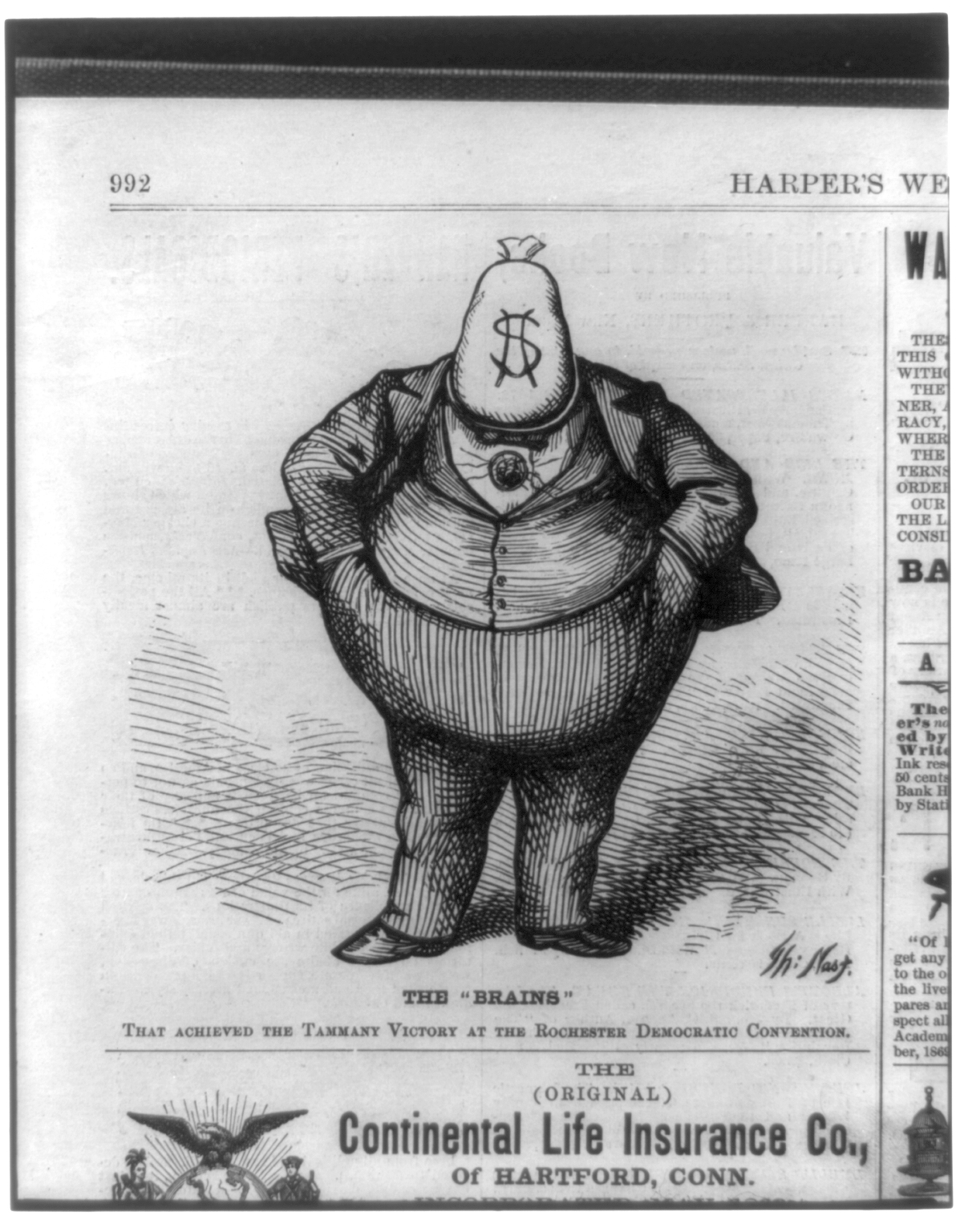 Painting
Primary source
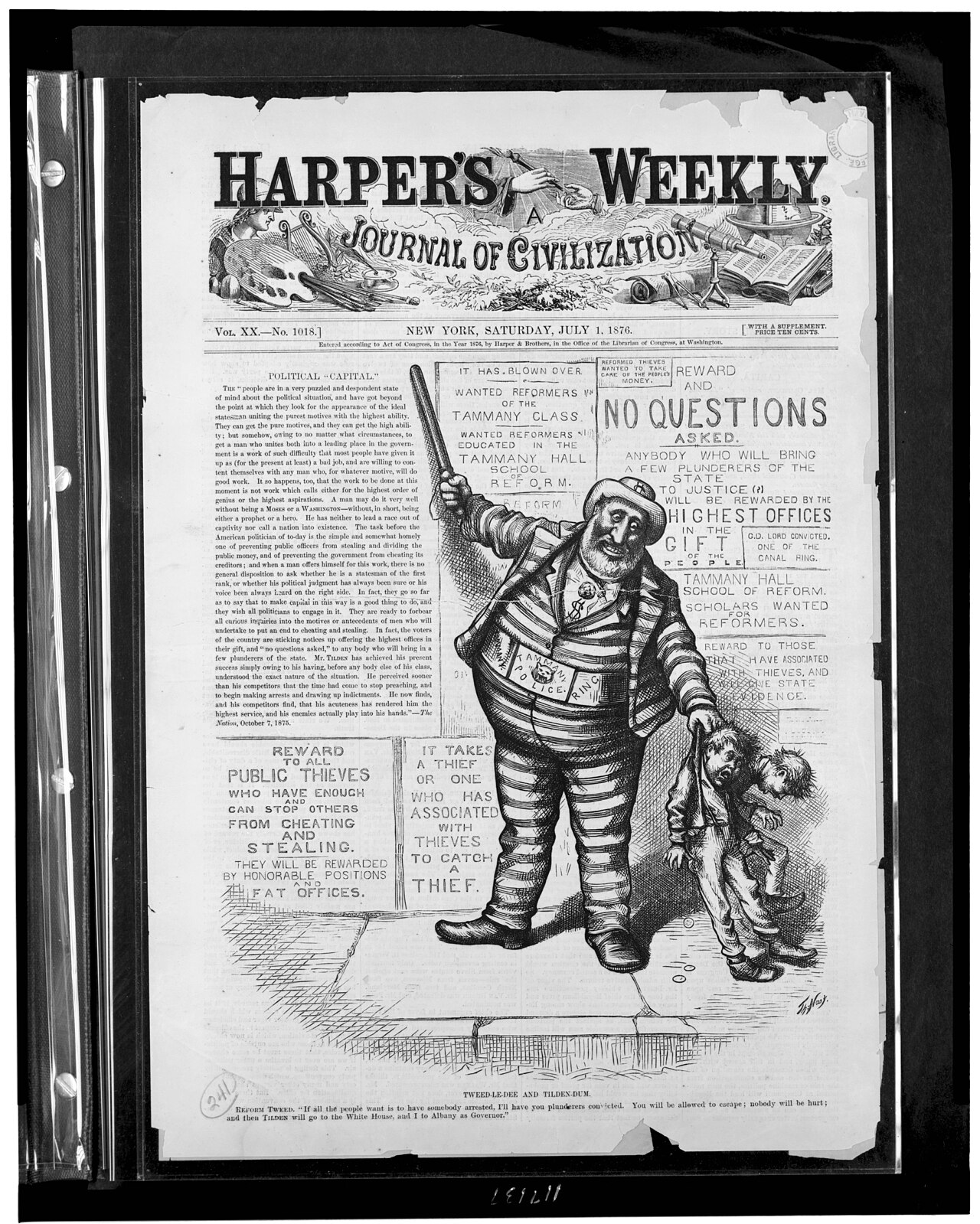
The Brains
Thomas Nast · 21 October 1871
 Photograph
Primary source
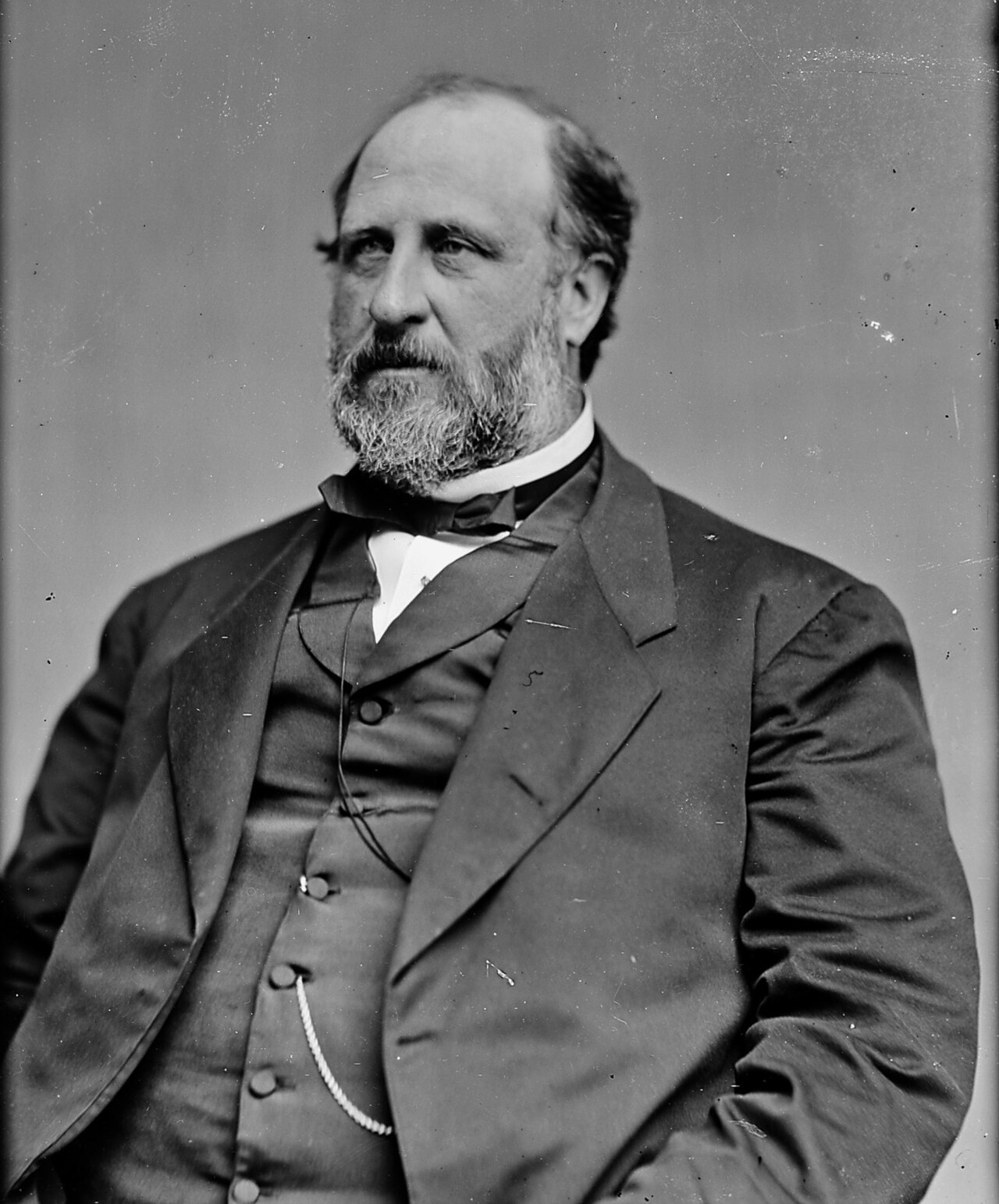
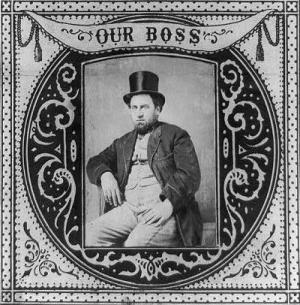
William M. (Boss) Tweed, N.Y
Mathew Benjamin Brady
 Photograph
Primary source
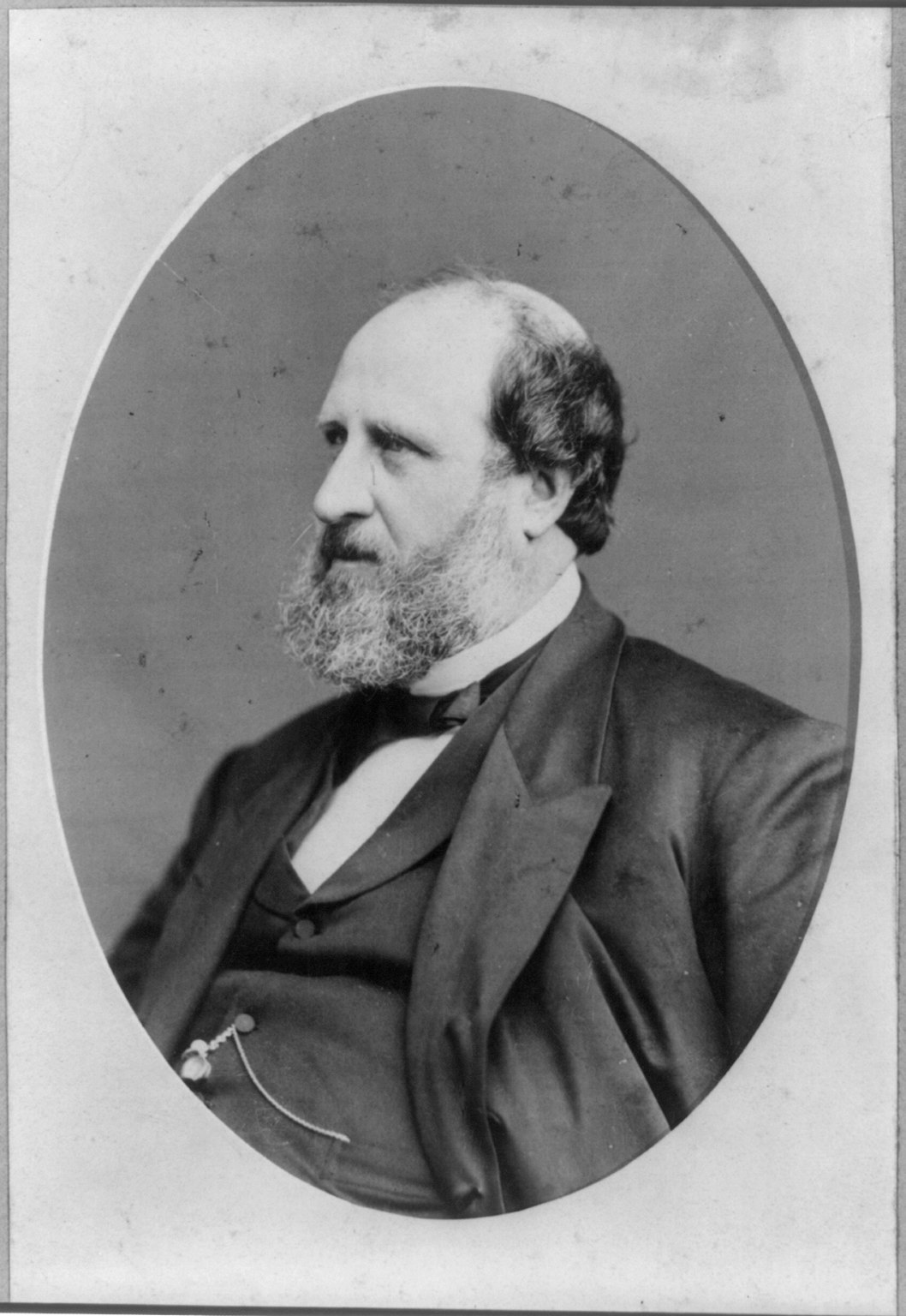
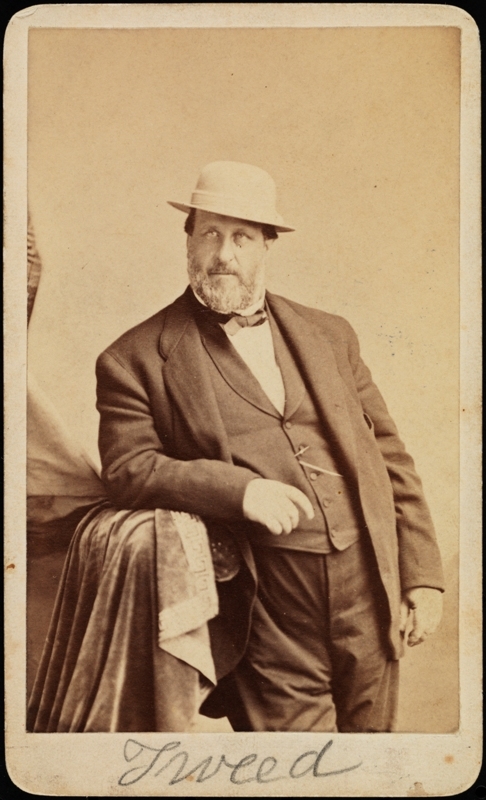
William Magear Tweed Portrait, Facing Left
 Painting
Primary source
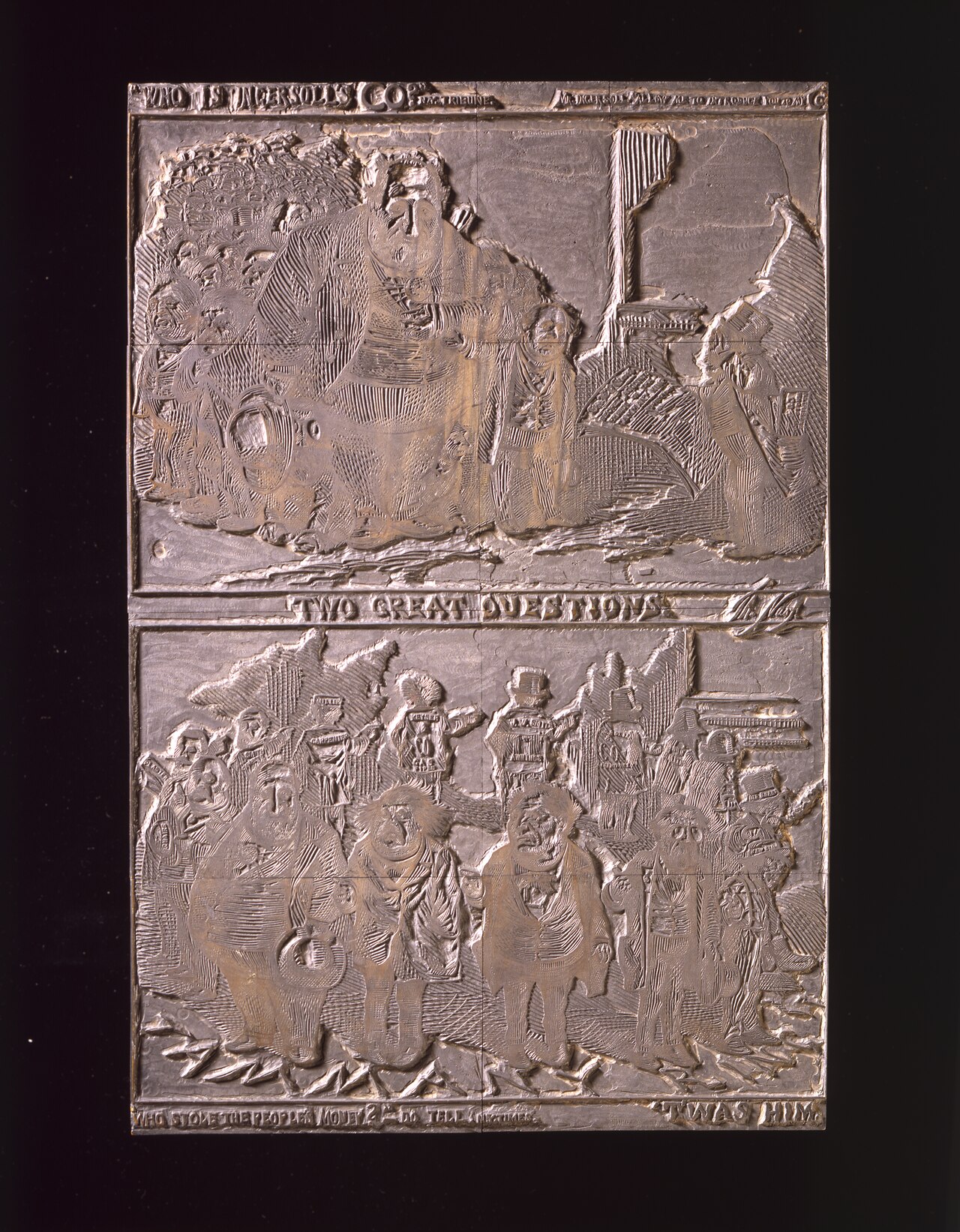
Two Great Questions
Thomas Nast · 1871
Free account
Browse every William M. Tweed source
Sign up free →
Ready when you are
Start chatting with William M. Tweed now.
20 messages free · No credit card · Available in 50+ languages.