


Primary sourcePainting1871
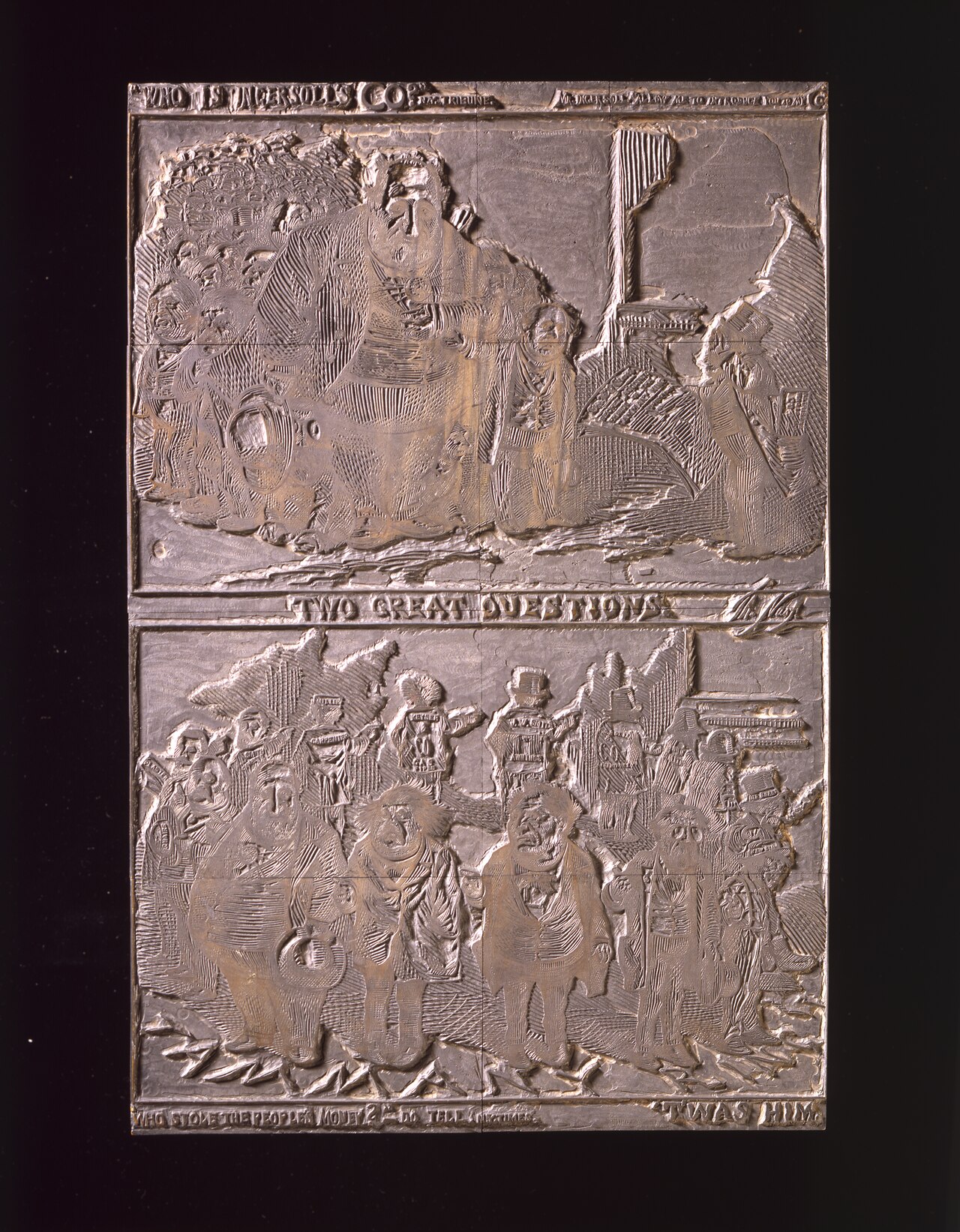
Two Great Questions
Thomas Nast · 1871
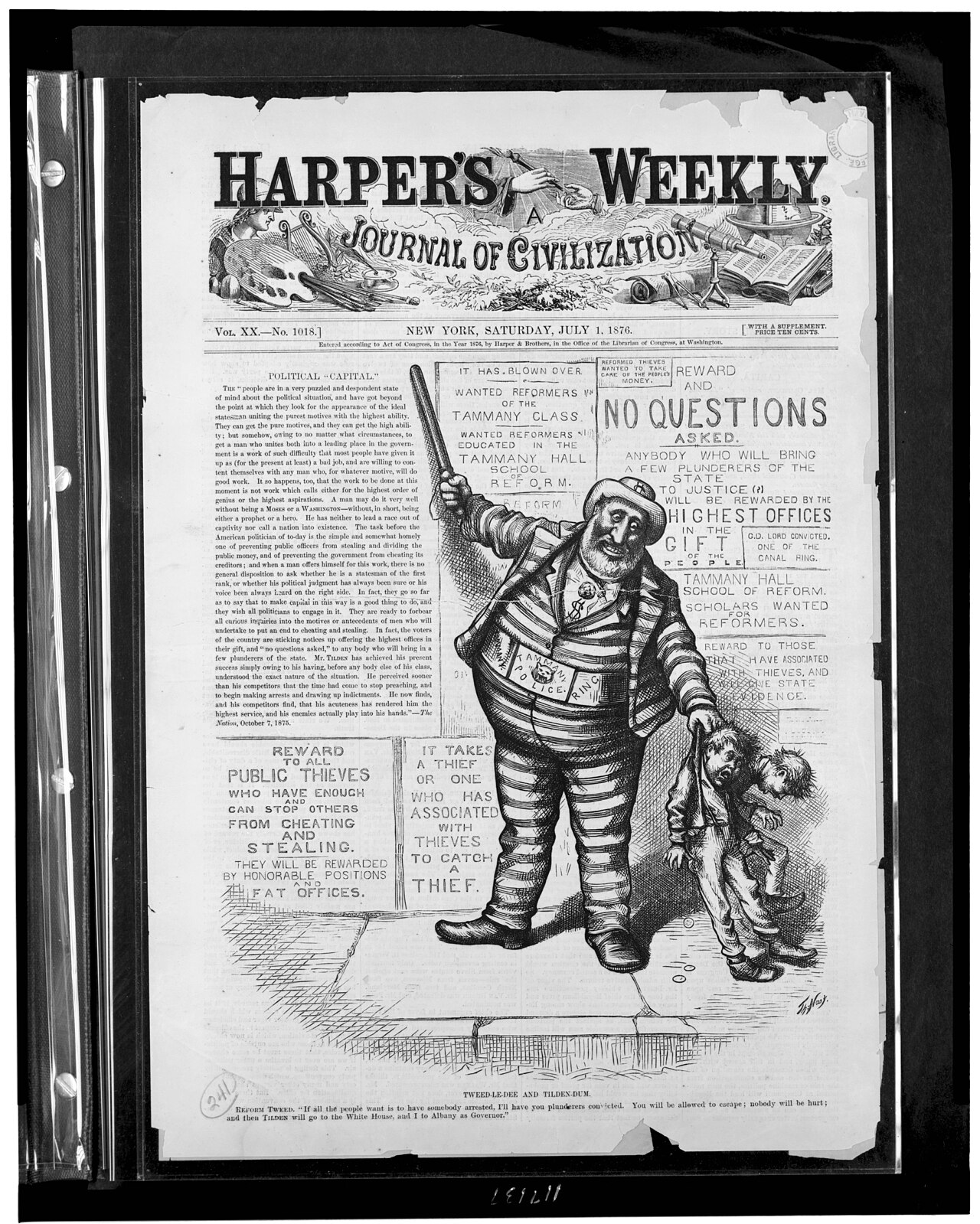
A Thomas Nast cartoon asking who stole the people's money, aimed directly at Tweed after the New York Times exposed Tammany corruption.
This cartoon publicly accuses Tweed of stealing public money, part of the press campaign that helped bring down his Ring.
Free Humy account · No credit card · 53,307 sources to read
About this source
What it is
This is a wood engraving printing block in eight sections, created by cartoonist Thomas Nast in 1871 and published in Harper's Weekly. It shows a seated robed figure with a crowd, and below, a crowd with top hats and the same robed figure, under the caption "Two Great Questions" asking "Who stole the people's money?" It is held by the Library of Congress.
Why it matters
The cartoon directly accuses William "Boss" Tweed and his Tammany Hall associates of theft, following the New York Times' exposé of the Ring's corruption. It shows how the press used satire to turn complex financial scandals into memorable public accusations that ordinary readers could understand and repeat.
Look closer
- Why does Nast use a question as his caption instead of a direct statement?
- What do the crowds in the cartoon suggest about public reaction to the scandal?
- How might repeating a simple question like this spread faster than a detailed newspaper report?
This painting is part of the curated material that grounds the AI version of William M. Tweed on Humy.ai — when students ask about related events, the AI can quote it and cite it.
More William M. Tweed sources
Browse all 70 →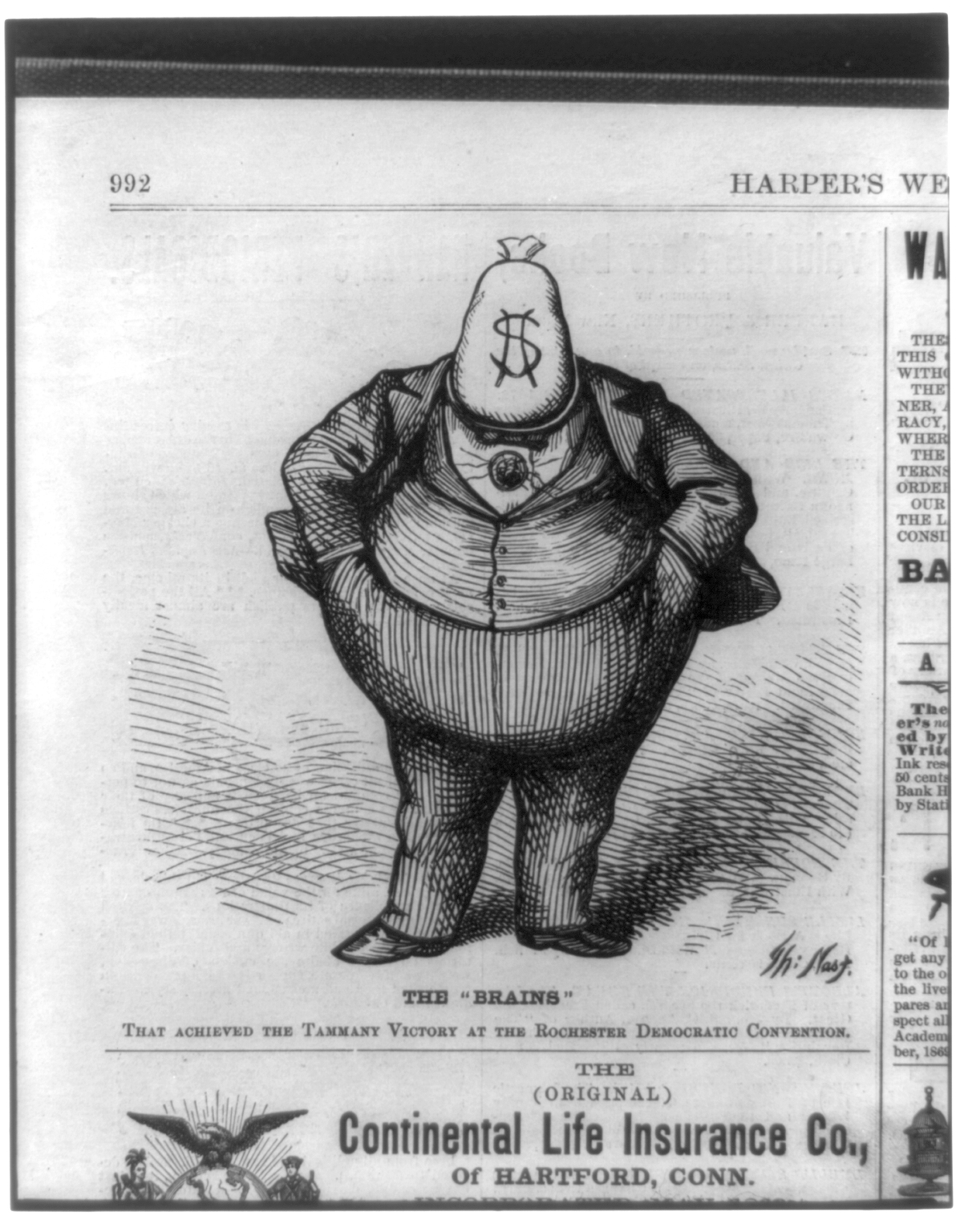 Painting
Primary source
The Brains
Thomas Nast · 21 October 1871
 Artifact
Secondary source
Tweed Courthouse
John Kellum · 1872
 Photograph
Primary source
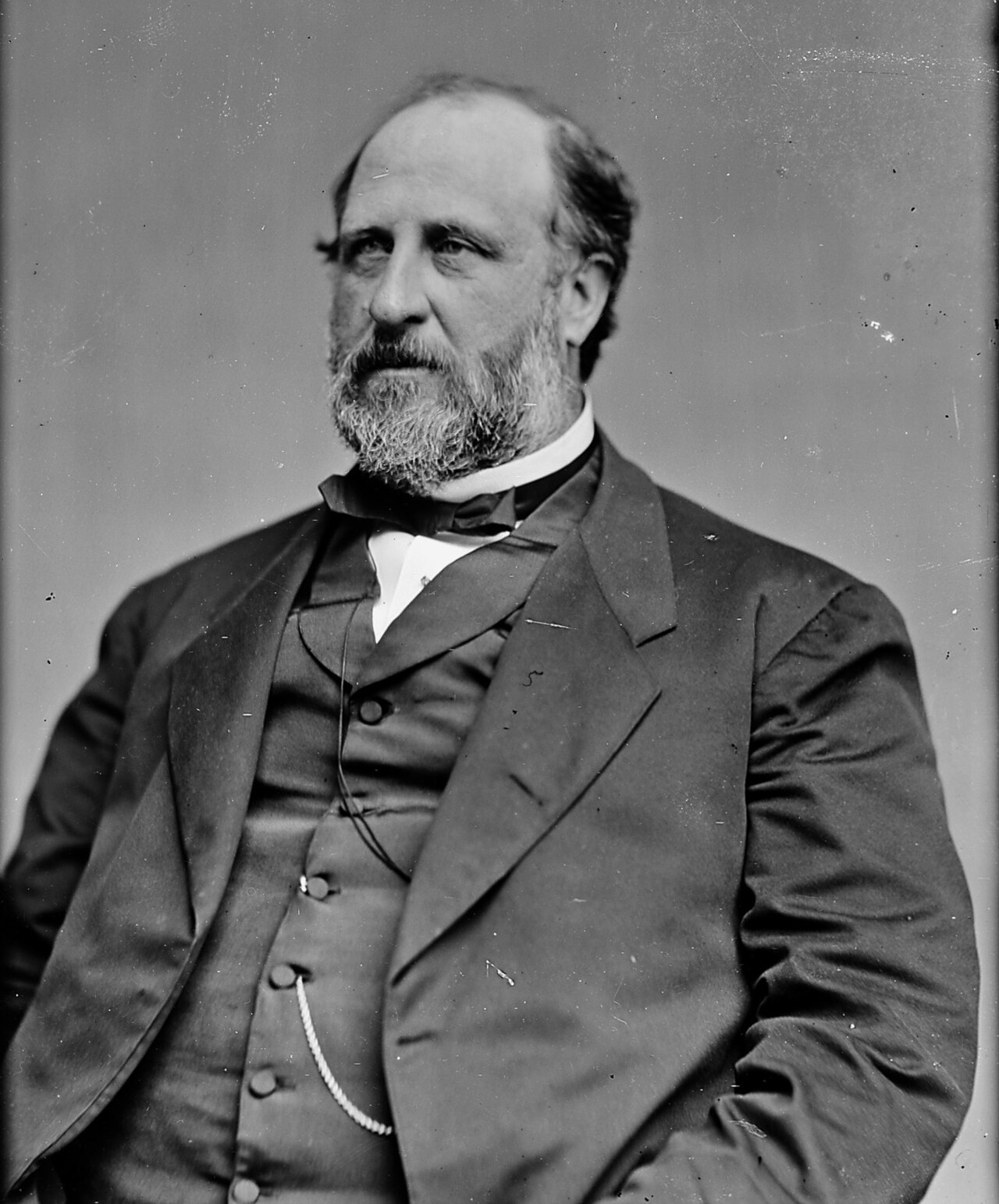
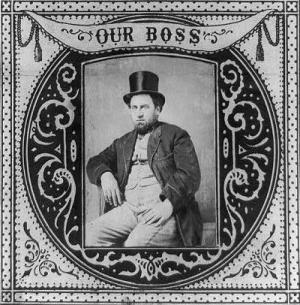
William M. (Boss) Tweed, N.Y
Mathew Benjamin Brady
 Photograph
Primary source
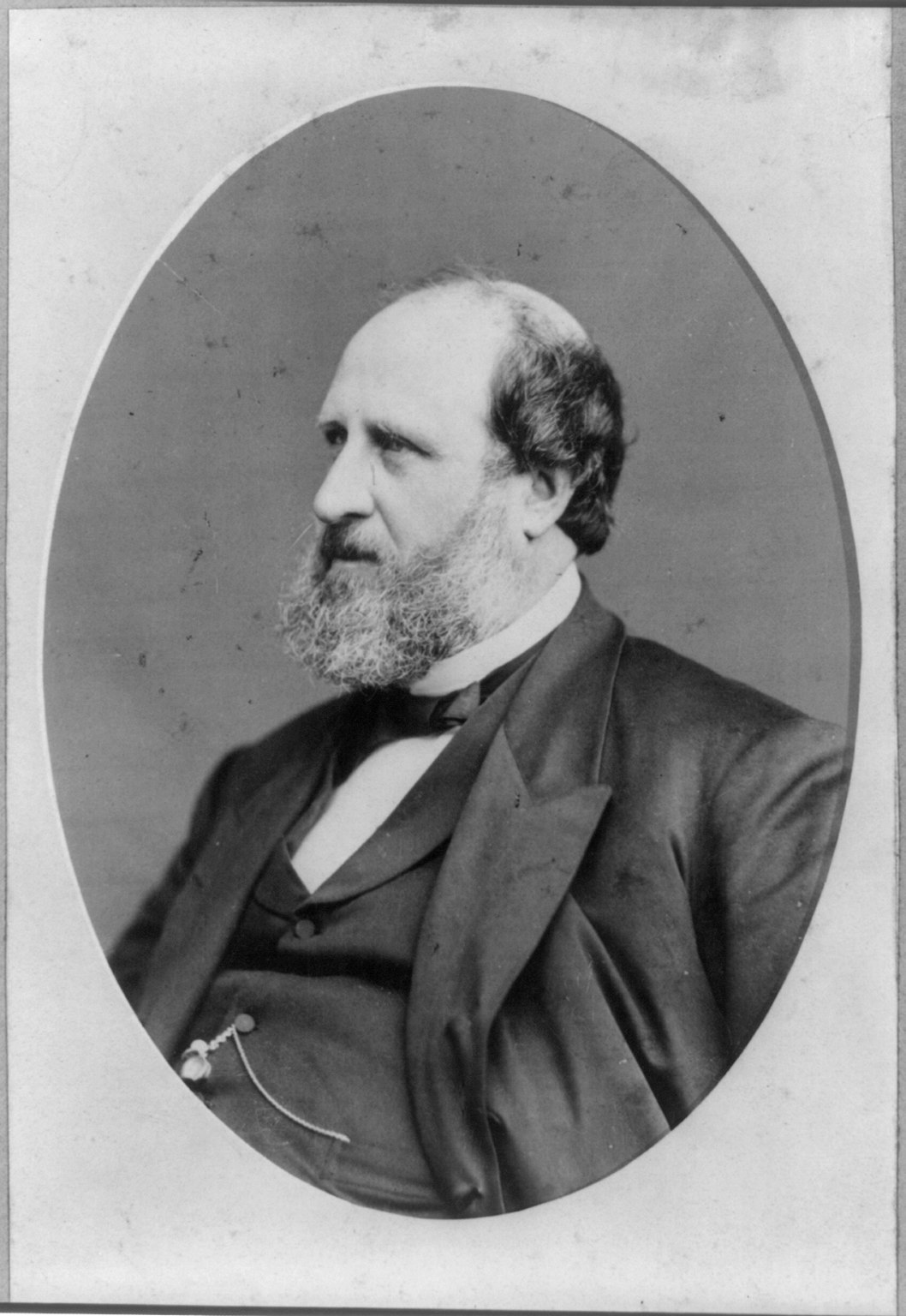
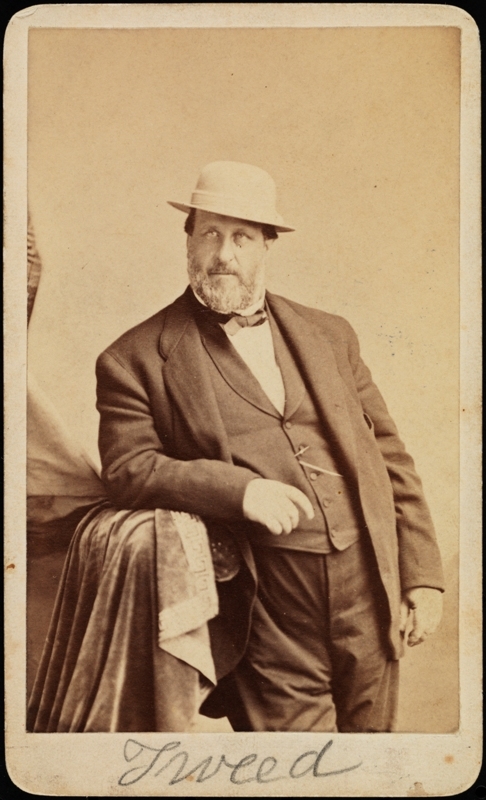
William Magear Tweed Portrait, Facing Left
Free account
Browse every William M. Tweed source
Sign up free →
Ready when you are
Start chatting with William M. Tweed now.
20 messages free · No credit card · Available in 50+ languages.