


Primary sourceDocument1920
Twenty-one Conditions
Vladimir Lenin · 1920
The 1920 Comintern membership conditions, largely drafted by Lenin, requiring foreign socialist parties to adopt Bolshevik discipline to join.
Largely drafted by Lenin to impose Bolshevik discipline on communist parties worldwide as head of the Comintern.
About this source
What it is
The Twenty-one Conditions, officially the Conditions of Admission to the Communist International, were adopted at the Second Congress of the Comintern in 1920. Most of the conditions were suggested by Vladimir Lenin.
Why it matters
These conditions demanded that socialist parties around the world submit to strict Bolshevik-style discipline, including control of the press by the party leadership, in order to join the Comintern. The conditions caused major splits in socialist movements across Europe: in France they split the SFIO, creating a new French communist section, while in Spain the PSOE ultimately rejected the conditions after a direct meeting between Spanish socialist Fernando de los Ríos and Lenin himself. This document shows how Lenin tried to export the organisational model of Bolshevism internationally.
Look closer
- Why might requiring strict party discipline and press control cause disagreement among socialists who had different traditions of debate and dissent?
- What does the splitting of parties across several countries over this one document suggest about its importance?
- What does Lenin's reported answer 'Freedom, what for?' suggest about his view of personal liberty under the dictatorship of the proletariat?
This document is part of the curated material that grounds the AI version of Vladimir Lenin on Humy.ai — when students ask about related events, the AI can quote it and cite it.
More Vladimir Lenin sources
Meet the AI Vladimir Lenin →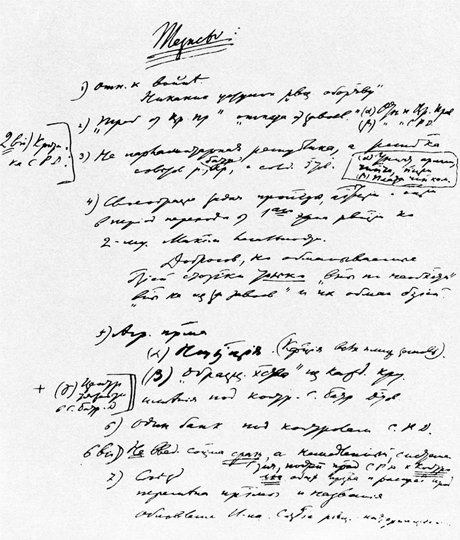 Document
Primary source
April Theses
Vladimir Lenin · 3/16 April 1917
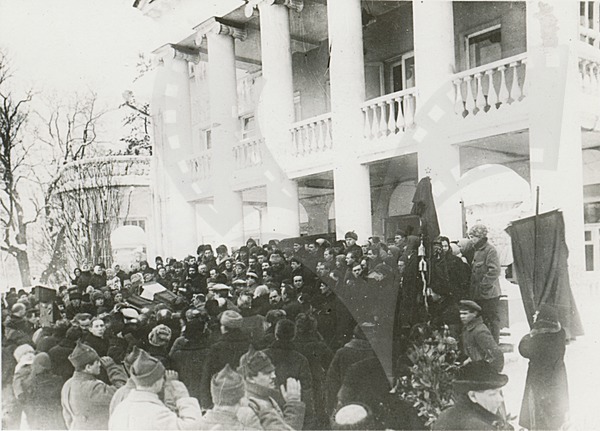 Photograph
Primary source
Georgi Dimitrov at Lenin's Funeral
January 1924
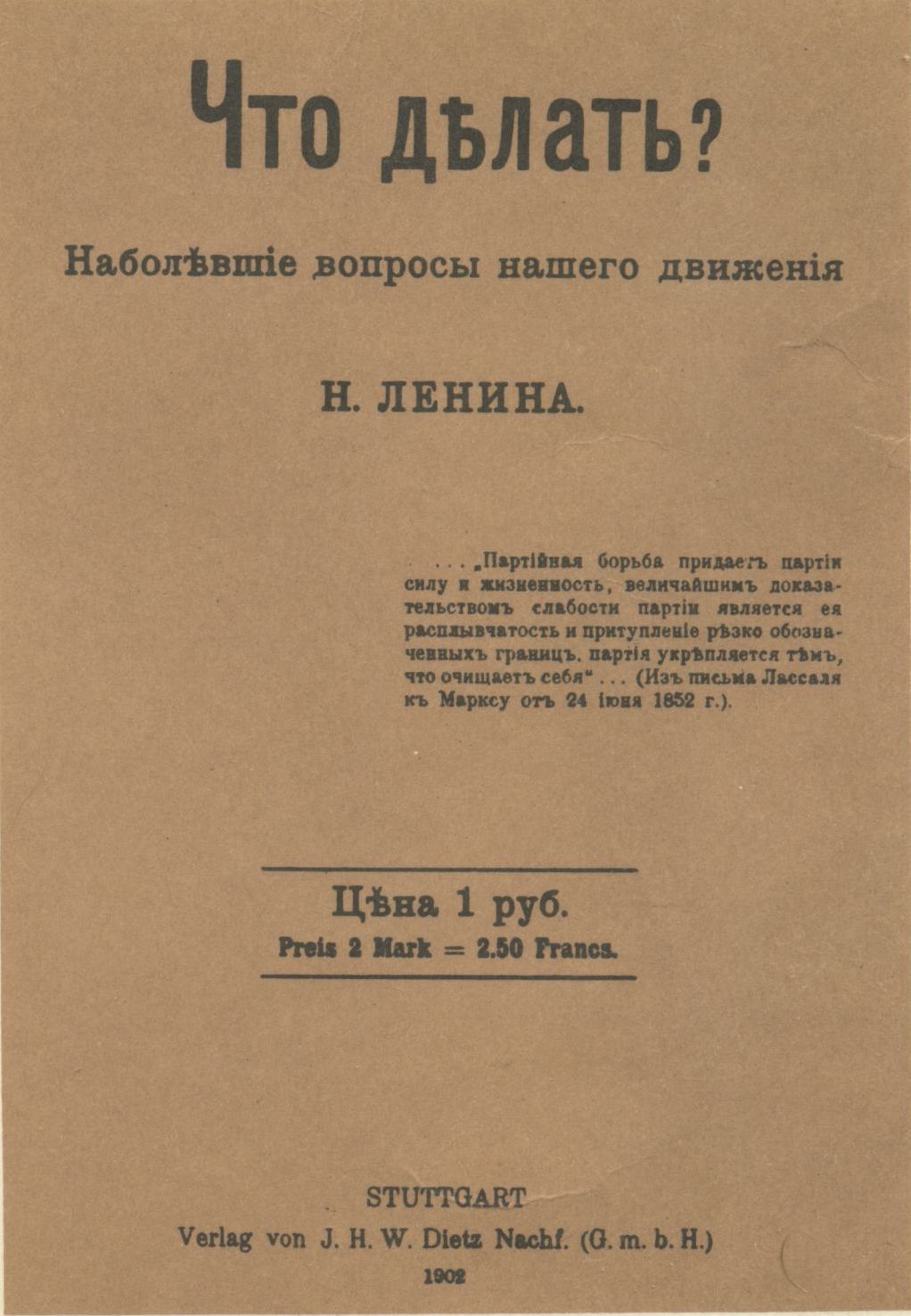 Book
Primary source
What Is to Be Done?
Vladimir Lenin · 1901 (published 1902)
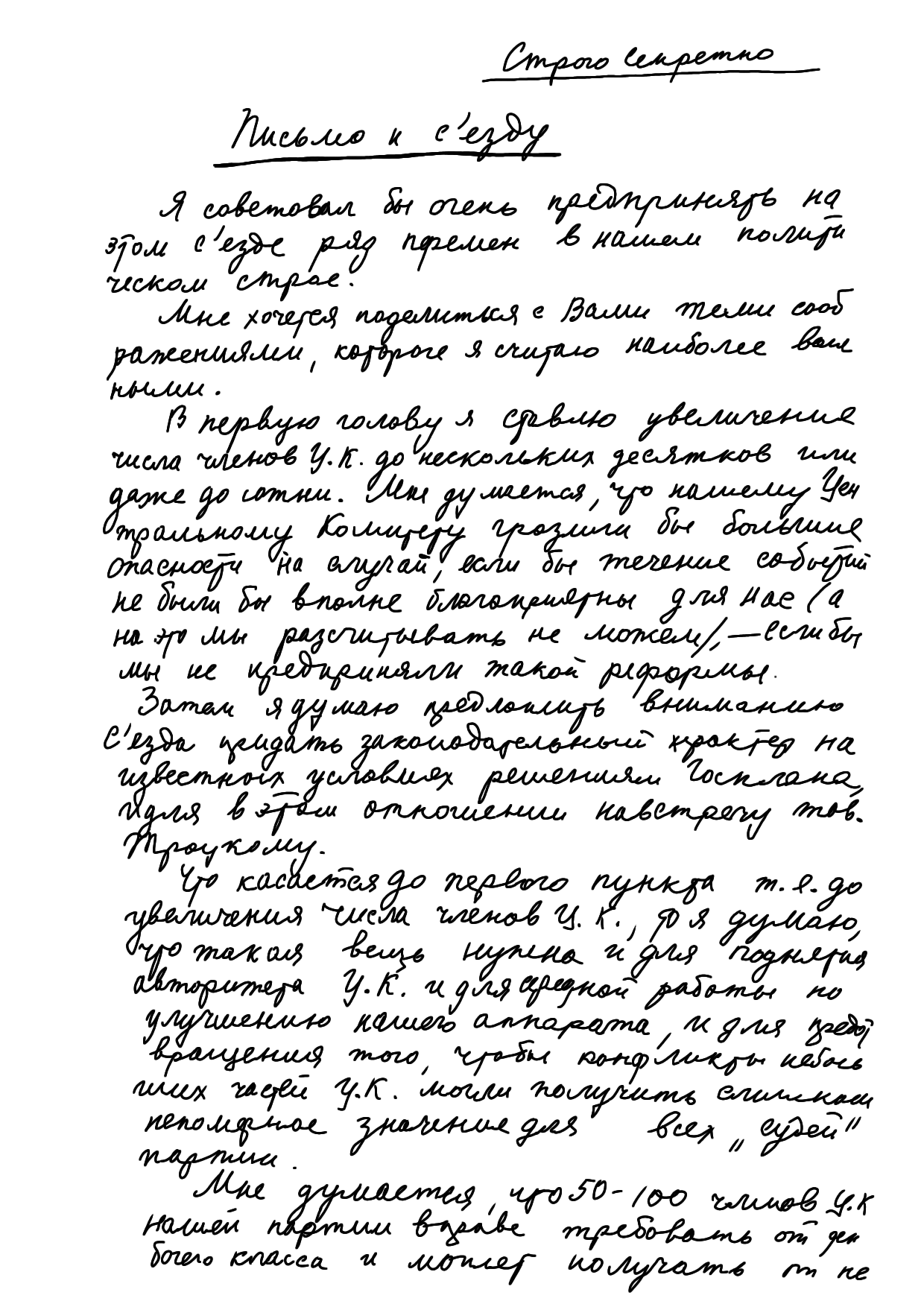 Letter
Primary source
Lenin's Testament
Vladimir Lenin · late 1922 – early 1923
 Document
Primary source
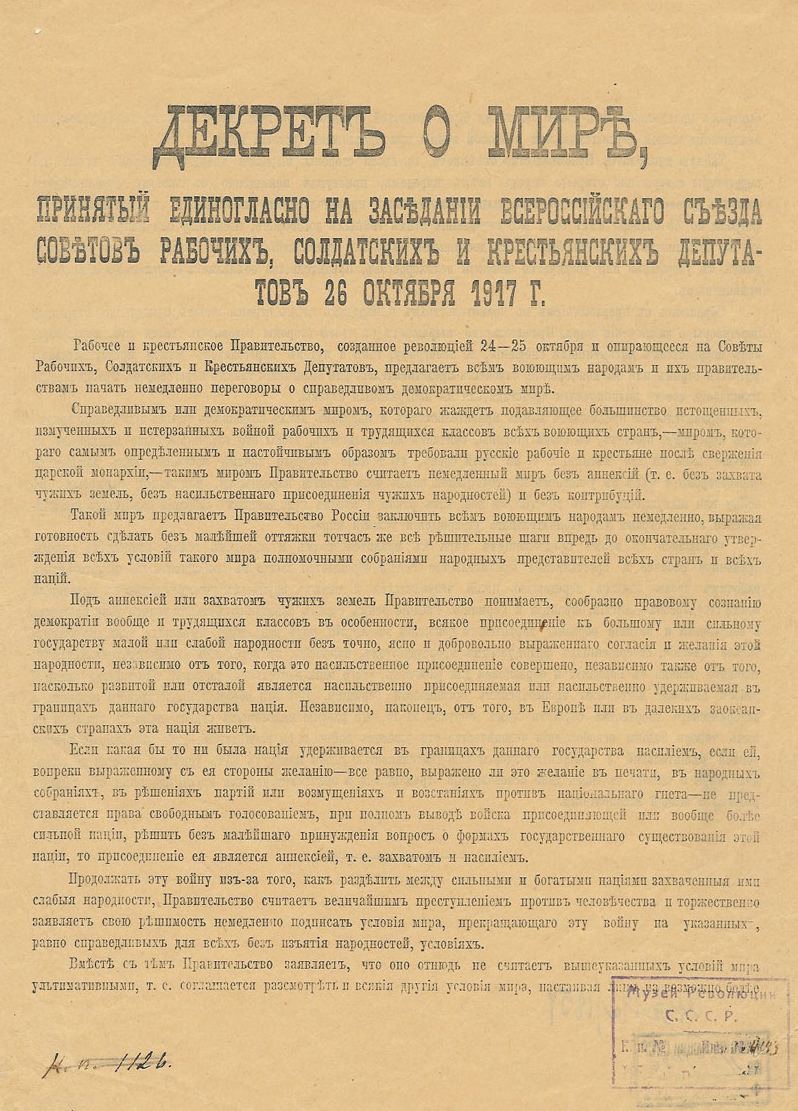
Decree on Peace
Vladimir Lenin · 8 November 1917 (26 October O.S.)
Ready when you are
Start chatting with Vladimir Lenin now.
20 messages free · No credit card · Available in 50+ languages.