


Primary sourcePainting1562
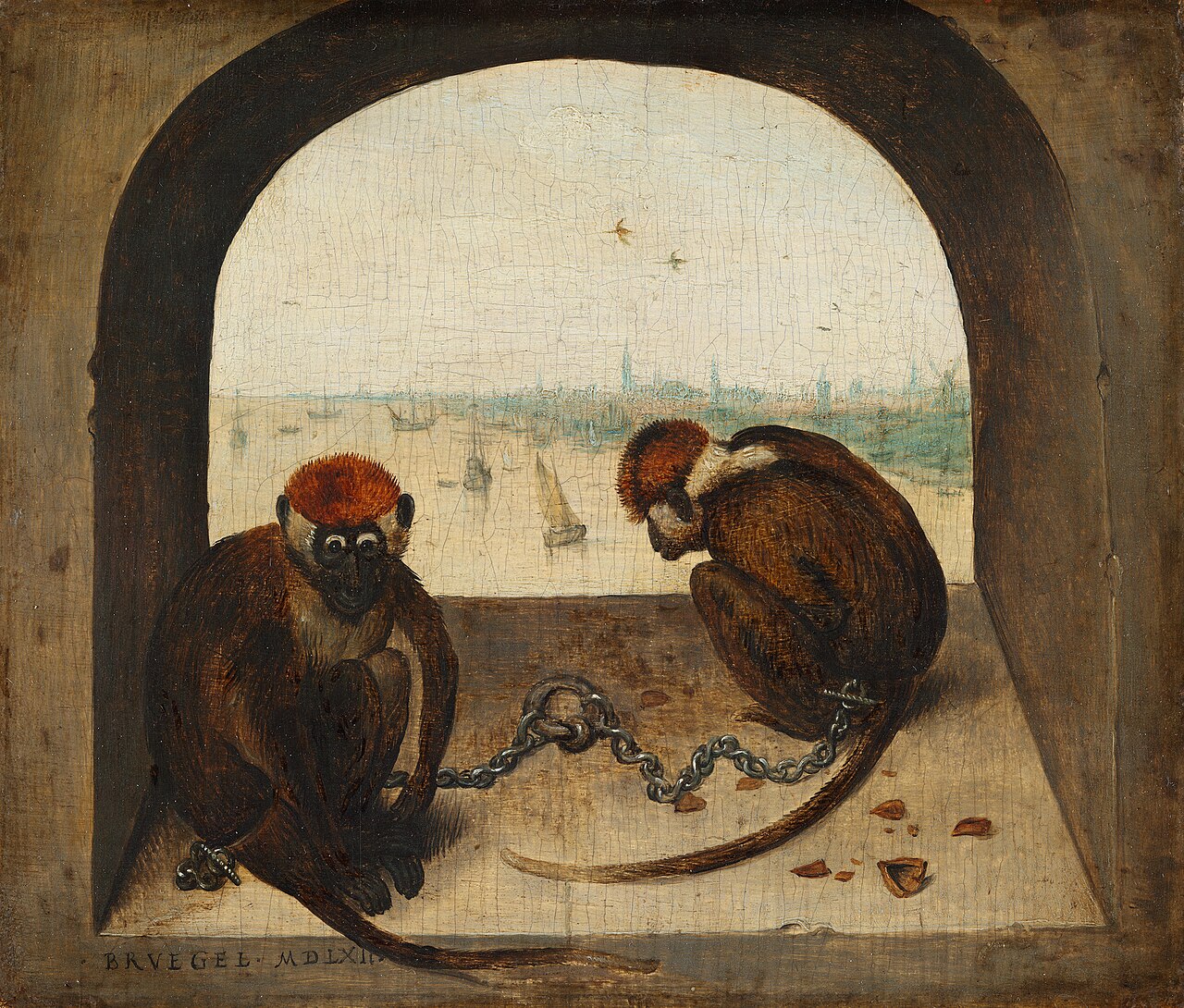
Two Chained Monkeys
Pieter Bruegel the Elder · 1562
A small 1562 panel by Bruegel showing two monkeys chained beneath an arch, with Antwerp visible behind them.
A small allegorical panel by Bruegel, signed and dated 1562, read by scholars as a comment on human folly.
About this source
What it is
This 1562 oil painting by Pieter Bruegel the Elder shows two red-capped mangabey monkeys chained to an iron ring beneath an archway, with a view of the port city of Antwerp behind them. It is held today at the Gemäldegalerie in Berlin.
Why it matters
The monkeys were likely brought to Antwerp by animal traders, reflecting the city's role as a busy trading port. Art historians have read the chained monkeys as a symbol of human folly, greed, or imprisonment by material desires, drawing comparisons to an earlier painting by Gentile da Fabriano. The painting has inspired later responses, including a poem by Nobel laureate Wisława Szymborska.
Look closer
- Why might Bruegel have chosen chained monkeys, rather than people, to make a point about human behaviour?
- What does the presence of exotic animals in Antwerp tell you about trade in the 16th century?
- What details in the painting might hint at an allegorical or symbolic meaning?
This painting is part of the curated material that grounds the AI version of Pieter Bruegel the Elder on Humy.ai — when students ask about related events, the AI can quote it and cite it.
More Pieter Bruegel the Elder sources
Browse all 97 →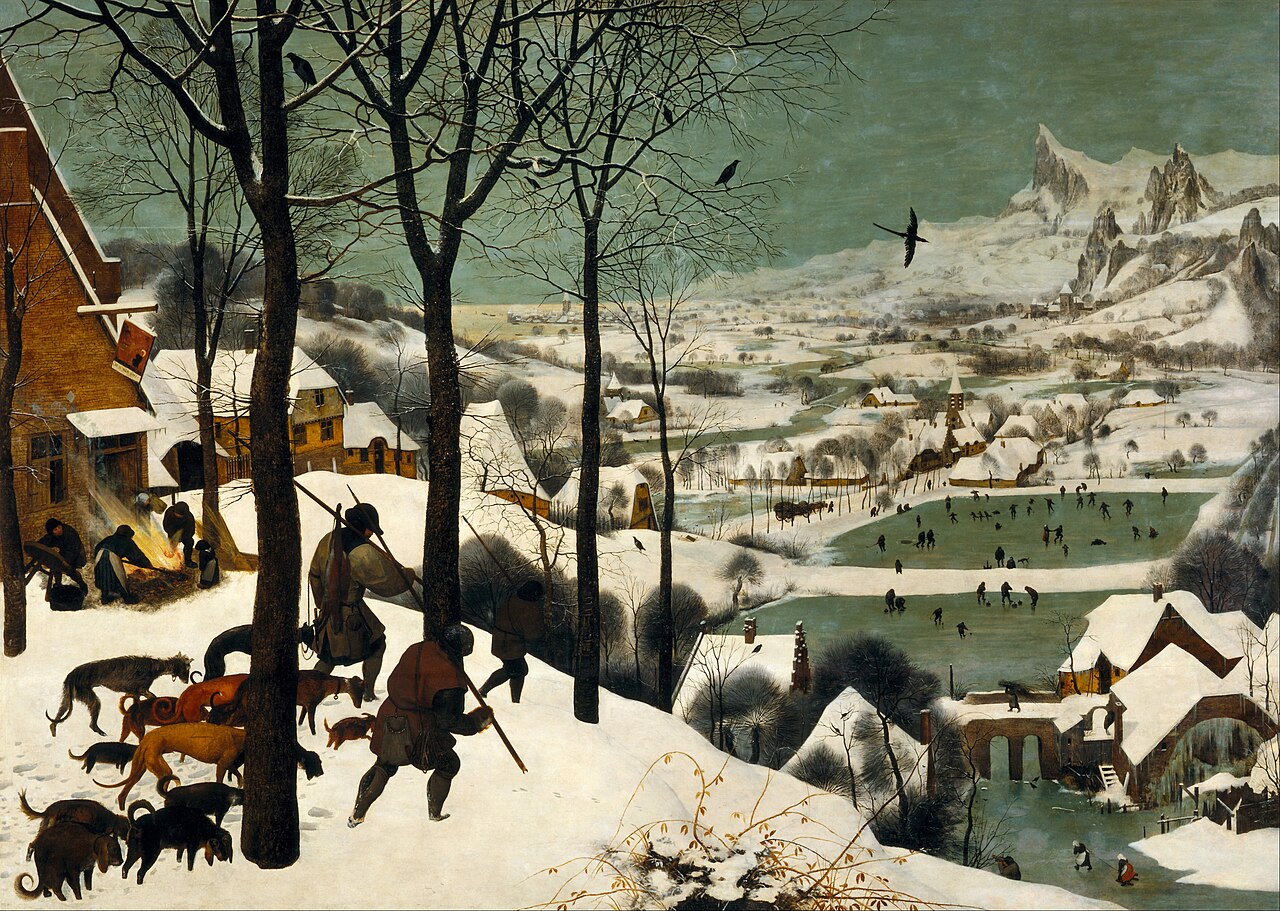 Painting
Primary source
The Hunters in the Snow
Pieter Bruegel the Elder · 1565
 Painting
Primary source
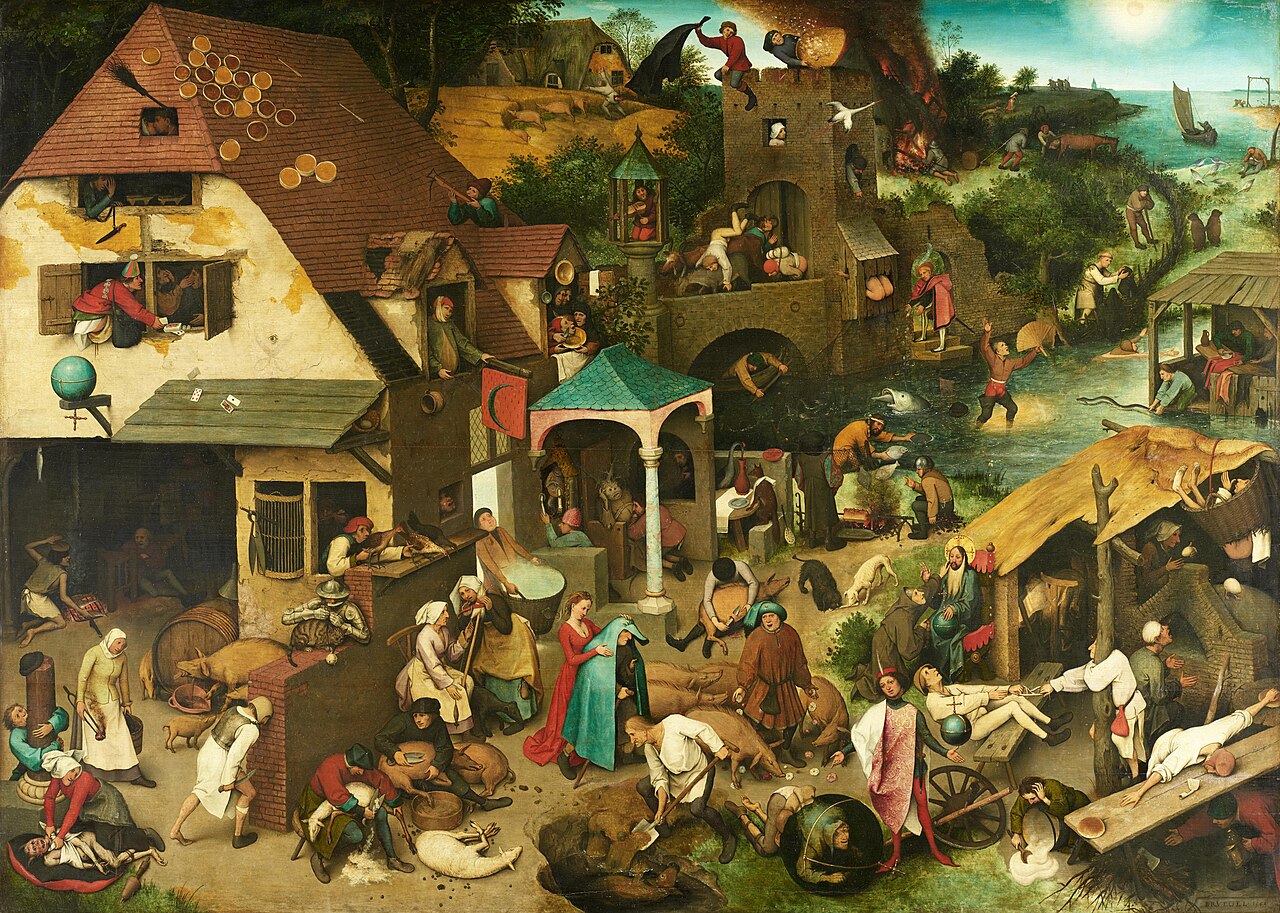
Netherlandish Proverbs
Pieter Bruegel the Elder · 1559
 Painting
Secondary source
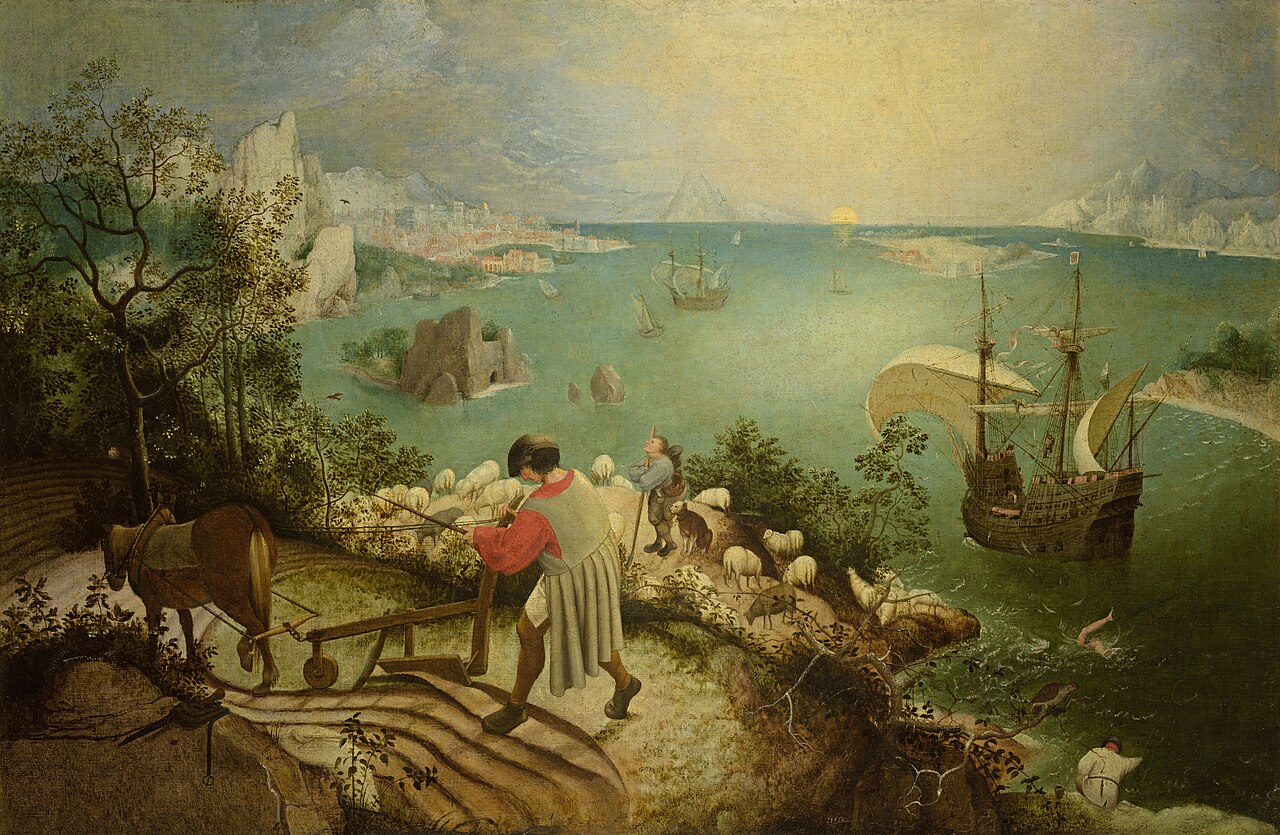
Landscape with the Fall of Icarus
Unknown (circle of Pieter Bruegel the Elder) · c. 1560s
 Painting
Primary source
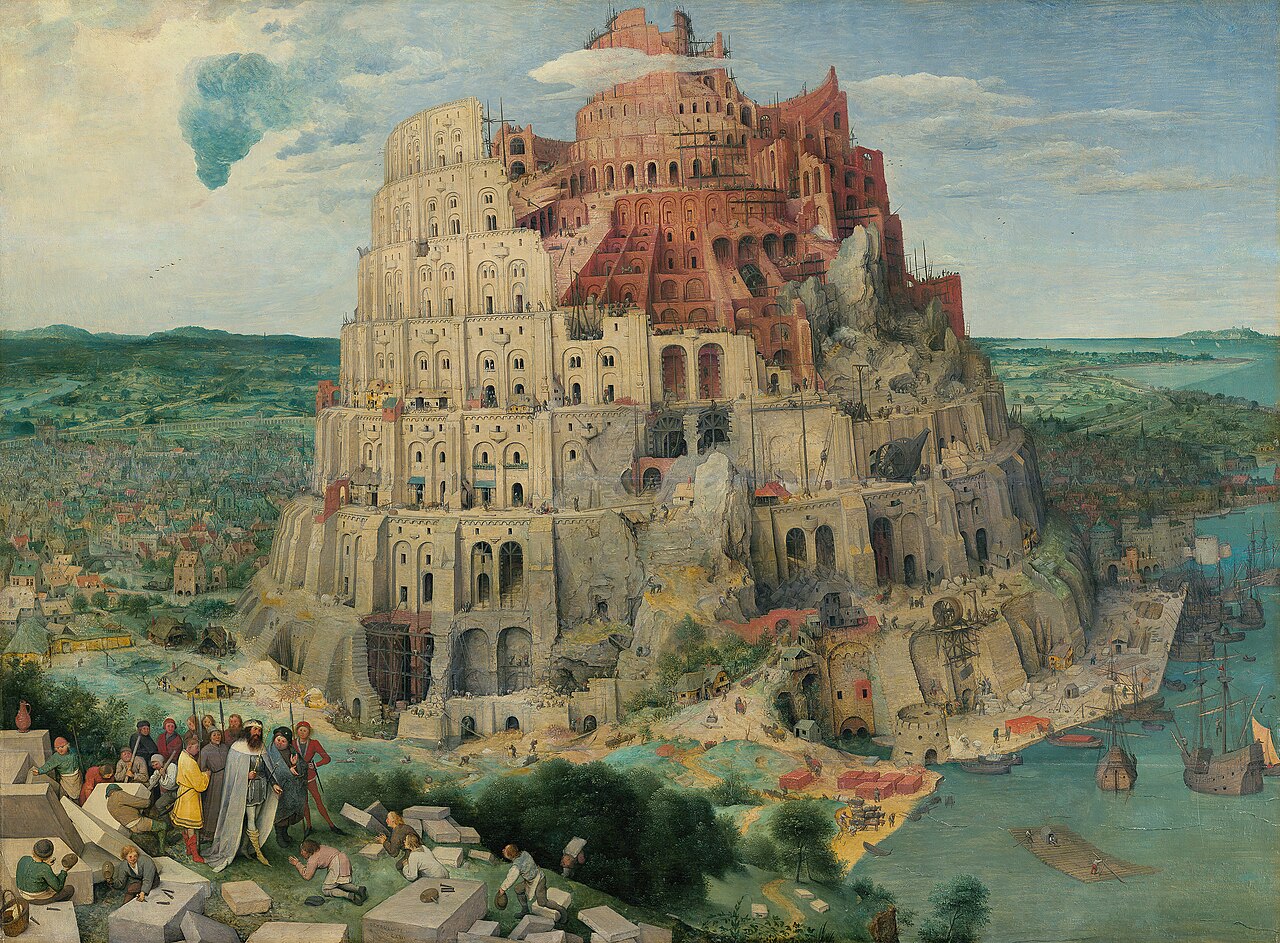
The Tower of Babel
Pieter Bruegel the Elder · 1563
Free account
Browse every Pieter Bruegel the Elder source
Sign up free →
Ready when you are
Start chatting with Pieter Bruegel the Elder now.
20 messages free · No credit card · Available in 50+ languages.