


Primary sourcePhotograph18 January 1918
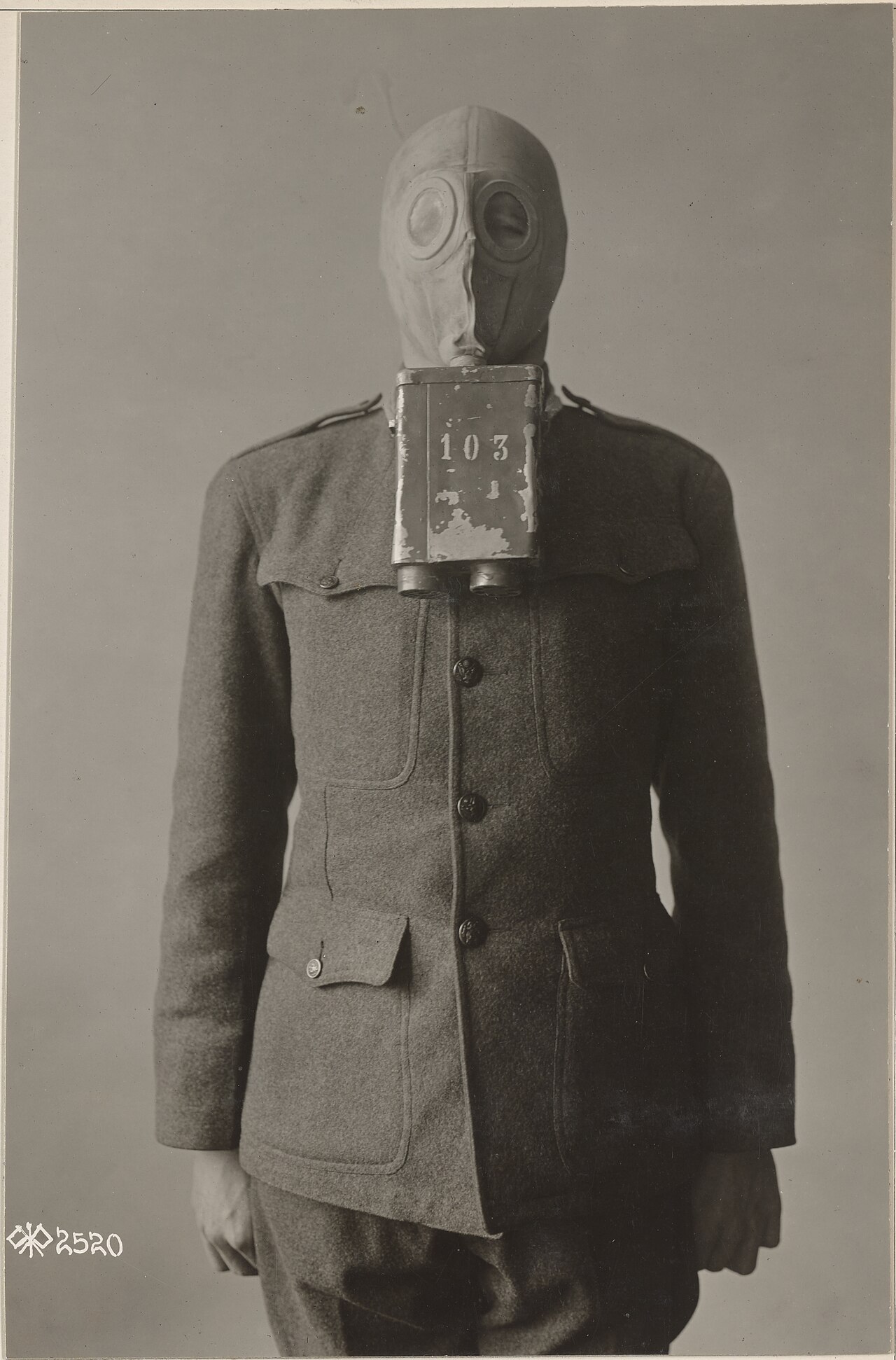
Types of Gas Masks, Russian Model, January 1918
18 January 1918
A U.S. Army photograph of a soldier wearing a protective gas mask, showing the defensive response to chemical warfare that Haber helped create.
Shows a protective gas mask, part of the defensive response to the chemical warfare Haber helped pioneer.
About this source
What it is
This is a photograph, taken on 18 January 1918, showing a soldier wearing a hood-style gas mask with an attached filter canister. The photographer is unknown.
Why it matters
Gas masks like this one were developed because of the widespread use of poison gas in the First World War, a weapon that Fritz Haber helped develop and direct for the German army. This image shows the human cost and the defensive measures that resulted from his scientific work being turned to war.
Look closer
- What does the design of the mask tell you about the dangers soldiers faced?
- Why might the military have photographed and catalogued different types of gas masks?
- What is missing from this image about who made the decision to use poison gas in the first place?
This photograph is part of the curated material that grounds the AI version of Fritz Haber on Humy.ai — when students ask about related events, the AI can quote it and cite it.
More Fritz Haber sources
Browse all 51 →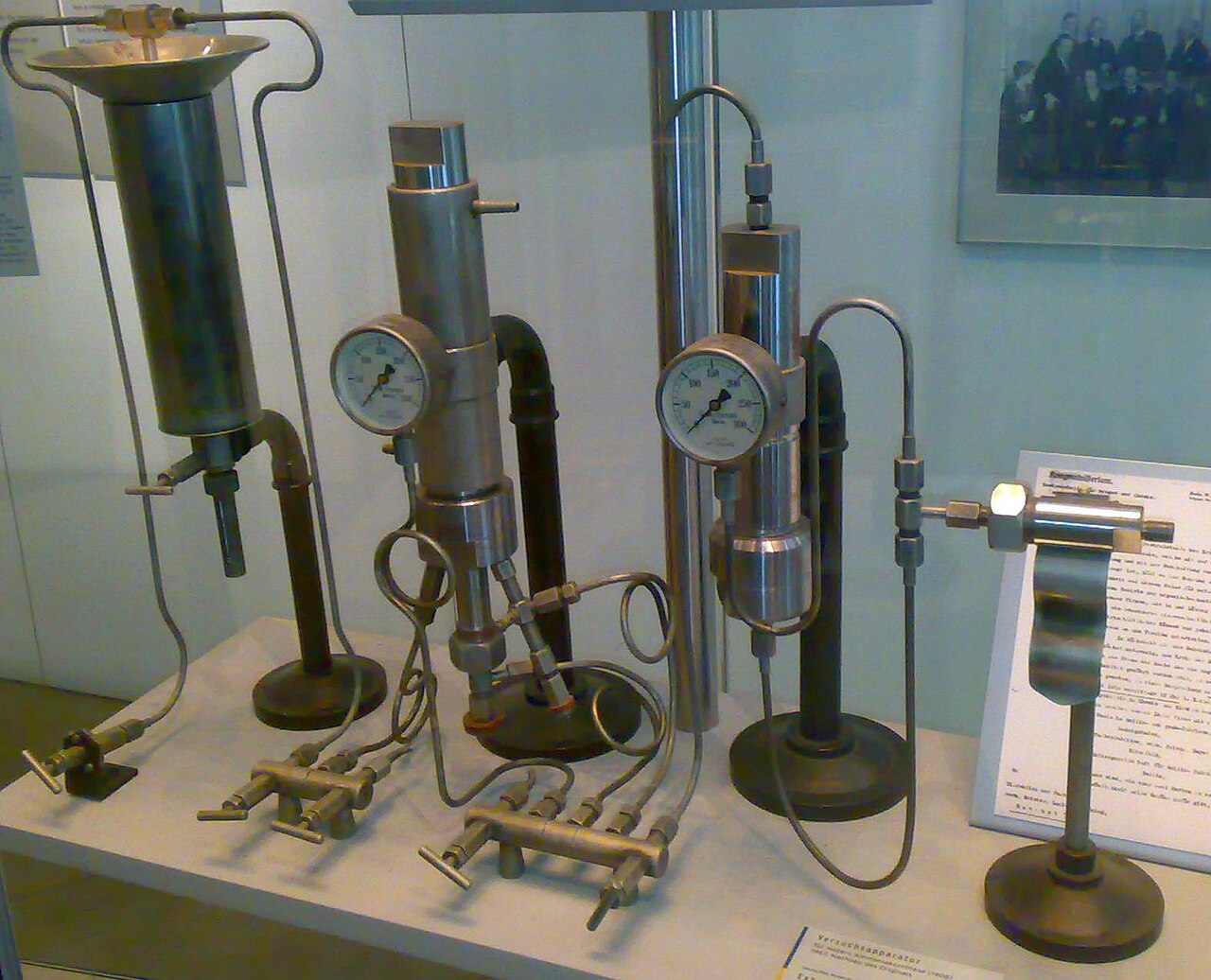 Photograph
Secondary source
Haber Ammonia Apparatus
JGvBerkel
 Photograph
Primary source
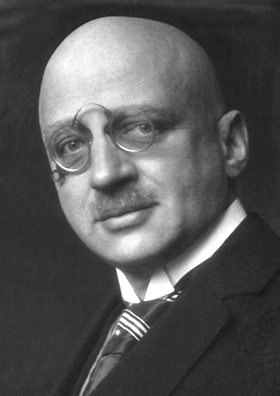
Fritz Haber
The Nobel Foundation
 Document
Primary source
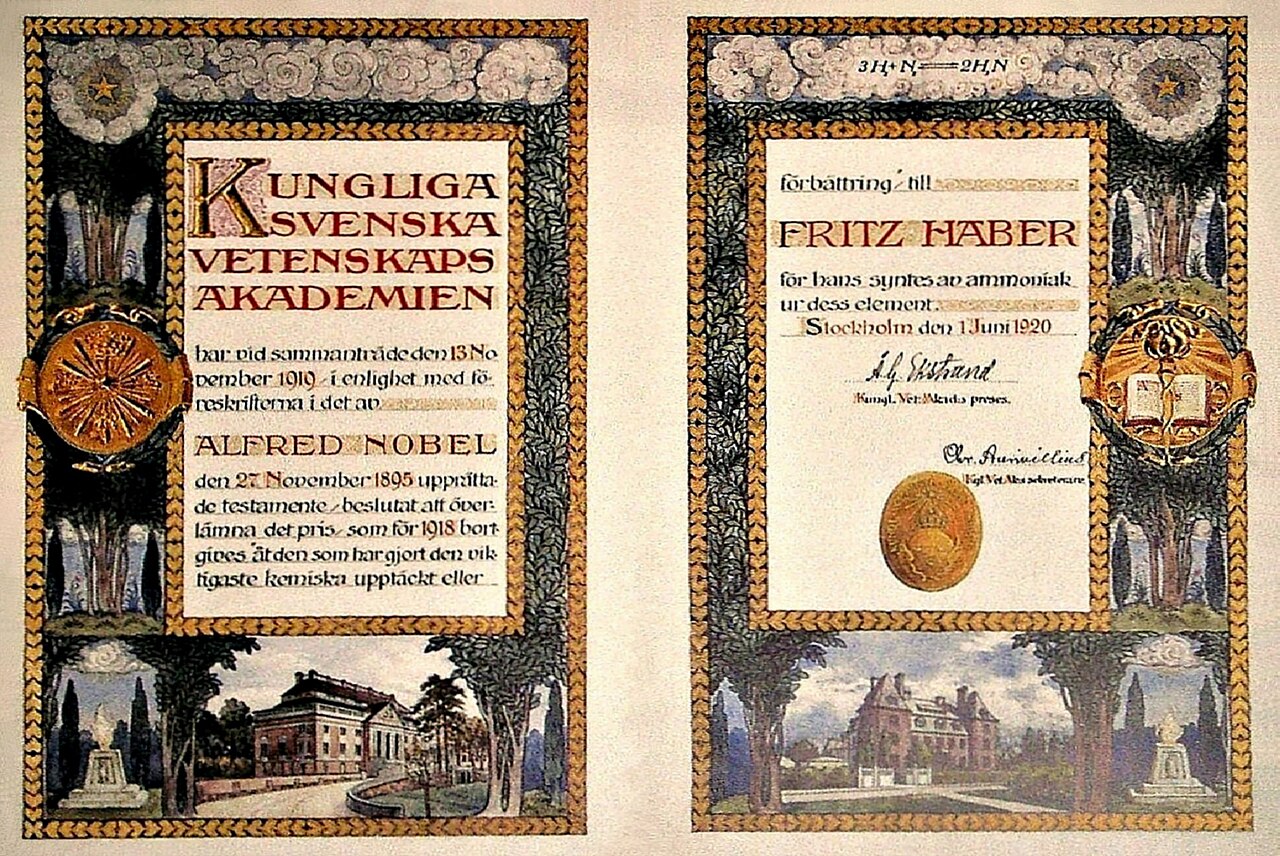
Nobel Prize Diploma Fritz Haber 1918
Sofia Gisberg · 1 June 1920
 Photograph
Primary source
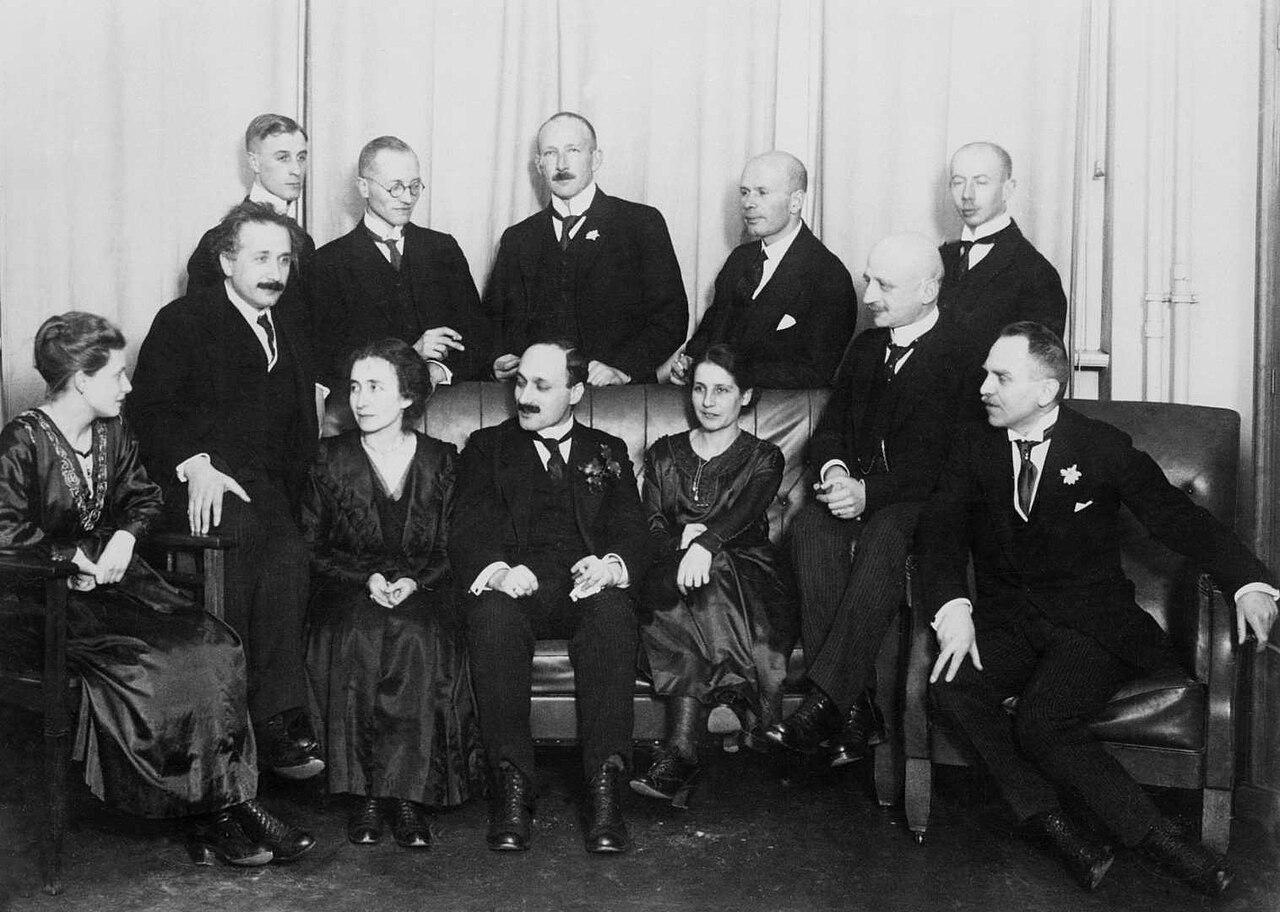
Berliner Physiker und Chemiker 1920
1920
Free account
Read every Fritz Haber source
Sign up free →
Ready when you are
Start chatting with Fritz Haber now.
20 messages free · No credit card · Available in 50+ languages.