


Primary sourcePainting1829
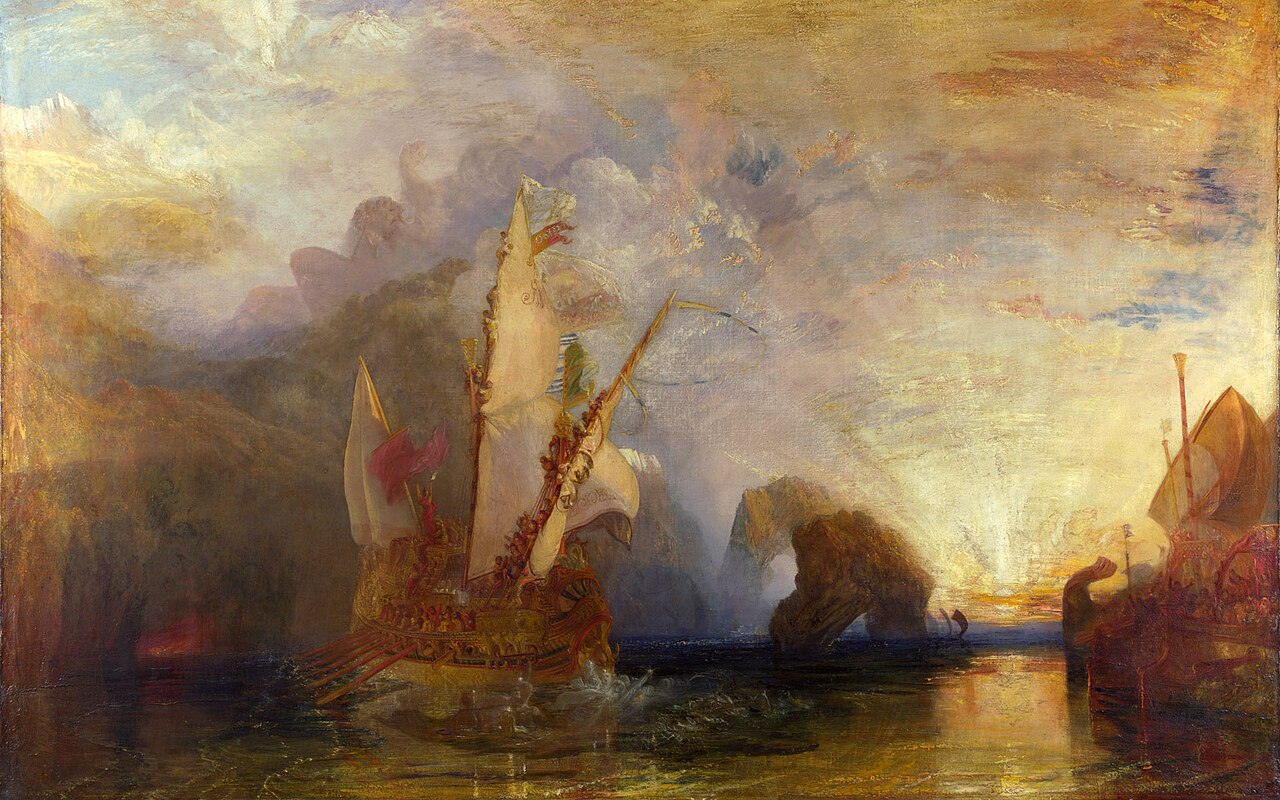
Ulysses Deriding Polyphemus
J. M. W. Turner · 1829
An 1829 oil painting by J. M. W. Turner depicting Odysseus mocking the blinded Cyclops Polyphemus, a scene from Homer's Odyssey.
Painted by Turner after his second trip to Italy, called by Ruskin the central picture of his career.
About this source
What it is
This oil painting was made by J. M. W. Turner in 1829 and shown at the Royal Academy that year. It depicts Odysseus (Ulysses) standing on his ship, taunting the Cyclops Polyphemus, whom he has just blinded. It is now held by the National Gallery in London.
Why it matters
The painting draws on Homer's Odyssey and also includes a reference to Virgil's Aeneid. It was painted after Turner's second journey to Italy and is considered, according to the critic John Ruskin, central to his career. It shows how classical literature inspired British painters of the time to explore colour, light and myth.
Look closer
- Can you find the hidden figure of Polyphemus among the mountains?
- How does Turner use light and colour to create drama?
- Why might Turner have chosen this moment from the story rather than another?
This painting is part of the curated material that grounds the AI version of J. M. W. Turner on Humy.ai — when students ask about related events, the AI can quote it and cite it.
More J. M. W. Turner sources
Browse all 98 →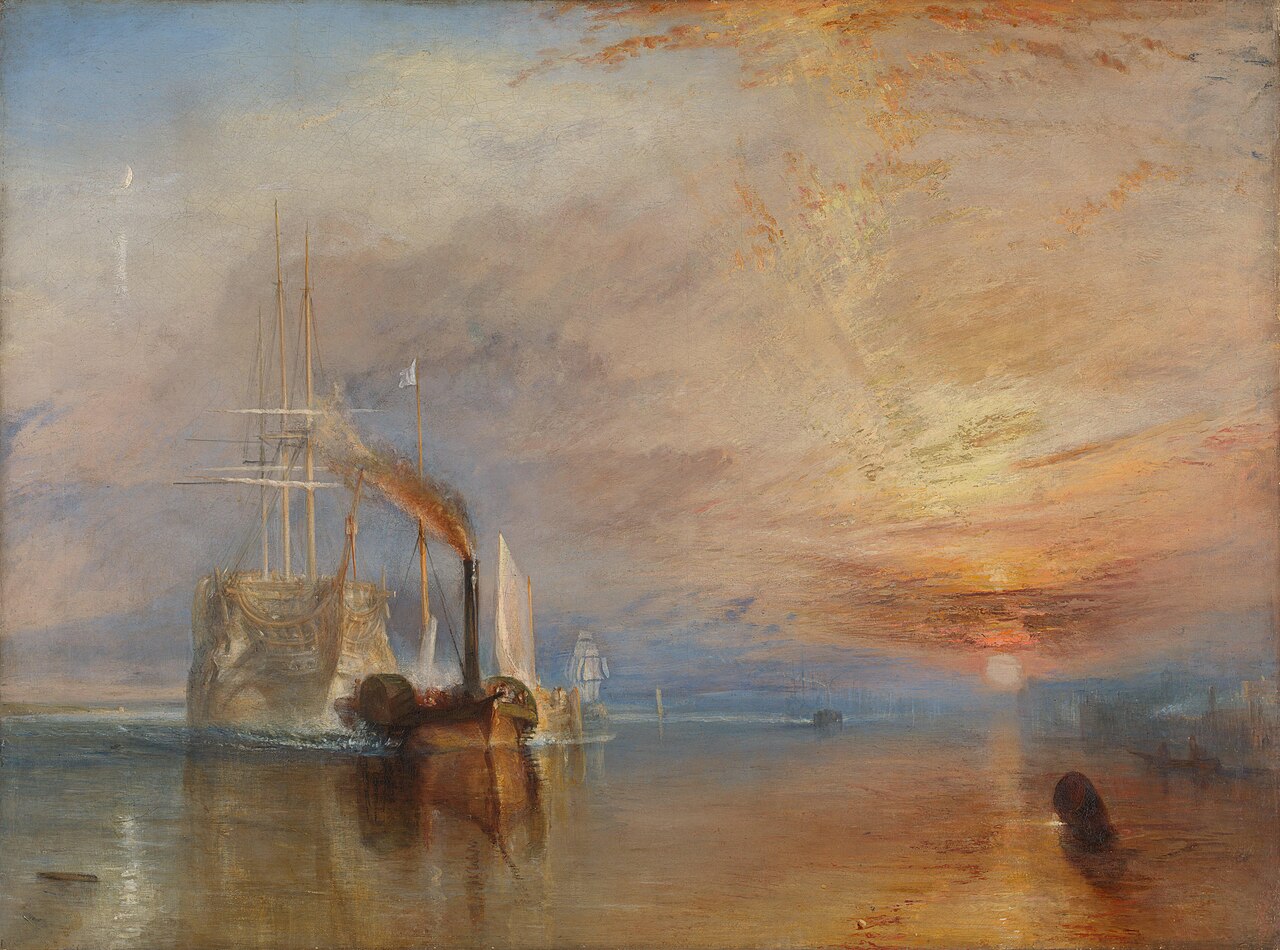 Painting
Primary source
The Fighting Temeraire
J. M. W. Turner · 1839
 Painting
Secondary source
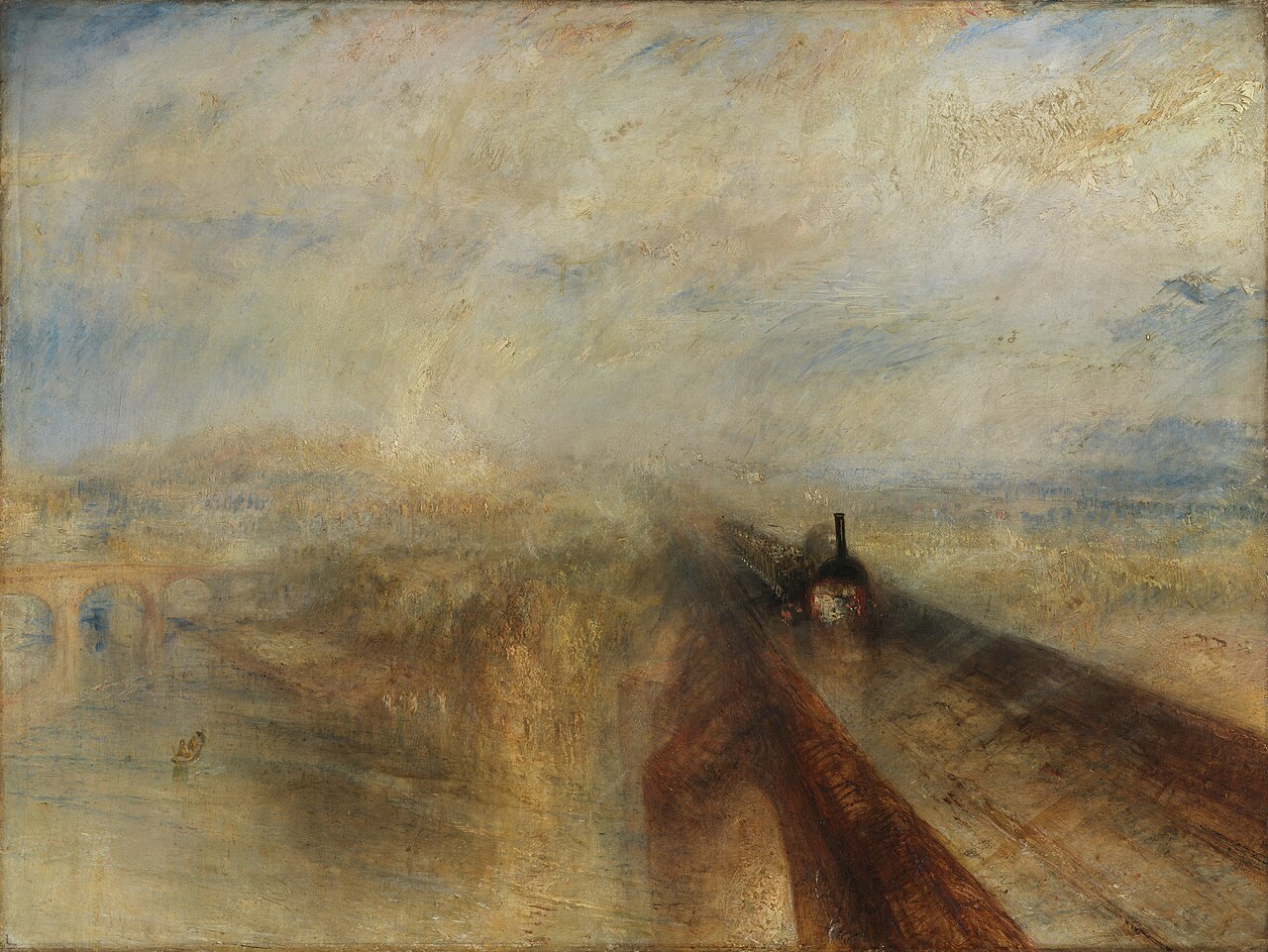
Rain, Steam and Speed – The Great Western Railway
J. M. W. Turner · 1844
 Painting
Secondary source
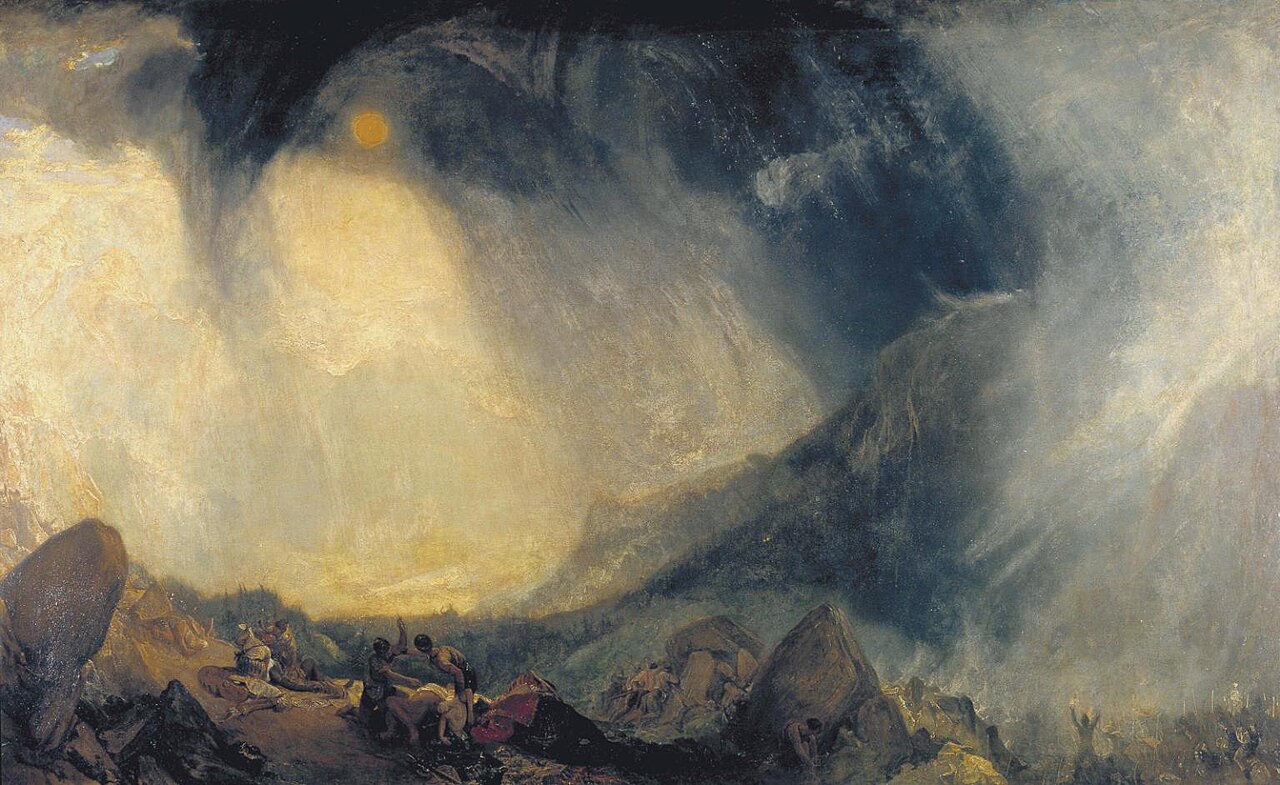
Snow Storm: Hannibal and his Army Crossing the Alps
J. M. W. Turner · 1812
 Painting
Primary source
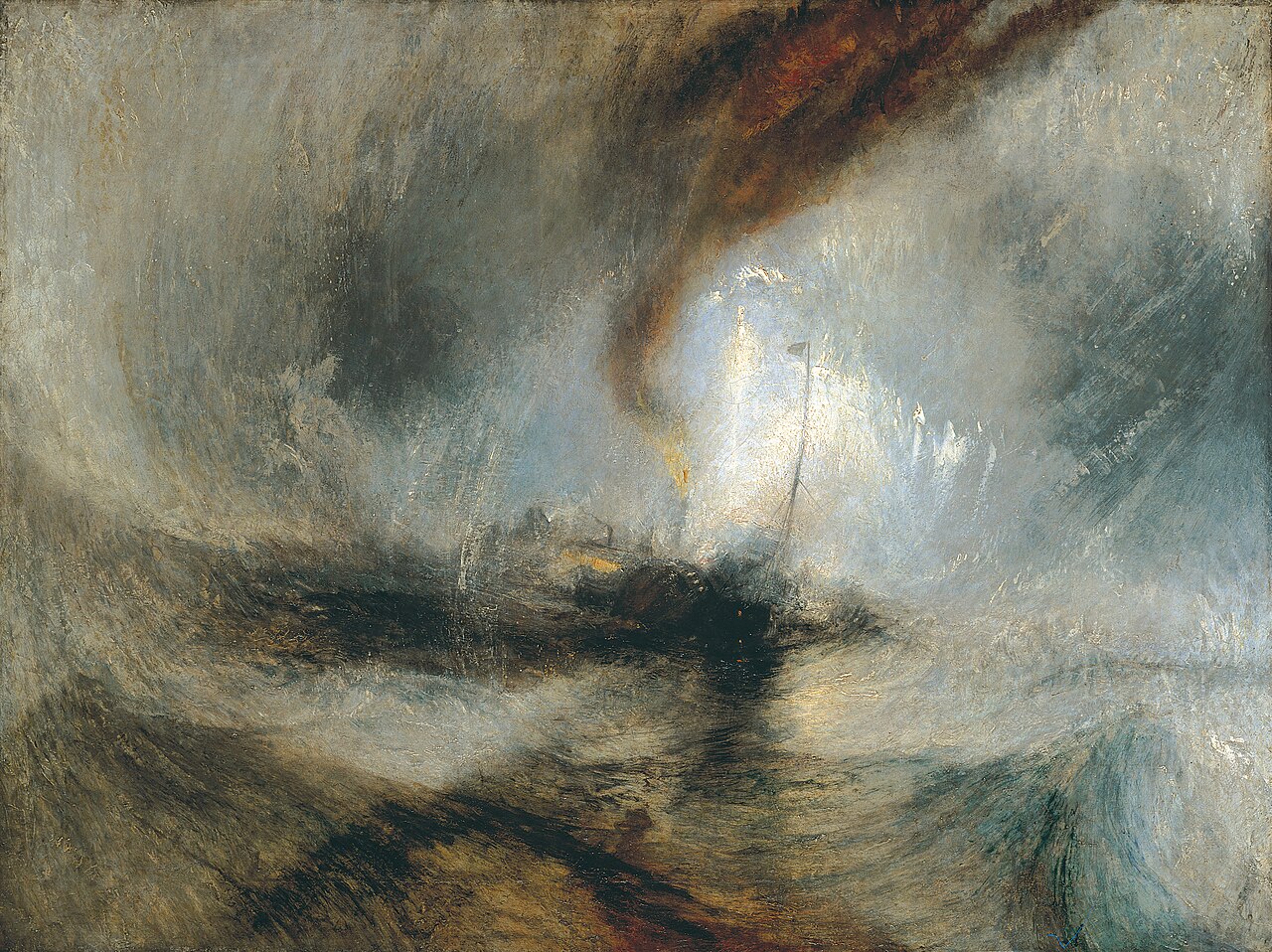
Snow Storm: Steam-Boat off a Harbour's Mouth
J. M. W. Turner · 1842
Free account
Read every J. M. W. Turner source
Sign up free →
Ready when you are
Start chatting with J. M. W. Turner now.
20 messages free · No credit card · Available in 50+ languages.