


Primary sourceArtifact7th century, likely during Mu'awiya's reign (661-680)
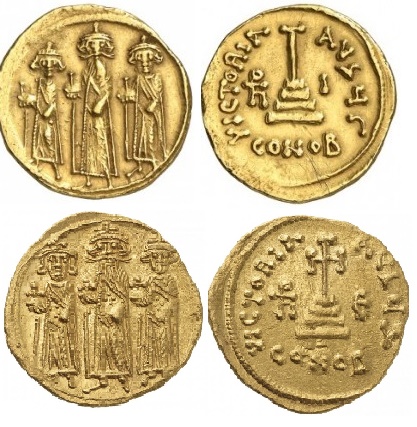
Umayyad Arab-Byzantine Solidus
Otto Nickl · 7th century, likely during Mu'awiya's reign (661-680)
A gold coin imitating Byzantine currency, likely minted under Mu'awiya's rule as the Umayyad state began issuing its own money.
This coin was likely minted under Mu'awiya, showing how his new caliphate adapted Byzantine coin designs.
About this source
What it is
This is a gold coin copying the design of a Byzantine solidus, most likely minted during the reign of Caliph Mu'awiya I. It imitates coinage of the Byzantine emperor Heraclius, showing standing robed figures and a cross on steps, with Arabic-style lettering added around the edges.
Why it matters
This coin shows how the early Umayyad Caliphate, founded by Mu'awiya, used familiar Byzantine imagery to keep trade and payments running smoothly in former Byzantine territory, while slowly adapting designs to an Islamic state.
Look closer
- Why would a new Islamic government copy Byzantine religious imagery like a cross on its coins?
- What does the added lettering suggest about how the design was being changed over time?
- How can a coin's imagery help historians date it, even without a written date?
This artifact is part of the curated material that grounds the AI version of Mu'awiya I on Humy.ai — when students ask about related events, the AI can quote it and cite it.
More Mu'awiya I sources
Browse all 37 →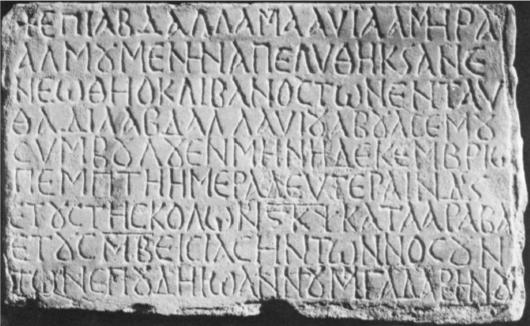 Document
Primary source
Greek Muawiya Inscription of Hammat Gader
662-663 AD
Secondary source
Hasan–Muawiya Treaty
Mu'awiya I and Hasan ibn Ali · 661
 Book
Secondary source
Futuh al-Buldan
Al-Baladhuri · 9th century
 Artifact
Secondary source
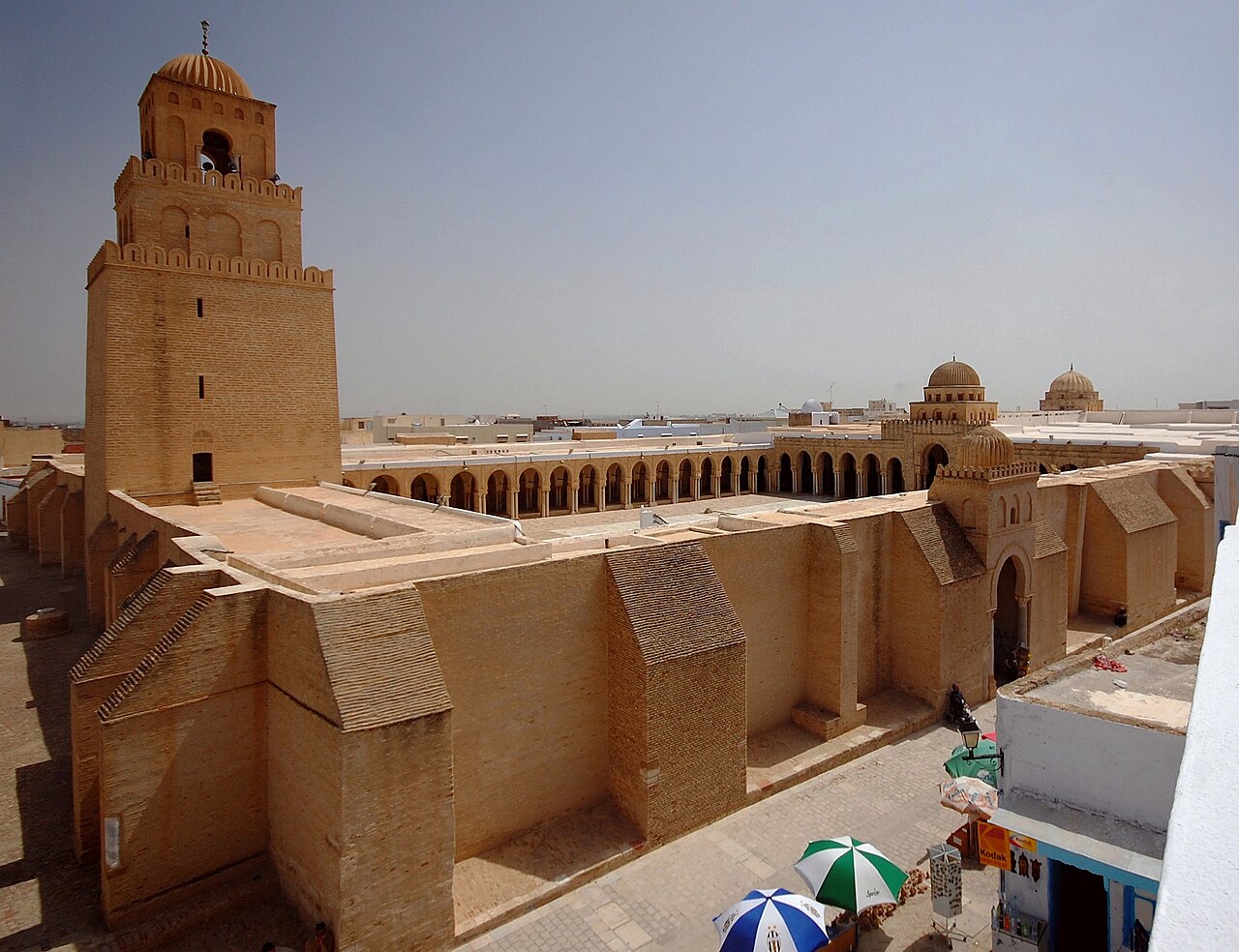
Hala Sultan Tekke
1760
Free account
Read every Mu'awiya I source
Sign up free →
Ready when you are
Start chatting with Mu'awiya I now.
20 messages free · No credit card · Available in 50+ languages.