


Primary sourceBook1525
Underweysung der Messung
Albrecht Dürer · 1525
Dürer's own 1525 German treatise on geometry and measurement, intended to teach painters and craftsmen mathematical principles.
This is Dürer's own treatise on geometry, a primary record of his theoretical thinking as an artist-mathematician.
About this source
What it is
This is Albrecht Dürer's treatise on measurement, written in German and published in Nuremberg in 1525. It explains geometric principles using compass and straightedge, meant for young learners and craftsmen without access to teachers.
Why it matters
Dürer was deeply interested in mathematics and wanted to bring the scientific rigor of geometry to the practical arts. This book shows him not only as an artist but as a theorist trying to put Euclidean ideas into a practical, teachable form for painters, architects, and other craftsmen of his time.
Look closer
- Why does Dürer explain basic ideas like points and lines so carefully at the start?
- Who did Dürer imagine as the readers of this book, and why did that matter to him?
- How might a treatise like this connect mathematics to the visual arts?
This book is part of the curated material that grounds the AI version of Albrecht Dürer on Humy.ai — when students ask about related events, the AI can quote it and cite it.
More Albrecht Dürer sources
Meet the AI Albrecht Dürer → Painting
Primary source
Self-Portrait with Fur-Trimmed Robe
Albrecht Dürer · 1500
 Painting
Primary source
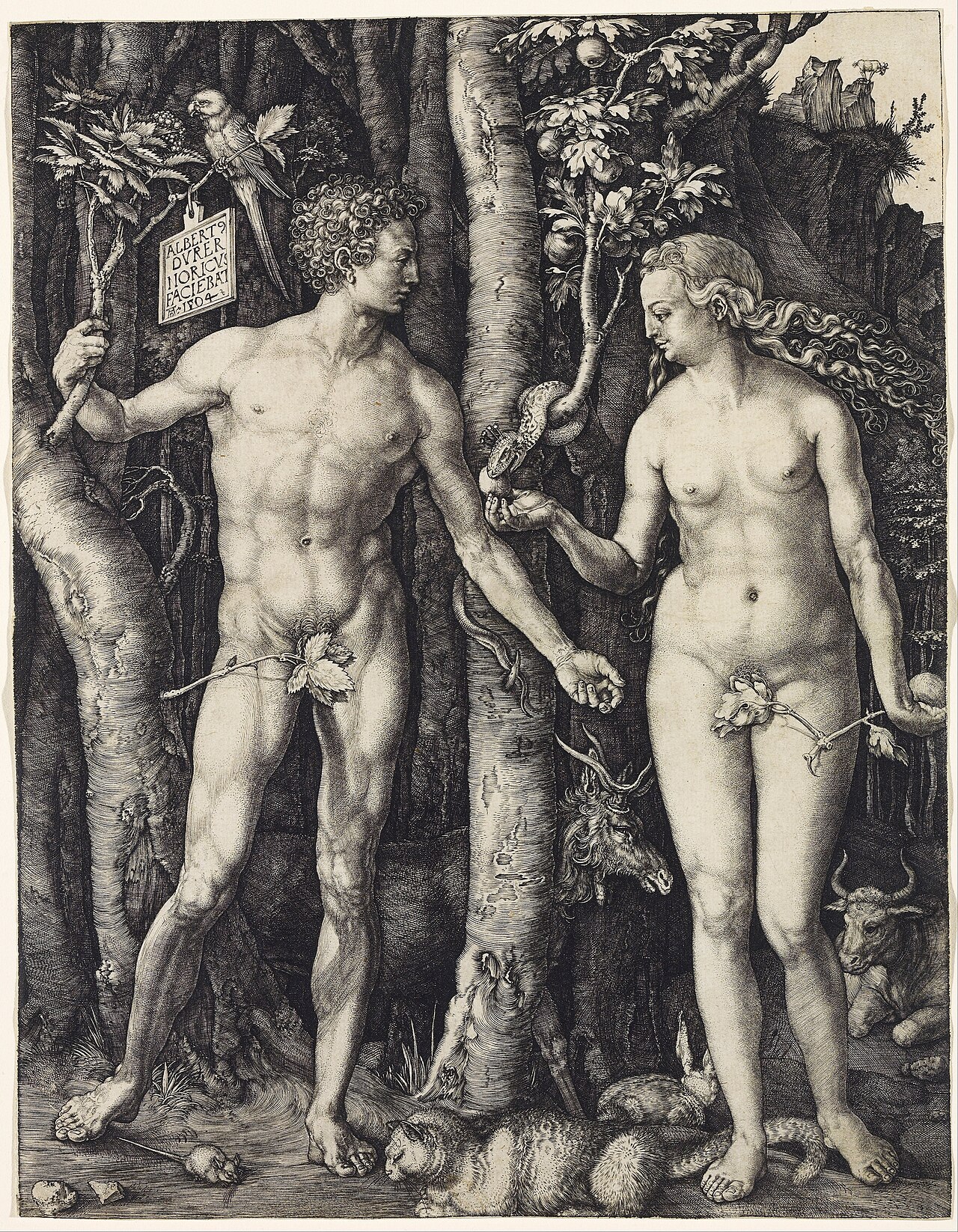
Adam and Eve
Albrecht Dürer · 1504
 Painting
Primary source
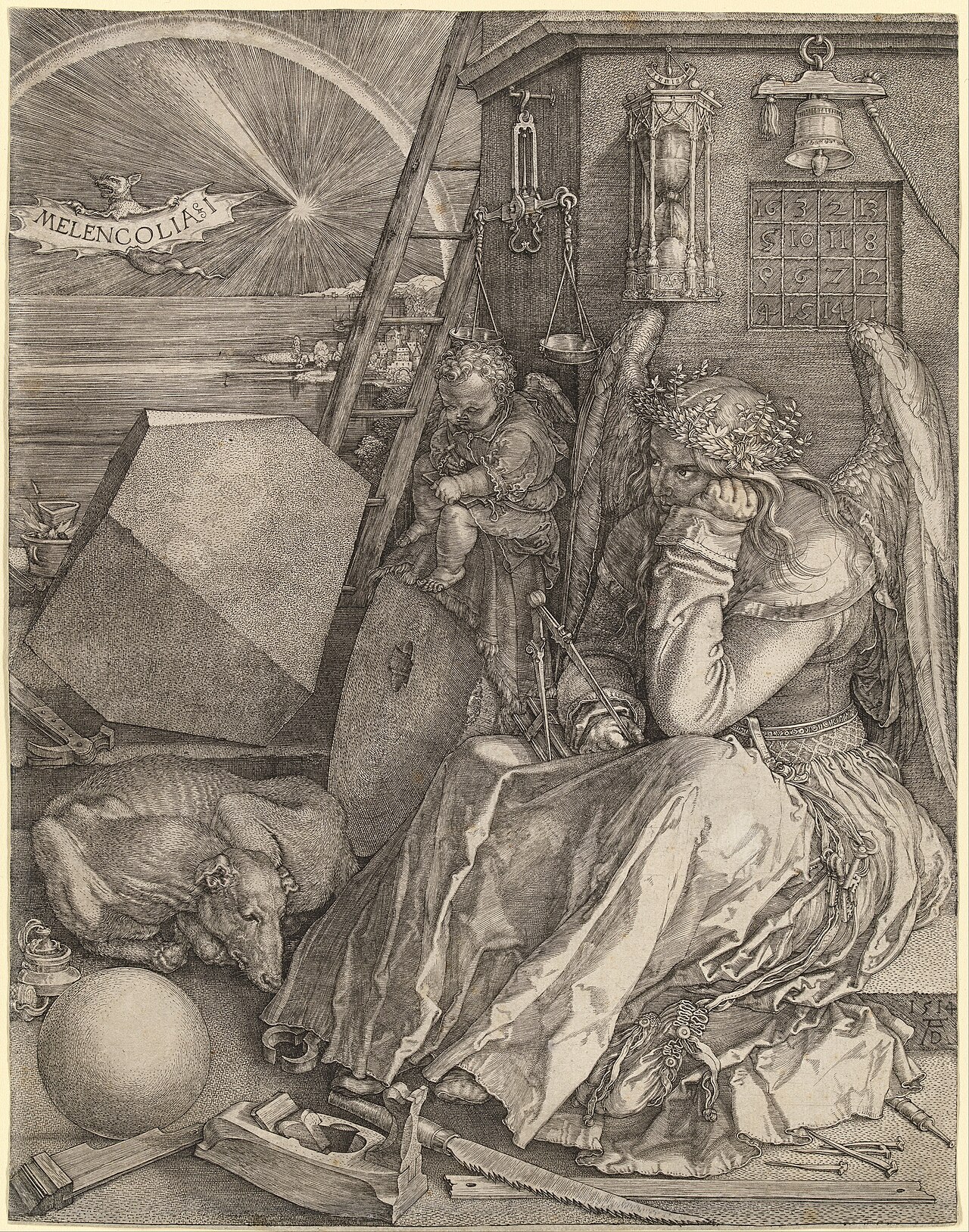
Melencolia I
Albrecht Dürer · 1514
 Painting
Primary source
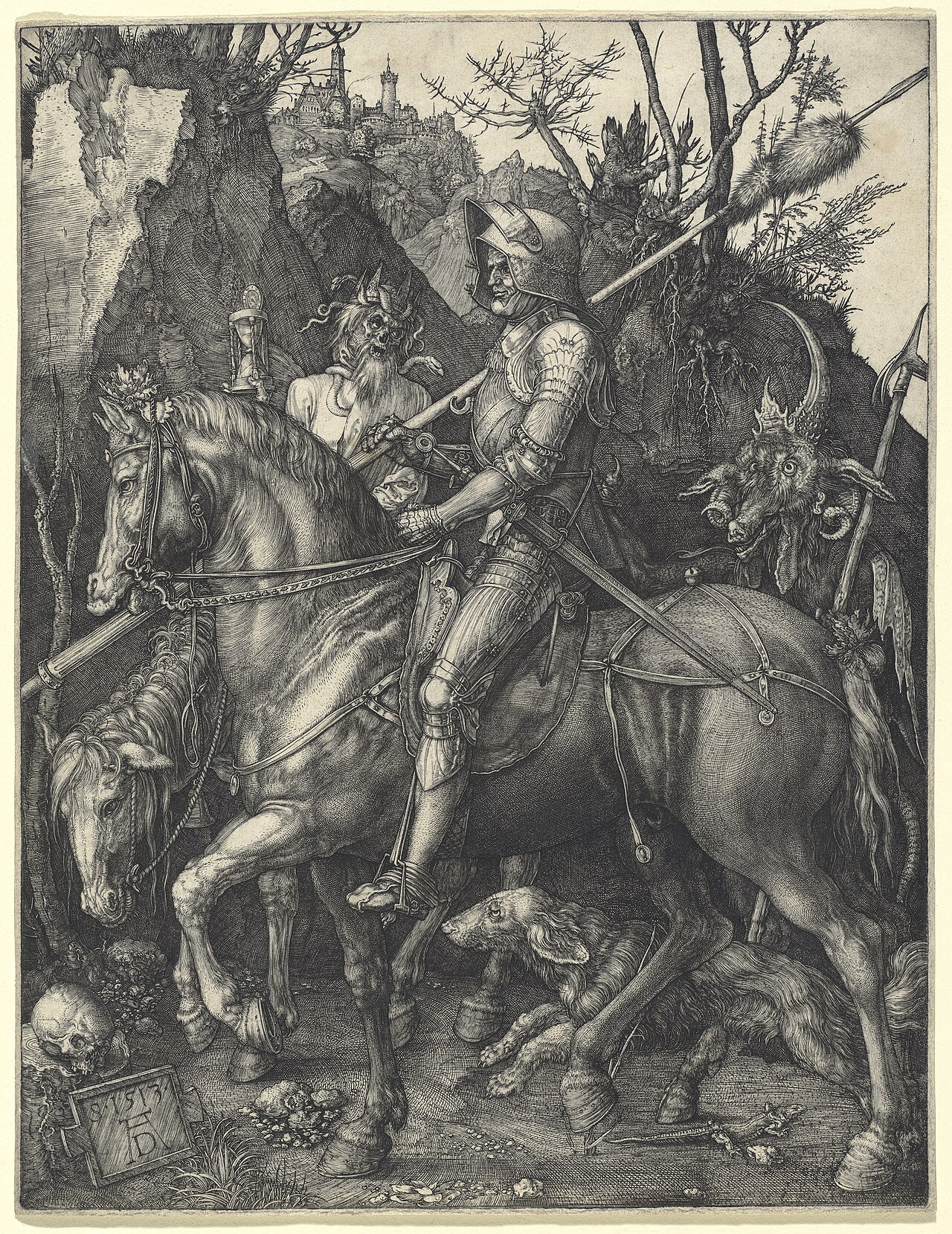
Knight, Death and the Devil
Albrecht Dürer · 1513
 Painting
Primary source
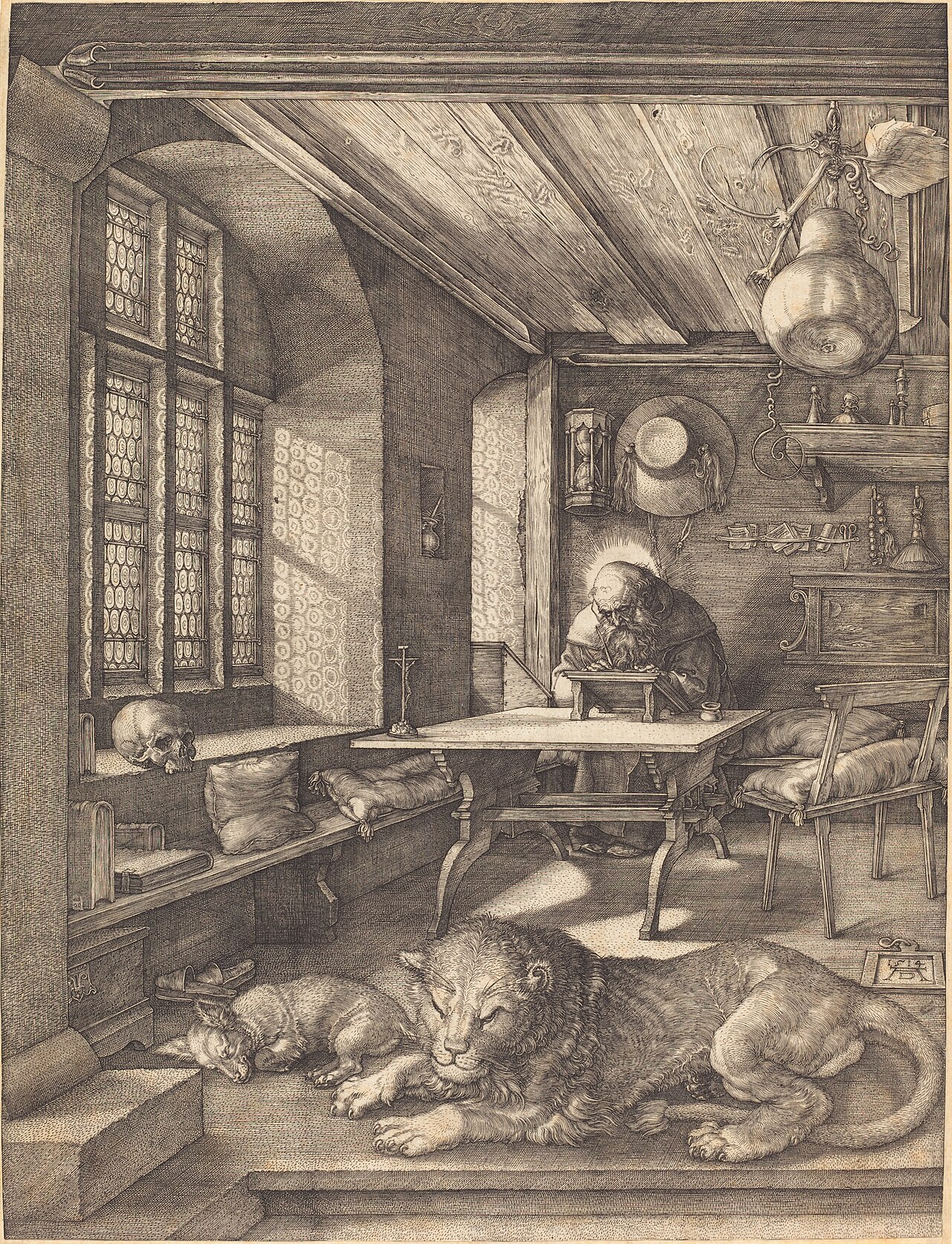
St. Jerome in His Study
Albrecht Dürer · 1514
Ready when you are
Start chatting with Albrecht Dürer now.
20 messages free · No credit card · Available in 50+ languages.