


Secondary sourceArtifact1928 (design); in use into 21st century
United States Twenty-Dollar Bill
1928 (design); in use into 21st century
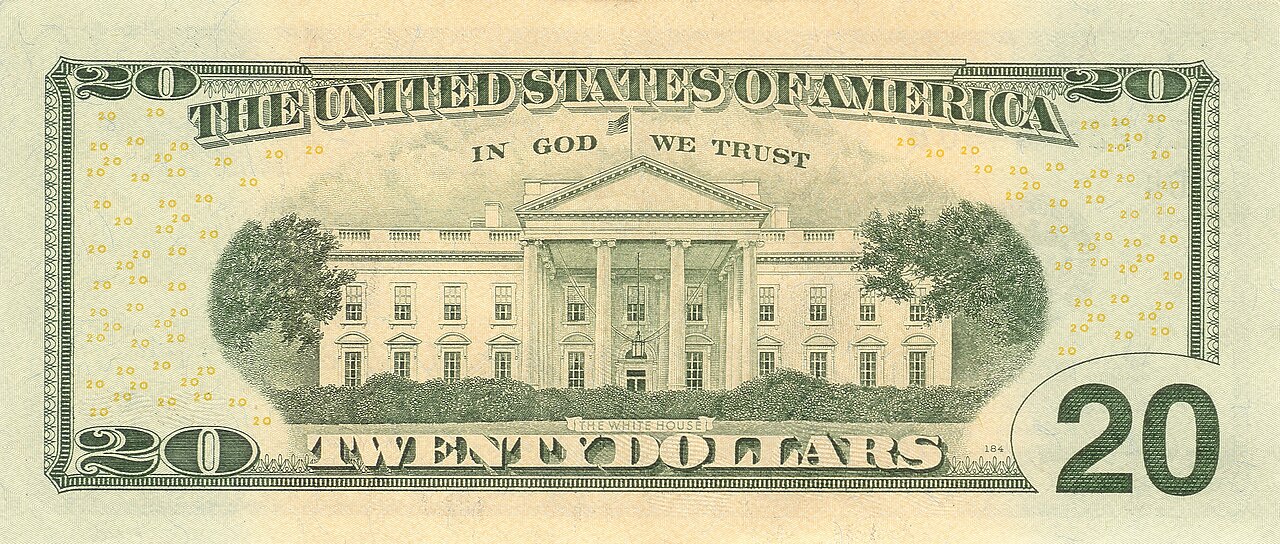
A U.S. banknote that has featured a portrait of Andrew Jackson on its face since 1928, making his image part of everyday currency.
Jackson's portrait has appeared on this banknote since 1928, and debate over his legacy continues around it.
About this source
What it is
The twenty-dollar bill is a denomination of U.S. paper currency. Since the series of 1928, its front has carried a portrait of Andrew Jackson, the seventh U.S. president, with the White House shown on the back. The design has been updated many times since, and the note remains in circulation today.
Why it matters
Putting Jackson on money is often called ironic: as president he strongly opposed a national bank and paper money itself, helping destroy the Second Bank of the United States. Treasury officials said the portrait was chosen simply because Jackson's face was familiar to the public, not for political reasons. The debate over replacing him with Harriet Tubman shows that how later generations picture Jackson is still argued over.
Look closer
- Why might a government choose to honor a president who opposed the very system of paper money he appears on?
- What does the choice of whose face appears on money tell us about who a society wants to remember?
- What is left out of a banknote portrait that a fuller history would include?
This artifact is part of the curated material that grounds the AI version of Andrew Jackson on Humy.ai — when students ask about related events, the AI can quote it and cite it.
More Andrew Jackson sources
Meet the AI Andrew Jackson →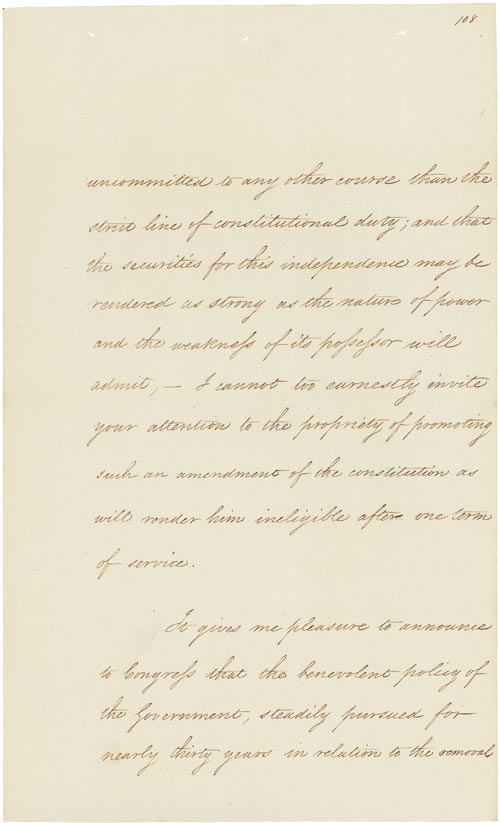 Speech
Primary source
Message to Congress On Indian Removal
Andrew Jackson · 6 December 1830
 Painting
Primary source
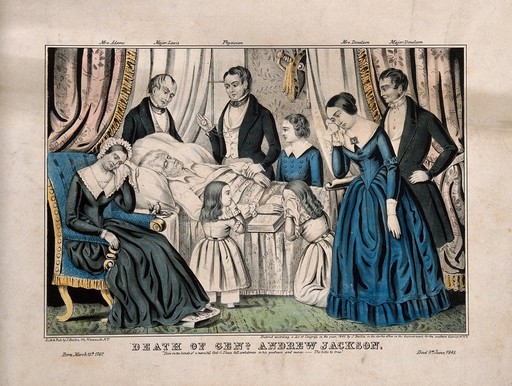
Death of General Andrew Jackson
1845
 Painting
Primary source
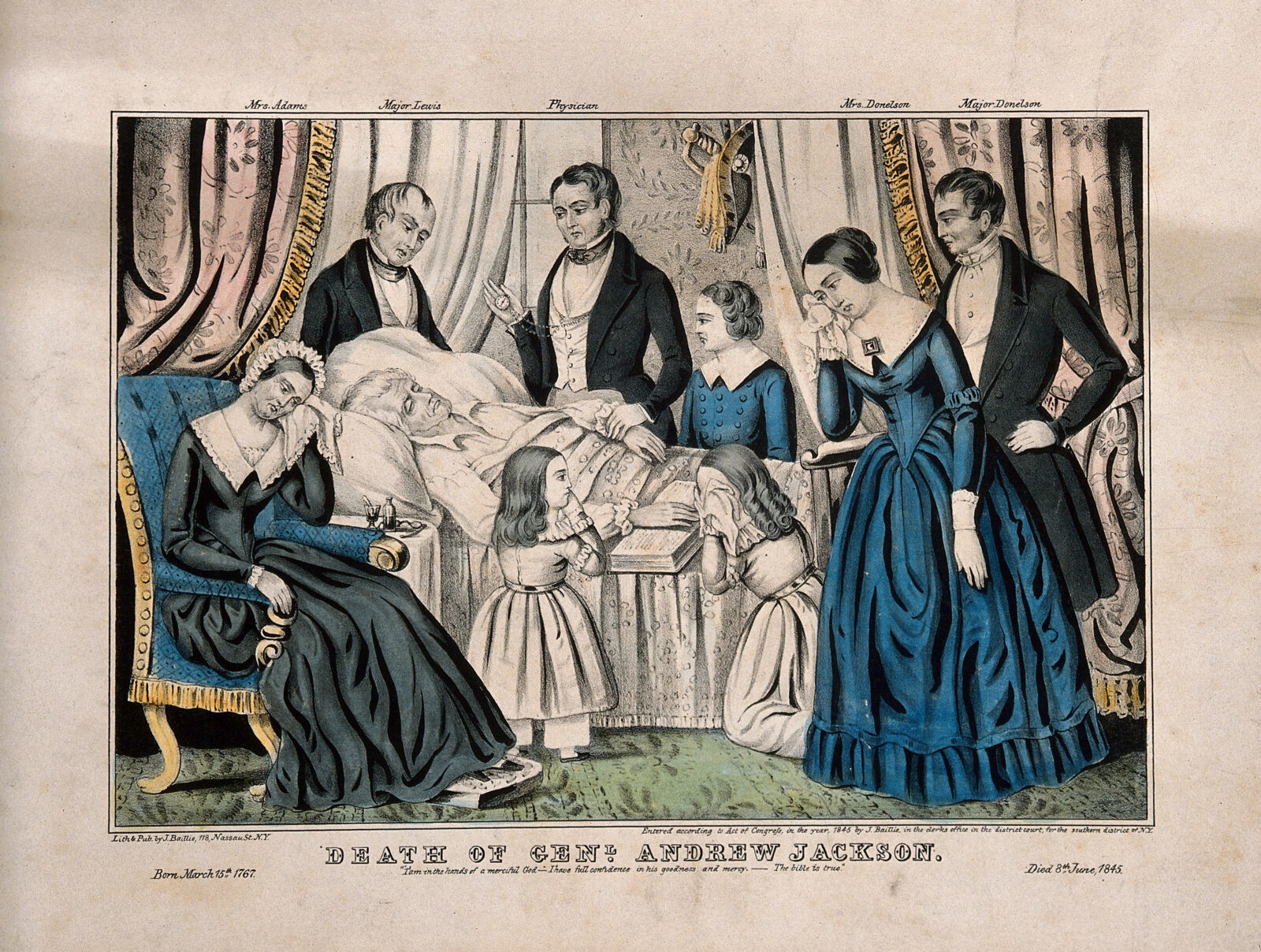
The Death of President Andrew Jackson
1845
Primary source
Indian Removal Act
United States Congress · 28 May 1830
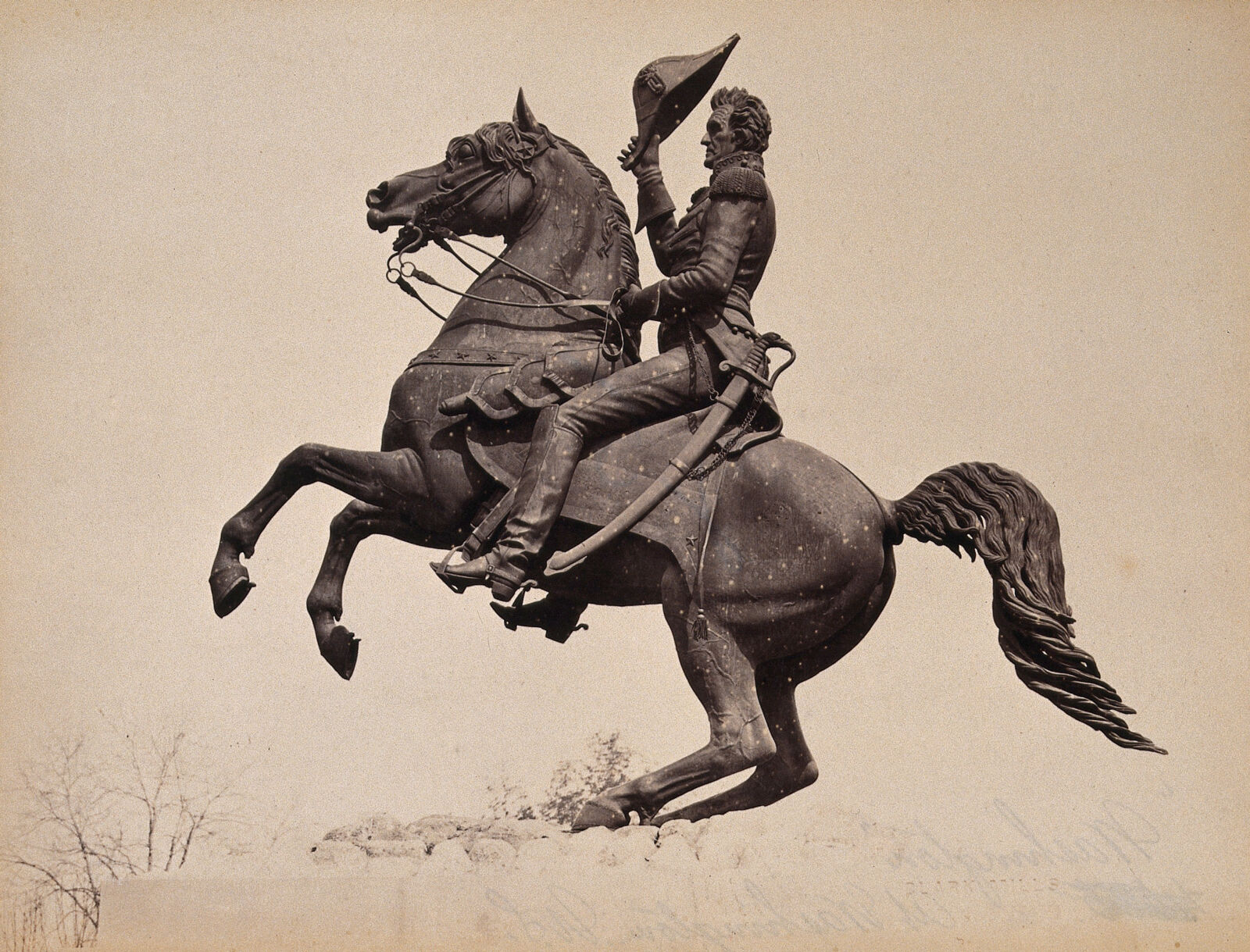 Photograph
Secondary source
Photograph of the Andrew Jackson Equestrian Statue, Lafayette Park
Clark Mills · c. 1880
Ready when you are
Start chatting with Andrew Jackson now.
20 messages free · No credit card · Available in 50+ languages.