


Primary sourceDocument1829
United States v. Kingsley
1829
A U.S. Supreme Court case record over Zephaniah Kingsley's claim to a tract of land granted to him under Spanish rule in Florida.
A court record naming Kingsley as petitioner, documenting his land claims and legal standing after the U.S. takeover of Florida.
Free Humy account · No credit card · 53,307 sources to read
About this source
What it is
This is the text of a United States Supreme Court case, decided on appeal from the superior court of East Florida. It records a petition Zephaniah Kingsley presented in April 1829, claiming title to land on a creek near the St. Johns River, based on a grant made to him by the Spanish governor in 1816.
Why it matters
The case shows Kingsley acting as a landowner and litigant defending property rights that originated under Spanish colonial law, after Florida had become part of the United States. It is a legal record naming him directly and detailing the terms of his original Spanish land grant, offering a primary legal source for how former Spanish grants were handled by American courts.
Look closer
- Why would a Spanish land grant need to be defended in an American court?
- What does this case tell you about Kingsley's economic activities beyond slave trading?
- What does a court record show about a person that a letter or book cannot?
This document is part of the curated material that grounds the AI version of Zephaniah Kingsley on Humy.ai — when students ask about related events, the AI can quote it and cite it.
More Zephaniah Kingsley sources
Browse all 22 → Artifact
Primary source
Cotton Gin
Eli Whitney · 1794
Primary source
A Treatise on the Patriarchal, or Co-operative System of Society
Zephaniah Kingsley · 1828
 Artifact
Primary source
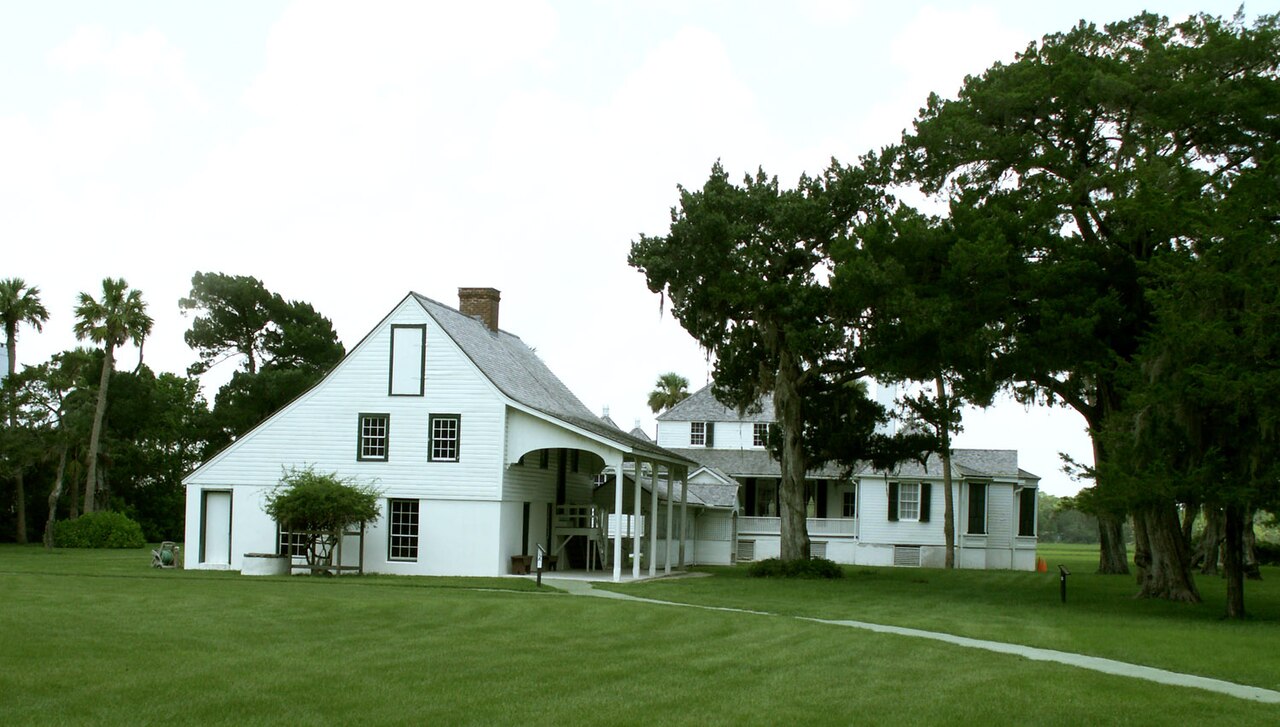
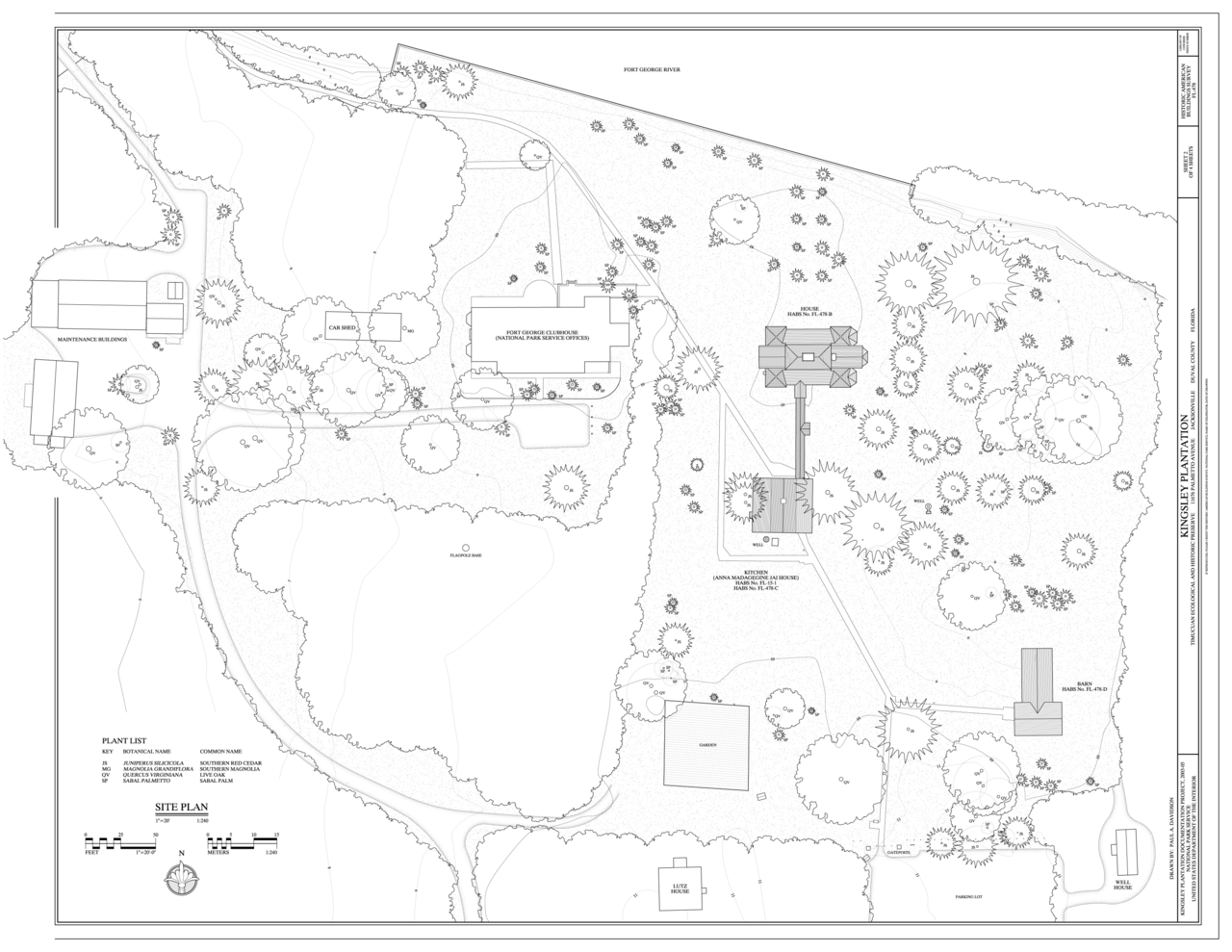
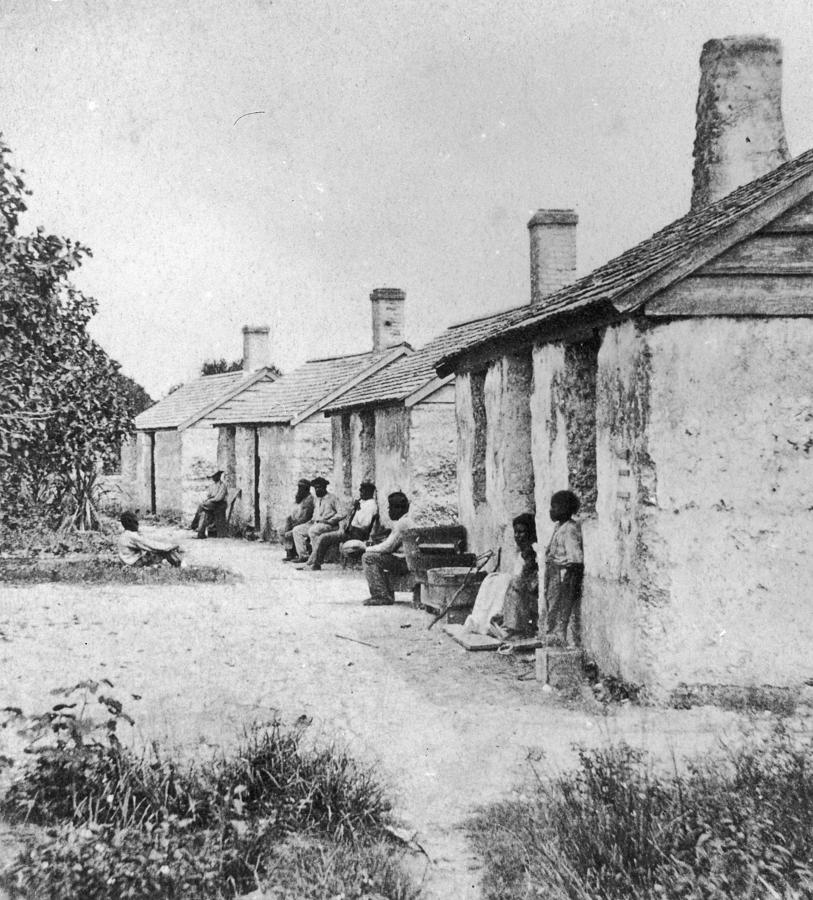
Kingsley Plantation
c. 1797-1837
Primary source
The United States Against Zephaniah Kingsley, Supreme Court Reports 1830
Supreme Court of the United States · 1830 (filed 1837)
Free account
Browse every Zephaniah Kingsley source
Sign up free →
Ready when you are
Start chatting with Zephaniah Kingsley now.
20 messages free · No credit card · Available in 50+ languages.